
In emergency situations, having the right equipment can be a matter of life and death. A bug out bag, also known as a ‘bail-out’ bag, is a crucial component of any survival plan.
It’s a pack filled with emergency supplies designed to help you survive independently for up to 5-7 days. The Echo-Sigma 5-7 Day Bug Out Bag is an example of a comprehensive emergency survival kit that includes essentials like water purification solutions, high-calorie food rations, and life-saving tools.
Having a well-prepared bug out bag can significantly enhance your chances of survival during natural disasters, power outages, or other emergencies.
Key Takeaways
- A bug out bag is essential for survival in emergency situations.
- It should contain supplies for up to 5-7 days.
- Water purification solutions are a critical component.
- High-calorie food rations provide necessary sustenance.
- Life-saving tools are vital for emergency response.
Understanding What a Bug Out Bag Is
A bug out bag is more than just a collection of items; it’s a lifeline during crises, designed to help individuals survive and navigate through emergency situations.
Bug out bags are used to help you leave your home in an emergency, containing important things like tools, food, and water to keep you safe while you follow your emergency plan. As Max Brooks, author of “The Martial Arts Odyssey,” once said, “A good bug out bag is like a good friend; it’s always there for you, always ready to help you out of a tight spot.” This emphasizes the importance of having a reliable bug out bag.
Definition and Purpose of a Bug Out Bag
A bug out bag, often abbreviated as BOB, is a portable kit that contains essential items needed to survive for at least 72 hours in case of an emergency. The purpose of a bug out bag is to provide individuals with the necessary tools, food, water, and first aid supplies to sustain themselves until help arrives or until they can reach a safe location.
The contents of a bug out bag can vary depending on personal needs, the type of emergency, and the environment. However, the core idea remains the same: to be prepared for the unexpected. As the saying goes, “It’s better to have it and not need it, than to need it and not have it.”
Why You Need One in an Emergency
In an emergency, every second counts. Having a bug out bag ready can save precious time and reduce stress. It ensures that you have the necessary supplies to protect yourself and your loved ones. Whether it’s a natural disaster, civil unrest, or another crisis situation, a well-stocked bug out bag can be your key to survival.
When considering “top bug out bags,” it’s essential to look for reviews and recommendations that highlight durability, comfort, and functionality. A good bug out bag should be able to withstand various conditions and be comfortable enough to carry over long distances.
Essential Items to Include in Your Bug Out Bag
The right essentials in your bug out bag can make all the difference in a crisis. A bug out bag is only as effective as the items it contains, and there are certain must-haves that should always be included.
Water and Water Purification
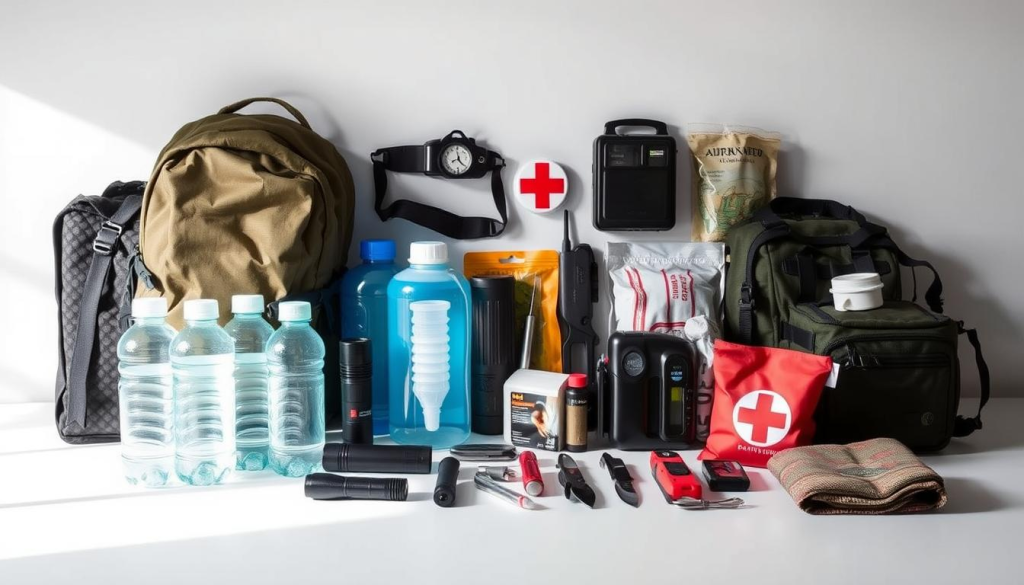
Having access to clean drinking water is paramount. It’s recommended to store at least one liter of water per person per day for drinking, cooking, and hygiene. However, carrying large quantities of water can be impractical, so including a water purification method is essential.
Water Purification Options:
- Water filters like the LifeStraw or Sawyer Mini
- Chemical purification tablets or bleach
- UV purifiers such as the SteriPen
These options can significantly reduce the need for stored water, making your bug out bag more efficient.
Food Options for Survival
Food is another critical component. The goal is to include high-calorie, nutrient-rich foods that are lightweight and have a long shelf life.
| Food Type | Examples | Benefits |
|---|---|---|
| Dried Goods | Nuts, dried fruits, jerky | High in calories, lightweight |
| Canned Goods | Canned tuna, beans, vegetables | Long shelf life, nutrient-rich |
| MREs | Pre-cooked, pre-packaged meals | Easy to prepare, high in calories |
First Aid Kit Essentials
A first aid kit is vital for treating injuries. At a minimum, it should include bandages, antiseptic wipes, pain relievers, and any personal medications.
First Aid Kit Must-Haves:
- Bandages and band-aids
- Antiseptic wipes and ointment
- Pain relievers and antihistamines
- Prescription medications and necessary medical equipment
By including these essential items, you can ensure that your bug out bag is equipped to handle a variety of emergency situations.
Size and Weight Considerations for Bug Out Bags
Selecting the right bug out bag involves more than just picking a bag; it’s about finding the perfect balance between size and weight. A bag that is too large may be cumbersome and heavy, while one that is too small may not carry all the essentials.
Choosing the Right Size for Your Needs
The size of your bug out bag is critical and depends on several factors, including the number of people it’s for, the duration you need to survive, and the type of emergencies you’re preparing for. For instance, a 7-day bug out bag for one person might require a capacity of around 32 liters, like the Echo-Sigma 5-7 Day Bug Out Bag, which has a total carry weight of 11lbs.
When deciding on the size, consider the essentials you need to pack, such as water, food, first aid supplies, and clothing. It’s crucial to strike a balance between carrying enough supplies and not overloading the bag.
Balancing Weight and Functionality
The weight of your bug out bag is equally important as its size. A heavier bag might be more challenging to carry, especially over long distances or for extended periods. To balance weight and functionality, prioritize multi-use items and consider the durability of the gear you’re packing.
For example, opting for lightweight yet durable materials for your bug out bag and its contents can significantly reduce the overall weight. Additionally, ensuring that each item serves more than one purpose can help minimize the total weight and size of the bag.
In conclusion, choosing the right bug out bag requires careful consideration of both size and weight. By understanding your needs and prioritizing functionality, you can create a bug out bag that is both effective and practical for emergency situations.
Popular Bug Out Bag Brands to Consider
Among the numerous bug out bag options available, some brands are particularly noteworthy for their performance and design. When preparing for emergencies, it’s crucial to invest in a high-quality bug out bag that meets your survival needs.
Reliable Brands for Survival
Several brands have established themselves as leaders in the market, offering a range of features that cater to different survival scenarios. Here are a few top recommendations to consider:
5.11 Tactical
5.11 Tactical is a well-respected brand in the tactical gear industry, known for its durable and functional bug out bags. Their products are designed to withstand harsh conditions, making them an excellent choice for survival situations. As noted by a survival expert, “A good bug out bag is like a trusted companion; it’s there when you need it most.”
“The right gear can make all the difference in a survival situation.”
Osprey
Osprey is another prominent brand that offers high-quality bug out bags with a focus on comfort and versatility. Their bags are designed to be worn for extended periods, making them ideal for long evacuations or hikes. Osprey’s commitment to quality is reflected in their attention to detail and use of durable materials.
Maxpedition
Maxpedition is recognized for its rugged and reliable bug out bags, designed with the serious survivalist in mind. Their products often feature multiple compartments and MOLLE systems, allowing for easy customization and organization. Maxpedition bags are built to last, providing a dependable solution for emergency situations.
When choosing a bug out bag, it’s essential to consider factors such as durability, comfort, and functionality. By selecting a reputable brand like 5.11 Tactical, Osprey, or Maxpedition, you can ensure that your bug out bag is equipped to handle the challenges of a survival situation.
Ultimately, the best bug out bag for survival is one that is tailored to your specific needs and preferences. By investing in a high-quality bag from a trusted brand, you can enhance your preparedness and confidence in the face of uncertainty.
Customizing Your Bug Out Bag for Your Unique Needs
Preparing for the unexpected requires a personalized bug out bag. Every individual or family has unique needs that a standard bug out bag may not address. Customizing your bug out bag ensures that it is equipped to handle the specific challenges you might face during an emergency.
Tailoring for Family Members
When it comes to family members, it’s essential to consider the diverse needs of each person. This includes children, the elderly, and anyone with specific dietary or medical requirements. Each person should have their own bug out bag to ensure that their needs are met without having to rely on a single, shared bag.
For families, the bug out bag contents should be tailored to include supplies for each member. For example, if you have infants, you’ll need diapers, formula, and baby food. For elderly family members, you might include medications, reading glasses, and other essential personal items.
| Family Member | Special Considerations | Bug Out Bag Contents |
|---|---|---|
| Infants | Diapers, Formula, Baby Food | Disposable diapers, ready-to-use formula, baby food, baby wipes |
| Elderly | Medications, Reading Glasses, Comfort Items | Prescription medications, reading glasses, comfortable walking shoes, personal hygiene items |
| Children | Comfort Items, Entertainment, Child-friendly Food | Favorite toys or blankets, coloring books, child-friendly snacks, children’s medications |
Special Needs Considerations
For individuals with special needs, the bug out bag should be customized to include essential items that cater to their specific requirements. This might include medical equipment, specific medications, or communication devices.
It’s crucial to identify the needs of each family member and include items that will help them during an emergency. For example, if someone has diabetes, the bug out bag should contain glucose monitoring equipment and insulin.
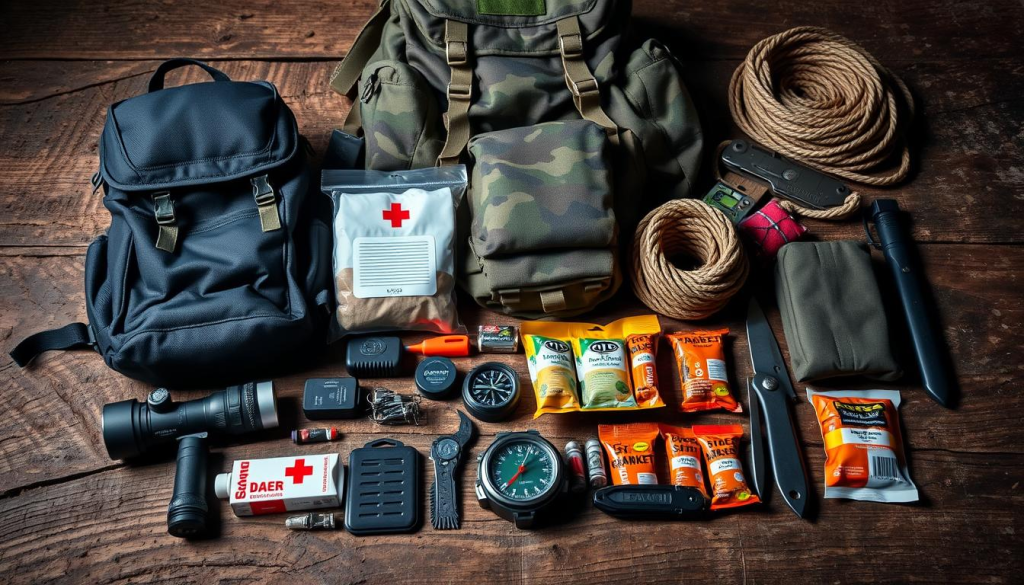
By tailoring your bug out bag to your unique needs, you can ensure that you and your family are better prepared to face any emergency situation. Regularly reviewing and updating your bug out bag contents is also vital to ensure that it remains relevant and effective.
Budgeting for Your Bug Out Bag
The cost of a bug out bag can vary widely, but with a clear budget, you can find the right balance between affordability and effectiveness. When considering what’s the best bug out bag for your needs, it’s essential to think about both the initial cost and the long-term value.
Finding Affordable Options
To find an affordable bug out bag, start by identifying your essential needs. Consider the basic items required for survival, such as water, food, first aid supplies, and shelter. Look for bags that offer these essentials at a reasonable price. For instance, the Echo-Sigma 5-7 Day Bug Out Bag is available online with free ground shipping on orders over $319.99, making it a competitively priced option.
When searching for affordable options, it’s also worth considering:
- Sales and discounts from outdoor gear retailers
- Bundle deals that include necessary survival items
- Reviews and recommendations from trusted sources to ensure you’re getting quality gear
Reading bug out bag reviews can provide insights into the performance and durability of various models, helping you make an informed decision.
Investing in Quality Gear
While affordability is crucial, investing in quality gear can be more cost-effective in the long run. High-quality bug out bags are made with durable materials, have better construction, and often include more thoughtful design elements. These features can enhance your survival chances and reduce the need for frequent replacements.
To illustrate the value of investing in quality, consider the following comparison:
| Feature | Basic Bug Out Bag | High-Quality Bug Out Bag |
|---|---|---|
| Material | Low-grade nylon | Durable, water-resistant nylon |
| Comfort | Minimal padding | Padded straps and back panel |
| Organization | Limited pockets | Multiple compartments and MOLLE system |
| Price | $100-$200 | $300-$500 |
Investing in a high-quality bug out bag may seem expensive upfront, but it can provide long-term benefits, including durability and enhanced survival capabilities.
By balancing affordability with quality, you can find a bug out bag that meets your needs without exceeding your budget. Whether you’re looking for the best value or the highest quality, there’s a bug out bag out there for you.
Preparing for Various Emergency Scenarios
A bug out bag is more than just a backpack; it’s your lifeline during critical situations like natural disasters and civil unrest. When emergencies arise, having the right gear can make all the difference between safety and danger.
Natural Disasters
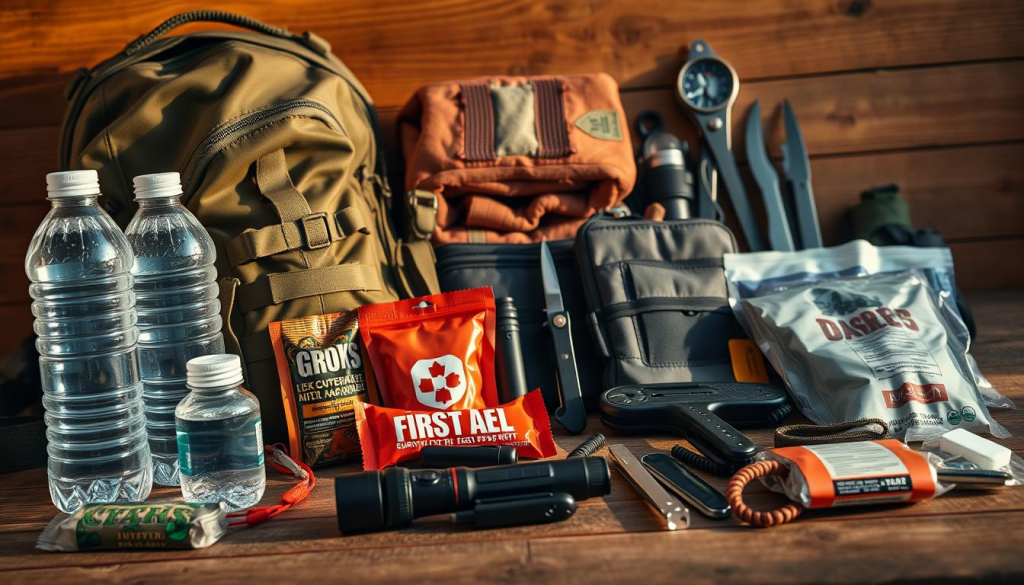
Natural disasters such as hurricanes, earthquakes, and floods can strike without warning. A well-prepared bug out bag should include essentials like water, non-perishable food, and a first aid kit. For instance, during hurricanes, having a portable water purification system can be a bug out bag essential, ensuring access to clean drinking water.
Civil Unrest
In situations of civil unrest, a bug out bag can provide the necessary tools to navigate through chaotic environments. It’s crucial to include items that can help protect you and your family, such as gas masks and protective gear. When selecting a bug out bag for civil unrest, consider one that is durable and has multiple compartments for organization, making it a top bug out bag for emergency situations.
Ultimately, the key to surviving emergency scenarios is preparation. By understanding the types of emergencies you might face and stocking your bug out bag accordingly, you can significantly enhance your chances of staying safe.
Tips for Organizing Your Bug Out Bag
The key to a successful bug out bag lies in its organization and accessibility. When every second counts, being able to find the right tools and supplies can make a significant difference. A well-organized bug out bag is essential for quickly responding to emergencies.
Efficient Packing Techniques
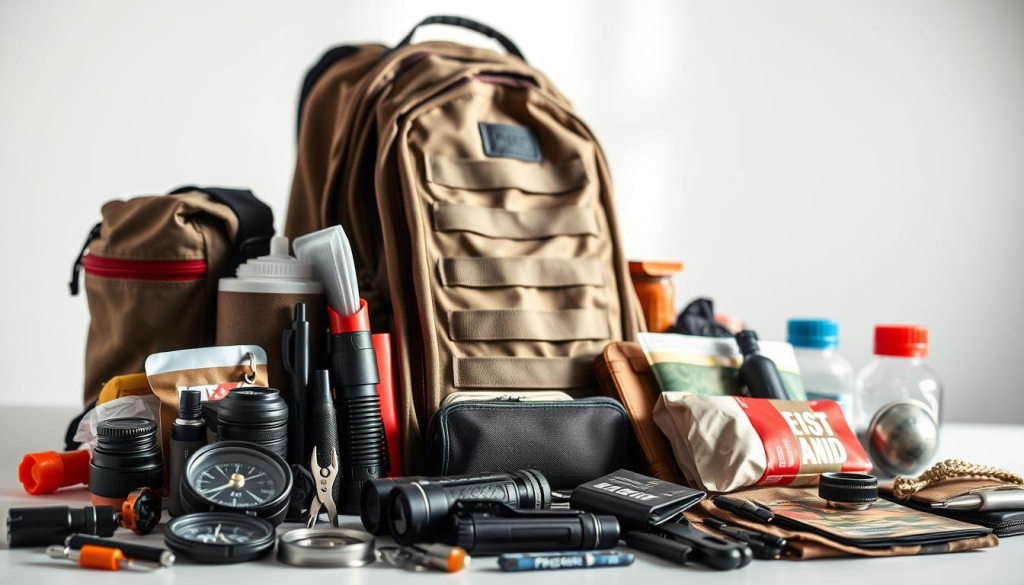
Efficient packing is about maximizing space while ensuring that your gear is easily accessible. Consider using a bag with a unique design like the Echo-Sigma 5-7 Day Bug Out Bag, which features a vertical storage system. This allows for discreet, quick access to 95% of your emergency supplies.
To pack efficiently:
- Use packing cubes or compression bags to organize your gear.
- Place frequently used items in easy-to-reach locations.
- Utilize every available space in your bag.
For a comprehensive bug out bag checklist, consider including essentials like water purification tablets, a first aid kit, and non-perishable food.
Keeping It Accessible and Ready
Your bug out bag should be ready to go at a moment’s notice. This means keeping it in an accessible location and ensuring that all members of your household know where it is.
To keep your bug out bag accessible:
- Store it in a designated area that’s easy to reach.
- Make sure it’s not too heavy for you to carry quickly.
- Regularly check the bag’s contents to ensure everything is still usable and not expired.
By following these tips, you can ensure that your bug out bag is both well-organized and ready for use, helping you to respond effectively in emergency situations.
Maintenance and Upkeep of Your Bug Out Bag
Maintaining your bug out bag is crucial for ensuring it remains effective in emergency situations. A bug out bag is only as good as its contents and how well they are maintained. Regular checks and updates are necessary to guarantee that your bag is always ready.
Regularly Checking Expiry Dates
One of the critical aspects of maintaining your bug out bag is regularly checking the expiry dates of its contents, particularly food, water, and medical supplies. Expired items can be ineffective or even harmful. Make it a habit to inspect your bag every few months to replace any expired or soon-to-expire items.
- Check food and water supplies for expiry or spoilage.
- Inspect medical supplies for expiration dates and condition.
- Update batteries and ensure communication devices are functional.
Updating Gear Based on Seasons
Your bug out bag should be adapted to the current season and potential emergencies associated with it. For example, in colder climates, ensure you have warm clothing and heating sources, while in hotter climates, focus on hydration and sun protection.
- For winter: Include warm clothing, hand warmers, and a means to start a fire.
- For summer: Pack lightweight, breathable clothing, sunscreen, and a water filter or purification tablets.
- For areas prone to natural disasters like hurricanes or floods, include appropriate gear such as waterproof bags and a first aid kit tailored to potential injuries.
By regularly checking and updating your bug out bag, you can ensure it remains a reliable component of your emergency preparedness plan. Remember, a best bug out bag for survival is one that is well-maintained and adapted to your needs.
Training for Usage of Your Bug Out Bag
A bug out bag is only as good as the person carrying it, making training crucial. Having the right gear is essential, but knowing how to use it effectively can be the difference between safety and disaster.
Emergency Drills
Conducting regular emergency drills is vital to ensure you’re prepared for any situation. These drills should simulate various scenarios, such as natural disasters or civil unrest, to test your ability to respond effectively.
- Practice assembling and disassembling your bug out bag to ensure you’re familiar with its contents.
- Conduct timed drills to pack your bag and be ready to leave at a moment’s notice.
- Simulate different emergency scenarios to test your decision-making skills.
Skills to Enhance Your Preparedness
Acquiring specific skills can significantly enhance your preparedness. Consider learning basic first aid, navigation, and self-defense techniques. These skills, combined with the right bug out bag contents, can greatly improve your chances of staying safe during emergencies.
| Skill | Description | Benefit |
|---|---|---|
| First Aid | Learning to treat injuries | Can save lives in emergency situations |
| Navigation | Understanding how to use maps and compasses | Helps in finding your way during evacuations |
| Self-Defense | Basic techniques to protect yourself | Enhances personal safety in dangerous situations |
By focusing on both the right bug out bag recommendations and the skills to use them, you can significantly enhance your preparedness for emergencies.
Where to Store Your Bug Out Bag
A well-prepared bug out bag is only as good as its accessibility, highlighting the importance of a strategic storage location. “The key to survival is not just having the right gear, but being able to access it when you need it most,” as emphasized by survival experts.
Ideal Locations in Your Home
When it comes to storing your bug out bag at home, it’s crucial to choose a location that is both easily accessible and secure. Consider storing it near an exit or in a designated emergency area. This ensures that you can quickly grab your bag and leave in case of an emergency.
Some other ideal locations include:
- A closet near the front or back door
- Under the bed, if it’s easily accessible
- A designated emergency storage area, such as a basement or panic room
It’s also important to consider the environment where you store your bug out bag. Avoid areas that are prone to moisture, extreme temperatures, or potential damage.
Considerations for Travel
When traveling, storing your bug out bag requires a different set of considerations. You may want to keep it with you at all times, or store it in a secure, easily accessible location. Consider using a bag that is designed for travel, with features such as multiple compartments and sturdy construction.
Tips for Travel:
- Keep your bug out bag in a consistent, easy-to-remember location when traveling.
- Consider using a bag with a travel-friendly design.
- Be mindful of local regulations and customs when carrying a bug out bag.
By choosing the right storage location for your bug out bag, you can ensure that you’re prepared for any situation that may arise. Whether at home or on the go, having your emergency kit readily available can make all the difference.
Conclusion: Your Personal Bug Out Bag
Having a reliable bug out bag is crucial in emergency situations, and understanding what’s the best bug out bag for your needs is a vital step in preparedness.
Key Takeaways for Emergency Preparedness
To create an effective bug out bag, it’s essential to include bug out bag essentials such as water purification tablets, non-perishable food, and a first aid kit. The right size and weight of the bag are also critical, as is customizing it to your unique needs.
Start Your Preparation Today
Don’t wait until disaster strikes to prepare. Start assembling your bug out bag today with the essentials and knowledge gained from this article. Brands like 5.11 Tactical, Osprey, and Maxpedition offer high-quality gear to get you started.
By investing time and effort into creating your personal bug out bag, you’ll be better equipped to handle unexpected emergencies and keep yourself and your loved ones safe.