
Choosing the right bug out bag size is crucial for effective emergency preparedness. A bag that is too small may not hold essential supplies, while one that is too large can become cumbersome and difficult to manage.
According to experts, most individuals find a bag in the 40-55 liter range to be ideal, as it provides enough space for critical items without being overly bulky. The ideal bug out bag size depends on individual needs and the anticipated duration of the emergency.
When selecting a bug out bag, consider the types of supplies you need to carry and the length of time you may need to be self-sufficient.
Key Takeaways
- Choose a bug out bag size based on individual needs and emergency duration.
- A 40-55 liter bag is often considered ideal for most people.
- Consider the types of supplies you need to carry when selecting a bag.
- The right bag size can help ensure effective emergency preparedness.
- Balance between carrying essentials and avoiding bulk.
Understanding Bug Out Bags and Their Purpose
A well-prepared bug out bag is a key component of any emergency plan. It’s a portable collection of essential items that can help you survive during a crisis. According to experts, having the right bug out bag can significantly enhance your ability to respond to emergencies effectively.
What is a Bug Out Bag?
A bug out bag, often abbreviated as BOB, is a bag packed with essential supplies that an individual can quickly grab in case of an emergency or disaster, allowing them to evacuate quickly and safely. The concept is simple: having a readily available bag that contains everything needed to survive for a certain period.
Why You Need One
Having a bug out bag is crucial for being prepared for unexpected emergencies such as natural disasters, power outages, or other crises. It ensures that you have the necessary items to sustain yourself until help arrives or until the situation improves. A well-stocked bug out bag can be a lifesaver, providing peace of mind and the means to cope with challenging situations.
Common Uses for Bug Out Bags
Bug out bags are versatile and can be used in a variety of situations, including evacuations due to natural disasters like hurricanes, wildfires, or floods. They are also useful in scenarios requiring quick departure due to man-made disasters or other emergencies. The key is to tailor the bag’s contents to the most likely scenarios you might face, ensuring you’re prepared for the unexpected.
When considering a bug out bag, it’s essential to think about its size and capacity. The bug out bag size and best bug out bag size can vary based on individual needs, including the duration you need to survive on your own and the type of emergencies you’re preparing for. Understanding your needs will help in choosing the right bug out bag capacity, ensuring you’re neither overburdened nor underprepared.
Key Factors to Consider for Size
Determining the ideal size for your bug out bag involves considering multiple critical factors. The right size ensures you are prepared without being overburdened.
Capacity and Volume Explained
The capacity of a bug out bag is typically measured in liters, indicating the volume of gear it can hold. Understanding the capacity you need is crucial for effective packing.
| Bag Capacity (Liters) | Typical Use |
|---|---|
| 30-40 | Short trips, minimalist packing |
| 40-70 | Standard bug out scenarios, moderate gear |
| 70+ | Extended situations, comprehensive supplies |
The third source suggests that the capacity of the bag should correspond to the number of days you plan to bug out. For instance, a larger capacity is needed for longer durations.
Duration of Planned Use
The duration for which you plan to use your bug out bag significantly influences its ideal size. For short-term use, a smaller bag may suffice, while longer durations require more capacity.
- Short-term (1-3 days): Smaller bags (30-40 liters) are often adequate.
- Medium-term (3-7 days): Medium-sized bags (40-70 liters) provide a good balance.
- Long-term (7+ days): Larger bags (70+ liters) are necessary for extended scenarios.
Weight Considerations
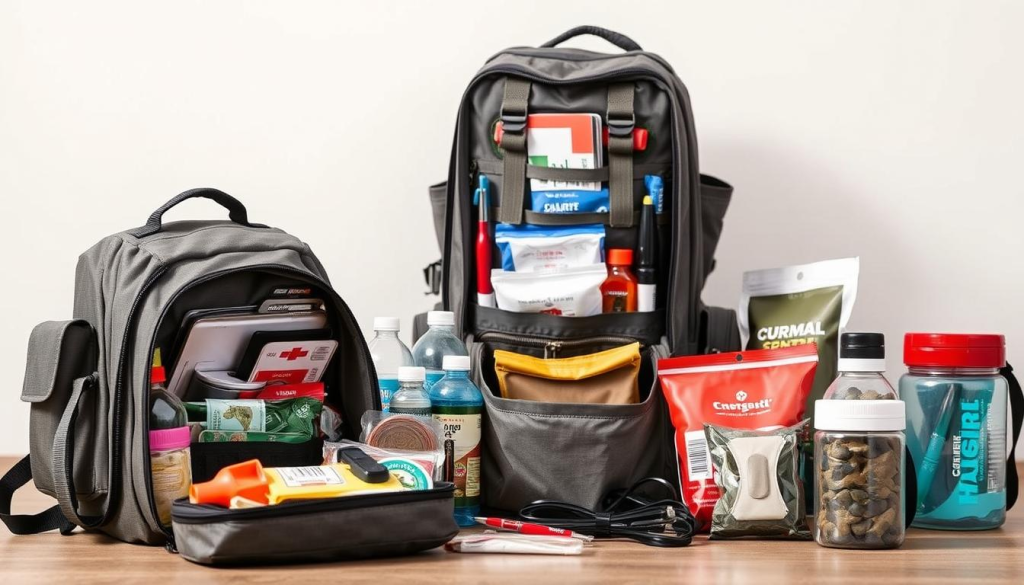
The weight of your bug out bag is another critical factor. A heavier bag may indicate too much gear, while a very light bag might not contain enough supplies.
Aim for a balance where your bag is not too heavy to carry but contains everything you need. The weight will also depend on the duration of your planned use and the type of gear you pack.
| Bag Size | Approximate Weight | Comfort Level |
|---|---|---|
| Small (30-40L) | 15-25 lbs | High |
| Medium (40-70L) | 25-40 lbs | Moderate |
| Large (70+L) | 40+ lbs | Low |
Types of Bug Out Bags
Understanding the different types of bug out bags is crucial for effective preparedness. The type of bag you choose can significantly impact your ability to respond to emergencies.
Day Packs: Ideal for Short Trips
Day packs are designed for short trips and emergencies that require a quick response. These bags are typically compact, lightweight, and easy to carry, making them ideal for urban environments or situations where you need to move quickly. When choosing a day pack, consider the essentials you need to survive for at least 24 hours, such as water, non-perishable food, a first aid kit, and a means of communication.
Weekend Bags: Versatile Options
Weekend bags, also known as 72-hour bags, are designed to sustain you for a longer period, typically up to 72 hours. These bags offer more space for additional gear, clothing, and supplies. They are versatile options for those who need a bit more capacity without the bulk of a full-size pack. When determining the best bug out bag size for a weekend bag, consider the balance between mobility and the amount of gear you can carry.
Full-Size Packs: For Extended Situations
Full-size packs are designed for extended situations where you may need to survive for an indefinite period. These bags are larger and can carry comprehensive supplies, including food, water, shelter, and clothing for an extended duration. When selecting a full-size pack, it’s essential to consider the duration of planned use and the weight considerations to ensure you can manage the load.
In conclusion, the type of bug out bag you need depends on your specific circumstances, including the duration of the trip and the environment you’ll be in. By understanding the different types of bug out bags available, you can make an informed decision on the best bug out bag size for your needs.
Recommended Size Guidelines
Understanding the recommended size guidelines for bug out bags is essential for any prepper. The size of your bug out bag can significantly impact your ability to respond effectively in an emergency.
Lightweight Bags (30-40 Liters)
Lightweight bags, typically in the 30-40 liter range, are ideal for short-term emergencies or for individuals who need to travel light. These bags are perfect for day trips or short evacuations.
- Ideal for short-term use
- Suitable for day trips or short evacuations
- Less comfortable for extended use
Medium-Sized Bags (40-70 Liters)
Medium-sized bags, ranging from 40-70 liters, offer a balance between capacity and portability. According to some sources, the sweet spot for most people is in the 40-55 liter range, making this category particularly popular.
Key benefits include:
- Versatile for various scenarios
- Offers a good balance between size and comfort
- Can accommodate essentials for a short to medium-term stay
Large Bags (70+ Liters)
Large bags, exceeding 70 liters, are designed for extended survival situations or for individuals who require a significant amount of gear. While they offer ample space, they can be cumbersome to carry.
| Bag Size (Liters) | Ideal Use | Pros | Cons |
|---|---|---|---|
| 30-40 | Short-term emergencies, day trips | Lightweight, easy to carry | Limited capacity |
| 40-70 | Short to medium-term evacuations | Balanced capacity and comfort | May be too bulky for very long treks |
| 70+ | Extended survival situations | Ample space for gear | Cumbersome, heavy |
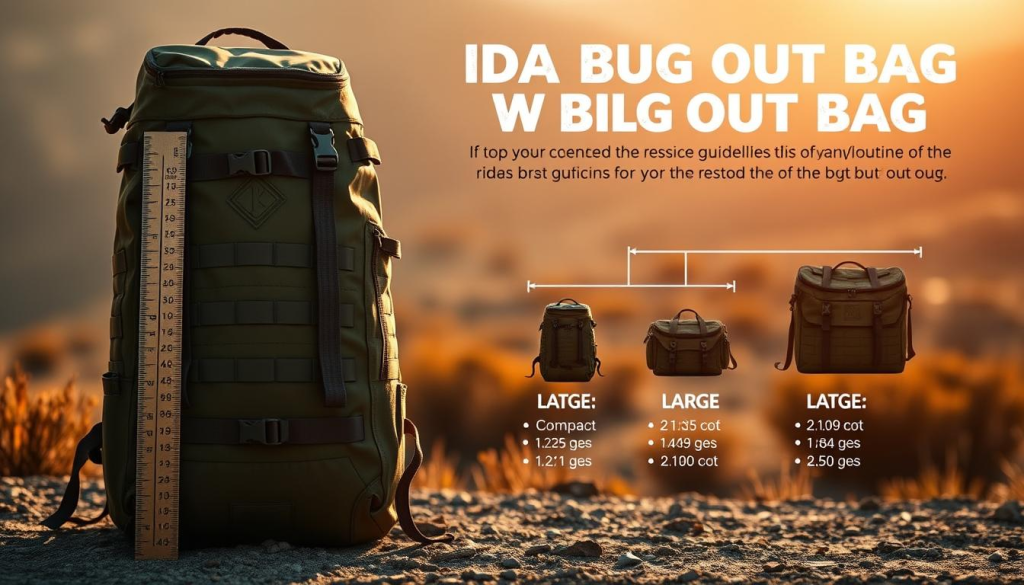
When choosing a bug out bag, it’s crucial to consider your specific needs, the duration of potential use, and the type of emergencies you’re preparing for. By selecting the right size, you can ensure you’re prepared without being overburdened.
Essential Gear to Pack by Size
Selecting the perfect bug out bag size is just the beginning; you also need to know what to pack inside. The right gear can make all the difference in an emergency, and the type and amount of gear you carry will depend on the size of your bug out bag.
Lightweight Packs: Must-Have Items
For lightweight packs (30-40 liters), it’s crucial to prioritize essentials due to limited space. These packs are ideal for short trips or when you expect to resupply quickly.
- Water and Food: Pack lightweight, high-calorie food and a water filter or purification tablets.
- First Aid Kit: Include bandages, antiseptic wipes, pain relievers, and any personal medications.
- Navigation Tools: A compass, map, and GPS device or smartphone with a GPS app.
- Shelter and Warmth: A lightweight tent or tarp, and a space blanket or emergency bivvy sack.
As one survival expert notes, “The key to a successful bug out bag is not just what’s in it, but also how you carry it.”
“A good bug out bag should be like a trusted companion, always ready to help you navigate through the toughest situations.”
Medium-Sized Packs: Balancing Gear
Medium-sized packs (40-70 liters) offer more flexibility, allowing you to balance between essential items and additional supplies that can sustain you for a longer period.
| Category | Items to Include |
|---|---|
| Clothing | Extra socks, underwear, a change of clothes suitable for the environment |
| Hygiene | Toothbrush, toothpaste, biodegradable soap, toilet paper |
| Tools | Multi-tool, fire starter (matches, lighter), duct tape |
For medium-sized packs, consider adding items that enhance comfort and survival chances, such as a sleeping bag or a portable stove.
Full-Sized Packs: Comprehensive Supplies
Full-sized packs (70+ liters) are for extended situations where you need to be self-sufficient for a longer period. These packs allow you to carry comprehensive supplies.
- Food and Water: Enough non-perishable food for several days, a larger water container, and a more comprehensive water purification system.
- Shelter: A more substantial tent, sleeping bag, and sleeping pad for comfort.
- Personal Documents: Copies of identification, insurance, and important documents in a waterproof container.
When packing a full-sized bug out bag, it’s essential to consider the balance between carrying enough supplies and maintaining mobility.
Personalizing Your Bug Out Bag
The key to a successful bug out bag lies in tailoring it to your specific needs. A bug out bag is not a one-size-fits-all solution; it requires consideration of various factors including the individual’s needs, the size of the group, and the duration of the planned use.
Assessing Your Individual Needs
When assessing your individual needs, consider your personal requirements such as medical needs, dietary restrictions, and comfort items. For instance, if you have a medical condition, you may need to include specific medications or equipment in your bug out bag.
Key Considerations for Individual Needs:
- Medical requirements
- Dietary needs and preferences
- Personal comfort items
- Specific skills or tools you may need
As survival expert, Don West, once said, “Preparation is the key to survival. It’s not just about having the right gear, but also understanding how to use it effectively.” This emphasizes the importance of personalizing your bug out bag based on your skills and needs.
“A good bug out bag is like a good insurance policy – it’s only as good as the thought and effort you’ve put into it.”
Considering Family or Group Supplies
When preparing a bug out bag for a family or group, it’s essential to consider the collective needs of all members. This includes calculating the total amount of supplies needed, such as food, water, and first aid kits, based on the number of people and the duration of the planned evacuation.
| Group Size | Water Supply Needed (Liters) | Food Supply Needed (Days) |
|---|---|---|
| 1-2 people | 3-6 | 3-5 |
| 3-4 people | 9-12 | 3-5 |
| 5+ people | 15+ | 3-5 |
By considering these factors and tailoring your bug out bag accordingly, you can ensure that you have the best bug out bag size and bug out bag capacity for your needs, ultimately determining the ideal bug out bag size for effective emergency preparedness.
Testing and Adjusting Your Pack Size
To guarantee a comfortable fit, testing your bug out bag with a load is highly recommended. This step is crucial in determining whether your chosen bag is the right size for your needs. A bug out bag that feels comfortable when empty may become cumbersome when fully loaded.
Trial Runs: Why They Matter
Conducting trial runs with your bug out bag is essential to understand its capacity and comfort level. Load the bag with the gear you plan to carry and wear it for a few hours to simulate the actual conditions. This exercise will help you identify any discomfort or issues with the bag’s size.
During these trial runs, pay attention to how the bag distributes weight and whether it causes any strain on your back or shoulders. If you experience discomfort, it may be necessary to adjust the bag’s size or reconfigure the gear inside.
Adjusting for Comfort and Efficiency
After conducting trial runs, you may need to make adjustments to your bug out bag to achieve the perfect balance between comfort and efficiency. This could involve rearranging the gear, removing unnecessary items, or even considering a different bag size.
| Adjustment Type | Description | Benefit |
|---|---|---|
| Rearranging Gear | Optimize the packing to distribute weight evenly | Improved comfort and reduced strain |
| Removing Unnecessary Items | Eliminate items that are not essential | Reduced weight and increased mobility |
| Changing Bag Size | Consider a different size if the current one is not suitable | Better fit and enhanced overall performance |
By testing and adjusting your bug out bag, you can ensure that it is both comfortable and efficient, ready for any situation that may arise. This process is key to determining the right bug out bag size for your specific needs.
Expert Tips for Choosing the Right Size
To ensure you’re prepared for any situation, follow these expert tips for selecting the best bug out bag size. Choosing the right size bug out bag is a critical decision that can significantly impact your ability to respond effectively in emergency situations.
Consult with Survival Experts
One of the most effective ways to determine the ideal bug out bag size is by consulting with survival experts. These individuals have extensive experience in wilderness survival and emergency preparedness, making their insights invaluable. They can provide personalized advice based on your specific needs and circumstances.
“The key to a successful bug out bag is not just its size, but what’s inside it. However, size does matter when it comes to comfort and mobility.”
Research Popular Brands and Models
Researching popular brands and models is another crucial step in finding the right size bug out bag. Different brands offer varying sizes and features, so it’s essential to explore your options. Some of the top brands include Osprey, 5.11 Tactical, and Black Diamond.
| Brand | Model | Capacity (Liters) |
|---|---|---|
| Osprey | Farpoint 40 | 40 |
| 5.11 Tactical | ABR 30L | 30 |
| Black Diamond | Speed 30L | 30 |
When researching, consider factors such as durability, comfort, and additional features like weather resistance and organizational compartments. 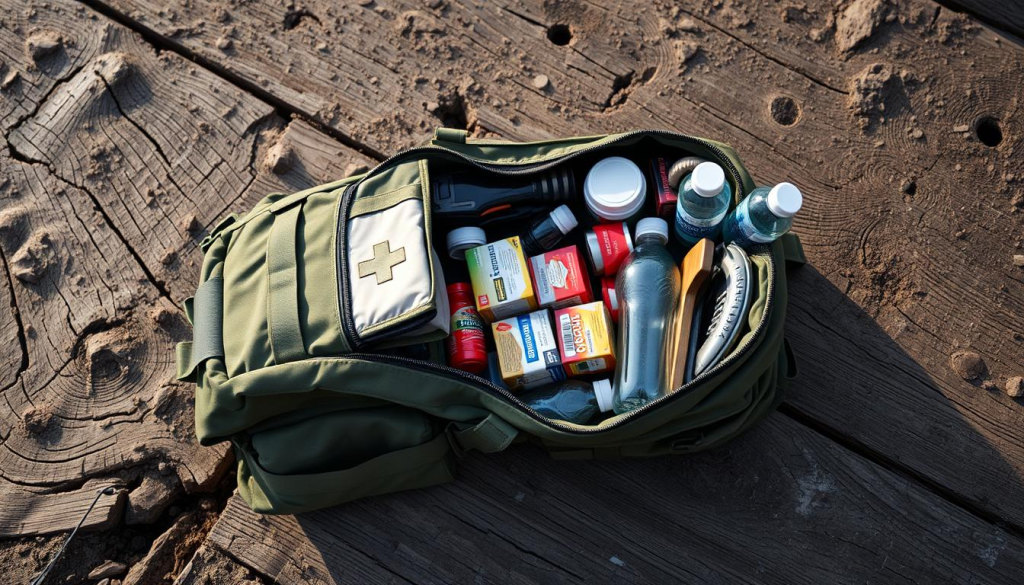
By combining expert advice with thorough research, you can confidently choose a bug out bag that meets your needs in terms of size and functionality. Remember, the best bug out bag size is one that balances capacity with comfort and mobility.
- Assess your personal needs and circumstances.
- Consult with survival experts for personalized advice.
- Research various brands and models to find the best fit.
Where to Buy Quality Bug Out Bags
Now that you’ve determined the ideal bug out bag size and capacity for your needs, it’s time to find a reliable source to purchase one. When determining bug out bag size, consider visiting retailers that specialize in outdoor gear and survival equipment.
Online Retailers: Convenience at Your Fingertips
Online retailers like REI, Amazon, and Moosejaw offer a wide selection of bug out bags from various brands. These websites often include customer reviews, product details, and sizing charts to help you make an informed decision about your bug out bag capacity.
Local Outdoor and Survival Stores
Visiting local outdoor and survival stores can also be beneficial. Stores like Bass Pro Shops and Cabela’s carry a range of bug out bags, allowing you to see and feel the products before making a purchase. This can be particularly helpful when choosing the right bug out bag size.
By considering both online retailers and local stores, you can find a quality bug out bag that meets your needs and fits your budget.