
An emergency survival bag, commonly known as a bug out bag, is a crucial component of emergency preparedness. It is a portable kit designed to help individuals survive for at least 72 hours during a disaster or emergency situation.
This bag should contain essential items such as non-perishable food, water, first aid supplies, and communication tools. Having a well-stocked bug out bag is vital for individuals to respond effectively in emergency situations.
Key Takeaways
- A bug out bag is a portable emergency kit for survival.
- It should contain essentials like food, water, and first aid supplies.
- The bag is designed for at least 72 hours of survival.
- Understanding bug out bag essentials is crucial for emergency preparedness.
- A well-stocked bug out bag helps individuals respond effectively in emergencies.
Understanding the Concept of a Bug Out Bag
In the realm of emergency preparedness, a bug out bag stands out as a vital tool, designed to help individuals survive and thrive in adverse conditions. A well-prepared bug out bag is essential for navigating unexpected emergencies and disasters.
Definition of a Bug Out Bag
A bug out bag is defined as a portable emergency kit that contains essential items to help individuals survive during a disaster or emergency situation. It is designed to be easily carried and accessed when needed.
The contents of a bug out bag typically include a variety of supplies such as food, water, first aid kits, and tools, all of which are crucial for survival. The specific items included can vary based on individual needs and the types of emergencies most likely to occur in a given area.
Purpose of a Bug Out Bag
The primary purpose of a bug out bag is to provide individuals with the necessary tools and supplies to survive for at least 72 hours. This timeframe is considered critical for emergency response and recovery efforts.
Having a well-stocked bug out bag can significantly enhance one’s ability to respond to emergencies. The following table outlines the key components and their purposes:
| Component | Purpose |
|---|---|
| Food and Water Supplies | Sustain nutrition and hydration |
| First Aid Kit | Treat injuries and prevent infections |
| Tools and Navigation Aids | Facilitate navigation and task execution |
| Shelter and Warmth | Provide protection from the elements |
By understanding the definition and purpose of a bug out bag, individuals can better prepare themselves for emergencies, tailoring their bug out bag to meet specific needs and circumstances.
Why You Need a Bug Out Bag
Emergency preparedness is crucial, and a bug out bag is an essential component of that preparation. In the face of unexpected disasters, having a well-stocked emergency survival bag can make all the difference.
Emergency Situations to Prepare For
Natural disasters such as hurricanes, earthquakes, and floods can strike without warning, necessitating a quick and effective response. Man-made disasters, including industrial accidents and civil unrest, also underscore the importance of being prepared.
- Natural Disasters: Hurricanes, Earthquakes, Floods
- Man-made Disasters: Industrial Accidents, Civil Unrest
| Disaster Type | Potential Hazards | Bug Out Bag Supplies |
|---|---|---|
| Hurricanes | Strong Winds, Flooding | Waterproof Clothing, First Aid Kit |
| Earthquakes | Structural Damage, Debris | Sturdy Shoes, Multi-tool |
| Floods | Water Contamination, Displacement | Water Purification Tablets, Emergency Shelter |
Benefits of Having a Bug Out Bag
Having a bug out bag equipped with the right bug out bag supplies can provide numerous benefits, including increased safety and peace of mind. It enables individuals to respond effectively to emergencies, ensuring they have the necessary tools to survive and thrive.
The peace of mind that comes from knowing you’re prepared for any situation is invaluable. It allows you to focus on other aspects of your life, secure in the knowledge that you’re ready to face whatever comes your way.
Essential Items in a Bug Out Bag
In the face of an emergency, a bug out bag packed with essentials can be a lifesaver. A well-stocked bug out bag contains a variety of items designed to sustain you and help you navigate through challenging situations.
Food and Water Supplies
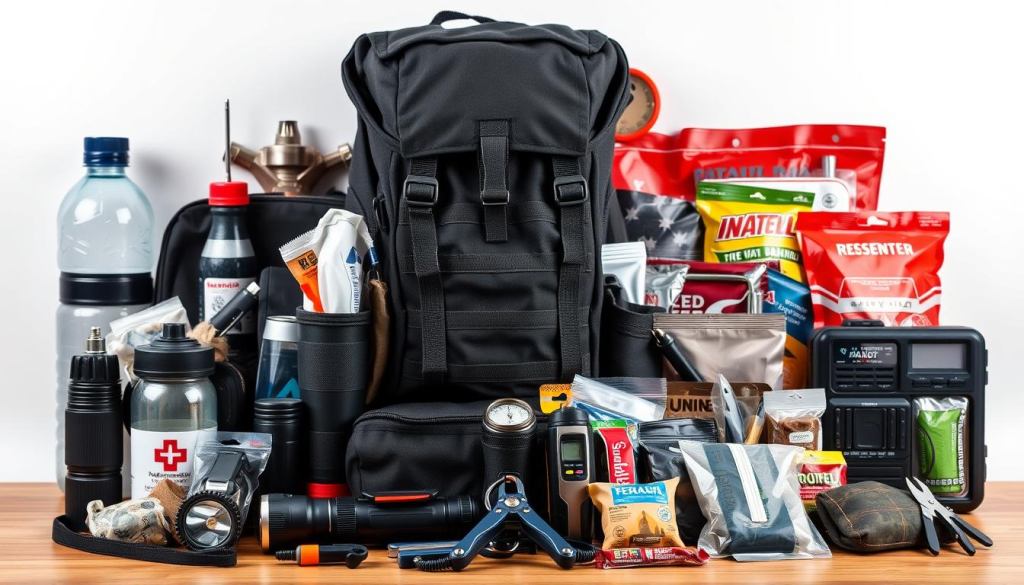
Having adequate food and water is crucial. Your bug out bag should include non-perishable food items such as energy bars, canned goods, and MREs. It’s also essential to have a water filtration system or water purification tablets, along with a sufficient supply of bottled water.
- Non-perishable food items
- Water filtration system or purification tablets
- Bottled water
Clothing and Shelter Gear
Packing the right clothing and shelter gear is vital. Include a change of clothes suitable for the climate, a sleeping bag, a tent, and a waterproof jacket. These items will help protect you from the elements.
Key clothing and shelter items:
- Climate-appropriate clothing
- Sleeping bag
- Tent
- Waterproof jacket
First Aid and Health Essentials
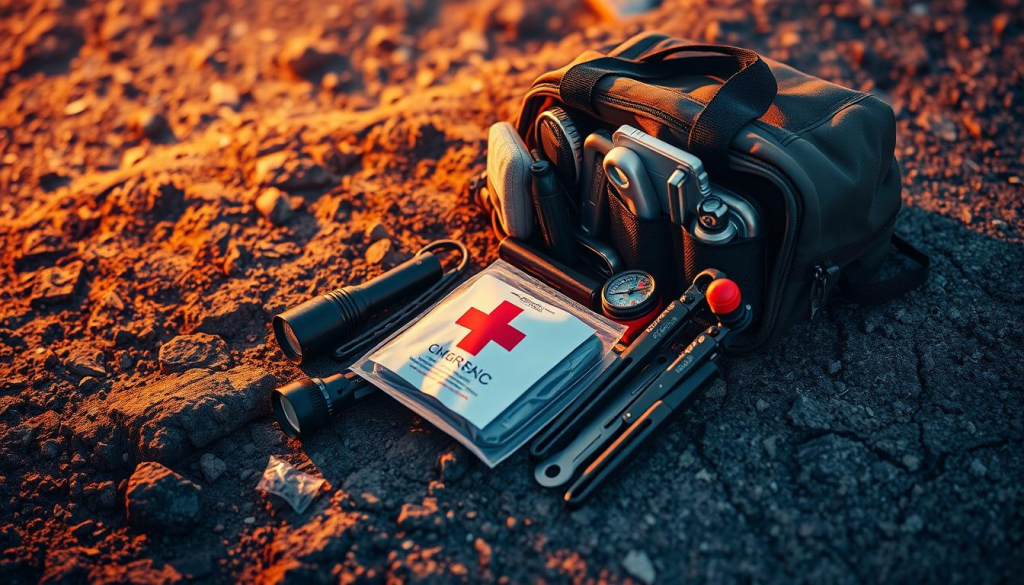
A first aid kit is a must-have in any bug out bag. It should include bandages, antiseptic wipes, pain relievers, and any medications you may need. Don’t forget to include personal hygiene items.
- Bandages and band-aids
- Antiseptic wipes
- Pain relievers and medications
- Personal hygiene items
Tools and Navigation Aids
Tools and navigation aids are critical for survival. Include a multi-tool, a compass, a map, and a flashlight. These items will help you navigate and perform tasks during an emergency.
- Multi-tool
- Compass
- Map
- Flashlight
By including these essential items in your bug out bag, you’ll be better prepared to face emergencies. Remember, the specific contents may vary based on your needs and the potential emergency situations you might encounter.
How to Choose the Right Bag
A well-chosen Bug Out Bag can be the difference between being prepared and being overwhelmed in a crisis situation. When selecting a Bug Out Bag, several factors come into play to ensure that the bag is not only functional but also comfortable and durable.
Size and Weight Considerations
The size and weight of your Bug Out Bag are crucial. A bag that is too large may encourage overpacking, while one that is too small may not hold all your essentials. Look for a bag with a capacity of around 30-40 liters, as this is typically sufficient for most emergency needs without being overly bulky.
Material and Durability
The material of your Bug Out Bag should be durable and resistant to various weather conditions. Nylon and polyester are popular choices due to their strength and water resistance. Ensure that the bag’s seams are reinforced and that it has a water-resistant coating or treatment.
Comfort and Accessibility
Comfort is key when carrying a Bug Out Bag, as you may need to wear it for extended periods. Look for a bag with padded shoulder straps and a hip belt to distribute the weight evenly. Additionally, consider a bag with multiple compartments to keep your gear organized and easily accessible.
When choosing the best Bug Out Bag, it’s also worth considering additional features such as MOLLE (Modular Lightweight Load-carrying Equipment) compatibility for attaching extra gear, and reflective materials or bright colors for increased visibility.
Packing Strategies for Your Bug Out Bag
Creating an effective bug out bag requires careful planning and strategic packing. A well-organized bag ensures that you have the necessary bug out bag essentials and bug out bag supplies to survive in emergency situations.
Prioritizing Essential Items
When packing your bug out bag, it’s crucial to prioritize items based on their importance and utility. Start by including the most critical supplies such as water, non-perishable food, first aid kits, and means of communication. These essential items will form the backbone of your emergency kit.
- Water and food supplies
- First aid and health essentials
- Tools and navigation aids
- Clothing and shelter gear
How to Pack Efficiently
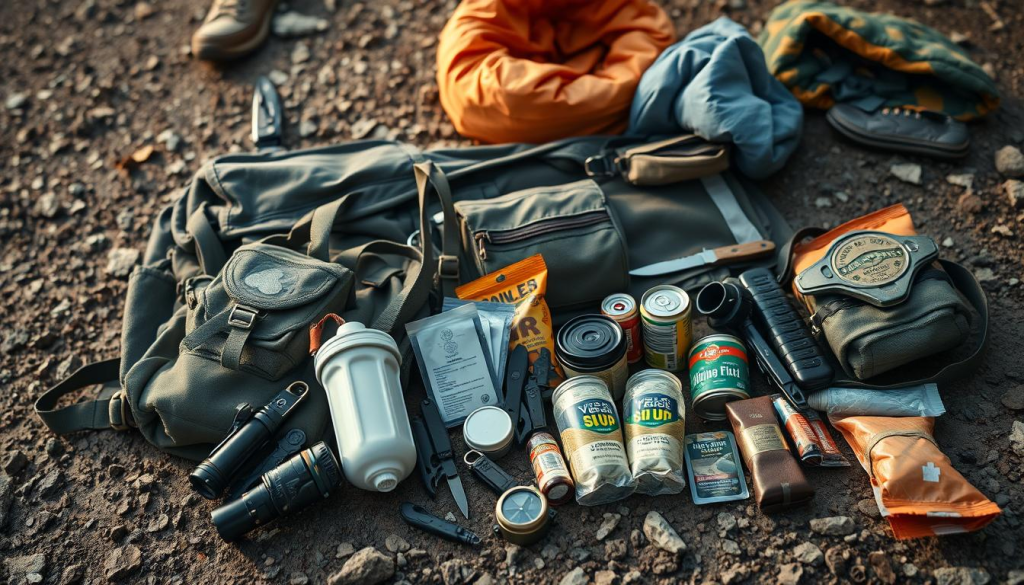
Efficient packing is about maximizing space while minimizing weight. Use packing cubes or compression bags to organize your gear and make the most of your bag’s capacity. Ensure that frequently needed items are easily accessible.
Rotating Supplies Regularly
To keep your bug out bag relevant and effective, it’s essential to rotate supplies regularly. Check expiration dates of food and medical supplies, and update your gear as needed to reflect changes in your personal needs or the environment.
Regular rotation also helps in identifying any damaged or outdated items, allowing you to replace them promptly. This practice ensures that your bug out bag remains a reliable resource in emergency situations.
Customizing Your Bug Out Bag
To maximize the utility of your bug out bag, it’s essential to tailor it to your specific needs. A well-customized bag can make a significant difference in emergency situations, providing you with the necessary tools and supplies to survive.
Customization involves considering various factors, including personal hygiene items, medical supplies, and other essentials that cater to your individual or family needs. For instance, if you have a medical condition, including specific medications and equipment in your bug out bag is crucial.
Personal Needs and Preferences
When customizing your bug out bag, it’s vital to consider your personal needs and preferences. This includes thinking about your dietary requirements, any personal hygiene items you may need, and clothing that is suitable for your climate and the activities you might undertake during an emergency.
For example, if you’re someone who relies on specific dietary supplements or has particular food allergies, you should include these in your bug out bag checklist. Similarly, personal hygiene items like toothbrushes, toothpaste, and any necessary medications should be included.
Family vs. Individual Bug Out Bags
Another critical aspect to consider is whether you need an individual bug out bag or one that caters to your entire family. For families, it’s often more practical to have a single, larger emergency survival bag that contains supplies for everyone, alongside individual bags that contain personal items.
To help you plan, here’s a simple comparison table:
| Considerations | Individual Bug Out Bag | Family Bug Out Bag |
|---|---|---|
| Personalization | Highly personalized to individual needs | Contains general supplies for all family members |
| Size and Portability | Smaller and more portable | Larger and potentially less portable |
| Cost | Generally less expensive | More expensive due to the need for more supplies |
As emphasized by emergency preparedness experts, having a well-planned bug out bag can significantly enhance your chances of survival during emergencies. “A bug out bag is not just about throwing some supplies into a bag; it’s about carefully planning and preparing for the unexpected,” says a renowned survivalist.
“The key to a successful bug out bag is customization and regular updates. It’s not a ‘set it and forget it’ kind of deal.” – Survival Expert
By tailoring your bug out bag to your specific needs and keeping it updated, you can ensure that you’re as prepared as possible for any situation that may arise.
Bug Out Bag Location and Storage
A well-prepared individual not only packs a bug out bag with essential items but also ensures it’s stored in an easily accessible spot. The location and storage of your bug out bag are critical for ensuring that it can be quickly retrieved during an emergency.
Ideal Locations for Your Bag
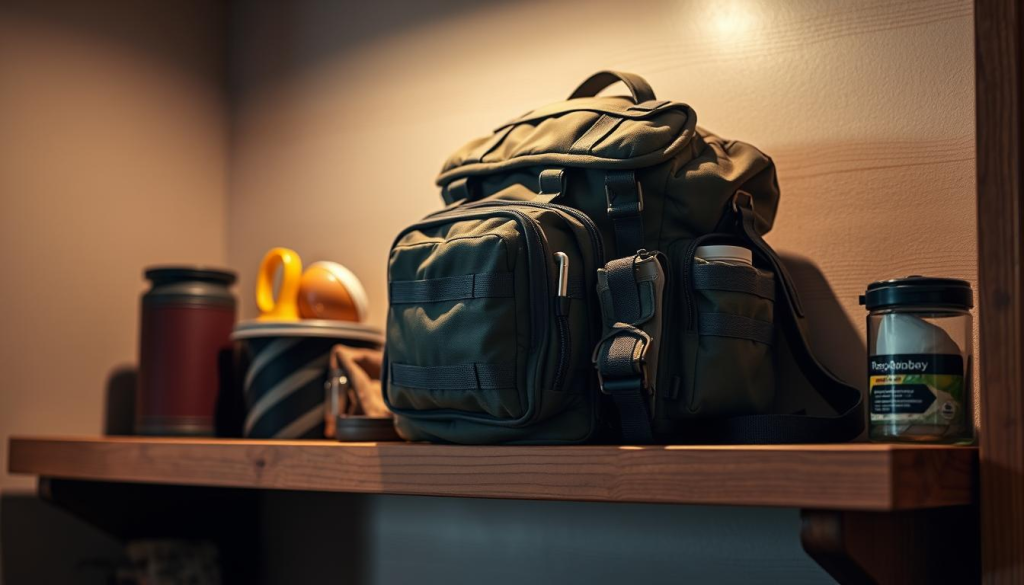
When deciding where to store your bug out bag, consider locations that are easily accessible, especially in the event of an emergency. Ideal locations include near exits or in designated emergency areas. This ensures that you can grab your bag quickly without having to navigate through potentially hazardous conditions.
It’s also advisable to store your bug out bag in multiple locations. For instance, having one at home and another in your vehicle can be a strategic approach. This way, you’re prepared for various scenarios, whether you need to evacuate from your home or are on the road when an emergency arises.
Home vs. Vehicle Storage
Both home and vehicle storage have their advantages. At home, your bug out bag can be stored in a closet or under the bed, keeping it out of the way but still accessible. In your vehicle, it’s essential to store it in a secure, dry location to protect the contents from damage.
| Storage Location | Advantages | Considerations |
|---|---|---|
| Home | Easy access, can be stored with other emergency supplies | Must be near an exit, avoid cluttered areas |
| Vehicle | Accessible on the go, useful for evacuations | Protect from extreme temperatures, secure the bag |
By strategically storing your bug out bag, you enhance your preparedness for emergencies. Remember, the key is to ensure that your bag is both accessible and protected.
Maintenance and Updates for Your Bag
Regular updates and checks are vital for the reliability of your bug out bag. Ensuring that your bag remains functional and effective is crucial for emergency preparedness. This involves a series of checks and updates to guarantee that your bag is always ready when needed.
Regular Check-ins and Inventory
Conducting regular check-ins with your bug out bag is essential. This involves checking the expiration dates of food and medical supplies, ensuring that all equipment is in working order, and verifying that the bag’s contents are still relevant to your needs. It’s recommended to perform a thorough inventory every six months.
| Item | Check Frequency | Notes |
|---|---|---|
| Food Supplies | Every 6 months | Check expiration dates |
| Water Purification Tablets | Every 12 months | Ensure tablets are not expired |
| First Aid Kit | Every 6 months | Restock used or expired items |
Upgrading Supplies as Needed
As your needs change or new technologies emerge, it’s essential to upgrade your bug out bag supplies. This might involve replacing outdated equipment with newer models or adding new items that you’ve identified as necessary during your regular check-ins. Staying informed about the best bug out bag practices and products can help you make informed decisions.
By maintaining your bug out bag and keeping its contents up-to-date, you ensure that you’re always prepared for emergencies. Regular maintenance not only extends the life of your supplies but also gives you peace of mind knowing that you’re ready for whatever comes your way.
Training and Practice with Your Bug Out Bag
A bug out bag is only as good as the person using it, making training and practice essential. Familiarizing oneself with the bag’s contents and practicing under simulated emergency conditions can significantly enhance survival chances.
Importance of Familiarization
Understanding what’s in your bug out bag and how to use each item is critical. Regularly going through the bag’s contents helps in identifying any expired or damaged items and ensures that all gear is in working order.
Key aspects of familiarization include:
- Knowing the location and operation of each item
- Understanding how to use medical supplies and equipment
- Being aware of the bag’s overall weight and how to carry it comfortably
Drills and Simulation Exercises
Conducting drills and simulation exercises with your bug out bag can help prepare you for real-life emergencies. These exercises can range from simple checks of the bag’s contents to complex simulations involving different scenarios.
Examples of drills and simulation exercises include:
- Packing and unpacking the bag to know its contents intimately
- Simulating evacuation scenarios to practice carrying the bag
- Conducting ‘blind tests’ where you have to find specific items in the bag without looking
Here’s a simple table to help plan your drills and simulation exercises:
| Exercise Type | Description | Frequency |
|---|---|---|
| Content Check | Verify all items are present and in good condition | Monthly |
| Evacuation Drill | Practice carrying the bag and evacuating | Quarterly |
| Blind Test | Find specific items without looking | Bi-annually |
Final Thoughts on Bug Out Bags
Creating a bug out bag is a crucial step in emergency preparedness, providing a portable kit that contains essential items to help individuals survive and thrive during disasters or other crises. By understanding what is a bug out bag and its purpose, individuals can create a customized emergency kit tailored to their specific needs.
Preparing for the Unexpected
Having a well-stocked bug out bag checklist can make a significant difference in emergency situations. It’s essential to regularly inspect and update the bag to ensure that all supplies are still usable and not expired.
Continuing Education
For those looking to further enhance their emergency preparedness, there are numerous resources available, including online guides, emergency preparedness courses, and community workshops. By taking proactive steps to prepare, individuals can ensure their safety and the safety of their loved ones.