
In times of crisis, having a well-prepared emergency preparedness bag can be a lifesaver. A Bug Out Bag, often abbreviated as BOB, is a portable kit containing essential items to help individuals or families survive for a short period, typically 72 hours, during emergencies or natural disasters.
The idea behind a BOB is to have a readily available bag that can be grabbed quickly in case of an unexpected evacuation, providing the basic tools necessary for survival. This includes survival backpack essentials such as food, water, first aid supplies, and communication tools.
Key Takeaways
- A Bug Out Bag is a short-term survival kit.
- It should contain essential items for survival.
- A well-prepared BOB can sustain an individual or family for 72 hours.
- Having a BOB is crucial for emergency preparedness.
- It should be easily accessible and portable.
Introduction to Bug Out Bags
A Bug Out Bag, also known as a Go Bag or 72-Hour Kit, is a crucial component of any disaster survival plan. It is designed to be a portable emergency disaster survival kit that contains essential supplies to help individuals survive for at least 72 hours during a disaster or emergency situation.
Definition and Purpose
The primary purpose of a Bug Out Bag is to provide individuals with the necessary tools and supplies to evacuate quickly and safely in the event of an emergency. Bug Out Bags go by many different names, such as Grab Bag or Bail Out Bag, but they all serve the same purpose: to be a readily available kit that can be grabbed on the go, hence the term “grab and go survival kit.”
A well-prepared Bug Out Bag typically includes a bug out gear list that covers basic needs such as food, water, first aid, shelter, and communication. The specific contents may vary depending on individual needs, the type of disaster, and the environment.
Importance in Emergency Preparedness
In emergency preparedness, having a disaster evacuation backpack or Bug Out Bag is crucial. It allows individuals to respond quickly to emergencies, reducing the risk of being caught off guard without essential supplies. A Bug Out Bag is not just about having the right gear; it’s about being prepared for the unexpected and having a plan in place.
The importance of a Bug Out Bag lies in its ability to provide a sense of security and confidence during uncertain times. By having a well-stocked Bug Out Bag, individuals can focus on other aspects of emergency preparedness, knowing they have the basic necessities covered.
Essential Components of a Bug Out Bag
The effectiveness of a Bug Out Bag hinges on its contents, which should be carefully selected to address various emergency scenarios. When preparing your bag, it’s essential to prioritize the most critical elements that will ensure survival and comfort.
Food and Water Supplies
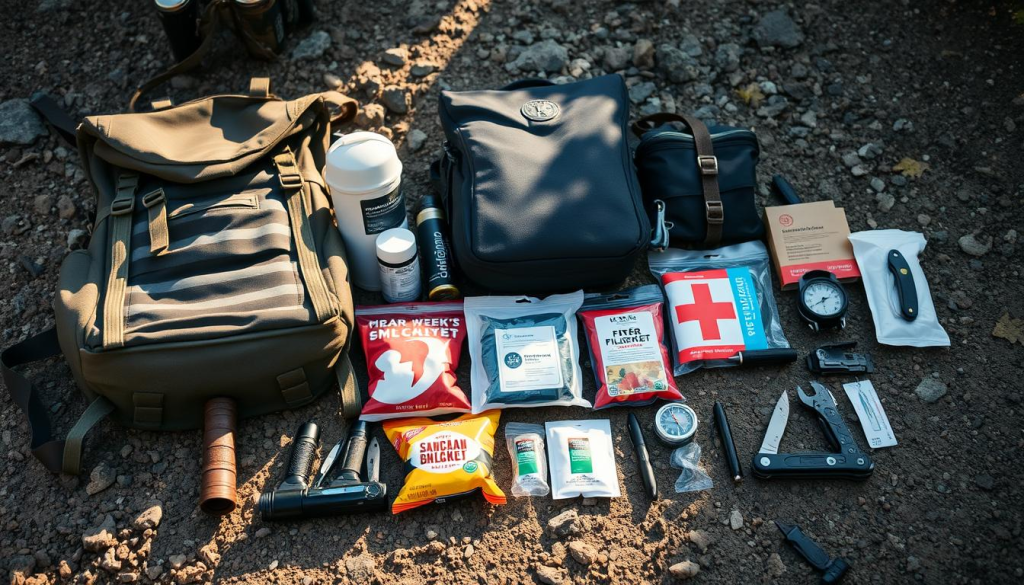
A Bug Out Bag should include a sufficient supply of non-perishable food and clean water. Non-perishable food items such as energy bars, canned goods, and dried fruits are ideal. It’s also crucial to have a water purification method, such as water filters or purification tablets, to ensure access to safe drinking water.
First Aid Kit Essentials
A well-stocked first aid kit is vital for treating injuries and preventing infections. Essential items include bandages, antiseptic wipes, pain relievers, and any personal medications. It’s also a good idea to include a first aid manual to guide you in using these supplies effectively.
Tools and Gear
In addition to food, water, and first aid supplies, a Bug Out Bag should contain various tools and gear to help you navigate and survive. This can include a multi-tool, flashlight, extra batteries, and a portable shelter or emergency blanket.
Choosing the Right Bug Out Bag
When it comes to emergency evacuation, having the right bug out bag can make all the difference. A bug out bag, or emergency evacuation backpack, is a portable collection of essential items that an individual or family may need in the event of a disaster or other emergency.
The process of selecting the ideal bug out bag involves considering several key factors. These include size and capacity, material and durability, and comfort and portability.
Size and Capacity Considerations
The size of your bug out bag is critical. It should be large enough to hold all necessary supplies but not so large that it becomes unwieldy. A tactical bug out bag is often preferred for its durability and capacity. Consider a bag with multiple compartments to keep items organized.
- Assess your personal needs and the number of people the bag is for.
- Consider the types of disasters you are preparing for and the supplies needed.
- Choose a bag that is expandable if needed.
Material and Durability
The material and durability of your bug out bag are crucial for withstanding the rigors of emergency situations. Look for bags made from water-resistant and tear-resistant materials. A durable bag will protect your supplies and last longer.
Using a bug out bag checklist can help ensure you don’t overlook the importance of durability.
Comfort and Portability
Comfort and portability are vital, especially if you anticipate having to evacuate over long distances or for extended periods. Rolling bug out bags are often recommended as they can make it easier to move larger weights around, reducing the risk of injury, particularly for older individuals.
When choosing your bug out bag, consider the comfort features such as padded straps and back support. A comfortable bag encourages you to keep it ready and accessible.
- Test the bag with a loaded weight similar to what you expect to carry.
- Adjust the straps for comfort and to distribute weight evenly.
- Consider additional comfort features like ventilation.
Food and Water: Survival Basics
In a survival situation, having the right food and water supplies is crucial for sustaining life and maintaining energy. Proper nutrition is vital for maintaining overall health, and water is essential for hydration.
Selecting Non-Perishable Food
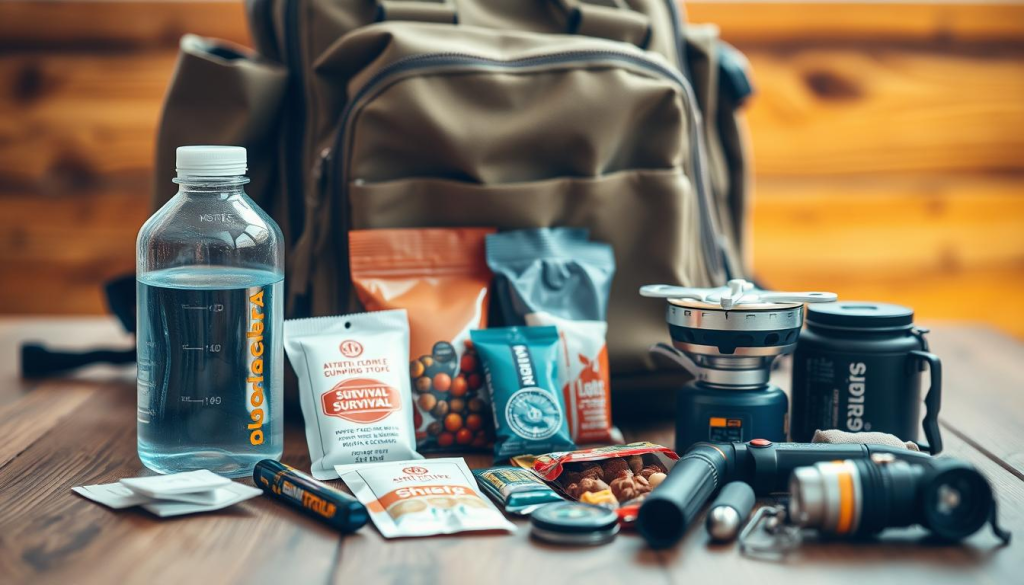
When it comes to stocking your bug out bag with food, the focus should be on non-perishable items that are high in calories and nutrients. Energy bars, dried fruits, and canned goods are excellent choices because they are lightweight, nutritious, and can withstand various environmental conditions.
It’s also important to consider dietary restrictions and personal preferences when selecting food items for your bug out bag. Including a manual can opener for canned goods is a practical touch.
Water Purification Methods
Water is critical to sustaining your life and health. Rather than carrying all of your water needs, which can be heavy (8.3 lbs per gallon), having a method to purify water you encounter is a more practical approach. Water purification tablets, filters, and UV light purifiers are effective tools for making water safe to drink.
- Water purification tablets are a compact and lightweight solution.
- Portable water filters can remove particulate matter and some microorganisms.
- UV light purifiers offer a chemical-free method of killing bacteria and viruses.
Meal Packs vs. Individual Items
When deciding between meal packs and individual food items, consider the balance between convenience and variety. Meal packs are designed to provide a complete meal and are often compact and lightweight. However, individual items can offer more flexibility in terms of dietary needs and personal preferences.
A combination of both strategies can be the most effective. Including a few meal packs for convenience and supplementing with individual items can cater to different needs and situations.
Shelter Options in Bug Out Bags
A Bug Out Bag isn’t complete without adequate shelter options. Adequate shelter is crucial for protection against the elements and maintaining body heat, which can be a matter of life and death in survival situations.
Portable Tents and Tarps
Portable tents and tarps are essential components of a Bug Out Bag. They provide a waterproof layer that can shield you from rain and wind. When selecting a tent or tarp, consider its durability, weight, and ease of setup. Look for materials that are both waterproof and breathable to prevent condensation buildup.
- Lightweight and compact designs
- Easy to set up and take down
- Durable and waterproof materials
Emergency Blankets
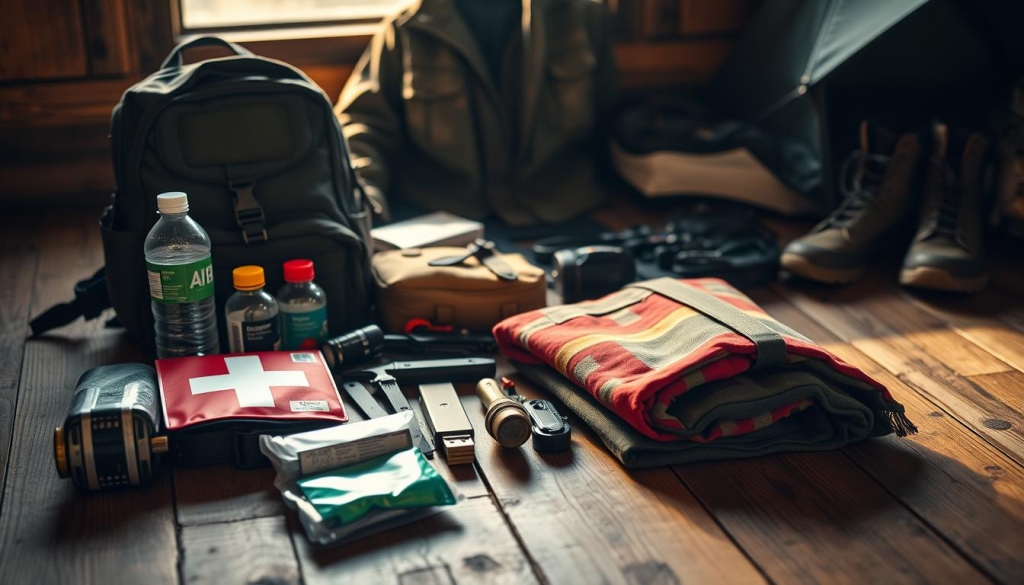
Emergency blankets, often made of Mylar or similar materials, are designed to retain body heat. They are lightweight, compact, and can be an effective addition to your Bug Out Bag. These blankets can reflect up to 80% of your body heat, making them a valuable asset in cold environments.
Sleeping Gear
Sleeping gear, including sleeping bags and pads, is vital for comfort and warmth. A good sleeping bag should have an appropriate temperature rating for the expected climate. Additionally, a sleeping pad can provide insulation from the ground, enhancing warmth and comfort. Instead of having a miserable experience, at least provide yourself some comfort with a sleeping pad, pillow, and blanket.
- Choose a sleeping bag with the right temperature rating
- Consider a sleeping pad for ground insulation
- Include a lightweight blanket or emergency blanket
Clothing and Protection
The importance of appropriate clothing in a Bug Out Bag cannot be overstated, as it directly impacts your ability to withstand harsh conditions. Clothing serves as your primary defense against the elements, making it a critical component of your survival backpack essentials.
The Importance of Layering
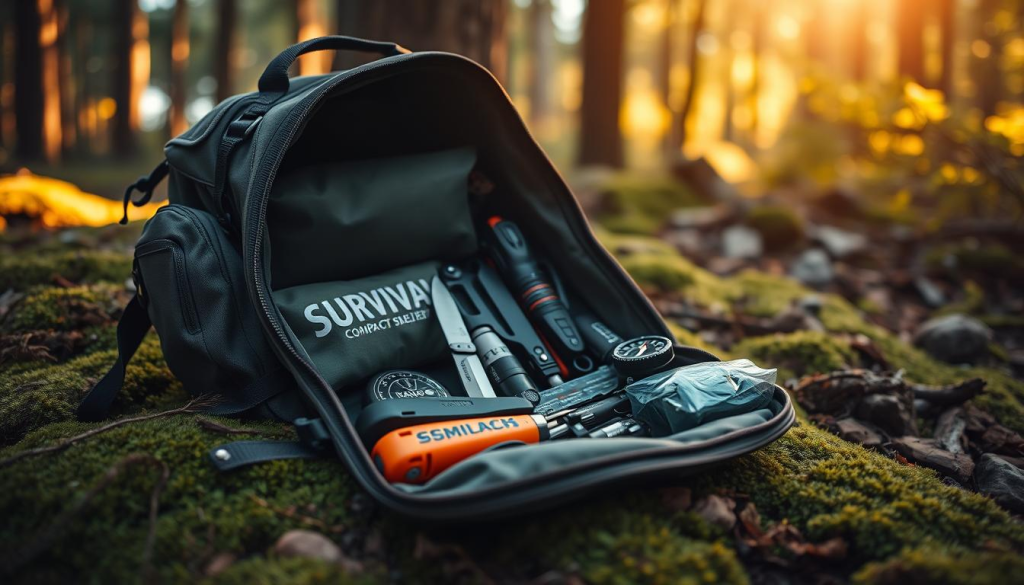
Layering is a key principle in dressing for survival situations. It allows you to adjust your clothing to suit varying temperatures and conditions, ensuring you remain comfortable and protected. A good layering system includes a base layer for moisture management, a mid-layer for insulation, and an outer layer for weather protection.
When selecting clothing for your Bug Out Bag, consider the versatility of each item. Clothing that can serve multiple purposes or be easily layered is ideal. This approach not only saves space in your bag but also ensures you’re prepared for a range of scenarios.
Weather-Appropriate Attire
Weather conditions can be unpredictable, and having the right attire is crucial. For cold weather, include warm, insulating layers such as fleece or down jackets. For wet conditions, waterproof and breathable outerwear is essential. In hot weather, lightweight, moisture-wicking clothing can help keep you cool and dry.
When packing clothing for your tactical bug out bag, consider the potential weather conditions you might face. Including a mix of clothing items that can be layered allows you to adapt to changing weather.
| Weather Condition | Recommended Clothing |
|---|---|
| Cold | Insulating layers (fleece, down) |
| Wet | Waterproof and breathable outerwear |
| Hot | Lightweight, moisture-wicking clothing |
Footwear Considerations
Footwear is another critical aspect of your clothing and protection. Sturdy, waterproof boots that offer good ankle support are ideal for survival situations. They protect your feet from rough terrain, water, and extreme temperatures.
When choosing footwear for your emergency preparedness bags, consider the terrain you’ll be traversing. Boots with good traction can prevent slips and falls, while waterproofing keeps your feet dry in wet conditions.
- Sturdy, waterproof boots
- Good ankle support
- Suitable for various terrains
In conclusion, clothing and protection are vital elements of any Bug Out Bag. By focusing on layering, weather-appropriate attire, and suitable footwear, you can enhance your survival chances in adverse conditions. Remember, the clothing you choose should be versatile, durable, and suitable for the potential conditions you might face.
Navigational Tools and Safety Gear
In emergency situations, the ability to navigate and stay safe is crucial, making navigational tools and safety gear essential components of any Bug Out Bag. These tools not only help in finding your way but also ensure that you can respond to various threats and challenges.
Maps and Compasses
A map and compass are fundamental navigational tools. Even with GPS devices, a map and compass should be considered essential bug out gear because they don’t rely on batteries or satellite signals. When selecting a compass, look for one with a clear base, a magnetic needle, and orienting lines. Maps should be detailed, waterproof, and cover the areas you are most likely to be in.
It’s also wise to include a small guide on how to use a map and compass, as not everyone is familiar with navigation techniques. This can be a simple printed guide or a downloaded app on a smartphone, though the latter should be backed up with a physical copy.
Flashlights and Lighting Solutions
Light is a critical element for navigation and safety during nighttime or in dark environments. A reliable flashlight is a must-have in your Bug Out Bag. Consider LED flashlights for their brightness and energy efficiency. It’s also a good idea to include extra batteries and a backup light source, such as a glow stick or a small lantern.
When choosing a flashlight, consider its durability, water resistance, and light output. Some flashlights also come with red light modes to preserve night vision. This feature can be particularly useful in survival situations.
Personal Safety Items
Personal safety items are a crucial part of your emergency go bag essentials. This can include items like pepper spray, a whistle, or even a personal alarm. The goal is to be able to deter or signal for help in case of danger. Two-way radios are also highly effective for communication, allowing you to stay in touch with family members or group members during an emergency.
When selecting personal safety items, consider the environment you’ll be in and the potential threats. For example, in areas with wildlife, bear spray might be necessary. Always check local laws regarding the possession and use of such items.
By including these navigational tools and safety gear in your Bug Out Bag, you’ll be better prepared to handle emergencies and navigate through challenging situations. Remember, the key to survival is being prepared with the right bug out bag checklist.
First Aid Essentials for Bug Out Bags
In the event of a disaster, a bug out bag with a comprehensive first aid kit can be a lifesaver. A well-prepared first aid kit is essential for treating injuries and preventing infections, making it a critical component of any emergency preparedness bag.
The contents of a first aid kit can vary greatly, ranging from simple to high-end kits. Regardless of the type, it’s crucial to include standard first aid supplies that can help in various emergency situations.
Standard First Aid Supplies
A basic first aid kit should include supplies for wound care, such as bandages, antiseptic wipes, and gauze. It’s also important to have medical tools like tweezers, scissors, and thermometers.
- Bandages and band-aids
- Antiseptic wipes and ointment
- Gauze pads and rolls
- Medical tape
- Tweezers and scissors
- Thermometer (oral or digital)
Medication and Personal Health Needs
In addition to standard first aid supplies, it’s essential to include any personal medications and health-related items in your bug out bag. This may include prescription medications, pain relievers, and antihistamines.
Consider the specific needs of your family members, including any allergies or medical conditions that may require special attention.
| Medication/Item | Purpose | Quantity |
|---|---|---|
| Prescription medication | Manage chronic conditions | 30-day supply |
| Pain relievers | Relieve pain and reduce fever | 10-20 tablets |
| Antihistamines | Treat allergic reactions | 10-20 tablets |
Emergency Contact Information
Having emergency contact information readily available is crucial in case of an emergency. This includes a list of important phone numbers, medical history, and any relevant contact details.
It’s a good idea to store this information in a waterproof container or digitally on a phone or other device.
By including a comprehensive first aid kit and emergency contact information in your bug out bag contents, you can ensure that you and your loved ones are better prepared to handle emergencies and stay safe.
The Importance of Multi-Purpose Tools
Multi-purpose tools are a crucial component of any Bug Out Bag, offering versatility and efficiency in emergency situations. When assembling a tactical bug out bag, it’s essential to consider the types of tasks you might need to perform, from simple repairs to more complex survival tasks.
A good multi-tool can handle various tasks, from cutting through debris to opening cans, making it an indispensable item in your bug out gear list. The right multi-tool can significantly reduce the weight and bulk of your survival backpack essentials by consolidating multiple functions into a single item.
Types of Multi-Tools
There are several types of multi-tools available, each designed for specific tasks or environments. Some popular options include:
- Leatherman Wave Series
- Victorinox SwissTool
- Gerber Suspension Multi-Plier
When selecting a multi-tool, consider the activities you are most likely to perform in a survival situation. For example, if you anticipate needing to cut through wood or metal, look for a tool with robust cutting capabilities.
Advantages of Versatility
The primary advantage of a multi-tool is its versatility. By including a multi-tool in your Bug Out Bag, you can significantly enhance your ability to respond to a wide range of challenges. As noted by survival expert, Les Stroud, “A multi-tool is not just a tool, it’s a problem-solving device.”
“A multi-tool is not just a tool, it’s a problem-solving device.” – Les Stroud
Integration into Your Bug Out Bag
When integrating a multi-tool into your Bug Out Bag, consider its accessibility and how it fits with your other survival backpack essentials. Ensure it is stored in an easily accessible location, such as an exterior pocket, to maximize its utility when needed.
| Multi-Tool Feature | Survival Benefit |
|---|---|
| Knife Blade | Cutting vines for shelter, preparing food |
| Pliers | Gripping and bending objects, repairing gear |
| Saw | Cutting wood for fire or shelter construction |
In conclusion, a multi-purpose tool is a vital component of any Bug Out Bag, providing the versatility and functionality needed to tackle a variety of survival tasks. By choosing the right multi-tool and integrating it effectively into your tactical bug out bag, you can enhance your overall preparedness and ability to respond to emergencies.
Customizing Your Bug Out Bag
To ensure you’re prepared for any situation, personalizing your Bug Out Bag is key. A Bug Out Bag, also known as an emergency preparedness bag or disaster evacuation backpack, is designed to help you survive for at least 72 hours in case of an emergency. Customization is crucial because everyone’s needs are different, and a generic bag may not meet your specific requirements.
Personal Needs and Preferences
When customizing your Bug Out Bag, it’s essential to consider your personal needs and preferences. This includes:
- Medical requirements: If you have a medical condition, ensure you have the necessary medication and equipment.
- Dietary needs: Pack non-perishable food that suits your dietary requirements.
- Personal hygiene items: Include essential hygiene items such as toothbrush, toothpaste, and any other necessary personal hygiene products.
For instance, if you’re diabetic, your Bug Out Bag should include a sufficient supply of insulin and other necessary medications. Similarly, if you have specific dietary needs, such as gluten-free or vegan, your food supplies should reflect this.
Family Considerations
If you’re preparing a Bug Out Bag for your family, it’s vital to consider the needs of each family member, including:
- Children: Include child-specific items such as diapers, formula, and favorite toys or comfort items.
- Elderly or disabled family members: Ensure you have the necessary equipment and supplies for their specific needs.
- Pet supplies: If you have pets, don’t forget to include food, water, and any necessary medication for them.
For families, it’s also a good idea to have a family communication plan in place, including a designated meeting point in case you get separated.
Seasonal Adjustments
Your Bug Out Bag should be adjusted seasonally to ensure it’s relevant to the current weather conditions and potential hazards. For example:
- Summer: Include sun protection, such as sunscreen and a hat, and be prepared for heat-related illnesses.
- Winter: Pack warm clothing, including gloves and a hat, and consider including hand warmers or other cold-weather survival tools.
By regularly reviewing and updating your Bug Out Bag according to the season, you can ensure you’re always prepared for the unexpected.
Maintenance and Regular Updates
To stay prepared, it’s essential to regularly inspect and update your Bug Out Bag. A well-maintained Bug Out Bag ensures that you’re always ready to face emergencies with the necessary supplies and gear.
Checking Supplies Periodically
It’s good practice to review and update your Bug Out Bag every six months. This allows you to rotate food supplies, check the condition of gear, and add any new items that may become necessary. Regular checks help in identifying any damaged or missing items that need replacement.
Key items to check during your Bug Out Bag maintenance include:
- Condition of clothing and footwear
- Functionality of tools and gadgets
- Integrity of food and water supplies
- First aid kit supplies
Expiration Dates on Food and Medicine
One critical aspect of Bug Out Bag maintenance is monitoring expiration dates. Expired food and medicine can be ineffective or even harmful. Make sure to check expiration dates during your regular updates and replace items as needed.
| Item | Check for | Action |
|---|---|---|
| Food Supplies | Expiration Dates | Replace Expired Items |
| Medicine | Expiration Dates, Condition | Replace if Expired or Damaged |
| Batteries | Expiration Dates, Corrosion | Replace if Expired or Corroded |
Evolving Threats and Needs
Your Bug Out Bag should be adaptable to changing circumstances, including new threats or personal needs. Regularly assess whether your Bug Out Bag is equipped to handle current and potential future emergencies.
Consider the following when updating your Bug Out Bag:
- Changes in family size or needs
- New types of emergencies or threats in your area
- Advancements in survival gear and technology
By regularly maintaining and updating your Bug Out Bag, you ensure that you’re always prepared for the unexpected.
Final Thoughts and Recommendations
Understanding what are bug out bags and their role in emergency preparedness is crucial for staying safe during disasters. A well-prepared tactical bug out bag can be your lifeline in uncertain times.
Key Takeaways
We’ve explored the essential components of a Bug Out Bag, including food, water, shelter, clothing, and first aid supplies. Choosing the right bag and customizing it to your needs is vital. Regular maintenance ensures your emergency preparedness bags remain effective.
Further Learning
For more information on creating the ultimate Bug Out Bag, consider exploring resources from reputable emergency preparedness organizations. These can provide valuable insights into enhancing your survival gear.
Prepare and Stay Safe
Your bug-out bag is your safety net in uncertain times. Stay prepared, stay safe, and be ready for whatever comes your way! By investing time in preparing your emergency preparedness bags, you can ensure you’re equipped to handle unexpected situations.