
In emergency situations, having the right supplies can be a lifeline. A portable collection of essential items, known as a bug out bag, is crucial for survival.
A well-stocked emergency kit is vital for addressing medical emergencies. When disaster strikes, medical help may be delayed or unavailable, making it crucial to have the necessary supplies on hand.
Creating a vital checklist for your emergency kit is the first step in ensuring you’re prepared. Understanding the importance of medical preparedness is key to making informed decisions about your emergency supplies.
Key Takeaways
- A well-stocked emergency kit is crucial for survival.
- Medical preparedness is key to addressing emergencies.
- A portable collection of essential items is vital.
- Having the right supplies can be a lifeline in emergency situations.
- Creating a vital checklist is the first step in ensuring you’re prepared.
Understanding the Importance of a Medical Kit
Being prepared with a medical kit is vital for survival during emergencies. A well-stocked bug out bag medical kit ensures you’re equipped to handle injuries, manage pain, and keep yourself or your loved ones moving when professional help isn’t immediately available.
Why You Need a Bug Out Bag Medical Kit
A bug out bag medical kit is not just for survivalists or preppers; it’s essential for anyone who takes emergency preparation seriously. The kit should be compact, comprehensive, and tailored to your environment and skill level. In a genuine emergency, medical help may be minutes or even hours away, making it crucial to have a reliable bug out bag first aid kit.
Key reasons for having a medical kit include:
- Handling unexpected injuries or illnesses
- Managing pain and preventing infection
- Providing care until professional medical help arrives
Scenarios Where a Medical Kit is Essential
There are several scenarios where a medical kit becomes indispensable. Natural disasters like earthquakes, hurricanes, and floods can cause significant injuries and damage, making immediate medical care crucial.
Other critical situations include:
- Man-made disasters, such as industrial accidents
- Outdoor emergencies, like hiking or camping accidents
- Power outages or other infrastructure disruptions
Legal Considerations for Carrying Medical Supplies
It’s also important to be aware of the legal considerations when carrying medical supplies. Certain medications and equipment may be subject to regulations or require special permissions.
Consider the following legal aspects:
- Checking local laws regarding the carriage of certain medications
- Understanding the regulations around medical equipment like EpiPens or narcotics
- Ensuring compliance with any necessary prescriptions or documentation
Essential Supplies for Your Medical Kit
Assembling a survival medical kit checklist is vital for handling unexpected medical emergencies. A well-prepared medical kit can be the difference between a minor issue and a major crisis.
Basic First Aid Items
Basic first aid items are the foundation of any medical kit. The American Red Cross recommends including supplies such as bandages, antiseptic wipes, and pain relievers. These items help in treating minor cuts, scrapes, and other injuries.
- Bandages and band-aids in various sizes
- Antiseptic wipes and ointments
- Pain relievers like acetaminophen or ibuprofen
- Aspirin for heart attack symptoms
- Antihistamines for allergic reactions
Prescription Medications
For individuals with specific medical conditions, including prescription medications in your medical kit is crucial. Ensure you have an adequate supply of your personal medications, along with any necessary documentation.
- Personal prescription medications
- Medications for chronic conditions (e.g., diabetes, heart conditions)
- Any necessary medical equipment (e.g., EpiPen, inhaler)
Over-the-Counter Medications
Over-the-counter medications can help manage a variety of symptoms and conditions. It’s essential to include a selection that can address common issues.
- Anti-diarrheal medication
- Anti-nausea medication
- Cold and flu medication
- Topical creams for skin issues
By including these essential supplies in your portable medical kit, you’ll be better prepared to handle medical emergencies. Regularly check your kit to ensure all items are still usable and not expired.
Bandaging and Wound Care Essentials
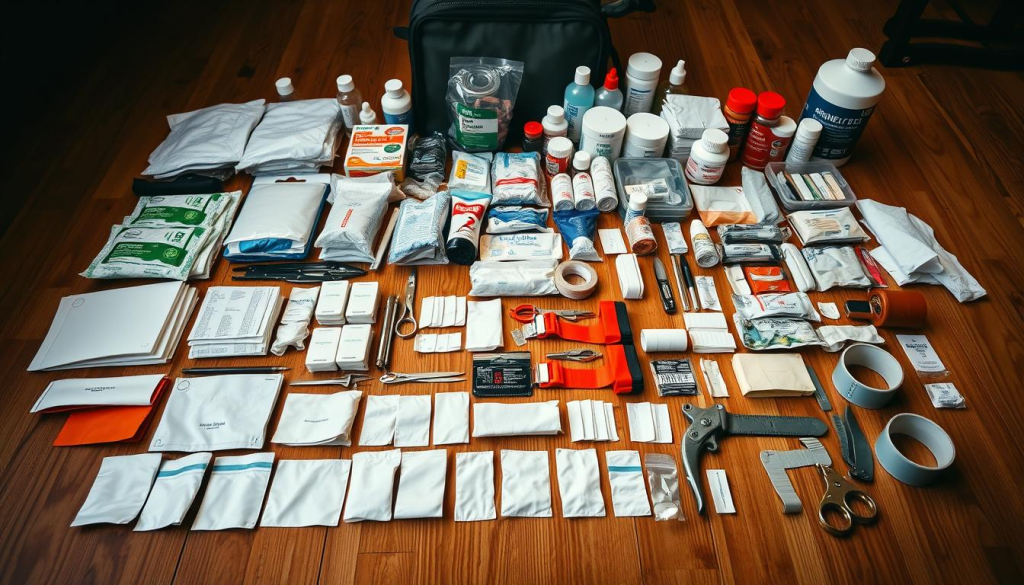
Proper wound care is crucial in emergency situations, and having the right supplies is vital for preventing infection and promoting healing. A well-stocked bug out bag medical kit should include a variety of bandaging and wound care essentials to treat different types of injuries.
Types of Bandages and Dressings
Bandages and dressings are critical for covering wounds, controlling bleeding, and protecting the injured area from further damage. Assorted bandages, including adhesive bandages, gauze pads, and rolled gauze, should be included in your kit. It’s also essential to have non-stick dressings to prevent the dressing from adhering to the wound.
Antiseptics and Sterilization Supplies
Antiseptics and sterilization supplies are vital for preventing infection in wounds. Your bug out bag medical kit should include antiseptic wipes, antibiotic ointment, and sterile saline solution for cleaning and disinfecting wounds. These supplies will help reduce the risk of infection and promote healing.
Splinting Materials for Injuries
Splinting materials are necessary for immobilizing injured limbs and preventing further injury. Your kit should include SAM splints or other flexible splinting materials that can be molded to fit different parts of the body. Additionally, triangular bandages can be used to create slings or secure splints in place.
According to Uncharted Supply Co., a good bug out bag should include bandages, gauze, and antiseptic wipes to treat wounds and prevent infection. By including these bandaging and wound care essentials in your bug out bag medical kit, you’ll be better prepared to handle a range of medical situations and keep yourself and others safe.
Tools and Equipment for Emergency Care
Equipping your bug out bag with the necessary tools and equipment is crucial for providing emergency care. In disaster situations, having the right medical tools can significantly enhance your ability to respond effectively.
Scissors and Tweezers
Scissors and tweezers are fundamental tools in any medical kit. High-quality scissors are necessary for cutting bandages or clothing to aid in treating injuries. Tweezers are essential for removing splinters or ticks, which can be critical in preventing infection.
Thermometer and Stethoscope
A thermometer is vital for monitoring body temperature, helping to identify potential infections or illnesses. A stethoscope allows you to assess heart and lung function, crucial for diagnosing various medical conditions in emergency situations.
Flashlight and Extra Batteries
A reliable flashlight is indispensable during a power outage or nighttime evacuation, providing necessary light to administer medical care. Including extra batteries ensures that your flashlight remains functional when needed most.
| Tool/Equipment | Purpose | Importance Level |
|---|---|---|
| Scissors | Cutting bandages or clothing | High |
| Tweezers | Removing splinters or ticks | High |
| Thermometer | Monitoring body temperature | High |
| Stethoscope | Assessing heart and lung function | Medium |
| Flashlight | Providing light during power outages | High |
| Extra Batteries | Ensuring flashlight functionality | High |
Items for Treating Specific Conditions
Incorporating items for specific medical conditions into your bug out bag is vital for effective emergency response. Certain medical conditions require specialized treatment and equipment to manage effectively during emergencies.
Allergy Treatments and EpiPens
For individuals with severe allergies, including an EpiPen or other epinephrine auto-injector in your bug out bag medical kit is crucial. According to Premier Body Armor, it’s essential to include supplies for specific medical conditions. Allergy treatments should also include antihistamines and any other medications prescribed by a healthcare provider.
- EpiPen or other epinephrine auto-injector
- Antihistamines (e.g., Benadryl)
- Prescription medications for allergic reactions
Asthma Equipment and Inhalers
Asthma equipment, such as inhalers and nebulizers, should be part of your bug out bag medical kit if you or a family member has asthma. Ensure that you have a sufficient supply of prescription medications, including rescue inhalers like albuterol.
- Rescue inhaler (e.g., albuterol)
- Prescription inhalers for long-term control
- Nebulizer (if necessary)
Glucose Monitoring Supplies for Diabetics
For individuals with diabetes, glucose monitoring supplies are essential. Include a glucose meter, test strips, lancets, and any prescribed medications like insulin.
- Glucose meter
- Test strips
- Lancets
- Insulin and other prescribed diabetes medications
By including these emergency medical kit essentials in your bug out bag, you can ensure that you are prepared to handle medical emergencies related to specific conditions. Regularly check and update these supplies to maintain their effectiveness.
Hygiene and Sanitation Supplies
The Centers for Disease Control and Prevention (CDC) stress the importance of hygiene and sanitation in emergency preparedness, making it a key component of your bug out bag medical kit. In emergency situations, maintaining cleanliness can significantly reduce the risk of illness and infection.
Hand Sanitizer and Antiseptic Wipes
Hand sanitizer and antiseptic wipes are crucial for maintaining hand hygiene when soap and water are not available. Look for hand sanitizers with at least 60% alcohol content for maximum effectiveness. Antiseptic wipes can be used to clean surfaces and equipment, further reducing the risk of infection.
- Hand sanitizer with at least 60% alcohol
- Antiseptic wipes for surface cleaning
Personal Hygiene Items
Personal hygiene items are essential for maintaining dignity and preventing the spread of infection. Including these items in your bug out bag can boost morale and overall health. Consider packing:
- Toothbrush and toothpaste
- Biodegradable soap
- Moist towelettes
- Menstrual products (if applicable)
Waste Disposal Bags
Proper waste disposal is critical in emergency situations to prevent the spread of disease. Include heavy-duty waste disposal bags in your bug out bag to handle human waste, trash, and other contaminated materials.
By incorporating these hygiene and sanitation supplies into your bug out bag medical kit, you can ensure a healthier response to emergencies and disasters.
Additional Items for Special Needs
Ensuring the well-being of all family members during emergencies requires a thoughtful approach to special needs in a bug out bag medical kit. Different family members may have unique needs, such as children, elderly individuals, or pets, and being prepared can make a significant difference in their care.
Pediatric Supplies for Children
When it comes to children, it’s essential to include pediatric supplies in your survival medical kit checklist. These may include:
- Child-friendly medications like acetaminophen or ibuprofen
- Pediatric-sized bandages and dressings
- Baby wipes and diapers if applicable
- Formula or baby food for infants
Having these supplies on hand can help ensure that children receive the care they need during an emergency.
Geriatric Considerations
For elderly family members, consider including supplies that cater to their specific health needs. This might involve:
- Extra supplies of prescription medications
- Medical equipment like walkers or canes if needed
- Comfort items such as reading glasses or hearing aid batteries
- Easy-to-use or senior-friendly medical supplies
Tailoring your portable medical kit to meet the needs of elderly family members can significantly enhance their comfort and safety.
Veterinary Supplies for Pets
Pets are also an important consideration when assembling a bug out bag. Essential veterinary supplies may include:
- Pet food and water for at least a few days
- Any necessary prescription medications for your pet
- Pet first aid supplies like bandages or antiseptic wipes
- A pet carrier or leash
| Pet Supply | Description |
|---|---|
| Pet Food | Enough for at least 3 days, consider non-perishable options |
| Pet Medication | Any necessary prescription medications, with extra supplies if possible |
| First Aid Kit | Includes bandages, antiseptic wipes, and any pet-specific medical supplies |
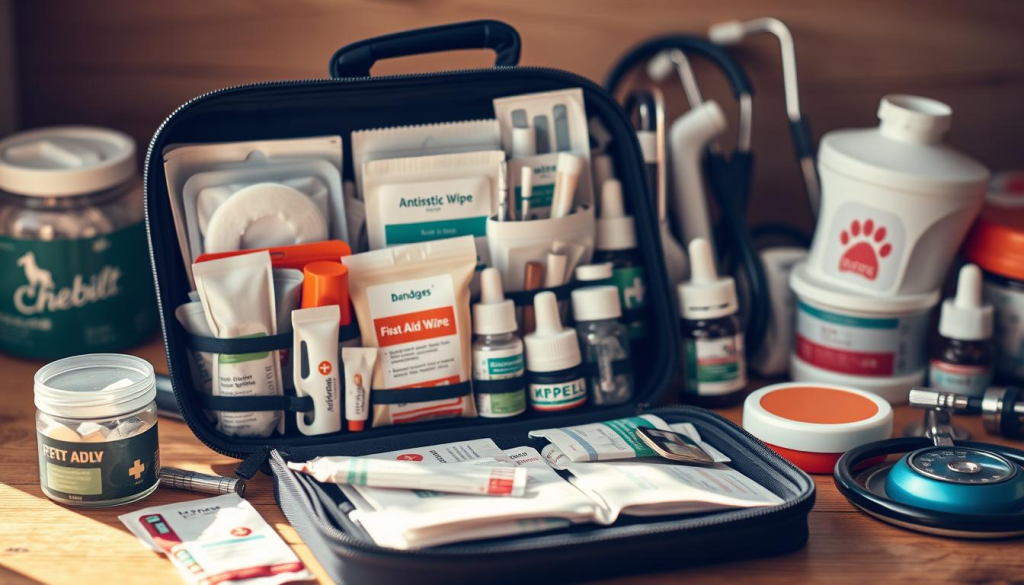
By including these additional items for special needs in your bug out bag medical kit, you can ensure that all family members, including pets, are better prepared to face emergencies.
Organizing Your Bug Out Bag Medical Kit
In emergency situations, a well-organized bug out bag medical kit can be a lifesaver. It’s not just about having the right medical supplies; it’s also about ensuring they are easily accessible and not expired.
Choosing the Right Container
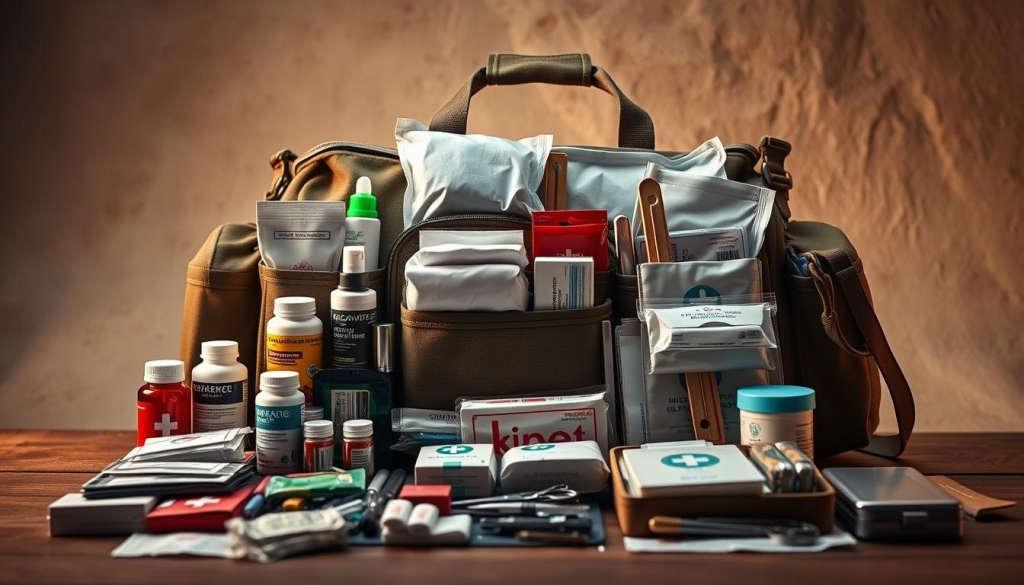
Selecting the right container for your bug out bag medical kit is the first step towards effective organization. Uncharted Supply Co. recommends choosing a durable and water-resistant container. This will protect your medical supplies from damage and keep them dry in wet conditions.
Consider a container with multiple compartments to categorize your supplies. This will make it easier to find what you need quickly. Look for a bag that is also comfortable to carry, as you may need to transport it over long distances.
Keeping Supplies Accessible
Once you have the right container, it’s essential to keep your medical supplies organized and accessible. Use clear, resealable bags or pouches to store similar items together, such as bandages, antiseptics, or medications. Labeling these bags can further enhance accessibility.
Place frequently used items in easy-to-reach locations. Consider the order in which you might need your supplies during an emergency and organize them accordingly. For instance, wound care supplies should be readily accessible.
Regularly Checking Expiration Dates
A critical aspect of maintaining your bug out bag medical kit is regularly checking the expiration dates of your supplies. Medications, antiseptics, and other medical supplies have limited shelf lives. Make a schedule to check these dates every six months and replace any expired items.
Keep a list of the expiration dates and the contents of your kit. This will help you stay on top of maintenance and ensure that your kit remains a reliable resource in emergency situations.
By following these guidelines, you can ensure that your bug out bag medical kit is well-organized, reliable, and ready for use when needed. Regular maintenance and smart organization are key to effective emergency preparedness medical supplies management.
Recommended Brands and Resources
When preparing your bug out bag medical kit, it’s crucial to choose trusted brands and resources. Premier Body Armor is a reputable brand that offers high-quality first aid kits and equipment, making it an excellent choice for disaster preparedness.
Trusted Brands for Medical Supplies
Selecting the right medical supplies is vital for ensuring your kit is effective. Look for brands that specialize in emergency medical kit essentials, such as those that provide durable and reliable products.
Online Resources for Guidance
Utilize online resources to stay informed about the latest medical supplies for disaster preparedness. Websites that specialize in emergency preparedness often provide valuable guidance on assembling a comprehensive medical kit.
Community Forums for Sharing Tips
Engaging with community forums can be beneficial in staying updated on best practices for bug out bag medical kits. These forums allow individuals to share tips and recommendations, enhancing overall preparedness.