
In emergency preparedness, having a well-stocked bug out bag is crucial. This portable kit contains essential items that help individuals survive during disasters or emergencies.
A bug out bag is a pre-packed bag with essentials like food, water, first aid supplies, and communication tools, designed to provide the necessary resources to survive for at least 72 hours during an emergency.
By having a bug out bag, individuals can quickly evacuate their homes and respond to emergencies effectively. This proactive approach to emergency preparedness can make a significant difference in survival situations.
Key Takeaways
- A bug out bag is a portable kit containing essential items for survival.
- It is designed to provide resources for at least 72 hours during emergencies.
- Having a bug out bag enables quick evacuation and effective response.
- Bug out bag essentials include food, water, first aid supplies, and communication tools.
- Preparing a bug out bag is a proactive approach to emergency preparedness.
What Is a Bug Out Bag?
Understanding the concept of a bug out bag is fundamental to being prepared for emergencies, as it encompasses the necessary supplies for immediate response. A bug out bag, also known as a 72-hour kit, is designed to sustain individuals for at least three days in the event of a disaster or emergency.
Definition and Overview
A bug out bag is a portable collection of essential items that an individual can quickly grab in case of an emergency, allowing them to evacuate the area or survive in place. It is a critical component of emergency preparedness, tailored to meet the basic needs of survival, such as food, water, shelter, and first aid.
Key Components
The key components of a bug out bag typically include a first aid kit, emergency food and water, a flashlight, and a battery-powered radio. These survival kit items are crucial for addressing immediate needs during emergencies.
- A first aid kit for medical emergencies
- Non-perishable food and a water purification system
- A flashlight or headlamp for light
- A battery-powered or hand-crank radio for communication
Importance in Emergency Preparedness
The importance of a bug out bag in emergency preparedness cannot be overstated. It provides a proactive measure against various disasters, ensuring that individuals have the necessary tools to respond effectively. By having a well-prepared bug out bag, individuals can significantly enhance their chances of survival and comfort during emergencies.
In conclusion, a bug out bag is a vital tool for emergency preparedness, containing essential survival kit items that can make a significant difference in the face of disasters.
The History of Bug Out Bags
The idea of a bug out bag originated in the military, where it was crucial for soldiers to have a ready-to-grab bag with vital supplies during emergencies. This concept has since evolved and been adopted by various communities, including survivalists.
Origin and Evolution
The military’s need for personnel to be prepared for rapid evacuations laid the groundwork for what we now know as bug out bags. Initially, these bags contained basic go bag supplies such as food, water, first aid kits, and communication devices. Over time, the contents and design of these bags have evolved to accommodate different scenarios and environments.
As the concept transitioned from military to civilian use, it adapted to various survival needs. The bags began to include items tailored to specific emergencies, such as natural disasters or personal safety threats. This evolution reflects a broader understanding of emergency preparedness and the importance of being ready to evacuate at a moment’s notice.

Popularity in Survivalist Communities
The survivalist community has been instrumental in popularizing the concept of bug out bags. Survivalists emphasize the importance of being prepared for any situation, and the bug out bag is seen as a critical tool in this preparation. These communities have contributed to the development of more sophisticated and personalized bug out bags, often sharing tips and recommendations for go bag supplies online and in survivalist forums.
The rise of social media and online forums has further amplified the popularity of bug out bags, making it easier for individuals to learn about and customize their emergency kits. As a result, bug out bags have become a staple in many households, not just among survivalists but also among individuals seeking to be prepared for emergencies.
Why You Need a Bug Out Bag
Emergency preparedness is key, and a well-stocked bug out bag is at the heart of this preparation. In the face of unexpected emergencies, having the right equipment can make all the difference between safety and peril.
Emergency Situations
Emergency situations can arise from various sources, including natural disasters, accidents, and other crises. An emergency evacuation backpack, commonly known as a bug out bag, is designed to provide individuals with the necessary resources to survive during such events. These bags are typically stocked with essentials like food, water, first aid supplies, and communication tools.
In emergency situations, every minute counts. Having a pre-prepared bug out bag can significantly reduce response time, allowing individuals to evacuate quickly and safely. It’s not just about having the right items; it’s about having them organized and easily accessible.
Natural Disasters
Natural disasters such as hurricanes, earthquakes, and wildfires can be devastating. A bug out bag is crucial in these scenarios as it provides the necessary supplies to sustain individuals until help arrives or until the situation stabilizes. For instance, during hurricanes, having a supply of non-perishable food and water can be lifesaving.
Moreover, natural disasters often result in power outages and disrupted communication lines. A bug out bag equipped with a portable charger, flashlight, and a radio can help individuals stay informed and connected.
Personal Safety Considerations
Personal safety is another critical aspect to consider when preparing a bug out bag. In emergency situations, the rule of law may be temporarily suspended, and individuals may need to protect themselves. Including personal defense items in the bug out bag, such as pepper spray or a personal alarm, can enhance personal safety.
Additionally, a bug out bag should be tailored to the individual’s specific needs, including any medical requirements. For example, individuals with diabetes should include insulin and other necessary medications in their bug out bag.
In conclusion, a bug out bag is an indispensable tool for emergency preparedness. By understanding the importance of having such a bag and customizing it to meet individual needs, individuals can significantly enhance their chances of survival during emergencies and natural disasters.
Essential Items for Your Bug Out Bag
The effectiveness of a bug out bag lies in its contents, which should be carefully selected to meet various emergency needs. When preparing your bag, it’s essential to consider the disaster readiness essentials that will help you survive and potentially thrive during challenging situations.
Food and Water Supplies
One of the critical components of a bug out bag is the inclusion of adequate food and water supplies. Non-perishable food items such as energy bars, canned goods, and dried fruits are recommended. It’s also crucial to have a reliable means of purifying water, such as a filter or purification tablets, to ensure access to safe drinking water.
When selecting food, consider the nutritional value, caloric content, and ease of preparation. A good rule of thumb is to include at least a three-day supply of food and water per person.
First Aid and Medical Necessities
A well-stocked first aid kit is another vital component of a bug out bag. This should include bandages, antiseptic wipes, pain relievers, and any medications that family members may need. It’s also wise to include a guide to basic first aid to help you respond to emergencies effectively.
Consider any specific medical needs of your family, such as EpiPens for severe allergic reactions or insulin for diabetes.
Shelter and Clothing
In addition to food and medical supplies, your bug out bag should include items that provide shelter and warmth. A lightweight tent or tarp, along with a sleeping bag or emergency blanket, can offer protection from the elements. Pack clothing that is versatile, durable, and suitable for various weather conditions.
Remember to include a change of clothes, focusing on layers that can be adjusted according to the temperature. Sturdy footwear is also essential for mobility and protection.
By carefully selecting the must-have bug out gear, you can ensure that your bug out bag is equipped to handle a variety of emergency situations, enhancing your chances of safety and comfort.
How to Customize Your Bug Out Bag
The key to a successful bug out bag lies in its customization to meet individual needs. Customizing your bug out bag involves understanding your personal requirements, considering the needs of your family, and being aware of regional risks.
Personal Needs Assessment
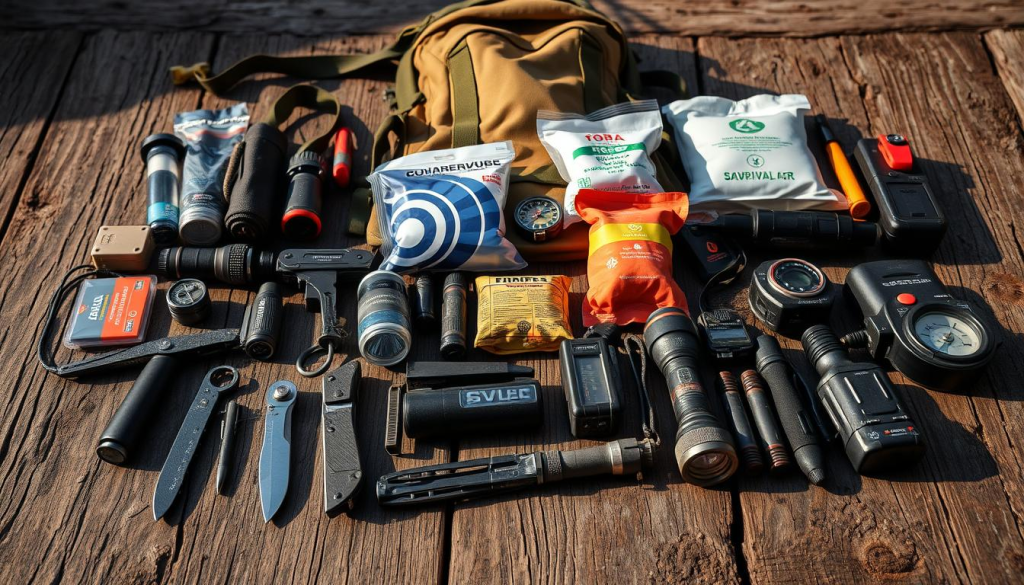
Assessing your personal needs is the first step in customizing your bug out bag. This includes considering any medical conditions you may have and packing essential medications or equipment. For instance, individuals with diabetes should include a sufficient supply of insulin and a portable glucose meter. It’s also crucial to consider any personal hygiene items that you may need during an emergency.
Family Considerations
When customizing your bug out bag, it’s essential to consider the needs of your family members. This includes packing supplies for children, such as diapers, formula, and child-friendly medications. Additionally, if you have elderly or disabled family members, you may need to include specific equipment or supplies to cater to their needs. Creating a family emergency plan can also help ensure that everyone knows what to do in case of an emergency.
Regional Factors and Local Risks
Understanding regional factors and local risks is vital in customizing your bug out bag. For example, if you live in an area prone to earthquakes, you may want to include a portable shelter or a supply of earthquake-specific emergency kits. Similarly, if you reside in a region susceptible to hurricanes, packing a waterproof bag and including items like a battery-powered radio can be beneficial. Researching local risks and tailoring your bug out bag accordingly can significantly enhance your emergency preparedness.
By taking into account personal needs, family considerations, and regional factors, you can create a comprehensive and effective bug out bag that meets your specific requirements.
Bug Out Bag vs. Everyday Carry
The terms ‘bug out bag’ and ‘everyday carry’ are often used interchangeably, but they serve distinct purposes in emergency preparedness. A bug out bag is designed for emergency situations where you might need to evacuate quickly, while an everyday carry is used for daily activities.
Distinction Between the Two
A bug out bag is typically a larger bag packed with survival kit items such as food, water, first aid supplies, and shelter materials. It’s meant to sustain you for at least 72 hours in case of a disaster or emergency. On the other hand, an everyday carry (EDC) is a smaller collection of essential items like a wallet, phone, keys, and sometimes a small first aid kit or multi-tool, designed to be carried with you daily.
The key difference lies in their purpose and the items they contain. While a bug out bag is for emergencies, an everyday carry is for daily convenience and minor emergencies.
When to Use Each
Understanding when to use each can be crucial. Your bug out bag should be used in significant emergencies or disasters, such as natural disasters or civil unrest, where you need to evacuate. In contrast, your everyday carry is for daily use, helping you navigate routine situations and minor emergencies.
| Feature | Bug Out Bag | Everyday Carry |
|---|---|---|
| Purpose | Emergency evacuation | Daily activities |
| Contents | Food, water, first aid, shelter | Wallet, phone, keys, multi-tool |
| Size | Typically larger | Smaller, more compact |
By distinguishing between these two and understanding their uses, you can better prepare for both daily life and potential emergencies, ensuring you’re equipped with the right go bag supplies for any situation.
Maintenance and Regular Updates
Maintaining your disaster readiness essentials is not a one-time task, but an ongoing process. Ensuring that your bug out bag is always ready and relevant requires regular inspections, updates, and adaptations to changing circumstances.
Inspecting Your Bag
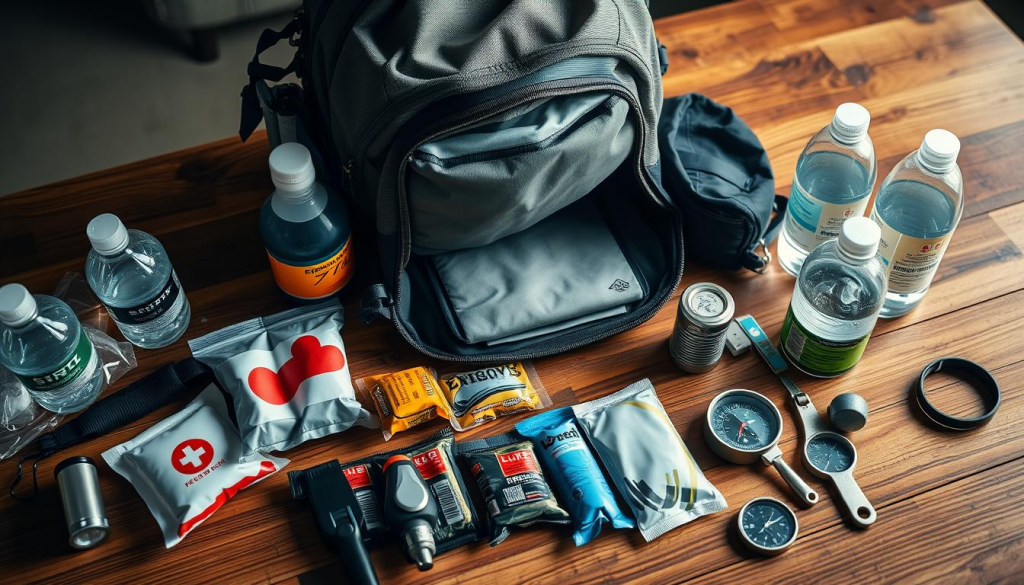
Regular inspections of your emergency evacuation backpack are vital. Check for any damage, wear, and tear that could compromise the bag’s integrity or the functionality of its contents. Ensure that all items are still usable and not expired.
During inspections, pay particular attention to:
- Condition of clothing and footwear
- Functionality of electronic devices
- Expiration dates of food, water, and medical supplies
- Integrity of the bag’s material and structure
Rotating Food and Supplies
One of the critical aspects of maintaining your bug out bag is rotating food and supplies. This involves checking expiration dates and replacing items before they expire. For non-perishable food items, implement a “first in, first out” policy to ensure older items are consumed before they expire.
It’s also essential to check the condition of water purification tablets or filters, batteries, and any other consumables that have a limited shelf life.
Adapting to Life Changes
Your bug out bag should adapt to changes in your life, such as:
- Changes in family size or structure
- Health conditions or new medical needs
- Changes in your environment or location
For instance, if you move to an area prone to different types of natural disasters, you may need to adjust your supplies accordingly. Similarly, if a family member develops a specific medical condition, you’ll need to include relevant supplies in your bug out bag.
By regularly inspecting your bag, rotating supplies, and adapting to life changes, you can ensure that your emergency evacuation backpack remains a reliable component of your disaster readiness essentials.
Common Myths About Bug Out Bags
Despite their importance, bug out bags are often shrouded in myths and misconceptions. Many people either overestimate their complexity or underestimate their necessity. It’s essential to clarify these misconceptions to encourage more people to prepare a bug out bag.
Misconceptions Debunked
One common myth is that bug out bags are only for extreme survivalists or those who live in disaster-prone areas. In reality, a bug out bag is a must-have for anyone who wants to be prepared for unexpected emergencies, whether natural disasters, personal safety issues, or other crises.
Another misconception is that assembling a bug out bag is too expensive. While it’s true that some specialized gear can be costly, the basics of a bug out bag can be assembled on a budget. Essentials like food, water, first aid supplies, and a flashlight are affordable and accessible.
Clarifying Purpose and Use
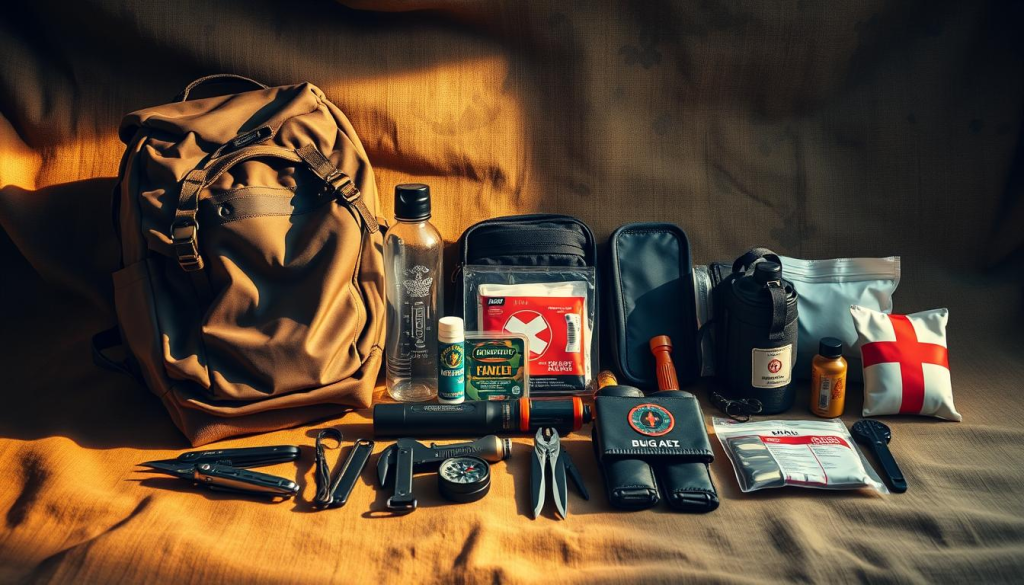
The purpose of a bug out bag is to provide individuals with the necessary tools to survive for at least 72 hours in case of an emergency. It’s not just about survival; it’s about being prepared for any situation that may arise. Understanding the bug out bag essentials helps in creating a bag that is both practical and effective.
| Myth | Reality |
|---|---|
| Bug out bags are only for survivalists. | They are for anyone who wants to be prepared for emergencies. |
| Assembling a bug out bag is too expensive. | Basic essentials are affordable and can be assembled on a budget. |
| Bug out bags are complicated to prepare. | With a clear understanding of the essentials, preparation is straightforward. |
By understanding the realities of bug out bags and their importance, individuals can better prepare themselves for emergencies. It’s about being proactive and having the right must-have bug out gear to face any challenge.
Preparing a Bug Out Plan
A well-structured bug out plan can be the difference between safety and chaos during emergencies. It involves more than just having an emergency preparedness bag or survival kit items; it’s about having a clear strategy for emergency response.
Importance of Planning
Planning is crucial because it allows individuals to respond to emergencies more effectively. A bug out plan helps in identifying potential risks and preparing for them. It includes knowing the best escape routes, having a communication plan, and designating meeting points in case of separation.
To create an effective bug out plan, consider the following steps:
- Identify potential emergency scenarios and the necessary responses.
- Map out multiple escape routes from your home, workplace, and other frequent locations.
- Designate a meeting point outside the immediate danger zone where family members can gather if separated.
- Practice the plan regularly to ensure everyone knows what to do.
Creating a Solid Escape Route
Creating a solid escape route is a critical component of a bug out plan. This involves:
- Identifying the most likely emergency scenarios, such as natural disasters or other regional risks.
- Mapping out primary and alternative escape routes.
- Considering the mode of transportation and potential obstacles.
It’s also essential to stay informed about local conditions and adjust the escape route accordingly.
| Escape Route Considerations | Description | Importance Level |
|---|---|---|
| Primary Route | The most direct and safest route out of the danger zone. | High |
| Alternative Route | A secondary route in case the primary route is compromised. | High |
| Mode of Transportation | Whether to use a vehicle, bike, or walk, depending on the situation. | Medium |
| Meeting Point | A designated location outside the danger zone where family members can meet. | High |
By having a comprehensive bug out plan, individuals can significantly enhance their ability to respond to emergencies. It’s not just about having the right survival kit items but also about being prepared with a clear plan of action.
Bug Out Bag Organization Tips
A well-organized bug out bag can be the difference between safety and chaos during an emergency. Effective organization ensures that you can quickly access the supplies you need, making your emergency evacuation backpack a reliable tool for survival.
Packing Strategies
One of the key aspects of organizing your go bag supplies is employing efficient packing strategies. Using compartments or pouches can help categorize your supplies, making it easier to find what you need. For instance, you can dedicate a pouch to first aid supplies, another to food and water, and another to important documents.
Consider using packing cubes or small bags to separate and compress your clothing and other gear, allowing for more efficient use of space within your bag. This not only helps in keeping your bag organized but also makes it easier to carry.
Labeling and Accessibility
Labeling the contents of your emergency evacuation backpack is crucial for quick identification of supplies. Use clear labels or color-coding to differentiate between categories of supplies. For example, you can use red labels for emergency medical supplies, green for food, and blue for communication devices.
Ensuring that your most essential items are easily accessible is also vital. Place items you are likely to need first, such as water, snacks, and a first aid kit, in easy-to-reach locations. This can save precious time during an emergency when every second counts.
Real-Life Scenarios Featuring Bug Out Bags
Real-life scenarios have demonstrated the effectiveness of bug out bags during emergencies, showcasing the importance of disaster readiness essentials. Individuals who have prepared must-have bug out gear have been able to respond to unexpected situations more effectively.
Success Stories
There are numerous accounts of people using their bug out bags to navigate through natural disasters, such as hurricanes and wildfires. These stories highlight the value of having a well-prepared bag, containing essential items like food, water, and first aid supplies.
Lessons Learned
Experiences from real-life scenarios have taught individuals the importance of regularly inspecting and updating their bug out bags. This includes rotating food and supplies, as well as adapting to life changes, such as moving to a new region or having a family.
By examining these real-life scenarios, individuals can gain a deeper understanding of the importance of having a bug out bag and the must-have gear it should contain.