
A bug out bag is a portable collection of essential items that an individual or family may need to survive for at least 72 hours during an emergency or natural disaster. This bag is designed to be taken along in case of an evacuation, hence the term “bug out.”
The significance of having a bug out bag lies in its ability to provide immediate necessities such as food, water, first aid, and communication tools. Being prepared with such a bag can greatly enhance one’s chances of survival and comfort during emergencies.
Key Takeaways
- A bug out bag is crucial for survival during emergencies.
- It should contain essentials like food, water, and first aid supplies.
- The bag is designed to sustain an individual or family for at least 72 hours.
- Preparation is key to effectively handling emergencies.
- Having a bug out bag can enhance survival chances and comfort.
What Is a Bug Out Bag?
A bug out bag, often referred to as a 72-hour kit, is designed to support an individual’s basic needs during emergencies. Essentially, it is a portable collection of essential items that can sustain a person for a certain period during disasters or emergencies.
Definition of a Bug Out Bag
A bug out bag is a pre-packed bag containing vital supplies to help individuals survive and thrive in crisis situations. It is called a “bug out” bag because it enables a person to “bug out” or leave quickly in case of an emergency. The concept is centered around being prepared to evacuate at a moment’s notice with the necessary items to survive for at least 72 hours.
“A well-prepared bug out bag can be the difference between life and death in emergency situations.”
Purpose of a Bug Out Bag
The primary purpose of a bug out bag is to provide individuals with the necessary tools and supplies to survive during the initial stages of an emergency or disaster. This includes having access to food, water, first aid, and means of communication or navigation.
Common Uses for a Bug Out Bag
Bug out bags are commonly used in various emergency scenarios, including natural disasters like hurricanes, earthquakes, and floods, as well as man-made crises. The versatility of a bug out bag makes it an essential component of any emergency preparedness plan.
| Emergency Type | Bug Out Bag Essentials |
|---|---|
| Natural Disasters | Water, non-perishable food, first aid kit |
| Man-made Crises | Communication devices, personal protective gear, cash |
By understanding the definition, purpose, and common uses of a bug out bag, individuals can better prepare themselves for unexpected emergencies.
Key Components of a Bug Out Bag
Understanding the key components of a bug out bag can significantly enhance your emergency preparedness. A well-assembled bug out bag contains essential items that can sustain you and your family during critical situations.
Food and Water Supplies
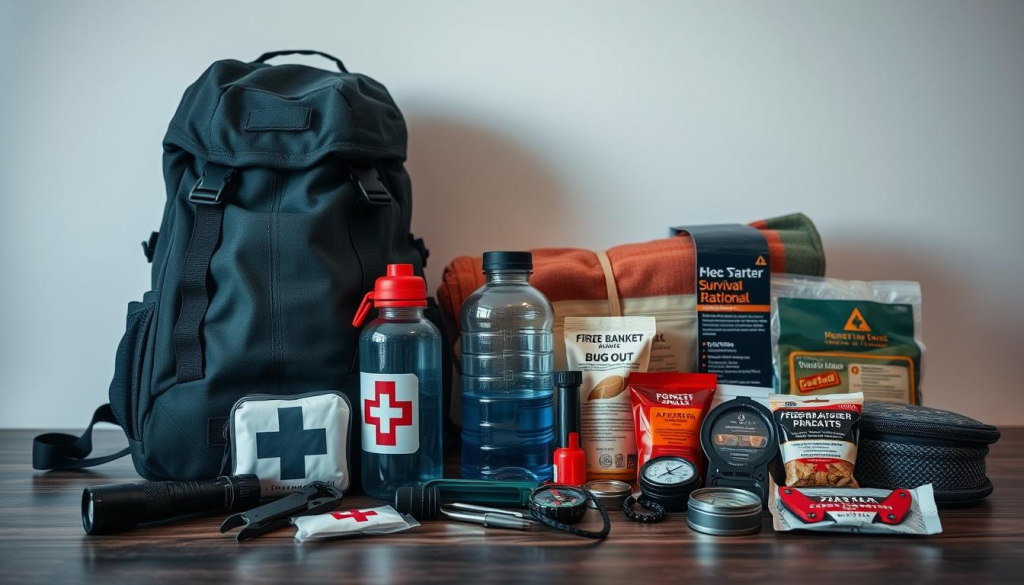
One of the most critical aspects of a bug out bag is the inclusion of adequate food and water supplies. It’s recommended to pack non-perishable, high-calorie foods that are easy to prepare. Some examples include:
- Nuts and dried fruits
- Canned goods
- MREs (Meals Ready to Eat)
- Energy bars
Alongside food, having a reliable source of clean drinking water is vital. Consider including water purification tablets or a portable filter to ensure access to safe drinking water.
Clothing and Personal Items
Packing the right clothing and personal items can make a significant difference in a survival situation. Include:
- Durable, versatile clothing suitable for various weather conditions
- Sturdy footwear
- Personal hygiene items (toothbrush, toothpaste, etc.)
- Important documents (ID, insurance cards, etc.) in a waterproof container
First Aid Kit Essentials
A comprehensive first aid kit is a crucial component of any bug out bag. Ensure your kit includes:
- Bandages and band-aids
- Antiseptic wipes and ointments
- Pain relievers and antihistamines
- Prescription medications and necessary medical equipment
By focusing on these key components, you can create a bug out bag that is tailored to your needs and enhances your overall preparedness for emergencies.
Recommended Items for Different Scenarios
Understanding the unique demands of various emergency scenarios is key to packing the right bug out bag. Different environments and situations require specific items to ensure survival and comfort.
Urban Bug Out Bag Essentials
In urban environments, the challenges are often different from those in rural areas. An urban bug out bag should include items that address the specific needs of city dwellers.
- Compact and portable tools, such as a multi-tool or pocket knife
- Communication devices, like a fully charged cell phone and a backup power source
- Personal identification and important documents in a waterproof container
- Cash and credit cards in small denominations
Additionally, consider including a dust mask or respirator to protect against poor air quality, which can be a significant concern in urban areas during emergencies.
Rural Bug Out Bag Considerations
Rural areas present their own set of challenges, including longer distances to travel and potentially limited access to services. A rural bug out bag should be equipped with items that support longer-term survival.
- Water purification tablets or a portable water filter
- Food supplies that are high in calories and nutrients, such as MREs or dried fruits and nuts
- A first aid kit with supplies for treating injuries, including snake bites if necessary
- Navigation tools, such as a compass and detailed topographic maps
A reliable means of starting a fire, such as waterproof matches or a lighter, is also crucial for warmth, cooking, and signaling.
Survival Gear for Natural Disasters
Natural disasters, such as hurricanes, earthquakes, or floods, require specific preparations. A bug out bag for these scenarios should include items that provide protection and support during and after the disaster.
| Disaster Type | Essential Items |
|---|---|
| Hurricane | Waterproof bags, tarps, and a portable radio |
| Earthquake | Dust mask, sturdy shoes, and a whistle |
| Flood | Waterproof clothing, a life jacket, and a means of signaling for help |
Having a well-prepared bug out bag that is tailored to the specific needs of different scenarios can significantly enhance survival chances during emergencies.
How to Choose the Right Bag
When it comes to emergency preparedness, having the right bug out bag can make all the difference. The importance of a bug out bag lies in its ability to provide essential supplies during crises, making the selection process critical.
Choosing a bug out bag involves considering several key factors that directly impact its usability and effectiveness in emergency situations.
Size and Weight Considerations
The size and weight of a bug out bag are crucial factors. A bag that is too large may become cumbersome, while one that is too small may not hold all necessary supplies. Ideally, a bug out bag should be large enough to carry essentials but light enough to be carried comfortably over long distances.
As noted by survival expert, “A good bug out bag is one that you can comfortably carry for at least a few hours without feeling overwhelmed.” This highlights the need for a balance between capacity and portability.
| Size | Weight | Comfort Level |
|---|---|---|
| Small (20-30L) | Light (5-10 lbs) | High |
| Medium (30-50L) | Moderate (10-20 lbs) | Medium |
| Large (50-70L) | Heavy (20-30 lbs) | Low |
Material Durability
The material of the bug out bag is another vital consideration. Durable materials such as nylon or polyester are preferred due to their resistance to wear and tear, as well as their ability to withstand various environmental conditions.
Water resistance is also a key feature to look for, as it ensures that the contents of the bag remain dry in wet conditions.
Internal Organization Features
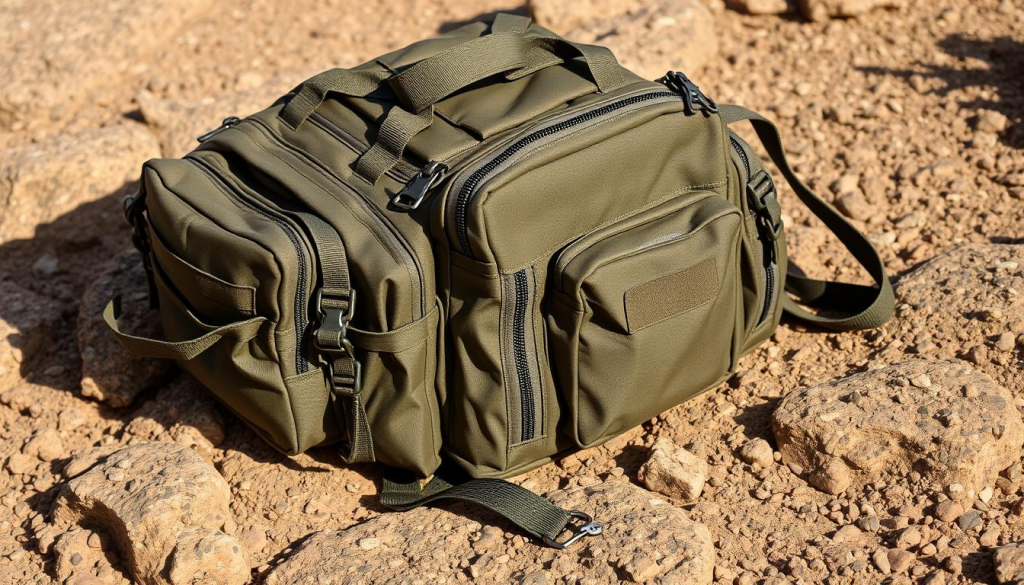
A well-organized bug out bag is essential for quickly accessing supplies during an emergency. Look for bags with multiple compartments, pockets, and MOLLE (Modular Lightweight Load-carrying Equipment) systems to keep gear organized and easily accessible.
By considering these factors, individuals can select a bug out bag that meets their needs, enhancing their preparedness for emergencies and underscoring the importance of bug out bag in survival situations.
Packing Your Bug Out Bag Effectively
A well-packed bug out bag can be the difference between safety and disaster during emergencies. The key to an effective bug out bag lies not just in the items you include, but in how you pack them.
Layering and Weight Distribution
When packing your bug out bag, it’s essential to consider layering and weight distribution. Heavier items should be placed at the bottom of the bag, closest to your back, to maintain balance and comfort. This technique helps in distributing the weight evenly, making it easier to carry the bag over extended periods.
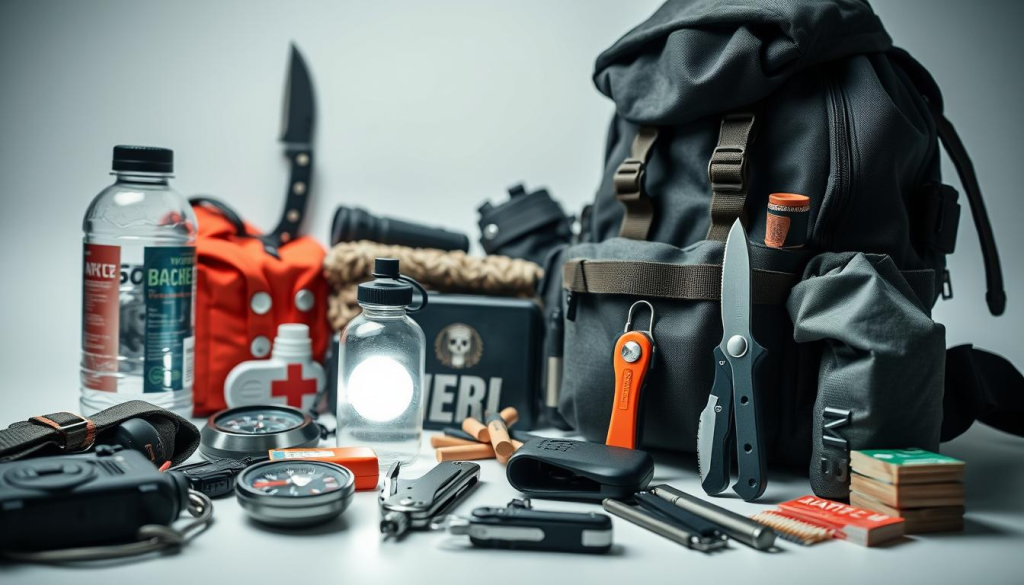
Utilizing compartments and pockets can further enhance organization. For instance, you can use smaller pouches for first aid kits, tools, or personal hygiene items, making them easily accessible.
Access and Easy Retrieval
Ensuring that your bug out bag is packed for easy access to essential items is crucial. You should be able to retrieve critical supplies quickly without having to unpack the entire bag. This can be achieved by placing frequently needed items in external pockets or at the top of the bag.
Consider the layout and use of your bag’s compartments to maximize accessibility. For example, having a dedicated pocket for your phone, keys, or a first aid kit can save valuable time in an emergency.
Rotating Supplies and Freshness
Rotating supplies is vital to maintaining the freshness and usability of the items in your bug out bag. Food, water purification tablets, and medications have expiration dates and should be regularly checked and updated.
| Supply Type | Check Interval | Action |
|---|---|---|
| Food | Every 6 months | Replace expired or spoiled food |
| Water Purification Tablets | Every 12 months | Check expiration dates and replace |
| Medications | Every 6 months | Check expiration dates and consult a doctor if necessary |
As
“The will to survive is a fundamental aspect of human nature, but it’s greatly enhanced by being prepared.”
Regularly rotating your supplies ensures that your bug out bag remains a reliable resource in emergency situations.
Maintenance and Upkeep of Your Bug Out Bag
To stay prepared, it’s essential to regularly update and check your bug out bag. A bug out bag is only as good as its contents and condition. Regular maintenance ensures that your bag remains relevant and effective in emergency situations.
Regular Inventory Checks
Conducting regular inventory checks is vital to ensure that your bug out bag is fully stocked and that all items are in good condition. This involves checking expiration dates of food and medical supplies, testing batteries, and verifying that all equipment is functional.
- Check food and water supplies for expiration or spoilage.
- Test all batteries and electronic devices.
- Inspect clothing and personal items for wear and tear.
Replacing Expired Items
Expired items can be useless in an emergency. Regularly replacing these items ensures that your bug out bag remains effective.
- Rotate food supplies every 6-12 months.
- Replace batteries and medical supplies as needed.
- Update clothing and personal items seasonally.
Seasonal Adjustments
Your bug out bag should be adjusted according to the season to ensure you’re prepared for the specific challenges of that time of year.
| Season | Adjustments |
|---|---|
| Winter | Include warm clothing, hand warmers, and snow-related gear. |
| Summer | Pack lightweight clothing, sunscreen, and insect repellent. |
| Spring/Fall | Prepare for rain with waterproof gear and adjust clothing accordingly. |
Practicing Bugging Out
It’s not enough to just have a bug out bag; you need to practice using it. Regular drills help ensure that you’re familiar with the contents and can use them effectively in an emergency.
- Conduct regular bug out drills.
- Practice using different items in your bag.
- Test your bug out bag in various scenarios.
Learning Relevant Skills
Having the right gear is crucial, but knowing how to use it is equally important. Learning relevant skills such as first aid, navigation, and survival techniques can significantly enhance your preparedness.
- Take first aid and CPR courses.
- Learn basic survival skills like starting a fire and finding shelter.
- Practice navigation without modern technology.
Mental Preparedness for Emergencies
Mental preparedness is just as important as physical preparedness. Being mentally prepared can help you stay calm and make better decisions during emergencies.
- Practice mindfulness and stress management techniques.
- Stay informed about potential emergencies and threats.
- Develop a family emergency plan.
Where to Store Your Bug Out Bag
After assembling your bug out bag, it’s essential to choose a storage location that balances accessibility with security. The right storage spot can make all the difference in an emergency, ensuring you can quickly grab your bag and leave.
Home Storage Solutions
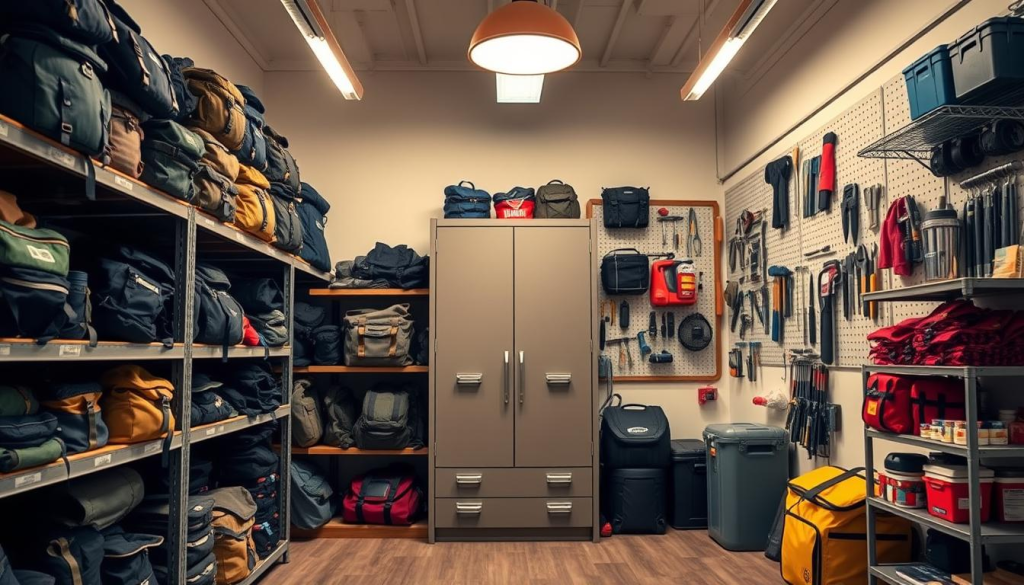
Storing your bug out bag at home can be convenient, but it requires careful consideration to ensure it remains accessible yet out of the way. Consider storing it in a designated area such as a closet or under the bed. It’s also crucial to keep it away from potential flood or fire hazards.
Tips for Home Storage:
- Keep it in a dry, cool place to preserve the supplies.
- Ensure it’s easily accessible, especially if you have mobility issues.
- Consider a location that is not immediately obvious to others.
Vehicle Options
Storing a bug out bag in your vehicle can be a practical option, especially if you spend a lot of time on the road or anticipate needing to evacuate quickly. Make sure the bag is secured to prevent it from becoming a projectile in the event of sudden stops or accidents.
“Having a bug out bag in your vehicle can be a lifesaver during emergencies that require immediate evacuation.” – Survival Expert
Vehicle Storage Tips:
| Storage Location | Advantages | Disadvantages |
|---|---|---|
| Trunk | Secure, out of the way | May be hard to access quickly |
| Backseat | Easily accessible | Visible to others, may be in the way |
| Under-seat storage | Hidden, relatively accessible | Limited space |
Safe Locations Outside the Home
In some scenarios, storing your bug out bag outside your home can be a good strategy, especially if you have a trusted neighbor or a secure outdoor location. Consider using a hidden compartment or a secure container that can be accessed quickly by you but not by others.
Remember, the key to effective bug out bag storage is ensuring it’s both accessible and secure.
Conclusion: Importance of a Bug Out Bag
A bug out bag is crucial for emergency preparedness, providing necessary tools for unexpected situations. Understanding its meaning and essentials enhances crisis navigation.
Key Takeaways
An effective bug out bag requires thoughtful preparation, including packing bug out bag essentials like food, water, first aid supplies, and clothing tailored to individual needs and potential emergencies.
Preparing for Emergencies
Preparing a bug out bag promotes a proactive approach to emergency readiness. Regular inspections and updates ensure the bag remains effective, enhancing personal and family safety.
Final Considerations
Having a well-prepared bug out bag is vital for navigating emergencies. By understanding what a bug out bag means and incorporating the right essentials, individuals can boost their resilience in adversity.