
When disaster strikes, a reliable means of escape can be the difference between safety and chaos. A well-prepared emergency vehicle serves not just as a mode of transportation, but as a lifeline, providing shelter, security, and a means to navigate through critical situations.
An ideal bug out vehicle is characterized by its versatility, durability, and off-road capabilities, making it an indispensable asset in emergency preparedness.
Having a vehicle equipped with the right survival gear can significantly enhance one’s chances of navigating through emergencies effectively.
Key Takeaways
- A reliable vehicle is crucial for emergency escape and survival.
- Key characteristics of a bug out vehicle include versatility and off-road capabilities.
- Proper vehicle survival gear is essential for effective emergency navigation.
- An emergency preparedness kit for your car can be a lifesaver.
- Durability is a critical factor in choosing a bug out vehicle.
Understanding the Bug Out Bag Concept
Emergency preparedness hinges on having the right gear, and a bug out bag is at the forefront of this readiness. A bug out bag is a portable collection of essential items that an individual or family can quickly grab in case of an emergency or disaster, enabling them to survive for a certain period.
What is a Bug Out Bag?
A bug out bag, also known as a 72-hour kit, is designed to provide the necessary supplies to sustain life for at least three days. It typically includes food, water, first aid supplies, and tools that can help individuals navigate through challenging situations. When tailored for a vehicle, a bug out bag or car emergency kit should include items that are relevant to the specific needs of being on the road.
Importance of Preparedness
Preparedness is key to surviving emergencies. Having a well-stocked bug out bag for your vehicle ensures that you are equipped to handle unexpected situations such as natural disasters, accidents, or other crises. The importance of preparedness cannot be overstated, as it can significantly impact the outcome of an emergency situation.
- Enhances survival chances
- Provides essential supplies
- Facilitates quick evacuation
Key Components of a Bug Out Bag
A comprehensive bug out bag for a vehicle should include a variety of emergency supplies. Some of the key components are:
- Non-perishable food and water
- First aid kit
- Flashlights and extra batteries
- Multi-tool or pocket knife
- Blankets or emergency blankets
- Important documents (e.g., insurance, identification)
By understanding the bug out bag concept and tailoring it to your vehicle, you can ensure that you and your family are better prepared to face emergencies on the road.
Essential Features of Bug Out Bag Vehicles
A bug out bag vehicle is more than just a mode of transportation; it’s a lifeline in times of crisis. When selecting a vehicle for emergency preparedness, several key features must be considered to ensure it can effectively serve its purpose.
Size and Space Considerations
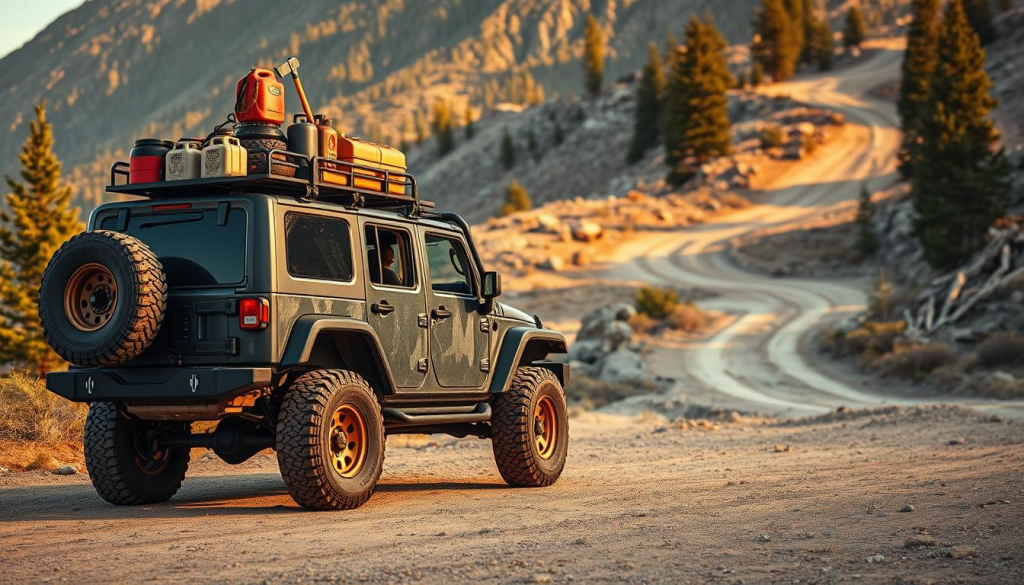
The size of the vehicle is crucial as it determines how much gear and supplies you can carry. A larger vehicle with ample storage space can accommodate more bug out bag essentials, such as food, water, first aid kits, and communication devices. However, it’s also important to consider the balance between size and maneuverability.
Off-Road Capabilities
In many emergency scenarios, roads may be impassable due to debris, flooding, or other hazards. A vehicle with strong off-road capabilities can navigate through challenging terrain, ensuring you can reach safety even when conventional routes are blocked.
Fuel Efficiency and Range
Fuel efficiency is another critical factor, as it affects how far you can travel on a single tank. A vehicle that offers a good balance between fuel efficiency and range can keep you on the move for longer without needing to refuel, which is vital during extended emergencies.
In summary, when choosing a bug out bag vehicle, it’s essential to consider its size and space, off-road capabilities, and fuel efficiency. By focusing on these key features, you can ensure your vehicle is equipped to handle the demands of emergency situations, keeping you and your loved ones safe.
Best Types of Vehicles for Bug Out Bags
Selecting the appropriate vehicle for your bug out bag is a critical decision in emergency preparedness. The right vehicle can significantly enhance your ability to evacuate quickly and safely in the face of a disaster.
SUVs: Versatile and Spacious
SUVs are a popular choice for bug out vehicles due to their versatility and spacious interiors. They offer ample room for passengers and gear, making them ideal for families or individuals with extensive emergency supplies. Many SUVs also come equipped with four-wheel drive, enhancing their off-road capabilities.
Key benefits of SUVs include:
- Generous cargo space for emergency supplies
- Four-wheel drive capability for navigating challenging terrain
- Comfortable seating for multiple passengers
Trucks: Durability and Hauling Power
Trucks are renowned for their durability and hauling power, making them an excellent option for those who need to transport heavy or bulky emergency equipment. Their robust construction can withstand the rigors of off-road travel, and many models offer advanced towing capabilities.
Trucks are particularly suitable for:
- Hauling heavy emergency gear and supplies
- Off-road travel and rugged terrain navigation
- Towing trailers or additional equipment
Vans: Room for Families and Gear
Vans provide an excellent balance between passenger comfort and cargo capacity, making them an ideal choice for families or groups. They often feature large, open interiors that can be customized with shelving and storage solutions for efficient organization of emergency supplies.
Advantages of vans include:
- Spacious interiors for passengers and gear
- Customization options for storage and organization
- Comfortable seating for extended travel periods
When choosing a vehicle for your bug out bag, it’s essential to consider factors such as storage capacity, off-road capability, and fuel efficiency. By selecting a vehicle that meets your specific needs, you can enhance your emergency preparedness and ensure a safer evacuation in the event of a disaster.
Ultimately, the best vehicle for a bug out bag is one that is reliable, well-maintained, and equipped with the necessary survival gear and emergency supplies. By investing in the right vehicle and preparing it for emergencies, you can significantly improve your chances of navigating challenging situations effectively.
Popular Bug Out Bag Vehicle Options
The right vehicle can make all the difference in emergency preparedness, with some models being particularly well-suited for the task. When it comes to selecting a bug out bag vehicle, factors such as off-road capability, durability, and reliability are paramount.
Jeep Wrangler: Off-Road Legend
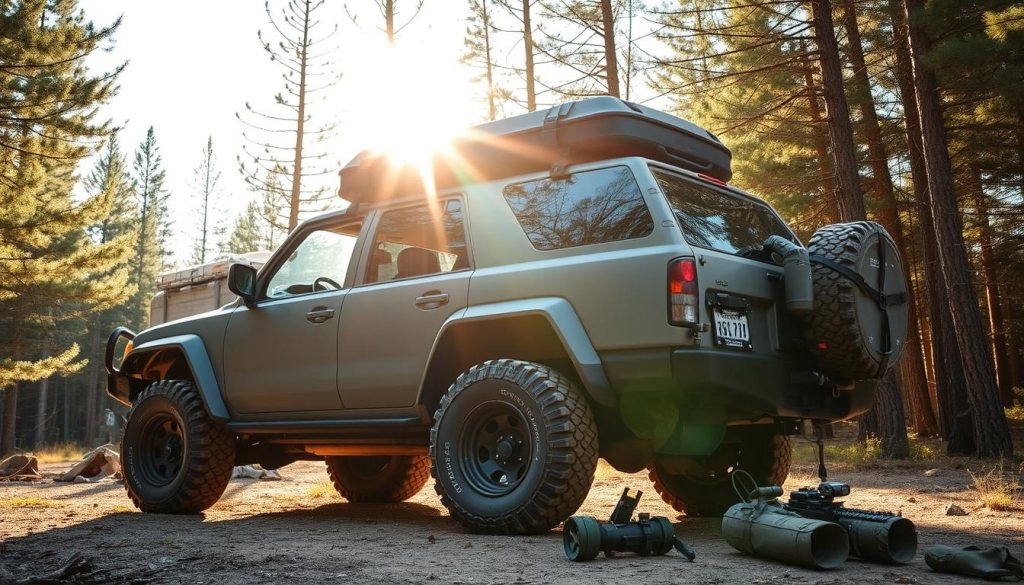
The Jeep Wrangler is renowned for its off-road prowess, making it an excellent choice for navigating challenging terrains during emergencies. Its robust design and four-wheel-drive capability ensure that it can handle a variety of conditions.
Ford F-150: The All-American Pickup
The Ford F-150 is a staple in many parts of the United States, known for its durability and hauling power. It’s a versatile vehicle that can be used for both everyday tasks and emergency situations, making it a popular choice for those preparing bug out bags.
Toyota 4Runner: Reliability and Performance
The Toyota 4Runner is celebrated for its reliability and performance in off-road conditions. It’s a mid-size SUV that offers ample space for gear and passengers, making it an ideal candidate for a bug out bag vehicle.
| Vehicle Model | Off-Road Capability | Storage Space | Reliability |
|---|---|---|---|
| Jeep Wrangler | Excellent | Good | High |
| Ford F-150 | Very Good | Excellent | High |
| Toyota 4Runner | Excellent | Very Good | High |
When choosing a bug out bag vehicle, it’s essential to consider these factors and test drive different models to find the one that best suits your needs. Each of these vehicles has its unique strengths, making them well-suited for emergency preparedness.
Customization Ideas for Bug Out Bag Vehicles
Enhancing your vehicle’s functionality with the right customizations can be a lifesaver in critical situations. When it comes to bug out bag vehicles, customization is key to ensuring you have everything you need at your disposal.
Roof Racks for Extra Storage
One of the most effective ways to increase storage in your bug out bag vehicle is by installing a roof rack. This allows you to carry additional gear such as emergency supplies, camping equipment, and even fuel.
Benefits of Roof Racks:
- Additional storage space
- Easier access to gear
- Improved vehicle organization
Cargo Organizers: Stay Tidy on the Road
Cargo organizers are essential for keeping your vehicle’s interior tidy and ensuring that your emergency supplies are easily accessible. From storage bins to dividers, there are numerous options available to suit different vehicle types and needs.
Emergency Equipment Add-Ons
Customizing your bug out bag vehicle with emergency equipment add-ons can significantly enhance your preparedness. Consider adding items such as winches, recovery gear, and emergency lighting to your vehicle.
Here’s a comparison of different emergency equipment add-ons:
| Equipment | Purpose | Benefit |
|---|---|---|
| Winches | Recovery in challenging terrain | Enhanced off-road capability |
| Recovery Gear | Assisting stuck or stranded vehicles | Increased safety during recovery |
| Emergency Lighting | Illumination during nighttime or low visibility | Improved visibility and safety |
By incorporating these customization ideas into your bug out bag vehicle, you can ensure a more effective response to emergencies and a safer journey overall.
Vehicle Maintenance for Emergency Readiness
Vehicle maintenance is a critical aspect of emergency preparedness that should not be overlooked. A well-maintained bug out vehicle ensures reliability and performance when it matters most.
Regular Service Checks
Regular service checks are vital to keep your vehicle in top condition. This includes routine oil changes, brake pad replacements, and fluid checks. By staying on top of these tasks, you can prevent breakdowns and ensure your vehicle is ready to go at a moment’s notice.
Key maintenance tasks include:
- Oil changes every 5,000 to 7,500 miles
- Brake pad inspection every 10,000 miles
- Fluid checks for engine oil, coolant, and brake fluid
Essential Tools to Carry
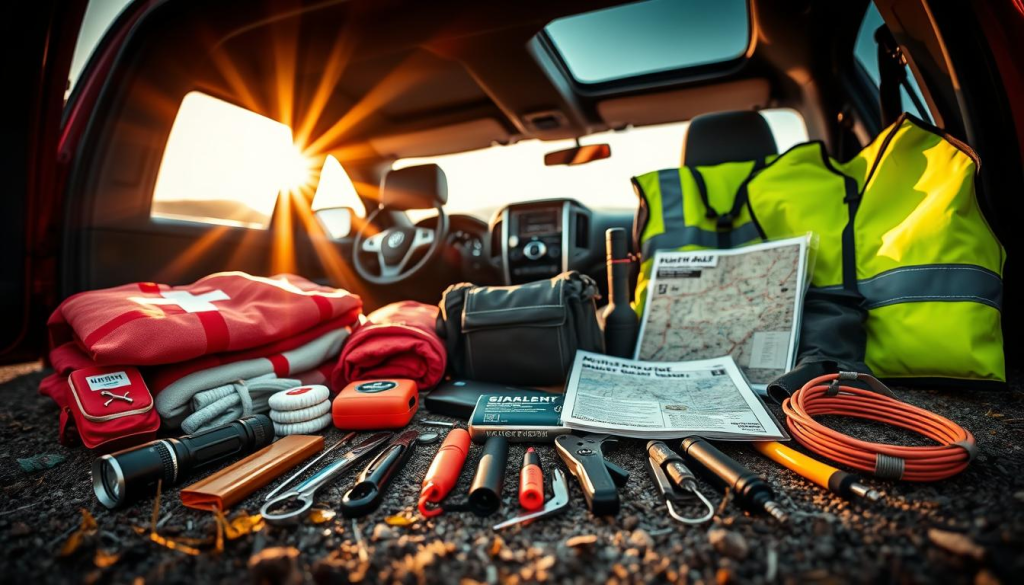
Having the right tools in your vehicle can make a significant difference during an emergency. A basic toolkit should include items like a spare tire, jumper cables, and a first-aid kit. Consider adding a vehicle survival kit that includes additional items such as a flashlight, fire extinguisher, and basic repair tools.
Tire Care and Replacement Tips
Proper tire care is essential for maintaining traction and preventing blowouts. Regularly check tire pressure, look for signs of wear, and replace tires when necessary. It’s also a good idea to carry a spare tire and know how to change it.
Tire maintenance tips:
- Check tire pressure monthly
- Inspect tires for signs of wear every 5,000 miles
- Replace tires every 60,000 miles or as needed
Budget-Friendly Bug Out Bag Vehicle Choices
A reliable bug out bag vehicle is within reach on a budget. When preparing for emergencies, the cost of a vehicle shouldn’t be a barrier to being prepared. There are several affordable options available that can serve as a great car bug out bag or emergency preparedness kit for car.
For those looking to purchase a new vehicle, there are several options to consider. Here are a few:
Affordable SUVs Under $30K
SUVs are a popular choice for bug out bag vehicles due to their versatility and space. Some affordable options under $30,000 include:
- The Hyundai Tucson, which offers a comfortable ride and ample cargo space.
- The Mazda CX-5, known for its fuel efficiency and off-road capabilities.
- The Subaru Forester, which features all-wheel drive and a spacious interior.
Used Trucks with Great Value
Used trucks can be a great value for those on a budget. When shopping for a used truck, consider the following:
- Look for models with a good reliability record, such as the Ford F-150 or Chevrolet Silverado.
- Check the vehicle’s history to ensure it has not been in any major accidents.
- Consider having a mechanic inspect the vehicle before making a purchase.
Keeping Maintenance Costs Low
To keep your bug out bag vehicle running, it’s essential to keep maintenance costs low. Here are some tips:
- Regularly check and maintain the vehicle’s fluids, such as oil and coolant.
- Keep a basic toolkit and spare parts, such as a spare tire and jumper cables, in the vehicle.
- Consider investing in a vehicle survival gear kit, which can include items such as a first aid kit and emergency blanket.
By choosing an affordable vehicle and keeping maintenance costs low, you can have a reliable car bug out bag or emergency preparedness kit for car without breaking the bank.
Bug Out Bag Vehicle Preparedness Plans
Effective bug out bag vehicle preparedness plans are essential for survival. A well-prepared vehicle can mean the difference between safety and danger during emergencies.
Creating a Go-To Checklist
A crucial step in bug out bag vehicle preparedness is creating a comprehensive checklist. This list should include emergency supplies for the vehicle such as spare tires, first aid kits, and basic toolkits.
- Spare tires and tire-changing equipment
- First aid kits and essential medications
- Basic toolkits and jumper cables
- Communication devices and GPS
Having a checklist ensures that you don’t overlook critical items when preparing your vehicle for emergencies.
Planning Routes and Fuel Stops
Another vital aspect is planning your evacuation routes and identifying fuel stops along the way. This involves:
- Mapping out multiple evacuation routes to avoid congested areas
- Identifying fuel stations and service centers along your routes
- Keeping a list of emergency contact numbers, including roadside assistance
By planning ahead, you can minimize risks and ensure a smoother evacuation process.
Practice Runs: Test Your Setup
Conducting practice runs is essential to test your bug out bag vehicle’s readiness. This involves:
| Practice Run Checklist | Purpose |
|---|---|
| Test vehicle performance and fuel efficiency | Ensure the vehicle is in good working condition |
| Check emergency supplies and equipment | Verify that all necessary items are present and functional |
| Practice evacuation routes and fuel stops | Familiarize yourself with the routes and potential stops |
As
“The will to survive is not enough; you must have a plan.”
– a principle that holds true for bug out bag vehicle preparedness.
By following these steps and regularly updating your preparations, you can ensure that your bug out bag vehicle is always ready for emergencies.
Selecting the Right Bug Out Bag Gear
Choosing the right gear for your bug out bag is a critical step in emergency preparedness. The effectiveness of your bug out bag largely depends on the gear you choose, making it essential to consider several factors.
Pack Size vs. Vehicle Space
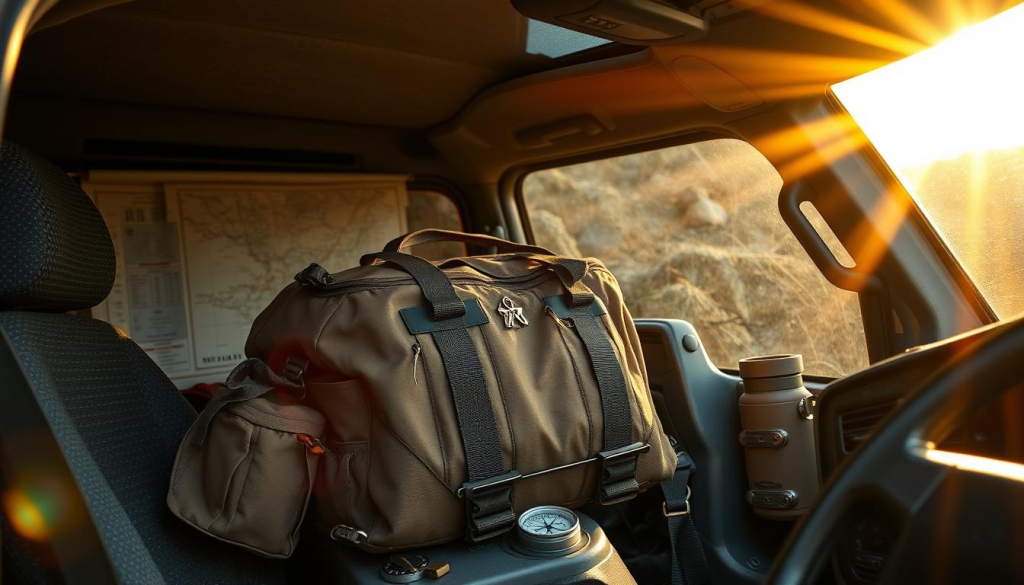
One of the primary considerations is the size of your bug out bag in relation to your vehicle’s storage capacity. A car emergency kit or vehicle survival kit should be compact enough to fit in your vehicle without obstructing space but still contain all the necessary items.
When selecting a bug out bag, consider the size of your vehicle’s trunk or cargo area. For example, SUVs and trucks offer more space for larger bug out bags, while smaller vehicles may require more compact kits.
Must-Have Items for Emergencies
Regardless of the size, every bug out car essentials kit should include must-have items for emergencies. These typically comprise:
- First aid supplies
- Non-perishable food and water
- Flashlights and extra batteries
- Multitool or pocket knife
- Fire starting equipment (matches, lighters, etc.)
- Blankets or emergency blankets
- Important documents (ID, insurance, etc.)
Personalizing Your Bug Out Bag
Personalizing your bug out bag is crucial to ensure it meets your specific needs. Consider factors like the number of people it’s for, any personal medical needs, and the types of emergencies you’re most likely to face.
For instance, if you have family members with you, you’ll need to pack more food, water, and possibly additional medical supplies. If you’re in an area prone to natural disasters like earthquakes or hurricanes, you may want to include specific gear like a portable charger or a tent.
By carefully selecting the right bug out bag gear and personalizing it to your needs, you can significantly enhance your emergency preparedness and response.
Legal Considerations for Bug Out Vehicles
Understanding the legal considerations for bug out vehicles is essential for effective emergency preparedness. As you prepare your vehicle for emergencies, it’s crucial to be aware of the legal requirements that govern its use.
Vehicle Registration and Insurance
Ensuring your bug out vehicle is properly registered and insured is a fundamental legal requirement. Registration requirements vary by state, so it’s essential to check with your local Department of Motor Vehicles (DMV) for specific regulations. Moreover, having adequate insurance coverage is not only legally necessary in most states but also protects your investment in case of an emergency or accident.
Key insurance considerations include:
- Liability coverage to protect against damages to others
- Comprehensive coverage for damages not related to accidents, such as theft or natural disasters
- Collision coverage for damages resulting from accidents
Compliance with State Laws
Different states have varying laws regarding vehicle modifications, equipment, and usage. For instance, some states have specific regulations on tinted windows, lift kits, or oversized tires. Compliance with these laws is crucial to avoid fines or confiscation of your vehicle. Researching and understanding the laws in the areas you plan to travel through or reside in during an emergency is vital.
Safety Equipment Regulations
Many states have regulations regarding safety equipment on vehicles, such as first aid kits, fire extinguishers, or reflective warning triangles. Ensuring your bug out vehicle is equipped with the required safety gear not only keeps you compliant with the law but also enhances your safety during emergencies.
Some recommended safety equipment includes:
- A basic first aid kit
- A fire extinguisher rated for automotive use
- Reflective warning triangles or flares
- A portable emergency beacon or LED light
By understanding and adhering to these legal considerations, you can ensure your bug out vehicle is both prepared for emergencies and compliant with relevant laws, enhancing your overall emergency preparedness.
Community Resources for Bug Out Vehicle Planning
Effective bug out vehicle planning requires access to reliable information and support. Community resources play a vital role in providing valuable insights and guidance for emergency preparedness.
Connecting with Others
Online forums and support groups offer a platform to connect with like-minded individuals who share experiences and advice on car bug out bags and emergency supplies for vehicle. These communities can help you stay updated on the latest preparedness strategies.
Local Preparedness Initiatives
Local preparedness workshops provide hands-on training and education on vehicle survival kits and emergency management. These initiatives often feature expert speakers and practical demonstrations.
Government Resources
Government resources on emergency management offer a wealth of information on disaster preparedness and response. These resources can help you develop a comprehensive plan for your bug out vehicle, including route planning and emergency supplies.
By leveraging these community resources, you can enhance your bug out vehicle planning and stay prepared for any situation.