
In emergency situations, having a bug out bag ready can be a lifesaver. This portable emergency kit is designed to help individuals survive for at least 72 hours.
A bug out bag typically contains essential items, including emergency survival rations that provide energy and sustenance. The right long-term food storage is crucial for sustaining life during emergencies.
Understanding the importance of a well-stocked bug out bag is vital for emergency preparedness.
Key Takeaways
- Having a bug out bag is crucial for emergency preparedness.
- A bug out bag should contain essential items, including emergency survival rations.
- Long-term food storage is vital for sustaining life during emergencies.
- A well-stocked bug out bag can help individuals survive for at least 72 hours.
- Emergency survival rations provide energy and sustenance during emergencies.
Understanding the Importance of Bug Out Bag Food
Understanding what to pack in your bug out bag in terms of food is essential for staying safe during emergencies. When packing food in your bug out bag, you’ll want to think about two different factors: type and quantity. What type of fuel do you need in order to feel your best? How much food do you need in order to get to your destination?
What is a Bug Out Bag?
A bug out bag is a portable collection of essential items that an individual can quickly grab in case of an emergency or disaster, allowing them to survive for a period of time until help arrives or until they can reach a safe location. The food included in this bag is a critical component.
Why Food Choices Matter
Food choices matter because they directly impact your energy levels and overall health during a crisis. Non-perishable foods and emergency pantry essentials are crucial for sustaining life. The right food can boost morale, provide necessary nutrients, and support physical activity.
| Food Type | Nutritional Value | Shelf Life |
|---|---|---|
| Energy Bars | High in calories and protein | Up to 2 years |
| Canned Goods | Rich in carbohydrates and fiber | 2-5 years |
| Dried Fruits and Nuts | Good source of vitamins and healthy fats | 6-12 months |
Nutritional Needs in Emergencies
In emergencies, the body requires a balanced mix of nutrients to maintain energy and support bodily functions. Disaster preparedness meals should be designed to meet these needs. It’s not just about calories; it’s about providing the right nutrients.
When considering nutritional needs, it’s essential to think about the caloric density of the food, the balance of macronutrients, and the presence of essential vitamins and minerals. A well-prepared bug out bag food supply can make a significant difference in survival and recovery during emergencies.
Essential Food Types for Your Bug Out Bag
A bug out bag’s food supply is its most critical component, requiring careful selection to ensure sustenance during emergencies. The right food can provide energy, nutrition, and comfort in crisis situations.
Non-Perishable Items
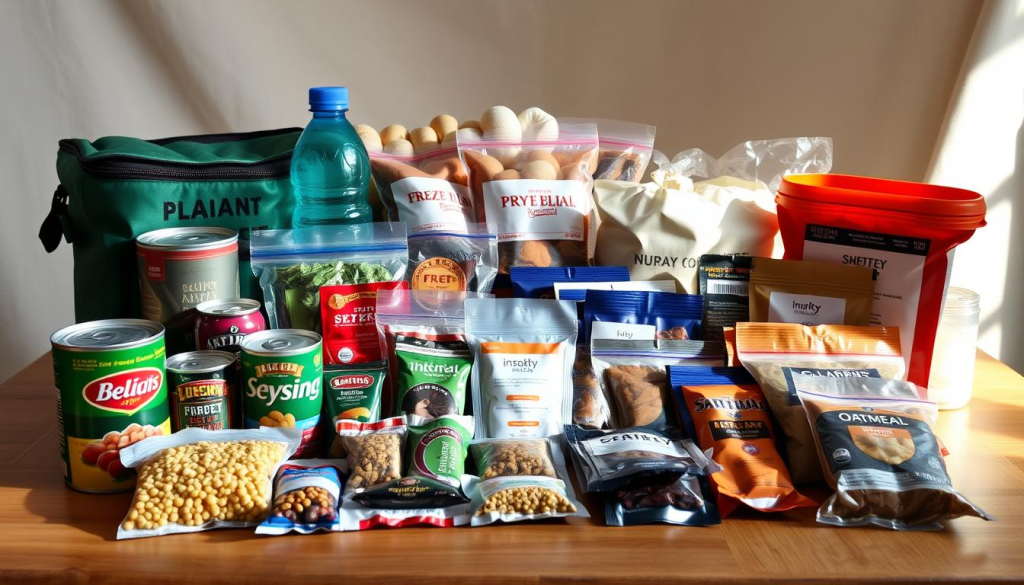
Non-perishable foods are ideal for bug out bags due to their long shelf life and ability to withstand extreme temperatures. Examples include canned goods, such as vegetables, fruits, and meats, which are not only durable but also provide a balanced diet. Energy bars and dried fruits are other excellent options, offering a quick source of energy.
Freeze-Dried Foods
Freeze-dried foods are another vital component of a bug out bag. They are lightweight, nutrient-rich, and have a long shelf life. These foods can range from fruits and vegetables to complete meals like pasta or rice dishes. The key benefit of freeze-dried foods is their ability to be rehydrated quickly, making them a practical choice for emergency situations.
High-Calorie Snacks
High-calorie snacks are crucial for maintaining energy levels during emergencies. Nuts, dried fruit, and jerky are high-calorie foods that are also non-perishable, making them perfect for bug out bags. These snacks can provide the necessary calories to keep you going until help arrives or until you can find more substantial food sources.
To give you a better idea of how these food types can be incorporated into your bug out bag, here’s a comparison table:
| Food Type | Shelf Life | Caloric Density | Preparation |
|---|---|---|---|
| Non-Perishable | Long | Variable | Ready to eat or simple preparation |
| Freeze-Dried | Long | High | Rehydration required |
| High-Calorie Snacks | Long | High | Ready to eat |
By incorporating these essential food types into your bug out bag, you can ensure a reliable portable emergency food supply that meets your nutritional needs during crisis situations.
Best Protein Sources for Survival Bags
A well-stocked bug out bag should include a variety of protein-rich foods to maintain energy and strength during emergencies. Protein is essential for repairing and building tissues, making it a crucial component of emergency food supplies.
Jerky: A Long-Lasting Classic
Jerky is a popular choice for bug out bags due to its high protein content and long shelf life. Made from dried and seasoned meat, jerky is a non-perishable food that can withstand various environmental conditions. Look for beef, turkey, or chicken jerky that is low in sodium and added preservatives.
Canned Meats: Convenience and Nutrition
Canned meats are another excellent protein source for survival bags. Canned tuna, salmon, and chicken are rich in protein and can be easily incorporated into meals. When selecting canned meats, opt for varieties that are low in sodium and packed in water or olive oil.
Plant-Based Proteins: Beans and Tofu
For those who prefer or require plant-based options, beans and tofu are excellent alternatives. Canned beans, such as black beans or chickpeas, are rich in protein and fiber, making them a nutritious addition to bug out bag meals. Tofu, when dried or canned, can also provide a valuable source of protein.
By incorporating these protein sources into your bug out bag, you can ensure that you have the necessary energy and strength to navigate emergency situations.
Carbohydrates for Sustained Energy
Sustained energy is critical in survival situations, and carbohydrates are at the forefront of this energy supply. During emergencies, having a reliable source of carbohydrates is crucial for maintaining energy levels and ensuring that you can respond effectively to challenges.
Instant Oatmeal Packs
Instant oatmeal packs are a convenient and nutritious option for bug out bags. They are lightweight, easy to prepare, and provide a good source of complex carbohydrates. Look for brands that offer fortified oatmeal with added vitamins and minerals to enhance nutritional value.
Rice and Quinoa: Versatile Staples
Rice and quinoa are versatile staples that can be used in a variety of dishes. They are rich in carbohydrates and provide sustained energy. Quinoa, in particular, is a complete protein, making it an excellent choice for survival diets. Consider vacuum-sealing portions to maintain freshness and ease of use.
Energy Bars: Grab-and-Go Options
Energy bars are a grab-and-go option that can provide a quick source of carbohydrates. When selecting energy bars, opt for those with wholesome ingredients and minimal added sugars. They are convenient, compact, and can be easily stowed in a bug out bag.
Including a mix of these carbohydrate sources in your bug out bag can help ensure that you have the energy needed to navigate emergency situations effectively. 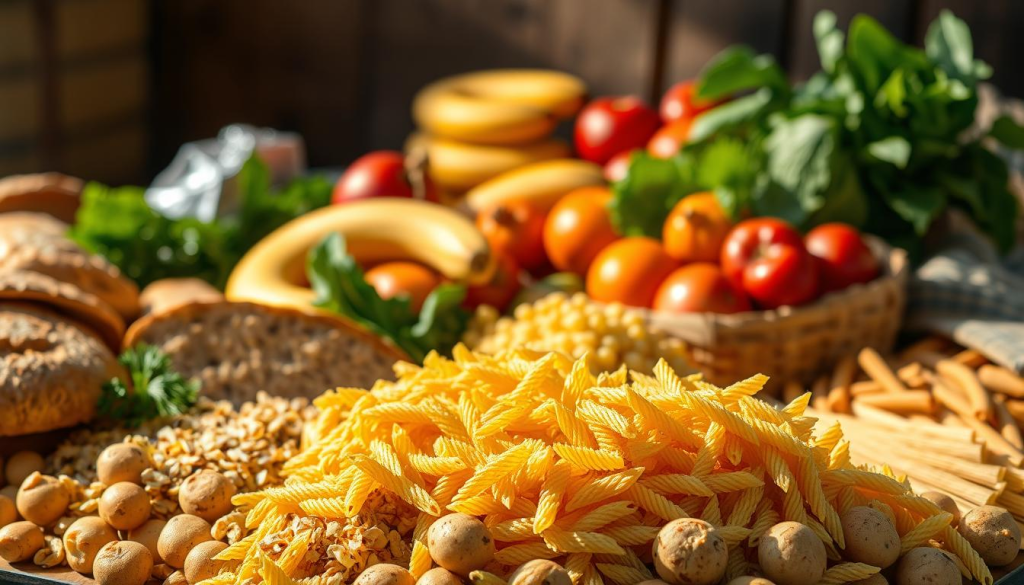
Hydration: The Hidden Element of Food
In emergency situations, staying hydrated is vital, and the right food choices can significantly contribute to this effort. While it’s easy to focus on the calories and nutrients in our bug out bag food, hydration plays a crucial role in survival.
Water Purification Methods
Having access to clean drinking water is essential. Water purification methods can ensure that the water you consume is safe. There are several methods to purify water, including:
- Boiling: Bringing water to a rolling boil for 1-3 minutes.
- Water Filters: Using portable filters like LifeStraw or Sawyer Mini.
- Chemical Purification: Using tablets or bleach to kill bacteria and viruses.
- UV Purification: Exposing water to UV light using devices like SteriPen.

Water-Enhanced Foods
Some foods have high water content and can contribute to hydration. Incorporating these into your bug out bag can be beneficial. Examples include:
| Food Item | Water Content (%) |
|---|---|
| Cucumber | 96 |
| Tomato | 95 |
| Watermelon | 92 |
Electrolyte Powders
Electrolytes are crucial for maintaining proper hydration, especially during physical exertion or in hot environments. Electrolyte powders can be added to water to replenish lost salts. Popular brands include:
- Nuun
- ZYM
- GU Energy
These powders not only help with hydration but also provide essential minerals.
Caloric Density: Why It Matters
When it comes to surviving emergencies, the caloric density of food is a critical factor. Caloric density refers to the number of calories per unit of food weight, typically measured in calories per gram or kilogram. In survival situations, having food that is high in caloric density is essential because it provides the necessary energy without weighing you down.
High-Calorie Survival Foods
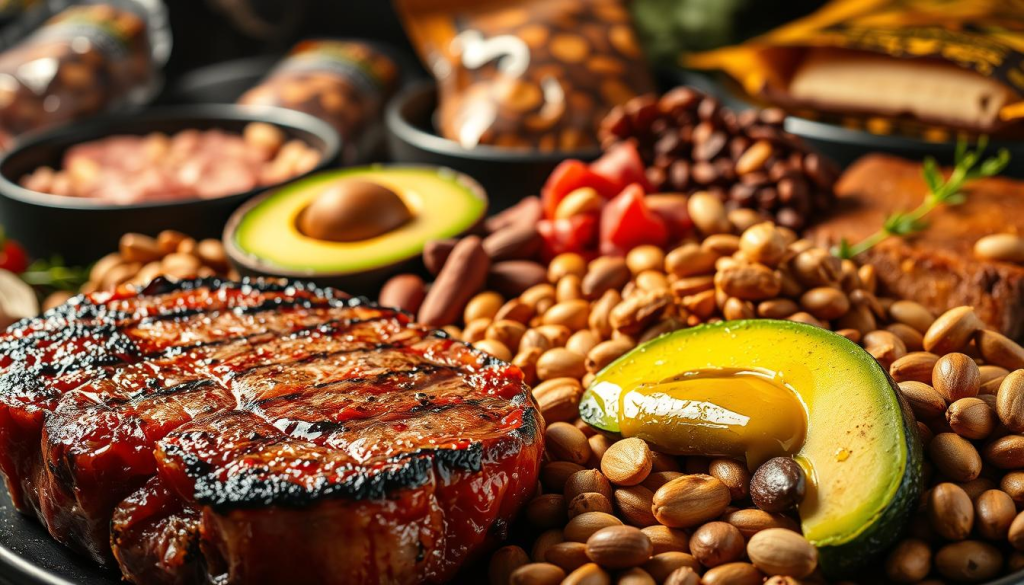
High-calorie survival foods are vital for maintaining energy levels during emergencies. Some examples include:
- Nuts and seeds, such as almonds and sunflower seeds
- Dried fruits, like dates and apricots
- Jerky, made from beef, turkey, or chicken
- Energy bars, designed for high caloric intake
- Canned goods, including meats and fish
These foods are not only high in calories but also provide essential nutrients. Incorporating a mix of these items into your bug out bag can help ensure you have the energy needed to survive.
Portion Control in Your Bag
While high-calorie foods are important, portion control is equally crucial. Overpacking can lead to unnecessary weight, while underpacking may leave you without enough sustenance. It’s essential to strike a balance based on your individual caloric needs and the duration of the emergency.
A general guideline is to aim for at least 2,000 calories per person per day, adjusting according to activity level and environmental conditions. Consider the following when planning portions:
- Activity level: More active individuals require more calories
- Climate: Extreme temperatures may increase caloric needs
- Duration: Longer emergencies require more stored calories
Balancing Nutrition and Calories
Balancing nutrition and calories is a delicate task. While high-calorie foods are essential, it’s equally important to ensure you’re getting a balanced mix of nutrients. This includes proteins, carbohydrates, fats, vitamins, and minerals.
A well-rounded bug out bag should include a variety of foods that cover these nutritional bases. For example, combining energy bars (high in calories and carbohydrates) with jerky (high in protein) and nuts (rich in healthy fats) can provide a balanced nutritional profile.
Meal Planning for Bug Out Bags
Meal planning for bug out bags is essential to provide the necessary energy and nutrition during disasters or crises. A well-structured meal plan ensures that you have a reliable food supply, making a significant difference in survival situations.
Prepping Easy Meals
Prepping easy meals is a critical aspect of bug out bag meal planning. Easy meals are those that require minimal preparation and can be consumed quickly. Examples include energy bars, dried fruits, and nuts. These meals are not only convenient but also provide the necessary calories to keep you going.
When selecting easy meals, consider the nutritional value and caloric density. It’s also crucial to include a variety of meals to avoid monotony and ensure that you’re getting a balanced diet.
One-Pot Meal Packs
One-pot meal packs are another excellent option for bug out bag meal planning. These meals are designed to be cooked in a single pot, reducing the need for multiple cooking vessels and minimizing cleanup. Examples include dehydrated meals like pasta or rice dishes that can be rehydrated with boiling water.
One-pot meals are not only convenient but also help in conserving water and fuel, making them ideal for survival situations.
Cooking Without Power
Cooking without power is a significant challenge in survival situations. Therefore, it’s essential to include meals that can be prepared without cooking or with minimal cooking using portable cooking methods like camping stoves or portable grills.
Consider including cold-soaking as a method to rehydrate meals. This involves soaking dried meals in cold water for an extended period, making them ready to eat without the need for heat.
By incorporating these meal planning strategies into your bug out bag, you can ensure a reliable food supply that meets your nutritional needs during emergencies.
Packaging and Storage Solutions
Proper packaging and storage solutions are essential for maintaining the quality of your bug out bag food. The way you store your food can significantly impact its longevity and freshness, ensuring that it remains safe to eat when you need it most.
Vacuum Sealing for Freshness
Vacuum sealing is a highly effective method for preserving food freshness. By removing air from the packaging, you can prevent the growth of bacteria and mold, thereby extending the shelf life of your food. This method is particularly useful for items like dried fruits, nuts, and jerky.
Benefits of Vacuum Sealing:
- Extended shelf life
- Prevention of moisture entry
- Protection against pests
Lightweight and Durable Containers
Using lightweight and durable containers is another crucial aspect of packaging and storage. Containers made from materials like plastic or Mylar are ideal because they are both lightweight and resistant to damage. Ensure that the containers are airtight to maintain freshness.
Considerations for Containers:
- Material durability
- Weight
- Airtight sealing capability
Labeling Your Supplies
Labeling your stored food supplies is vital for easy identification and rotation. Use clear labels that indicate the contents, date stored, and any cooking instructions. This practice helps in maintaining an organized bug out bag and ensures that older items are consumed before they expire.
| Storage Method | Benefits | Best For |
|---|---|---|
| Vacuum Sealing | Extended shelf life, prevents moisture | Dried fruits, nuts, jerky |
| Lightweight Containers | Durable, airtight, lightweight | Canned goods, grains |
| Labeling | Easy identification, rotation | All stored food supplies |
Checking and Rotating Your Bug Out Bag Food
Regularly checking and rotating the food in your bug out bag is essential for survival preparedness. This process ensures that your supplies remain fresh and usable when you need them most.
To maintain the quality of your bug out bag food, it’s crucial to implement a regular inspection routine. This involves checking the condition of the food, verifying expiration dates, and replacing any items that are near or past expiration.
Monthly Inspections
Conducting monthly inspections of your bug out bag food is a good practice. During these inspections, check for signs of spoilage, damage to packaging, and verify that all items are still within their usable date range.
Key Inspection Steps:
- Check expiration dates
- Inspect packaging for damage
- Look for signs of spoilage
- Verify the integrity of seals on containers
Expiration Dates to Watch
Expiration dates are critical when it comes to the usability of your bug out bag food. Always check the ‘Best By’ or ‘Use By’ dates on the packaging to ensure the food is still good to consume.
| Food Type | Typical Shelf Life | Inspection Frequency |
|---|---|---|
| Canned Goods | 2-5 years | Every 6 months |
| Dried Goods | 1-2 years | Every 3 months |
| Freeze-Dried Meals | 25-30 years | Annually |
Replacing Expired Items
Once you’ve identified expired or soon-to-expire items, it’s time to replace them. Ensure that new items are stored properly to maintain their freshness and longevity.
By following these steps and maintaining a regular inspection and rotation schedule, you can ensure that your bug out bag is always ready to support you in an emergency.
Tips for Customizing Your Bug Out Bag Food
Customizing your bug out bag food to individual preferences and dietary needs is crucial for ensuring that the food is enjoyable and usable during emergencies. When preparing your survival kit, consider the diverse needs and tastes of your family members.
Dietary Needs and Preferences
When customizing your bug out bag, it’s essential to consider personal preferences and dietary restrictions. This includes accommodating vegetarian, gluten-free, or other special diets. Incorporating foods that cater to these needs will ensure everyone has access to suitable nutrition.
Family Favorites and Taste
Incorporating family favorites into your bug out bag can boost morale during stressful situations. Choose items that are not only nutritious but also enjoyable. Keeping taste in mind during emergencies can make a significant difference in maintaining a positive outlook.
By considering these factors, you can create a well-rounded and personalized bug out bag that meets the needs of all family members, enhancing your overall preparedness for any situation.