
When disaster strikes, having the right emergency survival gear can be a matter of life and death. A well-prepared bug out bag is essential for individuals and families to survive for at least 72 hours.
In the event of an emergency, you won’t have much time to gather your belongings. That’s why it’s crucial to have a disaster preparedness plan in place, including a portable emergency kit with the necessary items.
A bug out bag should contain the essentials to help you navigate through challenging situations. By being prepared, you can ensure the safety and well-being of yourself and your loved ones.
Key Takeaways
- Having a bug out bag is crucial for emergency preparedness.
- A well-stocked bug out bag should contain essential items for survival.
- Being prepared can ensure the safety and well-being of individuals and families.
- A bug out bag should be portable and easily accessible.
- It’s essential to have a disaster preparedness plan in place.
What is a Bug Out Bag?
A Bug Out Bag, also known as a 72-hour kit, is designed to sustain you for at least three days during emergencies or disasters. It is a portable collection of essential items that can help you survive and potentially evacuate to a safer location.
Definition and Purpose
The primary purpose of a Bug Out Bag is to provide the basic tools of life when you need to evacuate quickly. It typically includes emergency go bag items such as food, water, first aid supplies, and means of communication. The idea is to have a readily available bag that contains everything you need to survive for a short period.
A well-stocked Bug Out Bag should be tailored to your specific needs, including any personal or medical requirements. It is also crucial to consider the types of disasters that are most likely to occur in your area when selecting 72-hour kit supplies.
Importance of Having a Bug Out Bag
Having a Bug Out Bag is crucial for emergency preparedness. It ensures that you are ready to respond to unexpected situations, such as natural disasters or other crises, by having essential supplies readily available.
The importance of a Bug Out Bag can be understood by considering the following key benefits:
| Benefit | Description |
|---|---|
| Quick Response | Allows for immediate evacuation with essential supplies. |
| Survival Tools | Provides necessary items for survival, such as food, water, and first aid kits. |
| Customization | Can be tailored to individual needs, including medical and personal requirements. |
By having a Bug Out Bag, you can significantly improve your chances of navigating through emergencies effectively. It’s about being prepared with the right emergency go bag items and knowing that you have a plan in place.
Essential Supplies for Safety
In emergency preparedness, having the right safety gear is paramount. A well-prepared bug out bag should include essential supplies that can significantly enhance survival chances during critical situations.
First Aid Kits
A first aid kit is a crucial component of any bug out bag. It should be well-organized and include basic medical supplies. The MyMedic Standard MyFak is a robust example, offering a comprehensive set of basics with room for expansion. Key items to include are bandages, antiseptic wipes, pain relievers, and any personal medications.
- Bandages and band-aids
- Antiseptic wipes and spray
- Pain relievers and antihistamines
- Personal medications and medical equipment
Emergency Whistles
An emergency whistle is a simple yet effective tool for signaling help. It’s lightweight and can be a lifesaver in situations where you need to attract attention. When choosing an emergency whistle, look for one that is pea-less and durable.
Key Features:
- Loud and clear sound
- Durable construction
- Pea-less design for reliability
Flashlights and Batteries
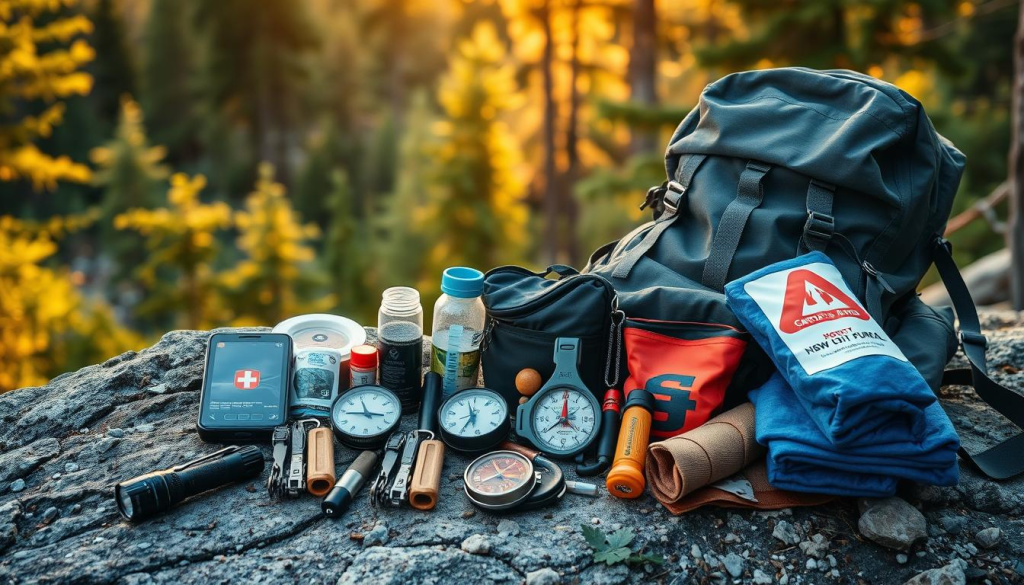
A reliable flashlight is indispensable in a bug out bag, providing light during nighttime or in dark environments. Opt for a flashlight that is battery-efficient and has a red light mode to preserve night vision. Don’t forget to pack extra batteries.
- Battery life and efficiency
- Red light mode for night vision preservation
- Durability and water resistance
Food and Water Considerations
Food and water are fundamental elements of any bug out bag, requiring careful planning and consideration. In emergency situations, having the right supplies can significantly impact survival and comfort.
Non-Perishable Food Items
When selecting food for your bug out bag, it’s essential to choose items that are familiar, rather than buying special emergency food. Consider any dietary restrictions and preferences you may have. Ideal foods are shelf-stable, low in salt, and do not require cooking. Examples include canned goods, dried fruits, nuts, and energy bars.
Water Filtration Options
Access to clean drinking water is crucial. Water filtration options can help ensure that you have a reliable source of safe drinking water. Various methods include filters, purification tablets, and UV light.
| Filtration Method | Effectiveness | Ease of Use |
|---|---|---|
| Filters | High | Moderate |
| Purification Tablets | High | Easy |
| UV Light | High | Moderate |
Water Storage Containers
Having appropriate water storage containers is vital for storing and transporting water. Look for containers that are durable, BPA-free, and designed for water storage. Consider collapsible containers for convenience and space-saving.
In conclusion, food and water considerations are critical components of a bug out bag. By carefully selecting non-perishable food items, water filtration options, and appropriate water storage containers, you can enhance your preparedness for emergency situations.
Shelter and Warmth Essentials
In emergency situations, shelter and warmth are crucial for survival, making them key components of any bug out bag. The right equipment can protect you from harsh weather conditions, provide comfort, and help maintain your body temperature.
Tent or Tarp
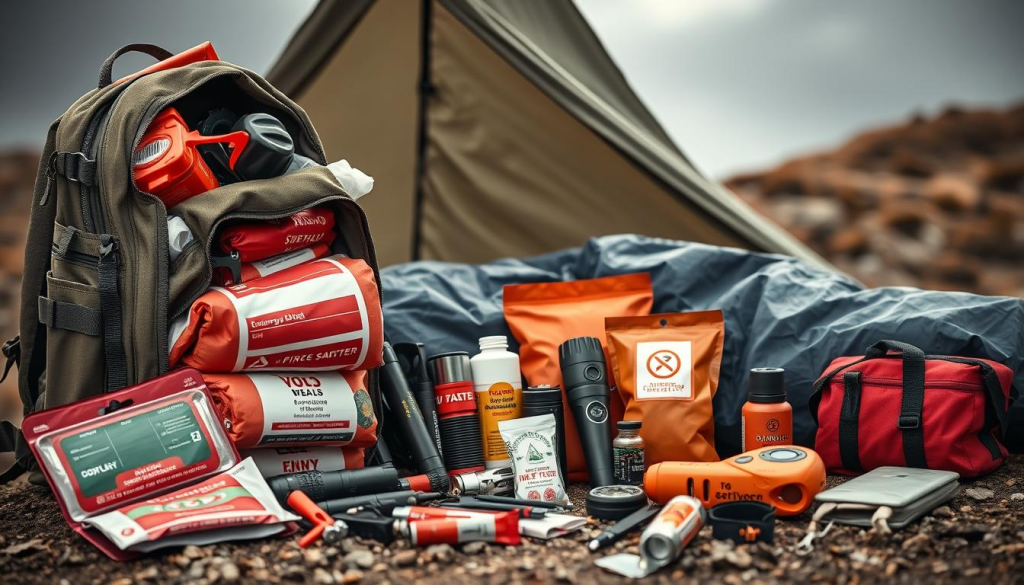
When it comes to shelter, the choice between a tent and a tarp depends on your specific needs and the environment you’re likely to face. A durable, lightweight tarp is often preferred for its versatility and ease of carrying. It can be used to create a simple shelter or as a ground cover to keep you dry.
Sleeping Bags
A good sleeping bag is essential for maintaining body heat during cold nights. Look for one that is insulated, waterproof, and compact. The temperature rating should be appropriate for the climate you’re likely to encounter.
Emergency Blankets
Emergency blankets, also known as space blankets, are lightweight, compact, and designed to retain body heat. They are a crucial addition to your bug out bag, especially in cold weather conditions.
| Item | Features to Consider | Benefits |
|---|---|---|
| Tent or Tarp | Durability, Water Resistance, Weight | Provides Shelter, Keeps Dry |
| Sleeping Bags | Insulation, Waterproofing, Temperature Rating | Maintains Body Heat, Comfortable Sleep |
| Emergency Blankets | Lightweight, Compact, Heat Retention | Easy to Carry, Effective in Cold Conditions |
By including these shelter and warmth essentials in your bug out bag, you’ll be better prepared to face unexpected situations and harsh weather conditions. Remember, the key to survival is being prepared with the right gear.
Clothing and Footwear Tips
The right clothing and footwear are essential components of a well-prepared bug out bag, enabling you to navigate different environments effectively. When disaster strikes, having the appropriate attire can make a significant difference in your comfort, safety, and ability to respond.
Layering for Different Climates
Layering clothing is a versatile strategy for adapting to various climates and weather conditions. It involves wearing multiple layers of clothing that can be added or removed as needed to maintain a comfortable body temperature. For a bug out bag, include a mix of lightweight, breathable base layers, insulating mid-layers, and waterproof outer layers. This approach allows you to adjust your clothing to suit different environments, from cold mountainous regions to hot and humid climates.
Sturdy Footwear
Sturdy footwear is critical for mobility and protection during emergencies. Choose boots or shoes that are waterproof, ankle-high, and have good tread for traction. They should be comfortable enough for long walks while providing support and protection against rough terrain and potential hazards. Consider including extra socks and insoles in your bug out bag to maintain foot comfort and hygiene.
Accessories for Weather Protection
In addition to clothing and footwear, accessories can provide additional protection against the elements. Include items such as hats, gloves, scarves, and sunglasses to shield yourself from extreme temperatures and weather conditions. A waterproof jacket or poncho can also be invaluable in rainy or windy conditions. These accessories can be easily stowed in your bug out bag and deployed as needed.
By carefully selecting clothing, footwear, and accessories for your bug out bag, you can enhance your preparedness for a wide range of disaster scenarios, ensuring you remain safe, comfortable, and mobile.
Tools and Gear to Include
To maximize the utility of a bug out bag, certain essential tools and gear must be included. These tools are vital for survival, self-defense, and navigating through challenging environments.
Multi-Tools
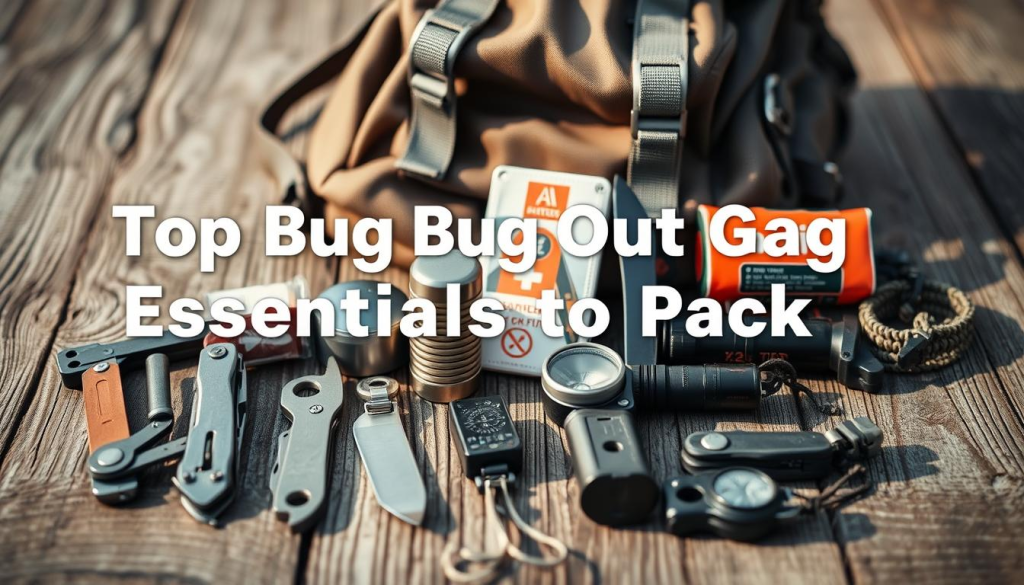
A multi-tool is a versatile instrument that combines several functions into one device, making it an indispensable component of a bug out bag. The Leatherman Signal is a top-rated multi-tool designed for survival situations, offering features such as a knife, saw, and fire starter.
When selecting a multi-tool, consider the variety of functions it offers and its durability in harsh conditions.
Rope and Paracord
Rope and paracord are essential for creating shelter, securing gear, and even aiding in rescue operations. The TITAN SurvivorCord is a highly recommended paracord due to its strength and versatility.
Having a reliable rope or paracord can significantly enhance your ability to adapt to unexpected situations.
Fire Starters
Fire starters are critical for warmth, cooking, and signaling for help. Various types of fire starters are available, including lighters, matches, and ferrocerium rods.
It’s advisable to include multiple fire starting methods in your bug out bag to ensure you have a backup in case one method fails.
| Tool/Gear | Description | Recommended Product |
|---|---|---|
| Multi-Tool | Versatile device with multiple functions | Leatherman Signal |
| Rope/Paracord | Strong cordage for shelter and securing gear | TITAN SurvivorCord |
| Fire Starter | Device for starting fires | Ferrocerium Rod |
Navigation and Communication
In emergency situations, having the right tools for navigation and communication can be lifesaving. These tools not only help in finding your way through unfamiliar territories but also keep you informed about the situation around you.
Maps and Compass
A map and compass are fundamental navigation tools. Even with advanced technology, a compass can guide you when GPS devices fail. It’s essential to know how to use them together effectively. Choose a compass with a built-in sighting mirror for more accurate readings.
Portable Phone Chargers
In today’s digital age, a phone is a vital tool for communication. A portable charger ensures that your phone remains operational during extended emergencies. Look for chargers with high capacity and multiple USB ports to keep your devices charged.
Emergency Radios
An emergency radio is a versatile tool that can inform, entertain, and even charge other devices. Some models come with a flashlight, adding to their utility. Opt for a radio with NOAA Weather Radio certification for timely updates on weather conditions.
When selecting an emergency radio, consider its power source options, durability, and additional features like solar charging or hand-crank power. These features can be particularly useful during prolonged emergencies.
Hygiene and Personal Care Items
In emergency situations, hygiene and personal care can be as vital as food and water. Neglecting these aspects can lead to health issues that might compromise your survival. Thus, it’s essential to include the right hygiene and personal care items in your bug out bag.
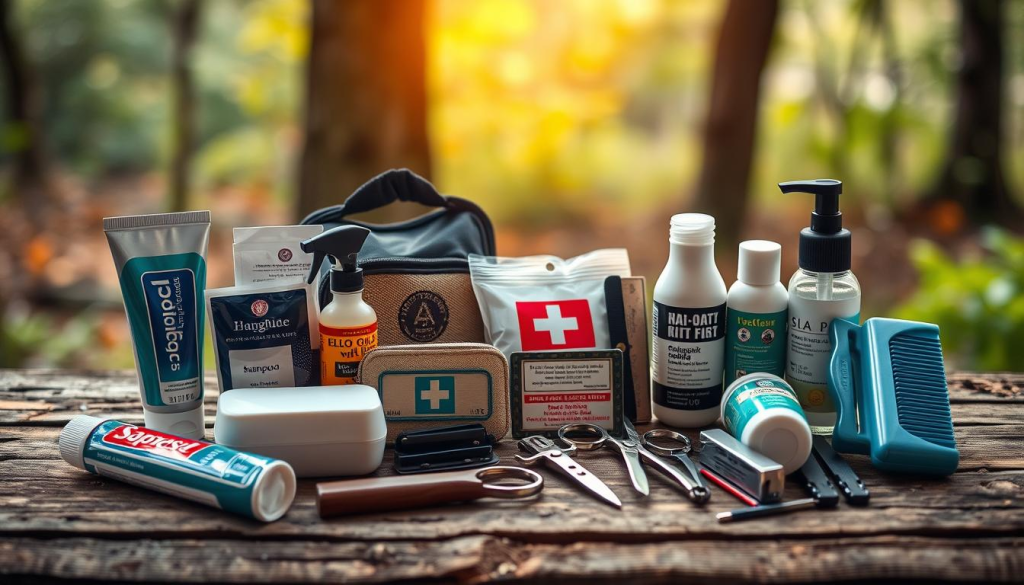
When packing your bug out bag, consider the importance of maintaining personal hygiene. This includes travel size toiletries that are compact and won’t take up too much space. Opt for toiletries that are multi-purpose, such as a soap that can be used for both body and hair.
Travel Size Toiletries
Travel size toiletries are a must-have in a bug out bag. They should include essentials like toothbrush, toothpaste, and any personal hygiene items you can’t do without. Look for biodegradable options to minimize environmental impact.
Biodegradable Wipes
Biodegradable wipes are another crucial item. They can be used for personal hygiene, cleaning surfaces, or even as a makeshift towel. They are lightweight, compact, and can serve multiple purposes.
Sanitation Supplies
Sanitation supplies are vital for maintaining a clean environment. This can include items like portable toilets or sanitation bags. In a survival situation, being able to maintain a clean environment can prevent the spread of diseases.
Here’s a summary of the hygiene and personal care items to include in your bug out bag:
| Item | Purpose | Notes |
|---|---|---|
| Travel Size Toiletries | Personal hygiene | Choose multi-purpose and biodegradable options |
| Biodegradable Wipes | Personal hygiene, cleaning | Multi-purpose, lightweight |
| Sanitation Supplies | Environmental sanitation | Portable toilets or sanitation bags |
By including these hygiene and personal care items in your bug out bag, you can ensure you’re better prepared to handle emergency situations while maintaining your health and hygiene.
Important Documents and Cash
Disaster preparedness essentials should always include vital documents and cash in small denominations. In the face of an emergency, having these critical items readily available can significantly ease the recovery process.
Copies of Critical Documents
It’s essential to include copies of important documents in your bug out bag. These may include identification, insurance policies, and copies of critical medical information. Ensure these documents are up-to-date and legible.
Cash in Small Denominations
Cash is king during emergencies when ATMs and credit card machines may be unavailable. Include a mix of small denomination bills to facilitate purchases.
Emergency Contact List
An emergency contact list should include names, phone numbers, and addresses of family members, emergency services, and other relevant contacts. This list can be a vital resource in crisis situations.
| Document Type | Purpose | Recommended Copies |
|---|---|---|
| Identification | Proof of Identity | 2-3 |
| Insurance Policies | Medical and Property Insurance | 1-2 |
| Medical Information | Critical Health Records | 1-2 |
By including these important documents and cash in your bug out bag, you can ensure you’re better prepared to face emergencies and disasters.
Considerations for Pets
In emergency situations, pets rely on their owners for care and safety, making it essential to include pet supplies in your bug out equipment checklist.
When assembling a survival backpack, it’s crucial to consider the needs of all family members, including pets. This includes packing essential supplies that will keep them safe and healthy.
Pet Food and Supplies
For pets, having the right food and supplies is critical. Pack non-perishable pet food that your pet is accustomed to, along with a sufficient supply of water. Don’t forget bowls, a manual can opener, and any necessary medication.
- Non-perishable pet food
- Pet water and food bowls
- Manual can opener
- Pet medication
Pet First Aid Kit
A pet first aid kit is a vital component of your bug out bag. It should include supplies to treat minor injuries, such as bandages, antiseptic wipes, and tweezers. Also, consider including a pet first aid guide.
Leashes and Harnesses
In emergency situations, it’s crucial to keep your pet under control. Include a sturdy leash and harness in your bug out bag to ensure you can manage your pet safely.
By considering the needs of your pets and including the necessary supplies in your survival backpack, you can ensure their safety and well-being during emergencies.
Customizing Your Bug Out Bag
Your bug out bag should be tailored to your specific needs and environment. This customization ensures that you are prepared for the most likely emergencies based on your location, lifestyle, and personal circumstances.
Personal Needs and Preferences
When customizing your bug out bag, it’s essential to consider your personal needs and preferences. This includes any medical conditions you or your family members may have, requiring specific medications or equipment. For instance, if you have diabetes, including a sufficient supply of insulin and a portable glucose meter is crucial.
Medical Needs Checklist:
- Prescription medications
- Medical equipment (e.g., insulin pumps, EpiPens)
- Personal protective gear (e.g., masks, gloves)
Adjusting for Family or Group Sizes
The size and composition of your bug out bag will vary significantly depending on whether you’re preparing for yourself, your family, or a larger group. For larger groups, you’ll need to scale up on supplies, including food, water, and first aid kits.
| Group Size | Water Supply (liters per person per day) | Food Supply (calories per person per day) |
|---|---|---|
| 1-2 people | 2-4 | 2,000-4,000 |
| 3-5 people | 6-10 | 6,000-10,000 |
| 6+ people | 12+ | 12,000+ |
Seasonal Considerations
Seasonal changes can significantly impact the type of emergencies you’re likely to face and the supplies you’ll need. For example, in colder climates, warm clothing and heating sources become essential, while in hotter climates, hydration and sun protection are key.
Seasonal Supply Checklist:
- Winter: Warm clothing, hand warmers, snow shovel
- Summer: Sunscreen, hydration packs, insect repellent
By tailoring your bug out bag to your specific situation, including personal needs, group size, and seasonal considerations, you can ensure you’re as prepared as possible for any crisis.
Regular Maintenance and Updates
Ensuring your bug out bag is always ready for use requires regular maintenance and updates. This involves checking the condition and expiration dates of the supplies, rotating items to prevent degradation, and adapting to new risks or changes in your environment.
Checking Expiration Dates
Regularly inspect your bug out bag’s contents for expired or near-expired items, such as food, water purification tablets, and medications. Replace these items as needed to maintain the bag’s effectiveness.
Rotating Supplies
Rotate your emergency survival gear periodically to prevent items from becoming outdated or unusable. This includes checking batteries, testing equipment, and updating your bug out bag necessities.
Adapting to New Risks or Changes
Stay informed about potential risks and changes in your area, such as natural disasters or environmental hazards. Update your bug out bag accordingly to ensure you are prepared for any situation.
By following these steps, you can ensure your bug out bag remains a reliable and essential component of your emergency preparedness plan, providing you with the necessary bug out bag necessities and emergency survival gear to stay safe.