
In today’s unpredictable world, being prepared for emergencies is crucial. A bug out bag is a vital component of emergency preparedness, enabling individuals to respond effectively to various crises, from natural disasters to personal emergencies.
A well-assembled bug out bag contains essential items that can make a significant difference in survival situations. This comprehensive guide will walk you through the process of creating your own ultimate bug out bag, covering essential items, customization tips, and maintenance advice to ensure you’re always ready.
Key Takeaways
- Understand the importance of a bug out bag in emergency preparedness.
- Learn what essential items to include in your bug out bag.
- Discover tips for customizing your bug out bag to suit your needs.
- Find out how to maintain your bug out bag to ensure it’s always ready.
- Explore the role of a bug out bag in different emergency scenarios.
Understanding the Importance of a Bug Out Bag
A bug out bag is more than just a collection of items; it’s a lifeline in crisis situations. In the face of natural disasters, economic collapse, or other emergencies, having a well-prepared bug out bag can be the key to survival.
Being prepared is not just about having the right gear; it’s about understanding the role that gear plays in keeping you safe. A bug out bag is designed to provide the essential items needed to survive for at least 72 hours.
What Is a Bug Out Bag?
A bug out bag, also known as a 72-hour kit, is a portable collection of essential items that an individual or family can use to survive during an emergency evacuation. The concept is simple: pack a bag with the necessary supplies to sustain life for at least three days.
Key components of a bug out bag include:
- Food and water supplies
- Shelter and warmth provisions
- First aid and medical supplies
- Communication tools
- Personal hygiene items
Why You Need One
The importance of a bug out bag lies in its ability to provide immediate support during emergencies. Whether it’s a natural disaster like a hurricane or an economic crisis, having a bug out bag ready can make a significant difference.
“The will to survive is important, but the means to survive are crucial.” – Unknown
Having a bug out bag is not just about personal preparedness; it’s also about being able to respond effectively to unexpected situations, ensuring the safety of yourself and your loved ones.
Common Misconceptions
One common misconception about bug out bags is that they are only for extreme survivalists. In reality, a bug out bag is a practical tool for anyone who wants to be prepared for emergencies.
| Misconception | Reality |
|---|---|
| Bug out bags are only for survivalists. | They are for anyone who wants to be prepared. |
| It’s a one-time preparation. | Bug out bags need regular updates and checks. |
| It’s too expensive to prepare a bug out bag. | Preparing a bug out bag can be done gradually and affordably. |
By understanding the true purpose and benefits of a bug out bag, individuals can better prepare themselves for emergencies, dispelling common misconceptions and fostering a culture of preparedness.
Assessing Your Needs for a Bug Out Bag
Understanding your environment and personal needs is key to building a bug out bag that truly prepares you for emergencies. This involves a thorough assessment of various factors that could influence your survival and comfort during a crisis.
Evaluating Your Environment
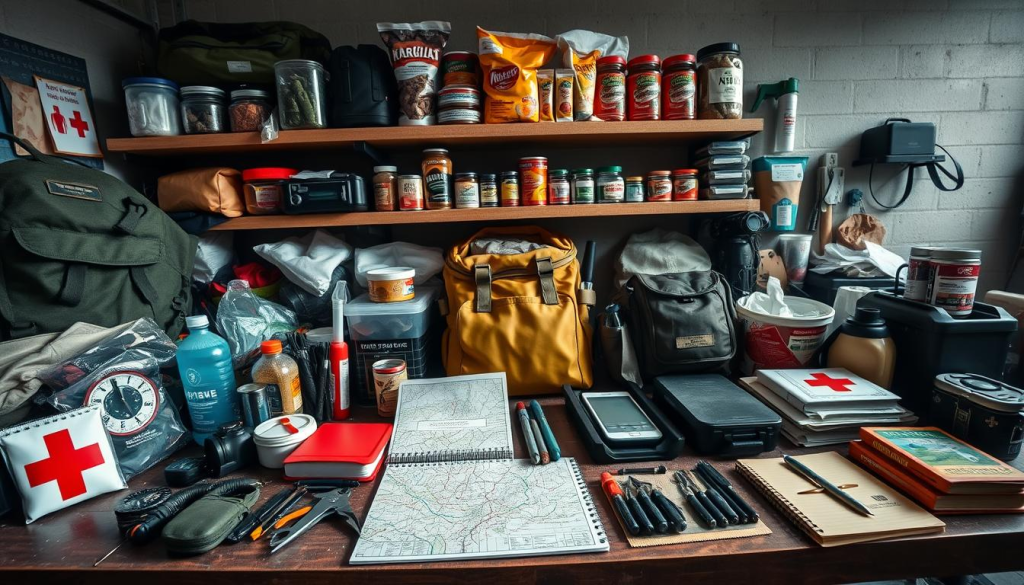
Your geographical location plays a significant role in determining what you should include in your bug out bag. For instance, if you live in an area prone to earthquakes, your bag should be equipped with items that can help you navigate through debris or withstand seismic activity. Similarly, if you reside in a region with extreme weather conditions, such as hurricanes or blizzards, your bag should contain appropriate clothing and gear to protect you from these elements.
Consider the following environmental factors:
- Climate and weather patterns
- Natural disaster risks (e.g., floods, wildfires, tornadoes)
- Terrain and geography (e.g., mountains, forests, urban areas)
Identifying Personal Requirements
Your personal needs are just as important as your environment when it comes to assembling a bug out bag. This includes considering your health, skills, and the needs of your family members or pets.
Key personal factors to consider:
- Medical conditions and necessary medications
- Physical abilities and limitations
- Special dietary needs
- Skills and knowledge that could be useful in a crisis (e.g., first aid, navigation)
Emergency Scenarios to Consider
Different emergency scenarios require different preparations. By considering various potential crises, you can tailor your bug out bag to be as versatile and effective as possible.
Some scenarios to consider include:
- Natural disasters (e.g., hurricanes, earthquakes, floods)
- Man-made disasters (e.g., industrial accidents, power grid failures)
- Social unrest or economic collapse
By evaluating these scenarios and understanding your needs, you can create a bug out bag that is truly prepared for any situation.
Essential Items to Include in Your Bug Out Bag
Assembling a bug out bag requires careful consideration of the essential items that will ensure survival during emergencies. A well-stocked bag can be the difference between safety and peril.
Food and Water Supplies
When it comes to survival, having adequate food and water is paramount. Your bug out bag should include non-perishable food items that are high in calories and nutrients.
- Energy bars
- Dried fruits and nuts
- Canned goods
- MREs (Meals Ready to Eat)
Alongside food, it’s crucial to have a reliable means of purifying water. This can include water filters, purification tablets, or a portable UV purifier.
Shelter and Clothing Essentials
Shelter and appropriate clothing are vital for protecting against the elements. Your bug out bag should contain a lightweight tent, a sleeping bag, and a sleeping pad for shelter.
- Moisture-wicking clothing
- Insulating layers
- Waterproof jacket and pants
- Sturdy boots
First Aid and Medical Supplies
A first aid kit is a critical component of any bug out bag. It should include supplies for treating wounds, managing pain, and addressing allergic reactions.
- Bandages and band-aids
- Antiseptic wipes
- Pain relievers
- Prescription medications
Tools and Equipment
Having the right tools can significantly enhance your ability to survive and navigate. Your bug out bag should include a multi-tool, a flashlight, and a fire starter.
- Multi-tool or pocket knife
- Flashlight and extra batteries
- Fire starter (matches, lighter, ferrocerium rod)
- Rope or twine
By carefully selecting and packing these essential items, you can ensure that your bug out bag is prepared to handle a variety of emergency situations.
Choosing the Right Bag for Your Bug Out Plan
Choosing a bug out bag that fits your needs requires careful consideration of several key factors. The right bag can be the difference between being prepared and being caught off guard in an emergency.
Size and Capacity Considerations
When it comes to bug out bag sizes, the general rule is to pack what you need for at least 72 hours. The capacity of your bag will depend on your personal requirements, including the environment you’ll be in and the activities you’ll need to perform.
A bag with a capacity of 20-30 liters is suitable for short trips or minimalist packers, while a 40-60 liter bag is more appropriate for those who need to carry more gear or plan to be away for longer periods.
| Bag Size (Liters) | Ideal For | Typical Contents |
|---|---|---|
| 20-30 | Short trips, minimalist packers | Basic first aid, water, snacks, minimal clothing |
| 40-60 | Longer trips, more gear | Additional clothing, more food and water, shelter, first aid kit |
Features to Look For
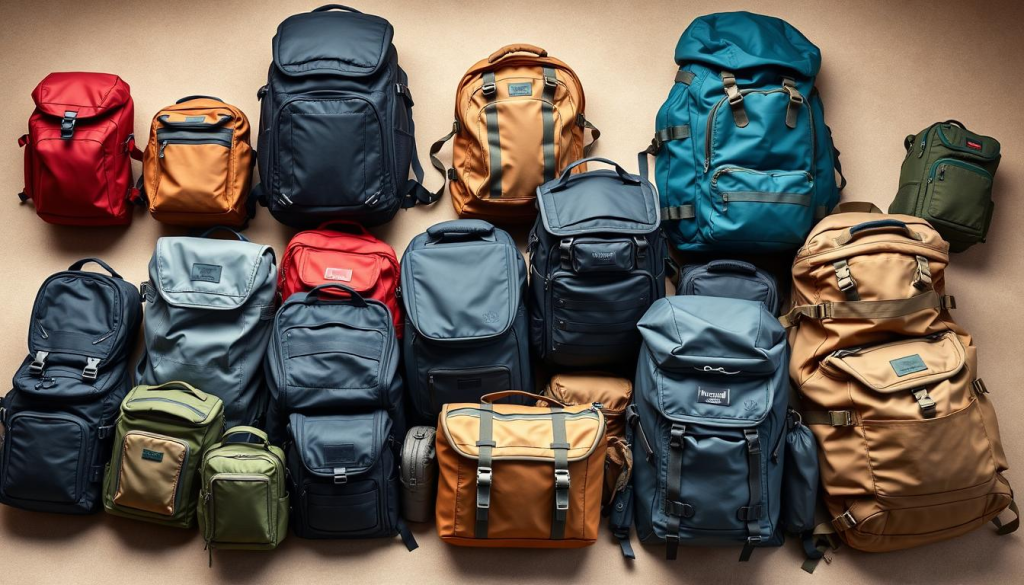
When choosing a bug out bag size, it’s also important to consider the features that will enhance its usability. Look for bags with multiple compartments to help organize your gear, padded straps for comfort, and durable, water-resistant materials.
- Multiple compartments for organization
- Padded straps and back panel for comfort
- Durable, water-resistant materials
- External attachment points for additional gear
Popular Bug Out Bag Brands
Several brands are known for producing high-quality bug out bags. When looking for the best bug out bag size, consider brands that offer a range of sizes and features.
Some popular brands include:
- 5.11 Tactical
- Maxpedition
- Blackhawk
- Condor Outdoor
These brands offer a variety of bags that cater to different needs and preferences, ensuring you can find the perfect bug out bag for your emergency plan.
Packing Tips for Your Bug Out Bag
To ensure you’re prepared for any situation, it’s essential to pack your bug out bag with care. A well-organized bag not only makes it easier to find what you need quickly but also helps in distributing the weight evenly, making it more comfortable to carry.
Weight Distribution Techniques
Proper weight distribution is key to carrying your bug out bag comfortably over long distances. Place heavier items like food and water supplies close to your back and centered in the bag. This helps in maintaining balance and reduces strain on your shoulders and back.
- Use compression bags to keep clothing and other soft items compact.
- Distribute weight evenly on both sides of the bag to maintain balance.
- Keep frequently used items easily accessible.
Organizing Your Gear Efficiently
Organization is crucial for quickly accessing the items you need. Utilize packing cubes or pouches to categorize your gear into first aid, food, tools, and clothing. This not only helps in finding items quickly but also in checking that you have everything you need.
- Pack essentials like a first aid kit and important documents in easy-to-reach pockets.
- Use smaller pouches for organizing small items like batteries and cables.
- Label your pouches or cubes for quick identification.
Utilizing Every Space
Maximizing the space in your bug out bag is essential for carrying all the necessary gear without making the bag too bulky. Fill any empty spaces with smaller items like socks or underwear. Consider using the bag’s pockets for items you need to access quickly.
By following these packing tips, you can ensure that your bug out bag is not only well-organized but also comfortable to carry, making you more prepared for any emergency situation.
Customizing Your Bug Out Bag for Family Needs
Customizing a bug out bag to meet the needs of every family member is crucial for effective emergency preparedness. This involves considering the unique requirements of children, pets, and ensuring that communication tools are included.
Gear for Children
When preparing a bug out bag for families, it’s essential to include items that cater to the needs of children. This can include:
- Child-friendly food and snacks
- Extra clothing and layers for varying weather conditions
- First aid supplies, including pediatric medications and supplies
- Comfort items, such as a favorite toy or blanket
As Ready Magazine suggests, “Having a plan and the right gear can make a significant difference in how children cope with emergencies.”
“The key to surviving any disaster is preparation, and that includes having the right supplies for your children.”
Pet Supplies and Considerations
Pets are an integral part of the family, and their needs should not be overlooked when assembling a bug out bag. Essential pet supplies include:
| Supply | Description | Quantity |
|---|---|---|
| Food and Water | Non-perishable pet food and a portable water container | 3-day supply |
| Medications | Any prescription medications and a first aid kit | As prescribed |
| Comfort Items | Favorite toys or blankets to reduce stress | 1-2 items |
Including these items can help ensure that pets remain safe and comfortable during emergencies.
Communication Tools
Effective communication is critical during emergencies. A bug out bag should include:
- A fully charged cell phone with a backup power source
- A two-way radio or walkie-talkie
- A whistle or other signaling device
Staying connected with family members is vital. As the American Red Cross notes, “Having a plan and the means to communicate can save lives.”
By customizing your bug out bag to include these essential items, you can ensure that your family is better prepared to face emergencies.
Maintaining Your Bug Out Bag
To keep your bug out bag effective, regular maintenance is essential. A well-maintained bug out bag ensures that you are always prepared for emergencies, whether they be natural disasters, power outages, or other unexpected events.
Regular Inventory Checks
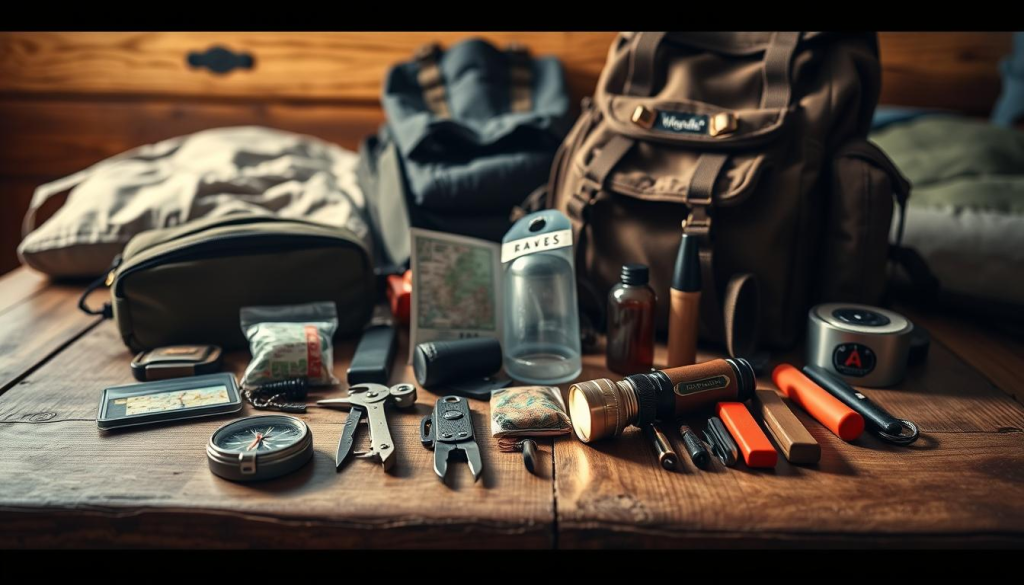
Conducting regular inventory checks is crucial for maintaining your bug out bag. This involves checking the expiration dates of food and medical supplies, ensuring that all equipment is in working order, and verifying that all necessary items are still present.
Schedule regular checks: Set a reminder every 6 months to inspect your bug out bag. During these checks, make a list of items that need to be replaced or updated.
Seasonal Adjustments
Your bug out bag should be adjusted according to the season. For example, in colder climates, you may need to include warmer clothing and gear suitable for snow, while in hotter climates, you might prioritize hydration supplies and sun protection.
- Review your clothing and gear to ensure they are suitable for the upcoming season.
- Update your supplies to reflect seasonal needs, such as adding insect repellent in summer.
Ensuring Everything Works
It’s not enough to just have the right gear; you must also ensure that it works. This includes testing batteries, checking the functionality of tools, and practicing the use of any complex equipment.
Test your gear: Regularly test your equipment to ensure it’s in good working condition. Replace batteries, check for software updates on electronic devices, and practice using your gear to stay familiar with its operation.
By following these maintenance tips, you can ensure that your bug out bag remains a reliable resource in times of need. Regular maintenance not only extends the life of your supplies but also gives you confidence in your ability to respond to emergencies.
Preparing for Different Scenarios
Preparing for different scenarios is a key aspect of creating an effective bug out bag. The types of emergencies you might face can vary widely, from natural disasters to civil unrest and economic instability. Each scenario presents unique challenges, requiring a tailored approach to preparedness.
Natural Disasters
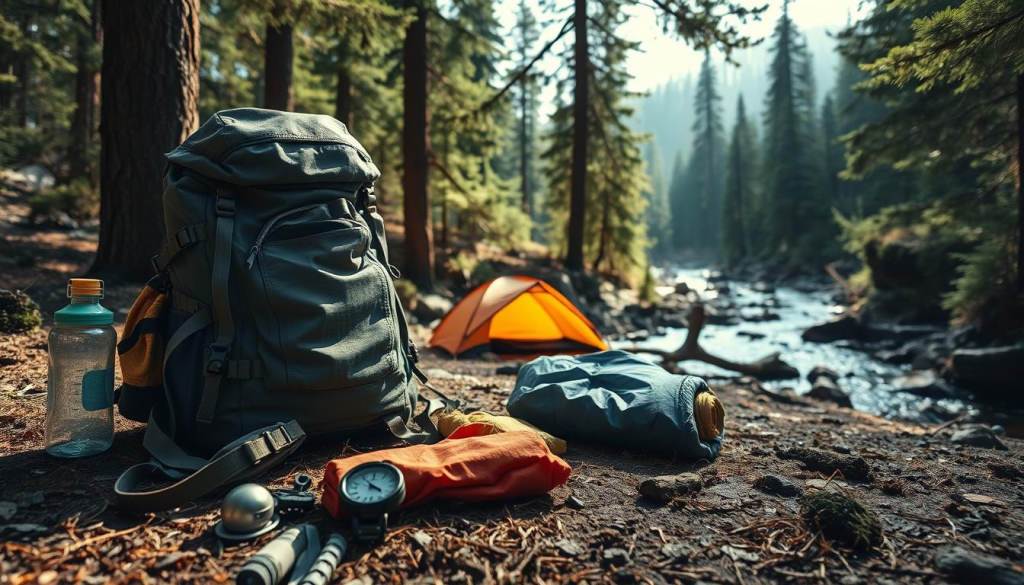
Natural disasters such as hurricanes, earthquakes, and floods can strike with little warning, necessitating a bug out bag that is both portable and equipped with essentials for survival. Water purification tablets, a first aid kit, and emergency shelter are critical components. Consider the specific natural disasters common in your area and pack accordingly.
Civil Unrest and Evacuations
In situations of civil unrest or during evacuations, the ability to move quickly and safely is paramount. Your bug out bag should include items that provide personal protection, such as masks or a whistle, and tools for navigating through crowded or dangerous areas. It’s also wise to have a communication plan and a means to stay informed, like a battery-powered radio.
Economic Collapse
In the event of an economic collapse, access to basic necessities like food, water, and healthcare may be severely limited. A bug out bag prepared for this scenario should focus on long-term sustainability, including non-perishable food, a means to purify water, and any necessary medications. Bartering items, such as tools or hygiene products, can also be valuable.
By understanding the potential emergencies you might face and tailoring your bug out bag to these scenarios, you can significantly enhance your chances of staying safe and self-sufficient. Regularly reviewing and updating your bug out bag to reflect changing circumstances and new information is crucial.
Training and Drills for Bug Out Situations
Preparing for a bug out situation requires more than just a bag; it demands thorough training and practice. Effective training ensures that you and your family can respond swiftly and effectively in an emergency.
Practicing Bug Out Routes
One of the most critical aspects of bug out training is practicing your bug out routes. Familiarize yourself with the terrain, potential hazards, and alternative routes. Regularly scheduled route training can help identify the most efficient paths and prepare you for unexpected obstacles.
Tips for Practicing Bug Out Routes:
- Conduct route training at different times of day and in various weather conditions.
- Identify safe zones and potential hazards along the route.
- Practice navigating with a map and compass or GPS device.
Using Your Gear Effectively
Having the right gear is only half the battle; knowing how to use it effectively is crucial. Regular drills should include using your bug out bag’s contents, such as first aid kits, communication devices, and shelter materials.
Practical Drill Ideas:
- Set up a mock shelter and practice deploying it quickly.
- Conduct first aid training with the supplies in your bug out bag.
- Practice using communication devices to call for help.
Building Family Preparedness
For those with families, it’s essential to include all members in bug out training. This not only ensures everyone knows what to do in an emergency but also helps to reduce panic and improve response times.
Family Preparedness Tips:
- Involve children in age-appropriate training and drills.
- Conduct regular family drills to practice bug out procedures.
- Discuss and agree on a meeting point outside the home in case of separation.
By incorporating these training and drill practices into your bug out plan, you can significantly enhance your family’s preparedness and ability to respond effectively in emergency situations.
Resources and Community Support
As you finalize your bug out bag, connecting with a community of like-minded individuals can enhance your preparedness. Various resources are available to support your journey, from online forums to local workshops.
Online Forums and Groups
Joining online forums and groups can provide valuable insights and advice from experienced preppers. Websites like Reddit’s r/preppers and Survival Life offer a wealth of information and community support.
Recommended Reading and Websites
For those looking to expand their knowledge, recommended reading includes books on survival skills and emergency preparedness. Websites like the American Red Cross and the Federal Emergency Management Agency (FEMA) provide critical information on disaster preparedness.
Local Preparedness Workshops
Local preparedness workshops and training sessions offer hands-on experience and the opportunity to network with others who share your interests. These resources and community support networks are essential for staying informed and prepared.