
In emergency situations, having a well-prepared emergency survival kit can be a lifesaver. A bug out bag is a portable collection of essential items that can help individuals survive for at least 72 hours during a disaster or emergency.
A bug out bag complete with the right supplies can make a significant difference in survival situations. It typically includes basic tools and supplies necessary for survival, such as food, water, first aid kits, and communication devices.
Key Takeaways
- A bug out bag is a short-term survival kit for emergency evacuations.
- It should contain essential items for survival, such as food and water.
- A well-prepared bug out bag can help individuals survive for at least 72 hours.
- Having a bug out bag is crucial for emergency preparedness.
- Regularly checking and updating the bag’s contents is essential.
What is a Bug Out Bag and Why You Need One
A bug out bag is more than just a collection of supplies; it’s a crucial element in disaster preparedness. It’s designed to be taken with you in case you need to evacuate quickly, providing the essential items to survive and potentially thrive in emergency situations.
Definition of a Bug Out Bag
A bug out bag, also known as a 72-hour kit or emergency bag, is a portable collection of items that can help you survive for at least three days. It typically includes water, non-perishable food, first aid supplies, and other essential gear tailored to your specific needs and the types of emergencies you might face.
The idea is to have everything you need in one easily accessible bag, so you can leave quickly without having to think about what to pack. This is particularly important in situations where every minute counts, such as during natural disasters or other emergencies.
Importance in Emergency Situations
In emergency situations, having a bug out bag can be the difference between safety and danger. It ensures that you have the necessary supplies to sustain yourself while you navigate the crisis. For instance, during a power outage or a hurricane, your bug out bag can provide light, warmth, and communication tools.
The importance of a bug out bag lies in its ability to help you respond effectively to emergencies. By having a well-prepared bag, you can minimize risks and ensure that you and your loved ones are better equipped to handle unexpected situations.
| Essential Items | Purpose |
|---|---|
| Water and Food | Sustenance for at least three days |
| First Aid Kit | Basic medical care and wound treatment |
| Flashlight and Batteries | Light source during power outages |
By understanding the role of a bug out bag and assembling one tailored to your needs, you can significantly enhance your preparedness for emergencies. It’s a proactive step towards ensuring your safety and the safety of those who depend on you.
Essential Items for Your Bug Out Bag
A well-stocked bug out bag is your key to survival, and it starts with the right essentials. When emergencies arise, having the necessary items can make all the difference.
Water and Filtration Systems
Water is a fundamental necessity for survival. Including a reliable water filtration system in your bug out bag is crucial. Options include water filters, purification tablets, or a portable UV purifier. These tools ensure that you can source water from any environment and make it safe to drink.
- Water Filters: Devices like the LifeStraw or Sawyer Mini can remove bacteria, viruses, and contaminants from water.
- Purification Tablets: Chlorine or iodine-based tablets are effective against a wide range of pathogens.
- UV Purifiers: Devices such as the SteriPen use UV light to kill bacteria and viruses.
Food Supplies
Food is another critical component of your bug out bag. The goal is to include non-perishable, high-calorie foods that are easy to prepare. Consider the following options:
- Energy Bars: Compact and nutrient-rich.
- Dried Fruits and Nuts: Provide essential vitamins and calories.
- MREs (Meals Ready to Eat): Pre-cooked, lightweight, and have a long shelf life.
First Aid Kit Essentials
A first aid kit is vital for treating injuries. Your kit should include:
- Bandages and Band-Aids: For covering cuts and scrapes.
- Antiseptic Wipes: To clean wounds.
- Pain Relievers: Such as acetaminophen or ibuprofen.
- Prescription Medications: Any personal medications and a small guide on basic first aid.
Clothing and Shelter
Packing the right clothing and shelter materials can protect you from the elements. Consider:
- Layered Clothing: To adapt to varying temperatures.
- Waterproof Jacket: To stay dry in rain or snow.
- Emergency Blanket: Lightweight and compact, providing warmth.
- Tent or Tarpaulin: For shelter.
Choosing the Right Backpack for Your Bug Out Bag
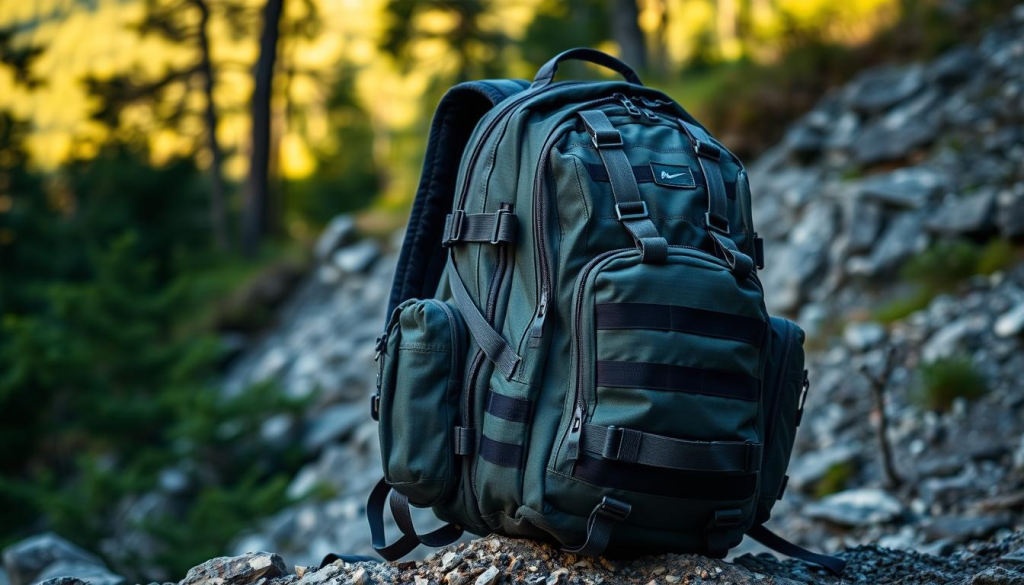
A bug out bag is only as good as the backpack that carries it, making the choice of backpack a vital one. When preparing for emergencies, it’s essential to select a backpack that is not only durable but also comfortable and spacious enough to carry all your bug out bag supplies.
Key Features to Look For
When choosing a backpack for your bug out bag, several key features should be considered. First and foremost, the backpack should be made from durable, water-resistant materials to protect your supplies from the elements. Additionally, look for a backpack with multiple compartments to help organize your gear efficiently.
Comfort is another crucial factor, as you’ll likely be carrying your bug out bag for extended periods. Look for a backpack with padded shoulder straps and a hip belt to distribute the weight evenly. This will help prevent fatigue and discomfort during use.
Popular Brands for Durability
Several brands are renowned for producing high-quality, durable backpacks suitable for bug out bags. Brands like 5.11 Tactical and Maxpedition are popular among outdoor enthusiasts and emergency preparedness advocates. These brands offer a range of models with various features, ensuring you can find the best bug out bag to suit your needs.
When selecting a backpack, it’s also worth considering the brand’s reputation for durability and customer service. A reputable brand is more likely to stand behind the quality of their products, offering warranties or repair services that can extend the life of your backpack.
Food and Water: Survival Basics
In the face of uncertainty, having the right supplies is crucial for survival. When it comes to a bug out bag checklist, two of the most critical components are food and water. These essentials can sustain you during an emergency, giving you the strength to navigate through challenging situations.
When selecting food for your emergency survival kit, it’s vital to choose options that are not only nutritious but also have a long shelf life. Long-lasting food options can include:
- Dried fruits and nuts
- Canned goods
- MREs (Meals Ready to Eat)
- Energy bars
Long-lasting Food Options
Dried fruits and nuts are excellent sources of energy and can be easily stored in your bug out bag. Canned goods, while heavy, provide a reliable source of nutrition. MREs are a popular choice among survivalists due to their convenience and long shelf life.
In addition to food, having access to clean drinking water is paramount. This is where water purification techniques come into play.
Water Purification Techniques
There are several methods to purify water, making it safe to drink. These include:
- Boiling: Bringing water to a rolling boil to kill bacteria and viruses.
- Water filters: Using portable filters to remove contaminants.
- Chemical disinfection: Adding tablets or bleach to water to purify it.
- UV light: Exposing water to ultraviolet light to kill pathogens.
Each of these methods has its advantages and can be effective in different scenarios. Including a water purification system in your bug out bag can significantly enhance your chances of survival.
By focusing on these survival basics, you can ensure that you’re well-prepared to face any emergency situation that comes your way.
First Aid Supplies: Safety First
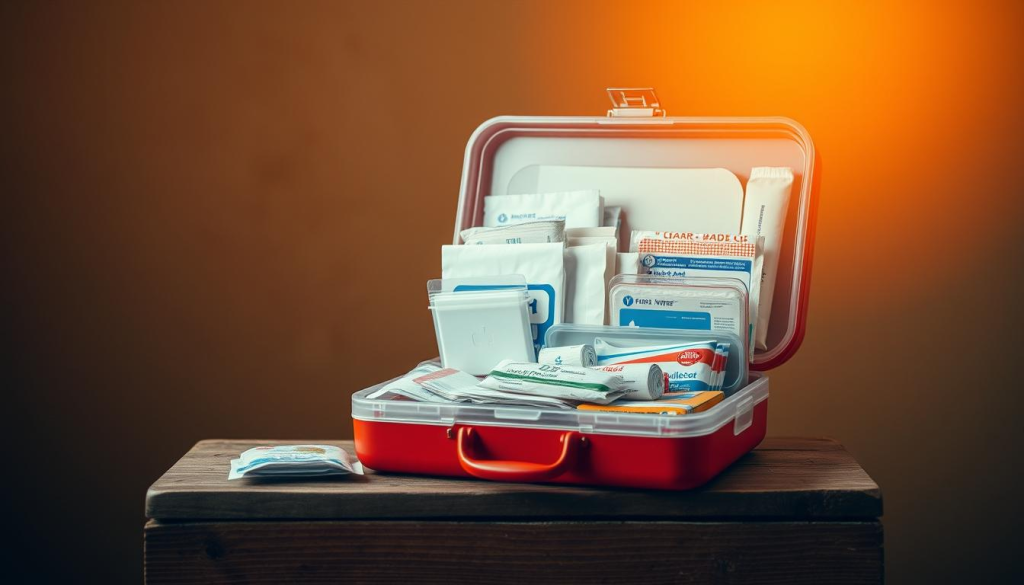
First aid supplies are a critical component of any bug out bag, ensuring you’re prepared for the unexpected. In emergency situations, having the right equipment can significantly impact the outcome.
Essential First Aid Items
A well-stocked first aid kit should include a variety of supplies to treat different types of injuries. Essential items include bandages, antiseptic wipes, pain relievers, and any personal medications.
It’s also crucial to include tools like tweezers, scissors, and a thermometer. These items help in assessing and treating injuries more effectively.
How to Use a First Aid Kit
Knowing how to use the items in your first aid kit is just as important as having them. Basic first aid training can teach you how to clean and dress wounds, apply bandages, and administer basic care.
Regularly checking your first aid kit and updating your knowledge ensures you’re always prepared. Consider taking a first aid course to stay up-to-date on the latest techniques.
By prioritizing first aid supplies in your bug out bag, you’re taking a significant step towards being prepared for any situation that may arise.
Important Tools and Equipment
When assembling a bug out bag, it’s crucial to include a variety of tools and equipment to ensure you’re prepared for any situation.
Having the right gear can significantly enhance your ability to respond to emergencies and survive in challenging environments.
Multi-tools vs. Survival Knives
Both multi-tools and survival knives are vital components of a bug out bag, serving different but complementary purposes.
A multi-tool offers versatility with its various functions, such as pliers, scissors, and blades, making it an indispensable asset for a wide range of tasks.
In contrast, a survival knife is designed for more specific tasks, like cutting and hunting, and can be more effective in certain survival situations.
| Feature | Multi-tool | Survival Knife |
|---|---|---|
| Versatility | High | Low |
| Primary Use | Various tasks | Cutting, hunting |
| Size and Weight | Compact, lightweight | Varies, can be heavy |
Fire-starting Gear
Fire-starting gear is another critical component of a bug out bag, as it enables you to start fires for warmth, cooking, and signaling.
Options include lighters, matches, and ferrocerium rods, each with its own advantages and disadvantages.
- Lighters are convenient but can be affected by weather conditions.
- Matches are simple but require dry conditions to work effectively.
- Ferrocerium rods are durable and reliable, making them a popular choice for survival situations.
Navigation Aids
Navigation aids are essential for finding your way during emergencies or when traditional navigation methods are unavailable.
A compass is a fundamental tool for navigation, providing a reliable means of determining direction.
Additionally, a GPS device or a smartphone with a GPS app can be invaluable, offering precise location information and route guidance.
Clothing Considerations for Your Bug Out Bag
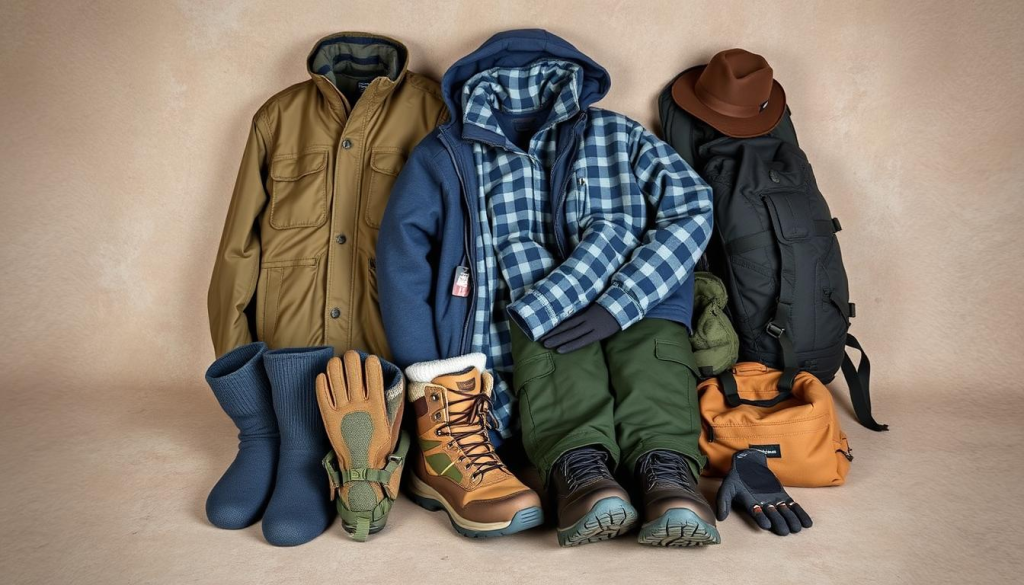
A well-prepared bug out bag must include a thoughtful selection of clothing to ensure adaptability in different climates. Clothing is a critical component because it can significantly affect your comfort, safety, and ability to navigate through various environments.
Layering for Any Climate
Layering is a versatile approach to managing your clothing needs across different climates. It involves wearing multiple layers of clothing that can be added or removed as needed to maintain a comfortable body temperature.
Base Layers: Choose moisture-wicking fabrics like merino wool or synthetic materials for your base layers. These help in regulating body temperature and keeping you dry.
Mid-Layers: Fleece jackets or sweaters are excellent mid-layers for insulation. They trap warmth while allowing moisture to escape.
Outer Layers: Waterproof and windproof jackets, such as those with Gore-Tex or similar technology, serve as effective outer layers. They protect against the elements while preventing overheating.
Footwear Tips for Survival
Footwear is another crucial aspect of your bug out bag clothing. The right shoes can make a significant difference in your ability to navigate challenging terrains.
- Durability: Look for boots or shoes made from durable, waterproof materials that can withstand rough conditions.
- Comfort: Ensure your footwear is comfortable for long walks. Break in new boots before relying on them for survival.
- Versatility: Consider footwear that can adapt to different environments, such as hiking boots for rugged terrain or lightweight shoes for warmer conditions.
By focusing on layering and appropriate footwear, you can significantly enhance your bug out bag’s effectiveness, ensuring you’re prepared for a wide range of survival scenarios.
Planning Your Bug Out Route
Creating a bug out route requires careful consideration of various factors to ensure a safe passage. When emergencies arise, having a well-planned route can significantly enhance your chances of survival.
Factors to Consider
Several key factors should be considered when planning your bug out route. These include:
- Terrain: Understanding the terrain is crucial. Mountains, rivers, and forests can either be obstacles or safe havens, depending on your preparation.
- Weather: Weather conditions can greatly affect your route. Extreme weather events like hurricanes, blizzards, or heatwaves can make certain paths dangerous.
- Potential Hazards: Areas prone to natural disasters or other hazards should be avoided if possible. This includes flood zones, areas near nuclear power plants, or regions with high crime rates.
- Road Conditions: The condition of roads and highways can impact your route. Look for routes that are likely to remain passable even in adverse conditions.
Resources for Route Planning
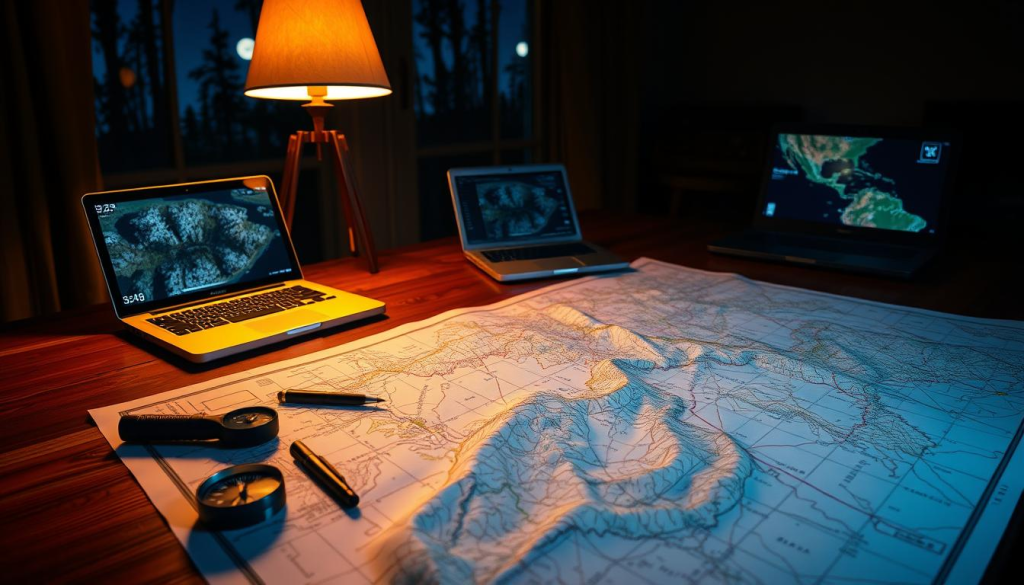
Several resources can aid in planning your bug out route:
- Maps: Physical maps are essential. They don’t require battery power and can provide detailed topographical information.
- GPS Devices: GPS devices can offer real-time navigation. Consider devices with extra batteries or those that can be charged via alternative means like solar panels.
- Online Resources: Websites and apps that provide detailed maps, weather forecasts, and information on road conditions can be invaluable.
- Community Knowledge: Local knowledge from communities along your route can provide insights into safe areas, hidden dangers, and alternative paths.
By carefully considering these factors and utilizing available resources, you can create a bug out route that enhances your survival chances in emergency situations.
Maintenance Tips for Your Bug Out Bag
To ensure your bug out bag remains effective, regular maintenance is key. A bug out bag is only as good as the supplies it contains and how well those supplies are maintained.
Regular Inventory Checks
Conducting regular inventory checks is crucial. This involves going through every item in your bag to ensure it is still usable and not expired. Check expiration dates on food, water purification tablets, and any medications. Also, inspect your gear for any signs of wear and tear.
Key items to check during inventory:
- Food and water supplies
- First aid kit and medications
- Batteries and electronic devices
- Clothing and personal items
Updating Supplies and Gear
Updating your supplies and gear is essential to keeping your bug out bag relevant. As your needs change, so should the contents of your bag. For example, if you’ve had a medical condition change, you may need to update your first aid kit accordingly.
Consider the following when updating your supplies:
- Seasonal clothing changes
- New medical needs or changes in family size
- Advancements in technology that could improve your survival chances
By regularly checking and updating your bug out bag, you can ensure that you are always prepared for any situation that may arise.
Conclusion: Assembling Your Complete Bug Out Bag
Assembling a bug out bag is a critical step in emergency preparedness. By including essential items such as water filtration systems, food supplies, first aid kits, and appropriate clothing, individuals can ensure they are ready for any situation.
Personalizing Your Bug Out Bag
A bug out bag should be tailored to meet the individual’s specific needs and circumstances. Consider factors such as personal health requirements, family size, and potential environmental hazards when selecting items for your bag.
Final Checklist for a Complete Bug Out Bag
To ensure your bug out bag is complete, review the following final checklist: verify that your bag includes a reliable water filtration system, sufficient non-perishable food, a comprehensive first aid kit, and versatile clothing. Regularly inspect and update your supplies to maintain readiness. By doing so, you will have a bug out bag complete with everything needed to survive in an emergency.
Having a well-prepared bug out bag and a thorough final checklist provides peace of mind and enhances survival chances during unexpected events.