
Building your emergency preparedness kit is one of the most crucial steps you can take to protect yourself and your family in the event of a catastrophe.
In times of crisis, having a well-stocked survival bag can be the difference between safety and danger. It’s essential to be prepared with the right items to ensure your survival.
A well-prepared bug out bag should include essential items that cater to your basic needs, such as food, water, shelter, and first aid.
Key Takeaways
- Having a well-stocked emergency kit is crucial for survival.
- A survival bag should include essential items like food, water, and first aid supplies.
- Preparation is key to ensuring your safety in times of crisis.
- A bug out bag should be tailored to your specific needs.
- Regularly checking and updating your emergency kit is vital.
Understanding the Purpose of a Bug Out Bag
The concept of a bug out bag revolves around being prepared for unexpected situations that require immediate evacuation. A bug out bag is essentially a portable kit that contains essential items to help individuals survive during emergencies.
What is a Bug Out Bag?
A bug out bag, also known as a disaster preparedness bag or emergency bag, is a collection of vital supplies packed in a bag, ready to be grabbed at a moment’s notice. It is designed to provide the necessary tools and resources to help you navigate through various emergency situations.
Why You Need One
Having a bug out bag is crucial for emergency preparedness. It ensures that you are equipped with the essential items needed to survive during natural disasters, power outages, or other crises. By being prepared, you can significantly reduce the risks associated with emergencies.
“The will to survive is important, but the preparation to survive is vital.”
Types of Emergencies to Prepare For
Emergencies can take many forms, and it’s essential to be prepared for various scenarios. Some common types of emergencies include natural disasters like hurricanes, earthquakes, and floods, as well as man-made crises such as power grid failures or chemical spills.
| Emergency Type | Preparation Tips |
|---|---|
| Natural Disasters | Include items like non-perishable food, water, and a first aid kit in your bug out bag. |
| Power Outages | Pack flashlights, batteries, and a portable charger to stay connected. |
| Chemical Spills | Include protective gear like masks and gloves in your emergency bag. |
By understanding the purpose of a bug out bag and preparing for different types of emergencies, you can ensure your safety and the safety of your loved ones.
Essential Items for Survival
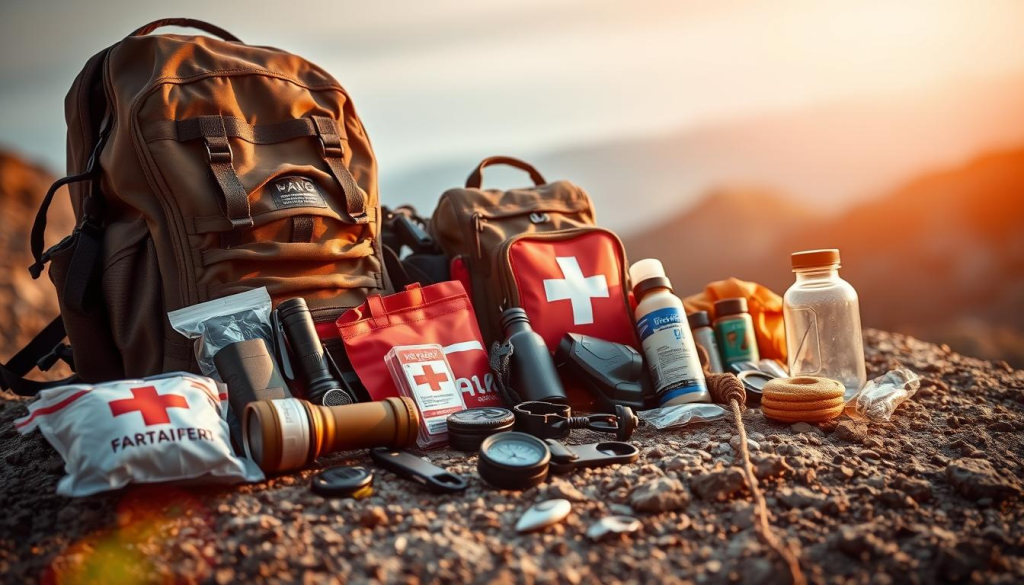
The key to surviving unforeseen circumstances lies in the thoughtful curation of your bug out bag’s contents. A well-stocked bug out bag can mean the difference between life and death in emergency situations. It is essential to include items that cater to basic survival needs, such as water, food, and first aid.
Water and Water Filtration
Water is a fundamental necessity for survival. Including a reliable means of accessing clean drinking water in your bug out bag is crucial. Consider packing water purification tablets or a portable water filter. These tools can help ensure that you have a steady supply of safe drinking water, even in contaminated environments.
- Water storage containers
- Water purification tablets
- Portable water filters
Non-Perishable Food Options
Having a supply of non-perishable food is vital for sustaining energy and nutrition during emergencies. Opt for foods that are high in calories, lightweight, and easy to prepare. Examples include energy bars, canned goods, and freeze-dried meals. It’s also important to include a manual can opener if you pack canned food.
- Energy bars
- Canned goods
- Freeze-dried meals
- Manual can opener
First Aid Supplies
A first aid kit is a critical component of any bug out bag. It should contain supplies for treating wounds, managing pain, and addressing other medical needs. Essential items include bandages, antiseptic wipes, pain relievers, and any prescription medications you or your family members may need.
- Bandages and band-aids
- Antiseptic wipes and ointment
- Pain relievers
- Prescription medications
By focusing on these essential categories, you can create a bug out bag that is well-equipped to handle a variety of emergency situations. Remember, the goal is to be prepared for the unexpected, so take the time to carefully consider your needs and the needs of your family.
Personal Safety Gear
The importance of personal safety gear cannot be overstated when it comes to bug out bag essentials. In emergency situations, having the right equipment can significantly enhance your ability to stay safe.
Clothing and Footwear
Appropriate clothing and footwear are fundamental aspects of personal safety gear. Durable, versatile clothing that can withstand various environmental conditions is crucial. This includes waterproof jackets, insulated layers, and sturdy footwear suitable for hiking or walking long distances.
Shelter and Sleeping Gear
Adequate shelter and sleeping gear are vital for protection against the elements. A lightweight tent or tarp can provide necessary shelter, while a sleeping bag or emergency blanket can keep you warm. These items should be compact, durable, and easy to set up.
Tools for Self-Defense
In addition to protective gear, tools for self-defense are a critical component of personal safety. Options may include pepper spray, a handgun, or a rifle. It’s essential to be trained in the use of these tools and to understand the legal implications of carrying them.
By focusing on these key areas, you can assemble a comprehensive set of personal safety gear that will enhance your preparedness for a range of emergency situations.
Navigational Tools
When disaster strikes, having the proper navigational tools can be a lifesaver. Navigating through unfamiliar or dangerous territories requires a combination of traditional skills and modern technology.
Maps and Compasses
Maps and compasses are fundamental navigational tools that have been used for centuries. A detailed topographic map can help identify safe routes, potential hazards, and essential landmarks. When used in conjunction with a compass, these tools enable individuals to determine their direction and location.
Key Features of Maps and Compasses:
- Detailed topographic information
- Ability to determine direction and location
- No reliance on batteries or electronic signals
GPS Devices
GPS devices offer a modern approach to navigation, providing precise location information and directions. These devices are particularly useful in situations where traditional map-reading skills may be challenging.
Benefits of GPS Devices:
- High accuracy in determining location
- Ability to track routes and waypoints
- Useful in a variety of environmental conditions
Communication Equipment
Effective communication is critical during emergencies. Devices such as two-way radios and satellite phones enable individuals to stay in contact with family members, emergency services, and other relevant parties.
Types of Communication Equipment:
| Device | Description | Use Case |
|---|---|---|
| Two-way Radios | Handheld devices for short-range communication | Ideal for group coordination |
| Satellite Phones | Devices that use satellite signals for communication | Essential for emergency calls in remote areas |
| Whistle | A simple, non-electronic signaling device | Useful for signaling for help |
In conclusion, a well-rounded set of navigational tools is vital for survival and effective communication during emergencies. By combining traditional methods with modern technology, individuals can significantly enhance their ability to navigate safely.
Fire-Making Essentials
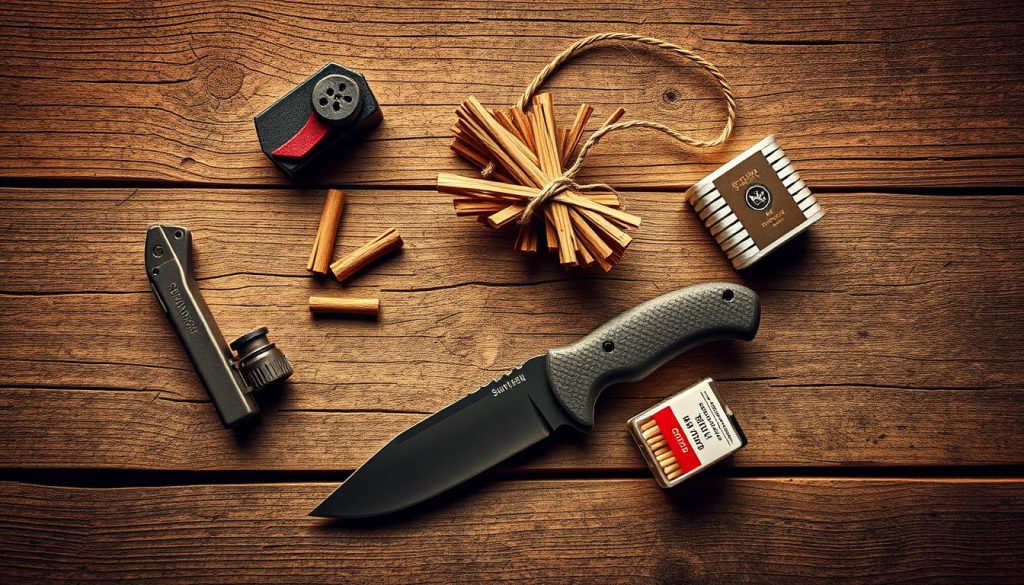
In a survival situation, the ability to make fire is vital for warmth, light, and cooking. Fire can also serve as a signal for help and a means to purify water. Including the right fire-making essentials in your bug out bag can make all the difference.
Lighters and Matches
The most straightforward way to start a fire is with a lighter or matches. These are simple, effective tools that are easy to use, even in challenging conditions. It’s a good idea to include both waterproof matches and a reliable lighter in your bug out bag.
Fire Starters
In addition to lighters and matches, fire starters can be invaluable. These can include ferrocerium rods, magnesium strikers, or other tools designed to generate sparks. Fire starters are particularly useful in wet or windy conditions where matches or lighters might fail.
Fire-Resistant Materials
To keep your fire going, you’ll need fire-resistant materials such as tinder and kindling. Dry leaves, grass, and small twigs are excellent for starting a fire. Including a small supply of these in your bug out bag, or knowing what to look for in the wild, can be crucial.
When assembling your bug out bag, remember that fire-making essentials are among the essential bug out bag items. A well-prepared bug out bag checklist will include a variety of fire-starting tools and materials to ensure you’re prepared for different scenarios.
Important Documents and IDs
A well-prepared bug out bag includes not just survival gear, but also vital documents that can prove indispensable during emergencies. Ensuring you have the right paperwork can make a significant difference in how effectively you respond to and recover from a disaster.
Copies of Personal Identification
Having copies of your personal identification is crucial. This can include a driver’s license, passport, or state ID. These documents can help verify your identity, which is essential for accessing services, receiving medical care, and dealing with legal matters during a crisis. It’s advisable to laminate these copies to protect them from damage.
Emergency Contacts List
An emergency contacts list is another vital component. This list should include names, phone numbers, and addresses of family members, close friends, and any other relevant contacts. In the event you are unable to communicate, this list can help others reach your loved ones and facilitate necessary communications. Make sure to update this list regularly to reflect any changes.
Insurance and Medical Records
Including copies of your insurance policies and medical records can be incredibly beneficial. Insurance documents can help you navigate the process of claiming medical expenses or property damage. Medical records, on the other hand, provide healthcare professionals with critical information about your medical history, allergies, and ongoing treatments, ensuring you receive appropriate care even in unfamiliar environments.
To keep these documents safe and accessible, consider storing them in a waterproof container within your bug out bag. Regularly review and update your documents to ensure they remain relevant and are not expired.
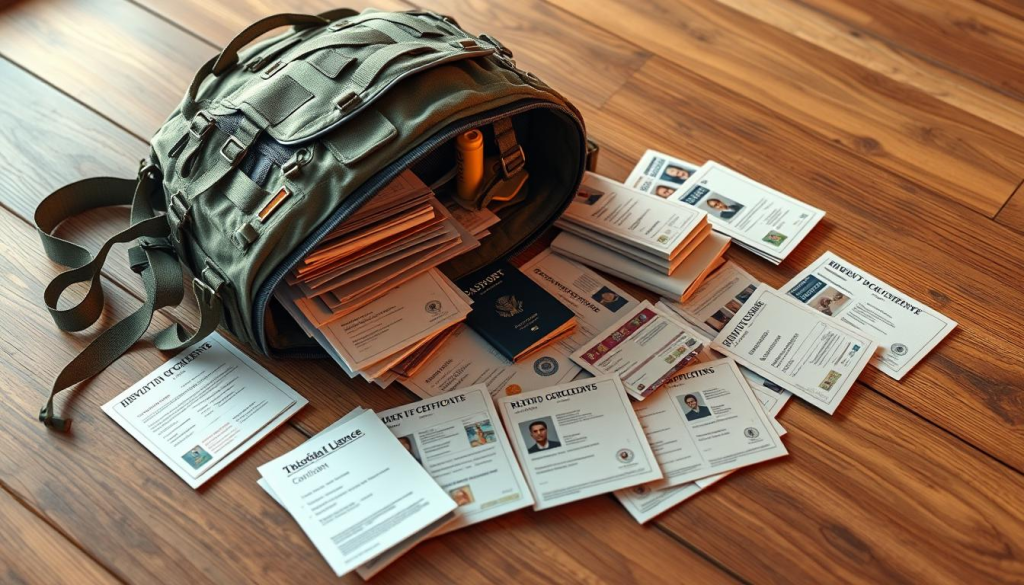
By including these important documents and IDs in your bug out bag, you enhance your preparedness for a wide range of emergencies, from natural disasters to personal crises. This proactive step can significantly reduce stress and complications, allowing you to focus on survival and recovery.
Health and Hygiene Products
When preparing for emergencies, it’s vital to include health and hygiene products in your bug out bag to prevent the spread of diseases. A well-stocked bug out bag should contain essentials that maintain personal hygiene and protect against environmental hazards.
Personal Hygiene Items
Personal hygiene items are crucial for maintaining health and preventing the spread of infections. Include toothbrushes, toothpaste, and dental floss for oral hygiene. Biodegradable soap is also essential for washing hands and bodies. Don’t forget moist towelettes, garbage bags, and toilet paper for sanitation.
Sanitation Supplies
Sanitation supplies are vital for maintaining a clean environment. Your bug out bag should include hand sanitizer for when water is scarce. Consider adding disinfectant wipes to clean surfaces and equipment. For human waste disposal, include a portable toilet or a shovel for digging a cathole.
Insect Repellent and Sunscreen
Protection from insects and the sun is crucial for preventing diseases and discomfort. Pack insect repellent containing DEET, picaridin, or oil of lemon eucalyptus to deter mosquitoes and ticks. For sun protection, include broad-spectrum sunscreen with a high SPF, as well as lip balm with SPF to protect your skin from UV rays.
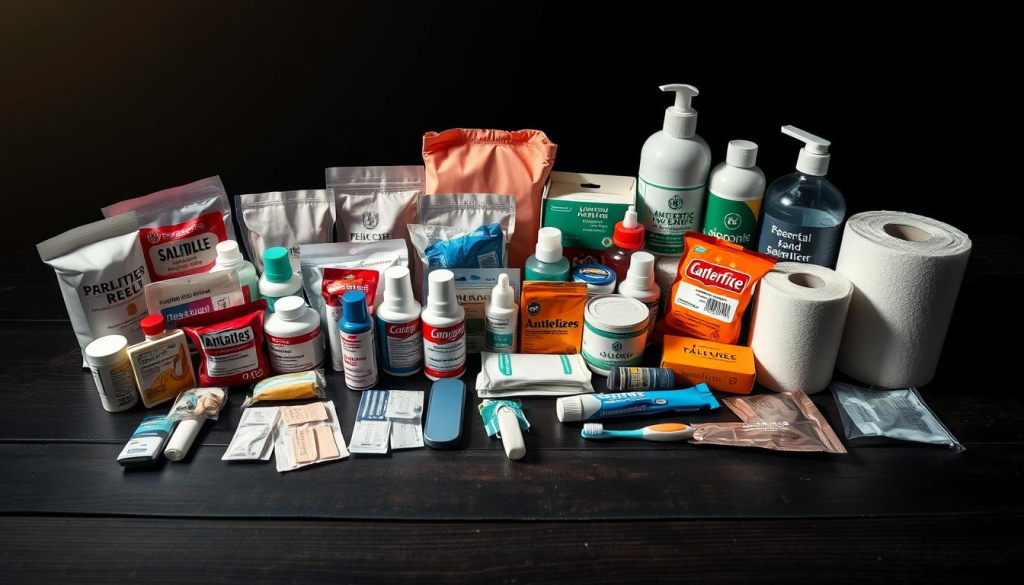
By including these health and hygiene products in your bug out bag, you can significantly reduce the risk of illness and injury during emergencies, ensuring you remain healthy and capable of responding to the situation effectively.
Specialized Items for Your Family
Ensuring the safety and comfort of your family during an emergency involves packing the right specialized gear in your bug out bag. A well-prepared disaster preparedness bag should cater to the unique needs of all family members.
Gear for Infants or Small Children
If you have infants or small children, it’s vital to include items such as diapers, formula, baby food, and child-friendly medications in your bug out bag checklist. Don’t forget to pack a few of their favorite toys or comfort items to help keep them calm.
Supplies for Pets
Pets are part of the family, too. Make sure to include pet food, water, bowls, a leash, and any necessary medication for your furry friends. A portable pet carrier can also be a valuable addition to your essential bug out bag items.
Disability Considerations
For family members with disabilities, it’s crucial to pack supplies that cater to their specific needs. This might include extra batteries for medical devices, a backup power source, or personal care items. Consider the individual requirements and plan accordingly to ensure everyone’s safety.
By tailoring your bug out bag to include these specialized items, you can ensure that you’re prepared for any situation that may arise, keeping your entire family safe and supported.
Regularly Updating Your Bug Out Bag
A bug out bag is only effective if it’s up-to-date and ready for use. Regularly updating your bug out bag ensures that all items are still usable and relevant, allowing you to respond effectively in emergency situations.
Replacing Expired Items
Check your bug out bag contents list for expired or near-expired items, such as food, water, and medications. Replace these items to maintain the bag’s effectiveness.
Reviewing Your Emergency Bag Essentials
Periodically review your emergency bag essentials to ensure they remain relevant and functional. Consider changes in personal circumstances, such as health conditions or family size.
Adapting to Seasonal Changes
Update your survival bag checklist to reflect seasonal changes. For example, include warm clothing and shelter materials for winter or insect repellent and sunscreen for summer.
By regularly updating your bug out bag, you can ensure you’re prepared for any situation, with a survival bag checklist that’s tailored to your needs.