
In the event of a disaster or emergency, having a well-prepared emergency essentials list can be a lifesaver. A bug out bag, also known as a 72-hour kit, is a portable collection of essential items that can help you survive until help arrives.
A bug out bag checklist typically includes items such as food, water, first aid supplies, and communication tools. The key is to pack lightly and efficiently, ensuring that you have everything you need to stay safe and healthy.
Key Takeaways
- A bug out bag is a crucial component of emergency preparedness.
- It should contain essential items to sustain you for at least 72 hours.
- A well-prepared bug out bag can help you survive in the event of a disaster.
- Pack lightly and efficiently to ensure ease of transport.
- Regularly review and update your bug out bag to ensure it remains relevant.
Understanding Bug Out Bags
When it comes to emergency survival gear, a Bug Out Bag is a vital component. It’s a portable collection of essential items that can help individuals survive during emergencies or disasters.
What is a Bug Out Bag?
A Bug Out Bag, often abbreviated as BOB, is a pre-packed bag containing crucial supplies that can be quickly grabbed in the event of an emergency, allowing individuals to evacuate rapidly. The idea is to have everything needed to survive for at least 72 hours.
The contents of a Bug Out Bag can vary depending on personal needs, the type of emergencies likely to occur in one’s area, and other factors. However, the core principle remains the same: to have a readily available kit that can help sustain life during the initial period following a disaster.
Importance of a Bug Out Bag
The importance of a Bug Out Bag lies in its ability to provide disaster preparedness supplies at a moment’s notice. Emergencies are, by their nature, unpredictable, and having a pre-prepared bag can significantly reduce response time, potentially saving lives.
A Bug Out Bag is not just about survival; it’s also about being prepared for the unexpected. It includes tactical gear for survival that can help navigate through challenging situations, from natural disasters to other emergencies.
Types of Emergencies to Prepare For
Bug Out Bags can be tailored to various types of emergencies, including natural disasters like hurricanes, earthquakes, and floods, as well as man-made disasters. The key is to identify the most likely scenarios in your area and prepare accordingly.
- Natural disasters (e.g., hurricanes, earthquakes)
- Man-made disasters (e.g., industrial accidents)
- Health emergencies (e.g., pandemics)
By understanding the types of emergencies that could occur, individuals can customize their Bug Out Bags to include the most relevant emergency survival gear, ensuring they are as prepared as possible.
Essential Bug Out Bag Contents
When assembling a bug out bag, it’s crucial to include essentials that cater to basic survival needs. The right equipment can significantly enhance your chances of survival during emergencies.
Food and Water Requirements
A bug out bag should contain enough non-perishable food and water to last at least 72 hours. Non-perishable food items such as energy bars, canned goods, and dried fruits are recommended. It’s also vital to include a water filtration system or water purification tablets to ensure access to safe drinking water.
| Food Item | Calories per Serving | Shelf Life |
|---|---|---|
| Energy Bars | 200-300 | 2-5 years |
| Canned Goods | 100-200 | 2-5 years |
| Dried Fruits | 150-250 | 6-12 months |
Shelter and Sleep Gear
Adequate shelter and sleep gear are critical for protection against the elements. Include a lightweight tent, a sleeping bag, and a sleeping pad in your bug out bag. These items will help ensure you have a dry and relatively comfortable place to rest.
Cooking and Utensils
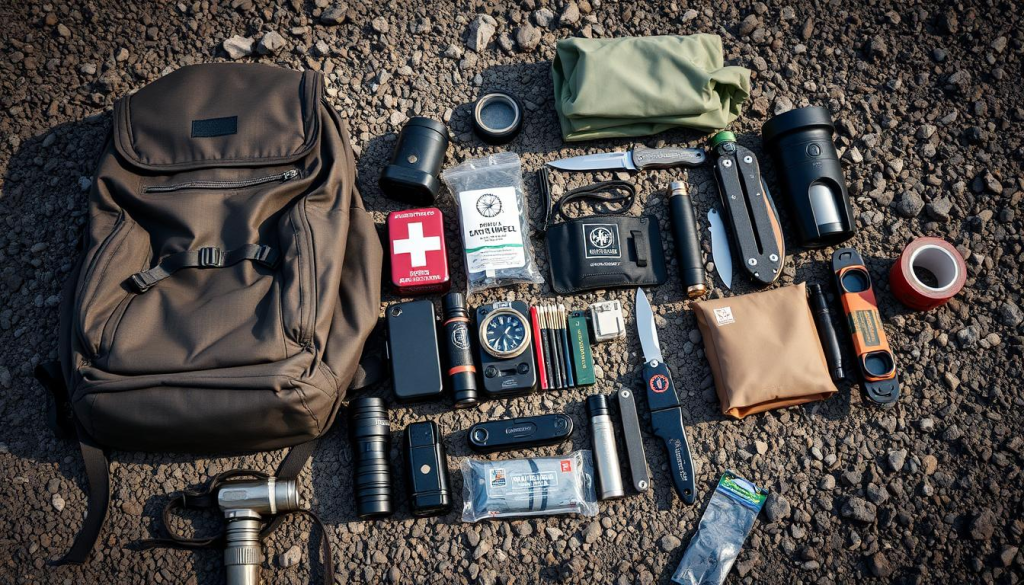
Cooking gear is another essential component of a bug out bag. A portable stove or a camping stove can be used to prepare meals. Don’t forget to pack cooking utensils such as a multi-tool, a pot, and a pan.
- Portable stove or camping stove
- Cooking pot and pan
- Multi-tool or utensil set
By including these essential items in your bug out bag, you’ll be better prepared to face unexpected emergencies and disasters.
First Aid Supplies
First aid supplies are a vital part of a bug out bag, enabling you to respond to medical emergencies in a disaster scenario. A well-prepared first aid kit can make a significant difference in treating injuries and preventing further complications.
Basic First Aid Kit Essentials
A basic first aid kit should include a variety of emergency essentials to treat common injuries. These include:
- Bandages and band-aids in various sizes
- Antiseptic wipes and spray to clean wounds
- Gauze pads for dressing injuries
- Medical tape to secure bandages
- Scissors and tweezers for basic care
These items are crucial for providing immediate care for cuts, scrapes, and other minor injuries.
Medications and Medical Supplies
In addition to basic first aid supplies, it’s essential to include medications and medical supplies that can help manage more serious conditions. Consider including:
- Over-the-counter pain relievers like acetaminophen or ibuprofen
- Antihistamines for allergic reactions
- Prescription medications and necessary documentation
- Any personal medical equipment, such as EpiPens or inhalers
These supplies can help address a range of medical needs during an emergency.
Personal Hygiene Products
Maintaining personal hygiene is important for health and morale during a prolonged emergency. Include items like:
- Toothbrush and toothpaste
- Biodegradable soap
- Moist towelettes or baby wipes
- Sanitary products for menstruating individuals
These personal hygiene products can help maintain a level of normalcy and prevent the spread of infection.
Tools and Equipment
The right tools and equipment can make a significant difference in a survival situation, making them a vital component of any bug out bag. When venturing into the unknown, having the appropriate tactical gear for survival can be the difference between life and death.
Multi-tools vs. Survival Tools
Multi-tools and survival tools serve different purposes, yet both are essential in a bug out bag. A multi-tool is a handy device that combines several functions, such as pliers, scissors, and knives, into one tool. On the other hand, survival tools are designed for specific tasks like hunting, cutting, or fixing gear. Understanding the difference can help you choose the right tools for your needs.
Flashlights and Lighting Options
Lighting is crucial in a survival situation, providing not only visibility but also a means to signal for help. Flashlights are a staple in any bug out bag, offering a reliable source of light. Consider LED flashlights for their durability and energy efficiency. Additionally, other lighting options like glow sticks or lanterns can provide supplementary light sources.
Fire Starting Equipment
Fire starting equipment is another vital component, as fire can provide warmth, a means to cook food, and a way to purify water. Common fire starting tools include lighters, matches, and ferrocerium rods. It’s advisable to include multiple fire starting methods in your bug out bag to ensure you’re prepared for various conditions.
When selecting fire starting equipment, consider the environment you’ll be in and the ease of use of the tool. For instance, waterproof matches or a ferrocerium rod can be effective in wet conditions.
Clothing and Footwear
The right clothing and footwear can significantly impact your ability to navigate through challenging terrains and weather conditions during an emergency. When preparing your bug out bag, it’s essential to consider the types of environments you might encounter and pack accordingly.
Weather-Appropriate Clothing
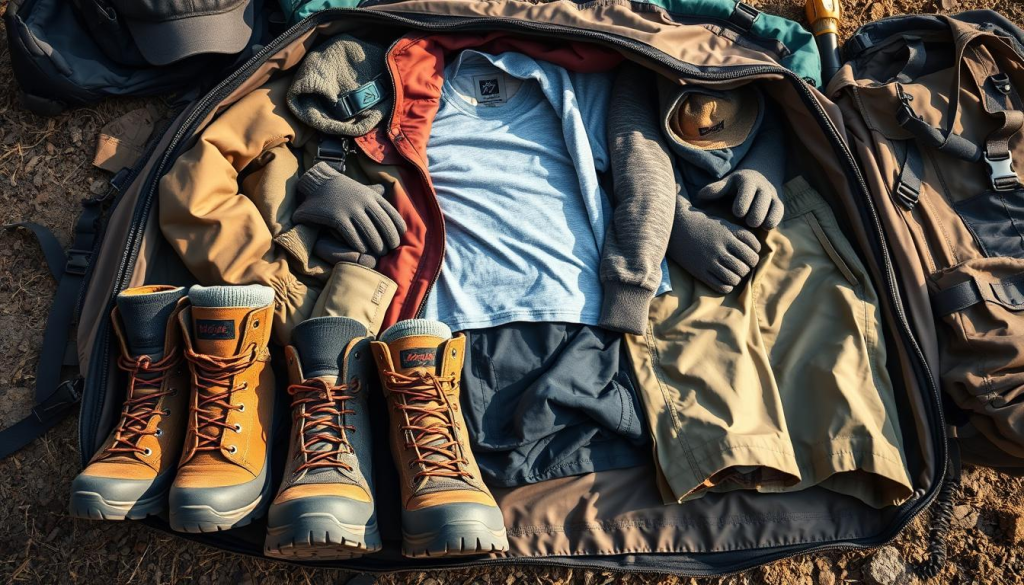
Selecting clothing that is suitable for various weather conditions is crucial. This includes moisture-wicking fabrics for warm weather, insulating layers for cold climates, and waterproof gear for rainy or snowy conditions. Consider the climate of your region and the potential for weather changes.
Footwear Essentials
Footwear is a critical component of your bug out bag. Choose durable, waterproof boots that are comfortable for long walks and can withstand rough terrains. Consider the terrain you are likely to encounter and pack additional footwear such as sandals or lightweight shoes if necessary.
Layers for Versatility
Layering your clothing is a versatile approach to managing different temperatures and conditions. Include a mix of base layers, mid-layers, and outer layers to adjust to changing environments. This strategy allows you to adapt your clothing to the situation, ensuring comfort and protection.
By focusing on weather-appropriate clothing, essential footwear, and layering for versatility, you can ensure that your bug out bag is equipped to handle a variety of emergency situations.
Navigation and Communication
The ability to navigate and communicate effectively is key to surviving and thriving in emergency situations. When disaster strikes, being able to find your way and stay in touch with family members or emergency services can make all the difference.
Maps and Compasses
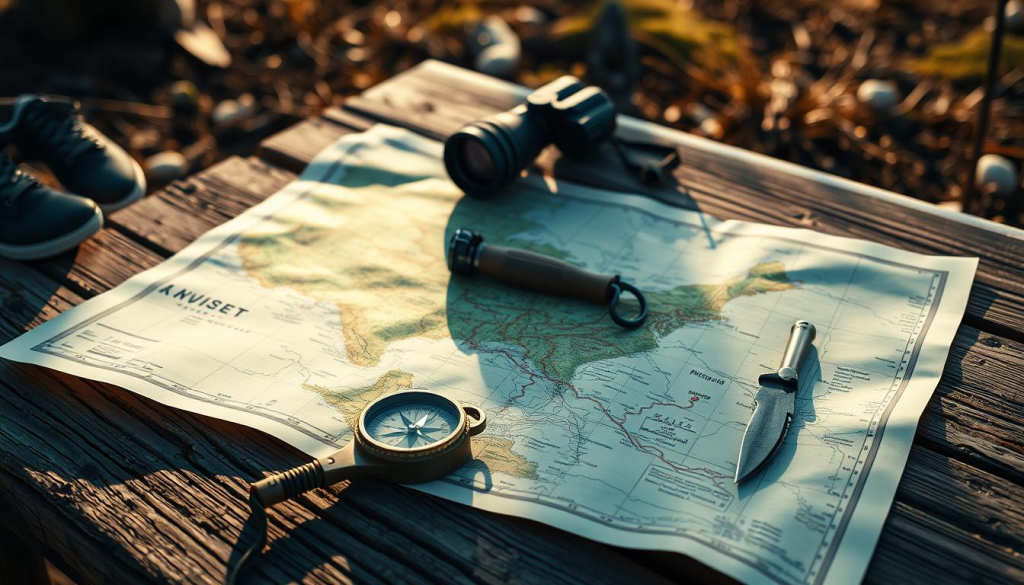
A map and compass are fundamental navigation tools that should be included in every bug out bag. While GPS devices are convenient, they can be unreliable when batteries die or signals are lost. A map, on the other hand, provides a visual representation of the terrain, allowing you to plan your route and identify potential hazards. A compass ensures you can determine your direction, even without a GPS signal.
Key Features to Look for in a Map:
- Scale: A scale that is appropriate for the terrain you’ll be navigating.
- Legend: A clear legend that explains symbols and markings.
- Water Resistance: A waterproof or water-resistant coating to withstand the elements.
GPS Devices
GPS devices offer precise location information and can be invaluable in a survival situation. However, they should not be relied upon as the sole means of navigation. Consider a GPS device with a battery life that matches your needs and one that can be recharged via solar power or other means.
| GPS Device Feature | Description | Importance Level |
|---|---|---|
| Battery Life | Duration the device can operate on a single charge | High |
| Solar Charging | Ability to recharge via solar panels | Medium |
| Water Resistance | Device’s ability to withstand water exposure | High |
Emergency Communication Tools
In addition to navigation, being able to communicate with others is critical. This can be achieved through various means, including two-way radios, satellite phones, and whistles. Two-way radios allow for real-time communication with family members or team members, while satellite phones can be used to call for help when cellular networks are down.
Considerations for Choosing Communication Devices:
- Range and Coverage: Ensure the device can communicate over the distances you expect to travel.
- Battery Life: Choose devices with long battery life or those that can be easily recharged.
- Durability: Select devices that are rugged and can withstand the elements.
By including a mix of navigation and communication tools in your bug out bag, you’ll be better equipped to handle emergencies and stay safe.
Personal Protection Items
When assembling your bug out bag, it’s crucial to consider personal protection items that can help you defend yourself in emergency situations. These items are vital for ensuring your safety and security when you’re away from home.
Self-Defense Options
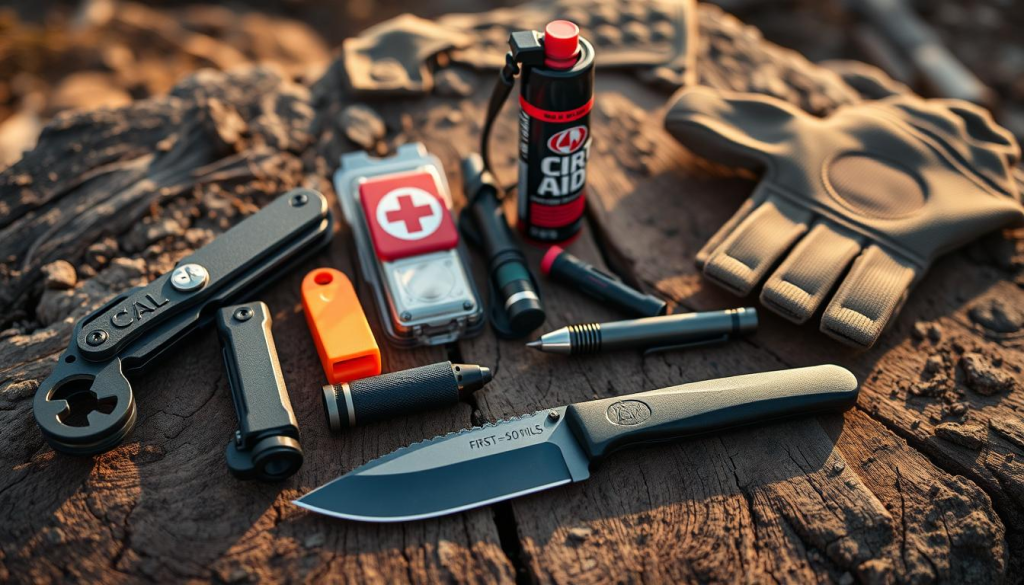
Self-defense options are a critical component of personal protection. These can range from simple tools like pepper spray to more advanced devices such as stun guns. The key is to choose an option that you’re comfortable using and that complies with local laws.
Pepper Spray: A popular self-defense tool, pepper spray is effective and relatively inexpensive. When selecting pepper spray, consider the concentration of the active ingredient and the range of the spray.
Bear Spray and Personal Alarms
In areas prone to bear attacks, bear spray is an essential item. It’s designed to deter bears and other large animals. Personal alarms, on the other hand, emit a loud noise to scare off potential threats.
- Bear spray: Effective against bears and other large animals.
- Personal alarms: Loud noise to deter potential threats.
Protective Gear
Protective gear, such as bulletproof vests or helmets, can provide additional safety in high-risk situations. While these items may not be necessary for everyone, they can be crucial in certain environments.
| Protective Gear | Description | Use Case |
|---|---|---|
| Bulletproof Vest | Protects against firearm projectiles | High-risk areas, active shooter situations |
| Helmet | Protects the head from impact | Debris-filled environments, falling hazards |
Creating a Bug Out Plan
A bug out plan is more than just a list; it’s a roadmap to safety. It involves several critical components that work together to ensure your survival during emergencies.
Identifying Escape Routes
One of the first steps in creating a bug out plan is identifying potential escape routes from your home, workplace, and other places you frequent. This involves:
- Mapping out multiple routes to safety
- Considering different modes of transportation
- Being aware of potential hazards along the way
As Tom Johnson, a survival expert, once said, “Knowing your escape routes can be the difference between life and death.” This emphasizes the importance of having a well-thought-out plan.
Designating Meeting Points
In the chaos of an emergency, it’s easy to become separated from family members or group members. Designating meeting points is crucial for reuniting. Consider:
| Meeting Point | Location | Purpose |
|---|---|---|
| Primary | Home | Initial gathering point |
| Secondary | Local landmark | Alternative if primary is inaccessible |
| Tertiary | Predetermined safe house | Final meeting point outside the immediate area |
Communication Strategies
Effective communication is key during emergencies. Establishing a communication plan includes:
- Designating a contact person outside the affected area
- Using multiple communication methods (phone, radio, etc.)
- Having a pre-arranged message to signal safety
By incorporating these elements, you can create a comprehensive bug out plan that enhances your chances of survival and safety.
Customizing Your Bug Out Bag
A one-size-fits-all approach doesn’t work when it comes to bug out bags; customization is key. Your bug out bag should be tailored to meet the specific needs of you and your family, including any unique requirements for pets or individual circumstances.
Considerations for Family Members
When customizing your bug out bag for family members, it’s essential to consider the diverse needs based on age, health, and personal requirements. For instance, infants require diapers, formula, and baby food, while elderly family members may need medications and mobility aids. Ensuring that each family member’s needs are met will make your bug out bag more effective.
- Clothing and personal items tailored to each family member’s size and needs
- Medications and medical equipment for ongoing health issues
- Important documents such as identification, insurance cards, and medical records
Adapting for Pets
Pets are part of the family, and their needs should not be overlooked. When preparing your bug out bag, consider packing pet food, water, and any necessary medication. A pet carrier or leash can also be crucial for keeping your pets safe and under control during an evacuation.
- Pet food and water for at least a few days
- Pet medication and vaccination records
- A portable pet bed or blanket for comfort
Personalizing for Unique Needs
Some individuals have unique needs that must be considered when customizing a bug out bag. For example, people with disabilities may require specific medical equipment or supplies. It’s also important to consider any personal or cultural needs that could impact your survival or comfort during an emergency.
By taking the time to customize your bug out bag, you can ensure that you and your family are better prepared to face any emergency that comes your way.
Maintenance of Your Bug Out Bag
Regular maintenance of your Bug Out Bag ensures you’re always prepared for emergencies. A Bug Out Bag is only as good as its contents and their condition.
Regular Inventory Checks
Conducting regular inventory checks is vital. This involves checking expiration dates of food and medical supplies, ensuring that all equipment is in working order, and verifying that all necessary documents are up to date.
To simplify this process, consider creating a checklist of items in your Bug Out Bag. This can be done using a notebook or a digital tool. Regularly reviewing this list will help you stay on top of maintenance.
| Item | Check Interval | Last Checked |
|---|---|---|
| Food Supplies | Every 6 months | January 2023 |
| First Aid Kit | Every 3 months | March 2023 |
| Batteries | Every 12 months | June 2022 |
Updating Supplies
Updating your supplies is crucial as your needs change over time. This could be due to changes in family size, health conditions, or the environment you live in.
For example, if you’ve had a child, you may need to add pediatric supplies to your Bug Out Bag. Similarly, if you or a family member develops a medical condition, you may need to include specific medications or equipment.
Repackaging and Organization Tips
Proper repackaging and organization are key to ensuring your Bug Out Bag remains functional. Use airtight containers to keep supplies dry and pest-free.
Organize your gear into categories (e.g., first aid, food, shelter) and use clear labels. This makes it easier to find what you need quickly.
- Use clear, waterproof bags for visibility and protection.
- Pack essentials in easy-to-reach places.
- Keep a list of contents and their locations.
Cost-Effective Bug Out Bag Solutions
Assembling a bug out bag can be done affordably. With a little creativity, you can prepare for emergencies without breaking the bank. The key is to utilize resources you already have, find budget-friendly alternatives, and get crafty with DIY items.
Utilizing Household Items
Before buying new gear, take stock of your household items. Many everyday objects can serve multiple purposes in a survival situation. For instance, a simple blanket can become a makeshift shelter or signal flag. Repurposing household items not only saves money but also reduces waste.
Some common household items that can be useful include:
- Duct tape for repairs and makeshift bandages
- Basic kitchen utensils for cooking and eating
- Old clothing for layering or as material for makeshift bedding
Low-Budget Alternatives
When you need to purchase items, look for low-budget alternatives that still offer quality. For example, instead of buying expensive branded survival gear, consider more affordable options that serve the same purpose. Shopping during sales or using coupons can also help reduce costs.
Some budget-friendly options include:
- Discount store camping gear
- Second-hand outdoor equipment
- Generic or store-brand first aid supplies
DIY Items for Survival
Getting crafty with DIY items can be both cost-effective and satisfying. Creating your own survival tools or supplies not only saves money but also adds a personal touch to your bug out bag. For example, you can make your own water purification tablets or create a fire starter using household materials.
“The ability to improvise and adapt is a crucial survival skill. By incorporating DIY items into your bug out bag, you’re not just saving money; you’re also enhancing your ability to respond to unexpected challenges.”
Some DIY projects to consider include:
- Making a water filter using a plastic bottle and some gravel
- Creating a first aid kit tailored to your family’s needs
- Crafting a multi-tool from readily available materials
By combining household items, low-budget alternatives, and DIY projects, you can create a comprehensive bug out bag without overspending. Remember, the goal is to be prepared, not to break the bank.
Conclusion and Final Thoughts
Creating a bug out bag is a crucial step in emergency preparedness, requiring careful consideration of essential items to ensure survival and comfort during crises.
Recap of Key Components
A well-stocked bug out bag includes food, water, shelter, first aid supplies, tools, and communication devices, all of which are vital for navigating emergencies.
Planning Ahead
It’s essential to regularly inspect and update your bug out bag to ensure it remains relevant and effective. Consider personal needs, family requirements, and potential emergencies when customizing your bag.
Further Resources
For additional guidance on bug out bags and emergency preparedness, consult reputable sources such as the American Red Cross and local emergency management websites.