
Building your emergency kit is a crucial step in protecting yourself and your family during a catastrophe. A well-prepared emergency kit can be the difference between safety and danger.
In the event of a disaster, having the right supplies is vital. This includes essential items that can help you survive and stay safe.
A well-stocked emergency kit should include items that cater to your basic needs, such as food, water, and first aid supplies. It’s also important to consider the specific needs of your family members.
Key Takeaways
- Identify the essential items to include in your emergency kit.
- Understand the importance of having a well-prepared emergency kit.
- Consider the specific needs of your family members.
- Learn how to stock your kit with the right supplies.
- Stay safe and prepared during a catastrophe.
What is a Bug Out Bag?
When disaster strikes, a well-prepared bug out bag can be the difference between safety and peril. A bug out bag is designed to help you evacuate at a moment’s notice and is packed with the essential survival gear to get you to safety.
The idea behind a bug out bag is to have a portable kit that contains all the necessary items to sustain you for at least 72 hours. This kit is not just about throwing some food and water into a bag; it’s about carefully selecting must-have items for bug out bags that cater to your basic needs during an emergency.
Definition and Purpose
A bug out bag, often referred to as a “72-hour kit,” is a collection of essential items that an individual can quickly grab in case of an emergency or disaster, allowing them to survive for a short period. The primary purpose of a bug out bag is to provide the necessary tools and supplies to help you navigate through the initial stages of a disaster.
“A good bug out bag is like a good friend; it’s always there for you when you need it.”
When to Use a Bug Out Bag
Knowing when to use your bug out bag is crucial. Emergencies can range from natural disasters like hurricanes, earthquakes, and floods, to man-made crises such as industrial accidents or civil unrest. The key is to be prepared for any situation that may require you to leave your home quickly.
- Natural disasters
- Man-made crises
- Unexpected evacuations
Importance of Preparation
Preparation is the cornerstone of a bug out bag. It’s not just about having the right items; it’s about knowing how to use them. Regularly checking and updating your bug out bag ensures that it remains relevant and effective.
| Preparation Task | Frequency |
|---|---|
| Check expiration dates of food and water | Every 6 months |
| Update clothing and personal items | Annually |
| Test communication devices | Quarterly |
By understanding the definition, purpose, and importance of a bug out bag, you can better prepare yourself for emergencies. Remember, a bug out bag is not just a collection of items; it’s a lifeline to safety.
Essential Gear for Your Bug Out Bag
Preparing a bug out bag requires careful consideration of the necessary bug out gear to ensure survival in emergency situations. The right equipment can make a significant difference in navigating through challenging environments.
Backpack Selection
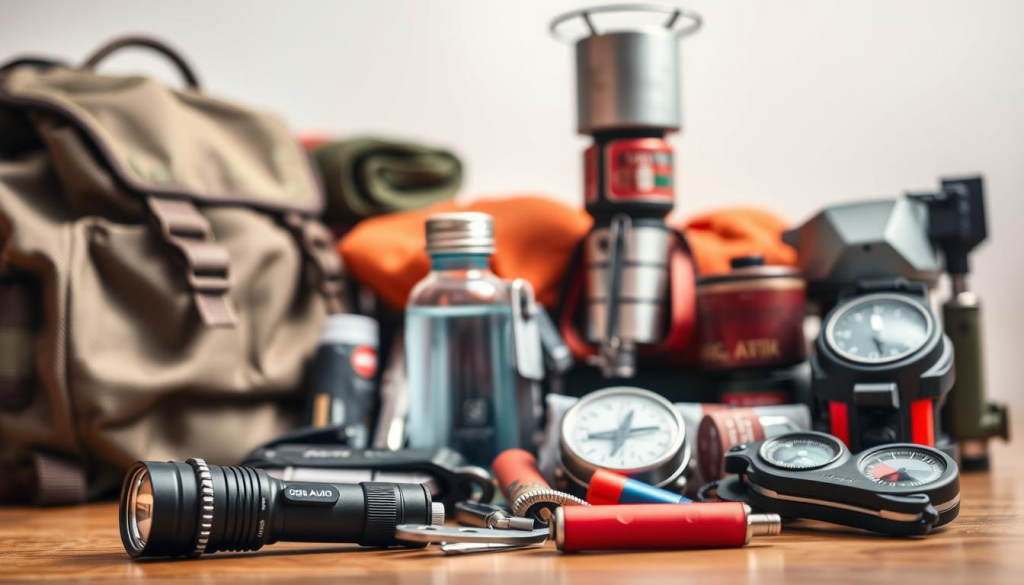
The first step in assembling your bug out bag is selecting the right backpack. The bag itself has to hold all the essential gear and any other survival gear you want to carry. Look for a backpack that is durable, comfortable, and has multiple compartments for organization. A good bug out bag should be able to withstand various weather conditions and rough handling.
Shelter Options
Shelter is a critical component of your bug out bag. It provides protection from the elements and can be a lifesaver in extreme weather conditions. Consider including a lightweight tent, a tarp, or a space blanket. These options are compact, easy to carry, and can provide the necessary shelter in a survival situation.
Cooking Tools
Cooking tools are among the top bug out bag essentials. They enable you to prepare meals, purify water, and even provide a means of signaling for help. A portable stove, a cooking pot, and a water filter or purification tablets are valuable additions to your bug out bag. These tools should be lightweight, durable, and easy to use.
In conclusion, the key to a well-prepared bug out bag lies in the selection of the right gear. By focusing on a sturdy backpack, appropriate shelter options, and reliable cooking tools, you can ensure that you are ready to face unexpected situations.
Food and Water Supplies
The importance of food and water supplies in a bug out bag cannot be overstated, as they are vital for survival. In an emergency, having the right provisions can make a significant difference in your ability to withstand challenging conditions.
Non-Perishable Food Choices
When selecting food for your bug out bag, it’s essential to choose items that are not only nutritious but also have a long shelf life. Consider including:
- Energy bars
- Canned goods (vegetables, fruits, meats)
- Dried fruits and nuts
- MREs (Meals Ready to Eat)
- Whole grain crackers
These items are compact, provide a good source of energy, and can be easily prepared or consumed on the go.
Water Filtration Systems
Access to clean drinking water is crucial. Including a water filtration system in your bug out bag can ensure you have a reliable source of safe drinking water. Options include:
- Portable water filters
- Water purification tablets
- UV water purification devices
These tools can significantly reduce the risk of waterborne illnesses, making them indispensable in a survival situation.
Hydration Strategies
Staying hydrated is as important as having food. It’s recommended to store at least one liter of water per person per day for drinking, cooking, and hygiene. Additionally, consider the following hydration strategies:
| Hydration Method | Description | Benefits |
|---|---|---|
| Water Bottles | Collapsible or rigid bottles for storing water | Easy to carry, durable |
| Hydration Bladders | Flexible bladders that can be carried in a backpack | Convenient, large capacity |
| Water Purification | Methods to purify water from any source | Safely drink from any water source |
By combining non-perishable food, a water filtration system, and effective hydration strategies, you can ensure that your bug out bag is equipped to sustain you through a crisis.
Clothing and Footwear Considerations
A well-prepared bug out bag includes a thoughtful selection of clothing and footwear to handle various environmental conditions. The right attire not only provides comfort but also protects against the elements, making it a crucial aspect of your survival kit.
Weather-Appropriate Clothing
Choosing the right clothing for your bug out bag involves considering the potential weather conditions you might face. Moisture-wicking fabrics are ideal as they help keep you dry and comfortable. Including a mix of lightweight and insulating layers can help you adapt to different temperatures.
For cold weather, consider including thermal base layers, insulated jackets, and warm hats. In contrast, hot weather necessitates lightweight, breathable clothing that allows for good airflow and moisture evaporation. Don’t forget to pack waterproof gear to protect against rain or snow.
Durable Footwear
Footwear is another critical component of your bug out bag. Sturdy, waterproof boots or shoes with good ankle support are essential for navigating challenging terrains. Consider the terrain you might encounter and choose footwear accordingly. For instance, if you expect to be in wet conditions, waterproof boots are a must.
It’s also wise to include a pair of comfortable walking shoes or sandals for rest periods or warmer conditions. Ensuring your footwear is durable and comfortable can prevent injuries and enhance mobility during an evacuation.
Layering Techniques
Layering your clothing is a versatile strategy for adapting to different temperatures and conditions. The principle involves wearing multiple layers that can be added or removed as needed. This technique helps regulate body temperature, keeping you warm in cold conditions and cool in hot conditions.
The key to effective layering is to start with a moisture-wicking base layer, add an insulating mid-layer, and finish with a waterproof outer layer. This system allows for flexibility and comfort across a range of environments.
A simple layering system could include:
- Base layer: Thermal top and leggings
- Mid-layer: Fleece jacket or sweater
- Outer layer: Waterproof and windproof jacket
| Layer | Purpose | Example Items |
|---|---|---|
| Base Layer | Moisture-wicking, temperature regulation | Thermal tops and leggings |
| Mid-Layer | Insulation, warmth | Fleece jackets, sweaters |
| Outer Layer | Protection from elements, waterproofing | Waterproof jackets, windbreakers |
By carefully selecting your clothing and footwear and employing effective layering techniques, you can significantly enhance your comfort and survival chances with your bug out bag.
First Aid and Health Supplies
In any emergency situation, having the right first aid and health supplies can be a lifesaver. A well-prepared bug out bag should include a comprehensive first aid kit, personal medications, and essential hygiene items to ensure you’re equipped to handle medical emergencies.
Basic First Aid Kit Components
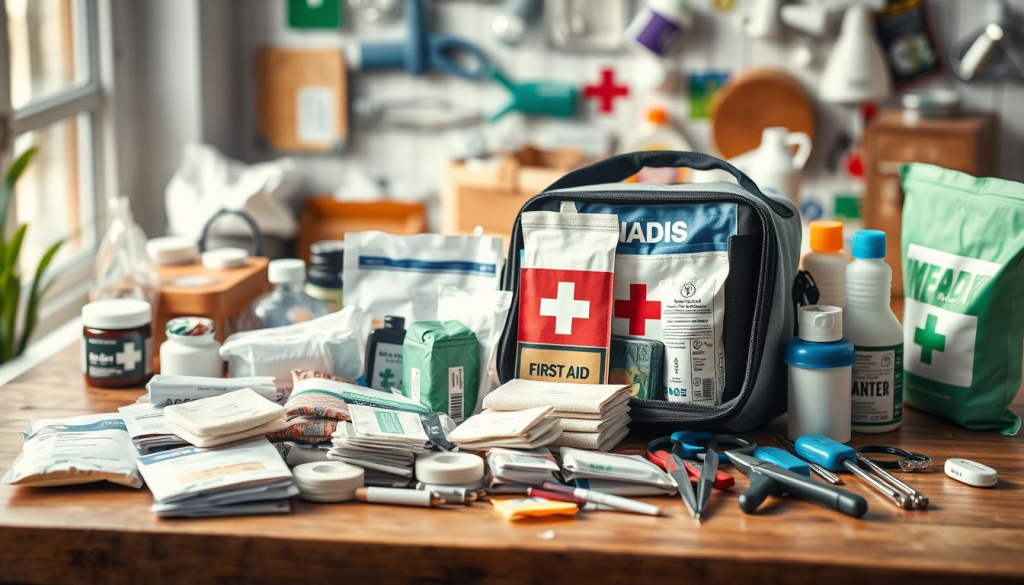
A basic first aid kit should include a variety of supplies to treat common injuries. These must-have items include bandages, antiseptic wipes, pain relievers, and any other essentials for wound care and pain management.
- Bandages and band-aids in various sizes
- Antiseptic wipes and ointments
- Pain relievers such as acetaminophen or ibuprofen
- Prescription medications and personal medical items
Personal Medications
It’s crucial to include any personal medications in your bug out bag. This includes prescription medications, as well as over-the-counter medications that may be necessary for your health. Always check expiration dates and replace medications as needed.
“Having the necessary medications and medical supplies can significantly improve your chances of survival in a disaster scenario.”
Hygiene Items
Maintaining personal hygiene is important for health and morale. Include hygiene items such as hand sanitizer, toilet paper, and biodegradable soap in your bug out bag. These items will help prevent the spread of illness and maintain a level of personal dignity.
- Hand sanitizer
- Toilet paper
- Biodegradable soap
- Moist towelettes or baby wipes
By including these necessary bug out gear items, you’ll be better prepared to face emergencies and ensure your health and well-being.
Navigation Tools
Navigation tools are a critical component of any bug out bag, enabling you to find your way during emergencies. Having the right tools can mean the difference between getting lost and finding your way to safety.
Maps and Compass
A map and compass are fundamental navigation tools that do not require batteries. A detailed topographic map can help identify terrain features, while a reliable compass provides direction. When choosing a compass, look for one with a clear base plate and adjustable declination for accurate readings.
- Ensure your map covers the area you plan to be in.
- Choose a compass that is durable and has a built-in sighting mirror for precise bearings.
GPS Devices
GPS devices offer precise location information and can be invaluable in a survival situation. Consider a handheld GPS device that is waterproof and has a long battery life. Some GPS devices also offer additional features like altimeters and compasses.
- Bring extra batteries for your GPS device.
- Understand how to use the device’s various functions.
Emergency Signaling Tools
In addition to navigation, signaling for help is crucial. Include signaling mirrors, flares, or whistles in your bug out bag. These tools can help you signal your location to potential rescuers.

- A signaling mirror can reflect sunlight towards any aircraft or potential rescuers during the day.
- Flares are effective for signaling over long distances but ensure you follow local regulations.
Tools and Multi-Use Items
In a survival situation, having the right tools and multi-use items in your bug out bag can make all the difference. These are not just any items but essential bug out bag supplies that can help you perform a variety of tasks, from cutting and opening to fixing and signaling.
Knives and Cutting Tools
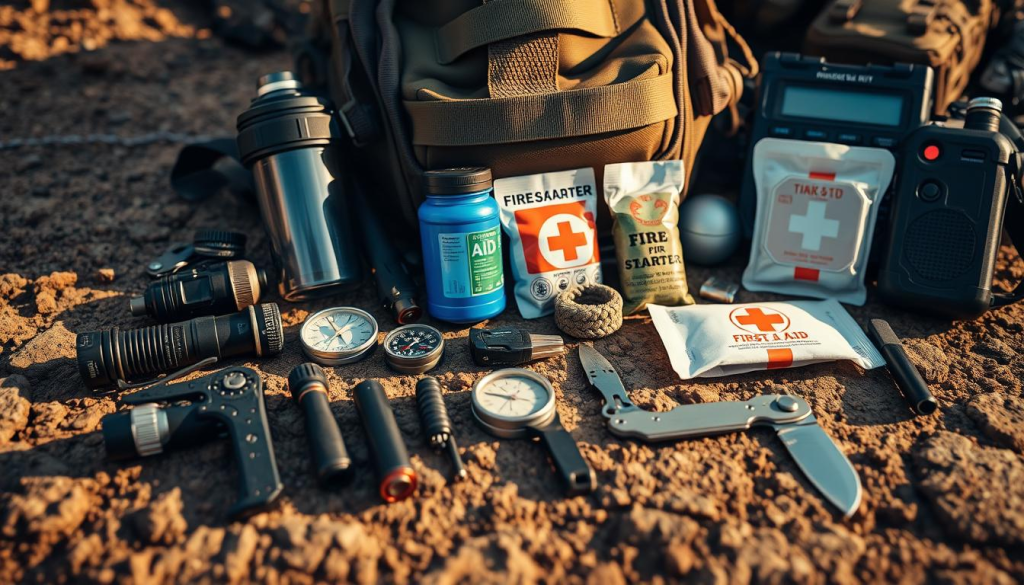
A good knife is one of the most versatile tools you can have. When selecting a knife for your bug out bag, consider a durable, multi-purpose option like a fixed-blade knife or a high-quality multi-tool. These can be used for a variety of tasks, from cutting branches to opening cans.
Fire Starting Equipment
Fire can provide warmth, light, and a way to cook food. Including fire starting equipment like waterproof matches, lighters, or ferrocerium rods in your bug out bag is crucial. These tools can help you start a fire even in challenging conditions.
Versatile Gadgets
Multi-tools and gadgets like duct tape, rope, and paracord can be incredibly useful. A multi-tool is particularly valuable as it combines several functions into one device, making it a space-saving addition to your bug out bag.
| Tool | Primary Use | Secondary Uses |
|---|---|---|
| Fixed-Blade Knife | Cutting | Hunting, self-defense |
| Ferrocerium Rod | Fire Starting | Signaling |
| Multi-Tool | Various Tasks | Repair, cutting, opening |
Including a mix of these tools and multi-use items in your bug out bag will enhance your preparedness for a wide range of situations. Remember, the key to a successful bug out bag is not just the items you include, but also their quality and versatility.
Communication Devices
Communication devices play a pivotal role in survival scenarios, serving as a lifeline to call for help or stay informed. In the context of a bug out bag, having the right communication tools can significantly enhance your chances of staying safe and connected during emergencies.
Importance of Communication
Effective communication is key in any crisis situation. It allows individuals to call for help, receive critical updates, and coordinate with family members or team members. In a disaster scenario, communication can be the difference between life and death.
Reliable communication enables you to stay informed about the situation, understand the severity of the crisis, and make informed decisions about your next steps. It’s not just about having a phone; it’s about having a robust communication plan that includes multiple devices and methods.
Recommended Communication Tools
When it comes to communication devices for your bug out bag, several options are worth considering:
- Two-way radios: These are invaluable for real-time communication with family or team members. Brands like Motorola and Baofeng offer reliable options.
- Satellite phones: In areas without cellular coverage, satellite phones can be lifesavers. Companies like Garmin and Iridium provide robust satellite phone services.
- Cell phone with solar charger: A cell phone can be useful, but ensure you have a means to keep it charged, such as a solar charger.
| Device | Use Case | Battery Life |
|---|---|---|
| Two-way Radio | Real-time communication with team | Up to 24 hours |
| Satellite Phone | Communication in areas without cell coverage | Varies by model, up to several days |
| Cell Phone with Solar Charger | General communication, emergency calls | Dependent on solar charging |
Battery and Charging Solutions
A critical aspect of maintaining your communication devices is ensuring you have adequate power sources. This includes:
- Batteries: Spare batteries for your devices, stored in a waterproof container.
- Solar chargers: Useful for keeping devices charged during the day.
- Portable power banks: High-capacity power banks can charge your devices multiple times.
By including a mix of these communication devices and power solutions in your bug out bag, you can significantly enhance your ability to stay connected and safe during emergencies.
Safety and Security Measures
Safety and security are paramount when preparing a Bug Out Bag, ensuring you’re equipped to handle unexpected situations. When disaster strikes, having the right gear can make all the difference between safety and peril.
Self-Defense Items
Self-defense is a critical aspect of personal safety during emergencies. Including self-defense items in your Bug Out Bag can help protect you from potential threats. Consider adding a reliable pepper spray or a personal alarm to deter attackers. For those comfortable with firearms, a compact pistol or revolver, along with extra ammunition, can be a viable option. However, it’s crucial to be properly trained in the use of such weapons.
Light Sources and Signal Devices
Light sources and signal devices are essential bug out bag items that can help you navigate and signal for help in low-light conditions. A durable flashlight or headlamp is indispensable, providing hands-free lighting when needed. Additionally, consider including extra batteries and a backup light source, such as glow sticks or a candle lantern. Signal devices like flares or a mirror can also be used to alert potential rescuers to your location.
Emergency Whistles
An emergency whistle is a simple yet effective tool for signaling distress. The loud, high-pitched sound can be heard from a distance, making it easier for rescuers to locate you. When choosing an emergency whistle, look for one that is pea-less and designed to withstand harsh weather conditions. Attaching the whistle to your Bug Out Bag or wearing it around your neck ensures it’s always readily available.
By incorporating these must-have items for bug out bags, you can significantly enhance your safety and security during emergency situations.
Bug Out Bag Maintenance
To stay prepared, it’s essential to regularly check and update your bug out bag. A well-maintained bug out bag is crucial for survival in unexpected situations. As emphasized by survival experts, “A bug out bag is only as good as its maintenance.”
Regular Inventory Checks
Regular inventory checks are vital to ensure that your bug out bag remains relevant and effective. This involves checking the condition and expiration dates of supplies, such as food, water, and medications. It’s also important to test equipment like flashlights, radios, and first aid kits to ensure they are functioning properly.
Key items to check during inventory:
- Food and water supplies
- First aid kit and medications
- Batteries and electronic devices
- Shelter and warmth provisions
Seasonal Adjustments
Seasonal adjustments are necessary to tailor your bug out bag to the current season. For example, in colder months, you may need to include additional warmth provisions like blankets or hand warmers. In contrast, during warmer months, it’s essential to have adequate sun protection, such as sunscreen and a hat.
“Preparation is the key to survival. Adjusting your bug out bag according to the season can significantly enhance your chances of survival.”
Updating Supplies
Updating supplies is an ongoing process that involves replacing expired or used items. It’s crucial to keep track of expiration dates for food, water purification tablets, and medications. Additionally, as your personal needs change, you may need to update your bug out bag to include new or different supplies.
Tips for updating supplies:
- Rotate food and water supplies every 6 months
- Check and update medications as needed
- Test and replace batteries regularly
Personalization of Your Bug Out Bag
A Bug Out Bag that’s tailored to your specific needs can be a lifesaver in a crisis. Creating your Bug Out Bag is a personal process that varies based on where you live, your experience, and potential disasters.
Tailoring to Your Needs
When assembling your Bug Out Bag, it’s essential to consider your personal requirements. This includes understanding the types of emergencies you might face and the environment you’ll be in. For instance, if you live in an area prone to earthquakes, your bag should include supplies that can help you navigate through debris.
Key considerations:
- Climate and geography of your area
- Potential natural disasters
- Personal health and medical needs
Family Considerations
If you have a family, your Bug Out Bag needs to cater to each member’s needs. This includes children, elderly, and individuals with special needs. Ensure you have the necessary supplies for each family member, such as diapers, medications, and comfort items.
| Family Member | Special Considerations | Supplies to Include |
|---|---|---|
| Infants | Diapers, formula, baby food | Diapers, formula, baby wipes |
| Elderly | Medications, mobility aids | Medications, walking stick, comfortable shoes |
| Individuals with Special Needs | Specific medical needs, comfort items | Medications, comfort items, communication devices |
Pet Supplies
Don’t forget your pets when preparing your Bug Out Bag. Include essential supplies such as food, water, and any necessary medication for your pets. A portable pet bed or blanket can also be a good addition for comfort.
Pet Bug Out Bag essentials:
- Pet food and water
- Pet bowls
- Leash or carrier
- Pet medication
By personalizing your Bug Out Bag to include the best bug out bag essentials for you, your family, and your pets, you’ll be better prepared to face any emergency situation. Remember, the key to an effective Bug Out Bag is in its customization and regular updates.
Conclusion: Be Prepared for the Unexpected
Having a well-stocked bug out bag is crucial in emergency situations. Our comprehensive guide has outlined the essential bug out bag supplies and bug out bag necessities to help you prepare for the unexpected.
Key Takeaways
To recap, the must-haves for your bug out bag include a reliable backpack, shelter options, cooking tools, non-perishable food, water filtration systems, and first aid supplies. Don’t forget to consider clothing and footwear suitable for various weather conditions.
Putting Your Plan into Action
Now that you’re equipped with the knowledge of what to include in your bug out bag, it’s time to take action. Start by gathering the essential bug out bag supplies and organizing them in a way that makes sense for your needs.
We hope that our bug out bag list builder and gear recommendations help you get prepared. Begin your bug out bag journey today and stay safe in the face of uncertainty.