
In emergency situations, having a well-prepared emergency survival kit can be a lifesaver. A bug out bag is a portable collection of essential items that can help you survive for a short period.
A bug out bag is designed to be easily carried, allowing you to evacuate quickly in case of a natural disaster or other crises. Its primary function is to provide the basic necessities for survival, such as food, water, and first aid supplies.
Having a bug out bag checklist ensures that you are prepared for any situation. It is crucial to regularly review and update your emergency supplies to guarantee they remain relevant and effective.
Key Takeaways
- Understand the importance of having a bug out bag.
- Learn what essentials to include in your emergency kit.
- Discover how to customize your bug out bag for different scenarios.
- Find out how to maintain and update your emergency supplies.
- Recognize the benefits of having a well-prepared emergency survival kit.
What is a Bug Out Bag?
In the realm of disaster preparedness, a bug out bag stands out as a vital tool, designed to help individuals quickly respond to emergencies. A bug out bag, also known as a 72-hour kit, is a portable collection of essential items that can sustain a person for at least three days in the event of a disaster or emergency.
Definition and Purpose
A bug out bag is meant to be deployed quickly, at a moment’s notice, making it essential to have it prepared ahead of time and stored in easily accessible locations. The primary purpose of a bug out bag is to provide individuals with the necessary bug out essentials to survive and potentially evacuate from dangerous situations.
The contents of a bug out bag are carefully selected to address basic needs such as food, water, first aid, shelter, and communication, thereby serving as a comprehensive disaster preparedness kit.
Importance in Emergency Situations
In emergency situations, having a bug out bag ready can be the difference between safety and peril. It allows individuals to respond promptly and effectively, minimizing the risk of injury or harm. The importance of a bug out bag lies in its ability to provide critical supplies during the initial stages of an emergency, when access to resources may be limited.
| Essential Items | Purpose |
|---|---|
| Water and Food | Sustain life for at least 72 hours |
| First Aid Kit | Provide medical care for injuries |
| Communication Devices | Enable calling for help and staying informed |
By understanding the role and significance of a bug out bag, individuals can better prepare themselves for unexpected emergencies, ensuring their safety and the safety of their loved ones.
Essential Items for Your Bug Out Bag
In the event of a disaster, having a bug out bag stocked with the essentials can make all the difference. A well-prepared bug out bag serves as a critical component of your emergency kit checklist, ensuring you’re equipped to handle various survival situations.
Food and Water Supplies
When it comes to survival gear list, food and water supplies are paramount. It’s recommended to store at least three days’ worth of non-perishable food and one gallon of water per person per day. Consider including:
- Energy bars
- Canned goods
- Dried fruits and nuts
- Water purification tablets or filter
For a more detailed understanding, let’s examine a sample food and water supply plan in the following table:
| Supply | Quantity | Duration |
|---|---|---|
| Water | 1 gallon per person | 3 days |
| Non-perishable food | 3-day supply | 3 days |
First Aid Kit Essentials
A first aid kit is a crucial component of any emergency kit checklist. The basic components should cover trauma control, essential first aid, and medication. Include items such as:
- Bandages and band-aids
- Antiseptic wipes
- Pain relievers
- Prescription medications
Here’s a breakdown of a basic first aid kit:
| Category | Items |
|---|---|
| Trauma Control | Bandages, tourniquet |
| Essential First Aid | Antiseptic wipes, pain relievers |
| Medication | Prescription medications, antihistamines |
Tools and Gear
Having the right tools and gear is vital for survival. Consider including a multi-tool, flashlight, extra batteries, and a fire starter in your survival gear list.
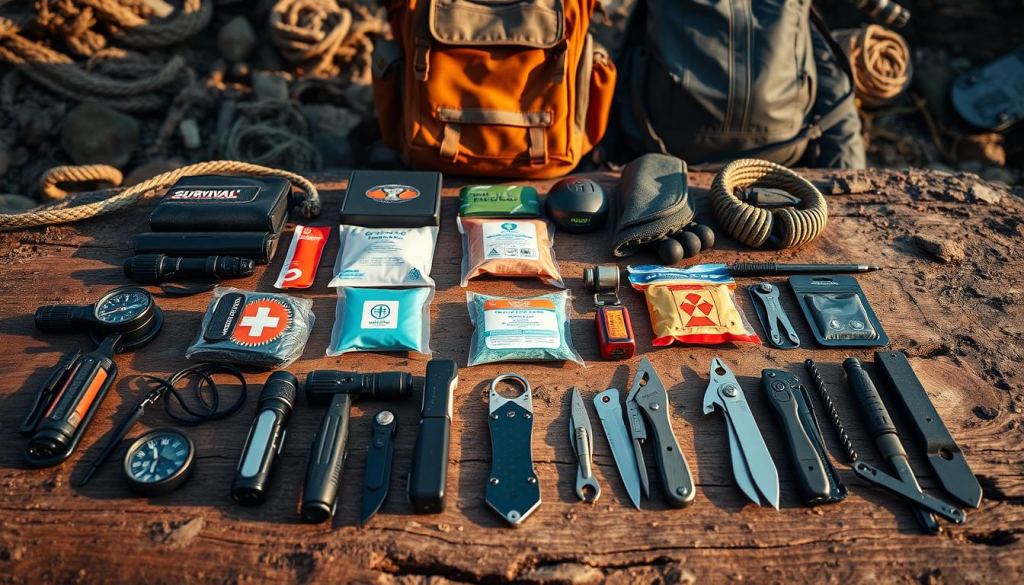
These items can help you navigate, build shelter, and start a fire, significantly improving your chances of survival in an emergency situation.
Personal Safety and Protection Gear
A well-prepared bug out bag includes essential items for personal safety. In emergency situations, the right gear can make all the difference between safety and vulnerability. It’s crucial to consider the types of emergencies you might face and pack accordingly.
Clothing and Footwear Considerations
Clothing and footwear are critical components of a bug out bag, providing protection and comfort during emergency situations. Durable, versatile clothing that can withstand various weather conditions is essential. Consider packing clothing that can be layered for different temperatures.
Footwear should be sturdy and comfortable, suitable for long walks or hikes. “The right shoes can be the difference between reaching safety and being sidelined by discomfort or injury,” as emphasized by outdoor safety experts.
Self-Defense Options
In addition to clothing, self-defense options are a vital part of personal safety gear. This can include items like pepper spray, a personal alarm, or even a firearm for those trained in its use. It’s essential to choose self-defense tools that you are comfortable and proficient with.
As
“A well-prepared individual is one who is equipped to handle unexpected situations with confidence and poise.”
Self-defense is not just about the tools you carry, but also about being aware of your surroundings and knowing how to react in emergency situations.
- Consider the legality of self-defense tools in your area.
- Practice using your chosen self-defense tools.
- Keep your self-defense tools easily accessible.
Shelter and Sleeping Needs
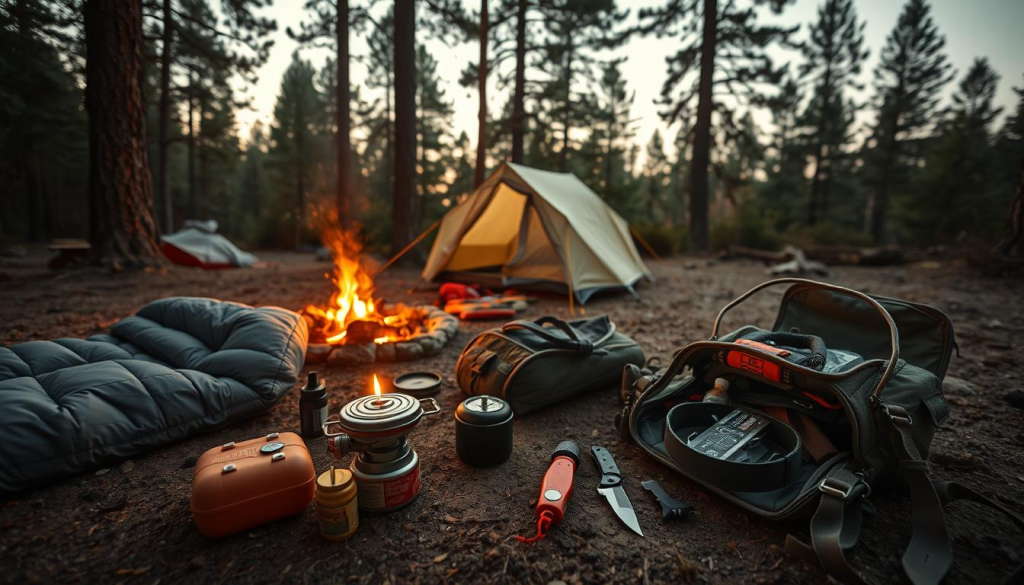
Shelter and sleeping needs are crucial components of a bug out bag, providing protection and comfort in crisis situations. When preparing your bug out bag, it’s essential to consider the elements you’ll face and how to mitigate their impact.
Tent or Tarp Considerations
Choosing between a tent and a tarp depends on several factors, including the environment you’re likely to encounter and your personal preferences. A tent provides enclosed protection from the elements, while a tarp offers versatility and can be used in various configurations.
- Consider the weight and packed size of your shelter option.
- Think about the ease of setup and takedown.
- Evaluate the durability and water resistance of the material.
Sleeping Bags and Blankets
A good sleeping bag or blanket can be the difference between a restful night and a sleepless one. When selecting sleeping gear, consider the climate you’re likely to be in.
- For colder climates, a sleeping bag with a lower comfort temperature rating is essential.
- In warmer conditions, a lightweight blanket or sheet can suffice.
- Consider the insulation type (synthetic vs. down) and its performance when wet.
By carefully selecting your shelter and sleeping needs, you can ensure a more comfortable and safe experience during emergencies, making your bug out bag a true survival gear list standout.
Communication Devices and Navigation
Effective communication and navigation are crucial elements of a well-prepared bug out bag. In the face of a disaster, being able to stay in touch with family members and navigate through unfamiliar terrain can significantly enhance survival chances.
Importance of a Map and Compass
A map and compass are fundamental navigation tools that do not rely on batteries or cellular networks. A detailed topographic map can help identify safe routes, water sources, and potential shelter locations. When used together with a compass, individuals can accurately determine their direction and navigate through challenging environments.
“A good map is your best friend in the wilderness,” emphasizes the importance of having a reliable means of navigation. In a disaster scenario, electronic devices may fail, but a map and compass will continue to function.
Recommended Communication Tools
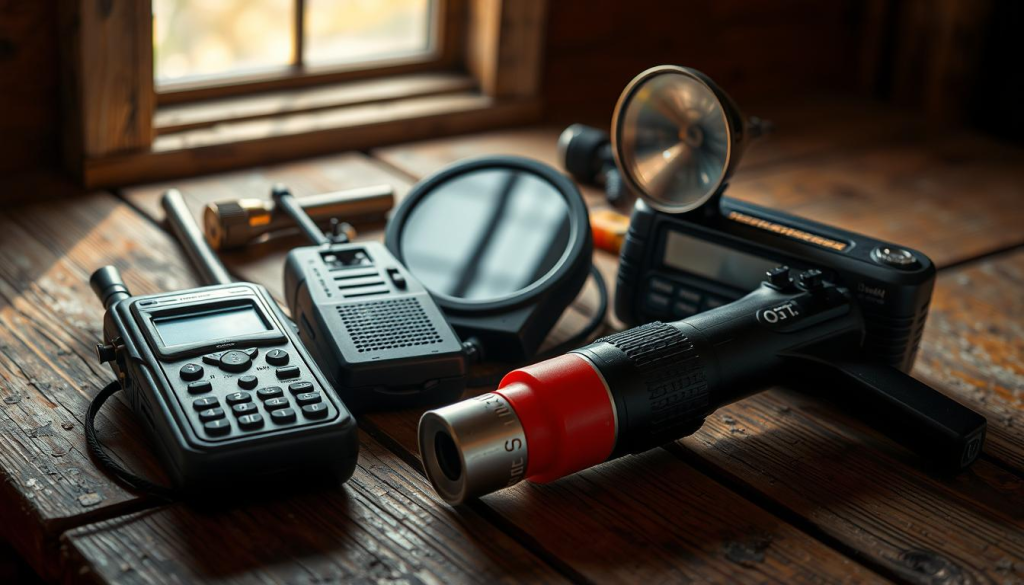
For communication, a two-way radio or a satellite phone can be invaluable. Two-way radios allow for real-time communication between family members or group members, while satellite phones can be used to call for help or communicate with emergency services even when cellular networks are down.
- Two-way radios for local communication
- Satellite phones for long-distance or emergency calls
- Whistle to signal for help if needed
It’s also wise to include a backup power source, such as solar chargers or extra batteries, to keep your communication devices operational.
Health and Hygiene Supplies
A bug out bag equipped with the right health and hygiene supplies can significantly improve your chances of survival during a crisis. In emergency situations, it’s crucial to maintain personal health and hygiene to prevent the spread of diseases and infections.
Personal Hygiene Items
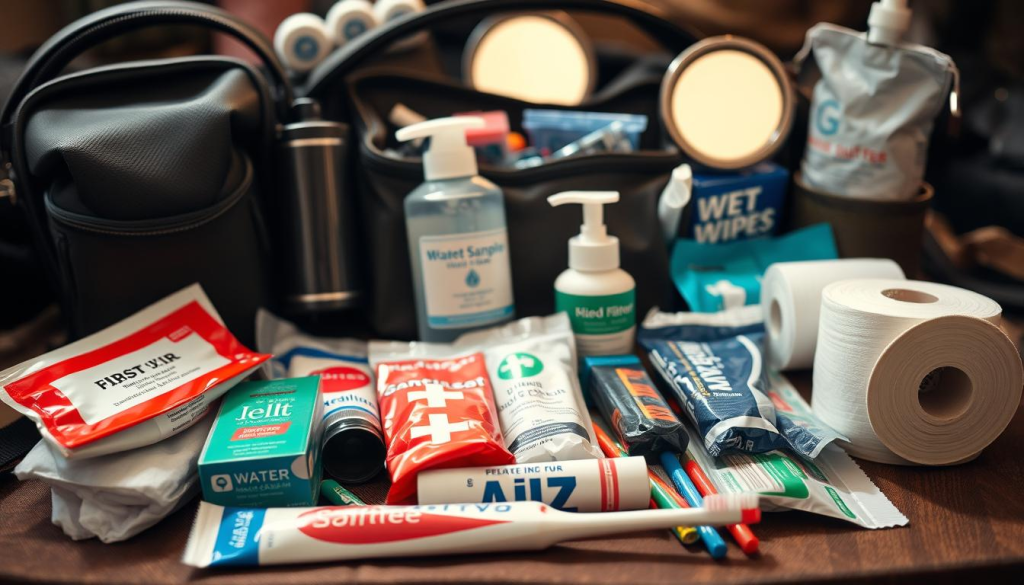
Personal hygiene items are essential for maintaining cleanliness and preventing the spread of diseases. Some of the key items to include in your bug out bag are:
- Toothbrush and toothpaste: Maintaining oral hygiene is vital for overall health.
- Biodegradable soap: Useful for washing hands and body.
- Toilet paper: A basic necessity that should not be overlooked.
- Moist towelettes or baby wipes: Handy for cleaning when water is scarce.
- Feminine hygiene products (if applicable): Essential for women’s health.
Medicine and Prescriptions
In addition to personal hygiene items, it’s vital to include any necessary medications and prescriptions in your bug out bag. Consider the following:
- Prescription medications: Ensure you have an adequate supply of any prescription medications you or your family members may need.
- Over-the-counter medications: Include pain relievers, antihistamines, and any other medications that could be useful in an emergency.
- First aid kit: A well-stocked first aid kit should include bandages, antiseptic wipes, and any other essentials for treating minor injuries.
By including these health and hygiene supplies in your bug out bag, you can ensure that you are better prepared to handle emergency situations and maintain your overall health and well-being.
Bug Out Bag Organization Tips
Organizing your bug out bag is crucial for ensuring you can quickly access the items you need during an emergency. A well-organized bag not only saves time but also reduces stress, allowing you to focus on survival.
Packing Techniques for Efficiency
To pack your bug out bag efficiently, consider using packing cubes or compression bags. These tools help in compressing clothing and gear, making it easier to fit more items into your bag. Additionally, they keep your gear organized and easy to find.
Another technique is to pack your gear in categories. For example, keep all your first aid supplies in one place, and your communication devices in another. This categorization makes it easier to locate items when needed.
How to Prioritize Your Items
Prioritizing items in your bug out bag is essential for ensuring that you have the most critical supplies readily available. Start by identifying the most essential items for survival, such as water, food, and a first aid kit.
Next, consider the specific needs based on your environment and the potential emergencies you might face. For instance, if you’re in an area prone to cold weather, warm clothing and a sleeping bag should be high on your list.
| Item Category | Priority Level | Notes |
|---|---|---|
| Water and Food | High | Essential for survival |
| First Aid Kit | High | For treating injuries |
| Communication Devices | Medium | For staying in touch with family and emergency services |
| Tools and Gear | Medium | For various tasks and repairs |
| Clothing and Footwear | Low/Medium | Depends on the climate and terrain |
By following these packing techniques and prioritization strategies, you can create an emergency kit checklist that is both comprehensive and efficient. Remember, the key to a successful bug out bag is not just what’s inside, but how it’s organized.
Tailoring Your Bug Out Bag to Your Needs
In emergency situations, having a bug out bag that caters to the needs of your family, including pets, can be a lifesaver. A well-prepared bug out bag is not just about throwing some essentials into a bag; it’s about tailoring it to meet the specific needs of you and your loved ones.
Family Considerations
When preparing a bug out bag, it’s crucial to consider the needs of every family member. This includes infants, elderly, and individuals with special needs. For infants, you might need to include diapers, formula, and baby food. For the elderly or individuals with special needs, specific medications and equipment might be necessary.
Here’s a checklist for family considerations:
- Infant supplies (diapers, formula, baby food)
- Medications for chronic conditions
- Special equipment (wheelchairs, walkers, etc.)
- Comfort items (favorite toys, blankets, etc.)
| Family Member | Special Needs | Essential Items |
|---|---|---|
| Infants | Diapers, Formula | Baby food, Baby wipes |
| Elderly | Medications, Mobility aids | Comfort medications, Reading glasses |
| Special Needs | Specific medications, Equipment | Emergency communication devices |
Pet Supplies Essentials
Pets are part of the family, and their needs should not be overlooked. Essential pet supplies include food, water, bowls, and any necessary medication. It’s also a good idea to include a pet carrier or crate, and some comfort items like a favorite toy or blanket.
Here’s a checklist for pet supplies:
- Pet food and water
- Pet bowls and a water bottle
- Pet carrier or crate
- Pet medications and vaccination records
- Comfort items (favorite toys, blankets, etc.)
By tailoring your bug out bag to include these family and pet considerations, you can ensure that everyone stays safe and relatively comfortable during an emergency.
Maintaining Your Bug Out Bag
Regular maintenance of your bug out bag is essential to guarantee that your emergency supplies are up-to-date and functional. A well-maintained bug out bag can be a critical component of your disaster preparedness kit, ensuring you’re always ready to face unexpected situations.
Regular Checks and Updates
It’s crucial to regularly inspect your bug out bag to ensure that all items are still usable and not expired. This includes checking the condition of clothing, the expiration dates of food and medical supplies, and the functionality of tools and communication devices. By doing so, you can identify any gaps in your emergency supplies checklist and make necessary adjustments.
Regular updates also involve checking the battery life of devices, the integrity of packaging, and the overall condition of the bag itself. It’s recommended to perform these checks at least twice a year, or more frequently if you’ve used the bag or if there have been significant changes in your personal circumstances.
Seasonal Adjustments
Seasonal adjustments are vital to ensure that your bug out bag remains relevant to the current season. For example, during winter, you may need to include warmer clothing, a snow shovel, and possibly a portable heater. In contrast, summer might require additional sun protection, hydration supplies, and a means to cool down, such as a portable fan.
To help you stay organized, consider creating a table like the one below to track your bug out bag’s maintenance and seasonal adjustments:
| Item | Last Checked | Condition | Seasonal Relevance |
|---|---|---|---|
| Water Bottles | January 2023 | Good | Year-round |
| First Aid Kit | June 2023 | Good | Year-round |
| Warm Clothing | December 2022 | Fair | Winter |
| Sun Protection | May 2023 | Good | Summer |
By maintaining your bug out bag and making seasonal adjustments, you can ensure that you’re always prepared for emergencies, regardless of the time of year. This proactive approach is a key part of being prepared and having a reliable disaster preparedness kit.
Planning Your Evacuation Strategy
Having a well-prepared bug out bag is crucial, but it’s equally important to have a solid evacuation strategy in place. This includes identifying safe routes and destinations, as well as having a list of emergency contacts and resources.
Identifying Safe Routes and Destinations
When planning your evacuation route, consider the terrain, potential hazards, and the most likely routes to be taken by emergency responders. Having a map and compass as part of your bug out essentials can be invaluable in navigating these routes.
Emergency Contacts and Resources
Make sure to include a list of emergency contacts, such as family members, friends, and local emergency services, in your emergency kit checklist. Having this information readily available can help you stay connected and get the help you need in a timely manner.
By combining a well-stocked bug out bag with a comprehensive evacuation strategy, you can ensure that you’re prepared for any situation that may arise.