
Understanding the ideal weight for a bug out bag is crucial for effective emergency preparedness. The weight of the bag significantly impacts an individual’s ability to move quickly and safely during a crisis.
A general guideline is to keep the bag’s weight at 20-25% of the individual’s body weight. This balance ensures that the bag is not too heavy, causing fatigue, nor too light, lacking necessary supplies.
Finding the right balance is key to a successful evacuation.
Key Takeaways
- A bug out bag’s weight should be 20-25% of the individual’s body weight.
- A bag that is too heavy can lead to fatigue.
- A bag that is too light may not provide necessary supplies.
- The ideal weight ensures a balance between mobility and preparedness.
- Understanding the ideal weight is crucial for effective emergency preparedness.
Understanding Bug Out Bags and Their Purpose
A bug out bag is a crucial component of any emergency preparedness plan. It is designed to be a portable collection of essential items that can help an individual or family survive for at least 72 hours in the event of a disaster or emergency.
The concept of a bug out bag is centered around the idea of being prepared for the unexpected. It’s not just about having the right items, but also about having them easily accessible and being able to carry them efficiently. This is where understanding the ideal weight for your bug out bag becomes important, as it directly impacts your ability to move quickly and safely.
What is a Bug Out Bag?
A bug out bag, also known as a 72-hour kit, is a pre-packed bag that contains essential items such as food, water, first aid supplies, and communication tools. The specific contents can vary based on individual needs, the type of potential emergencies, and the environment in which one lives.
The key to a effective bug out bag is customization. It’s about understanding the potential risks and challenges one might face and packing accordingly. For instance, someone living in an area prone to earthquakes might include different items compared to someone in a flood-prone area.
Importance of a Bug Out Bag
The importance of a bug out bag lies in its ability to facilitate a quick and safe evacuation. In the face of a disaster, having a pre-prepared bag can save valuable time and reduce stress, allowing individuals to focus on getting to safety.
Moreover, a well-stocked bug out bag can be a lifeline, providing the necessary tools and supplies to survive until help arrives or until the situation improves. It’s about being prepared for the worst while hoping for the best. When considering the weight of your bug out bag, it’s essential to balance necessity with mobility, ensuring that you’re not only prepared but also able to move efficiently.
Understanding the purpose and importance of a bug out bag is the first step in creating an effective emergency preparedness plan. By knowing what a bug out bag is and why it’s crucial, individuals can better prepare themselves for emergencies, ultimately contributing to a safer and more resilient community.
Why Weight Matters in Emergency Preparedness
The significance of a bug out bag’s weight cannot be overstated, as it directly affects one’s mobility and energy conservation during emergencies. A well-prepared bug out bag should strike a balance between being comprehensive and being manageable.
In the context of emergency preparedness, the ability to move quickly and efficiently is crucial. A bug out bag that is too heavy can impede this ability, potentially leading to dangerous situations. Therefore, understanding the impact of the bag’s weight on mobility is essential.
Impact on Mobility
A heavy bug out bag can significantly reduce an individual’s mobility, making it challenging to navigate through difficult terrains or escape from danger. The weight of the bag directly correlates with the level of fatigue experienced by the individual carrying it.
| Weight Range (lbs) | Mobility Impact | Energy Conservation |
|---|---|---|
| 0-20 | Minimal impact, easy to maneuver | High energy conservation |
| 21-40 | Moderate impact, some difficulty | Moderate energy conservation |
| 41+ | Significant impact, difficult to maneuver | Low energy conservation |
The Importance of Energy Conservation
Energy conservation is a critical aspect of emergency preparedness. A bug out bag that is too heavy not only affects mobility but also drains the individual’s energy reserves more quickly. This can be particularly problematic in scenarios where the individual needs to sustain themselves over an extended period.
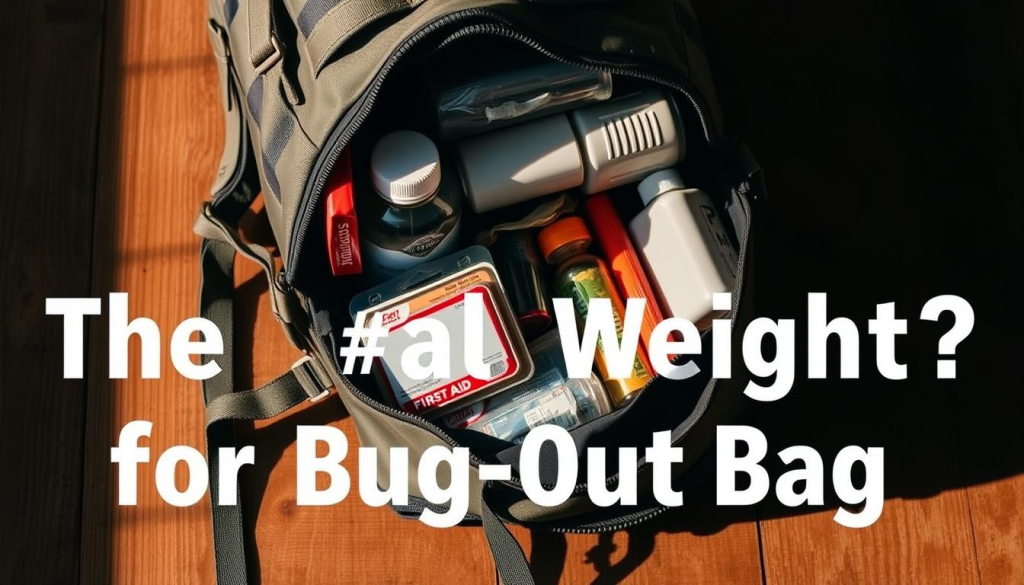
By optimizing the weight of a bug out bag, individuals can enhance their mobility and conserve energy, thereby improving their overall ability to respond to emergencies effectively.
Ideal Weight Range for Your Bug Out Bag
The ideal weight for a bug out bag varies based on individual factors, including body weight and fitness level. General guidelines suggest that a bug out bag should not exceed 20-25% of an individual’s body weight.
For instance, a 160-pound person should aim for a bag that weighs between 32 and 40 pounds. However, this is just a starting point, and personal calculations are necessary to ensure the bag is appropriately weighted.
General Guidelines for Bug Out Bag Weight
When considering the weight of your bug out bag, it’s essential to balance the need for essential items with the importance of mobility. A good rule of thumb is to aim for a bag that is as light as possible while still containing all necessary supplies.
- Assess the duration of the emergency you are preparing for.
- Consider the climate and terrain you will be navigating.
- Evaluate the weight and necessity of each item.
Calculating Your Personal Ideal Weight
To calculate your personal ideal bug out bag weight, start by determining your body weight and then calculate 20-25% of that weight. This will give you a baseline for your bag’s weight.
Next, make a list of the essential items you plan to include and their respective weights. You can then adjust your list based on the total weight, prioritizing the most critical items.
| Body Weight (lbs) | Ideal Bug Out Bag Weight (lbs) |
|---|---|
| 120 | 24-30 |
| 160 | 32-40 |
| 200 | 40-50 |
By following these guidelines and considering your personal needs, you can determine the ideal weight for your bug out bag.
Essential Components of a Bug Out Bag
The effectiveness of a bug out bag hinges on its essential components. A well-prepared bag contains a variety of critical items designed to support survival and comfort during emergencies.
Food and Water Supplies
Food and water are the most basic yet crucial elements of a bug out bag. The goal is to pack supplies that are high in calories, lightweight, and easy to prepare. Consider including:
- Non-perishable food items like energy bars, nuts, and dried fruits.
- Water purification tablets or a portable filter.
- A minimum of three days’ worth of water (at least one gallon per person per day).
It’s also important to consider any dietary restrictions or preferences when selecting food items.
Shelter and Clothing Items
Shelter and clothing are vital for protecting against the elements. Include:
- A lightweight tent or tarp.
- Sleeping bag or blanket.
- Extra clothing suitable for various weather conditions.
- Sturdy boots or shoes.
Layering clothing is key to adapting to different temperatures. Don’t forget to include rain gear and warm hat/gloves for colder climates.
| Shelter Item | Purpose | Considerations |
|---|---|---|
| Lightweight Tent | Provides shelter from elements | Easy to set up, waterproof |
| Sleeping Bag | Keeps warm in cold conditions | Insulation rating, weight, compressed size |
| Tarp | Additional protection from rain and wind | Waterproof, durable, easy to tie down |
First Aid and Safety Gear
First aid and safety gear are critical for responding to medical emergencies and maintaining personal safety. Your bug out bag should include:
- A comprehensive first aid kit.
- Fire starting tools (matches, lighter, firestarters).
- Personal defense items (pepper spray, firearm if legally permitted).
- Multi-tool or pocket knife.
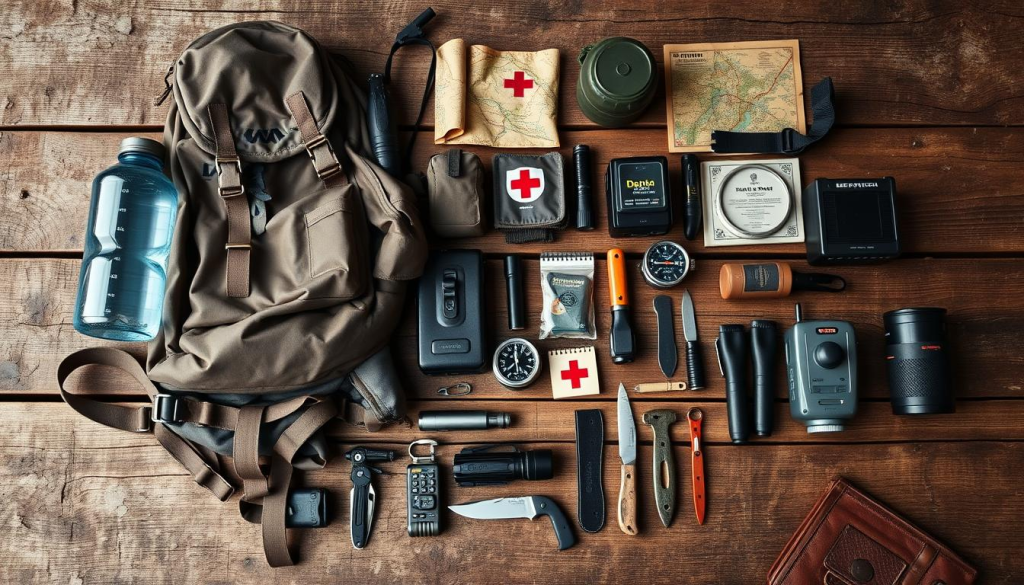
By carefully selecting and packing these essential components, you can ensure your bug out bag is both effective and manageable in terms of weight, aligning with recommendations for bug out bag weight recommendation and considerations for how heavy should bug out bag be.
Tips for Keeping Your Bug Out Bag Lightweight
When it comes to bug out bags, less weight means more mobility. This is crucial in emergency situations where every minute counts. To achieve a lightweight bug out bag, consider the materials and gear you include.
Choosing Lightweight Materials
Selecting the right materials for your bug out bag can significantly reduce its overall weight. For instance, opting for a lightweight tent made from durable yet light materials like nylon or polyester can make a big difference. Lightweight sleeping bags and compact clothing that can be layered for different weather conditions are also essential.
Furthermore, choosing clothing items that can serve multiple purposes, such as water-resistant jackets that can protect against rain and wind, can help minimize the number of items you need to carry.
Multi-Functional Gear Options
Incorporating multi-functional gear into your bug out bag is another effective way to keep it lightweight. Items like a multi-tool or a portable stove that can be used for various tasks reduce the need for single-purpose items, thereby reducing overall weight.
Additionally, consider packing food supplies that are not only nutritious but also lightweight and compact, such as dried fruits, nuts, and energy bars. A water filtration system can also be a valuable addition, allowing you to source water from various locations while minimizing the weight of carrying large quantities of bottled water.
By focusing on lightweight materials and multi-functional gear, you can achieve an ideal bug out bag weight that balances necessity with mobility, ensuring you’re prepared for emergencies without being encumbered by your gear.
Balancing Weight and Necessity
The key to an effective bug out bag lies in striking a balance between the weight of the bag and the necessity of its contents. This balance is crucial for ensuring that the bag is both comprehensive and portable.
The Role of Prioritization
Prioritizing essential items is a critical step in achieving this balance. It involves evaluating each item’s importance and potential use in emergency situations. By focusing on the most critical supplies, individuals can create a bug out bag that is both lightweight and effective.
To prioritize effectively, consider the potential risks and challenges associated with different emergency scenarios. This helps in identifying the most necessary items that should be included in the bug out bag. For instance, water purification tablets and first aid kits are often considered essential due to their critical role in survival and health.
Evaluating Essential Items
Evaluating the essential items for a bug out bag involves assessing their utility, durability, and weight. It’s important to choose items that are not only necessary but also multi-functional and lightweight. For example, a portable water filter can serve multiple purposes, including providing clean drinking water and reducing the need for carrying large quantities of bottled water.
When evaluating items, consider their potential impact in different scenarios. This includes thinking about the environment, potential hazards, and the needs of the individuals relying on the bug out bag. By carefully assessing these factors, individuals can make informed decisions about what to include, thereby achieving a proper bug out bag weight that aligns with bug out bag weight guidelines.
Ultimately, the goal is to create a bug out bag that is prepared for various emergencies without being unnecessarily burdensome. By prioritizing and evaluating essential items, individuals can ensure their bug out bag is both effective and manageable, adhering to recommended bug out bag weight guidelines.
Testing Your Bug Out Bag Weight
Evaluating the weight of your bug out bag is a critical step in emergency preparedness. It ensures that you can effectively carry all necessary items without compromising your mobility or energy levels.
Conducting a Weight Assessment
To start, simply weigh your fully packed bug out bag using a reliable scale. Record the weight and compare it to your ideal weight range, which is typically between 10% to 20% of your body weight.
A bug out bag weight checklist can be helpful in this assessment. It should include all items such as food, water, first aid supplies, shelter, and clothing.
| Item Category | Weight (lbs) | Percentage of Total Weight |
|---|---|---|
| Food and Water | 8 | 30% |
| Shelter and Clothing | 6 | 20% |
| First Aid and Safety | 4 | 15% |
| Miscellaneous | 8 | 35% |
| Total | 26 | 100% |
Practical Testing Scenarios
After assessing the weight, it’s crucial to test your bug out bag in practical scenarios. This involves wearing the bag and walking a considerable distance to simulate real-life conditions.
During this test, pay attention to the bag’s comfort, the distribution of weight, and your overall endurance. Ask yourself: How heavy should my bug out bag be? The answer lies in finding a balance between being prepared and maintaining your mobility.
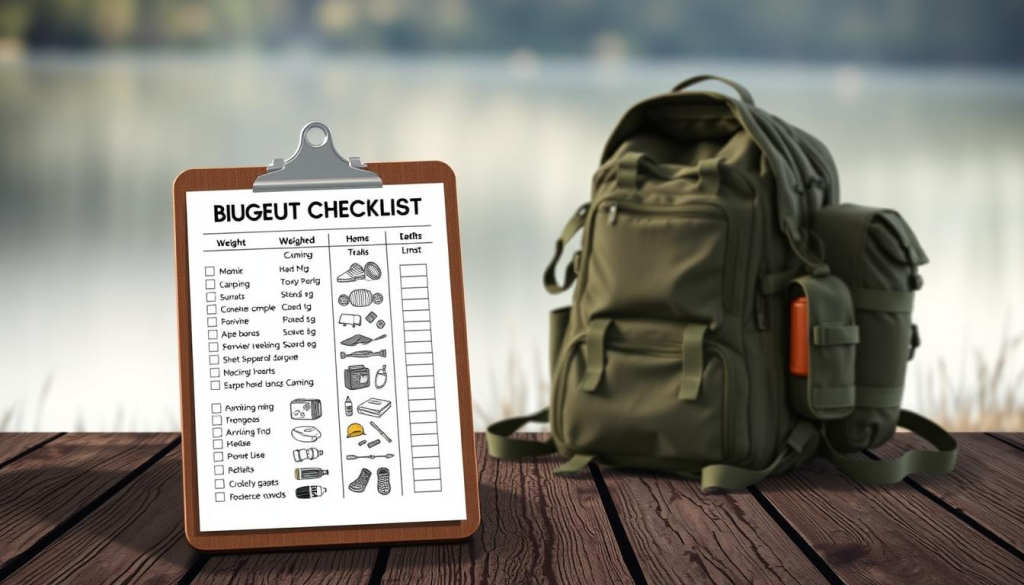
By conducting these tests, you can identify potential issues and make necessary adjustments to optimize your bug out bag’s weight and functionality.
Adjusting Your Bug Out Bag Over Time
Adjusting your bug out bag over time is crucial for effective emergency preparedness. A bug out bag is not a static entity; it needs to evolve with your changing needs and circumstances.
Seasonal Considerations
One key factor in adjusting your bug out bag is seasonal changes. For instance, during winter, you may need to include warmer clothing, a different tent, or snow-specific gear. Conversely, summer might require more hydration supplies, sun protection, and lighter clothing.
| Season | Clothing | Supplies |
|---|---|---|
| Winter | Insulated jackets, warm hats | Hand warmers, snow stakes |
| Summer | Lightweight pants, sun hats | Water purification tablets, sunscreen |
Personal Needs and Changes
Personal circumstances, such as health conditions or family dynamics, also play a significant role in adjusting your bug out bag. For example, if you have a family member with a specific medical condition, you may need to include specialized medical supplies.
Key considerations include:
- Health conditions requiring specific medications or equipment
- Changes in family size or dynamics
- Updates in emergency preparedness guidelines
Regularly reviewing and updating your bug out bag ensures it remains a valuable tool in emergency situations.
By considering both seasonal variations and personal needs, you can maintain an ideal bug out bag weight that balances necessity with mobility. This balance is crucial for effective emergency preparedness.
Preparing for Family or Group Scenarios
Bug out bag preparedness for families or groups requires careful consideration of weight distribution among members. When multiple individuals are involved, the overall weight of the bug out bags can be distributed, enhancing mobility and reducing individual burdens.
Weight Distribution for Multiple Bags
Distributing the weight of bug out bags among family or group members is crucial for maintaining mobility during emergencies. This can be achieved by assigning specific items to each member based on their ability to carry weight.
- Assign heavier items like food and water to stronger members.
- Distribute lighter but essential items like first aid kits and communication devices among all members.
Teamwork and Shared Resources
Teamwork and shared resources play a significant role in enhancing the overall preparedness of a group or family. By sharing the load, both literally and figuratively, members can ensure that everyone is equipped to handle emergencies.
| Item | Weight | Assigned To |
|---|---|---|
| Water Supply | 10 lbs | Strongest Member |
| First Aid Kit | 2 lbs | All Members |
| Food Supply | 15 lbs | Strongest Member |
| Communication Device | 1 lb | Designated Communicator |
By adopting a strategy of weight distribution and teamwork, families or groups can significantly improve their emergency preparedness. It’s essential to regularly review and adjust the distribution of items to ensure that the bug out bags remain manageable and effective.
Best Practices for Bug Out Bag Weight Limit
- Keep the total weight under 20% of the individual’s body weight.
- Regularly assess and adjust the bag’s contents.
- Ensure all members are aware of their assigned items and responsibilities.
Final Thoughts on Bug Out Bag Weight
Achieving the ideal weight for your bug out bag is crucial for effective emergency preparedness. It requires a delicate balance between the necessity of its contents and the need for mobility.
Key Considerations
Understanding individual needs, prioritizing essential items, and maintaining the bag’s relevance over time are vital. Following established bug out bag weight guidelines can help you prepare more effectively.
Preparing Wisely
To ensure a proper bug out bag weight, regularly assess and adjust your bag’s contents. This involves considering seasonal changes, personal needs, and the distribution of weight for family or group scenarios.
By focusing on these aspects and adhering to proper bug out bag weight guidelines, you can enhance your ability to respond to emergencies. Effective preparation is key to navigating unexpected situations.