
In emergency preparedness, having the right bug out bag weight is crucial. A bug out bag, also known as a 72-hour kit, is designed to help individuals survive for at least three days in case of a disaster or emergency.
According to experts, a realistic bug out bag should weigh under 25 pounds, with a recommended weight of around 20 pounds. This weight guideline allows for a balance between being prepared and maintaining mobility.
This article will provide an overview of the guidelines and recommendations for determining the ideal bug out bag weight, helping you prepare for any situation.
Key Takeaways
- Understanding the importance of bug out bag weight
- Guidelines for determining the ideal weight
- Recommendations for a realistic bug out bag
- Balancing preparedness and mobility
- Preparing for emergencies with the right bug out bag
Understanding Bug Out Bags: Definition and Purpose
Understanding the concept of a bug out bag is fundamental to being prepared for unexpected emergencies and disasters. A bug out bag, also known as a 72-hour kit or emergency bag, is a portable collection of essential items that can help individuals survive during crises.
What is a Bug Out Bag?
A bug out bag is designed to be a self-contained kit that includes vital supplies such as food, water, first aid materials, and communication tools. The purpose of a bug out bag is to provide individuals with the necessary resources to survive for at least 72 hours in case of an emergency. This bag is meant to be easily carried, allowing individuals to quickly evacuate or “bug out” from their current location.
The contents of a bug out bag can vary depending on individual needs, the type of emergency, and the environment. However, the core idea remains the same: to have a readily available collection of essential items that can sustain life during a crisis.
Why You Need One
The importance of a bug out bag cannot be overstated. In the event of a natural disaster, such as a hurricane, earthquake, or wildfire, having a bug out bag ready can be the difference between safety and danger. It ensures that you have the necessary supplies to survive and potentially evacuate to a safer location.
- A bug out bag provides essential supplies during emergencies.
- It enables quick evacuation by having vital items readily available.
- Having a bug out bag can reduce panic and increase chances of survival.
In summary, a bug out bag is a critical component of emergency preparedness. It is a portable kit designed to sustain individuals during crises, providing them with the necessary tools to survive and potentially evacuate. Understanding the definition and purpose of a bug out bag is the first step in creating an effective emergency plan.
The Importance of Weight in Your Bug Out Bag
When it comes to bug out bags, the importance of weight cannot be overstated, as it directly affects mobility and overall effectiveness. A bug out bag is designed to be a portable collection of essential items that can help an individual survive during emergency situations. However, if the bag is too heavy, it can hinder movement and reduce the individual’s ability to respond effectively.
Why Weight Matters
The weight of a bug out bag matters for several reasons. Firstly, a heavier bag can lead to fatigue, reducing the individual’s endurance and ability to navigate through challenging terrain. Secondly, excess weight can compromise the structural integrity of the bag, potentially leading to damage or failure of critical components.
Key considerations for managing weight include:
- Selecting lightweight materials for the bag and its contents
- Prioritizing essential items and eliminating non-essential ones
- Distributing weight evenly to maintain comfort and mobility
The Impact of Weight on Mobility
The weight of a bug out bag can significantly impact an individual’s mobility, particularly in situations where rapid movement is necessary. A heavy bag can slow down the individual, making it difficult to escape danger or reach safety. Moreover, excess weight can increase the risk of injury, especially when navigating challenging terrain such as mountains or dense forests.

The importance of maintaining a reasonable weight cannot be emphasized enough. By keeping the bug out bag lightweight, individuals can ensure that they remain mobile and capable of responding to emergencies effectively.
Ideal Weight Range for Bug Out Bags
Understanding the ideal weight range for bug out bags is essential for balancing preparedness and mobility. The weight of your bug out bag can significantly impact your ability to evacuate quickly and efficiently in emergency situations.
General Guidelines for Weight
Experts recommend that a bug out bag should ideally weigh no more than 25 pounds. This guideline is suggested to ensure that the bag is light enough to be carried for extended periods without causing undue strain. However, the ideal weight can vary based on individual factors such as fitness level and the specific needs of the user.
For instance, a study suggests calculating the ideal weight based on an individual’s body weight and fitness level. This personalized approach allows for a more tailored guideline that considers the user’s physical condition and endurance.
Factors Influencing Weight Limits
Several factors influence the weight limit of a bug out bag, including the individual’s physical condition, the terrain they expect to traverse, and the duration of the evacuation. For example, a person with a higher level of physical fitness may be able to carry a heavier load, while someone who is less fit may need to keep their bag lighter.
Key factors to consider:
- The individual’s physical fitness and endurance
- The expected terrain and environmental conditions
- The duration of the evacuation or survival situation
- The essential items that must be included in the bug out bag
By considering these factors, individuals can determine a more accurate and personalized ideal weight range for their bug out bags, ensuring they are prepared without compromising their mobility.
Essential Items to Pack in Your Bug Out Bag
The effectiveness of a bug out bag largely depends on the essential items it contains, such as survival gear and first aid supplies. A well-prepared bag can make a significant difference in emergency situations.
Survival Gear
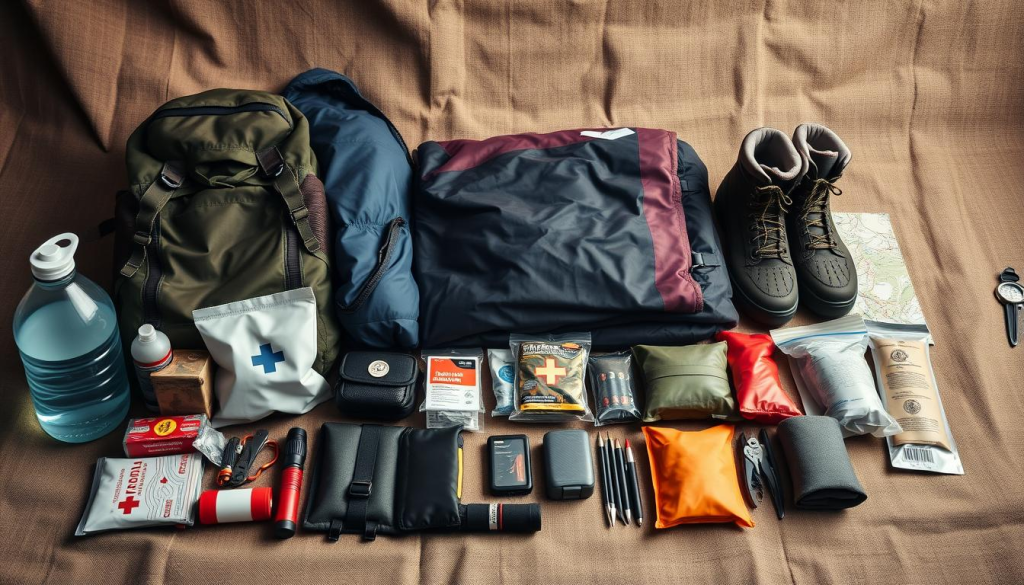
Survival gear is a critical component of any bug out bag. It includes items necessary for navigating, starting fires, and providing shelter. Some of the key survival gear items to consider are:
- A reliable multi-tool or pocket knife
- A waterproof match case with matches or a lighter
- A compact tent or emergency blanket
- A compass and a detailed topographic map
Food and Water Supplies
Having adequate food and water supplies is vital for sustaining energy and health during a crisis. Consider packing:
- Non-perishable, high-calorie food items
- A water filter or purification tablets
- A collapsible water container
- MREs (Meals Ready to Eat) or energy bars
| Food Item | Calories per Serving | Shelf Life |
|---|---|---|
| MREs | 1200 | 3 years |
| Energy Bars | 200-300 | 1-2 years |
| Dried Fruits and Nuts | 150-200 | 6 months to 1 year |
First Aid Essentials
A first aid kit is indispensable in a bug out bag. It should include:
- Bandages and band-aids
- Antiseptic wipes and ointment
- Pain relievers and antihistamines
- Prescription medications and any necessary medical equipment
It’s also important to know how to use these items effectively.
How to Determine Your Personal Bug Out Bag Weight
Your personal bug out bag weight depends on various elements, including your physical condition and needs. To calculate the ideal weight, you need to consider several factors that influence your ability to carry the bag effectively.
Assessing Your Physical Condition
Assessing your physical condition is the first step in determining your bug out bag weight. Consider your overall health, fitness level, and any physical limitations you may have. For instance, if you’re an avid hiker, you may be able to carry more weight than someone who is less active. It’s essential to be realistic about your capabilities to avoid overloading yourself.
Evaluate your strength, endurance, and mobility to determine the maximum weight you can comfortably carry for an extended period. This assessment will help you set a realistic target for your bug out bag weight.
Evaluating Your Needs
Evaluating your needs is equally important when determining your bug out bag weight. Consider the essential items you need to include in your bag, such as survival gear, food, water, and first aid supplies. Prioritize the most critical items and ensure they are included in your bag.
Make a list of the items you need to pack and estimate their total weight. This will give you a baseline to work from when determining your ideal bug out bag weight. Consider the duration you need to sustain yourself and the environment you’ll be in.
By assessing your physical condition and evaluating your needs, you can determine a personal bug out bag weight that is both effective and manageable. This approach ensures you’re prepared for emergencies without compromising your mobility.
Tips for Keeping Your Bug Out Bag Lightweight
To ensure you’re prepared for any situation, keeping your bug out bag lightweight is essential. A well-organized and lightweight bug out bag can significantly enhance your mobility and comfort during emergencies.
Choosing Lightweight Materials
Selecting the right materials for your bug out bag is crucial. Opt for lightweight and durable materials that can withstand various environmental conditions. Consider using bags made from nylon or polyester, as they are both lightweight and resilient.
When it comes to the contents, prioritize multipurpose items that serve more than one function, reducing the overall weight and bulk of your bag. For example, a bandana can be used for signaling, as a makeshift bandage, or even as a dust mask.
Packing Techniques to Reduce Weight
Efficient packing is key to maintaining a lightweight bug out bag. Start by packing only the essentials and avoid duplicating items. Use packing cubes or compression bags to organize your gear and compress your clothing and other items to make the most of your bag’s space.
Another effective technique is to roll your clothing instead of folding it, which can help reduce wrinkles and save space. Additionally, consider using refillable containers for water and other liquids to minimize weight.
By implementing these strategies, you can significantly reduce the weight of your bug out bag, making it easier to carry during emergencies. Remember, the goal is to strike a balance between being prepared and maintaining mobility.
Common Mistakes to Avoid with Bug Out Bag Weight
Assembling a bug out bag without considering potential mistakes can result in a cumbersome and ineffective emergency kit. When preparing for emergencies, it’s essential to strike a balance between being prepared and being overly encumbered.
One of the critical aspects of a bug out bag is its weight. A bag that is too heavy can hinder mobility and cause fatigue, potentially putting you at greater risk during an emergency.
Overpacking Essentials
Overpacking is a common mistake that can significantly increase the weight of your bug out bag. It’s easy to get carried away with packing “just in case” items, but this can lead to unnecessary weight and bulk.
To avoid overpacking, focus on the essentials:
- Prioritize items based on necessity and likelihood of use.
- Choose multi-purpose tools and gear to minimize the number of items.
- Regularly review and update your bug out bag to ensure it remains relevant and streamlined.
As Survival Life notes, “A good rule of thumb is to pack what you need for survival, not what you want.” This mindset can help in avoiding unnecessary items.
Ignoring Comfort and Mobility
Another critical mistake is ignoring the comfort and mobility aspects of your bug out bag. A bag that is too heavy or poorly distributed can cause discomfort and fatigue, making it harder to navigate during an emergency.
| Comfort Considerations | Mobility Impact |
|---|---|
| Properly adjusted straps | Enhanced mobility |
| Padded back support | Reduced fatigue |
| Even weight distribution | Improved balance |
According to Preparedness Pro, “A well-designed bug out bag should allow for ease of movement and comfort during extended wear.” Ensuring your bag is comfortable and doesn’t impede your mobility is crucial.
By avoiding common mistakes such as overpacking and ignoring comfort and mobility, you can create a more effective and manageable bug out bag.
Adjusting Your Bug Out Bag for Different Scenarios
Different scenarios require adjustments to your bug out bag to ensure you’re adequately prepared. Whether you’re facing an urban emergency or a rural survival situation, your bug out bag should be tailored to meet the specific challenges of each environment.
Urban vs. Rural Bug Out Situations
The nature of a bug out situation can vary significantly between urban and rural areas. In urban environments, you might face challenges such as navigating through crowded streets, avoiding hazardous infrastructure, and dealing with potential civil unrest. In contrast, rural areas may require you to focus on survival skills such as finding food, building shelter, and navigating through wilderness.
For urban bug out situations, consider packing:
- Compact tools that can help you navigate through tight spaces.
- Communication devices to stay informed and potentially call for help.
- Personal protective gear to safeguard against potential threats.
For rural bug out situations, focus on:
- Survival gear such as water purification tablets, a first aid kit, and a means to start a fire.
- Navigation tools like a compass and a detailed map of the area.
- Food procurement tools such as a hunting knife or fishing line.

Seasonal Considerations
Seasonal changes can also significantly impact the contents and preparation of your bug out bag. For instance, in colder climates, you may need to prioritize warmth and insulation, while in hotter climates, hydration and sun protection become more critical.
For cold weather, ensure you have:
- Insulated clothing and a warm hat.
- A means to start a fire for warmth.
- High-calorie food to maintain energy.
For hot weather, focus on:
- Lightweight, breathable clothing.
- Adequate hydration supplies, including water and electrolyte-rich drinks.
- Sun protection, such as sunscreen and a hat.
By adjusting your bug out bag according to the scenario and season, you can significantly enhance your chances of survival and comfort during an emergency.
Conclusion: Finding Your Optimal Bug Out Bag Weight
Determining the ideal weight for your bug out bag is crucial for safety and preparedness. By understanding the importance of weight and following the guidelines outlined, you can create a well-balanced bag that meets your needs.
Key Takeaways
The optimal bug out bag weight is influenced by factors such as physical condition, terrain, and the type of emergency. Assessing these factors and packing essential items will help you achieve the right balance.
Prioritizing Safety and Preparedness
Having a well-planned bug out bag is essential for emergency situations. By focusing on guidelines for bug out bag weight and prioritizing safety and preparedness, you can ensure a successful evacuation.
Ultimately, finding your optimal bug out bag weight requires careful consideration of your needs and circumstances. By doing so, you can enhance your safety and preparedness, ensuring a more effective response in emergency situations.