
A bug out bag, also known as a 72-hour kit, is a short-term survival kit designed to provide essential items during emergencies.
The ideal weight for a bug out bag is crucial, as it needs to be light enough to carry comfortably, yet heavy enough to contain necessary supplies.
To achieve the ideal weight, it’s essential to pack the right items, striking a balance between comfort and preparedness.
Key Takeaways
- A bug out bag should be light enough to carry comfortably.
- The ideal weight will vary depending on individual needs and circumstances.
- Packing essential items is crucial for survival during emergencies.
- A 72-hour kit should provide necessary supplies for at least three days.
- The weight of the bag should be a consideration when selecting items to pack.
Understanding the Concept of a Bug Out Bag
In the realm of emergency preparedness, understanding the concept of a bug out bag is crucial. A bug out bag is a portable emergency disaster survival kit designed to help individuals survive for a period of time during emergencies or natural disasters.
What is a Bug Out Bag?
A bug out bag is typically stored in a backpack for ease of transport and contains essential items such as food, water, first aid supplies, and communication tools. The idea is to have everything you need to survive for at least 72 hours in a single, easily accessible bag.
“A good bug out bag is not just about throwing some supplies into a bag; it’s about carefully selecting items that will increase your chances of survival,” says an expert in emergency preparedness.
Why You Need One
Having a bug out bag is essential for anyone who wants to be prepared for unexpected emergencies. Whether it’s a natural disaster, a power outage, or another crisis, a bug out bag provides a vital lifeline. It ensures that you have the necessary supplies to survive and potentially evacuate to a safer location.
The best bug out bag weight is one that balances comprehensiveness with mobility. It’s about finding the optimal weight that you can comfortably carry while still having enough supplies to sustain you.
Key Features of a Good Bug Out Bag
A good bug out bag should be durable, comfortable to carry, and organized. It should contain a variety of essential items, including:
- Food and water supplies
- First aid kit
- Communication tools (e.g., phone, radio)
- Extra clothing and shelter materials
- Personal hygiene items
When considering the bug out bag weight limit, it’s essential to strike a balance. You want a bag that’s comprehensive yet not so heavy that it becomes impractical to carry. Recommendations suggest that the bag should not exceed 20-25% of your body weight.
By understanding the concept of a bug out bag and its key features, you can better prepare yourself for emergencies. It’s not just about having a bag; it’s about having the right items in that bag to ensure your survival.
Determining the Right Weight for Your Bug Out Bag
The optimal bug out bag weight is a critical factor in emergency preparedness, influencing both comfort and capability. It’s not just about carrying a lot of gear; it’s about striking a balance between being prepared and being able to move efficiently.
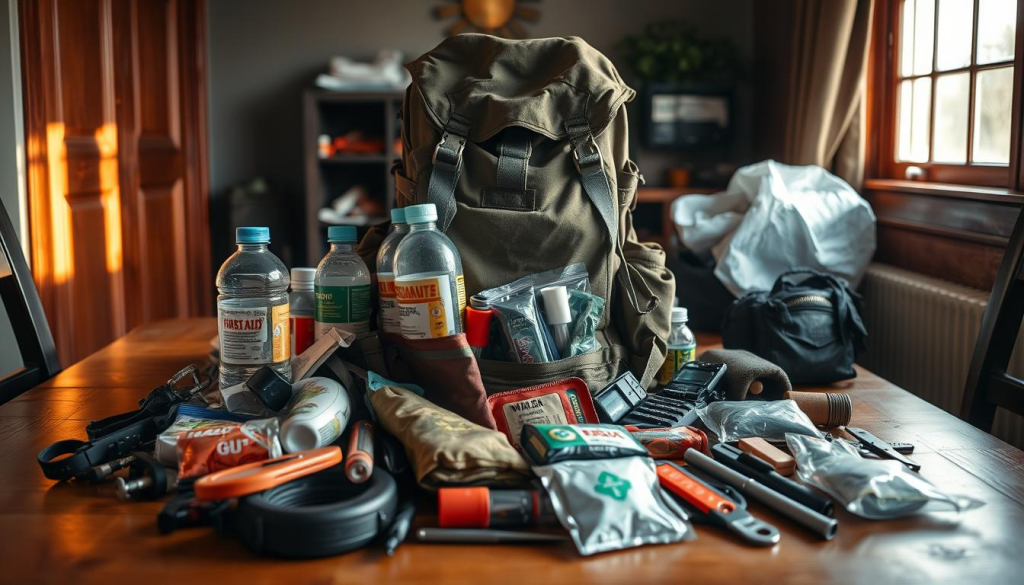
General Guidelines for Weight
A general guideline for determining the ideal weight of your bug out bag is to ensure it doesn’t exceed 25% of your body weight. For instance, if you weigh 200 pounds, your bug out bag should not weigh more than 50 pounds. This guideline helps in preventing overexertion and maintaining mobility during emergencies.
Factors Influencing Weight Limit
Several factors influence the weight limit of your bug out bag, including:
- Terrain and Environment: The type of terrain you expect to traverse can significantly impact the weight and content of your bug out bag. For example, urban environments might require less gear compared to wilderness or survival situations.
- Duration of the Emergency: The longer you anticipate being in an emergency situation, the more supplies you’ll need, potentially increasing the weight of your bug out bag.
- Personal Needs: Individuals with specific medical needs or those preparing for family members (including children or pets) may need to adjust the weight and content accordingly.
Importance of Personal Fitness Level
Your personal fitness level plays a crucial role in determining how much weight you can comfortably carry. Fitter individuals can manage heavier loads, but it’s essential to be realistic about your capabilities to avoid overexertion. Regular physical training can help increase your endurance and allow for a more generously stocked bug out bag if needed.
To get bug out bag weight tips, consider consulting with fitness experts or outdoor enthusiasts who can provide insights based on their experiences. Additionally, testing your bug out bag on shorter trips can help you gauge its weight and make necessary adjustments.
Understanding how much your bug out bag should weigh is key to being effectively prepared. By considering general guidelines, personal factors, and your fitness level, you can achieve an optimal balance that ensures you’re ready for emergencies without compromising your mobility.
Essential Items to Include in Your Bug Out Bag
The effectiveness of a bug out bag lies in its contents, which should be carefully selected based on individual needs. A well-prepared bag can make a significant difference in survival situations.
Food and Water Supplies
When it comes to survival supplies, food and water are paramount. It’s recommended to pack non-perishable, high-calorie foods that are easy to prepare. Consider including:
- Nuts and dried fruits
- Canned goods
- MREs (Meals Ready to Eat)
- Energy bars
For water, aim to store at least one liter per person per day for drinking, cooking, and hygiene. Water purification tablets or a portable filter can also be invaluable.
Clothing and Shelter Essentials
Clothing and shelter are critical components. Pack clothing that is versatile, durable, and suitable for various weather conditions. This may include:
- Moisture-wicking base layers
- Insulating layers
- Waterproof outerwear
- Sturdy footwear
For shelter, consider a lightweight tent, a sleeping bag, and a sleeping pad. These items should be compact and easy to carry.
Personal Care and First Aid Items
Personal care and first aid are often overlooked but are crucial for maintaining health and hygiene. Include:
- First aid kit with bandages, antiseptic wipes, pain relievers, and any personal medications
- Toiletries such as toothbrush, toothpaste, and biodegradable soap
- Moist towelettes or baby wipes
- Sanitary products if applicable
These items will help in maintaining personal hygiene and addressing minor medical issues.
By carefully selecting the right bug out bag supplies, individuals can ensure they are better prepared for emergencies, adhering to bug out bag weight guidelines to maintain an ideal bug out bag weight.
Understanding the 10% Rule for Bug Out Bags
A well-prepared bug out bag must strike a balance between being comprehensive and being lightweight. While the 10% rule may not be a standard guideline, understanding weight limits is crucial for effective evacuation.
Alternative Weight Guidelines
Although the 10% rule is not widely recognized, a commonly cited guideline suggests that a bug out bag should not exceed 25% of the individual’s body weight. This allows for a balance between carrying essential items and maintaining mobility.
Calculating Your Ideal Bug Out Bag Weight: To determine your ideal bug out bag weight, you need to calculate 25% of your body weight.
How to Measure Your Weight
To apply the 25% rule, first, you need to know your current body weight. Then, calculate 25% of this weight to determine the maximum weight of your bug out bag.
| Body Weight (lbs) | 25% of Body Weight (lbs) |
|---|---|
| 100 | 25 |
| 150 | 37.5 |
| 200 | 50 |
Benefits of Following the Rule
Following a weight guideline like the 25% rule ensures that your bug out bag is both comprehensive and portable. This balance is crucial for effective evacuation and survival.
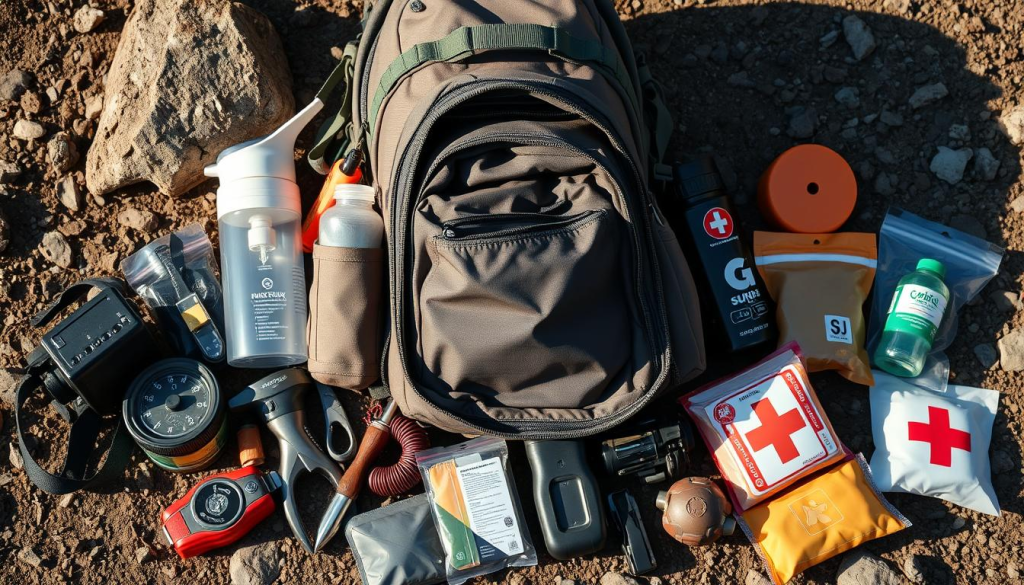
By understanding and applying weight guidelines, you can ensure your bug out bag is optimized for emergency situations, providing you with the necessary tools without hindering your ability to evacuate quickly.
Weight Management Strategies for Your Bug Out Bag
Optimizing the weight of your bug out bag is vital for maximizing your chances of survival and comfort during emergencies. A bug out bag that is too heavy can hinder your ability to move quickly and efficiently, while one that is too light may not provide the necessary supplies.
Choosing Lightweight Gear
One of the most effective ways to manage the weight of your bug out bag is by choosing lightweight gear. This includes selecting items made from lightweight materials that still offer durability and functionality. For example, opting for a lightweight tent or a portable stove can significantly reduce the overall weight of your bag.
Examples of Lightweight Gear:
- Lightweight sleeping bags
- Portable water purification tablets
- Compact first aid kits
Multi-Functional Items
Incorporating multi-functional items into your bug out bag is another strategy for managing weight. These are items that serve more than one purpose, thereby reducing the need for multiple separate items. For instance, a multi-tool can be used for a variety of tasks, from cutting to opening cans.
| Item | Multi-Functional Uses |
|---|---|
| Multi-tool | Cutting, opening cans, tightening loose parts |
| Duct tape | Repairing gear, securing bandages, insulating pipes |
| Scarf or bandana | Protecting face from dust, serving as a bandage, signaling for help |
Regularly Reviewing Your Pack Contents
Regularly reviewing the contents of your bug out bag is crucial for ensuring that it remains relevant and effective. This involves checking the expiration dates of food and medical supplies, testing equipment to ensure it’s in working order, and updating your bag to reflect any changes in your personal needs or the environment you may be in.
Tips for Reviewing Your Pack:
- Check expiration dates of supplies every 6 months
- Test equipment and batteries regularly
- Update your bag according to seasonal changes or personal needs
By implementing these strategies, you can achieve an optimal bug out bag weight that balances preparedness with mobility, enhancing your ability to respond effectively in emergency situations.
Adapting Your Bug Out Bag for Different Situations
Adapting your bug out bag to the specific demands of various situations can significantly enhance its utility. A well-prepared individual understands that a bug out bag is not a static entity but rather a dynamic kit that needs to be adjusted based on the environment, season, and personal circumstances.
Urban vs. Rural Considerations
The contents of your bug out bag will vary significantly depending on whether you are in an urban or rural setting. Urban environments may require more emphasis on navigation tools, communication devices, and potentially, tools for dealing with crowds or civil unrest.
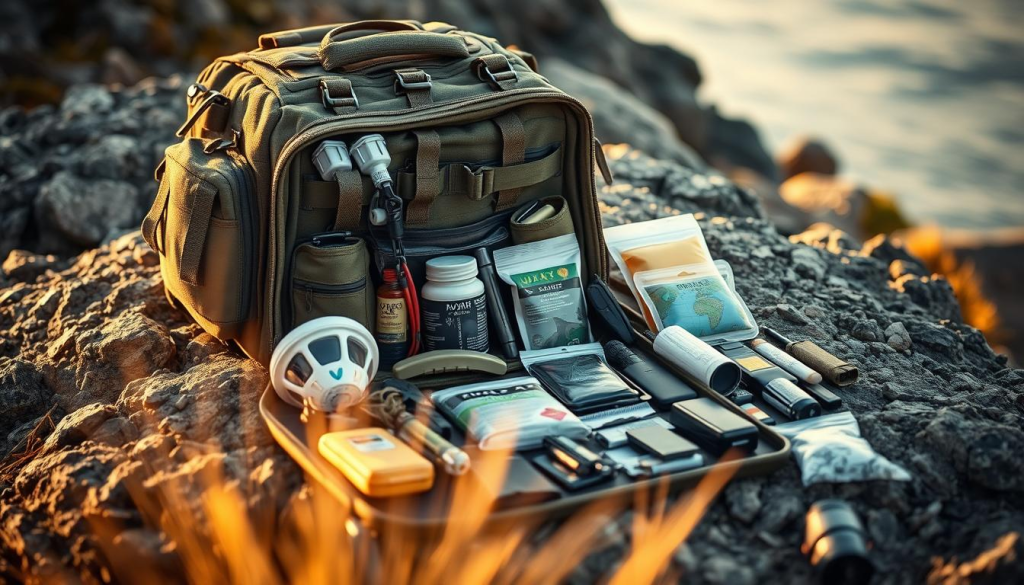
- Urban: Include maps of the city, a compass, and a means of communication like a two-way radio.
- Rural: Focus on survival gear such as water purification tablets, a first aid kit, and a means of starting a fire.
Seasonal Adjustments
Seasonal changes necessitate adjustments to your bug out bag. For instance, in colder climates, warm clothing and a means of staying warm are crucial, while in hotter climates, hydration becomes a priority.
| Season | Essential Items |
|---|---|
| Winter | Thermal clothing, hand warmers, insulated sleeping bag |
| Summer | Lightweight clothing, sunscreen, hydration packs |
Special Needs for Families or Pets
If you are preparing a bug out bag for a family or pets, it’s essential to consider the specific needs of each member, including children, elderly, or pets.
- For families: Include child-specific supplies like diapers, formula, and entertainment items.
- For pets: Pack pet food, water, bowls, and any necessary medication.
By tailoring your bug out bag to different scenarios and needs, you can ensure that you are always prepared, regardless of the situation. This adaptability is key to the best bug out bag weight and overall effectiveness.
To achieve the ideal bug out bag weight limit, it’s crucial to regularly review and adjust your pack according to the factors mentioned above. This not only ensures compliance with bug out bag weight recommendations but also enhances your ability to respond effectively in emergencies.
Common Mistakes to Avoid When Packing
When preparing a bug out bag, it’s crucial to avoid common mistakes that can hinder your ability to respond effectively in emergency situations. A well-packed bug out bag can be the difference between safety and peril.
Overpacking Essentials
One of the most common mistakes is overpacking essentials. While it’s natural to want to be prepared for every eventuality, too much weight can be detrimental. The key is to strike a balance between being prepared and maintaining a manageable weight.
Tips for avoiding overpacking:
- Prioritize multi-functional items.
- Limit the quantity of each item.
- Regularly review and adjust your pack contents.
Ignoring Weight Distribution
Another critical error is ignoring weight distribution within the bug out bag. Uneven weight distribution can lead to discomfort and fatigue, making it harder to move quickly when needed.
Best practices for weight distribution:
- Distribute weight evenly between the front and back of the bag.
- Use compartments to organize and balance the load.
- Adjust the bag’s straps to fit comfortably on your back.
Neglecting Training with Your Bug Out Bag
Neglecting to train with your bug out bag is a significant oversight. Familiarity with your gear and practice in carrying it can greatly enhance your ability to respond in an emergency.
Training tips:
- Regularly wear your bug out bag during training exercises.
- Practice navigating different terrains with your bag.
- Test your bag’s comfort and usability over extended periods.
To further illustrate the importance of avoiding these mistakes, consider the following comparison:
| Common Mistake | Consequence | Prevention Tip |
|---|---|---|
| Overpacking | Excessive weight leading to fatigue | Prioritize multi-functional, lightweight items |
| Poor Weight Distribution | Discomfort and potential injury | Use bag compartments and adjust straps |
| Neglecting Training | Reduced mobility and increased stress | Regularly train with your bug out bag |
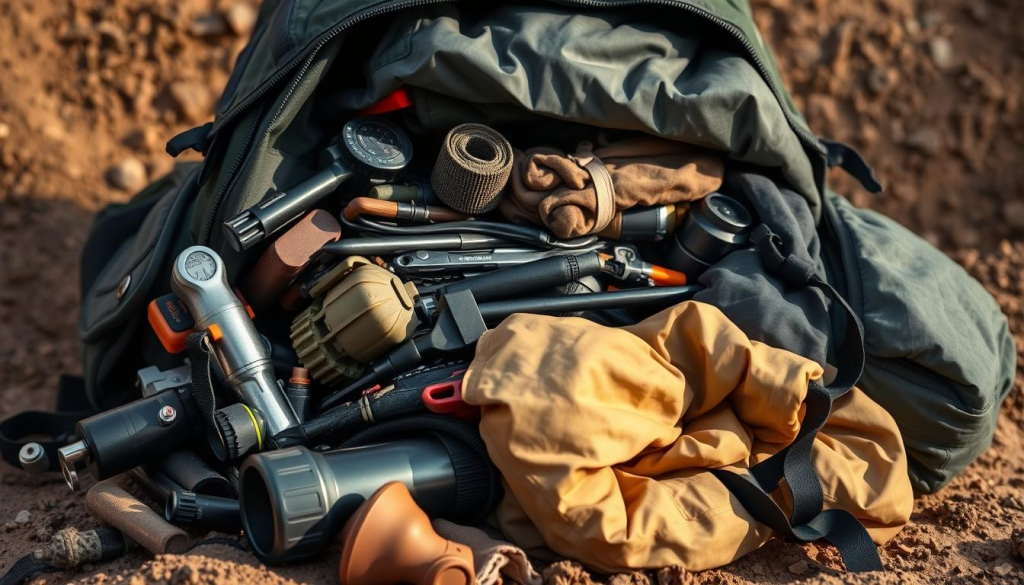
By avoiding these common mistakes, you can ensure your bug out bag is both effective and manageable, enhancing your overall preparedness for emergencies.
Testing Your Bug Out Bag Weight
Testing the weight of your bug out bag is a vital step in disaster preparedness planning. It ensures that you can move efficiently and safely in emergency situations.
How to Conduct a Weight Test
To conduct a weight test, start by packing your bug out bag with all the essentials. Then, weigh the bag to determine its total weight. A good rule of thumb is to follow the 10% rule, where the bag’s weight should not exceed 10% of your body weight. For example, if you weigh 150 pounds, your bug out bag should not weigh more than 15 pounds.
Evaluating Comfort and Usability
After determining the weight, assess the bag’s comfort and usability. Wear the bag and walk around to ensure it’s comfortable and well-balanced. Check that the straps are adjustable and that the bag doesn’t dig into your shoulders or back. Consider the distribution of weight within the bag; heavier items should be closer to your back to maintain balance.
Evaluating comfort and usability is crucial because a bag that is too heavy or poorly designed can cause discomfort, fatigue, or even injury during extended use.
Adjusting for Future Preparedness
Based on your weight test and comfort assessment, make necessary adjustments to your bug out bag. Remove any unnecessary items, consider multi-functional gear, and ensure that the weight is evenly distributed. Regularly review and update your bug out bag to reflect changes in your personal needs or environment.
By regularly testing and adjusting your bug out bag, you can ensure it remains at an ideal weight and is ready for use in emergency situations.
Real-Life Experiences: Stories from Bug Out Scenarios
The true test of a bug out bag lies in its performance during actual emergencies. Real-life experiences from bug out scenarios provide invaluable insights into the effectiveness of a bug out bag, highlighting what works and what doesn’t.
Lessons Learned in Emergency Situations
In emergency situations, every ounce counts, and the weight of a bug out bag can significantly impact one’s ability to navigate through challenging environments. Survivors often report that having the right balance of essentials was crucial to their survival.
For instance, during Hurricane Katrina, many survivors found that their bug out bags were too heavy, making it difficult to evacuate quickly. In contrast, those with lighter, more versatile bags were able to move more efficiently.
Key Takeaways:
- Keep your bug out bag as light as possible while still including all essentials.
- Regularly review and adjust your bug out bag to ensure it remains relevant and effective.
- Consider the terrain and potential hazards when packing your bug out bag.
Testimonials from Prepared Adventurers
Many adventurers and preppers have shared their stories of survival, providing valuable insights into the importance of a well-prepared bug out bag. For example, a hiker who got lost in the mountains reported that his bug out bag, which included a first aid kit, extra food, and a water filter, was instrumental in his survival.
“I was amazed at how much I relied on my bug out bag during the emergency. It was a lifeline that kept me safe and relatively comfortable until help arrived.” – John D., Outdoor Enthusiast
What Worked and What Didn’t
Analyzing real-life bug out scenarios reveals common themes in what worked and what didn’t. For instance, having a bug out bag that is too heavy or cumbersome can hinder movement, while a well-balanced bag can be a significant advantage.
| Aspect | What Worked | What Didn’t |
|---|---|---|
| Weight | Lightweight, versatile gear | Heavy, bulky items |
| Contents | Essential items like food, water, and first aid supplies | Non-essential items that added weight |
| Preparation | Regularly reviewing and updating the bug out bag | Neglecting to check and maintain the bag’s contents |
By learning from these real-life experiences, individuals can better prepare their own bug out bags, ensuring they are ready for any situation. Following bug out bag weight recommendations and striving for an optimal bug out bag weight can make all the difference in an emergency.
Ultimately, the key to a successful bug out bag is finding the right balance between being prepared and being mobile. By considering bug out bag weight tips and learning from the experiences of others, you can create a bag that is both effective and manageable.
Conclusion: Striking the Balance for Your Bug Out Bag
Striking a balance between the weight and contents of a bug out bag is crucial for its effectiveness. A well-prepared bug out bag should be lightweight enough to be carried comfortably, yet contain all the essential items needed for survival.
Key Takeaways for Ideal Weight
The ideal bug out bag weight is typically considered to be around 10% to 20% of the individual’s body weight. To achieve this, it’s essential to pack lightly and choose multi-functional items. Regularly reviewing and adjusting your pack contents can help maintain the optimal weight.
Preparedness Matters
Having a bug out bag that is both well-stocked and manageable is vital for emergency preparedness. By following the guidelines for bug out bag weight and packing tips, individuals can ensure they are ready to respond effectively in crisis situations.
Final Considerations
When it comes to determining how much your bug out bag should weigh, consider your personal needs, fitness level, and the types of emergencies you might face. By striking the right balance, you can create a bug out bag that is both practical and effective, providing peace of mind and enhancing your overall preparedness.