
Being prepared for unexpected disasters and emergencies is crucial for survival. A well-stocked emergency preparedness kit can make all the difference in a crisis situation.
A bug out bag is a portable kit that contains essential items to help you survive for at least 72 hours when evacuating from a disaster. It’s a vital component of any emergency preparedness plan.
In this article, we will guide you through the process of building your own survival gear essentials kit, ensuring you’re prepared for anything that comes your way.
Key Takeaways
- Understand the importance of having a bug out bag
- Learn what essentials to include in your emergency kit
- Discover how to customize your survival gear
- Get tips on maintaining your emergency preparedness kit
- Be prepared for unexpected disasters and emergencies
What is a Bug Out Bag?
A Bug Out Bag, often abbreviated as BOB, is a portable collection of essential items that can help individuals survive during emergency situations or natural disasters. It is designed to be deployed quickly, at a moment’s notice, and is generally not meant for long-term survival.
Definition and Purpose
The primary purpose of a Bug Out Bag is to provide the necessary tools and supplies to help individuals escape from dangerous situations. It typically includes survival gear essentials such as food, water, first aid kits, and shelter materials.
The idea is to have a wilderness survival backpack that is ready to be grabbed at a moment’s notice, allowing individuals to evacuate quickly and safely.
| Component | Description | Importance Level |
|---|---|---|
| Water and Food | Non-perishable items and water purification methods | High |
| First Aid Kit | Basic medical supplies | High |
| Shelter Materials | Tent, sleeping bag, and warmth sources | Medium |
When to Use a Bug Out Bag
A Bug Out Bag is meant to be used in emergency situations such as natural disasters, power outages, or other crises that require immediate evacuation. It is essential to have a clear understanding of when to deploy your emergency preparedness kit to ensure your safety.
Examples of situations where a Bug Out Bag is necessary include hurricanes, wildfires, floods, and other life-threatening events.
Key Components of a Bug Out Bag
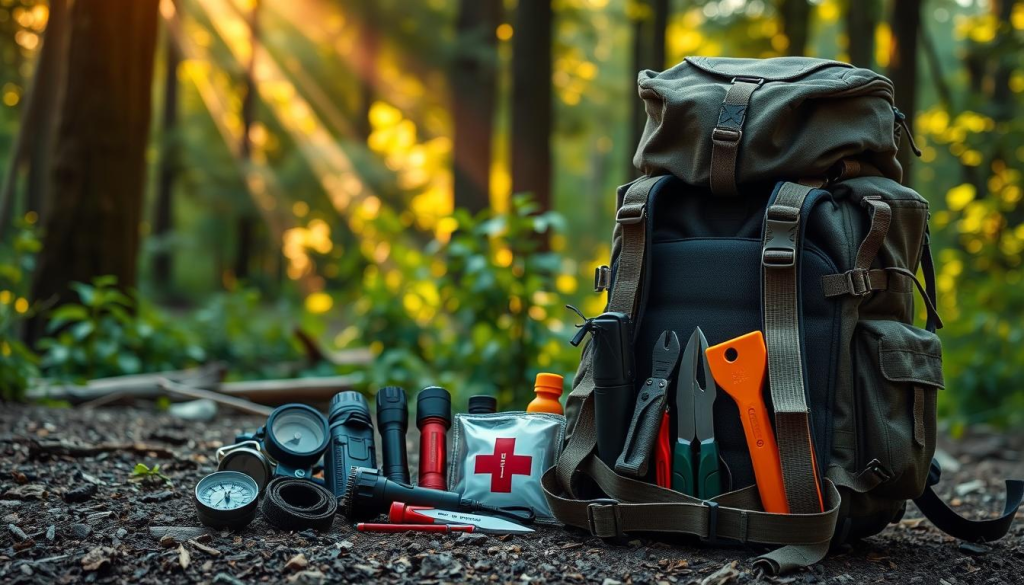
The effectiveness of a bug out bag lies in its contents, which should include a mix of shelter essentials, food and water supplies, and first aid gear. These components are crucial for survival during emergencies and disasters.
Shelter Essentials
Shelter is a fundamental need during survival situations. A bug out bag should include items that provide adequate protection from the elements. This includes a lightweight tent or a tarpaulin, a sleeping bag, and a sleeping pad for insulation. These shelter essentials help maintain body heat and protect against harsh weather conditions.
Food and Water Supplies
Having a reliable source of food and water is vital. A disaster survival pack should contain non-perishable food items that are high in calories and nutrients. It’s also essential to include a water filtration system or water purification tablets to ensure access to safe drinking water. These supplies can sustain an individual for an extended period.
- Non-perishable food items
- Water filtration system or purification tablets
- Collapsible water container
First Aid Gear
A well-stocked first aid kit is a critical component of any bug out bag. It should include basic medical supplies such as bandages, antiseptic wipes, and pain relievers. Additionally, including any personal medications and having a basic understanding of first aid techniques can be lifesaving.
In conclusion, a bug out bag equipped with the right outdoor survival equipment can significantly enhance survival chances during disasters. By focusing on shelter essentials, food and water supplies, and first aid gear, individuals can be better prepared for emergencies.
Assessing Your Specific Needs
To build a comprehensive emergency preparedness kit, you must first consider your family’s size and composition. This assessment will guide you in determining the quantity and type of supplies you need.
Family Size and Composition
The number of people in your household directly impacts the amount of food, water, and other essential supplies you’ll need to include in your go bag essentials list. For instance, families with young children or pets may require additional items such as diapers, formula, and pet food.
It’s also crucial to consider any specific needs related to family members’ ages, health conditions, or disabilities. For example, elderly family members may require medications or mobility aids.
Environmental Considerations
The environment you live in plays a significant role in determining the type of tactical bug out kit you should build. For example, if you live in an area prone to hurricanes, your kit should include supplies that can help you weather such storms, such as waterproof bags and a portable generator.
“The best preparation is not just about stockpiling supplies, but understanding the specific challenges your environment poses,” says a renowned emergency preparedness expert.
In areas with extreme temperatures, it’s essential to pack clothing and gear that can help maintain a safe body temperature. In regions with high altitudes, consider including supplies that can help alleviate altitude sickness.
Choosing the Right Backpack
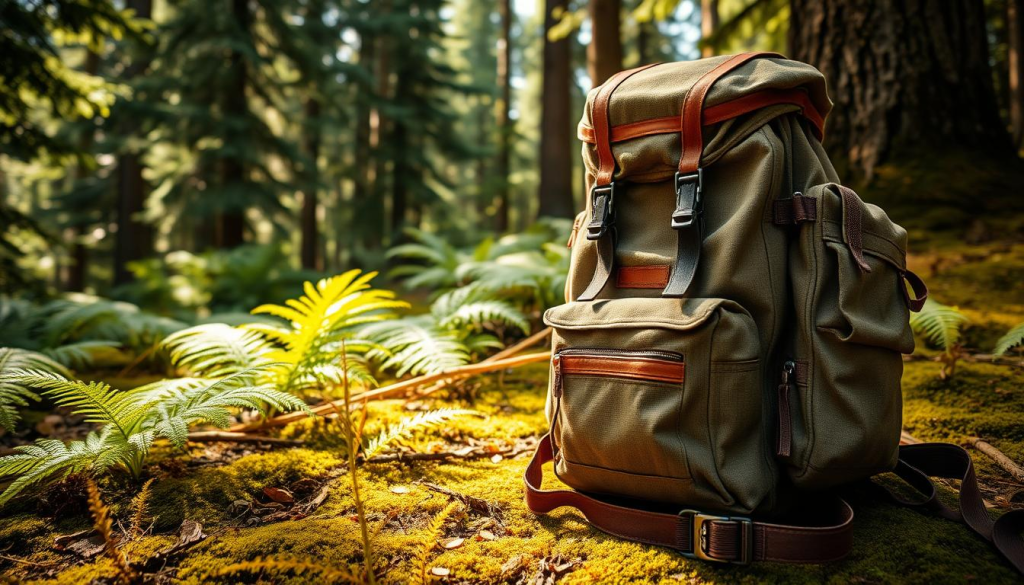
A well-chosen backpack is essential for carrying your go bag essentials efficiently. When preparing for a wilderness survival situation, the right outdoor survival equipment can be a lifesaver.
Size Matters
The size of your backpack is critical. It should be large enough to carry all your essentials but not so large that it becomes cumbersome. A good rule of thumb is to choose a backpack with a capacity of 30-40 liters for short trips and 60-80 liters for longer excursions.
Durability and Material
The durability and material of your wilderness survival backpack are vital for withstanding harsh conditions. Look for backpacks made from heavy-duty materials like nylon or polyester, and ensure that the stitching and zippers are robust.
Comfort Features
Comfort is key when carrying a heavy load. Look for a backpack with padded shoulder straps, a hip belt to distribute the weight, and a back panel that allows for airflow to prevent sweating.
By considering these factors, you can select a backpack that meets your needs for outdoor survival equipment and ensures you are well-prepared for any situation.
Food and Water: What to Pack
In a survival situation, having access to nutritious food and clean water can be a lifesaver. The right supplies can make all the difference in sustaining you and your family during an emergency.
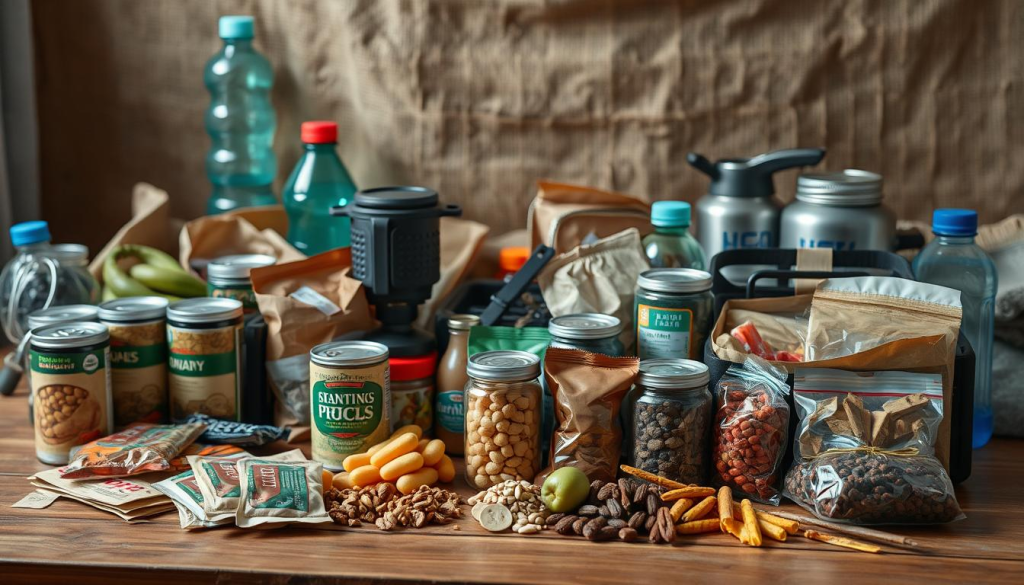
When it comes to stocking your bug out bag with food, non-perishable items are essential. These should be high in calories, lightweight, and easy to prepare.
Non-Perishable Food Options
Consider including the following non-perishable food items in your disaster survival pack:
- Dried fruits and nuts
- Canned goods (vegetables, fruits, and meats)
- MREs (Meals Ready to Eat)
- Energy bars
- Dried pasta and rice
These items are not only nutritious but also have a long shelf life, making them ideal for doomsday prepper supplies.
Water Filtration Methods
Having access to clean drinking water is crucial. Including a water filtration system in your survival gear essentials can help ensure you have safe drinking water.
Options include:
- Portable water filters
- Water purification tablets
- UV water purifiers
Nutritional Balance
Maintaining nutritional balance is vital during a survival situation. Your body needs a mix of proteins, carbohydrates, and fats to function optimally.
When packing food for your disaster survival pack, consider the following:
| Nutrient | Food Sources |
|---|---|
| Protein | Nuts, dried meats, canned tuna |
| Carbohydrates | Dried pasta, rice, energy bars |
| Fats | Nuts, dried fruits, MREs |
By focusing on these aspects, you can create a well-rounded disaster survival pack that includes the necessary food and water supplies.
First Aid Kits: A Critical Component
A well-stocked first aid kit is the cornerstone of any bug out bag, providing the necessary tools to treat injuries and prevent infections. In emergency situations, having immediate access to medical supplies can significantly impact the outcome of an injury or illness.
The importance of a first aid kit extends beyond just treating wounds; it’s about being prepared for any medical emergency that may arise during a disaster or when evacuating.
Basic Items to Include
A basic first aid kit should include a variety of supplies to address common injuries. These include:
- Bandages and band-aids
- Antiseptic wipes and ointment
- Pain relievers and antihistamines
- Gauze pads and rolls
- Medical tape
As noted by emergency preparedness experts, “A first aid kit is not just about treating cuts and scrapes; it’s about being prepared to handle more serious medical emergencies.”
“The key to a successful first aid kit is not just the items it contains, but also the ability to use them effectively.” –
Advanced Medical Supplies
For those who want to be better prepared, advanced medical supplies can be added to the first aid kit. These may include:
| Supply | Description | Use |
|---|---|---|
| Tourniquet | A device to stop severe bleeding | Severe limb injuries |
| Hemostatic agent | A substance to promote blood clotting | Severe bleeding |
| Prescription medications | Medications for specific conditions | Various medical conditions |
Personal Medications
In addition to the standard first aid supplies, it’s crucial to include any personal medications that may be needed. This includes:
- Prescription medications for chronic conditions
- Medications for allergies or other specific needs
- Any necessary medical equipment, such as EpiPens or inhalers
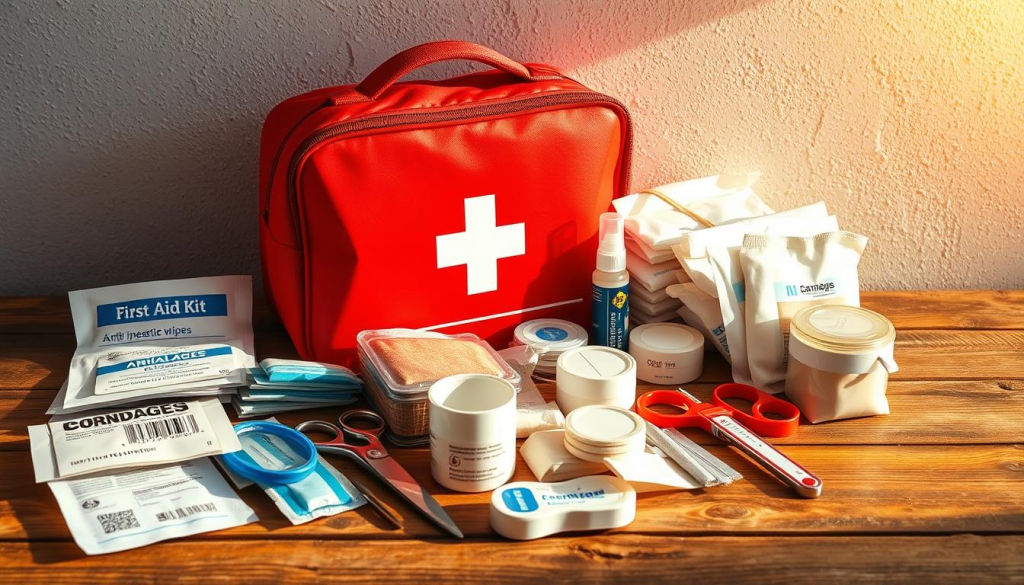
By including a comprehensive first aid kit in your bug out bag, you can ensure that you’re prepared to handle a wide range of medical emergencies, from minor injuries to more serious conditions.
Tools and Gear for Survival
Equipping yourself with the right survival tools and gear is fundamental to navigating emergency situations effectively. When it comes to survival, having the appropriate equipment can make all the difference.
Multi-tools and Knives
A multi-tool or a reliable knife is indispensable in a survival situation. These tools can help with a variety of tasks, from cutting branches to opening cans. Look for a multi-tool that includes a knife blade, scissors, pliers, and other useful functions.
- Multi-tool Features: Consider a tool with a durable construction, ergonomic design, and multiple functions.
- Knife Selection: Opt for a knife with a sturdy blade, comfortable handle, and a sheath for safe carrying.
Flashlights and Fire Starters
Light sources are critical for navigation and signaling. A flashlight or headlamp can provide necessary light, while fire starters like matches, lighters, or ferrocerium rods can help you start a fire for warmth, cooking, and signaling.
- Flashlight Considerations: Choose a flashlight with adjustable brightness, red light mode to preserve night vision, and a long battery life.
- Fire Starting Methods: Include waterproof matches, a lighter, and a ferrocerium rod in your bug out bag for reliable fire starting.
Signaling Devices
In case you need to signal for help, having the right signaling devices is crucial. This can include signal flares, mirrors, or whistles. These devices can help you alert potential rescuers to your location.
- Signal Flares: Compact and designed for emergency signaling, these can be seen from a distance.
- Signaling Mirrors: Use reflected sunlight to signal your location to aircraft or distant observers.
- Whistles: A loud, pea-less whistle can be heard over long distances and is an effective signaling tool.
By including these essential tools and gear in your bug out bag, you’ll be better prepared to face a variety of survival challenges. Remember, the key to survival is being prepared with the right equipment and knowledge.
Clothing and Personal Items
A well-prepared bug out bag includes clothing and personal items tailored to the environment and potential emergencies, making it a crucial part of your disaster survival pack. The right clothing can significantly impact your comfort and survival chances.
When selecting clothing, it’s essential to consider the climate and potential weather conditions you might face. This includes packing weather-appropriate apparel that can be layered for different conditions.
Weather-Appropriate Apparel
Layering is key to adapting to various weather conditions. Include a mix of lightweight, breathable clothing for warm weather and insulating layers for cold climates. Moisture-wicking fabrics can help keep you dry and comfortable. Don’t forget to pack a waterproof or water-resistant jacket to protect against rain or wind.
For cold climates, consider including thermal underwear, a warm hat, and gloves. In warm or humid environments, prioritize lightweight, quick-drying clothing that allows for good airflow. Remember, the goal is to be prepared for any condition, making your bug out bag a comprehensive the doomsday prepper supplies kit.
Footwear Considerations
Footwear is another critical aspect of your go bag essentials. Choose shoes that are durable, waterproof, and suitable for the terrain you might encounter. Hiking boots or sturdy trail shoes are often good choices, providing ankle support and protection from rough ground.
In addition to the primary footwear, consider packing extra socks, as they can be crucial for maintaining foot health and comfort. For wet conditions, waterproof socks can be a valuable addition.
Personal hygiene items, though often overlooked, are also vital. Include a toothbrush, toothpaste, biodegradable soap, and any other essential hygiene products. These items can help maintain your health and morale during a prolonged emergency.
Technology and Communication Gear
When disaster strikes, the right technology can help you stay connected, navigate, and survive. In the context of a bug out bag, technology and communication gear are crucial for staying informed and calling for help when needed.
Portable Chargers
A portable charger is an essential item for keeping your devices powered up during an emergency. Look for a charger with a high capacity battery and multiple USB ports to charge several devices at once.
Emergency Radios
An emergency radio can provide critical updates and information during a disaster. Opt for a radio that is waterproof and has a long battery life. Some models also come with a built-in flashlight or lantern.
GPS and Navigation Tools
GPS devices and navigation tools are vital for finding your way during an emergency. Consider a GPS watch or a handheld GPS device that can provide accurate location information even without cellular connectivity.
To effectively integrate technology into your bug out bag, consider the following table comparing different types of gear:
| Device | Function | Battery Life |
|---|---|---|
| Portable Charger | Charges devices | Up to 24 hours |
| Emergency Radio | Provides updates | Up to 12 hours |
| GPS Device | Navigation | Up to 20 hours |
By incorporating these technological tools into your emergency preparedness kit, you can enhance your chances of survival and stay connected with loved ones during a crisis.
Training for the Unexpected
To effectively use a bug out bag, one must be trained for the unexpected. Having the right survival gear essentials is just the beginning; knowing how to use them is crucial for survival.
As emphasized by survival experts, “Training is the bridge between having survival gear and actually surviving.” This underscores the importance of not just assembling a bug out bag, but also acquiring the necessary skills to use its contents effectively.
Survival Skills to Learn
Several key survival skills are essential for anyone looking to be prepared for emergencies. These include:
- Basic first aid and wound management
- Navigation and orienteering
- Water purification techniques
- Shelter building and fire starting
Mastering these skills can significantly enhance one’s ability to survive in challenging environments.
Practicing with Your Bug Out Bag
Once equipped with a bug out bag and basic survival skills, it’s essential to practice using them. Regular drills and simulations can help identify any gaps in your preparation, whether it’s in your outdoor survival equipment or your ability to use it.
As noted by a seasoned survivalist, “Practice is what makes your bug out bag more than just a collection of gear; it becomes a lifeline in true emergencies.”
“The will to survive is important, but the skill to survive is crucial.”
This mindset is critical when facing unexpected challenges, reinforcing the value of thorough preparation and training.
Regular Maintenance and Updates
Keeping your disaster survival pack up-to-date is vital for effective emergency response. A bug out bag is not a ‘set it and forget it’ item; it requires regular maintenance to ensure it remains relevant and effective.
Checking Expiry Dates
One of the critical tasks in maintaining your emergency preparedness kit is checking the expiry dates of the supplies you’ve stored. This includes food, water purification tablets, medications, and batteries. Expired items can be ineffective or even harmful, so it’s crucial to replace them promptly.
- Check food and water supplies for expiry or spoilage.
- Replace expired medications and medical supplies.
- Test batteries and replace them if they’re old or weak.
Seasonal Updates
Your go bag essentials should be adjusted according to the season. For example, in colder climates, you may need to include warmer clothing and possibly a different type of shelter or sleeping bag during winter months. Conversely, in hotter climates, you might need to focus on hydration supplies and sun protection.
Consider the climate and potential natural disasters in your area when making seasonal updates to your bug out bag.
Inventory Management
Regularly reviewing the inventory of your bug out bag is essential. This involves checking that all necessary items are included and that nothing is missing or has been damaged. It’s also a good opportunity to ensure that all family members know what’s in the bag and how to use the items.
Managing your inventory effectively means you can identify any gaps in your emergency preparedness kit and make necessary adjustments.
Resources for Additional Information
To further enhance your knowledge on survival gear essentials and outdoor survival equipment, several resources are available. These include a variety of books, online forums, and local workshops that can provide valuable insights into building a tactical bug out kit.
Recommended Reading
For those looking to dive deeper into survival techniques, books such as “The SAS Survival Handbook” by John ‘Lofty’ Wiseman offer comprehensive guides on survival skills. Other publications focus on specific aspects of survival, including shelter construction and wilderness first aid.
Online Forums and Communities
Online platforms like Reddit’s r/Survival and r/Prepper communities share experiences, tips, and advice on outdoor survival equipment and strategies. These forums can be invaluable for staying updated on the latest survival gear and techniques.
Local Workshops and Training
Participating in local survival workshops can provide hands-on experience with survival gear essentials and tactical bug out kits. These workshops often cover topics such as wilderness survival, first aid, and emergency preparedness, taught by experienced instructors.