
In the face of natural disasters or emergencies, being prepared is crucial. A tactical bug out bag is a portable emergency kit that contains essential items to help individuals survive for at least 72 hours.
This kit is designed to be easily carried, allowing individuals to quickly evacuate or respond to emergencies. The importance of having such a kit cannot be overstated, as it provides the necessary tools and supplies to sustain life during critical situations.
Understanding the components and significance of a tactical bug out bag is vital for emergency readiness. This article will delve into the essential gear and strategies for creating an effective emergency kit.
Key Takeaways
- Understanding the concept of a tactical bug out bag.
- The importance of being prepared for emergencies.
- Essential items to include in a bug out bag.
- Strategies for creating an effective emergency kit.
- The role of a tactical bug out bag in emergency readiness.
Understanding the Importance of a Bug Out Bag
When disaster strikes, a bug out bag can be the difference between safety and peril. This critical component of emergency preparedness is designed to provide the basic necessities for survival during the initial stages of a disaster.
What is a Bug Out Bag?
A bug out bag, also known as a 72-hour kit or emergency survival kit, is a portable collection of essential items that can help individuals or families survive for at least three days in case of a disaster or emergency. The bag is meant to be easily carried and should contain the fundamental necessities for survival, including food, water, shelter, and first aid supplies.
Why Every Household Needs One
Every household needs a bug out bag as part of their disaster preparedness plan. Emergencies can occur at any time, and having a well-prepared bug out bag can significantly enhance one’s ability to respond effectively. It’s not just about having the right gear; it’s about being prepared for the unexpected and ensuring the safety of loved ones.
Key Scenarios for Bug Out Bag Use
Bug out bags are designed for use in various emergency scenarios, including natural disasters like hurricanes, earthquakes, and floods, as well as man-made crises. The key is to be prepared for any situation that may require immediate evacuation or self-sufficiency for an extended period.
In conclusion, a bug out bag is a vital tool for emergency survival. By understanding its importance and ensuring every household has one, individuals can take a significant step towards being prepared for the unexpected.
Essential Components of a Tactical Bug Out Bag
Understanding the essential components of a tactical bug out bag is vital for anyone looking to be prepared for unexpected situations. A well-stocked bug out bag can be the difference between safety and peril during emergencies.
The Basics: Food, Water, and Shelter
The foundation of any bug out bag includes the basic necessities: food, water, and shelter. These elements are crucial for sustaining life during the initial stages of an emergency.
- Food: Include non-perishable, high-calorie foods such as energy bars, canned goods, and MREs.
- Water: Pack sufficient water for at least three days, along with water purification tablets or a filter.
- Shelter: A lightweight tent, sleeping bag, and emergency blanket can provide adequate shelter.
First Aid Supplies: What to Include
A comprehensive first aid kit is a critical component of a tactical bug out bag. It should include supplies to treat a variety of injuries and conditions.
- Bandages and band-aids
- Antiseptic wipes and ointment
- Pain relievers and antihistamines
- Prescription medications and any necessary medical equipment
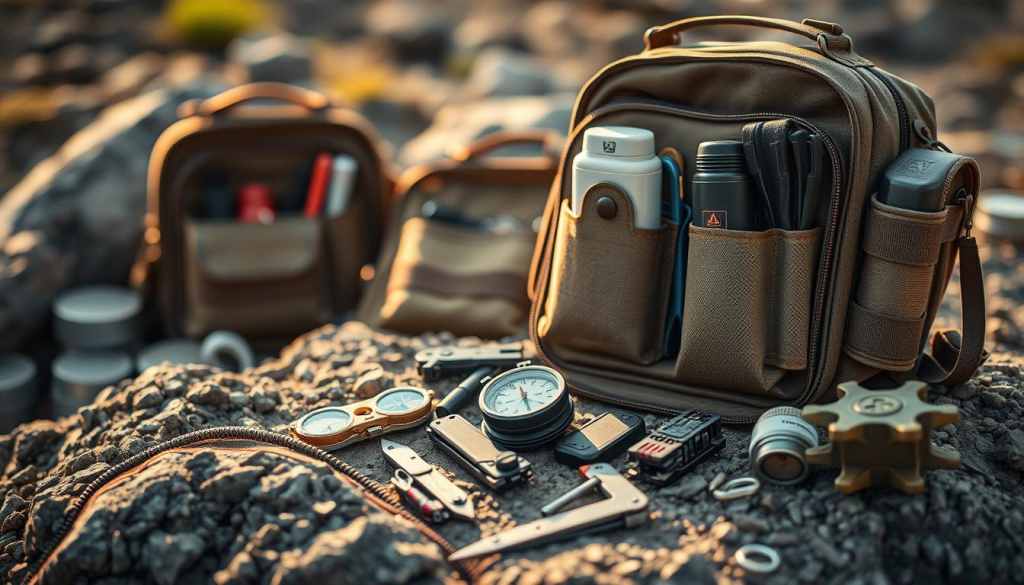
Tools and Equipment for Survival
In addition to the basics, a tactical bug out bag should contain tools and equipment that can aid in survival and navigation.
- A multi-tool or pocket knife
- Fire starting equipment (matches, lighter, firestarters)
- A compass and maps of the area
- A flashlight or headlamp with extra batteries
By including these essential components, individuals can ensure they are better prepared to face emergencies and challenging situations.
Choosing the Right Bag for Tactical Use
A tactical bag is more than just a container; it’s a vital component of your emergency kit, designed to carry essential supplies in a durable and accessible manner.
When selecting a tactical bag, several factors come into play to ensure it meets your needs during emergencies.
Size and Capacity Considerations
The size and capacity of your tactical bag are crucial. It should be large enough to carry necessary emergency supplies but not so large that it becomes cumbersome.
- Consider the number of people the bag is for.
- Think about the types of supplies you need to carry.
- Assess the duration you need the supplies to last.
A good rule of thumb is to pack lightly but effectively, focusing on essentials like food, water, first aid kits, and communication devices.
Material and Durability
The material and durability of your tactical bag are vital for withstanding various environmental conditions. Look for bags made from durable, water-resistant materials like nylon or polyester.
These materials not only resist water but also provide resistance against tears and abrasions, ensuring your supplies remain safe.
Features to Look for in a Tactical Bag
Several features can enhance the functionality of your tactical bag. MOLLE (Modular Lightweight Load-carrying Equipment) webbing is a valuable feature, allowing you to attach additional pouches and accessories.
- Multiple compartments for organization.
- Padded straps for comfort during extended wear.
- Reflective materials or bright colors for visibility.
By focusing on these aspects, you can choose a tactical bag that not only meets your emergency needs but also provides comfort and practicality.
Food and Water Supplies: A Critical Overview
The effectiveness of a bug out bag largely depends on its food and water supplies, which are vital for sustaining life during emergencies. When disaster strikes, having the right provisions can make a significant difference in survival and recovery.
Types of Food to Pack
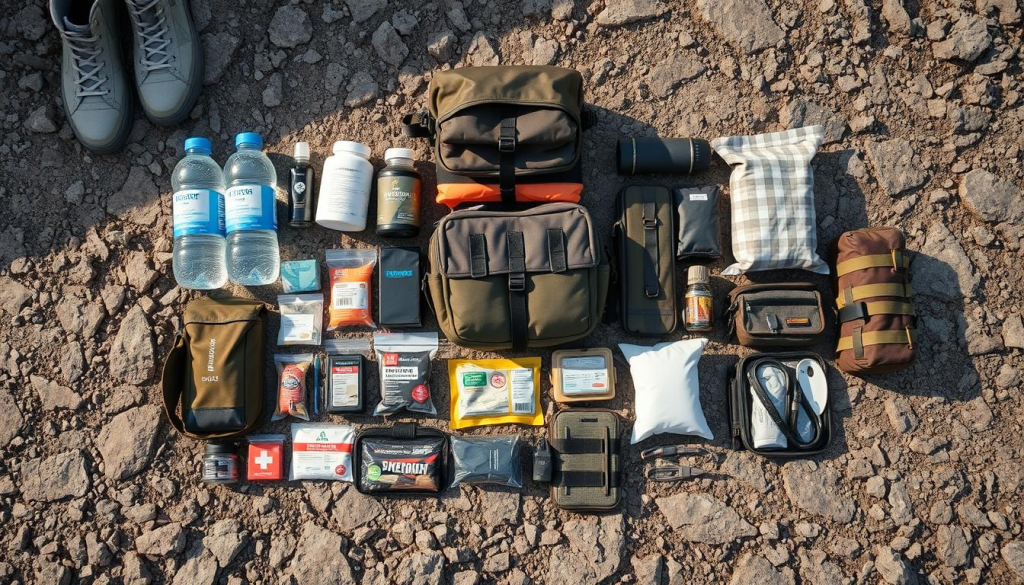
When selecting food for your bug out bag, it’s essential to choose items that are high in calories, nutritious, and have a long shelf life. Consider including:
- Energy bars
- Dried fruits and nuts
- Canned goods
- MREs (Meals Ready to Eat)
These food items are not only compact but also provide the necessary energy for survival. It’s also crucial to consider any dietary restrictions and preferences when packing food.
Water Purification Techniques
Access to clean drinking water is critical in a survival situation. There are several water purification techniques you can employ:
- Boiling: Bringing water to a rolling boil for at least one minute.
- Water Filters: Using portable filters like LifeStraw or Sawyer Mini.
- Chemical Purification: Utilizing water purification tablets or bleach.
- UV Purification: Exposing water to UV light using devices like SteriPen.
Each method has its advantages and can be effective in different scenarios.
Storage Solutions for Long-Term Use
Proper storage of food and water supplies is essential for maintaining their quality over time. Consider using:
| Storage Method | Benefits |
|---|---|
| Mylar Bags | Air-tight, waterproof, and protect against pests. |
| Food-Grade Buckets | Durable, stackable, and can store large quantities. |
| Vacuum Sealing | Removes air, preventing spoilage and preserving freshness. |
By employing these storage solutions, you can ensure that your food and water supplies remain usable for an extended period.
First Aid Kit Essentials for Your Bug Out Bag
In the event of an emergency, a first aid kit can be a lifesaver, making it an essential component of your bug out bag. A well-stocked first aid kit provides the necessary tools to treat injuries, potentially preventing minor issues from becoming major problems. When preparing your bug out bag, it’s crucial to consider the types of medical emergencies you might face and pack accordingly.
Medical Supplies to Consider
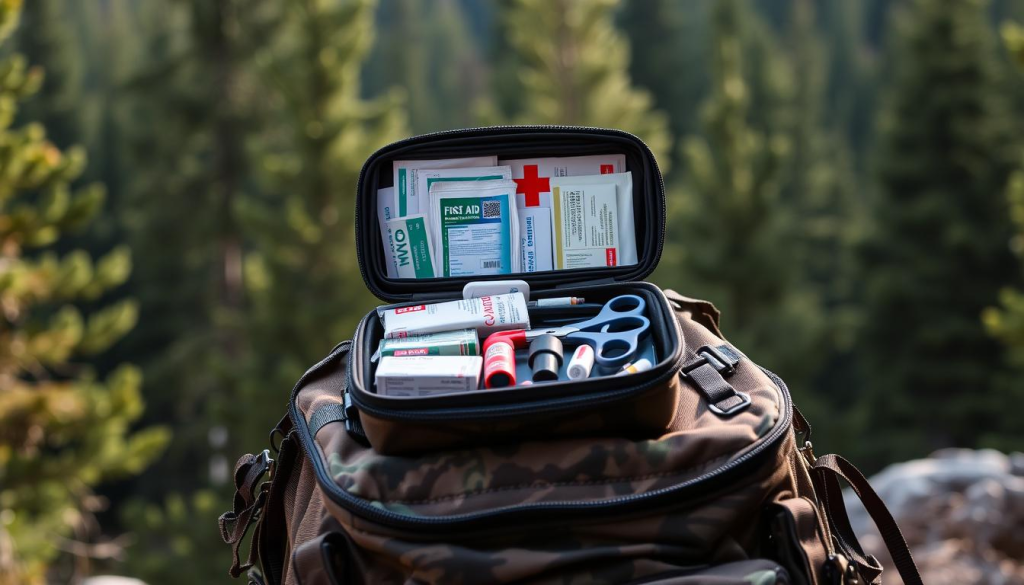
A basic first aid kit should include a variety of medical supplies to address common injuries. These include bandages, antiseptic wipes, pain relievers, and any other items that could be useful in treating wounds or managing pain. It’s also wise to include supplies for more specific medical needs, such as blister care or splinting broken limbs.
- Bandages and band-aids in various sizes
- Antiseptic wipes and ointments
- Pain relievers and antihistamines
- Gauze pads and rolls
- Medical tape
Adding Personal Medications
In addition to general medical supplies, it’s essential to include personal medications in your first aid kit. This could include prescription medications, such as EpiPens or inhalers, as well as over-the-counter medications that family members may need. Make sure to check expiration dates regularly and update your supplies as necessary.
First Aid Training Resources
Having a first aid kit is only useful if you know how to use the items in it. Consider taking a first aid training course to learn basic first aid techniques, such as CPR and wound cleaning. There are many resources available, both online and in-person, to help you gain the skills you need to respond effectively in an emergency.
By including a comprehensive first aid kit in your bug out bag and taking the time to learn basic first aid skills, you can significantly enhance your emergency survival kit and be better prepared to face unexpected challenges.
Navigation Tools to Include in Your Bug Out Bag
A well-prepared bug out bag includes essential navigation tools to help you find your way during crises. In emergency situations, being able to navigate effectively is crucial for survival.
Maps and Compasses
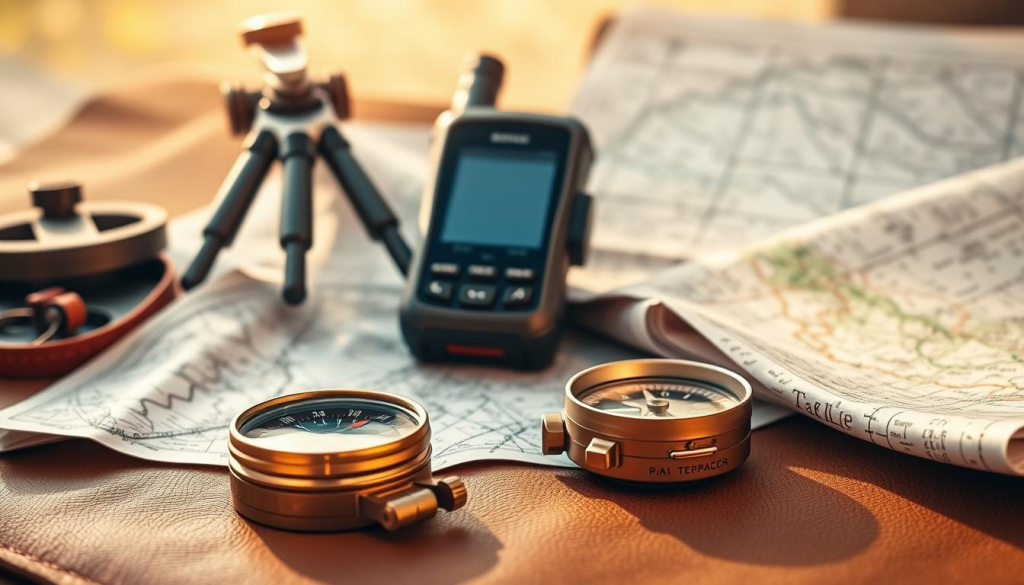
Maps and compasses are fundamental navigation tools that should be included in your bug out bag. A detailed topographic map can help you identify safe routes, water sources, and potential hazards. When choosing a map, consider one that is waterproof and tear-resistant.
A compass is another vital tool that doesn’t rely on batteries. To use a compass effectively, you need to understand how to read a map and use the compass together. This skill is essential for navigating through unfamiliar territories.
GPS Devices and Their Benefits
GPS devices offer a more modern approach to navigation, providing precise location information and often including additional features such as tracking routes and marking waypoints. While GPS devices are highly effective, they do rely on batteries, so it’s essential to pack extra power sources.
Some GPS devices also offer real-time data, such as weather updates and information on nearby landmarks. When selecting a GPS device for your bug out bag, consider one that is rugged, waterproof, and has a long battery life.
Utilizing Survival Apps
In addition to traditional navigation tools, survival apps on smartphones can provide valuable information and assistance. Apps such as those for identifying constellations, tracking weather, or finding shelter can be lifesaving.
However, it’s critical to remember that smartphones require power and can be fragile. Consider packing a portable charger and a protective case to ensure your device remains functional during emergencies.
| Navigation Tool | Benefits | Considerations |
|---|---|---|
| Maps | Waterproof, doesn’t require batteries | Needs to be updated, can be bulky |
| Compasses | Reliable, simple to use | Can be affected by magnetic interference |
| GPS Devices | Precise, offers additional features | Requires batteries, can be complex |
| Survival Apps | Offers real-time data, versatile | Requires smartphone, battery life concerns |
Tactical Gear and Clothing for Emergency Situations
In emergency situations, having the right tactical gear and clothing can be the difference between survival and peril. The right equipment not only enhances your ability to navigate through challenging environments but also provides protection and comfort.
Selecting the Right Apparel
Choosing the appropriate apparel for your bug out bag is crucial. Clothing should be durable, versatile, and suitable for various weather conditions. Consider including items made from moisture-wicking fabrics that dry quickly and provide insulation. Clothing with multiple pockets can also be beneficial for storing small items.
It’s also wise to pack clothing that can be layered, allowing you to adjust to changing temperatures. Earth-toned or camouflage patterns can be advantageous for blending into the environment, but consider the terrain you’ll be in.
Footwear That Holds Up Under Pressure
Footwear is a critical component of your tactical gear. Boots should be sturdy, waterproof, and provide adequate ankle support. Look for boots with good tread that can handle various terrains, from muddy paths to rocky trails. The material should be durable yet comfortable for long periods of wear.
Consider the climate and terrain you’ll most likely encounter when selecting your footwear. For colder climates, insulated boots are a must, while in warmer conditions, breathable materials will help keep your feet cool and dry.
Additional Gear: Knives and Multi-tools
In addition to clothing and footwear, certain tools are indispensable in a bug out bag. A reliable knife is a versatile tool that can be used for a variety of tasks, from cutting branches to preparing food. Look for one that is durable and has a comfortable grip.
Multi-tools are also invaluable, offering a range of functions in a single device. They can help with everything from tightening loose parts to opening cans. When choosing a multi-tool, consider the types of tasks you’ll most likely need to perform.
Communication Devices in Your Bug Out Bag
A well-prepared bug out bag includes communication devices that can help you stay connected with family and emergency services during critical situations. In today’s world, being able to communicate effectively can make a significant difference in survival scenarios.
Importance of Keeping Connected
Staying connected with family members and emergency responders is crucial during emergencies. Communication devices enable you to receive vital information, call for help, and coordinate with your loved ones. This connectivity can reduce anxiety and improve your chances of getting assistance when needed.
Types of Communication Tools
There are several types of communication tools you can include in your bug out bag:
- Two-way radios for real-time communication with family members or team.
- Satellite phones for areas with no cellular coverage.
- Cellular phones with backup power sources, such as solar chargers or batteries.
- Whistle or other signaling devices for emergency signaling.
Emergency Signaling Methods
In addition to electronic devices, it’s essential to include emergency signaling methods in your bug out bag. These can include:
- Mirrors for signaling during the day.
- Flares for nighttime or low-visibility conditions.
- Smoke signals during the day.
- Using clothing or other materials to create visible signals.
By incorporating these communication devices and signaling methods into your bug out bag, you can significantly enhance your ability to communicate during emergencies, thereby improving your overall readiness and response.
Maintenance and Updates for Your Bug Out Bag
Ensuring your bug out bag is always ready requires regular maintenance and updates. A well-prepared individual understands that having a bug out bag is not enough; it must be regularly inspected and updated to remain effective.
Reviewing Your Supplies
It’s crucial to regularly review the supplies in your bug out bag. This includes checking expiration dates of food and medical supplies, ensuring that all equipment is in working order, and verifying that all necessary documents are up to date.
- Check food and water supplies for expiration or spoilage.
- Inspect first aid kits for used or expired items.
- Test all communication and navigation tools.
Creating a bug out bag checklist can help streamline this process. This checklist should include all items in your bag and their condition.
Keeping Gear in Working Order
Maintenance is key to ensuring that your gear remains functional. This involves not just checking that items are present, but also that they are in good condition.
| Gear | Condition | Last Checked |
|---|---|---|
| First Aid Kit | Good | 2023-02-20 |
| Water Purification Tablets | Expired | 2022-12-01 |
| Flashlight | Functional | 2023-03-01 |
Adjusting for Seasonal Changes
Your bug out bag should be adaptable to different seasons and environments. This means including seasonal supplies and adjusting your gear according to the climate you expect to be in.
- For cold climates, include warm clothing and heating sources.
- In hot climates, prioritize hydration and sun protection.
- For wet conditions, ensure your gear is waterproof or has protective coverings.
By following these maintenance tips and regularly updating your bug out bag, you can ensure that you’re always prepared for emergencies.
Conclusion: Building Your Tactical Bug Out Bag
Creating a tactical bug out bag is a crucial step in disaster preparedness. By understanding the essential components and tailoring your kit to your specific needs, you can ensure a swift and effective response in emergency situations.
Tailoring Your Kit
Personalizing your bug out bag involves considering your environment, family needs, and potential hazards. Incorporate items that address specific risks, such as natural disasters or other emergencies, to make your kit more effective.
Staying Ready
Regularly reviewing and updating your bug out bag is vital. Check your supplies, ensure gear is in working order, and adjust for seasonal changes to maintain readiness. A well-maintained bug out bag tactical kit is your key to survival during disasters.
Take Action
Don’t wait until disaster strikes to prepare. Start building your bug out bag today, focusing on disaster preparedness and incorporating the right tools and supplies. With a comprehensive kit, you’ll be better equipped to face unexpected challenges.