
Preparing for emergencies doesn’t have to break the bank. With a bit of planning and the right strategy, you can build a robust stockpile without draining your bank account.
Emergency preparedness is within reach, even for those with limited financial resources. By focusing on saving money and making smart choices, you can be well-prepared for unexpected events.
Building a stockpile of food and water, acquiring survival gear, and staying informed are crucial steps in prepping. By adopting a budget-friendly approach to budget prepping, you can achieve your preparedness goals without financial strain.
Key Takeaways
- Plan your emergency fund carefully to save money.
- Start with the essentials: food, water, and basic survival gear.
- Look for sales and discounts to stock up on supplies.
- Repurpose and reuse items to cut costs.
- Stay informed about potential emergencies and preparedness strategies.
The Smart Approach to Budget Prepping
Smart budget prepping is about maximizing your emergency preparedness without breaking the bank. It involves a combination of strategic planning, financial responsibility, and a clear understanding of what prepping really means in today’s world.
What Prepping Really Means in Today’s World
Prepping, or emergency preparedness, is about being ready for any situation that might arise, whether it’s a natural disaster, economic downturn, or personal crisis. It’s not just about stockpiling supplies; it’s about having a plan and the resources to execute it. Effective prepping is about sustainability and adaptability, not just accumulation.
In today’s world, prepping has evolved to include a wide range of activities and strategies, from food storage and water purification to financial planning and community building.
Why Financial Responsibility Matters in Emergency Preparedness
Financial responsibility is crucial in emergency preparedness because it ensures that you’re not overspending or accumulating debt in the name of prepping. A financially responsible approach to prepping involves creating a budget, prioritizing needs over wants, and making smart investment decisions.
- Creating a sustainable prepping budget plan
- Prioritizing essential supplies and skills
- Avoiding unnecessary expenses and debt
By being financially responsible, you can ensure that your prepping efforts are sustainable over the long term, allowing you to be better prepared for whatever comes your way.
Setting Realistic Prepping Goals Within Your Budget
Establishing achievable prepping goals starts with understanding your financial landscape. This foundational step enables you to allocate resources effectively towards emergency preparedness.
Assessing Your Current Financial Situation
To set realistic prepping goals, begin by assessing your current financial situation. This involves calculating your income, expenses, debts, and savings. Track your spending habits over a month to identify areas where you can cut back and allocate funds towards prepping. Consider using a budgeting app or spreadsheet to make this process easier.
Understanding your financial health will help you determine how much you can realistically allocate towards prepping each month.
Creating a Sustainable Prepping Budget Plan
With a clear picture of your financial situation, you can create a sustainable prepping budget plan. Start by setting a specific prepping budget that aligns with your financial capabilities. Allocate your budget across different prepping categories, such as food storage, water purification, and first aid supplies.
- Prioritize essential items that align with your prepping goals.
- Consider buying in bulk and taking advantage of sales to maximize your budget.
- Regularly review and adjust your budget plan to ensure it remains aligned with your changing financial situation.
Prioritizing Needs vs. Wants in Emergency Preparedness
In prepping, it’s crucial to differentiate between needs and wants. Focus on acquiring essential items that will enhance your survival chances during emergencies. Needs include food, water, shelter, and first aid, while wants might involve luxury items or gear that doesn’t significantly impact survival.
By prioritizing needs over wants, you can ensure that your prepping efforts are both effective and budget-friendly.
Prepping on a Budget: Core Strategies That Work
Effective budget prepping involves a combination of smart strategies and resourcefulness. One of the most impactful approaches is bulk purchasing. Buying items like non-perishable foods, household supplies, and personal care products in bulk can significantly reduce costs over time. However, it’s crucial to balance bulk buying with storage space and expiration dates to avoid waste.
Another strategy is shopping second-hand. Thrift stores, garage sales, and online marketplaces can be treasure troves for preppers looking for affordable gear and supplies. For instance, durable clothing, camping equipment, and even some food items can be found at a fraction of the cost of new items. As prepper expert John Doe notes, “Shopping second-hand is not just about saving money; it’s about being resourceful and finding hidden gems that can enhance your prepping efforts.”
“The key to successful prepping on a budget is not just about cutting costs, but about making smart investments in your future security.”
Waiting for sales is another effective tactic. Many retailers offer significant discounts during holiday sales, clearance events, and special promotions. Preppers can stock up on essential items during these times, reducing their overall expenditure. It’s also beneficial to use coupons, sign up for rewards programs, and follow brands on social media to stay informed about upcoming deals.
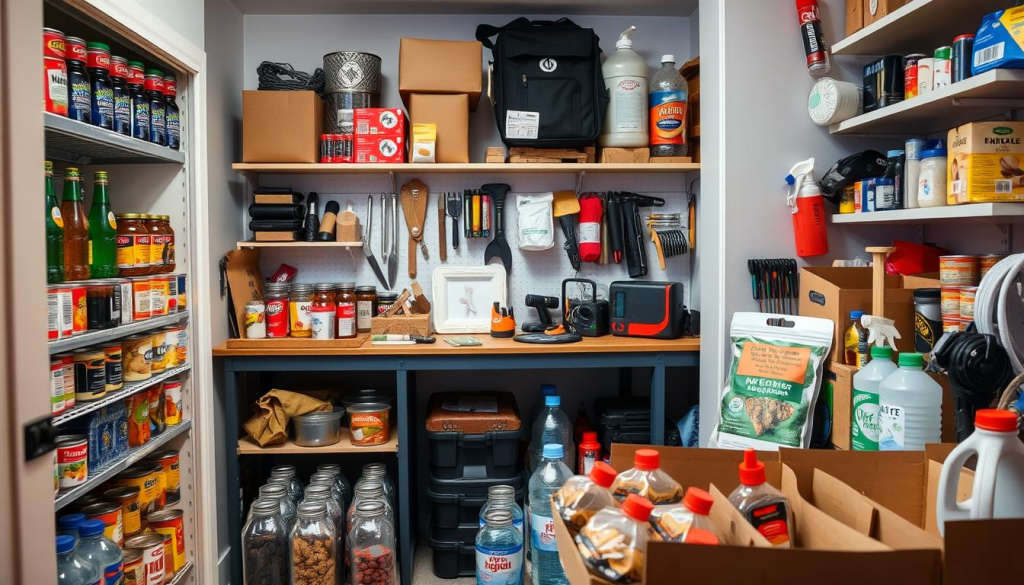
In addition to these strategies, preppers can also consider DIY projects to save money. Making your own emergency kits, bug-out bags, and even some survival tools can be cost-effective and rewarding. Repurposing household items for emergency preparedness is another creative way to prep on a budget.
By implementing these core strategies, individuals can effectively prep on a budget without compromising their financial stability. It’s about being proactive, resourceful, and strategic in your prepping efforts.
Budget-Friendly Food Storage Solutions
Food storage is a vital component of prepping, and it doesn’t have to break the bank. By adopting a few strategic approaches, you can build a robust food storage system without overspending.
Building a Three-Month Pantry Without Breaking the Bank
Creating a three-month pantry can be achieved by focusing on staple foods that are both nutritious and affordable. Start by stocking up on grains like rice, oats, and wheat, which are rich in carbohydrates and can be stored for long periods. Canned goods, such as vegetables, fruits, and meats, are also essential for a well-rounded pantry. Don’t forget to include protein sources like beans, lentils, and nuts. By buying in bulk and planning your meals, you can save money and ensure a steady food supply.
Strategic Bulk Buying That Actually Saves Money
Bulk buying can be a cost-effective way to stock up on food, but it requires some planning. First, identify the items you use regularly and that have a long shelf life. Purchasing grains, beans, and canned goods in bulk can lead to significant savings. Consider dividing bulk purchases with friends or family members to avoid waste and share the costs. Additionally, look for sales and discounts on bulk items at warehouse clubs or online retailers.
DIY Food Preservation Methods That Cost Almost Nothing
Preserving food at home can be a cost-effective and rewarding way to stock up for emergencies. Simple methods like canning, freezing, and dehydrating can help extend the shelf life of your food. Canning, for example, allows you to preserve fruits, vegetables, and meats using basic equipment and supplies. Freezing is another effective method, especially for meats and vegetables. Dehydrating foods like fruits, vegetables, and herbs can be done with minimal investment in a dehydrator or even just your oven.
By implementing these budget-friendly food storage solutions, you can ensure a well-stocked pantry without straining your finances. Whether you’re building a three-month supply, buying in bulk, or preserving food at home, there are numerous ways to save money while preparing for emergencies.
Water Storage and Filtration on a Shoestring
Securing a reliable water supply is crucial for effective prepping, and it doesn’t have to break the bank. With a little creativity and resourcefulness, you can implement a robust water storage and filtration system without overspending.
Affordable Water Storage Containers and Systems
When it comes to water storage, the key is to find containers that are durable, food-grade, and affordable. Consider using food-grade plastic barrels or collapsible water containers that can be sourced at a low cost. These options are not only budget-friendly but also efficient for storing large quantities of water.
Here’s a comparison of some affordable water storage options:
| Container Type | Capacity | Cost |
|---|---|---|
| Food-Grade Plastic Barrels | 55 Gallons | $50-$100 |
| Collapsible Water Containers | Various | $20-$50 |
Budget Water Filtration and Purification Options
For water filtration and purification, there are several budget-friendly options available. Gravity-fed filters and ceramic filters are effective and affordable. You can also consider DIY methods like boiling water or using natural filtration methods such as sand and charcoal.
Some popular budget water filtration options include:
- Gravity-fed filters
- Ceramic filters
- Water distillation units
Free and Low-Cost Water Collection Methods
Collecting rainwater is a free and effective way to supplement your water supply. You can use tarps or large buckets to collect rainwater. Additionally, consider using natural sources like streams or ponds, but ensure you purify the water before consumption.
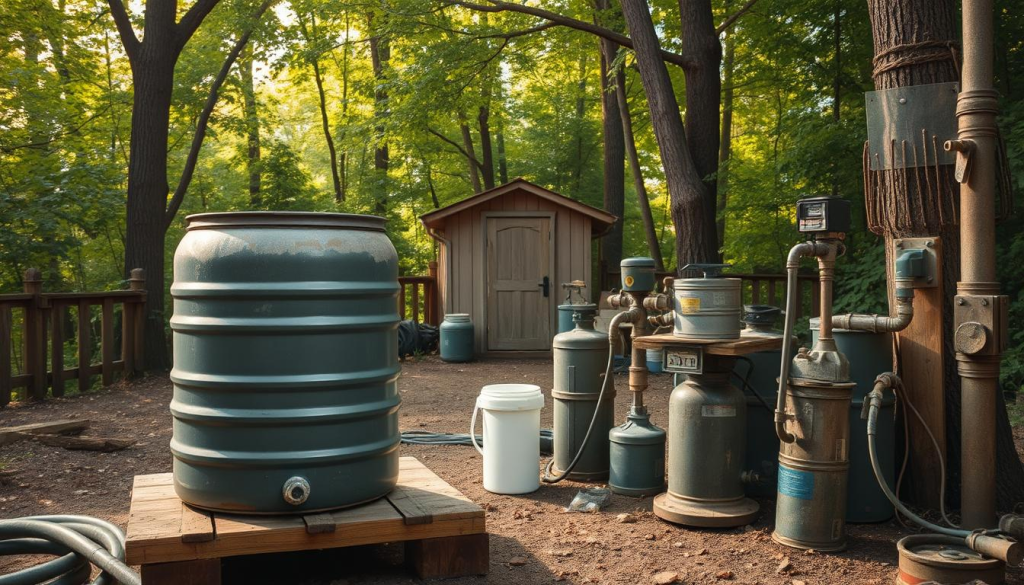
By implementing these affordable water storage and filtration solutions, you can ensure a reliable water supply without straining your budget.
Essential Emergency Supplies for Less
You don’t have to spend a fortune to be prepared for emergencies. With a little creativity and resourcefulness, you can acquire essential emergency supplies without breaking the bank. Budget prepping is all about making smart choices and finding affordable alternatives.
Dollar Store Prepping: Hidden Gems and What to Avoid
Dollar stores can be a treasure trove for preppers on a budget. Look for multi-purpose items like candles, batteries, and first aid supplies. However, be cautious of perishable goods and items with limited shelf life. Some hidden gems include:
- Water bottles and storage containers
- Basic first aid kits
- Canned goods and non-perishable snacks
Thrift Stores, Garage Sales, and Flea Markets for Prepping Gear
Thrift stores, garage sales, and flea markets can offer a wide range of prepping gear at affordable prices. Keep an eye out for durable goods like camping equipment, warm clothing, and sturdy tools. When shopping at these venues, inspect items carefully for quality and functionality.
| Item | Average Cost | Prepping Use |
|---|---|---|
| Camping Gear | $5-$10 | Emergency Shelter |
| Warm Clothing | $2-$5 | Hypothermia Prevention |
| Tools | $3-$10 | Repair and Maintenance |
Multi-Purpose Items That Save Money, Space, and Weight
Investing in multi-purpose items is a smart strategy for budget prepping. These items can serve multiple functions, reducing the need for single-use supplies. Examples include:
- Duct tape for repairs and insulation
- Multi-tools for various tasks
- Blankets or sarongs for warmth and shelter
By incorporating these strategies into your prepping routine, you can build a comprehensive emergency kit without overspending. Remember, the key to successful budget prepping is being resourceful and flexible.
DIY Prepping Projects That Save Serious Money
DIY prepping projects can be a game-changer for those looking to save money on emergency preparedness. By taking a hands-on approach, preppers can create effective solutions without breaking the bank.
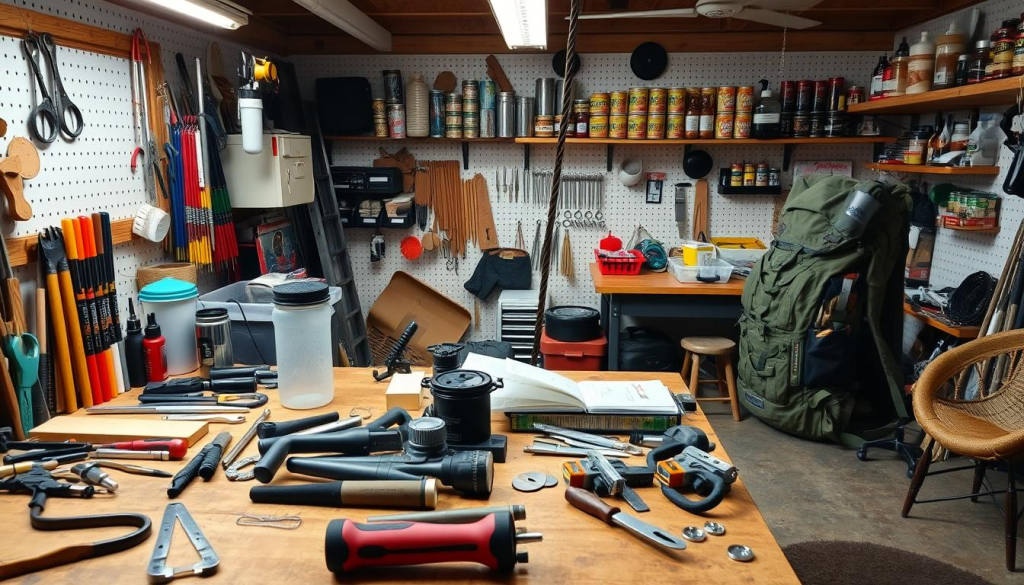
Homemade Emergency Kits and Bug-Out Bags
Creating homemade emergency kits and bug-out bags is a cost-effective way to ensure you’re prepared for any situation. Start by gathering basic supplies like first aid kits, flashlights, and non-perishable food. Use items you already have at home to minimize expenses.
- Use reusable containers or bags to pack your supplies.
- Include multi-purpose items to reduce overall cost.
- Customize your kits according to your family’s specific needs.
DIY Survival Tools and Equipment Anyone Can Make
Survival tools and equipment don’t have to be expensive. With a little creativity, you can make your own. For example, you can create a simple water filter using sand, charcoal, and a plastic bottle.
“The ability to improvise and adapt is a crucial survival skill.” –
| Tool | Materials | Cost |
|---|---|---|
| Water Filter | Sand, Charcoal, Plastic Bottle | $0 (using household items) |
| Fire Starter | Battery, Steel Wool | $0.50 |
Repurposing Household Items for Emergency Preparedness
Repurposing household items is another effective way to save money on prepping. Items like old blankets, towels, and clothing can be used to create makeshift bandages or signaling devices.
Tips for Repurposing:
- Identify items that can serve multiple purposes.
- Get creative with items that are typically thrown away.
- Store repurposed items in labeled containers for easy access.
By embracing DIY prepping projects, you can significantly reduce your expenses while maintaining a high level of preparedness. Whether it’s making homemade emergency kits, creating survival tools, or repurposing household items, every effort counts towards a more resilient you.
Building Emergency Skills Instead of Buying Expensive Gear
Investing time in learning emergency skills is a smart alternative to overspending on prepping equipment. By focusing on skill development, individuals can enhance their preparedness without straining their budget.
Free Resources to Learn Essential Survival Skills
Numerous online platforms offer free tutorials and guides on survival skills, ranging from first aid to wilderness survival. Websites like Reddit’s r/survival and YouTube channels dedicated to survival provide valuable information. These resources help learners acquire essential skills without any financial burden.
Skills That Reduce Your Dependence on Costly Equipment
Skills such as food preservation, basic first aid, and shelter building can significantly reduce the need for expensive equipment. By mastering these skills, preppers can save money and become more self-sufficient during emergencies.
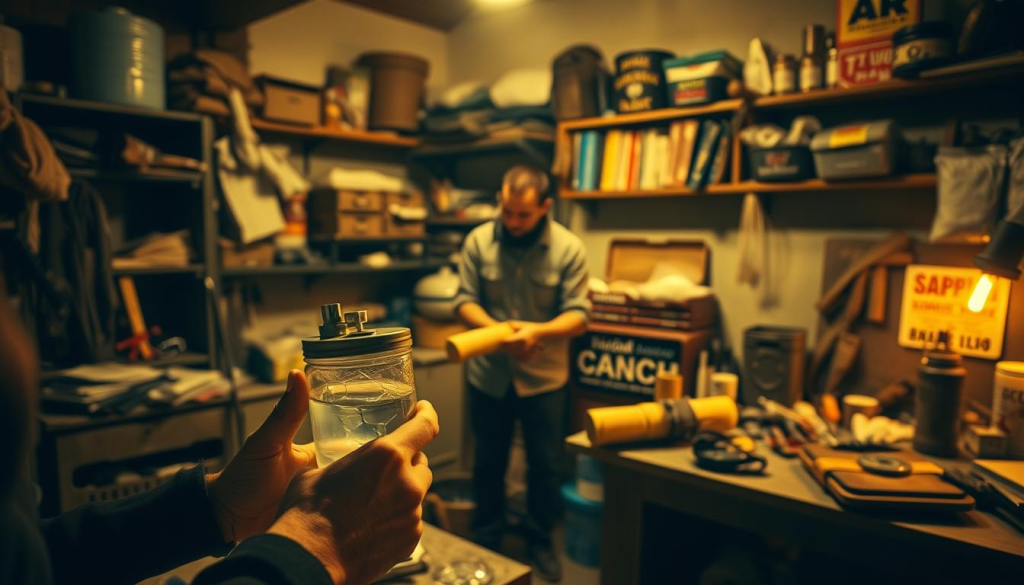
Community Classes and Skill-Sharing Opportunities
Local community centers, libraries, and online forums often host skill-sharing sessions or workshops. Participating in these events not only enhances one’s skills but also fosters a sense of community among preppers. Engaging in skill-sharing can be a rewarding way to learn new skills while building relationships with like-minded individuals.
By focusing on building emergency skills, preppers can create a more sustainable and cost-effective preparedness plan.
Strategic Shopping for Prepping Supplies
Strategic shopping is the backbone of successful prepping on a budget. By being mindful of how and when you shop for prepping supplies, you can significantly stretch your dollars.
One of the key strategies in strategic shopping is taking advantage of seasonal sales, clearance, and markdown opportunities. Many retailers offer discounts on seasonal items, which can be crucial for preppers.
Seasonal Sales, Clearance, and Markdown Opportunities
Preppers can capitalize on end-of-season sales to stock up on winter clothing, camping gear, or other seasonal necessities at discounted prices. Keeping an eye on clearance sections and markdowns can also yield valuable prepping supplies at a fraction of the cost.
Couponing, Cashback, and Rewards Programs for Preppers
Utilizing coupons, cashback apps, and rewards programs can further reduce the cost of prepping supplies. Many stores offer loyalty programs that reward repeat customers with discounts or cashback on their purchases.
- Sign up for store newsletters to receive exclusive coupons.
- Use cashback apps like Ibotta or Rakuten for grocery and outdoor gear purchases.
- Participate in rewards programs offered by outdoor gear retailers.
Here’s a comparison of popular cashback and rewards programs:
| Program | Cashback/Rewards | Eligible Purchases |
|---|---|---|
| Ibotta | Up to 10% cashback | Groceries, household items |
| Rakuten | Up to 40% cashback | Online purchases at over 2,500 stores |
| REI Co-op Membership | Annual dividend | Outdoor gear and apparel |
Online Resources and Communities for Discounted Prepping Supplies
Engaging with online communities and forums can provide preppers with valuable insights into where to find discounted supplies. Websites and social media groups dedicated to prepping often share tips on scoring deals.
By combining these strategies, preppers can build a comprehensive emergency kit without overspending. Strategic shopping is not just about finding deals; it’s about making informed purchasing decisions that align with your prepping goals.
Community Resources and Bartering Systems
Preppers can significantly benefit from leveraging community resources and bartering systems. By forming networks and exchanging goods and services, individuals can enhance their preparedness without incurring substantial costs.
Forming Prepper Networks to Share Costs and Resources
Creating or joining a prepper network allows individuals to pool resources, share knowledge, and divide costs. This collective approach can lead to more effective prepping strategies. For instance, preppers can jointly purchase supplies in bulk, reducing individual expenses.
A table illustrating the benefits of prepper networks is shown below:
| Benefit | Description | Example |
|---|---|---|
| Shared Costs | Dividing expenses among network members | Bulk purchasing of food and water |
| Resource Pooling | Combining skills and materials | Shared tool libraries |
| Knowledge Sharing | Exchanging information and expertise | Workshops on survival skills |
Trading Skills and Supplies in Your Local Community
Bartering within the local community is another effective strategy for preppers. By trading skills and supplies, individuals can acquire necessary items without spending money. For example, a person skilled in first aid can offer training in exchange for food storage supplies.
To facilitate bartering, preppers can organize community events or join local online forums. This not only fosters a sense of community but also enhances individual preparedness.
By leveraging community resources and engaging in bartering, preppers can build a more resilient and sustainable approach to emergency preparedness.
Long-Term Financial Strategies for Sustainable Prepping
A well-rounded prepping strategy incorporates financial planning to ensure sustainability over time. This involves more than just saving money; it’s about creating a robust financial foundation that supports your prepping goals.
Building an Emergency Fund Before Buying Supplies
Before investing in prepping supplies, it’s crucial to build an emergency fund. This fund acts as a financial safety net, providing the means to cover unexpected expenses without derailing your prepping efforts. Aim to save three to six months’ worth of living expenses in a readily accessible savings account.
Having this fund in place not only enhances your financial stability but also allows you to make more strategic decisions about your prepping investments.
Investing in Self-Sufficiency and Resilience
Investing in self-sufficiency is a key long-term strategy for preppers. This can involve skills training, such as learning to garden or repair equipment, as well as investments in renewable energy sources or water collection systems. By becoming more self-sufficient, you reduce your reliance on external resources, enhancing your resilience in the face of emergencies.
Such investments may require significant upfront costs, but they can lead to substantial long-term savings and increased preparedness.
Balancing Prepping with Other Financial Goals
Prepping is just one aspect of your overall financial landscape. It’s essential to balance your prepping goals with other financial objectives, such as saving for retirement, paying off debt, or building a college fund. By integrating your prepping strategy into your broader financial plan, you can ensure that you’re making progress on all fronts without sacrificing one goal for another.
Avoiding the Common Budget Prepping Pitfalls
Effective budget prepping requires more than just saving money; it demands a strategic approach to avoid common pitfalls. Many preppers fall into traps that can derail their efforts and drain their finances.
Gear Obsession and the Trap of Overspending
One of the most significant pitfalls is gear obsession, where the focus shifts from essential preparedness to accumulating gadgets and gizmos. This can lead to overspending on items that may never be used. Prioritizing needs over wants is crucial to avoid this trap.
Stockpiling Without a Strategic Plan
Stockpiling supplies without a clear plan can result in wasted resources and clutter. It’s essential to assess your needs and develop a strategy for storing and using your stockpile effectively.
Ignoring Maintenance, Rotation, and Replacement Costs
Preppers often overlook the ongoing costs associated with maintaining their supplies. Regular rotation and replacement of items are necessary to ensure they remain usable. A maintenance schedule can help manage these costs.
| Pitfall | Consequence | Solution |
|---|---|---|
| Gear Obsession | Overspending on unnecessary items | Prioritize needs over wants |
| Stockpiling Without a Plan | Wasted resources and clutter | Assess needs and develop a storage strategy |
| Ignoring Maintenance Costs | Expired or unusable supplies | Create a maintenance schedule |
Conclusion: Sustainable Prepping on Any Budget
Prepping on a budget requires a combination of strategic planning, resourcefulness, and a willingness to learn and adapt. By adopting a sustainable prepping approach, individuals can build resilience without breaking the bank.
Budget prepping is not just about cutting costs; it’s about making smart financial decisions that support long-term emergency preparedness. By prioritizing needs over wants, leveraging community resources, and investing in skills rather than gear, anyone can achieve sustainable prepping.
The key to successful budget prepping lies in creativity, planning, and a commitment to self-sufficiency. By applying the strategies outlined in this article, individuals can create a robust emergency preparedness plan that aligns with their financial capabilities.
Ultimately, sustainable prepping on any budget is achievable by focusing on what truly matters: building a resilient community, developing essential skills, and making informed financial decisions.