
Having a comprehensive emergency kit is crucial in today’s uncertain world. Preparing for the unexpected can make a significant difference in ensuring the safety and well-being of individuals and their families.
For those new to emergency preparedness, getting started can be overwhelming. However, by focusing on the basics, beginners can build a solid foundation for their prepping journey.
A well-stocked emergency kit should include essential items such as food, water, first aid supplies, and communication tools. By understanding the prepper basics, individuals can create a personalized prepping plan that suits their needs.
Key Takeaways
- Understand the importance of emergency preparedness
- Identify essential items for a prepping kit
- Create a personalized prepping plan
- Focus on building a solid foundation for prepping
- Stock up on food, water, and first aid supplies
Understanding the Basics of Prepping
Understanding the basics of prepping is essential for individuals and families to be self-sufficient during crisis situations. Prepping involves preparing for emergencies and disasters, ensuring that one has the necessary supplies and skills to navigate through challenging times.
What is Prepping?
Prepping, short for preparing, refers to the act of getting ready for potential disasters or emergencies. This can include natural disasters like hurricanes, earthquakes, and floods, as well as man-made crises. Prepping is about being proactive and having a plan in place to ensure safety and security.
The concept of prepping has evolved over time, from being a niche activity to a mainstream practice. It involves having a prepping checklist for beginners that includes essential items such as food, water, first aid supplies, and communication tools.
Why Prepping is Important
Prepping is important because it enables individuals and families to respond effectively during emergencies. Having essential prepping items for beginners on hand can make a significant difference in survival and recovery. Prepping is not just about stockpiling supplies; it’s also about having the knowledge and skills necessary to use them effectively.
By understanding the importance of prepping and taking steps to prepare, individuals can reduce their reliance on external aid during crises. This not only enhances personal and family safety but also contributes to community resilience.
Essential Food Supplies for Beginners
Stockpiling essential food supplies is a fundamental step in prepping for emergencies. As a beginner, it’s crucial to understand the types of food that are suitable for long-term storage and can provide sustenance during challenging times.
When it comes to food supplies, there are several key categories to focus on. These include non-perishable foods, freeze-dried meals, and water storage solutions.
Non-Perishable Foods
Non-perishable foods are a staple in any prepper’s pantry. These foods are characterized by their long shelf life and ability to withstand various environmental conditions. Examples include:
- Canned goods (vegetables, fruits, meats)
- Dried legumes (beans, lentils)
- Grains (rice, pasta)
- Nuts and seeds
These foods are not only durable but also provide a good source of nutrition. It’s recommended to rotate your stock every 6-12 months to ensure freshness.
Freeze-Dried Meals
Freeze-dried meals offer a convenient and lightweight option for preppers. They have a long shelf life and can be easily prepared with minimal equipment. Some popular freeze-dried meal options include:
- Mountain House meals
- Backpacker’s Pantry dishes
These meals are ideal for emergency situations where cooking facilities may be limited.
Water Storage Solutions
Adequate water storage is critical for survival. It’s recommended to store at least one gallon of water per person per day for drinking, cooking, and hygiene. Effective water storage solutions include:
- Water barrels
- Collapsible water containers
- Water purification tablets or filters
Having a reliable means of storing and purifying water is essential for maintaining health and hygiene during emergencies.
In conclusion, stockpiling the right food supplies is a vital aspect of prepping. By focusing on non-perishable foods, freeze-dried meals, and water storage solutions, beginners can establish a solid foundation for their prepping journey.
Basic First Aid Supplies
A basic first aid kit is an essential component of a beginner’s prepping list. It provides the necessary medical supplies to treat minor injuries and prevent more serious conditions from developing.
When assembling a first aid kit, it’s crucial to include a variety of key medical items. These should be chosen based on the types of injuries or conditions that are most likely to occur.
Key Medical Items to Include
The following medical items are considered essential for a basic first aid kit:
- Bandages and band-aids in various sizes
- Gauze pads and rolls for dressing wounds
- Medical tape to secure bandages
- Antiseptic wipes and ointment to prevent infection
- Pain relievers such as acetaminophen or ibuprofen
In addition to these items, it’s a good idea to include any personal medical needs, such as EpiPens or inhalers.
Over-the-Counter Medications
Over-the-counter medications can provide relief for a variety of common ailments. Some essential medications to include in your first aid kit are:
| Medication | Use |
|---|---|
| Acetaminophen (Tylenol) | Pain relief, fever reduction |
| Ibuprofen (Advil, Motrin) | Pain relief, anti-inflammatory |
| Antihistamines (Benadryl) | Allergy relief |
It’s also important to regularly check your first aid kit to ensure that all medications are within their expiration dates and that supplies are not depleted.
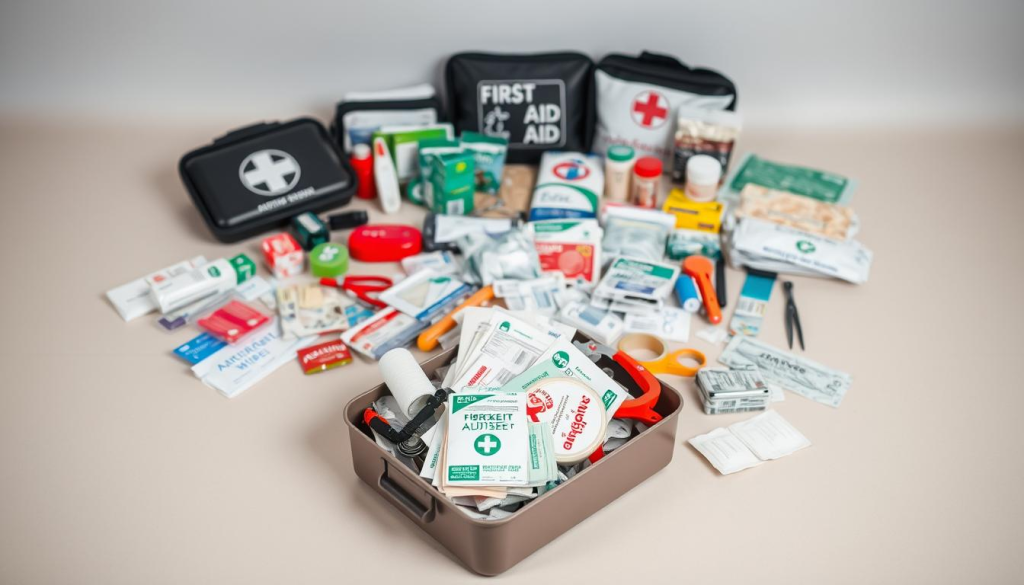
By including these essential prepping items for beginners, you’ll be better prepared to handle medical emergencies.
Essential Tools and Equipment
For those new to prepping, understanding the essential tools and equipment is a fundamental step. Having the right gear can significantly enhance your ability to respond to emergencies and survive challenging situations.
Multi-tools and Knives
A multi-tool or a reliable knife is indispensable for any prepper. These tools can help with a variety of tasks, from cutting and opening cans to more complex functions like tightening loose parts. Brands like Leatherman and Gerber are well-regarded for their quality and durability.
Flashlights and Batteries
A flashlight is another critical item, providing light during power outages or in dark environments. It’s essential to stock up on extra batteries to ensure your flashlight remains functional. LED flashlights are preferred for their energy efficiency and brightness.
Fire Starters
Fire starters, such as lighters, matches, or firestarters, are vital for warmth, cooking, and signaling. Having multiple methods to start a fire can be a lifesaver in a survival situation. It’s also a good idea to store these in waterproof containers to protect them from the elements.
Incorporating these prepping supplies for newcomers into your kit can significantly enhance your readiness. As a beginner, focusing on these beginner prepper must-haves will provide a solid foundation for more advanced prepping strategies.
Building a Basic Bug-Out Bag
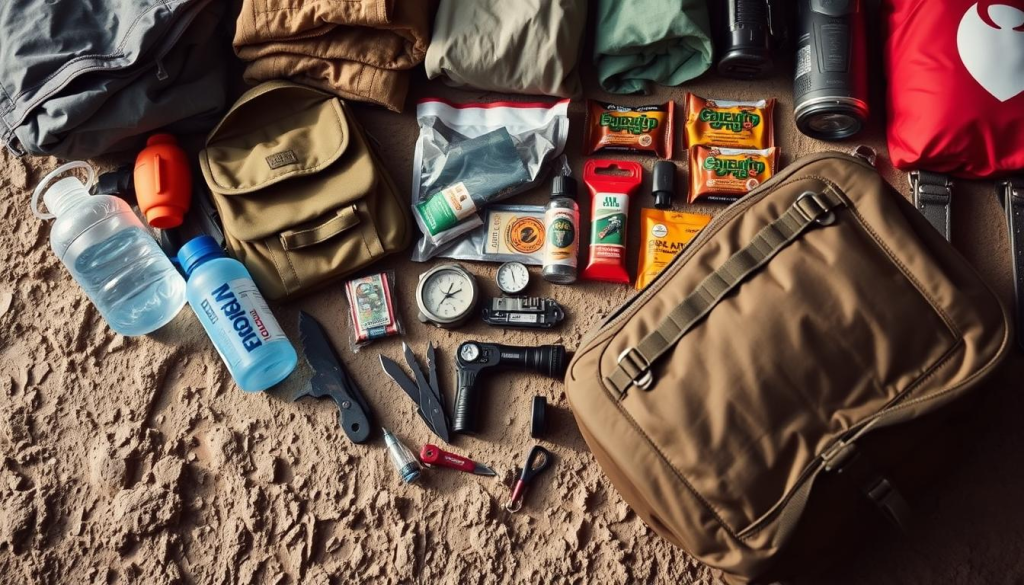
A bug-out bag is an essential tool for preppers, providing the necessary items to survive in emergency situations. It’s a portable collection of vital supplies that can be quickly grabbed in case of an unexpected event, allowing you to respond effectively.
Items to Include
When assembling your bug-out bag, it’s crucial to include a variety of essential items. These should cover basic needs such as hydration, nutrition, first aid, and communication.
- Water and Food: Pack enough non-perishable food and water for at least three days.
- First Aid Kit: Include bandages, antiseptic wipes, pain relievers, and any personal medications.
- Communication Tools: A cell phone with a charger, a two-way radio, and a whistle.
- Lighting and Navigation: Flashlights, extra batteries, and a compass.
- Personal Documents: Copies of identification, insurance cards, and emergency contact information.
To help you get started, here’s a summary of the key items to include in your bug-out bag:
| Category | Essential Items |
|---|---|
| Hydration and Nutrition | Water, non-perishable food |
| First Aid | Bandages, antiseptic wipes, pain relievers |
| Communication | Cell phone, two-way radio, whistle |
| Lighting and Navigation | Flashlights, extra batteries, compass |
| Personal Documents | ID copies, insurance cards, emergency contacts |
Bag Organization Tips
Organizing your bug-out bag is just as important as the items you include. Use compartments and pouches to categorize your supplies, making it easier to find what you need quickly.
Consider the following tips:
- Place frequently used items in easy-to-reach locations.
- Use waterproof bags or containers to protect your supplies.
- Regularly check and update your bug-out bag to ensure everything is still usable and not expired.
By carefully selecting the items for your bug-out bag and organizing them effectively, you’ll be better prepared to face unexpected situations. Remember, the key to successful prepping is being prepared.
Home Security Considerations
For those new to prepping, understanding home security considerations is essential for creating a safe and secure living space. As you begin to build your prepping list for beginners, it’s crucial to consider how you can protect your home and family from potential threats.
Home security is not just about installing a security system; it’s about creating a comprehensive plan that includes understanding your environment, knowing your neighbors, and being prepared for any situation that may arise. A well-secured home is a critical component of any prepping checklist for beginners, providing a safe haven for you and your loved ones.
Understanding Security Systems
A security system is a vital part of home security, acting as a deterrent to potential intruders and alerting you and the authorities in case of a breach. When selecting a security system, consider the size of your home, the number of entry points, and your budget. Modern security systems can range from simple, DIY setups to complex, professionally installed systems.
- Monitored systems that alert the authorities in case of an emergency
- Unmonitored systems that send alerts to your phone or email
- Smart home security systems that integrate with other smart devices
When choosing a security system, it’s essential to consider the essential prepping items for beginners that will complement your system, such as outdoor lighting, security cameras, and reinforced doors and locks.
Simple Ways to Secure Your Home
Securing your home doesn’t have to be complicated or expensive. There are several simple and effective ways to enhance your home’s security, making it a less appealing target for potential intruders.
- Improve Outdoor Lighting: Bright lights around entry points can deter intruders.
- Secure Doors and Windows: Use solid core or metal doors and consider security film on windows.
- Get to Know Your Neighbors: A neighborhood watch can be a powerful deterrent.
By implementing these simple measures and understanding the basics of security systems, you can significantly improve your home’s security, making it a safe and secure environment for you and your family. This is a crucial step in your prepping journey, ensuring that your home remains a safe haven, regardless of the situation.
Communication Strategies in Emergencies
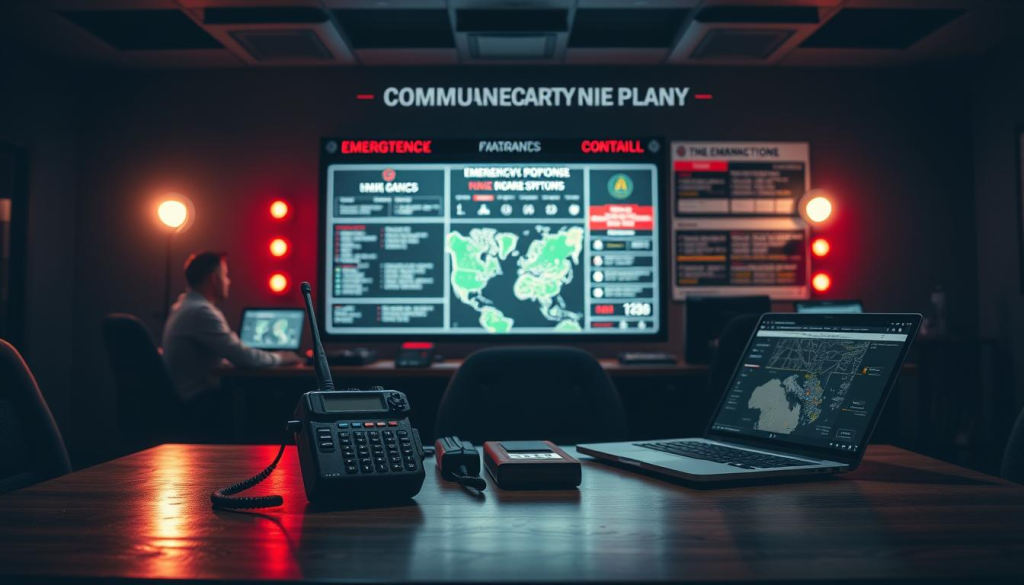
A robust communication plan is essential for preppers to stay connected and informed during crises. Effective communication can be the difference between safety and danger when emergencies arise.
Ham Radios vs. Cell Phones
When it comes to communication during emergencies, two primary tools are often considered: ham radios and cell phones. Each has its advantages and disadvantages.
Ham radios, or amateur radios, are highly reliable for long-distance communication, especially when traditional networks fail. They don’t rely on cell towers or internet connectivity, making them a valuable asset during widespread disasters.
Cell phones, on the other hand, are more convenient and widely used. However, they can become overwhelmed during emergencies, and their infrastructure can be damaged or destroyed.
| Feature | Ham Radios | Cell Phones |
|---|---|---|
| Reliability in Emergencies | High | Low to Medium |
| Range | Long Distance | Limited by Cell Towers |
| Power Source | Batteries or Hand-Crank | Battery; Can be Recharged |
Emergency Contact Plans
Having a pre-arranged emergency contact plan is crucial. This includes designating a meeting spot outside the home, choosing a contact person outside the immediate area for family members to check in with, and ensuring all family members have a list of important phone numbers and contacts.
Key elements of an emergency contact plan include:
- A designated meeting spot outside the home
- A contact person outside the immediate area
- Important phone numbers and contacts memorized or carried
Developing a Survival Skills Set
For novice preppers, understanding and developing survival skills is a fundamental step. Survival skills are not just about knowing how to survive in the wilderness; they’re also about being prepared for any situation that may arise, whether it’s a natural disaster, economic collapse, or other emergencies.
Having a well-rounded set of survival skills can significantly enhance one’s ability to respond to and manage emergencies. Two critical areas of focus for beginners are basic first aid training and navigational skills.
Basic First Aid Training
Basic first aid training is essential for preppers. It equips individuals with the knowledge to treat injuries and illnesses, potentially saving lives. First aid training should cover a range of topics, including wound cleaning and dressing, CPR, and the use of automated external defibrillators (AEDs).
According to the American Red Cross, “First aid is the immediate care given to someone who is injured or ill.” It’s not only about treating the physical injuries but also about providing comfort and reassurance until professional medical help can be obtained.
- Learn basic wound care
- Understand how to administer CPR
- Know how to use an AED
| First Aid Skill | Description | Importance Level |
|---|---|---|
| Wound Care | Cleaning and dressing wounds to prevent infection | High |
| CPR | Cardiopulmonary resuscitation to restore blood circulation | High |
| AED Use | Using an automated external defibrillator to treat cardiac arrest | High |
Navigational Skills
Navigational skills are another vital component of a prepper’s survival skills set. Being able to navigate using a map, compass, and GPS device can be the difference between finding your way back to safety or becoming lost.
“The art of navigation is the art of knowing where you are and where you’re going,” as emphasized by navigation experts. Understanding how to read maps, use a compass, and operate a GPS device are fundamental skills.
Navigational skills also involve understanding how to observe natural signs, such as the position of the sun and stars, to determine direction.
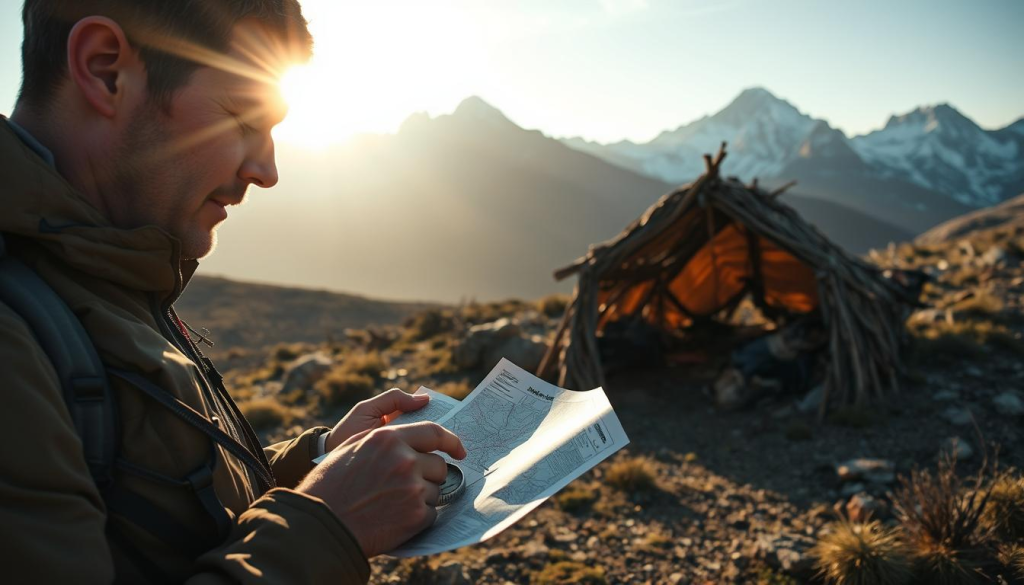
By focusing on developing these critical survival skills, novice preppers can significantly enhance their preparedness and ability to respond to emergencies.
Community Resources for Preppers
Prepping is not a solo activity; it’s about being part of a community that shares knowledge and skills. As a beginner, understanding and accessing community resources can significantly enhance your prepping journey.
Local Groups and Online Forums
Connecting with local groups and participating in online forums can provide preppers with valuable information, support, and networking opportunities. These communities often share knowledge on the best prepping practices, new techniques, and resources.
To find local groups, consider searching online, checking social media platforms, or visiting local outdoor or survival gear stores. Online forums dedicated to prepping are also a wealth of information, offering discussions on various topics related to prepping.
Workshops and Events
Workshops and events are excellent ways to gain hands-on experience and learn from experienced preppers. These events can range from basic first aid training to wilderness survival skills and emergency preparedness seminars.
Look for workshops and events in your local community centers, outdoor centers, or through online event calendars. Many prepping communities organize such events to educate and prepare their members for various scenarios.
Final Thoughts on Your Prepping Journey
Embarking on a prepping journey can be both exciting and overwhelming, especially for newcomers. As you’ve learned, having the right prepping supplies and gear is crucial. However, it’s equally important to recognize that prepping is a continuous process.
Learning from Experience
As you start with the basics, such as stocking up on non-perishable foods and building a basic bug-out bag, you’ll begin to understand what works best for you. This hands-on experience is invaluable, and it will guide you in making informed decisions about your prepping gear for beginners and beyond.
Staying Up-to-Date
Prepping is not a one-time task; it requires staying informed about new techniques, tools, and strategies. Regularly updating your knowledge and adapting your prepping supplies for newcomers will ensure you’re always prepared. Focus on acquiring beginner prepper must-haves and continually assess and improve your prepping plan.
By adopting a mindset of continuous learning and staying informed, you’ll be well on your way to becoming a proficient prepper, equipped with the right prepping gear for beginners and a robust plan for any situation.