Building a practical safety net is essential in today’s uncertain world. Survival preparedness involves covering the basics: finances, water, food, shelter, security, communication, and evacuation. For those new to this concept, starting with the fundamentals is crucial.
Being proactive is key to effective prepping. It’s about understanding the importance of being prepared and taking the first steps towards creating a secure environment. By starting with the basics, individuals can develop a comprehensive plan to tackle various challenges.
Key Takeaways
- Understand the basics of survival preparedness
- Identify the essential elements to focus on
- Develop a proactive approach to prepping
- Create a comprehensive plan for various challenges
- Start with the fundamentals to build a secure environment
Understanding Prepping Essentials
Prepping, or preparing for emergencies, is a vital aspect of being self-sufficient. It involves having the right mindset, skills, and supplies to handle unexpected situations.
What is Prepping?
Prepping is about planning and preparing for potential emergencies, such as natural disasters, economic downturns, or personal crises. It’s not just about stockpiling supplies, but also about developing skills and strategies to navigate challenging situations.
At its core, prepping is about being proactive and taking control of one’s safety and well-being. It requires a comprehensive approach, including understanding potential risks, having the necessary supplies, and knowing how to respond.
Why is Prepping Important?
Prepping is important because it enables individuals and families to be prepared for unexpected events. By having essential prepping items and basic prepper essentials, individuals can reduce their reliance on external services during emergencies.
Prepping also fosters a sense of community and self-reliance. By being prepared, individuals can help themselves and their loved ones, as well as contribute to their community’s resilience.
To get started with prepping, it’s essential to understand the basic prepper essentials. These include:
| Essential Items | Description |
|---|---|
| Water and Food | Stockpiling at least 1 gallon of water per person per day and non-perishable food items. |
| First Aid Kit | A basic kit should include bandages, antiseptic wipes, pain relievers, and any prescription medications. |
| Lighting and Power | Flashlights, batteries, and a portable power source, such as a battery pack or solar charger. |
For novices, starting with these prepping tips for novices can make a significant difference. Begin by assessing your needs, creating a plan, and gradually building your supplies and skills.
Making a Prepping Plan
The key to successful prepping lies in making a detailed plan that covers all aspects of emergency preparedness. This involves understanding your family’s needs, identifying potential threats, and setting realistic goals.
Setting Goals for Your Prep
Setting clear goals is the foundation of any prepping plan. It’s essential to define what you want to achieve through prepping, whether it’s being prepared for natural disasters, economic downturns, or other emergencies. Start by identifying your priorities, such as ensuring the safety of your family or maintaining a sustainable food supply.
To set effective goals, consider the following steps:
- Assess your current situation and resources.
- Determine your short-term and long-term objectives.
- Prioritize your goals based on importance and urgency.
Assessing You and Your Family’s Needs
Understanding the specific needs of you and your family is crucial for creating a tailored prepping plan. This includes considering factors such as age, health conditions, dietary requirements, and personal circumstances. For instance, families with young children or elderly members may need to stock up on specific supplies, such as diapers, medications, or nutritional supplements.
Here’s a simple table to help assess family needs:
| Family Member | Special Needs | Supplies Needed |
|---|---|---|
| Infants | Diapers, Formula | Disposable diapers, baby formula |
| Elderly | Medications, Mobility aids | Prescription medications, walkers |
| Pet Owners | Pet food, Veterinary care | Pet food, first aid kit for pets |
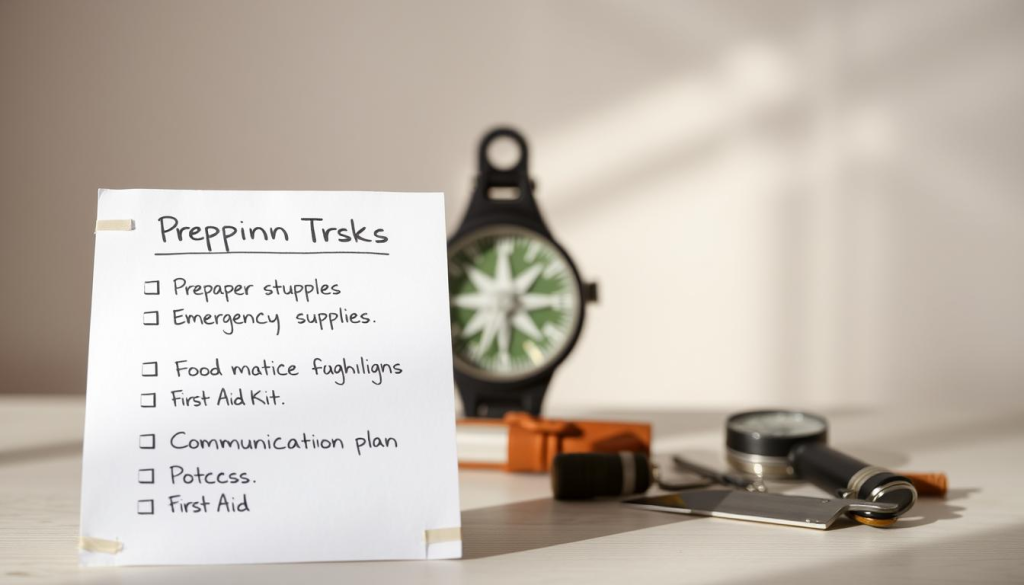
By following these steps and considering your family’s unique needs, you can create a comprehensive prepping plan that ensures you’re well-prepared for any situation.
Building Your Emergency Kit
Prepping for emergencies begins with building a comprehensive emergency kit. This kit will serve as the foundation of your prepping plan, providing necessary supplies in times of need. As a newbie, understanding what constitutes prepping gear for newbies is crucial.
Basic Supplies Everyone Should Have
When it comes to essential prepping items, there are several basics that everyone should have in their emergency kit. These include:
- Flashlights and extra batteries
- First aid kit
- Battery-powered radio
- Water purification tablets or filter
- Multi-tool or pocket knife
Food and Water Storage Guidelines
Storing adequate food and water is critical. Aim for at least one gallon of water per person per day for drinking, cooking, and hygiene. For food, focus on non-perishable items that are high in calories and nutrients. Consider the following basic prepper essentials for food storage:
- Canned goods (vegetables, fruits, meats)
- Dried legumes (beans, lentils)
- Nuts and seeds
- Dried fruits and vegetables
- MREs (Meals Ready to Eat)
It’s also important to have a manual can opener and to rotate your food supply every 6-12 months to ensure freshness.
Medical Supplies You Can’t Forget
A well-stocked first aid kit is indispensable. Include:
- Bandages and band-aids
- Antiseptic wipes and ointment
- Pain relievers and antihistamines
- Prescription medications and necessary medical equipment
- First aid guidebook
As emphasized by prepping experts, having the right medical supplies can significantly impact your ability to respond to emergencies effectively. “A good first aid kit is not just about having supplies; it’s about knowing how to use them.”
Creating a Sustainable Food Supply
Prepping for beginners on a budget starts with building a sustainable food supply that won’t break the bank. One of the most effective ways to achieve this is through home gardening and food preservation techniques.
Growing Your Own Food
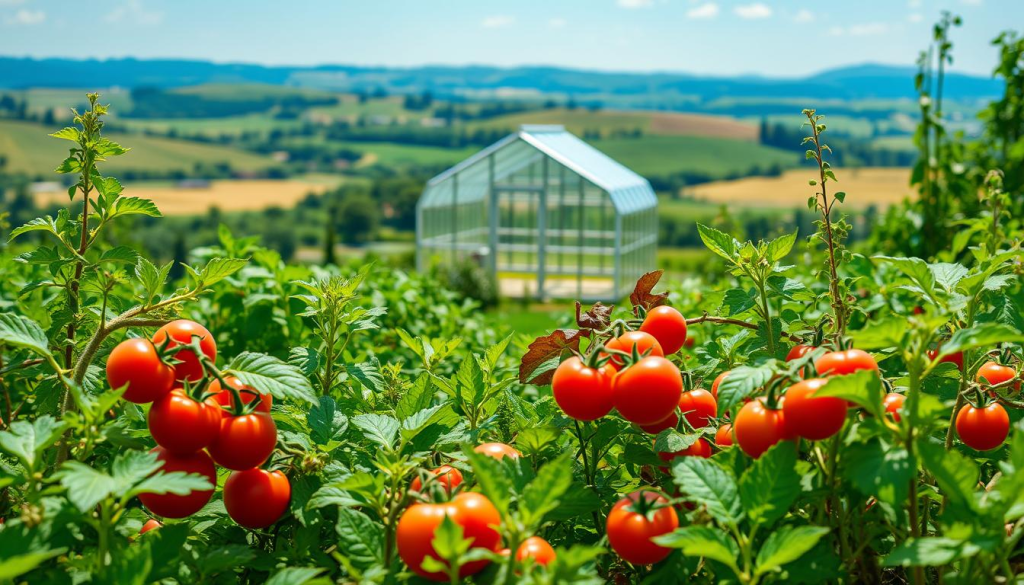
For those new to prepping, starting a home garden can seem daunting. However, with a few simple tips, anyone can begin growing their own food. First, start small. Begin with a few easy-to-grow plants like tomatoes, lettuce, or herbs. This will help you gain experience and build confidence.
Next, consider the cost-effective options for gardening. Using seeds instead of seedlings can significantly reduce initial costs. Additionally, learning to make your own compost can save money on fertilizers.
- Choose plants that are easy to grow and maintain.
- Use cost-effective gardening methods like starting from seeds.
- Learn to compost to reduce waste and fertilizer costs.
Canning and Preserving Basics
Once you’ve harvested your crops, the next step is to preserve your food for long-term storage. Canning and preserving are essential skills for any prepper. They allow you to enjoy your homegrown produce year-round and provide a stockpile of food in case of emergencies.
For beginners, it’s essential to understand the basics of safe canning practices to avoid spoilage and foodborne illness. This includes using the right equipment, such as a pressure canner, and following tested recipes.
- Invest in a good quality pressure canner for safe canning.
- Follow tested recipes to ensure the food is properly sterilized and sealed.
- Label and date your canned goods for easy identification.
By implementing these home gardening tips and canning and preserving basics, preppers can create a sustainable food supply that is both cost-effective and reliable. This not only enhances food security but also contributes to a more self-sufficient lifestyle.
Developing Self-Defense Skills
For preppers, having the skills and knowledge to defend oneself is just as important as having the right gear. In a crisis, being able to protect yourself and your loved ones can be the difference between safety and danger.
Why Self-Defense Matters in Prepping
Self-defense is a crucial aspect of prepping because it empowers individuals to protect themselves in potentially dangerous situations. It’s not just about physical confrontation; it’s also about being aware of your surroundings and knowing how to avoid threats. Prepping gear for newbies often includes basic self-defense tools, but understanding how to use them effectively is key.
Moreover, self-defense training can enhance your confidence and preparedness, making you a more effective member of your community or family in a crisis. It’s about being proactive and taking control of your safety.
Resources for Learning Self-Defense
There are numerous resources available for those looking to learn self-defense. Local martial arts classes are an excellent way to get hands-on training and feedback from instructors. Additionally, online tutorials and videos can provide valuable techniques and tips.
For those who prefer learning at home, there are also essential prepping items that can be used for self-defense, such as pepper spray or personal alarms. Understanding how to use these tools effectively is crucial.
| Tool | Effectiveness | Ease of Use |
|---|---|---|
| Pepper Spray | High | Easy |
| Personal Alarm | Medium | Very Easy |
| Firearm | Very High | Requires Training |
When choosing a self-defense tool, consider your personal comfort level, the likelihood of encountering a threat, and local laws regarding self-defense weapons. It’s also important to remember that prepping tips for novices often emphasize the importance of non-violent conflict resolution whenever possible.
Understanding Risks and Threats
To develop a comprehensive prepping plan, you need to understand the risks and threats specific to your location. This knowledge will enable you to prepare for potential disasters and emergencies, ensuring the safety of you and your family.
Common Natural Disasters in the U.S.
The United States is prone to a variety of natural disasters, including hurricanes, earthquakes, wildfires, and tornadoes. Understanding these risks is crucial for effective prepping.
- Hurricanes: Common in coastal areas, particularly in the Southeast.
- Earthquakes: Frequent on the West Coast, especially in California.
- Wildfires: Often occur in dry regions, such as the Southwest.
- Tornadoes: Most common in the Midwest and Southeast, known as Tornado Alley.
| Disaster Type | Common Regions | Preparation Tips |
|---|---|---|
| Hurricanes | Southeast Coast | Stock up on supplies, have a evacuation plan. |
| Earthquakes | West Coast | Secure heavy objects, have an emergency kit. |
| Wildfires | Southwest | Create a defensible space, have a fire evacuation plan. |
| Tornadoes | Midwest, Southeast | Have a tornado shelter, stay informed about weather conditions. |
Localized Threats Specific to Your Area
In addition to common natural disasters, it’s essential to be aware of localized threats. These can include flooding, landslides, or extreme weather conditions specific to your region.
To prepare for these threats, stay informed about local weather conditions and be aware of any potential hazards in your area. Developing a prepping checklist that includes supplies and plans tailored to your local risks is a crucial step in survival preparedness for beginners.
Community and Networking
For novice preppers, creating a community support system is as important as storing basic prepper essentials. Prepping is not just about individual preparedness; it’s also about building a network of like-minded individuals who can offer support, guidance, and resources.
Joining local prepping groups is an effective way to start building your community. These groups often share prepping tips for novices, organize workshops, and provide a platform for exchanging goods and services. To find these groups, consider the following options:
- Online forums and social media groups focused on prepping
- Local community centers or churches that host prepping meetings
- Prepping events, conferences, and workshops in your area
Joining Local Prepping Groups
When joining local prepping groups, it’s essential to be mindful of your budget. Many groups offer free or low-cost membership options. Here are some tips for prepping for beginners on a budget:
- Look for groups that offer free resources, such as online guides and webinars.
- Participate in community events that are low-cost or free.
- Consider bartering or exchanging skills with other group members.
Building Community Support Systems
Building a community support system involves more than just joining a group; it’s about creating a network of individuals who can rely on each other in times of need. Here are some strategies for building a robust support system:
- Organize neighborhood watch programs or community patrols.
- Create a skill-sharing network where members can teach each other various prepping skills.
- Develop a communication plan that includes regular check-ins and emergency contact protocols.
By focusing on community and networking, novice preppers can enhance their preparedness while staying within their budget. Remember, prepping is a journey, and having a supportive community can make all the difference.
Education and Skill Building
For beginners, the journey into prepping starts with education, focusing on essential skills and knowledge. Understanding the basics of prepping is crucial before diving into more advanced techniques.
To effectively start prepping, individuals should explore various educational resources. This includes delving into recommended literature and utilizing online platforms that offer courses on survival preparedness and emergency response.
Recommended Books and Resources
Several books are highly recommended for those looking to start their prepping journey. Titles such as “The SAS Survival Handbook” by John ‘Lofty’ Wiseman and “One Second After” by William R. Forstchen are considered foundational texts. Additionally, resources like the Prepping for Life guide offer practical advice on getting started with prepping.
Other valuable resources include online forums and websites dedicated to survival preparedness, such as Survival Life and Prepper Journal. These platforms provide a wealth of information, from basic prepping tips to advanced survival techniques.

Online Courses for Prepping Skills
Online courses offer a flexible and comprehensive way to learn prepping skills. Platforms like Udemy and Skillshare host a variety of courses on survival skills, emergency preparedness, and self-defense.
For those interested in more specialized training, courses on wilderness survival, such as those offered by REI, can be particularly useful. Furthermore, courses focusing on natural disaster preparedness and response can enhance one’s ability to react effectively in emergencies.
By leveraging these educational resources, prepping beginners can build a solid foundation in survival preparedness, enhancing their ability to respond to a wide range of potential emergencies.
Practicing Emergency Scenarios
One of the most effective ways to ensure readiness is by practicing various emergency scenarios. This hands-on approach helps beginner preppers understand how to react in real-life situations, making it an indispensable part of prepping.
Creating Family Emergency Plans
Creating a family emergency plan involves several key steps. First, identify potential emergencies that could affect your family, such as natural disasters common in your area. Next, establish a communication plan, including a meeting point outside the home and a contact person outside the immediate area. It’s crucial that all family members understand the plan.
According to Ready.gov, a trusted source for emergency preparedness information, “Having a plan helps you and your family members know what to do in case of an emergency.” Consider including details such as evacuation routes and emergency contact numbers in your plan.
Conducting Emergency Drills
Conducting emergency drills is essential to ensure that your family is prepared to act quickly and effectively in an emergency. Start by scheduling regular drills, such as fire evacuation drills or earthquake drills, depending on your location. Practice your emergency plan until it becomes second nature to everyone involved.
A quote from a seasoned prepper highlights the importance of drills: “Drills are not just about practicing the plan; they’re about identifying weaknesses and improving response times.” As cited in a prepping community forum.
“The will to prepare is not a substitute for the ability to respond.”
To further enhance your prepping skills, consider incorporating beginner prepper supplies and prepping gear for newbies into your emergency drills. This will help you become familiar with the equipment and understand how to use it effectively.
By creating a comprehensive family emergency plan and conducting regular drills, you can significantly improve your readiness for unexpected situations. Remember, prepping is not just about having the right prepping checklist for beginners; it’s about being prepared to act.
Staying Informed and Updated
Prepping isn’t just about stockpiling supplies; it’s also about staying informed. In today’s fast-paced world, being updated on potential risks and threats is crucial for effective prepping. This involves following relevant news outlets and utilizing social media platforms to stay ahead.
Following Relevant News Outlets
Staying informed starts with following credible news sources. These can include local news stations, national news networks, and specialized disaster alert services. By keeping abreast of the latest news, preppers can anticipate and prepare for potential emergencies.
- Local news for community-specific updates
- National news for broader trends and threats
- Disaster alert services for immediate notifications
For those on a budget, many news sources are available for free or at a low cost. Utilizing online news websites and social media can be a cost-effective way to stay informed.
Utilizing Social Media for Prep Sharing
Social media platforms are not just for connecting with others; they are also valuable resources for prepping information. Many prepping communities and experts share tips, resources, and updates on these platforms.
- Follow prepping groups and forums on Facebook and Reddit
- Subscribe to YouTube channels focused on prepping
- Follow prepping experts and organizations on Twitter
It’s essential to verify the credibility of sources on social media to ensure the information is reliable. By combining news outlets and social media, preppers can stay well-informed and prepared for any situation.
For beginners, starting with basic prepper essentials and gradually building up their knowledge and supplies is key. Prepping on a budget is achievable by focusing on essential items and leveraging free or low-cost information sources.
Keeping It All Balanced
As you embark on your prepping journey, it’s essential to maintain a balance between preparedness and overall well-being. Starting with a prepping beginners list can be overwhelming, but focusing on small, achievable steps can make a significant difference.
Managing Emotional and Mental Health
Prepping can be stressful, but prioritizing emotional and mental health is crucial. Take breaks, practice self-care, and engage in activities that bring you joy. This helps in avoiding burnout and maintaining a positive outlook on your survival preparedness for beginners.
Avoiding Overwhelm as a Beginner
To avoid feeling overwhelmed, start by setting realistic goals and breaking them down into manageable tasks. Learn how to start prepping by focusing on the essentials, such as food, water, and shelter. Gradually build upon your foundation, and don’t hesitate to seek guidance from experienced preppers or online resources.
By maintaining a balanced approach to prepping, you’ll be better equipped to handle challenges and achieve your preparedness goals.