Being prepared emergency is crucial in today’s unpredictable world. Understanding the basics of prepping can help individuals and families navigate unexpected situations with confidence.
For those new to prepping, the idea of preparing for emergencies can seem daunting, especially when considering the financial implications. However, with a clear understanding of budgeting for emergencies, anyone can start building a safety net.
This guide is designed to help beginners understand the importance of prepping and provide practical tips on how to do so effectively without breaking the bank.
Key Takeaways
- Understand the basics of prepping and its importance
- Learn how to budget for emergencies effectively
- Discover beginner-friendly prepper budget ideas
- Get started with prepping on a limited budget
- Build a safety net for unexpected situations
Understanding the Basics of Prepping
Understanding the fundamentals of prepping is crucial for creating a safe and secure environment for you and your loved ones. Prepping involves more than just stockpiling supplies; it’s about being prepared for emergencies and having the necessary skills to navigate through challenging situations.
What is Prepping?
Prepping, or preparedness, is the act of taking proactive steps to prepare for emergencies, natural disasters, or other disruptions to daily life. It encompasses a wide range of activities, from stockpiling food and water to developing skills such as first aid and self-defense. At its core, prepping is about being self-sufficient and having a plan in place to ensure the well-being of yourself and your family.
For beginners, starting with budget-friendly prepping tips can make the process less overwhelming. This includes starting small, focusing on essential items, and gradually building up your supplies over time.
“The greatest wealth is to live content with little.” – Epictetus
Why is Prepping Important?
Prepping is important because it allows individuals and families to be better prepared for unexpected events, reducing reliance on external aid during crises. By having a plan and the necessary supplies, preppers can mitigate the impact of emergencies such as power outages, natural disasters, or economic downturns.
For those new to prepping, adopting a frugal prepping approach can be particularly beneficial. This involves being resourceful and thrifty, finding affordable solutions to prepping needs, and avoiding unnecessary expenses.
| Prepping Aspect | Budget-Friendly Tips | Benefits |
|---|---|---|
| Food Supply | Start with non-perishable items, buy in bulk | Ensures nutrition during emergencies |
| Water Storage | Use affordable containers, purify rainwater | Provides clean drinking water |
| First Aid | Learn basic first aid skills, stock basic supplies | Enables response to medical emergencies |
By understanding the basics of prepping and implementing budget-friendly prepping tips, individuals can take significant steps towards securing their future without breaking the bank.
Assessing Your Needs and Goals
Identifying your risks and setting realistic goals are fundamental to a successful prepping strategy. This process involves understanding the potential emergencies you might face and determining the steps you need to take to prepare for them.
Identifying Potential Risks
To effectively prep, you must first identify the potential risks and emergencies that could impact your life. These can range from natural disasters like hurricanes and earthquakes to personal emergencies such as job loss or medical crises.
- Natural Disasters: Consider the types of natural disasters common in your area, such as floods, wildfires, or tornadoes.
- Personal Emergencies: Think about personal emergencies that could affect you, such as health issues, financial crises, or loss of income.
- Economic Risks: Economic instability, inflation, or job market fluctuations can also impact your preparedness needs.
Setting Your Prepping Goals
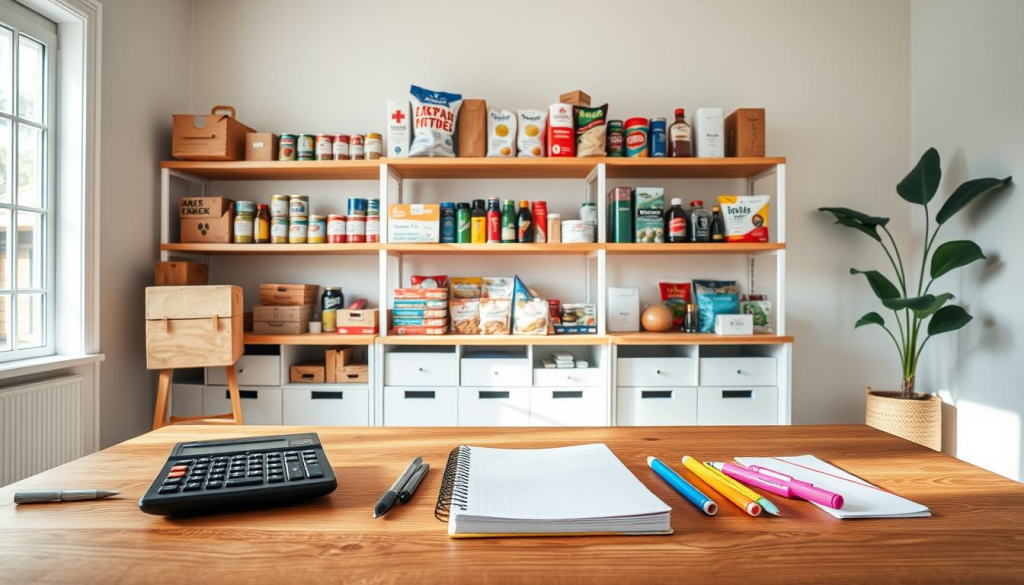
Once you’ve identified the potential risks, the next step is to set clear and achievable prepping goals. This involves determining what you need to prepare for the identified risks and setting a timeline for your preparations.
Consider the following when setting your prepping goals:
- Short-term Goals: Focus on immediate needs such as a 72-hour emergency kit.
- Long-term Goals: Plan for longer-term sustainability, such as building a food supply or creating a emergency fund.
| Goal Type | Time Frame | Examples |
|---|---|---|
| Short-term | 0-72 hours | Emergency kit, first aid supplies |
| Long-term | Weeks to months | Food supply, water storage, emergency fund |
By assessing your needs and setting clear goals, you can develop cost-effective prepping strategies that fit your budget and lifestyle. Focus on low-cost prepping essentials to get started, and gradually build up your supplies and skills over time.
Creating a Prepping Budget
A well-planned budget is the backbone of effective prepping. It enables you to allocate resources efficiently, ensuring you’re prepared for emergencies without straining your finances. Creating a prepping budget involves understanding your financial capabilities and prioritizing your needs.
How to Determine Your Budget
To determine your prepping budget, start by assessing your monthly income and expenses. Identify areas where you can cut back on non-essential spending to allocate funds towards prepping. Consider setting aside a specific amount each month for prepping supplies and gear.
Key steps to determine your budget:
- Calculate your monthly disposable income.
- Identify essential expenses that cannot be reduced.
- Allocate a portion of your disposable income to prepping.
Essential vs. Non-Essential Items
Distinguishing between essential and non-essential items is crucial in prepping on a budget. Essential items include food, water, first aid supplies, and shelter materials. Non-essential items might include luxury goods or gadgets that, while useful, are not critical for survival.
Prioritizing essential items ensures you’re prepared for the basics. Start with the most critical supplies and gradually add more items as your budget allows.
| Essential Items | Non-Essential Items |
|---|---|
| Food and water supplies | Luxury food items |
| First aid kit | Advanced medical equipment |
| Shelter materials | Camping gear for comfort |
By focusing on essential items and gradually building your prepping supplies, you can create an effective prepping budget that supports your long-term preparedness goals.
Building a Food Supply
One of the most critical aspects of prepping is establishing a robust food supply. A well-planned food stockpile can help you and your family navigate through emergencies and challenging times. It’s not just about stockpiling food; it’s about creating a sustainable and nourishing supply that can last.
Affordable Long-Term Food Options
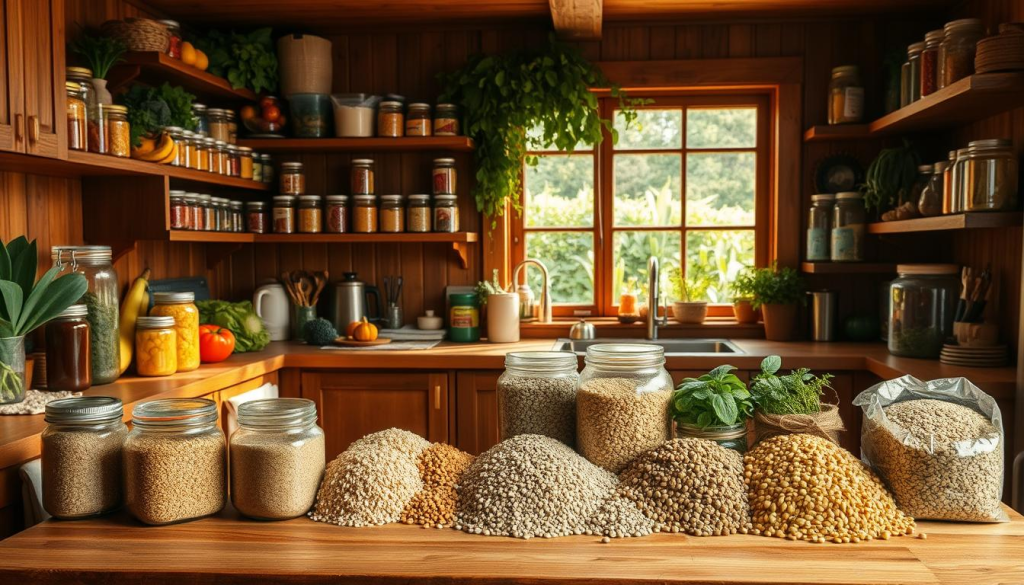
When it comes to long-term food storage, affordability is key. Money-saving prepping techniques can make a significant difference. Consider purchasing grains, beans, and legumes in bulk, as they are not only cost-effective but also rich in nutrients. Canned goods are another excellent option; they are affordable, have a long shelf life, and can be used in a variety of dishes.
Dehydrated foods, such as dried fruits and vegetables, are also worth considering. They are lightweight, easy to store, and can be rehydrated when needed. When selecting long-term food options, it’s essential to choose items that your family will eat and that provide a balanced diet.
Stocking Up on Essentials
Budget-friendly prepping tips can help you stock up on essentials without breaking the bank. Start by identifying the staples your family relies on and build your stockpile around those items. Rotate your stock regularly to ensure that older items are consumed before they expire.
Consider implementing a “first in, first out” policy to keep your stock fresh. It’s also wise to store food in a cool, dry place to prolong its shelf life. By adopting these strategies, you can build a comprehensive food supply that is both affordable and sustainable.
Additionally, look for sales and discounts on non-perishable items to stock up. Buying in bulk and using coupons can significantly reduce your grocery bills, allowing you to allocate more resources to your prepping efforts.
Water Storage Solutions
Effective water storage is essential for survival during emergencies. Having a reliable water storage solution is crucial for any prepper, and there are several cost-effective strategies to achieve this.
Affordable Water Storage Options
When it comes to storing water, there are several budget-friendly options available. One of the most cost-effective methods is using food-grade plastic containers or buckets. These are readily available and can be purchased at a relatively low cost.
Another option is to utilize large water barrels or tanks. These can be more expensive upfront but provide a significant amount of storage. It’s essential to ensure that any container used is clean and free from contaminants.
Purifying Water on a Budget
Purifying water is just as important as storing it. There are several low-cost methods to purify water, making it safe for consumption. One of the simplest methods is boiling water, which kills bacteria and viruses.
Another cost-effective method is using water purification tablets or filters. These are available at most outdoor or camping stores and can be used to purify water from any source.
| Method | Cost | Effectiveness |
|---|---|---|
| Boiling | Low | High |
| Water Purification Tablets | Moderate | High |
| Water Filters | Moderate to High | High |
By implementing these cost-effective prepping strategies for water storage and purification, preppers can ensure they have access to clean drinking water during emergencies.
Essential Gear for Preppers
The key to successful prepping lies in acquiring the right equipment without breaking the bank. As a beginner, it’s essential to understand that prepping isn’t just about stockpiling supplies; it’s also about having the right gear to handle emergencies effectively.
“Prepping is not just about being prepared; it’s about being prepared for the unexpected,” says a seasoned prepper. This mindset is crucial when selecting essential gear.
Must-Have Gear Under $100
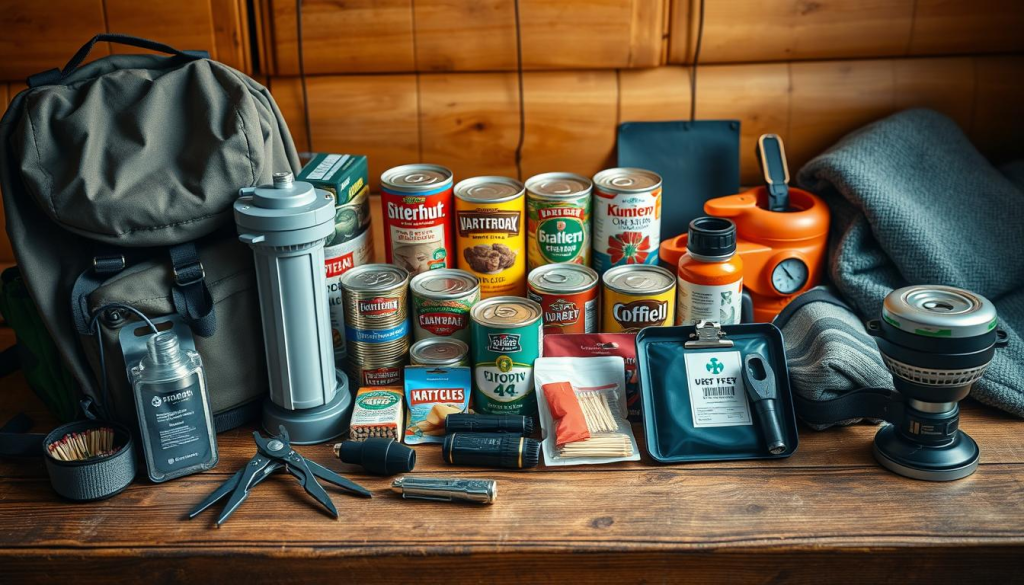
When it comes to affordable prepping supplies, there are several must-have items that won’t break the bank. Some of these include:
- First Aid Kits: A basic first aid kit can cost between $20-$50 and is essential for treating minor injuries.
- Flashlights: A reliable flashlight can be purchased for under $20 and is crucial for navigation during power outages.
- Multi-tools: A multi-tool can range from $10-$50 and is handy for a variety of tasks, from cutting to opening cans.
DIY Gear Options
For those on a tight budget, DIY gear options can be a cost-effective way to prepare. Some ideas include:
- Water Filtration: Creating a simple water filtration system using household items can be an effective way to purify water without spending a lot.
- First Aid Kit Customization: Customizing your first aid kit with items you already have at home can save money and ensure you have what you need.
By focusing on frugal prepping strategies and being resourceful, beginners can build a comprehensive prepping kit without overspending.
Creating an Emergency Plan
A well-crafted emergency plan can make all the difference in a crisis. It’s not just about stockpiling supplies; it’s about being prepared to act quickly and effectively when disaster strikes.
Steps for Developing Your Plan
Developing an emergency plan involves several key steps. First, you need to assess potential risks in your area, such as natural disasters or other emergencies. Next, identify safe zones in your home and neighborhood. Finally, practice your plan with all family members to ensure everyone knows what to do.
- Assess potential risks and hazards
- Identify safe zones and emergency escape routes
- Practice the plan regularly
To make this process more manageable on a budget, consider money-saving prepping techniques such as repurposing household items for emergency use or finding free resources online for emergency planning.
| Step | Description | Budget Tip |
|---|---|---|
| 1. Risk Assessment | Identify potential emergencies | Use free online resources |
| 2. Safe Zones | Identify safe areas in your home | Utilize existing safe rooms |
| 3. Practice | Regularly practice your plan | Make it a family activity |
Involving Your Family
Involving your family in the emergency planning process is crucial. It ensures that everyone knows their role and responsibilities, reducing panic and confusion during an emergency.
Communication is key. Make sure to discuss the plan with all family members, including children, and make it a family activity to keep everyone engaged.
By following these steps and involving your family, you can create a comprehensive emergency plan that fits within your budget, serving as a valuable part of your prepping on a budget guide.
Learning Basic Survival Skills
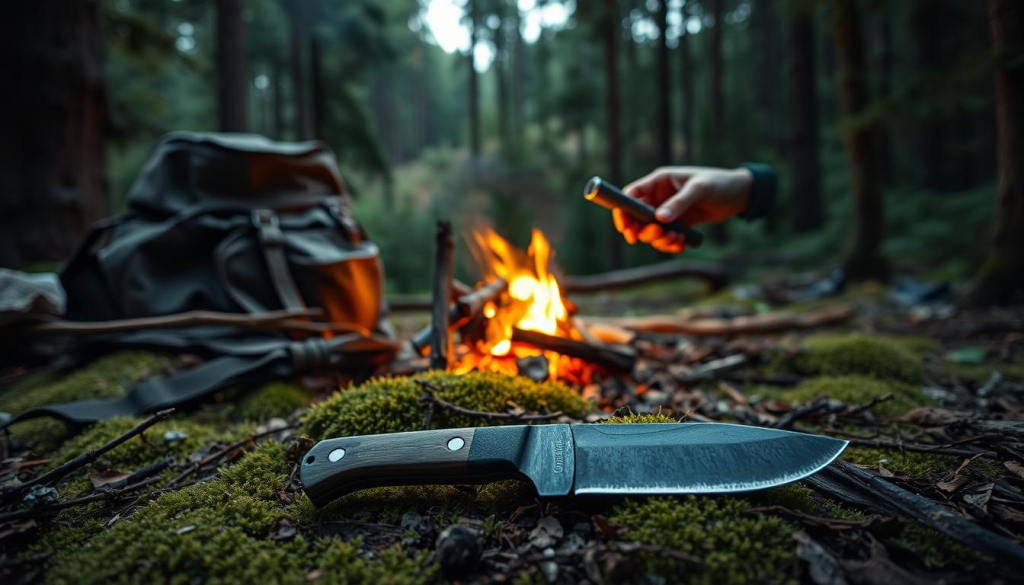
Learning basic survival skills is an empowering step in prepping that can make a significant difference in emergency situations. By acquiring these skills, individuals can enhance their ability to respond to a wide range of challenges, from natural disasters to personal emergencies.
Skills to Prioritize
When it comes to survival skills, it’s essential to prioritize those that are most critical and versatile. Some of the key skills to focus on include:
- First aid and medical care
- Water purification and collection
- Food procurement and preparation
- Shelter building and protection
- Navigation and orientation
These skills are fundamental because they address basic needs such as health, hydration, nutrition, and safety. By mastering these areas, preppers can significantly enhance their resilience in the face of adversity.
As emphasized by Les Stroud, Survival Expert:
“The key to survival is not just about having the right gear, but also knowing how to use it and having the skills to adapt to any situation.”
Free Resources for Learning
Fortunately, there are numerous free resources available for individuals looking to learn basic survival skills. Some of the most valuable include:
- Online tutorials and videos on platforms like YouTube
- Survival blogs and websites that offer tips and guides
- Free eBooks and downloadable guides from reputable sources
- Community forums and discussion groups focused on prepping and survival
These resources can provide a wealth of information and practical advice, helping preppers to develop their skills without incurring significant costs. By leveraging these budget-friendly options, individuals can enhance their preparedness while staying within their budget.
To further support your prepping journey, consider incorporating cost-effective prepping strategies and budget-friendly prepping tips into your daily routine. This might include repurposing household items, DIY projects, and community-based initiatives.
Connecting with Local Prepper Communities
Engaging with local prepper communities is a crucial step in building a robust emergency preparedness plan. By connecting with others who share similar interests and goals, beginners can gain valuable insights and practical advice on frugal prepping.
Finding Local Groups
To start, individuals can search online for local prepper groups or clubs in their area. Social media platforms, community boards, and prepper forums are excellent resources for finding like-minded individuals. Additionally, local outdoor gear stores or survival schools often host events or workshops that can be great opportunities to network with other preppers.
Some benefits of joining local prepper communities include:
- Access to shared knowledge and experiences
- Opportunities for skill swaps and training
- Potential for forming mutually supportive relationships
Benefits of Networking
Networking within local prepper communities can provide numerous benefits, including the exchange of affordable prepping supplies and strategies. By learning from others, individuals can refine their prepping plans and improve their overall preparedness.
The following table highlights some key advantages of connecting with local prepper communities:
| Benefit | Description |
|---|---|
| Shared Knowledge | Learn from others’ experiences and gain new insights into effective prepping strategies. |
| Skill Swaps | Exchange skills with other community members to enhance your overall preparedness. |
| Mutual Support | Form lasting relationships with like-minded individuals who can provide support during emergencies. |
By engaging with local prepper communities, individuals can take their prepping to the next level, gaining confidence and competence in their ability to handle emergencies.
Considering Bartering and Trade
In the world of prepping, understanding the value of bartering and trade can be a crucial survival skill. When traditional monetary systems fail, being able to exchange goods and services effectively can be a lifesaver.
Bartering and trade are not just about exchanging goods; they’re about building relationships and networks within your community. This can lead to a more resilient and supportive community, which is a key aspect of successful prepping.
How Bartering Works
Bartering involves exchanging goods or services without using money. It’s a direct trade where both parties agree on the value of the goods or services being exchanged. For bartering to work effectively, it’s essential to have something of value to offer that others need.
Some key principles of bartering include:
- Knowing the value of what you’re offering
- Being aware of what others need
- Being flexible and willing to negotiate
- Building trust within your community
Items That Are Good for Trade
When it comes to bartering, having the right items to trade is crucial. Some goods are more valuable than others in a survival situation. Here are some items that are often in demand:
- Food and Water: Non-perishable food items and clean water are always in high demand.
- First Aid Supplies: Bandages, antibiotics, and painkillers are essential for treating injuries.
- Tools and Equipment: Multi-tools, generators, and solar panels can be very valuable.
- Personal Hygiene Items: Toothbrushes, soap, and toilet paper are important for maintaining health and hygiene.
It’s also important to consider the condition and quality of the items you’re trading. Keeping your goods in good condition can increase their value.
By understanding how bartering works and having the right items to trade, preppers can significantly enhance their ability to survive and thrive in challenging situations. This approach not only provides a means of acquiring needed goods and services but also fosters community resilience.
Evaluating Your Progress
A key component of successful prepping is regularly assessing your supplies and adjusting your plan accordingly. This ongoing evaluation ensures that your prepping efforts remain effective and aligned with your needs.
Checking Your Supplies Regularly
Regularly checking your supplies is crucial to maintaining a viable prepping plan. This involves not just counting items, but also checking expiration dates, ensuring that equipment is in working order, and verifying that you have the necessary skills to use your supplies effectively.
- Inspect food supplies for signs of spoilage or expiration.
- Test equipment like generators, water purifiers, and first aid kits.
- Rotate stock to ensure older items are used before they expire.
By regularly checking your supplies, you can identify areas that need improvement and make adjustments as needed. This proactive approach helps in maintaining a cost-effective prepping strategy that is tailored to your specific needs.
Adjusting Your Prepping Strategy
As your circumstances change, so too should your prepping strategy. Whether it’s a change in family size, a move to a new location, or a shift in potential risks, your prepping plan should be flexible enough to adapt.
| Trigger for Change | Potential Adjustment |
|---|---|
| Increase in family size | Increase food and water storage, adjust first aid kits. |
| Move to a new location | Research local risks, adjust supplies accordingly. |
| Change in potential risks | Update emergency plan, adjust gear and supplies. |
Adjusting your prepping strategy also involves incorporating budget-friendly prepping tips to ensure that your efforts remain sustainable over time. This might include finding cheaper alternatives for supplies, learning new skills, or leveraging community resources.
By regularly evaluating your progress and making necessary adjustments, you can ensure that your prepping efforts are both effective and sustainable. This ongoing process helps in maintaining a prepping plan that is truly prepared to meet your needs in any situation.
Staying Informed and Updated
Effective prepping requires staying informed about potential emergencies and trends in preparedness. As a beginner on a budget, it’s essential to stay up-to-date on the latest information to make informed decisions about your prepping strategy.
Reliable News Sources for Preppers
For prepping for beginners on a budget, reliable news sources are crucial. Websites like Ready.gov and the American Red Cross provide valuable information on emergency preparedness. Following reputable sources on social media can also help you stay informed about weather alerts, natural disasters, and other emergencies.
Trends in Emergency Preparedness
Understanding trends in emergency preparedness can help you make low-cost prepping essentials a part of your strategy. For instance, investing in solar-powered chargers and portable water purification systems can be cost-effective and practical. Staying informed about the latest trends and technologies can help you enhance your prepping plan without breaking the bank.
By staying informed and adapting to new information, you can refine your prepping strategy and ensure you’re prepared for any situation.