
Being prepared for emergencies and disasters is crucial for every household. Having a comprehensive emergency preparedness checklist ensures that you have the necessary items to survive and recover from unexpected events.
A well-stocked home prepping essentials kit can make a significant difference in the face of adversity. It includes essential items such as food, water, medical supplies, and communication devices.
This article provides an overview of the must-have items for your prepper list for home, helping you create a comprehensive survival kit. A downloadable PDF checklist is also available for your convenience.
Key Takeaways
- Create a comprehensive emergency preparedness plan
- Stock essential items such as food, water, and medical supplies
- Include communication devices in your survival kit
- Regularly review and update your prepper checklist
- Download a PDF checklist for easy reference
Understanding the Importance of a Prepper List for Home
Being prepared for emergencies starts with understanding the importance of a prepper list. A well-crafted prepper list is essential for households to navigate unexpected events and disasters effectively.
What is a Prepper List?
A prepper list is a comprehensive collection of essential items and plans designed to help households survive and recover from emergencies. It includes emergency supplies, such as food, water, and medical kits, as well as plans for communication and evacuation.
Having a prepper list in place allows households to be proactive rather than reactive during emergencies, reducing the risk of injury or loss.
Why Every Household Needs One
Every household needs a prepper list because it provides a structured approach to emergency preparedness. By having a list, households can ensure they have the necessary supplies and plans in place to face various types of emergencies, from natural disasters to power outages.
A prepper list also helps in reducing panic during emergencies by providing a clear plan of action, thus ensuring the safety of all household members.
Benefits of Being Prepared
Being prepared with a comprehensive prepper list offers numerous benefits, including reduced risk during emergencies, faster recovery times, and peace of mind. It also allows households to be more self-sufficient, relying less on external aid during disasters.
The benefits of having a prepper list extend beyond emergency situations, promoting a culture of preparedness and responsibility within the household.
Essential Food and Water Supplies
Having a stockpile of essential food and water supplies is crucial for survival during emergencies. A well-prepared household can sustain itself until help arrives or until the situation improves.
Non-Perishable Food Items
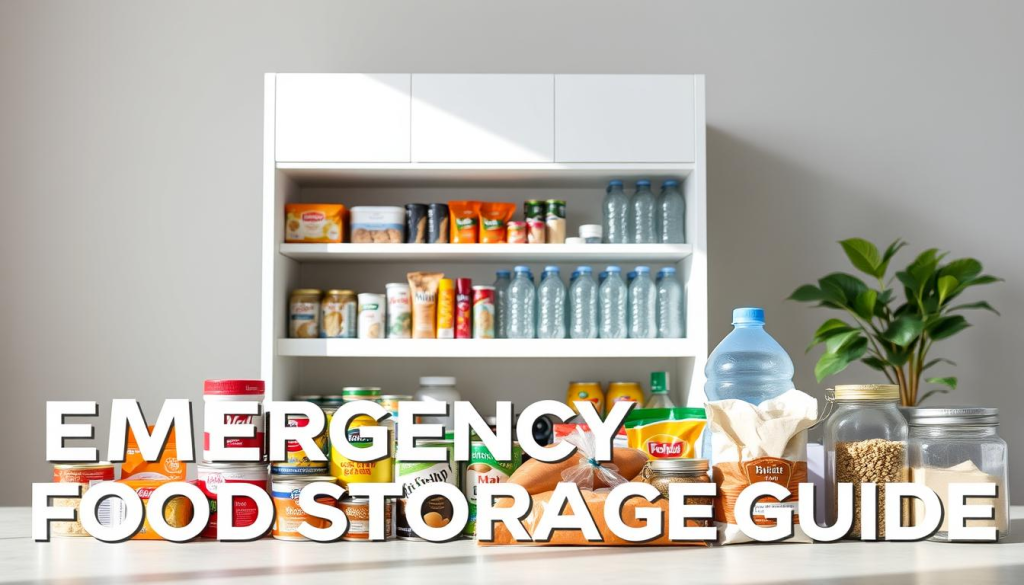
Stocking up on non-perishable food items is a vital part of any emergency food storage guide. These items should be nutritious, easy to prepare, and have a long shelf life. Examples include:
- Canned goods (vegetables, fruits, meats)
- Dried fruits and nuts
- MREs (Meals Ready to Eat)
- Whole grain cereals
- Energy bars
It’s also important to consider any dietary restrictions and preferences when selecting these items.
Water Storage Solutions
A reliable water storage solution is critical for survival. Having enough clean water for drinking, cooking, and hygiene is essential. Options include:
| Storage Method | Capacity | Durability |
|---|---|---|
| Water Tanks | 100-1000 gallons | High |
| Water Containers | 1-5 gallons | Medium |
| Water Bottles | 0.5-1 gallon | High |
Recommended Water Filtration Systems
In addition to storing water, having a water filtration system can ensure access to clean drinking water. Some recommended systems include:
- Activated Carbon Filters
- Reverse Osmosis Systems
- UV Water Purifiers
“A good water filtration system can be the difference between life and death in a survival situation.”
By incorporating these essential food and water supplies into your survival kit for house, you can significantly enhance your household’s preparedness.
Medical Supplies and First Aid Kits
A comprehensive prepper gear checklist should always include a section on medical supplies and first aid kits to ensure readiness for any situation. Medical emergencies can occur unexpectedly, and being prepared is crucial for effectively managing such situations.
Must-Have First Aid Supplies
A well-stocked first aid kit is the cornerstone of medical preparedness. It should include a variety of supplies to treat different types of injuries. Essential items include bandages, antiseptic wipes, pain relievers, and any medications that family members may need.
- Bandages and band-aids in various sizes
- Antiseptic wipes and ointments
- Pain relievers such as acetaminophen or ibuprofen
- Gauze pads and rolls
- Medical tape
Prescription and Over-the-Counter Medications
In addition to the basic first aid supplies, it’s essential to stockpile prescription medications that family members are currently taking. Over-the-counter medications such as antihistamines, anti-diarrheal medication, and cough suppressants should also be included.
| Medication Type | Examples | Purpose |
|---|---|---|
| Prescription Medications | Insulin, blood pressure medication | Manage chronic conditions |
| Over-the-Counter Medications | Acetaminophen, antihistamines | Treat pain, allergic reactions |
Emergency Medical Equipment
For more severe medical emergencies, having the right equipment can be lifesaving. Consider investing in a defibrillator, oxygen tanks, and other critical care equipment if feasible.
- Defibrillator
- Oxygen tanks and masks
- Resuscitation bag
By focusing on these key areas, you can create a robust household emergency preparedness list that includes comprehensive medical supplies and first aid kits, ensuring you’re well-prepared for any disaster or emergency.
Shelter and Home Security Measures
Securing your home and having the necessary tools and measures in place is critical for emergency preparedness. A well-secured home not only protects your family but also provides a safe haven during crises.
Reinforcing Your Home’s Security
One of the first steps in home prepping is to reinforce your home’s security. This includes:
- Installing strong doors and locks
- Reinforcing windows with security film or bars
- Investing in a home security system
These measures can deter intruders and protect your home from potential threats.

Essential Tools for Home Repairs
Having the right tools for home repairs is essential for maintaining your home’s integrity during emergencies. Some must-have tools include:
- Hammer and nails
- Screwdrivers and pliers
- Duct tape and rope
These tools can help you make quick repairs and keep your home secure.
Creating a Safe Room
A safe room can provide a secure shelter during emergencies. When creating a safe room, consider:
- Choosing a room with no windows, such as a closet or bathroom
- Reinforcing the door with a strong lock
- Stocking the room with emergency supplies, such as food, water, and a first aid kit
A well-prepared safe room can be a lifesaver during a crisis.
By reinforcing your home’s security, having essential tools for home repairs, and creating a safe room, you can ensure that your home is prepared for emergencies and provides a safe haven for your family. This is a crucial part of your prepper list for home and overall emergency preparedness checklist.
Power and Energy Solutions
Emergencies can strike at any moment, making it imperative to have a reliable power source. A well-prepared household can significantly benefit from investing in robust power and energy solutions.
Backup Generators
A backup generator is a crucial component of any home prepper checklist. It ensures that your household remains powered during extended outages. When selecting a backup generator, consider the size of your home and your power needs.
Key Considerations for Backup Generators:
- Power output capacity
- Fuel type (natural gas, propane, diesel)
- Automatic transfer switch for seamless transition
- Noise level and portability
| Generator Type | Power Output | Fuel Type |
|---|---|---|
| Portable | Up to 10 kW | Gasoline, Propane |
| Standby | 10 kW to 50 kW | Natural Gas, Propane |
Solar Power Options
Solar power is a sustainable and renewable energy source that can be harnessed using solar panels. It’s an excellent option for households looking to reduce their reliance on the grid.
“As the world shifts towards renewable energy, solar power is becoming increasingly efficient and cost-effective.”
Benefits of Solar Power:
- Renewable and sustainable
- Reduces electricity bills
- Low maintenance
- Energy independence
Battery-Powered Tools and Equipment
Battery-powered tools and equipment offer flexibility and convenience, especially during emergencies when traditional power sources may be unavailable.
- Portability
- Easy to use
- No cords to manage
- Quiet operation
By incorporating these power and energy solutions into your home prepper checklist, you can ensure that your household remains powered and connected during emergencies.
Communication Devices and Emergency Plans
A well-thought-out communication plan and the right devices are essential components of any household emergency preparedness list. Effective communication is vital during emergencies, enabling family members to stay informed and coordinate with emergency responders.
Two-Way Radios
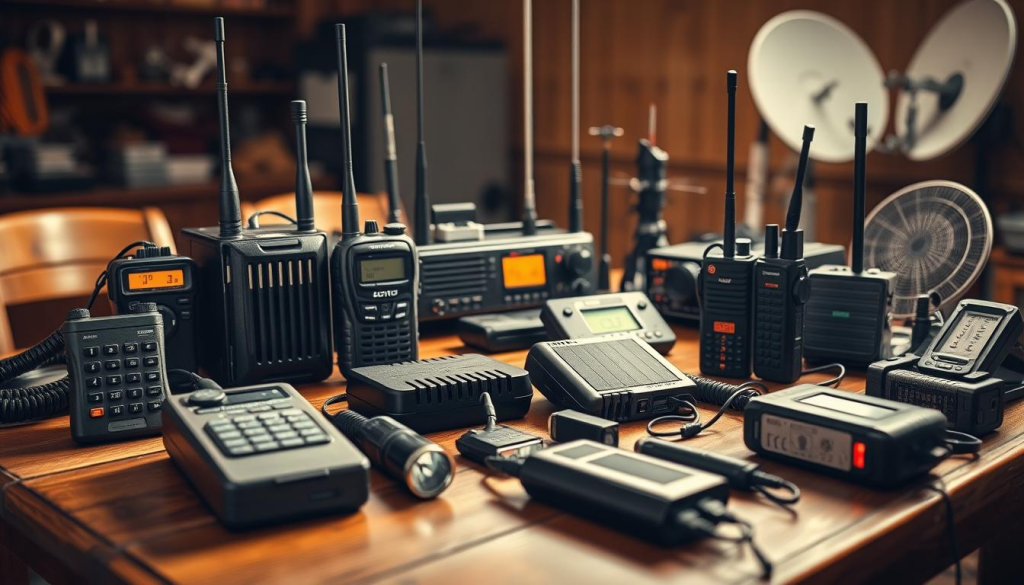
Two-way radios are a crucial component of any prepper gear checklist. They allow family members to stay in touch during emergencies when other forms of communication may be unavailable. When selecting two-way radios, consider models with long battery life, durability, and a range that covers your area of operation.
Emergency Contact List
An emergency contact list is another vital element of an emergency preparedness checklist. This list should include important phone numbers such as emergency services, family members, and neighbors. Ensure that all family members have a copy of this list and know how to use it.
“In a disaster, communication is key. Having a plan and the right devices can save lives.” –
Family Communication Plan
A family communication plan outlines how family members will communicate during an emergency. This plan should include designated meeting points, emergency contact numbers, and a protocol for checking in with each other. Regularly practicing this plan will ensure that all family members are prepared.
By incorporating these communication devices and plans into your household emergency preparedness list, you can enhance your family’s safety and resilience during emergencies.
Fire Safety and Utility Supplies
Fire safety and utility supplies are vital elements of a comprehensive home prepper checklist. Ensuring that your home is equipped with the necessary tools and devices can significantly reduce the risk of injury and property damage during emergencies.
Fire Extinguishers
A fire extinguisher is a crucial device that can help put out fires before they spread. It’s essential to have multiple extinguishers placed throughout your home, particularly in high-risk areas such as the kitchen and garage. Make sure to choose extinguishers that are rated for the types of fires that could occur in these areas, such as Class K for kitchen fires involving cooking oils.
Key considerations when selecting a fire extinguisher include:
- Ensuring it is easily accessible and mounted on a wall
- Checking that it is fully charged and inspected regularly
- Understanding how to use it properly using the PASS method (Pull, Aim, Squeeze, Sweep)
Smoke and Carbon Monoxide Detectors
Smoke and carbon monoxide detectors are critical for early detection of fires and dangerous gas buildup. These detectors can provide early warnings, allowing you and your family to evacuate quickly and safely. It’s recommended to install detectors on every level of your home and inside each sleeping area.
When choosing detectors, consider the following:
- Opt for detectors with long-life batteries or those that are hardwired into your home’s electrical system
- Ensure they are interconnected so that when one detector goes off, they all sound
- Test them monthly and replace batteries as needed
Utility Shut-Off Tools
In the event of an emergency, being able to shut off utilities such as gas, water, and electricity can prevent further damage. Having the right tools and knowing how to use them is essential. This includes a gas shut-off wrench, a main water shut-off valve tool, and knowing where your electrical panel is located.
Tips for utility shut-off preparation:
- Keep the necessary tools in an easily accessible location near the shut-off valves
- Ensure all family members know where the shut-off valves are and how to use the tools
- Practice shutting off utilities to ensure everyone is familiar with the process
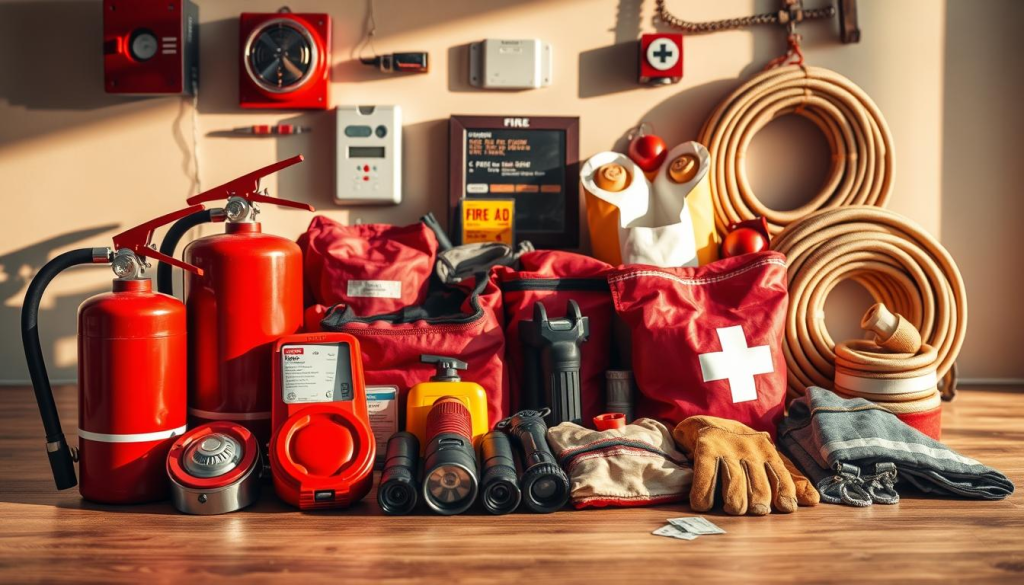
By focusing on fire safety and utility supplies, you can enhance your home’s preparedness and reduce the risk of injury or damage during emergencies. Regular checks and maintenance of these supplies are crucial to ensuring they function as expected when needed.
Education and Training Resources
Education is a critical component of any prepper list for home, enabling individuals to respond effectively in emergency situations. By acquiring the right knowledge and skills, households can ensure they’re better prepared to handle emergencies.
To enhance their emergency preparedness checklist, individuals can leverage various education and training resources. These resources not only improve their ability to respond to emergencies but also foster a culture of preparedness within the household.
Survival Manuals and Guides
One of the foundational elements of prepper education is survival manuals and guides. These resources provide detailed information on how to survive in various environments and conditions. They cover topics such as finding and purifying water, building shelters, and starting fires.
- Survival guides often include practical tips on navigating with a compass and map.
- They may also cover strategies for dealing with common survival challenges, such as finding food in the wild.
First Aid Training Courses
First aid training is another crucial aspect of prepper education. Courses in first aid teach individuals how to respond to medical emergencies, such as injuries and illnesses. This training is invaluable for any household, as it enables family members to provide immediate care when needed.
Some key components of first aid training include:
- Learning how to treat wounds, including cuts, burns, and broken bones.
- Understanding how to respond to medical emergencies, such as heart attacks and strokes.
Online Resources for Preppers
In addition to traditional training methods, there are numerous online resources available for preppers. These resources include websites, forums, and social media groups dedicated to sharing information and advice on preparedness.
Some benefits of online resources include:
- Access to a wide range of information and expertise.
- The ability to connect with other preppers and learn from their experiences.
By taking advantage of these education and training resources, households can enhance their household emergency preparedness list and ensure they’re better equipped to handle emergencies.
Tools and Equipment for Outdoor Survival
When venturing into the outdoors, having the right tools and equipment is crucial for survival. Being prepared can make the difference between life and death in extreme conditions.
Essential Camping Gear
Camping gear is a fundamental component of outdoor survival. This includes durable tents, sleeping bags, and sleeping pads that can withstand various weather conditions.
- Tents with waterproof and UV-resistant materials
- Sleeping bags rated for low temperatures
- Sleeping pads for insulation and comfort
Multi-Tools and Knives
Multi-tools and knives are indispensable for outdoor tasks, from cutting branches to opening cans. Look for stainless steel or high-carbon steel tools that offer durability and resistance to corrosion.
- Multi-tools with various functions like pliers, screwdrivers, and blades
- Fixed-blade knives for heavy-duty tasks
- Folding knives for convenience and portability
Fishing and Hunting Supplies
For those who plan to be in the wilderness for an extended period, fishing and hunting supplies are vital. This includes fishing rods and reels, hunting rifles or bows, and the necessary ammunition or fishing tackle.
- Fishing gear suitable for the type of water you’ll be in
- Hunting equipment appropriate for the game you’re after
- Knowledge of local fishing and hunting regulations
Having the right tools and equipment for outdoor survival not only enhances your chances of staying safe but also improves your overall experience in the wilderness. It’s a critical part of any survival kit for house or disaster supplies for home, ensuring you’re prepared for any situation.
Personal Preparedness Gear
Personal preparedness gear is a vital component of any household emergency preparedness list. It ensures that individuals have the necessary items to survive and thrive during emergencies.
Clothing and Footwear Essentials
Having the right clothing and footwear is crucial for personal preparedness. This includes durable, versatile clothing that can withstand various environmental conditions, as well as sturdy footwear for mobility.
- Moisture-wicking base layers for temperature regulation
- Insulating layers for cold weather conditions
- Waterproof outerwear to protect against the elements
- Sturdy, waterproof boots for hiking and outdoor activities
Bug-Out Bags and Go Kits
A bug-out bag (BOB) or go kit is a portable collection of essential items that an individual can quickly grab in case of an emergency. These kits should be tailored to the specific needs of the user and the types of emergencies they might face.
| Item | Description | Importance Level |
|---|---|---|
| Water and Food | Non-perishable supplies for sustenance | High |
| First Aid Kit | Basic medical supplies for treating injuries | High |
| Flashlight and Batteries | Light source and power backup | Medium |
Personal Hygiene Items
Maintaining personal hygiene is essential for health and morale during emergencies. Including a supply of hygiene items in your personal preparedness gear can make a significant difference.
- Toothbrush, toothpaste, and dental floss
- Biodegradable soap and toilet paper
- Feminine hygiene products (if applicable)
- Moist towelettes and garbage bags for sanitation
By focusing on these aspects of personal preparedness gear, individuals can enhance their ability to respond to emergencies effectively.
Important Documentation and Records
One of the most critical aspects of emergency preparedness is ensuring that your important documents are in order. This not only helps in recovery after an emergency but also ensures that you have access to vital information when you need it most.
Storing Important Documents Safely
Keeping important documents safe is crucial. This includes insurance policies, identification documents, and financial records. Consider storing these documents in a fireproof safe or a secure online storage service.
- Insurance Policies: Health, home, and auto insurance policies.
- Identification Documents: Passports, driver’s licenses, and social security cards.
- Financial Records: Bank statements, tax returns, and investment documents.
Creating a Household Inventory
A household inventory is a detailed list of your possessions, including descriptions and values. This can be invaluable for insurance claims in case of loss or damage.
| Item | Description | Value |
|---|---|---|
| Living Room Furniture | Sofa, coffee table, TV stand | $5,000 |
| Electronics | TV, laptop, smartphone | $3,000 |
Emergency Contact Documents
Having a list of emergency contacts is vital. This should include family members, emergency services, and your insurance providers.
- Family Members: Names and contact numbers.
- Emergency Services: Local emergency numbers.
- Insurance Providers: Contact details for your insurance companies.
By organizing these documents and keeping them accessible, you can significantly reduce the stress associated with emergencies and disasters.
Continuing Your Prepper Journey
Maintaining a prepper list for home is not a one-time task; it requires regular review and updates to ensure your household emergency preparedness list remains relevant and effective. As new threats emerge and family needs change, your home prepping essentials should adapt accordingly.
Regular Review and Updates
Schedule periodic checks of your supplies and equipment to ensure they are still usable and not expired. This includes checking expiration dates of food and medical supplies, testing equipment like generators and water filtration systems, and updating your household emergency preparedness list as needed.
Engaging with Prepper Communities
Joining a prepper community can provide valuable support, insights, and resources. Interacting with others who share similar goals can help you stay informed about best practices and new technologies in home prepping essentials.
Staying Abreast of Current Events
Staying informed on current events is crucial for anticipating and preparing for potential emergencies. By keeping up-to-date with news and trends, you can adjust your prepper list for home to address emerging challenges.