
Having a comprehensive emergency preparedness checklist is crucial for families to ensure their safety and well-being during unexpected disasters or crises.
For a family of six, it’s essential to stock up on survival supplies that cater to everyone’s needs, including food, water, first aid, and communication tools.
A well-planned prepper checklist helps families respond effectively in emergency situations, minimizing risks and ensuring a smoother recovery process.
Key Takeaways
- Create a comprehensive emergency preparedness plan.
- Stock up on essential survival supplies.
- Ensure communication tools are available.
- Regularly update your prepper checklist.
- Practice your emergency response plan.
Understanding the Importance of Prepping
Prepping is not just about stockpiling supplies; it’s about being prepared for the unexpected. In this section, we will delve into the concept of prepping, its significance for families, and address common misconceptions.
What is Prepping?
At its core, prepping involves taking proactive steps to ensure one’s safety and well-being in the face of emergencies or disasters. It’s about having a plan and the necessary supplies to sustain your family.
As noted by a prepping expert,
“Prepping is not just about surviving; it’s about thriving in any situation.”
This mindset is crucial for families looking to be prepared.
Why Every Family Should Prepare
Every family should prepare because emergencies can strike at any moment. Whether it’s a natural disaster, economic collapse, or personal crisis, being prepared can make all the difference.
For a family of six, prepping is especially important due to the increased demand for resources such as food and water. Having a well-thought-out plan and the necessary supplies can ensure everyone’s safety and comfort.
Common Misconceptions About Prepping
One common misconception about prepping is that it’s only for extreme survivalists. In reality, prepping is for anyone who wants to be prepared for life’s uncertainties.
Another misconception is that prepping is expensive. While some aspects of prepping can be costly, there are many affordable ways to start preparing, such as stockpiling non-perishable food items and creating an emergency fund.
| Prepping Activity | Percentage of Families Engaged |
|---|---|
| Stockpiling Food | 45% |
| Having Emergency Fund | 60% |
| Creating Emergency Plan | 55% |
Assessing Your Family’s Specific Needs
Assessing your family’s distinct needs is the first step towards creating a comprehensive prepper checklist. Every family is unique, with different requirements based on factors such as age, health, and lifestyle.
To start, it’s crucial to identify the specific needs of your family members. This includes considering their dietary restrictions, health needs, and any medications they might require. For a family of six, this means having a clear understanding of each person’s requirements to ensure that everyone’s needs are met during an emergency.
Identifying Family Members’ Dietary Restrictions
Dietary restrictions can significantly impact your prepper checklist. Whether it’s due to allergies, religious beliefs, or personal preferences, having the right food supplies is essential. Consider the following:
- Vegetarian or vegan diets
- Gluten-free requirements
- Dairy-free or other allergy-related needs
- Food preferences that can boost morale during emergencies
Stocking up on non-perishable food items that cater to these dietary needs is vital. This not only ensures that everyone has enough to eat but also maintains morale during challenging times.
Considering Health Needs and Medications
Health needs and medications are another critical aspect of your family’s prepper checklist. This includes:
- Prescription medications and necessary medical equipment
- Chronic health conditions that require ongoing management
- Allergies and potential allergic reactions
Ensuring that you have an adequate supply of medications and the necessary equipment can be lifesaving. Regularly check expiration dates and update your supplies as needed.
Planning for Pets and Their Needs
Pets are an integral part of many families, and their needs should not be overlooked. When prepping, consider:
- Food and water supplies for your pets
- Pet medications and any necessary veterinary documents
- Comfort items for your pets, such as favorite toys or blankets
By including your pets in your emergency planning, you can ensure that they remain safe and comfortable alongside your family.
Creating a prepper checklist that is tailored to your family’s specific needs is essential for effective emergency preparedness. By considering dietary restrictions, health needs, medications, and pets, you can develop a comprehensive plan that keeps everyone safe.
Essential Food Supplies for a Family of6
Stocking up on the right food supplies is crucial for a family of six to survive during emergencies. A well-planned food supply ensures that your family remains nourished and energized, even in the most challenging situations.
Non-Perishable Food Items
Non-perishable food items are the backbone of any emergency food supply. These include:
- Canned goods (vegetables, fruits, meats)
- Dried legumes (beans, lentils)
- Grains (rice, pasta)
- Nuts and seeds
- Dried fruits
These items are rich in nutrients and have a long shelf life, making them ideal for emergency stockpiles.
Freeze-Dried vs. Canned Foods
When it comes to choosing between freeze-dried and canned foods, there are several factors to consider. Freeze-dried foods retain more nutrients and are lighter, making them easier to transport. However, they require rehydration, which can be a challenge if water is scarce.
Canned foods, on the other hand, are more convenient as they are ready to eat, but they are heavier and may contain higher sodium levels. A balanced approach that includes both can be the most effective strategy.
“The key to a successful emergency food supply is variety and balance. Including a mix of canned, dried, and freeze-dried foods ensures that your family gets the nutrients it needs.”
Planning for Complete Nutritional Needs
Ensuring that your family’s food supply meets complete nutritional needs is paramount. This involves:
- Calculating daily caloric needs for each family member
- Including a variety of foods to cover all food groups
- Considering dietary restrictions and preferences
A well-planned food supply not only sustains your family but also maintains their health and morale during emergencies.
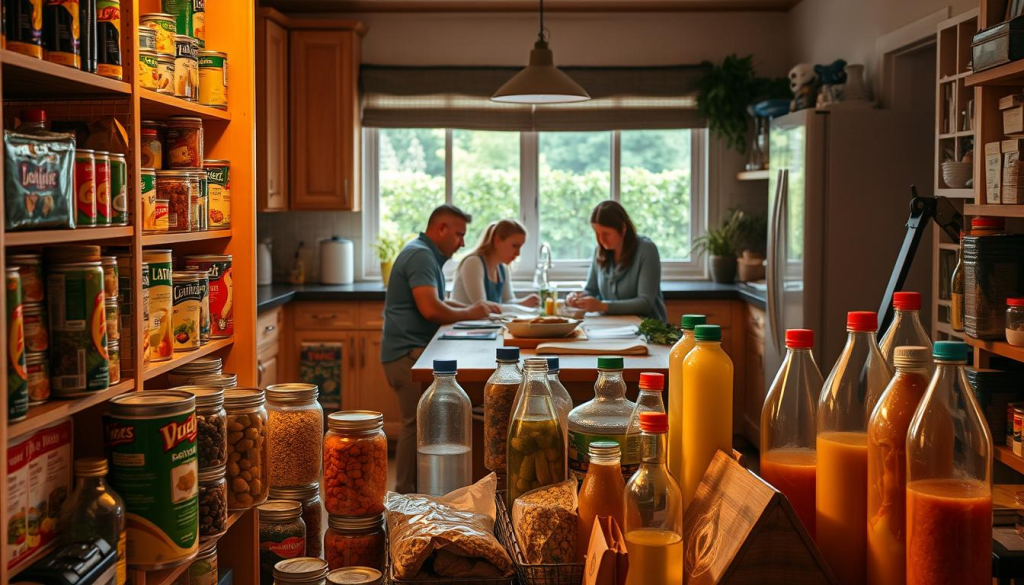
By focusing on non-perishable items, balancing between freeze-dried and canned foods, and planning for nutritional needs, a family of six can be well-prepared for any emergency situation.
Water Storage and Purification
In any emergency, access to clean water can be the difference between life and death, highlighting the importance of water storage and purification. For a family of six, having a reliable supply of clean water is crucial.
Calculating Water Needs for Six People
Calculating the right amount of water for a family of six involves considering several factors, including daily consumption, potential emergencies, and the duration of the emergency. Generally, it’s recommended to store at least one gallon per person per day for drinking, cooking, and hygiene.
For a family of six, this means storing at least six gallons of water per day. However, this is a minimum estimate and does not account for additional needs such as washing clothes or pets.
| Family Member | Daily Water Needs (gallons) |
|---|---|
| 1 Person | 1 |
| 6 People | 6 |
Best Practices for Water Storage
Proper water storage is essential to maintain the quality and safety of the stored water. This involves using appropriate containers that are clean, food-grade, and tightly sealed.
- Use containers that are specifically designed for water storage.
- Store water in a cool, dark place to prevent algae growth.
- Label containers with the date and contents.
Purification Methods and Tools
Even with proper storage, water can become contaminated. Therefore, having effective purification methods is crucial. There are several techniques, including boiling, using water filters, and chemical disinfection.
Boiling: Boiling water is one of the simplest and most effective methods of purification. Bringing water to a rolling boil for 1-3 minutes can kill most pathogens.
Water Filters: Using a water filter can remove particulate matter and some microorganisms. Filters with a pore size of 0.2 microns or smaller are effective against bacteria and protozoa.
First Aid Kits and Medical Supplies
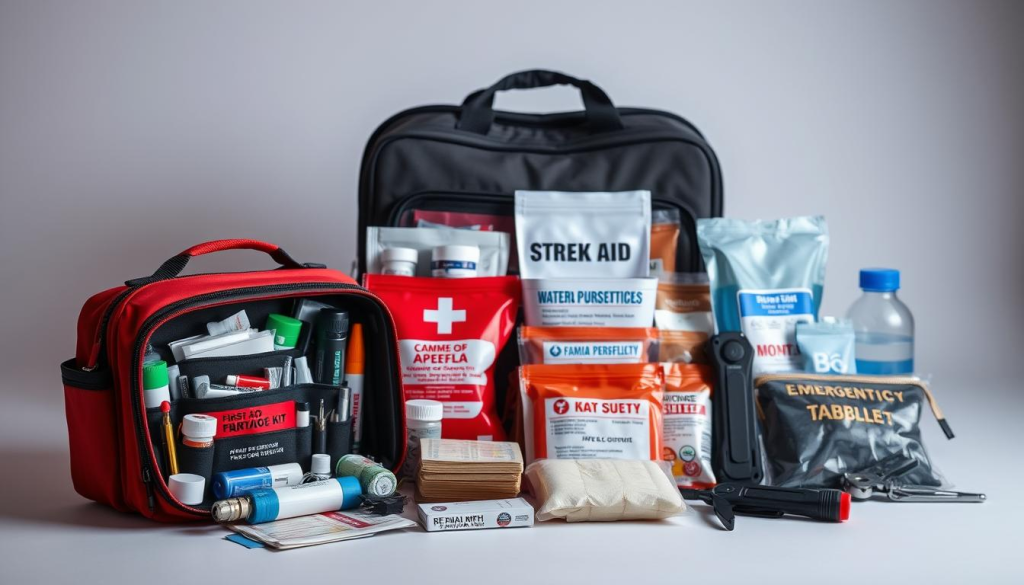
Creating an emergency preparedness checklist for a family of six involves prioritizing a comprehensive first aid kit and medical supplies. A well-stocked first aid kit is critical for handling emergencies and providing immediate care when needed.
Creating a Comprehensive First Aid Kit
A comprehensive first aid kit should include basic medical supplies such as bandages, antiseptic wipes, pain relievers, and any other items that might be necessary for treating common injuries. It’s essential to consider the specific needs of your family members, including children and elderly individuals, when assembling the kit.
Essential Items to Include:
- Bandages and band-aids in various sizes
- Antiseptic wipes and ointments
- Pain relievers such as acetaminophen or ibuprofen
- Antihistamines for allergic reactions
- Gauze pads and rolls
- Medical tape
- Scissors and tweezers
Adding Prescription Medications
In addition to basic first aid supplies, it’s crucial to include any prescription medications that family members may need. This includes medications for chronic conditions, as well as any necessary medical equipment like EpiPens or inhalers.
Tips for Managing Prescription Medications:
- Rotate medications regularly to ensure they remain within their expiration dates
- Keep a list of family members’ medications, including dosages and prescribing doctors
- Store medications in a cool, dry place, away from children’s reach
Emergency Medical Reference Resources
Having access to emergency medical reference resources can be invaluable in a crisis. This can include first aid guides, emergency contact information, and online resources or apps that provide medical guidance.
Recommended Resources:
- First aid manuals or guides
- Emergency contact numbers and a charged cell phone
- Medical apps that provide guidance on treating various conditions
By focusing on these key areas, you can create a robust first aid kit and medical supply system that supports your family’s health and well-being during emergencies, making your prepping for a family of six more effective.
Shelter and Warmth Preparations
In the face of an emergency, having a reliable shelter and a means to maintain warmth can be lifesaving for a family of six. Adequate shelter and warmth preparations are crucial for survival and comfort during unexpected events.
Types of Temporary Shelters
When considering temporary shelters, there are several options to evaluate. These include:
- Tents: Durable, waterproof, and spacious enough for a family of six.
- Tarps and Rope: Useful for creating makeshift shelters or augmenting existing structures.
- Portable Shelters: Lightweight and easy to set up, these can be a viable option for temporary housing.
Each type of shelter has its advantages and should be chosen based on the specific needs and circumstances of your family.
Heating Options for Emergency Situations
Having a reliable means of heating is essential for maintaining warmth. Some effective heating options include:
- Portable Heaters: Battery-powered or propane heaters that are safe and efficient.
- Fire Starting Tools: Lighters, matches, and firestarters can help in building a fire for warmth.
- Solar Heaters: Utilizing solar energy to warm up enclosed spaces.
It’s crucial to consider safety when using heating options, especially in enclosed spaces, to avoid carbon monoxide poisoning.
Insulation and Warmth Considerations
Insulation plays a critical role in maintaining warmth within a shelter. Consider using:
- Thermal Blankets: Lightweight and effective at retaining body heat.
- Insulating Materials: Foam pads, sleeping bags, and other materials that can help insulate a shelter.
- Layering: Wearing layers of clothing to maintain body heat.
By combining these strategies, a family of six can effectively maintain warmth and comfort during emergency situations.
Preparing a comprehensive shelter and warmth plan is a vital part of a prepper list for family of 6, ensuring that all members stay safe and warm during emergencies.
Tools and Gear Every Prepper Needs
In the world of prepping, having the right survival gear for large families can make all the difference in emergency situations. For a family of six, it’s essential to stock up on a variety of tools and gear that can help ensure survival and comfort.
Essential Multi-Tools and Knives
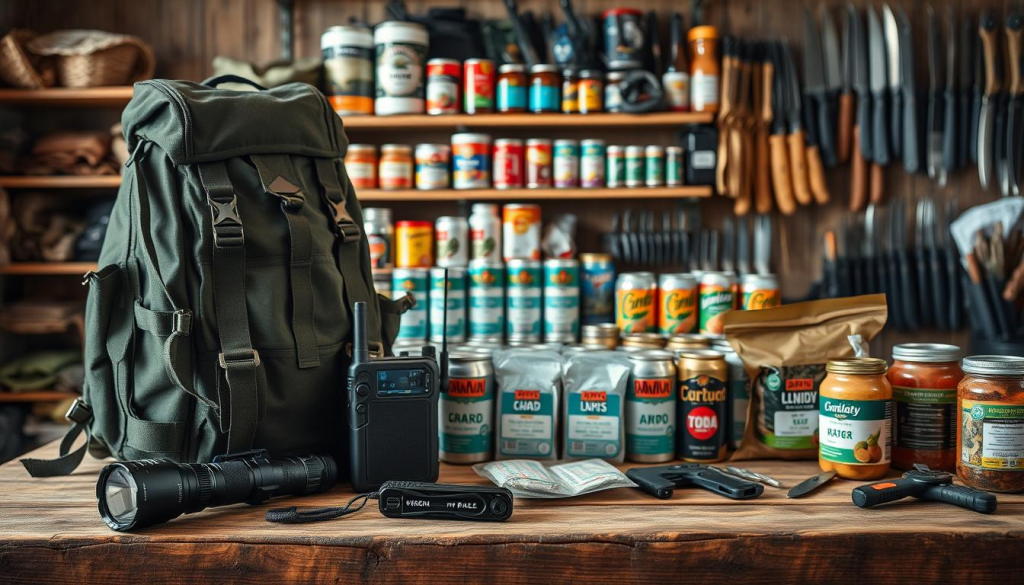
Multi-tools and knives are vital components of any family survival kit for six. They can be used for a wide range of tasks, from cutting and opening cans to tightening loose parts. When selecting a multi-tool, look for one that includes a variety of functions, such as pliers, scissors, and a knife blade.
Some popular multi-tool brands include Leatherman and Gerber. A good quality knife, such as those made by Buck or Ka-Bar, is also indispensable. Consider including a sharpening stone to keep your blades in good condition.
Backup Power Solutions and Lighting
Backup power solutions are critical for providing light and power during extended power outages. Solar-powered generators, such as those offered by Goal Zero, are a great option as they can be recharged during the day and provide power at night.
LED flashlights and lanterns are also essential for lighting. Look for products with red light modes to preserve night vision. Consider including extra batteries and a battery bank to keep your devices charged.
Cooking Gear for Off-Grid Situations
Cooking gear is another crucial aspect of prepper essentials for a family of 6. Portable stoves, camping grills, and cooking pots are must-haves. Consider a propane or white gas stove, as they are efficient and can be used in a variety of conditions.
| Cooking Gear | Description | Benefits |
|---|---|---|
| Portable Stove | Compact and lightweight, ideal for camping or emergency cooking. | Easy to use, fuel-efficient. |
| Camping Grill | Perfect for cooking meals outdoors, can be used over campfires or with portable stoves. | Versatile, easy to clean. |
| Cooking Pot | Durable and versatile, suitable for a variety of cooking tasks. | Heat-resistant, easy to store. |
By focusing on these essential tools and gear, a family of six can be better prepared to face emergencies and survive off-grid situations.
Communication in an Emergency
Communication is key to navigating emergencies successfully, requiring a combination of planning and the right technology. In the face of a disaster, being able to communicate with family members and emergency services can significantly impact the outcome.
Importance of Emergency Communication Plans
Having a well-thought-out emergency communication plan is crucial. This plan should include contact information for all family members, a designated meeting point, and a backup plan for communication, such as a two-way radio or a messaging app.
Key components of an emergency communication plan:
- Contact information for all family members
- A designated meeting point
- A backup communication method
Emergency contact numbers
Recommended Communication Devices
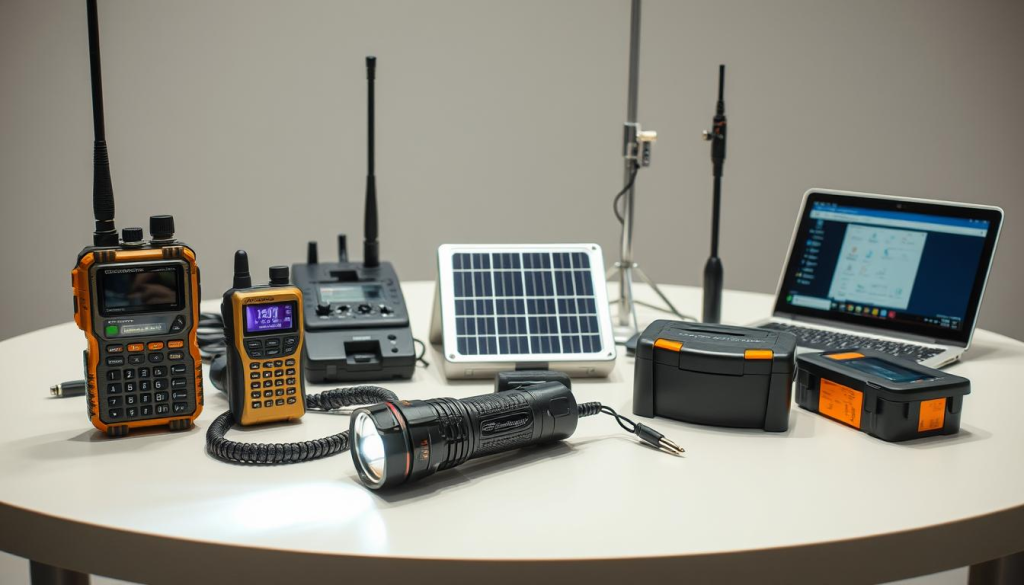
In emergencies, having the right devices can make a significant difference. Recommended devices include:
| Device | Description | Use Case |
|---|---|---|
| Two-way Radios | Allow for real-time communication between family members | Use during evacuations or when separated |
| Satellite Phones | Provide communication when cellular networks are down | Use in remote areas or during widespread emergencies |
| Whistle | A simple, low-tech signaling device | Use to signal for help if trapped |
Gathering Local Emergency Resources
Understanding local emergency resources is vital. This includes knowing the location of emergency shelters, hospitals, and other critical infrastructure. Families should also be aware of local emergency alert systems and sign up for notifications.
Local emergency resources to consider:
- Emergency shelters
- Hospital locations
- Emergency alert systems
By combining a solid emergency communication plan, the right devices, and knowledge of local resources, families can significantly enhance their preparedness and response to emergencies.
Financial Preparations for Emergencies
Financial preparedness is a critical aspect of emergency preparedness that is often overlooked. In times of crisis, having a financial safety net can make a significant difference in how well a family can cope.
Keeping Cash on Hand
One of the key components of financial preparedness is having adequate cash reserves. In emergency situations, ATMs and credit card machines may not be functioning, making cash the primary means of exchange. It’s recommended to keep a sufficient amount of cash in small denominations, as larger bills may be difficult to break. Consider storing cash in a secure, easily accessible location, such as a safe or a locked box.
Understanding Bartering Basics
Bartering, or trading goods and services without using money, can be an effective way to obtain necessary items during an emergency. Understanding the basics of bartering can help families prepare for such situations. Identify items that could be valuable for bartering, such as non-perishable food, water, or medical supplies. Building a network of like-minded individuals or communities can also facilitate bartering.
Developing a Budget for Preps
Creating a budget specifically for emergency preparations can help ensure that a family is adequately prepared without straining their financial resources. Start by identifying essential prepper essentials for a family of six, such as survival supplies and emergency equipment. Allocate funds accordingly, prioritizing the most critical items. Regularly review and adjust the budget as needed to stay on track.
By focusing on financial preparedness, families can enhance their overall resilience to emergencies. This involves not just saving money, but also understanding alternative forms of exchange and managing resources effectively.
Creating a Family Emergency Plan
A well-structured family emergency plan is crucial for a family of six to stay safe and prepared during unexpected situations. This plan should be developed with the input of all family members to ensure everyone knows their roles and responsibilities.
Involving Every Family Member
Involving every family member in the planning process is vital. This not only ensures that everyone is aware of the plan but also fosters a sense of responsibility among all members. For a family survival kit for six, it’s essential that each member knows what to do in case of an emergency.
Conducting Regular Drills
Regular drills and simulations are necessary to test the effectiveness of the emergency plan. This practice helps identify any weaknesses in the plan and makes necessary adjustments. For families prepping for a family of six, regular drills can be the difference between being prepared and being caught off guard.
By having a comprehensive plan in place and incorporating survival gear for large families, you can ensure your family’s safety and readiness for any situation that may arise.