
Being prepared for emergencies and disasters is crucial for every family. Having a comprehensive emergency preparedness plan in place can make a significant difference in ensuring the safety and well-being of your loved ones.
An emergency preparedness checklist is a vital component of this plan, helping you to stay organized and focused on the essential items you need to survive.
A well-stocked prepper checklist should include vital supplies such as food, water, first aid kits, and communication devices. By having these essentials in place, you can ensure that your family is equipped to handle unexpected situations.
Key Takeaways
- Create a comprehensive emergency plan
- Stock up on essential supplies like food and water
- Include a first aid kit in your prepper checklist
- Invest in reliable communication devices
- Regularly review and update your emergency preparedness checklist
Understanding the Importance of Preparedness
In an era marked by increasing natural disasters and unforeseen emergencies, understanding the importance of preparedness is crucial for families to ensure their safety and well-being. Being prepared is not just about having the right supplies; it’s about having a comprehensive plan in place that addresses various potential emergencies.
Why Families Should Prep
Families should prep to safeguard their health, safety, and livelihood. A well-thought-out disaster readiness plan can significantly reduce the risk of injury or loss of life during emergencies. Moreover, being prepared can minimize the economic impact of disasters by having essential supplies stockpiled.
Prepping is not just for extreme scenarios; it’s about being ready for everyday emergencies like power outages or medical emergencies. For large families, having prepping supplies that cater to everyone’s needs is vital.
Common Disasters to Prepare For
Families should prepare for a variety of disasters, including natural disasters like hurricanes, earthquakes, and floods, as well as man-made emergencies such as power grid failures. Having a plan and the right supplies can make a significant difference in how well a family weathers these events.
- Natural disasters (hurricanes, earthquakes, floods)
- Power outages and grid failures
- Economic crises and financial emergencies
By understanding these potential risks and taking proactive steps, families can ensure they are better equipped to handle emergencies.
Assessing Your Family’s Needs
To build a robust family survival kit, it’s essential to evaluate the unique needs of your household. Assessing your family’s needs is a critical step in creating a comprehensive prepper checklist that ensures everyone’s safety and well-being during emergencies.
Individual Needs for Each Family Member
Each family member has distinct needs that must be considered when preparing for emergencies. These include medical requirements, dietary needs, and personal hygiene items. For instance, families with infants need to stock up on diapers, formula, and baby food, while families with elderly members may need to consider medical equipment and prescription medications.
It’s also crucial to consider the specific needs of family members with disabilities, ensuring that their requirements are met during an emergency. This might include having backup power for medical equipment or having a supply of necessary medications.
| Family Member | Medical Needs | Dietary Needs | Hygiene Needs |
|---|---|---|---|
| Infants | None | Formula, Baby Food | Diapers, Baby Wipes |
| Elderly | Prescription Medications, Medical Equipment | Special Dietary Needs | Adult Diapers, Hygiene Products |
| Members with Disabilities | Medical Equipment, Prescription Medications | Special Dietary Needs | Personal Hygiene Items |
Essential Services and Supplies
In addition to individual needs, families should also consider essential services and supplies that are crucial for survival. These include water purification methods, food storage, and emergency lighting.
Families should stock up on non-perishable food items and have a plan for cooking meals during power outages. Water storage and purification tablets or filters are also vital. Moreover, having a reliable source of light, such as solar-powered lanterns or flashlights, can significantly improve safety and comfort.
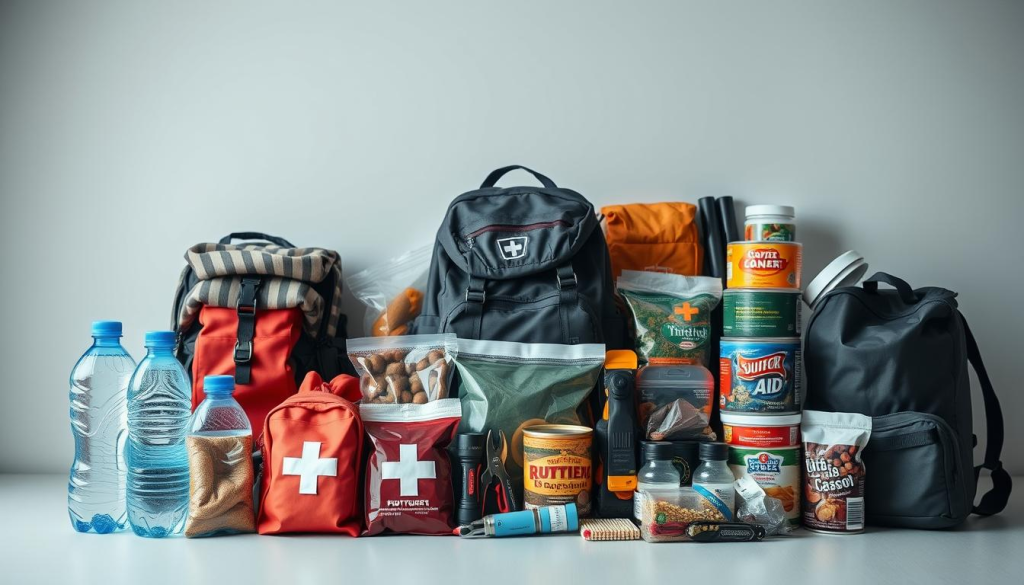
- Water purification tablets or filters
- Non-perishable food items
- Emergency lighting (solar-powered lanterns, flashlights)
- First aid kit
- Personal hygiene items
By carefully assessing your family’s needs and stocking up on essential items for family preppers, you can ensure that everyone is prepared for any situation. Regularly reviewing and updating your prepper checklist will help you stay prepared for emergencies.
Creating a Family Emergency Plan
In the face of natural disasters or other emergencies, having a clear plan in place is vital for family safety and resilience. A comprehensive emergency plan helps ensure that all family members know what to do and where to go in case of a disaster.
Communication Strategies
Effective communication is the backbone of any emergency plan. It’s essential to establish a communication strategy that works for your family. This includes:
- Designating a contact person outside the immediate area for family members to check in with.
- Ensuring all family members have a list of important phone numbers and contacts.
- Using a two-way radio or other communication devices to stay in touch during an emergency.
Practice your communication plan to ensure everyone knows how to use the chosen methods and understands the protocol.
Evacuation Routes and Meeting Points
Knowing the safest evacuation routes and having designated meeting points can significantly reduce confusion and risk during an emergency. Consider the following:
- Identify the safest routes out of your home, neighborhood, and town.
- Designate meeting points both inside and outside the home, such as a front porch or a nearby park.
- Make sure all family members understand the plan and know how to get to the designated meeting points.
It’s also crucial to stay informed about potential hazards and adjust your plan accordingly. As the American Red Cross suggests, “Having a plan in place can help reduce fear and anxiety for you and your family.”
“Disasters can strike at any moment, and having a well-thought-out emergency plan can be the difference between safety and catastrophe.”
To further enhance your plan, consider including a bug out bag with essentials like food, water, first aid supplies, and important documents. For a family of five, this means tailoring the contents to meet the needs of each member, including children and elderly individuals if applicable.
By focusing on these key areas and practicing your emergency plan, you can significantly improve your family’s preparedness and response to emergencies.
Food Storage Essentials
A family’s preparedness plan isn’t complete without a comprehensive food storage strategy. Having the right food stockpile can make a significant difference during emergencies, providing sustenance and comfort when it’s needed most.
Non-Perishable Foods to Stock Up On
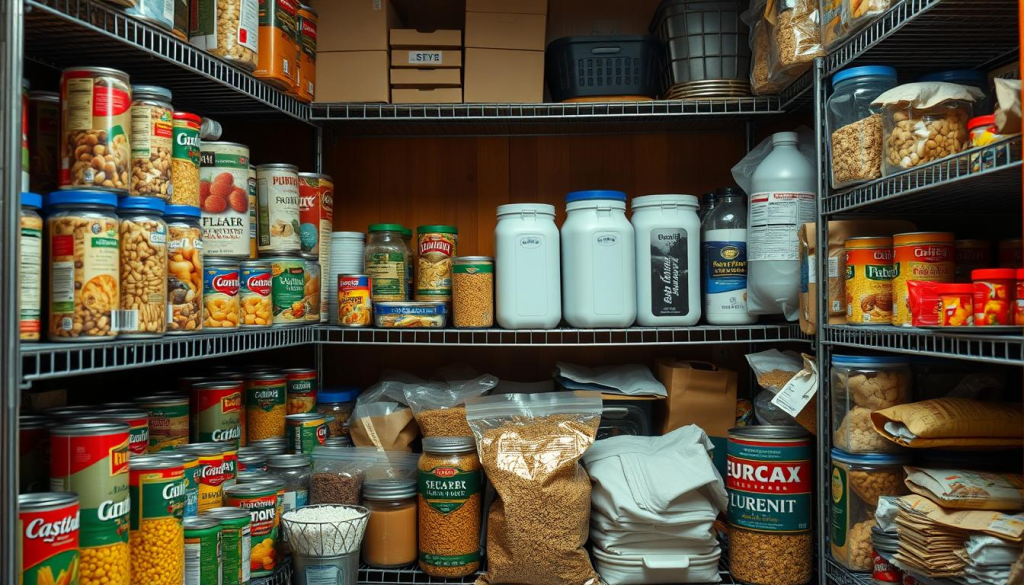
When building an emergency food stockpile for family, it’s crucial to focus on non-perishable items that are nutritious and easy to prepare. Some essentials include:
- Canned goods (vegetables, fruits, meats, and soups)
- Dried legumes (beans, lentils, and peas)
- Whole grain cereals and pasta
- Nuts and seeds
- Dried fruits and vegetables
- Ready-to-eat meals
As Jane Smith, a prepper expert, suggests, “A well-rounded food stockpile should include a variety of foods to ensure nutritional balance.”
“The key to a successful food stockpile is rotation. Regularly check expiration dates and consume older items before they expire.”
Meal Planning for Long-Term Storage
Effective meal planning is vital for long-term food storage. Consider the dietary needs and preferences of your family members when planning meals. A good strategy is to:
- Plan meals around the foods you have stockpiled
- Consider meals that are easy to prepare with minimal equipment
- Store food in airtight, pest-resistant containers
- Label and date all stored food items
For a family of 5, it’s essential to stock enough food for at least a few weeks, if not months. As John Doe, a survival expert, notes, “Having a survival gear for family of 5 that includes a comprehensive food plan can significantly enhance your family’s resilience during emergencies.”
By focusing on these food storage essentials and meal planning strategies, families can ensure they are better prepared to face unexpected challenges.
Water Supply and Purification
Families must prioritize having a sufficient water supply and effective purification methods. Ensuring access to clean drinking water is critical for survival during emergencies. A family of five, for instance, requires at least one gallon of water per person per day for drinking, cooking, and hygiene.
Reliable Water Containers
Choosing the right water containers is vital for storing and transporting water safely. Food-grade plastic containers or stainless steel containers are recommended due to their durability and safety.
- Collapsible water containers for easy storage
- Water bottles with filters for immediate use
- Large storage tanks for long-term water supply
Effective Water Purification Methods
Having a water purification system in place can significantly reduce the risk of waterborne illnesses. Various methods are available, including:
| Purification Method | Description | Effectiveness |
|---|---|---|
| Boiling | Boiling water kills bacteria, viruses, and other pathogens. | High |
| Filtration | Using filters to remove contaminants from water. | High |
| Chemical Treatment | Adding chemicals like chlorine or iodine to purify water. | Medium to High |
By combining proper water storage with effective purification methods, families can ensure a reliable access to clean drinking water during emergencies.
First Aid and Medical Supplies
First aid and medical supplies are essential components of a comprehensive family emergency plan. In the face of a disaster or unexpected medical emergency, having the right supplies can significantly impact the outcome.
Fundamental First Aid Kit Items
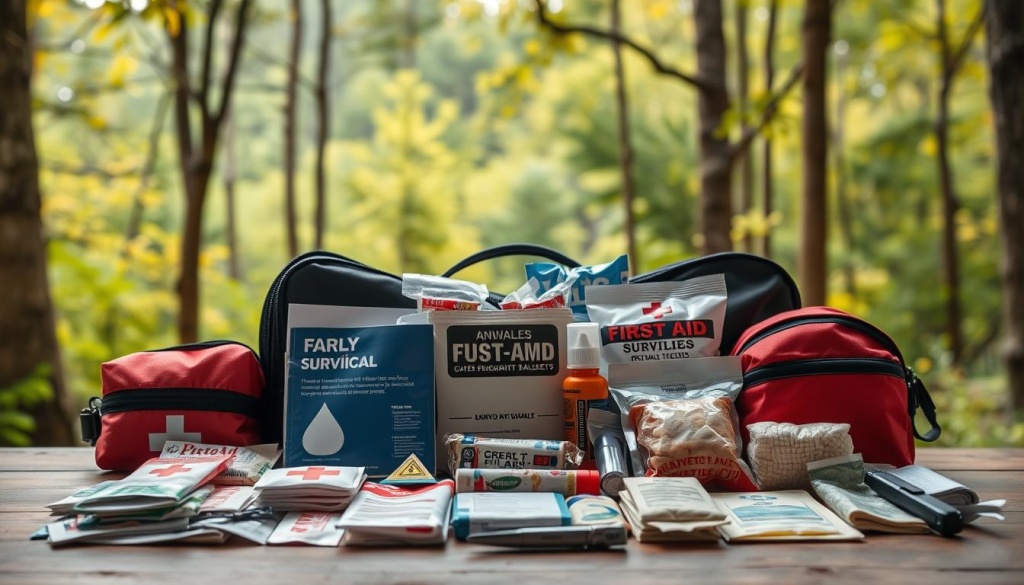
A well-stocked first aid kit should include a variety of supplies to treat different types of injuries. Essential items include bandages, antiseptic wipes, pain relievers, and any medications that family members may need.
- Bandages and band-aids in various sizes
- Antiseptic wipes and ointments
- Pain relievers such as acetaminophen or ibuprofen
- Gauze pads and rolls
- Medical tape
Prescription Medications and Stockpiling
In addition to a first aid kit, it’s crucial to stockpile prescription medications and other essential medical supplies. This includes medications for chronic conditions, as well as equipment like EpiPens or inhalers.
When stockpiling medications, ensure that you have enough to last for at least 30 days, and check expiration dates regularly to replace any that are nearing expiration.
Tools and Equipment for Survival
A well-prepared family of five should stock up on vital survival gear and equipment. Having the right tools can significantly enhance your ability to respond to emergencies and survive under challenging conditions.
The importance of being equipped with the necessary tools and gear cannot be overstated. It is essential for families to understand what constitutes essential survival gear and to have it readily available.
Multi-Tools and Essential Gear
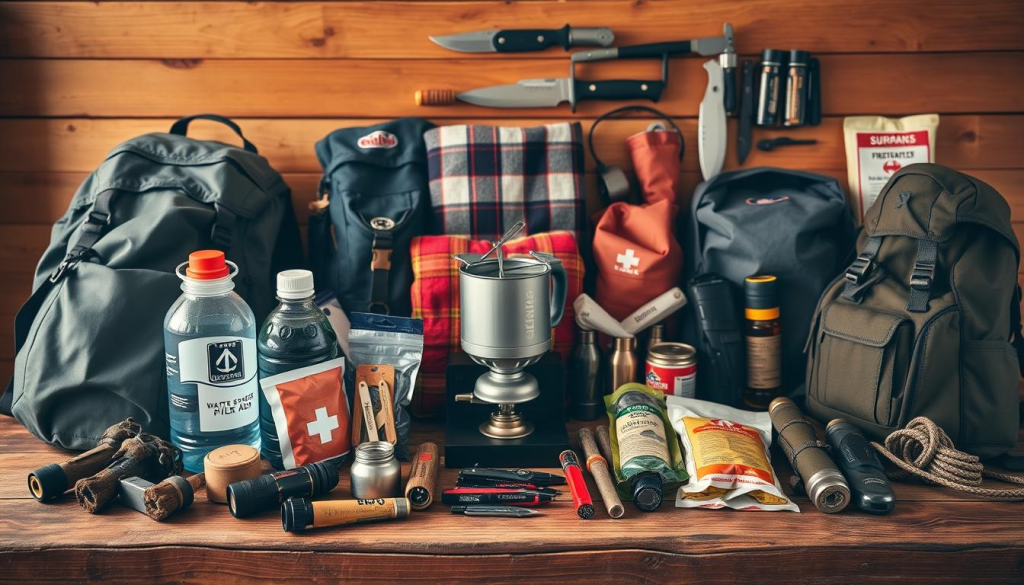
Multi-tools are versatile instruments that can perform a variety of tasks, from cutting and opening cans to fixing equipment. When selecting a multi-tool, look for one that includes a variety of functions and is made from durable materials.
Other essential gear includes a fire starter, rope or twine, and a pocket knife. These items can help with a range of tasks, from building shelter to preparing food.
- Multi-tool or pocket knife
- Fire starter (e.g., matches, lighter, firestarters)
- Rope or twine
- Duct tape
Emergency Light Sources
Light is crucial during emergencies, especially after dark. Having reliable light sources can help you navigate, perform tasks, and signal for help if needed.
Some of the most effective emergency light sources include LED flashlights, glow sticks, and solar-powered lights. It’s also a good idea to have extra batteries on hand.
When preparing your survival kit, consider the specific needs of your family, including any unique requirements due to age, health conditions, or other factors.
Protective Gear and Clothing
Protective gear and clothing are crucial elements of any disaster readiness plan. They can protect family members from various hazards, including extreme weather conditions and debris. A well-prepared family should consider both weather-appropriate clothing and personal protective equipment as essential components of their prepping supplies.
Weather-Appropriate Clothing
Having the right clothing for different weather conditions is vital. This includes:
- Waterproof jackets and pants for rain and snow
- Insulated, warm clothing for cold weather
- Lightweight, breathable clothing for hot weather
- Sturdy boots for hiking and protection
For large families, it’s essential to stock up on a variety of sizes to ensure everyone has appropriate clothing. Consider the climate you live in and the potential disasters you might face, such as hurricanes or blizzards, when selecting clothing.
Personal Protective Equipment
Personal protective equipment (PPE) is designed to protect against specific hazards. Essential PPE includes:
- Gloves for protection against cuts and abrasions
- Safety glasses or goggles for eye protection
- Masks or respirators for air quality protection
- Hard hats for protection against falling objects
When assembling your disaster readiness plan, consider the types of PPE that will be most useful. For example, if you live in an area prone to wildfires, masks that filter out fine particles can be crucial.
By focusing on both weather-appropriate clothing and personal protective equipment, families can enhance their preparedness for a wide range of potential disasters.
Communication and Information Channels
Communication is key to survival during emergencies, and there are several tools and strategies that can help. In the face of a disaster, having reliable means of staying informed and connected with family members is crucial.
Emergency Radio Options
One of the most critical tools for staying informed during a crisis is an emergency radio. These devices can receive important updates and alerts even when the power is out. When selecting an emergency radio, consider one that is NOAA Weather Radio certified and has multiple power sources, such as batteries, solar, and hand-crank.
Some popular options include:
- Hand-crank radios that can charge other devices
- Solar-powered radios for sustainable power
- Radios with flashlights or lanterns for additional utility
As noted by emergency preparedness expert, “A good emergency radio can be a lifeline during a disaster, providing critical information and updates.” –
Mark Twain, Survival Guide
Keeping Informed During a Crisis
Besides having the right equipment, it’s essential to have a strategy for staying informed. This includes:
| Information Source | Description | Benefits |
|---|---|---|
| Local News | Stay updated with local news stations for emergency broadcasts. | Provides area-specific information and instructions. |
| Emergency Alerts | Sign up for emergency alerts from local authorities. | Receives timely warnings and updates. |
| Social Media | Follow local authorities and emergency services on social media. | Real-time updates and information sharing. |
By combining the right tools, such as emergency radios, with a solid information strategy, families can stay connected and informed during crises, enhancing their overall preparedness and response.
Financial Preparedness
Financial preparedness is not just about saving money; it’s about being ready for any situation that may arise. For a family of 5, having a solid financial foundation can be the difference between weathering a storm and facing significant hardship.
Emergency Cash and Bartering Supplies
In the event of a disaster, having access to emergency cash can be invaluable. ATMs and credit card machines may not be functioning, making cash the preferred medium of exchange. It’s recommended to keep a stash of small denomination bills in a safe and easily accessible place. Additionally, consider stockpiling bartering supplies such as non-perishable food, water, and other essential items that can be used to trade for goods and services.
Insurance and Important Documents
Having the right insurance coverage is crucial for financial preparedness. This includes health, home, and auto insurance that can provide financial protection in case of accidents, natural disasters, or other unforeseen events. It’s also essential to keep important documents such as insurance policies, identification, and financial records in a secure, easily accessible location, such as a fireproof safe or a secure online storage service.
Families should review their insurance policies regularly to ensure they have adequate coverage. This includes understanding what is covered, what is not, and making adjustments as necessary. Keeping these documents organized and easily accessible can significantly reduce stress and financial loss during a crisis.
Training and Skill Development
Training and skill development are essential components of a comprehensive prepper plan. Having the right survival gear for a family of 5 is crucial, but it’s equally important to know how to use it effectively.
Basic Survival Skills for Families
Families should focus on acquiring basic survival skills that include first aid, food preparation, and shelter building. These skills are fundamental to ensuring that your family can respond to emergencies and survive under challenging conditions.
- First aid training to handle injuries and medical emergencies.
- Food preparation skills, including cooking and preserving food.
- Shelter building techniques to provide safe housing.
Resources for Learning and Practice
There are numerous resources available for families to learn and practice these essential skills. Consider the following:
- Local community centers and outdoor organizations often offer survival and first aid courses.
- Online tutorials and videos can provide step-by-step instructions.
- Practice drills and family training exercises can help reinforce these skills.
By investing time in training and skill development, families can enhance their preparedness and resilience in the face of disasters.
It’s also beneficial to stay informed about the latest survival techniques and gear. This can be achieved through workshops, online forums, and prepper communities.
Maintaining and Reviewing Your Prepper List
Creating an emergency preparedness checklist is just the first step in ensuring your family’s safety. To guarantee that your prepper list remains effective, it’s crucial to regularly review and update it. This is particularly important for a family of 5, where individual needs can vary greatly.
Inventory Checks and Maintenance
Regular inventory checks help identify expired or damaged supplies, allowing you to replace them before they become unusable. Check your food storage, water purification systems, and medical supplies to ensure they are still usable and not expired.
Updating Your Preparedness Strategy
A preparedness strategy for a family of 5 should be dynamic, adapting to changes in your family’s needs and the surrounding environment. Update your plan to reflect any changes in your family’s size, health, or location, ensuring that your emergency preparedness checklist remains relevant and effective.
By regularly reviewing and updating your prepper list, you can ensure that your family is always prepared for any situation that may arise.