
Disasters and emergencies can strike at any moment, making emergency preparedness a crucial aspect of our lives.
A bug out bag is a vital component of this preparedness, designed to help individuals survive for at least 72 hours during crises.
This article will guide you through the essentials of creating a comprehensive bug out bag, ensuring you’re ready for the unexpected.
Key Takeaways
- Understanding the importance of a bug out bag in emergency situations
- Learning the basic items to include in your bug out bag
- Tips for customizing your bug out bag according to your needs
- The significance of regular checks and updates for your bug out bag
- How to stay prepared for various types of emergencies
What is a Bug Out Bag and Its Purpose?
Understanding the concept of a bug out bag is essential for effective emergency planning. A bug out bag serves as a portable collection of essential items that an individual can quickly grab in case of an emergency, allowing them to survive for a certain period.
Definition of a Bug Out Bag
A bug out bag is defined as a portable kit that contains the necessary items to help an individual survive for at least 72 hours in the event of a disaster or emergency. This bag is designed to be easily carried and should include essentials such as food, water, first aid supplies, and means of communication.
Importance of Preparedness
The importance of having a bug out bag cannot be overstated. In the face of natural disasters, power outages, or other emergencies, having a well-prepared bug out bag can be the difference between safety and peril. It ensures that individuals are equipped with the necessary tools to respond effectively to unexpected situations.
Emergency preparedness is not just about having a bug out bag; it’s about being ready for any situation. By understanding the role of a bug out bag in emergency preparedness, individuals can better prepare themselves for the unexpected.
Key Components of an Effective Bug Out Bag
The key to a successful bug out bag lies in its composition, which should include a thoughtful selection of vital supplies. An effective bug out bag is designed to sustain you and your family during emergencies or disasters, providing the necessary tools for survival and comfort.
Food and Water Supplies
One of the most critical aspects of a bug out bag is the inclusion of adequate food and water supplies. Non-perishable food items that are high in calories and nutrients are essential. Examples include energy bars, canned goods, and dried fruits. It’s also crucial to have a reliable means of water purification, such as water purification tablets or a portable filter, to ensure access to safe drinking water.
- Non-perishable food items (e.g., energy bars, canned goods)
- Water purification tablets or portable filter
- Collapsible water container
First Aid Kit Essentials
A well-stocked first aid kit is vital for treating injuries and preventing infections. The kit should include bandages, antiseptic wipes, pain relievers, and any personal medications. It’s also a good idea to include a first aid manual to guide you in using the supplies effectively.
| Item | Description |
|---|---|
| Bandages | Assorted sizes for wound care |
| Antiseptic Wipes | For cleaning wounds |
| Pain Relievers | Over-the-counter pain medication |
Clothing and Shelter Items
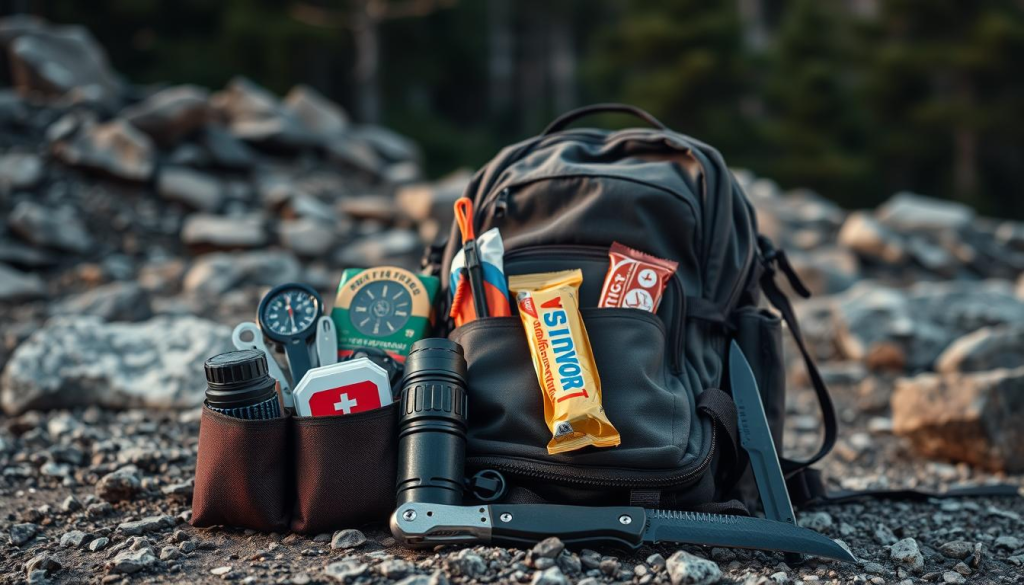
Clothing and shelter items are also crucial components of a bug out bag. Pack clothing that is versatile, durable, and suitable for various weather conditions. Shelter items, such as a lightweight tent or tarp, can provide protection from the elements.
- Versatile and durable clothing
- Lightweight tent or tarp
- Sleeping bag or emergency blanket
By carefully selecting and packing these essential items, you can ensure that your bug out bag is effective and ready for any situation.
How to Choose the Right Bag for Your Needs
Selecting a bug out bag that meets your specific requirements is vital for survival. The right bag can make a significant difference in your ability to respond to emergencies effectively.
Size and Capacity Considerations
When choosing a bug out bag, one of the primary considerations is its size and capacity. The bag should be large enough to carry all essential items, such as food, water, first aid supplies, and clothing, without being too bulky or heavy.
A good rule of thumb is to consider the length of time you need to be prepared for. For short-term emergencies, a smaller bag might suffice, while longer-term preparedness requires a larger capacity bag.
- Consider the volume: 20-30 liters for short trips, 40-60 liters for longer stays.
- Think about the weight: Lighter bags are easier to carry but may not be as durable.
- Assess your needs: Customize based on personal, family, or group requirements.
Durability and Material Quality
The durability and material quality of your bug out bag are crucial for withstanding various environmental conditions. Look for bags made from high-quality, water-resistant materials that can endure rough handling.
Key features to look for include:
| Feature | Description | Benefit |
|---|---|---|
| Water-resistant material | Made from nylon or polyester | Protects contents from rain and moisture |
| Reinforced stitching | Strong thread used for seams | Increases bag durability |
| Multiple compartments | Organizational pockets and sections | Enhances accessibility and organization |
By focusing on these aspects, you can choose a bug out bag that is both functional and durable, ensuring you’re well-prepared for any situation.
Essential Tools and Gear for Your Bug Out Bag
The key to surviving unexpected situations lies in the tools and equipment you carry in your bug out bag. Having the right gear can make a significant difference in your ability to navigate through challenging environments and emergencies.
Multi-Tools and Survival Gear
A multi-tool is an indispensable item in any bug out bag. It combines several functions, such as knives, pliers, and screwdrivers, into one device, making it a versatile tool for various tasks. Other essential survival gear includes a compass for navigation, a first aid kit for medical emergencies, and a portable water filter or purification tablets to ensure access to clean drinking water.
As Colin Angus, an experienced adventurer, once said, “A good multi-tool is like having a small toolbox in your pocket.” This emphasizes the importance of having a reliable multi-tool in your bug out bag. When selecting a multi-tool, consider one that is durable and has a variety of functions.
Fire-making Supplies
Fire-making is a critical skill for survival, providing warmth, light, and a means to cook food. Essential fire-making supplies include waterproof matches, a lighter, and ferrocerium rods. These items should be stored in a waterproof container to ensure they remain functional when needed.
- Waterproof matches or lighters for ignition
- Ferrocerium rods for creating sparks
- Tinder and kindling materials to help start a fire
Having a reliable means to start a fire can be a lifesaver. As
“Fire is a powerful tool for survival, offering warmth, light, and a way to cook food, making it an essential element in any bug out bag.”
The right fire-making supplies can make all the difference in a survival situation.
The Importance of Personalization in Bug Out Bags
The effectiveness of a bug out bag lies in its ability to be tailored to the individual’s or family’s unique requirements. A generic approach may not adequately address specific needs, such as medical conditions or personal hygiene requirements.
Assessing Individual Needs
To create an effective bug out bag, it’s essential to assess the individual’s needs. This includes considering any medical conditions, such as diabetes or allergies, and packing necessary supplies, like medication or an EpiPen.
For instance, a person with diabetes may need to include a glucometer, test strips, and insulin in their bug out bag. It’s crucial to tailor the contents to the individual’s health requirements.
| Medical Condition | Necessary Supplies |
|---|---|
| Diabetes | Glucometer, test strips, insulin |
| Allergies | EpiPen, antihistamines |
Customizing for Family Members
When creating a bug out bag for a family, it’s vital to consider the needs of each member, including children, elderly, and pets. This may involve packing additional supplies, such as diapers, formula, or pet food.
Customizing the bug out bag for each family member ensures that everyone’s needs are met in an emergency.
“A well-prepared family is a safe family. Preparing a bug out bag that caters to each member’s needs is a crucial step in emergency preparedness.”
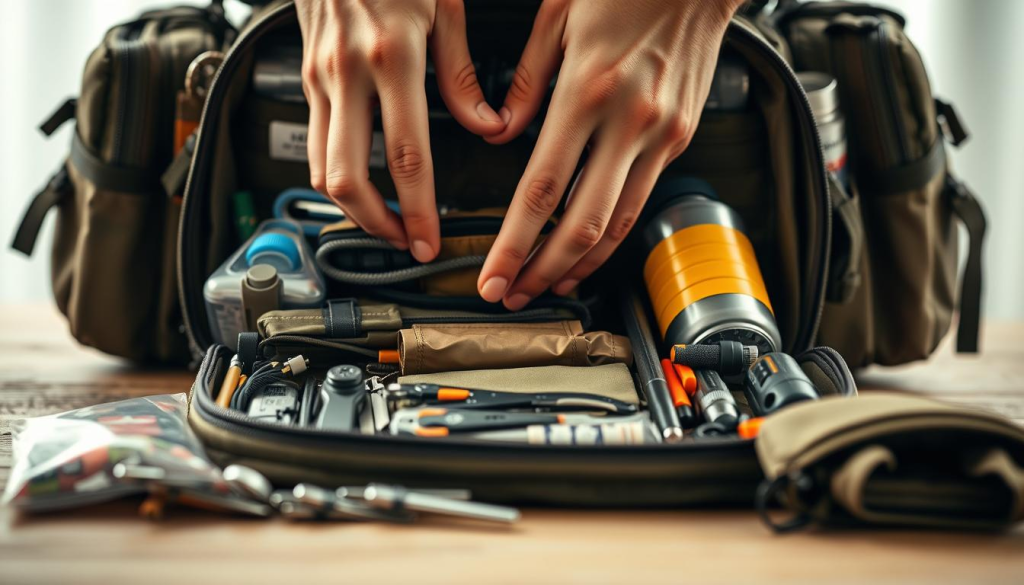
By personalizing the bug out bag, individuals and families can ensure they are better prepared to face unexpected situations. It’s not just about having a bag; it’s about having the right supplies to meet specific needs.
Strategies for Packing Your Bug Out Bag
Packing a bug out bag efficiently is crucial for survival in unexpected situations. A well-organized bag ensures that you can access essential items quickly and comfortably carry it over long distances.
Organizational Tips for Efficiency
To pack your bug out bag efficiently, start by categorizing items into groups such as food, first aid, and shelter. This makes it easier to locate what you need quickly.
- Use packing cubes or small pouches to separate items within your bag.
- Place frequently used items in easy-to-reach locations.
- Keep your bag’s compartments organized with labels or color-coding.
By organizing your bug out bag in this manner, you can save time and reduce stress during emergencies.
Weight Distribution Techniques
Proper weight distribution is vital to comfortably carry your bug out bag, especially over extended periods. Here are some techniques to achieve this:
- Balance the weight evenly between the front and back of the bag.
- Place heavier items closest to your back to maintain balance.
- Use compression straps to secure the load and adjust the bag’s fit.
By distributing the weight effectively, you can reduce fatigue and enhance your mobility during emergencies.
In conclusion, packing your bug out bag with a focus on organization and weight distribution can significantly enhance your preparedness for emergencies. By implementing these strategies, you can ensure that your bug out bag is both efficient and comfortable to carry.
Regular Maintenance of Your Bug Out Bag
Regular checks on your bug out bag ensure it’s always ready for emergencies. A bug out bag is only as good as its contents and condition. Neglecting maintenance can lead to expired supplies, damaged equipment, and ultimately, a bag that’s not ready when you need it most.
Routine Inspections
Conducting routine inspections is crucial. Check every item in your bag to ensure it’s in working order. This includes testing batteries, checking the integrity of food and water supplies, and verifying that all tools and equipment are functional. Make it a habit to inspect your bag every 3-6 months.
During inspections, consider the condition of clothing and personal items. Are they still suitable for the expected environment? Are there any signs of wear or damage that could compromise their usefulness? Update or replace items as necessary.
Updating Expiration Dates
One of the critical aspects of maintaining your bug out bag is updating expiration dates. Check the expiration dates of food, water purification tablets, medications, and batteries. Expired items should be replaced immediately. It’s also a good idea to rotate your supplies to ensure older items are used before they expire.
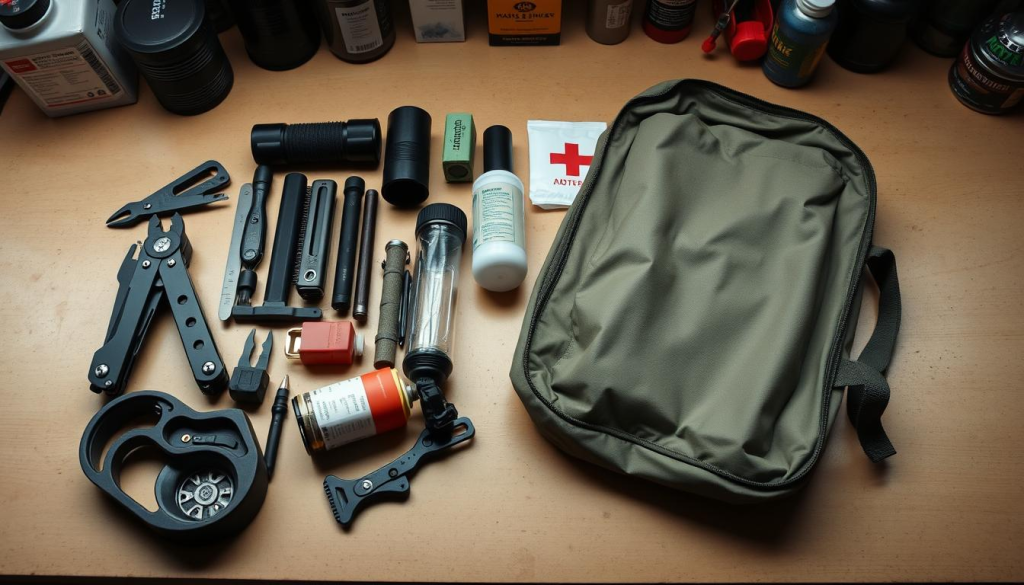
Maintaining your bug out bag is not a one-time task; it’s an ongoing process. By regularly inspecting your bag and updating supplies, you can ensure that your bug out bag remains a reliable resource in emergency situations.
Bug Out Bag Essentials for Different Scenarios
Understanding the environment you’ll be surviving in is crucial to packing the right bug out bag essentials. Whether you’re in an urban setting or the wilderness, the items you include can significantly impact your chances of survival.
Urban vs. Wilderness Survival Essentials
The distinction between urban and wilderness survival is critical when assembling your bug out bag. For urban survival, you’ll need items that help you navigate through city environments, such as:
- Maps of the city
- Cash and important documents
- A means of self-defense
- Basic first aid supplies
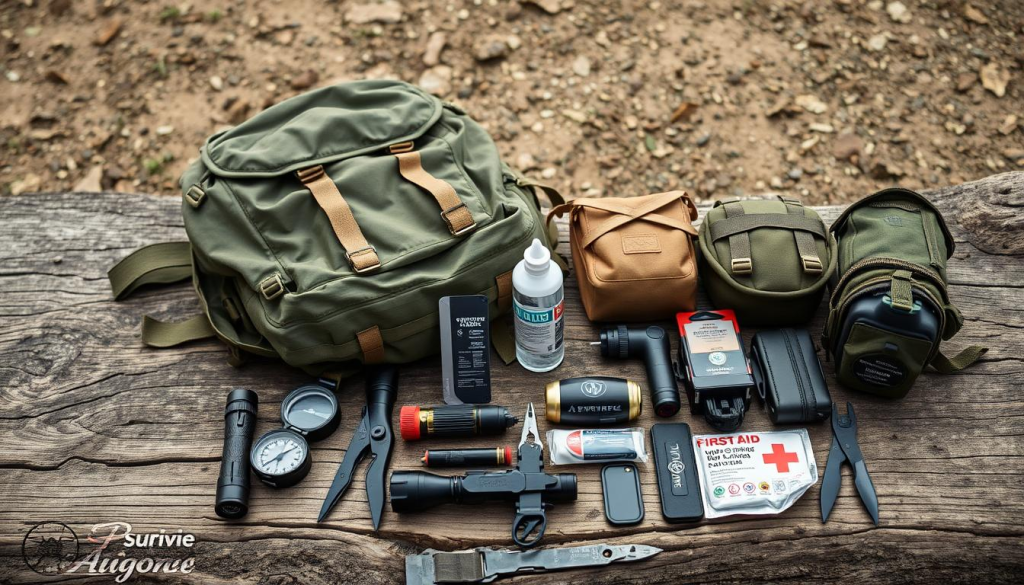
In contrast, wilderness survival requires gear that helps you live off the land, including:
- A water filtration system or purification tablets
- A hunting knife or multi-tool
- Fire-starting equipment
- Shelter materials like a tent or tarp
Seasonal Considerations
The time of year and the climate you’re in also play a significant role in determining what to include in your bug out bag. For example, in colder climates, you’ll need:
- Warm clothing and layers
- A warm hat and gloves
- A means of starting a fire
In hotter climates, consider:
- Lightweight, breathable clothing
- A means of purifying water
- Sun protection, including sunscreen and a hat
By tailoring your bug out bag to the specific challenges of your environment and the season, you can significantly enhance your chances of survival.
Building a Family Bug Out Bag Plan
A family bug out bag plan is essential for coordinating your loved ones’ safety and response to emergencies. This plan not only ensures that every family member is prepared but also knows what to do in case of a crisis.
Involving Family in Preparation
Involving all family members in the preparation process is crucial. It’s not just about packing the right supplies; it’s about making sure everyone knows how to use them and what their role is in an emergency. Start by having a family meeting to discuss the importance of being prepared and the basics of your bug out plan.
Assign tasks to each family member based on their age and ability. For example, older children can help with packing and checking the bug out bags, while younger ones can be taught basic survival skills like finding shelter or starting a fire (with adult supervision).
Designing a Communication Strategy
A key component of your family bug out bag plan is a communication strategy. In the chaos of an emergency, it’s easy for family members to get separated. Establishing a meeting point outside the home and a secondary location outside the neighborhood can help ensure everyone knows where to go if you get separated.
Choose a contact person outside the immediate area that family members can check in with if you get separated. This could be a relative or friend who lives far enough away to be unaffected by the same local emergency. Make sure all family members have this contact information memorized or written down in their bug out bags.
Sample Family Communication Plan
| Family Member | Role | Contact Information |
|---|---|---|
| John (Father) | Primary Coordinator | 555-1234 |
| Jane (Mother) | Secondary Coordinator | 555-5678 |
| Emily (Daughter) | Bug Out Bag Checker | 555-9012 |
Regularly review and practice your family bug out bag plan to ensure everyone remembers their roles and responsibilities. This includes checking the bug out bags for supplies, updating contact information, and rehearsing the communication strategy.
Budget-Friendly Bug Out Bag Options
Emergency preparedness can be achieved affordably with the right bug out bag supplies. Creating a bug out bag on a budget requires some planning, but there are numerous cost-effective options available that don’t compromise on quality or functionality.
Affordable Supplies
When it comes to stocking your bug out bag, there are several affordable supply options to consider. Here are some essentials that won’t break the bank:
- Water Purification Tablets: Instead of buying bottled water, invest in water purification tablets or a portable filter.
- Non-Perishable Food: Canned goods, dried fruits, and nuts are nutritious and have a long shelf life.
- First Aid Kit: You can assemble a basic first aid kit with bandages, antiseptic wipes, and pain relievers at a relatively low cost.
- Second-Hand Gear: Consider purchasing second-hand camping gear or outdoor clothing at thrift stores or online marketplaces.
DIY Solutions for Your Bug Out Bag
DIY solutions can significantly reduce the cost of your bug out bag. Here are some ideas:
- Make Your Own First Aid Kit: Instead of buying a pre-assembled kit, buy individual components and assemble them yourself.
- Repurpose Household Items: Items like duct tape, rope, and certain kitchen utensils can serve multiple purposes in a survival situation.
- Create a Personalized Tool: For example, you can make a multi-tool by combining various functions into one device.
- Use Local Resources: Familiarize yourself with local flora and fauna that can be used for food, medicine, or shelter.
By incorporating these budget-friendly options and DIY solutions, you can create an effective bug out bag without overspending.
FAQs About Bug Out Bags
As we’ve explored the importance of having a bug out bag, it’s natural to have questions about this essential tool for emergency preparedness. Many people hold misconceptions about bug out bags, believing they are only for extreme survivalists. However, the reality is that a bug out bag is a practical and necessary item for anyone looking to be prepared for unexpected situations.
Debunking Common Misconceptions
One common misconception is that bug out bags are too expensive or complicated to assemble. In reality, creating a bug out bag can be done on a budget and tailored to individual needs. By focusing on essential items such as food, water, first aid supplies, and communication tools, anyone can build a effective bug out bag.
Answers to Your Questions
Some of the most frequently asked bug out bag FAQs include questions about the size of the bag, the type of food and water to include, and how to maintain the bag’s contents. By understanding the purpose of a bug out bag and customizing it to your needs, you can ensure you’re prepared for any situation. For more information on building and maintaining a bug out bag, consider exploring resources from reputable outdoor and emergency preparedness organizations.