
In uncertain times, having a bug out bag ready can be a crucial part of your emergency preparedness plan. A carefully curated emergency kit, a bug out bag is designed to help you survive and stay safe during an evacuation or sudden crisis.
The growing trend of preparing emergency kits highlights the importance of being prepared for the unexpected. A well-stocked bug out bag can make a significant difference in a crisis situation, providing essential items to sustain you until help arrives.
Key Takeaways
- A bug out bag is a vital component of emergency preparedness.
- It should be carefully curated with essential items.
- Having a bug out bag ready can help you survive and stay safe.
- The trend of preparing bug out bags is on the rise.
- A well-stocked bug out bag can sustain you until help arrives.
What is a Bug Out Bag?
A Bug Out Bag is an essential tool for anyone looking to be prepared for unexpected emergencies. It is designed to be a portable collection of essential items that can sustain an individual for at least 72 hours during a crisis.
Definition and Purpose
A Bug Out Bag, often abbreviated as BOB, is a bag packed with essential items that an individual may need to survive for a short period during an emergency or disaster. The primary purpose of a BOB is to provide the necessary tools and supplies to help an individual evacuate quickly and safely.
Essential Components
A well-prepared Bug Out Bag includes a variety of essential items. These typically comprise:
- Food and water supplies
- First aid kit
- Tools and gear (e.g., multi-tool, flashlight)
- Personal hygiene items
- Important documents (e.g., identification, insurance cards)
| Category | Essential Items |
|---|---|
| Food and Water | Non-perishable food, water purification tablets, water bottle |
| First Aid | Bandages, antiseptic wipes, pain relievers, medical gloves |
| Tools and Gear | Multi-tool, flashlight, extra batteries, fire starter |
Differentiating from Other Emergency Kits
While a Bug Out Bag shares some similarities with other emergency kits, such as a disaster supply kit or a survival kit, it is designed for a specific purpose: to be grabbed quickly in the event of an emergency that requires evacuation. Unlike other kits that might be more static or focused on specific types of emergencies, a BOB is portable and versatile.
In summary, a Bug Out Bag is a critical component of emergency preparedness gear, providing a practical and portable solution for individuals to respond to a wide range of emergencies. By understanding its definition, purpose, and essential components, individuals can better prepare themselves for the unexpected.
Why Are People Making Bug Out Bags?
With the world facing numerous challenges, from natural disasters to social unrest, the preparation of bug out bags has become a vital aspect of emergency preparedness. The majority of our friends and neighbors will join the rush of racing to stores to gather supplies after the disaster has occurred, highlighting the importance of being prepared ahead of time.
Increased Awareness of Natural Disasters
The frequency and severity of natural disasters such as hurricanes, wildfires, and floods have increased significantly over the past few decades. This rise has led to a growing awareness and concern among the public about being prepared for such events. A bug out bag is an essential component of this preparedness, providing individuals with the necessary survival kit supplies to survive and potentially evacuate during a disaster.
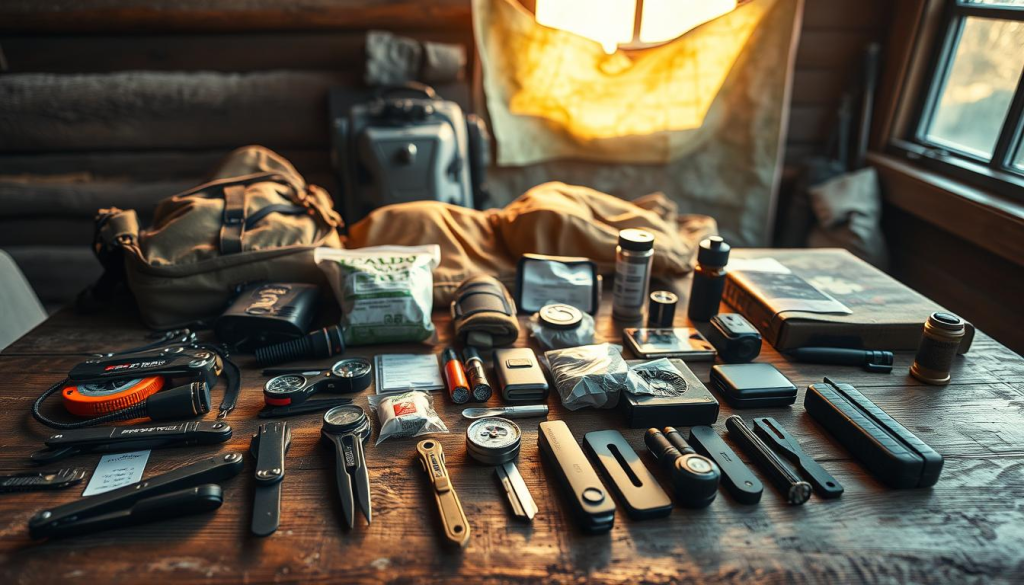
Growing Concerns About Social Unrest
Social unrest, including riots and civil disturbances, is another factor driving the preparation of bug out bags. In times of crisis, having a plan and the necessary supplies can be crucial. People are preparing bug out bags to ensure they can safely navigate or evacuate areas affected by social unrest.
Preparing for Personal Emergencies
Personal emergencies, such as medical evacuations or the need to leave one’s home quickly due to a personal safety threat, are also significant reasons for preparing a bug out bag. These bags are tailored to include essential items that can help individuals cope with their specific needs during emergencies.
| Reason for BOB Preparation | Description | Essential Supplies |
|---|---|---|
| Natural Disasters | Preparation for hurricanes, wildfires, floods | Water, non-perishable food, first aid kit |
| Social Unrest | Preparation for riots, civil disturbances | Protective gear, communication devices, cash |
| Personal Emergencies | Preparation for medical evacuations, personal safety threats | First aid supplies, important documents, personal safety items |
Understanding these reasons highlights the importance of having a well-prepared bug out bag. It’s not just about reacting to disasters; it’s about being proactive and prepared for a variety of scenarios.
The Essential Items for a Bug Out Bag
A well-stocked bug out bag is your key to survival, and it starts with selecting the right essentials. When assembling this critical kit, it’s essential to consider the types of emergencies you might face and the supplies that will help you navigate through them.
Food and Water Supplies
One of the most critical components of your bug out bag is the food and water supplies. It’s recommended to store food items that are familiar to you, rather than purchasing special emergency food. This approach ensures that you can consume the food without any issues, even when you’re under stress. Consider any dietary restrictions and preferences you may have when selecting these items. Aim for non-perishable, high-calorie foods that are easy to prepare.
Water is equally crucial. Pack enough water for at least three days, with a minimum of one gallon per person per day. Don’t forget to include water purification tablets or a portable filter to ensure access to safe drinking water.
First Aid Kit Essentials
A first aid kit is another vital component of your bug out bag. It should include a variety of medical supplies to treat minor injuries and prevent infections. Essentials include bandages, antiseptic wipes, pain relievers, and any medications you may need. Consider including a first aid manual to guide you through the treatment process.
Customize your first aid kit based on your family’s needs, including supplies for infants, pets, or specific medical conditions.
Tools and Gear
In addition to food, water, and medical supplies, your bug out bag should include tools and gear that can help you navigate and survive. This may include a flashlight, extra batteries, a multi-tool, and a portable radio. Consider the environment you might be in and pack accordingly. For example, if you live in an area prone to cold weather, include warm clothing and blankets.
Key Considerations:
- Choose items that serve multiple purposes.
- Consider the weight and size of your bug out bag to ensure it’s portable.
- Regularly inspect and update your supplies to ensure they remain usable and relevant.
How to Customize Your Bug Out Bag
Preparing for the unexpected requires a bug out bag that’s customized to your lifestyle and environment. A well-tailored bug out bag can make a significant difference in emergency situations, ensuring you have the necessary items to survive and thrive.
Assessing Personal Needs
When customizing your bug out bag, it’s crucial to assess your personal needs. Consider your health, skills, and the environment you live in. For instance, if you have a medical condition, you should include specific medications and equipment in your bag.
- List your personal needs, including any medical requirements.
- Consider the climate and region you live in and pack accordingly.
- Include tools and gear that align with your survival skills.
Including Family and Pet Considerations
A bug out bag should not only cater to individual needs but also consider the requirements of family members, including pets. This means packing extra supplies such as diapers, formula, and pet food, as well as ensuring that each family member has appropriate clothing and personal items.
Key considerations include:
- Packing essential items for children and pets.
- Ensuring that all family members have necessary medications.
- Including comfort items for children and pets to reduce stress.
Seasonal Adjustments
Your bug out bag should be adjusted seasonally to ensure it remains relevant to the current weather conditions and potential hazards. For example, in colder climates, warm clothing and heating sources become essential during winter.
Consider the following seasonal adjustments:
- Update your clothing and gear according to the season.
- Include seasonal survival tools, such as snowshoes for winter or sunscreen for summer.
- Adjust your food and water supplies based on the season and your anticipated needs.
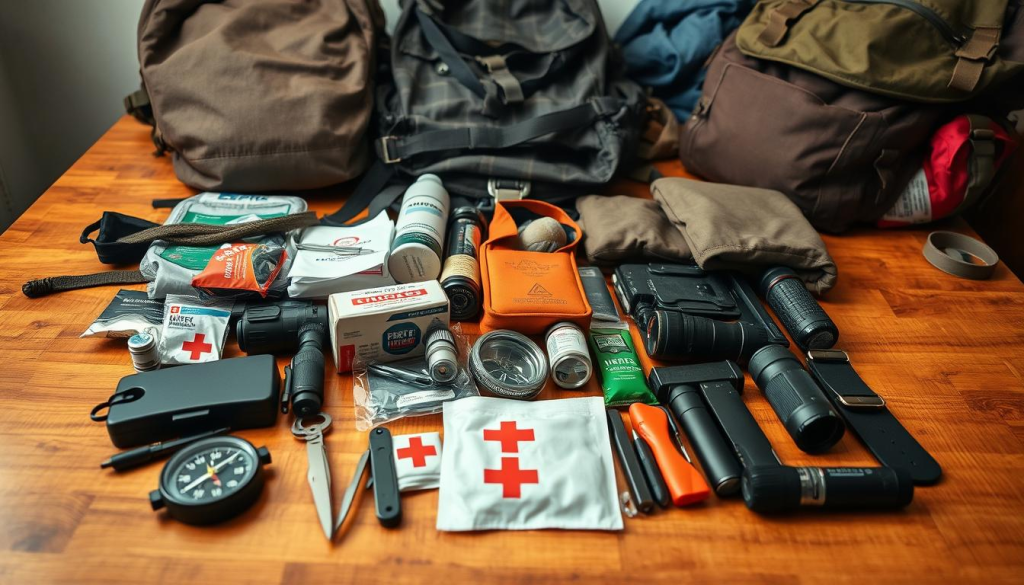
By following these guidelines and regularly reviewing and updating your bug out bag, you can ensure that you are well-prepared for any situation that may arise. Customizing your bug out bag is not a one-time task; it’s an ongoing process that requires attention to your changing needs and environment.
The Psychological Benefits of Having a Bug Out Bag
A well-prepared bug out bag is more than just a collection of supplies; it’s a peace of mind. The act of preparing a bug out bag encourages proactive thinking and planning, which can have a profoundly positive impact on one’s mental state during emergencies.
Having a bug out bag ready can significantly reduce anxiety about the unknown. It serves as a tangible representation of preparedness, allowing individuals to feel more in control of their environment, even in the face of uncertainty.
Peace of Mind in Uncertainty
The knowledge that one has a comprehensive bug out bag can provide peace of mind. This is not just about having the right emergency preparedness gear, but also about knowing that one has taken the necessary steps to protect oneself and one’s loved ones.
Some key benefits of having a bug out bag include:
- Reduced stress and anxiety
- Increased sense of control
- Better preparedness for unexpected events
Building Confidence in Emergency Situations
Having a bug out bag can also build confidence in one’s ability to handle emergency situations. By knowing that they have the necessary supplies and skills, individuals can feel more confident in their ability to respond to a wide range of scenarios.
| Confidence Builder | Description |
|---|---|
| Knowledge of Bug Out Bag Contents | Understanding what is in your bug out bag and how to use it. |
| Practice and Drills | Regularly practicing emergency scenarios to build muscle memory. |
| Staying Informed | Keeping up-to-date with potential hazards and emergency procedures. |
By focusing on these areas, individuals can enhance their confidence and feel more prepared for whatever comes their way.
Common Mistakes in Bug Out Bag Preparation
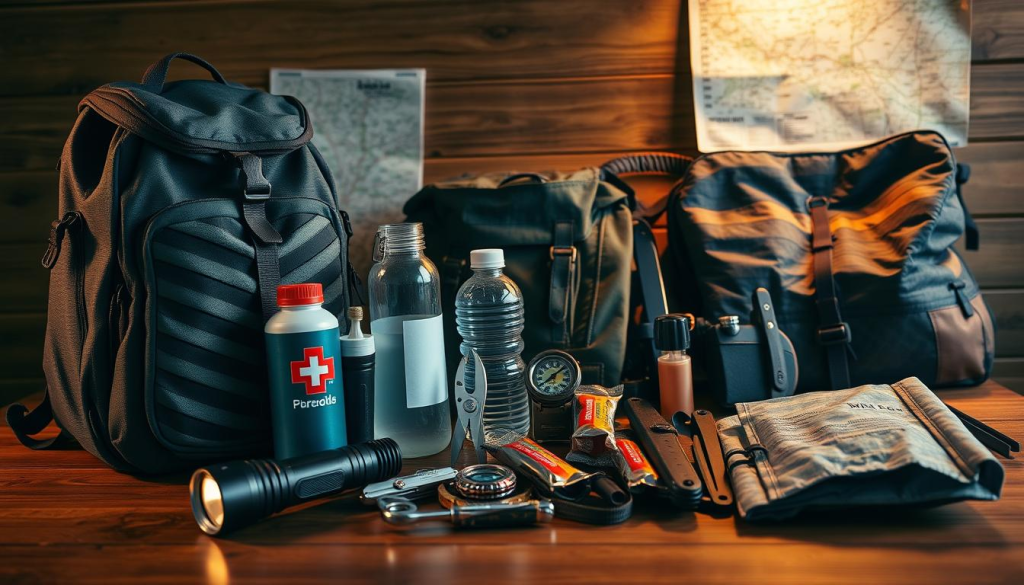
A well-prepared bug out bag can be a lifesaver, but common mistakes can render it useless. Preparing a bug out bag is not just about throwing together some supplies and leaving; it requires thoughtful consideration and regular maintenance to ensure it remains effective.
Overpacking vs. Smart Packing
One of the most common mistakes is overpacking the bug out bag. While it’s essential to have necessary supplies, too much weight can be a hindrance. Smart packing involves selecting multi-use items and prioritizing essentials. For instance, a multi-tool can replace several single-use tools, saving space and weight.
To achieve a balanced bug out bag, consider the bug out bag checklist that includes essentials like food, water, first aid supplies, and communication devices. It’s also crucial to pack clothes and personal items that can serve multiple purposes.
Ignoring Maintenance and Updates
Another critical mistake is neglecting the maintenance and updates of the bug out bag. Supplies can expire, and batteries can drain. Regularly checking the bag’s contents and updating it according to seasonal changes or personal needs is vital.
- Check expiration dates of food and medical supplies.
- Update batteries and ensure communication devices are functional.
- Adjust clothing and personal items according to the season.
Forgetting Critical Skills
Having the right supplies is crucial, but so is having the critical skills to use them effectively. This includes first aid knowledge, navigation skills, and the ability to start a fire or purify water. Including a guide or manual in your bug out bag or having prior knowledge can significantly enhance your survival chances.
Don’t think that you have to get everything all at once. Start with what you have and build from there. The key to a successful bug out bag is not just the items it contains, but also the knowledge and skills of the person carrying it.
Where to Store Your Bug Out Bag
Storing your bug out bag in the right place is just as important as packing it with the right supplies. The location you choose can significantly impact your ability to respond quickly in an emergency.
Safe and Accessible Locations
When deciding where to store your emergency evacuation bag, consider locations that are both safe from potential threats and easily accessible. This could be a closet near the front or back door of your home, allowing for a quick exit. Ensure that the location is also dry and not prone to extreme temperatures, which can damage your supplies.
Tips for Home Storage:
- Choose a location that is easy to remember and access.
- Avoid areas that are prone to moisture or extreme temperatures.
- Consider a durable storage container to protect your bug out bag.
Vehicle Storage Tips
For those who spend a lot of time on the road or anticipate needing to evacuate by vehicle, storing a bug out bag in your car is a prudent decision. Ensure it’s placed in an area that is not easily damaged in the event of an accident, such as the trunk. Regularly check the bag to ensure it’s still packed appropriately for the season and that none of the items have expired or been damaged.
Key Considerations:
- Keep the bag out of direct sunlight to prevent degradation of supplies.
- Ensure it’s secure and won’t become a projectile in the event of sudden stops or accidents.
Importance of Multiple Bags
Having multiple bug out bags stored in different locations can be a strategic decision. This could mean having one at home, one in your vehicle, and potentially one at work or another significant location you frequent. This strategy ensures that you’re prepared no matter where you are when an emergency arises.
| Location | Considerations | Benefits |
|---|---|---|
| Home | Easy access, protection from elements | Quick response to home emergencies |
| Vehicle | Secure, out of direct sunlight | Prepared for evacuations on the go |
| Work/Other Locations | Discreet, accessible | Preparedness at multiple locations |
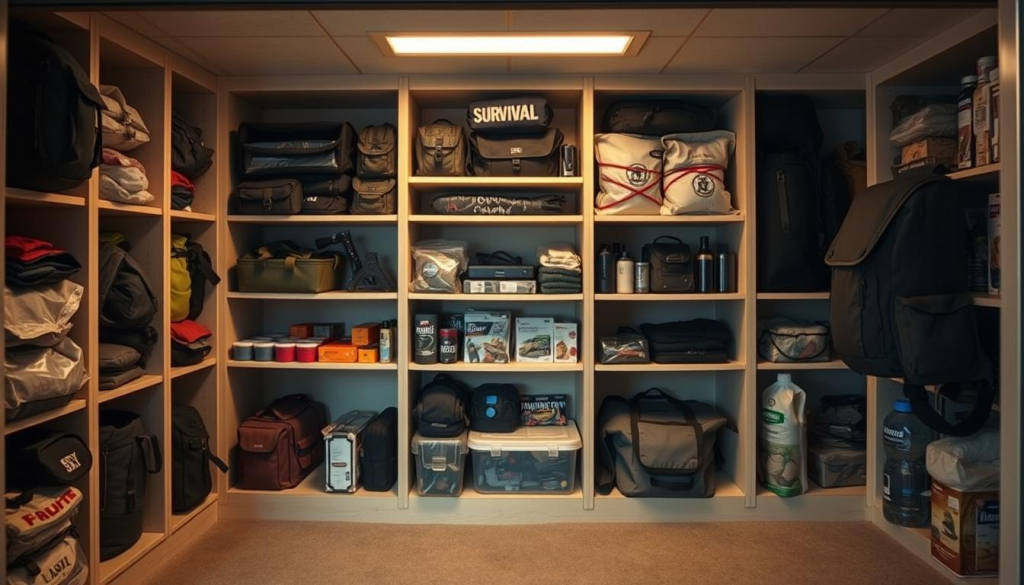
By carefully considering where to store your bug out bag and implementing these strategies, you can enhance your preparedness for a wide range of emergencies.
Bug Out Bag Scenarios: When Will You Need One?
In the face of uncertainty, knowing when to deploy your bug out bag can make all the difference. A bug out bag, or BOB, is designed to be a portable kit that contains essential items to help you survive for at least 72 hours during emergencies. If the SHTF in your local area, make sure you have somewhere to go and a bag that’s ready.
Natural Disaster Scenarios
Natural disasters such as hurricanes, earthquakes, and wildfires can strike without warning, necessitating a quick evacuation. In such scenarios, a well-prepared bug out bag can be a vital tool, providing you with the necessary supplies to navigate through the disaster and its aftermath.
For instance, during a hurricane, having a bug out bag that includes a battery-powered radio, extra batteries, and a waterproof shelter can be lifesaving. Similarly, in the event of a wildfire, a BOB with a face mask, goggles, and a first aid kit can help protect you from the elements.
Civil Disturbance Situations
Civil disturbances, including riots and protests, can quickly escalate into dangerous situations. In such cases, having a bug out bag ready can facilitate a safe exit. The bag should contain items like a gas mask, protective gear, and a means of communication.
It’s also crucial to stay informed about the situation through a reliable news source or a social media feed. A portable charger for your phone, included in your bug out bag, can ensure you stay connected.
Personal Safety Threats
Personal safety threats, such as home invasions or stalking, require immediate action. A bug out bag prepared for such scenarios should include items that facilitate a quick escape and provide personal defense.
For example, a bug out bag might contain a personal alarm, a pepper spray, and a compact self-defense tool. It’s also wise to have a pre-planned safe location to head to, such as a friend’s house or a shelter.
Understanding the various scenarios where a bug out bag is necessary is key to being prepared. By knowing what to expect and having the right bug out bag contents, you can significantly enhance your chances of staying safe during emergencies.
Conclusion: Taking the First Step Towards Preparedness
Preparing for the unexpected is a crucial aspect of ensuring personal and family safety. As discussed, creating a bug out bag is an essential step in emergency preparedness. The growing awareness of natural disasters and social unrest has led many to ask, “why are people making bug out bags?” The answer lies in the peace of mind that comes with being prepared.
Investing in emergency preparedness gear, such as a well-stocked bug out bag, can make a significant difference in the face of uncertainty. By taking the first step towards preparedness, individuals can build confidence in their ability to respond to emergencies. Be Prepared Not Scared, and start your journey today.
Start Your Journey
Begin by assessing your personal needs and customizing your bug out bag accordingly. Consider including family and pet considerations, as well as seasonal adjustments. With the right emergency preparedness gear, you can ensure a safer and more secure future.