
Communities across the United States are susceptible to various natural disasters and emergencies, such as fires, flooding, severe storms, earthquakes, tornados, hurricanes, and public health emergencies. Being prepared is crucial to ensuring the safety and well-being of individuals and families.
Creating a robust emergency plan requires understanding the fundamentals of emergency preparedness, assessing needs, and taking the first steps towards disaster planning.
This comprehensive guide is designed to help individuals and families prepare for the unexpected by covering essential supplies, family emergency planning, and medical preparedness.
Key Takeaways
- Understand the importance of emergency preparedness
- Assess your family’s needs and create a personalized plan
- Learn about essential supplies for disaster planning
- Create a family emergency plan to stay safe
- Understand the role of medical preparedness in emergency planning
Understanding the Fundamentals of Preparedness
Preparedness is not just about reacting to emergencies; it’s about being proactive to ensure a safe and swift response. At its core, emergency preparedness involves planning and practice to mitigate the impact of disasters and unexpected events.
Defining What Preparedness Really Means
Emergency preparedness is defined as the planning and practice to ensure a safe, swift, and effective response in any emergency. According to experts, this proactive approach is crucial for minimizing the impact of disasters. Preparedness involves having a well-thought-out plan, knowing the risks, and being equipped with the necessary skills and supplies.
| Preparedness Aspect | Description | Benefits |
|---|---|---|
| Planning | Creating a comprehensive emergency plan | Ensures a swift response |
| Supplies | Stocking essential emergency supplies | Supports survival during disasters |
| Skills | Acquiring necessary survival and first aid skills | Enhances self-reliance |
Why Everyone Should Have a Preparedness Plan
Having a preparedness plan is essential for everyone because it significantly reduces the risk of being caught off guard by emergencies. A well-crafted plan ensures that individuals and families can respond effectively, minimizing potential harm. It’s about being prepared for the unexpected, whether it’s a natural disaster, power outage, or other crises.
By understanding the fundamentals of preparedness and having a plan in place, individuals can ensure their safety and the safety of their loved ones. It’s a proactive step towards resilience and recovery.
Assessing Your Personal Preparedness Needs
To create a comprehensive family emergency plan, you must first evaluate your personal preparedness needs. This involves understanding the specific requirements of your household and the potential threats in your area.
Evaluating Your Household’s Unique Requirements
Every household is different, with unique needs based on factors such as family size, age, and health conditions. Special needs considerations are crucial when assessing your household’s requirements.
Special Needs Considerations
Households with members who have disabilities or chronic medical conditions require special planning. This includes having necessary medical equipment, medications, and backup power sources.
Geographic and Climate Factors
Your location plays a significant role in determining the types of emergencies you might face. For example, coastal areas are prone to hurricanes, while earthquake zones require different preparations. Understanding these geographic and climate factors is essential.
| Region | Common Emergencies | Preparedness Needs |
|---|---|---|
| Coastal Areas | Hurricanes, Storm Surges | Storm shutters, Flood insurance |
| Earthquake Zones | Earthquakes, Aftershocks | Secured heavy furniture, Earthquake insurance |
| Tornado Prone Areas | Tornadoes | Storm shelters, Tornado sirens |
Identifying Regional Threats and Vulnerabilities
Understanding the potential threats in your region is vital for effective preparedness. This includes natural disasters, man-made crises, and other emergencies that could impact your area.
By assessing your personal preparedness needs and understanding regional threats, you can develop a tailored family emergency plan that includes the right emergency supplies and disaster response strategies.
Essential Supplies for Basic Preparedness
A well-stocked emergency kit is the backbone of any preparedness plan. It ensures that you and your family have the necessary supplies to survive during emergencies or disasters.
Building Your Emergency Kit: The Core Components
An emergency kit should include a variety of essential items. These are:
- First aid supplies: bandages, antiseptic wipes, pain relievers, and any prescription medications.
- Lighting and power sources: flashlights, batteries, and a portable power bank.
- Personal hygiene items: toilet paper, hand sanitizer, and biodegradable soap.
- Multi-tool or pocket knife: for various tasks during emergencies.
These core components provide a solid foundation for your emergency kit.
Water Storage Solutions and Considerations
Water is crucial during emergencies. It’s recommended to store at least one gallon per person per day for drinking, cooking, and hygiene.
When storing water, consider using:
- Food-grade water containers: BPA-free and designed for long-term storage.
- Water purification tablets or filters: to ensure water safety.
Regularly check your stored water for contamination and expiration.
Food Supplies: What to Stock and How to Store
Stocking the right food supplies is vital. Focus on:
- Non-perishable foods: canned goods, dried fruits, nuts, and MREs.
- Manual can opener: a crucial tool for accessing canned food.
- Food storage containers: airtight and waterproof to maintain freshness.
Rotate your food supplies every 6-12 months to ensure they remain edible and nutritious.
By focusing on these essential supplies, you can build a comprehensive emergency kit that will help you and your family navigate through challenging situations.
Preparedness Where to Begin: First Steps for Newcomers
Understanding where to begin with preparedness is crucial for effective disaster planning. For individuals new to emergency preparedness, the process can seem daunting. However, by breaking it down into manageable steps, anyone can start building their preparedness.
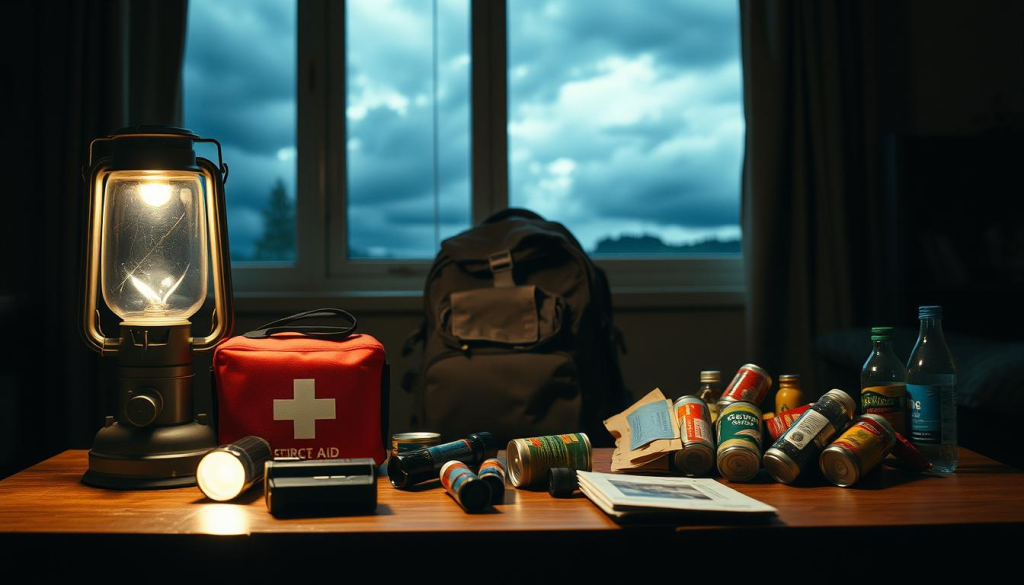
One of the most effective ways to start is by focusing on the basics. This approach not only simplifies the process but also ensures that the foundational elements of preparedness are in place.
Starting Small: The 72-Hour Kit Approach
A practical first step is to assemble a 72-hour kit, also known as a disaster supply kit. This kit should contain essential items that will sustain you and your family for at least three days in the event of an emergency. The 72-hour kit is a fundamental component of emergency preparedness, providing a straightforward and achievable goal for newcomers.
The kit should include items such as non-perishable food, bottled water (at least one gallon per person per day), first aid supplies, flashlights, and a battery-powered radio. By focusing on these core components, individuals can establish a solid foundation for their preparedness efforts.
Gradual Expansion: Building Your Preparedness Over Time
Once the initial 72-hour kit is in place, it’s possible to gradually expand preparedness efforts. This can involve adding more supplies, developing a family emergency plan, and acquiring new skills such as first aid and basic survival techniques.
By taking a gradual approach, individuals can build their preparedness over time, adapting to their specific needs and circumstances. This not only enhances their ability to respond to emergencies but also provides peace of mind.
Creating a Family Emergency Plan
Developing a comprehensive family emergency plan is crucial for ensuring the safety and well-being of all family members during unexpected crises. This plan serves as a foundation for your family’s preparedness, outlining the steps to be taken in various emergency scenarios.
Communication Strategies During Emergencies
Effective communication is the backbone of any emergency plan. It’s essential to establish a communication strategy that works for everyone in the family. This includes designating a meeting point outside the home where family members can gather if you get separated. Choose a contact person outside the immediate area that family members can call to check in with each other. Ensure that everyone has the contact information memorized or written down.
Evacuation Routes and Meeting Points
Identifying safe evacuation routes and meeting points is a critical component of your family emergency plan. Map out at least two ways out of your home and neighborhood. Identify safe places to go in case of an emergency, such as a friend’s house or a local shelter. Make sure all family members understand the evacuation plan and know how to get to the designated meeting points.
Special Considerations for Children, Elderly, and Pets
When creating your family emergency plan, it’s crucial to consider the special needs of children, the elderly, and pets. For children, this might include having a favorite toy or blanket to provide comfort. For the elderly, it could mean having necessary medications and medical equipment readily available. For pets, prepare a pet emergency kit with food, water, and any necessary medication. Ensure that your plan accounts for the unique needs of all family members.
| Family Member | Special Needs | Emergency Contact |
|---|---|---|
| Children | Favorite toy, comfort items | Grandparents’ phone number |
| Elderly | Medications, medical equipment | Caregiver’s phone number |
| Pets | Food, water, medication | Pet sitter’s phone number |
By considering these factors and creating a comprehensive family emergency plan, you can ensure that your loved ones are prepared to face emergencies effectively.
Medical Preparedness Essentials
In the face of emergencies, having the right medical preparations can be lifesaving. Medical preparedness is not just about stockpiling supplies; it’s also about acquiring the necessary skills and knowledge to handle emergency situations effectively.
First Aid Skills and Training
First aid skills are fundamental to medical preparedness. Training in first aid enables individuals to provide immediate care for injuries and illnesses, potentially saving lives. Courses are available through organizations like the American Red Cross, covering a range of topics from CPR to wound management.
Regular training and practice are essential to maintain proficiency in first aid techniques. This includes understanding how to use a defibrillator, manage severe bleeding, and administer basic life support.
Building a Comprehensive Medical Kit
A well-stocked medical kit is a cornerstone of medical preparedness. The kit should include basic first aid supplies such as bandages, antiseptic wipes, pain relievers, and any medications that family members may need.
| Supply | Description | Quantity |
|---|---|---|
| Bandages | Assorted sizes for wound care | 20 |
| Antiseptic Wipes | For cleaning wounds | 10 |
| Prescription Medications | Essential medications for family members | Varies |
Managing Chronic Conditions During Emergencies
For individuals with chronic conditions, emergency preparedness involves additional planning. This includes having a sufficient supply of medication, understanding how to manage the condition during emergencies, and having a plan for alternative care if regular healthcare services are disrupted.
It’s also crucial to keep important medical information readily available, such as lists of medications, medical conditions, and contact information for healthcare providers.
Preparing for Different Types of Emergencies
Understanding the various types of emergencies is crucial for effective disaster response and emergency management. Emergencies can range from natural disasters to man-made crises, each requiring a unique preparedness approach.
Natural Disasters: Hurricanes, Earthquakes, and Floods
Natural disasters such as hurricanes, earthquakes, and floods can have devastating effects on communities. Preparing for these events involves:
- Creating a family emergency plan that includes evacuation routes and meeting points.
- Stocking up on emergency supplies, including non-perishable food, water, and first aid kits.
- Securing your home by reinforcing structures, trimming trees, and installing storm shutters.
Understanding the specific risks associated with your region’s natural disasters is key to effective preparedness.
Man-Made Crises: Power Outages and Civil Unrest
Man-made crises, including power outages and civil unrest, require a different set of preparations. Strategies include:
- Having backup power sources such as generators or solar panels.
- Stockpiling supplies that can last during prolonged disruptions.
- Staying informed through reliable news sources and emergency alerts.
Being prepared for man-made crises involves having a flexible plan that can adapt to different scenarios.
Pandemic and Biological Threats
Pandemic and biological threats, such as outbreaks of infectious diseases, necessitate specific preparations. These include:
- Stocking up on personal protective equipment (PPE) like masks and gloves.
- Having a plan for remote work or alternative care arrangements.
- Staying updated on health advisories and following guidelines from health authorities.
Effective preparation for biological threats involves a combination of personal and community-level actions.
In conclusion, preparing for different types of emergencies requires a comprehensive and adaptable approach. By understanding the specific challenges posed by various emergencies, individuals can better prepare themselves and their communities.
Shelter and Home Preparedness
Home preparedness starts with fortifying your home and considering alternative shelter options. A safe and secure home can provide a crucial haven during emergencies.
Home Fortification and Security Measures
Fortifying your home involves several key steps to ensure it remains a safe haven. This includes securing entry points and implementing fire prevention measures.
Securing Entry Points
Securing doors and windows is vital. Use reinforced doors and locks to prevent unauthorized access. Consider installing security systems for enhanced protection.
- Reinforce doors with metal or solid core materials.
- Install deadbolt locks for added security.
- Secure windows with locks or impact-resistant glass.
Fire Prevention and Safety
Fire safety is another critical aspect. Ensure you have working smoke detectors and a fire extinguisher. Regularly inspect electrical systems and keep flammable materials away from heat sources.
- Install smoke detectors on every level of your home.
- Test smoke detectors monthly and replace batteries annually.
- Keep a fire extinguisher on each floor and know how to use it.
Alternative Shelter Options and Bug-Out Locations
In some scenarios, your home may not be safe, and alternative shelters become necessary. Identify potential bug-out locations in advance, considering factors like safety, accessibility, and available resources.
- Identify safe locations such as family members’ homes or public shelters.
- Consider the accessibility of these locations during various emergencies.
- Ensure these locations have necessary resources like food, water, and medical supplies.

Financial Preparedness Strategies
A well-structured financial plan is essential for navigating life’s unexpected challenges. Financial preparedness is not just about saving money; it’s about creating a robust financial framework that can withstand various emergencies and disasters.
One of the critical components of financial preparedness is having an emergency fund. This fund acts as a financial cushion, providing the necessary resources to cover unexpected expenses or maintain living standards during prolonged crises.
Emergency Funds and Cash Reserves
Building an emergency fund requires discipline and a clear understanding of your financial obligations. It’s recommended to save at least 3-6 months’ worth of living expenses in a readily accessible savings account. Cash reserves are also vital, as they can be used during situations where digital payment systems are unavailable.
As
“The key to financial freedom is to have money working for you, not the other way around.”
Having liquid assets can provide peace of mind and financial stability.
Important Documents: Protection and Access
Protecting important documents is another aspect of financial preparedness. This includes having secure, easily accessible copies of insurance policies, identification documents, and financial records. Consider using a fireproof safe or a secure online storage service to safeguard these documents.
| Document Type | Storage Recommendation | Access Considerations |
|---|---|---|
| Insurance Policies | Fireproof safe or secure online storage | Ensure family members know the location or access credentials |
| Identification Documents | Secure online storage or a safe deposit box | Have digital copies accessible |
| Financial Records | Secure online storage or a safe deposit box | Regularly update and ensure family members can access |
Insurance Considerations for Different Scenarios
Insurance plays a critical role in financial preparedness by mitigating the financial impact of various risks. Consider insurance options for natural disasters, health emergencies, and other potential crises that could affect your financial stability.
In conclusion, financial preparedness is a multifaceted approach that involves building emergency funds, securing important documents, and considering appropriate insurance coverage. By implementing these strategies, individuals can enhance their financial resilience and better navigate unexpected challenges.
Building Essential Survival Skills
Acquiring survival skills is crucial for navigating emergency situations effectively. In today’s unpredictable world, being equipped with the right skills can make a significant difference in how well one copes with disasters or emergencies.
Basic Wilderness and Urban Survival Techniques
Wilderness survival involves skills such as finding and purifying water, starting a fire, and building shelters. These skills are essential for surviving in natural environments. On the other hand, urban survival focuses on navigating through city landscapes during crises, such as knowing evacuation routes and finding safe zones.
Key wilderness survival techniques include understanding how to use natural resources for food and shelter, while urban survival often requires knowledge of alternative communication methods and community resources.
Self-Defense and Security Skills
In addition to survival techniques, self-defense and security skills are vital for protecting oneself and loved ones during emergencies. This includes understanding basic self-defense strategies and being aware of one’s surroundings.
Some effective self-defense methods involve using martial arts training or personal alarms. Moreover, having a well-thought-out security plan, including safe meeting points and emergency contact information, can significantly enhance personal safety.
Communication and Technology in Preparedness
When disaster strikes, the ability to communicate with loved ones and receive critical information is crucial. Effective communication can be the difference between safety and danger, making it a vital component of any preparedness plan.
Off-Grid Communication Methods
In emergency situations, traditional communication infrastructure may be compromised. Therefore, having off-grid communication methods is essential for staying in touch with family members and receiving important updates.
Radio Systems and Signal Boosters
Two-way radios and ham radios are reliable means of communication during emergencies. Signal boosters can enhance the range and clarity of these communications, ensuring that you stay connected even in remote areas.
Low-Tech Communication Alternatives
In some scenarios, low-tech solutions such as whistles, mirrors, or even messengers can be effective. These methods don’t rely on batteries or complex technology, making them reliable in extreme situations.
Power Solutions for Emergency Situations
Having a reliable power source is critical for keeping communication devices operational. Solar chargers, portable power banks, and backup generators are essential components of a comprehensive preparedness plan.
| Power Solution | Description | Use Case |
|---|---|---|
| Solar Chargers | Renewable energy source for charging devices | Ideal for outdoor use or when sunlight is available |
| Portable Power Banks | Compact batteries for charging on the go | Useful for short-term power needs |
| Backup Generators | Long-term power solution for homes and critical infrastructure | Essential for prolonged emergencies or for powering critical systems |
By incorporating these communication methods and power solutions into your preparedness plan, you can ensure that you and your loved ones stay connected and informed during emergencies.
Sustainable Long-Term Preparedness
Long-term sustainability is key to effective preparedness, enabling individuals to thrive during crises. Sustainable preparedness involves more than just stockpiling supplies; it requires a holistic approach that incorporates food production, water management, and other essential elements.

To achieve sustainable preparedness, individuals must focus on building self-sufficiency. This can be accomplished through various means, including food production and gardening.
Food Production and Gardening Basics
Growing your own food is a critical component of sustainable preparedness. To start, consider the following:
- Choose crops that are easy to grow and maintain, such as leafy greens and root vegetables.
- Implement companion planting to enhance soil health and reduce pests.
- Use sustainable gardening practices like crop rotation and composting.
By adopting these strategies, individuals can create a reliable source of nutrition, even in challenging environments.
Water Collection and Purification Systems
Access to clean water is vital for survival. Implementing effective water collection and purification systems is crucial for sustainable preparedness.
- Install rainwater harvesting systems to collect and store water.
- Use water filtration methods, such as ceramic filters or UV purification, to ensure water safety.
- Consider implementing a gray water system to maximize water efficiency.
By combining food production and water management strategies, individuals can significantly enhance their sustainable preparedness, ensuring a more resilient response to emergencies.
Community Involvement and Mutual Aid Networks
In the realm of preparedness, community involvement and mutual aid networks play a vital role. As emphasized by the importance of community resources, building a resilient community is key to withstanding and recovering from emergencies. This involves not just individual preparedness but also a collective effort to support one another.
A crucial aspect of community involvement is building relationships with neighbors and local groups. By doing so, individuals can create a network of support that is invaluable during times of crisis. Neighbors can become a vital source of help, providing assistance with everything from emergency supplies to emotional support.
Building Relationships with Neighbors and Local Groups
To build these relationships, it’s essential to engage with your community. This can be achieved by participating in local events, joining community organizations, or simply introducing yourself to your neighbors. The goal is to create a sense of unity and cooperation, making it easier to work together during emergencies.
As one expert notes, “Community resilience is not just about being prepared for disasters; it’s about building strong, supportive relationships within the community.” This highlights the importance of mutual aid networks in enhancing community resilience.
Community Resources and Support Systems
Community resources and support systems are also vital components of community involvement. These can include local emergency response plans, community shelters, and other forms of support. By understanding and leveraging these resources, individuals can enhance their preparedness and contribute to the overall resilience of their community.
Some key community resources to consider include:
- Local emergency management offices
- Community centers and shelters
- Neighborhood watch programs
By engaging with these resources and building strong relationships within the community, individuals can create a robust support network that enhances their preparedness and resilience.
Conclusion: Your Ongoing Preparedness Journey
Embracing a lifestyle of emergency preparedness is a significant step towards securing your family’s safety and well-being. As you’ve learned throughout this comprehensive guide, preparedness is not a one-time task but an ongoing journey that requires continuous effort and adaptation.
By understanding the fundamentals of preparedness, assessing your personal needs, and stockpiling essential supplies, you’ve taken crucial steps towards being ready for any situation. Creating a family emergency plan, acquiring medical preparedness essentials, and building survival skills further enhance your ability to respond to emergencies effectively.
As you continue on your preparedness journey, remember that staying informed and engaged with your community is vital. Participate in mutual aid networks, stay updated on potential threats, and continually assess and improve your preparedness plan. This ongoing preparedness will enable you to face any challenge with confidence.
Your commitment to emergency preparedness is a valuable investment in your future. By staying vigilant and proactive, you can ensure the safety and resilience of yourself and those you care about.