As global tensions rise, the importance of being prepared for potential conflicts has become increasingly evident. The current geopolitical landscape has led many to consider the possibility of a third world war, making it crucial for individuals to take proactive steps in their preparedness.
Being prepared is not just about survival; it’s about being ready for any scenario. According to MIRA Safety and other sources, having an essential prep list is vital in ensuring one’s safety and the safety of loved ones. This includes having a well-thought-out plan, necessary supplies, and the knowledge to effectively utilize them.
Key Takeaways
- Understand the importance of being prepared for global conflicts
- Identify essential items for your prep list
- Develop a comprehensive plan for emergency situations
- Stay informed about current global events and tensions
- Create a safe and secure environment for yourself and your loved ones
Understanding the Threat of World War3
The threat of World War 3 looms large over the global landscape, necessitating a comprehensive understanding of its historical context and current tensions. The world has witnessed numerous conflicts throughout history, some of which have had far-reaching consequences.
Historical Context
Understanding the historical context of global conflicts is crucial for grasping the complexities of modern-day tensions. The 20th century saw two devastating world wars, resulting in unprecedented human suffering and economic loss. The aftermath of these wars led to the formation of international organizations aimed at preventing future conflicts.
Key historical events that have shaped the global landscape include:
- The Cold War and its impact on international relations
- The rise of global terrorism
- The dissolution of the Soviet Union and the emergence of new global powers
| Historical Event | Year | Impact |
|---|---|---|
| World War I | 1914-1918 | Led to the Russian Revolution and the rise of communism |
| World War II | 1939-1945 | Resulted in the formation of the United Nations and the emergence of the Cold War |
| Cold War | 1947-1991 | Shaped international relations and led to proxy wars |
Current Global Tensions
Current global tensions are centered around several flashpoints, including the Russia-Ukraine conflict and escalations between Iran and Israel. These tensions have the potential to escalate into a broader conflict, drawing in multiple nations.
The ongoing conflict in Ukraine has resulted in significant humanitarian and economic costs, with the potential for further escalation. Similarly, the tensions between Iran and Israel have raised concerns about the stability of the Middle East.
Understanding these tensions and their historical context is essential for developing a comprehensive preparedness plan. By analyzing the current global landscape and historical precedents, individuals can better prepare for potential future conflicts.
Building a Comprehensive Emergency Kit
In the face of potential World War 3, having the right emergency supplies can be a lifesaver. A comprehensive emergency kit is essential for survival and comfort during a crisis.
When assembling your kit, consider the basic needs that must be met to sustain life and health. This includes food, water, and medical care.
Essential Food Supplies
Stockpiling non-perishable food items is vital. These should be high in calories and nutrients to maintain energy levels. Examples include canned goods, dried fruits, nuts, and MREs (Meals Ready to Eat).
- Canned vegetables and fruits
- Dried legumes and grains
- Nuts and dried fruits
- MREs or similar pre-cooked meals
It’s also important to have a manual can opener and consider any dietary restrictions within your household.
Water Storage and Purification
Having access to clean drinking water is critical. Store at least one gallon per person per day for drinking, cooking, and hygiene.
| Water Storage Tips | Purification Methods |
|---|---|
| Use food-grade containers | Boiling |
| Store in a cool, dark place | Water purification tablets |
| Rotate every 6 months | Portable water filters |
Consider investing in a water purification system, such as tablets or a portable filter, to ensure access to safe drinking water.
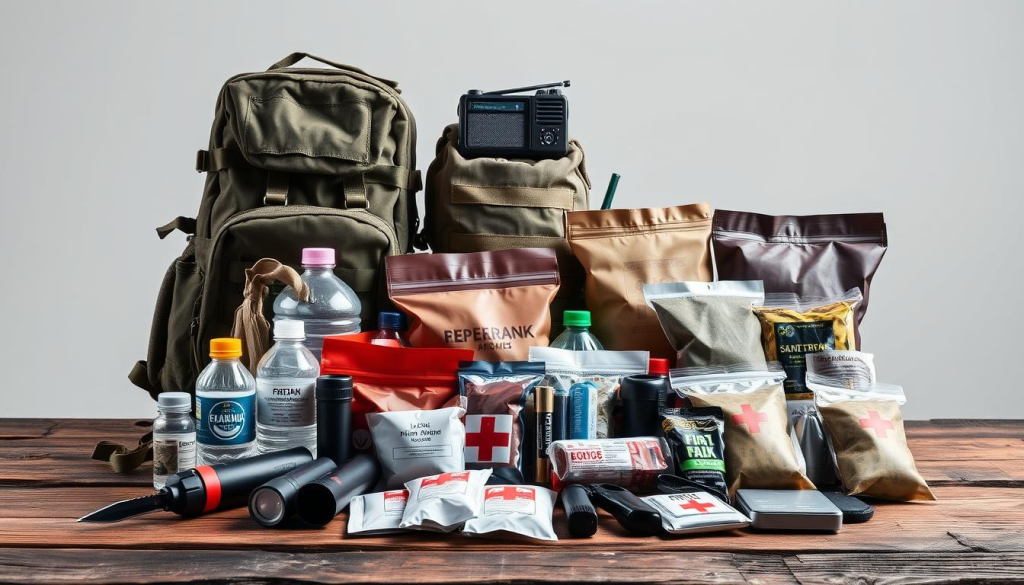
First Aid Supplies
A well-stocked first aid kit is crucial for treating injuries. Include bandages, antiseptic wipes, pain relievers, and any prescription medications.
- Bandages and band-aids
- Antiseptic wipes and spray
- Pain relievers and antihistamines
- Prescription medications and medical equipment
Regularly check your first aid kit to ensure all supplies are still usable and not expired.
Creating a Sustainable Food Plan
A sustainable food plan is not just about stockpiling food; it’s about creating a self-sufficient food system that can withstand potential disruptions. In the context of strategic planning for WW3, having a reliable food source is crucial.
To achieve this, it’s essential to consider two primary strategies: growing your own food and preserving it for long-term use. By implementing these strategies, you can ensure a steady supply of nutritious food for you and your family.
Growing Your Own Food
Growing your own food is a vital component of a sustainable food plan. It allows you to have control over the food you consume and reduces reliance on external supply chains. To get started, consider the following:
- Choose crops that are easy to grow and maintain, such as potatoes, carrots, and leafy greens.
- Utilize your available space efficiently, whether it’s a backyard garden or indoor pots.
- Learn about permaculture and companion planting to maximize your yield.
Food Preservation Techniques
Once you’ve grown your food, preserving it for long-term use is critical. Various techniques can be employed, including:
- Canning: This method involves packing food in airtight containers and heating them to kill bacteria.
- Dehydrating: Removing the water content from food helps prevent spoilage and retains nutrients.
- Freezing: Freezing food can preserve it for extended periods, but it requires a reliable source of energy.
By mastering these food preservation techniques, you can enjoy a diverse diet year-round, even in the face of uncertainty.
Implementing a sustainable food plan requires effort and dedication, but the benefits are substantial. Not only does it provide food security, but it also fosters a sense of community and self-reliance.
Securing Your Home and Property
As the threat of World War 3 looms, homeowners must consider effective strategies for securing their properties. Securing your home and property is not just about defense; it’s also about being prepared for emergencies and maintaining a safe environment for your family.
Home Defense Strategies
Effective home defense involves a combination of physical barriers, surveillance, and strategic planning. Reinforcing doors and windows is a critical first step. This can be achieved by using solid core or metal doors and installing security film on windows to prevent shattering.
- Install a reliable home security system that includes door and window sensors.
- Use outdoor lighting to deter intruders and improve visibility at night.
- Consider investing in a safe room or panic room for ultimate security.
Emergency Power Sources
In the event of a power outage, having a reliable emergency power source is crucial. Generators and solar-powered systems are viable options for maintaining power during extended outages.
| Power Source | Advantages | Disadvantages |
|---|---|---|
| Generators | High power output, can be used for extended periods | Requires fuel, can be noisy |
| Solar-Powered Systems | Renewable energy source, quiet operation | Dependent on sunlight, initial investment can be high |
When choosing an emergency power source, consider your energy needs and the potential duration of power outages. It’s also essential to maintain your chosen power source regularly to ensure it’s operational when needed.
Establishing Communication Channels
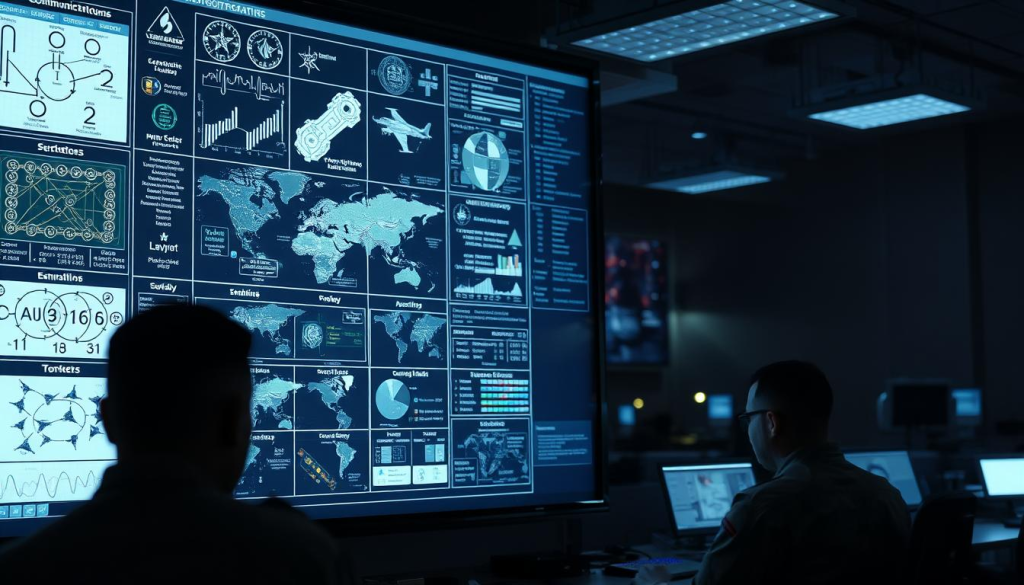
Effective communication is key to military preparedness for crisis situations, ensuring that family members can stay in touch. In the event of a disaster or global crisis, being able to communicate with loved ones is crucial for safety and coordination.
Designing a Family Communication Plan
A family communication plan should include a designated meeting point, both within and outside your immediate area, in case family members get separated. It’s also essential to choose a contact person outside your immediate family who can act as a point of contact for everyone to check in with.
Consider the various scenarios that might occur and plan accordingly. For instance, identify the most reliable means of communication, such as a two-way radio or a specific phone app, and ensure all family members know how to use it.
“The best preparation is having a plan that everyone understands and agrees on.”
Important Contacts
Having a list of important contacts is vital. This should include emergency services, your designated family contact person, and any other relevant individuals such as neighbors or community leaders.
- Emergency services contact information
- Family contact person’s details
- Neighbors or community leaders
Ensure that all family members have access to this list and understand its importance.
Financial Preparations for Uncertainty
As the world grapples with the threat of global conflict, being financially prepared is more important than ever. Financial stability during turbulent times is not just about saving money; it’s about having a comprehensive strategy that includes wise investments and alternative financial options.
Saving and Investing Wisely
To achieve financial stability, it’s crucial to save and invest wisely. This involves:
- Diversifying your investments to minimize risk.
- Building an emergency fund that can cover at least 6 months of living expenses.
- Investing in assets that historically perform well during economic downturns, such as gold or other precious metals.
Alternative Currency Options
In addition to traditional savings and investments, considering alternative currency options can provide a safeguard against economic instability. This includes:
- Cryptocurrencies like Bitcoin, which can offer a level of independence from traditional financial systems.
- Other alternative currencies or commodities that can be used for bartering or exchange.
Implementing these financial strategies requires careful planning and continuous education. It’s essential to stay informed about global economic trends and adjust your financial plans accordingly.
In conclusion, financial preparations for uncertainty involve a multi-faceted approach that includes saving, investing wisely, and exploring alternative currency options. By adopting these strategies, individuals can enhance their financial resilience in the face of global conflict.
Developing a Community Support Network
In the face of global uncertainty, building a strong community support network is crucial for survival. A community that works together can provide mutual support, share resources, and enhance overall resilience in the face of adversity.
Finding Like-Minded Neighbors
Identifying and connecting with like-minded individuals in your neighborhood is the first step towards building a robust community support network. This can be achieved by organizing or participating in local preparedness groups, attending community meetings, or using online forums to connect with others who share similar interests in survival strategies for WW3.
Key steps to finding like-minded neighbors include:
- Hosting or attending local preparedness workshops or seminars
- Joining online forums or social media groups focused on survival gear for global conflict
- Participating in neighborhood watch programs or community patrols
Establishing Local Resources
Once a network of like-minded individuals is established, the next step is to create a repository of local resources that can be shared or utilized during a crisis. This includes identifying local food sources, medical facilities, and potential shelter locations.
Effective local resources might encompass:
- Community gardens or local farmers’ markets
- Neighborhood skill-sharing initiatives, such as first aid training or self-defense classes
- Local emergency response plans and evacuation routes
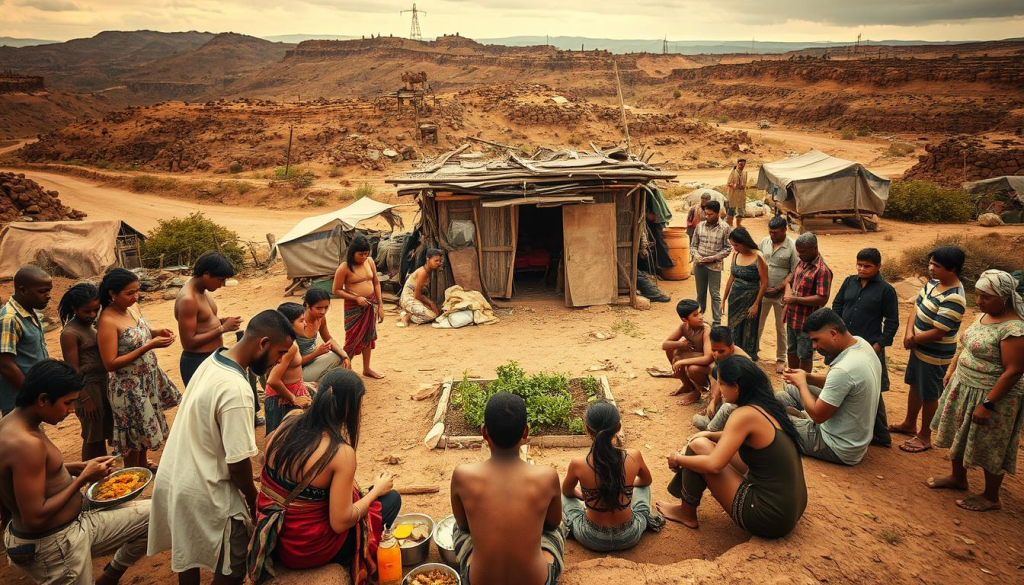
By developing a community support network, individuals can significantly enhance their ability to cope with the challenges posed by global conflict. This collective approach to preparedness not only fosters a sense of community but also ensures a more resilient response to adversity.
Preparing for Evacuation
In the face of escalating global tensions, preparing for evacuation is a crucial step in ensuring personal and family safety. This involves having a well-thought-out plan, knowing the safest routes, and being equipped with the necessary supplies.
Identifying Safe Zones
Identifying safe zones is a critical component of evacuation planning. Safe zones are areas that are considered to be at lower risk during conflicts or natural disasters. When identifying potential safe zones, consider locations that are:
- Far from potential military targets or conflict areas
- Accessible via multiple routes
- Equipped with basic necessities like food, water, and medical supplies
It’s also crucial to have a pre-planned route to these safe zones, taking into account potential hazards and avoiding main roads that could be congested or targeted.
Creating a Bug-Out Bag
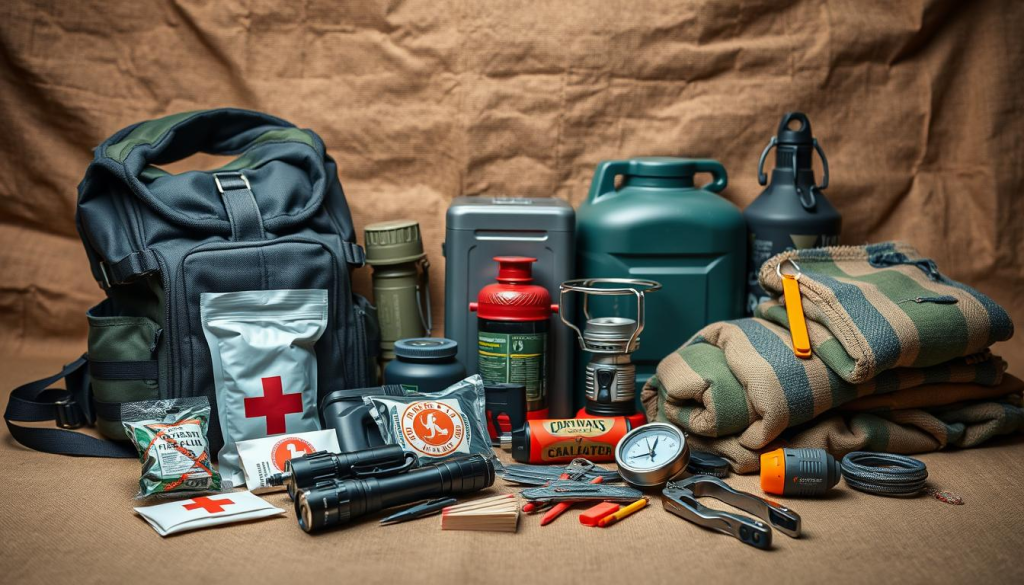
A bug-out bag is a portable collection of essential items that you would need to survive for at least 72 hours if you had to evacuate quickly. When creating a bug-out bag, consider including:
- Water and non-perishable food
- First aid kit and essential medications
- Multi-tool or pocket knife
- Flashlight and extra batteries
- Important documents (e.g., identification, insurance cards) in a waterproof container
It’s essential to review and update your bug-out bag regularly to ensure that all items are still usable and not expired.
Preparing for evacuation requires careful planning, including identifying safe zones and creating a bug-out bag stocked with emergency supplies for war. By being prepared, you can significantly enhance your chances of staying safe during uncertain times.
Mental and Emotional Readiness
In the face of global uncertainty, mental and emotional readiness is crucial for survival. The psychological impact of global conflicts can be profound, affecting individuals and communities in various ways.
Coping Strategies for Stress
Effective coping strategies are essential for managing stress during crises. Techniques such as mindfulness, meditation, and deep breathing exercises can help alleviate anxiety. Establishing a routine can also provide a sense of normalcy and control.
It’s also important to stay connected with family and friends. Social support networks can play a vital role in maintaining mental health during difficult times.
| Coping Strategy | Benefits |
|---|---|
| Mindfulness | Reduces anxiety, improves focus |
| Meditation | Enhances emotional regulation, reduces stress |
| Deep Breathing Exercises | Calms the nervous system, reduces anxiety |
Supporting Each Other
Supporting loved ones is crucial during times of crisis. By being aware of the emotional needs of those around us, we can provide meaningful support. Active listening and empathy are key components of this support.
Communities that come together to support one another can foster resilience. Neighborhood initiatives and community programs can help build strong social bonds.
By focusing on mental and emotional readiness, individuals can better navigate the challenges posed by global conflicts. Strategic planning for WW3 must include readiness essentials for world war, such as coping strategies and community support.
Training and Skills Development
Military preparedness for crisis situations involves more than just stockpiling supplies; it includes training. Developing the right skills can significantly enhance one’s ability to navigate and survive during global conflicts. This section focuses on the importance of acquiring survival skills and obtaining first aid training as part of prepping for global conflict.
Learning Survival Skills
Survival skills are essential for navigating the challenges that arise during a crisis. These skills include wilderness survival, self-defense, and basic navigation. Learning these skills can be achieved through various means such as online courses, community classes, or training programs offered by survival schools.
For instance, wilderness survival training teaches individuals how to find food and water in the wild, build shelters, and start fires without modern tools. Self-defense classes empower individuals with the knowledge to protect themselves and their families. Basic navigation skills, including map reading and compass use, are crucial for moving safely through unfamiliar or dangerous territories.
First Aid and CPR Certification
First aid and CPR certification are critical components of military preparedness for crisis. Knowing how to provide medical assistance can save lives in emergency situations. Many organizations offer first aid and CPR training courses, ranging from basic to advanced levels.
These courses cover a wide range of topics, including wound management, cardiac arrest response, and treating injuries caused by extreme weather conditions or conflict. By obtaining first aid and CPR certification, individuals not only gain valuable skills but also contribute to the overall resilience of their community.
In conclusion, training and skills development are vital aspects of prepping for global conflict. By focusing on survival skills and first aid training, individuals can enhance their preparedness and contribute to a more resilient community.
Staying Informed and Adaptable
To effectively prepare for potential global conflicts like WW3, it’s crucial to stay informed and be adaptable. This involves being aware of the latest developments and adjusting survival strategies for WW3 accordingly.
Reliable Information Sources
Relying on credible news sources is vital. Reputable news outlets like BBC, CNN, and NPR provide accurate and timely updates. Subscribing to their newsletters or following them on social media can help you stay current.
Continuous Learning
Continuous education on preparedness is key. This can involve attending workshops, reading literature on survival strategies, and participating in online forums focused on preparedness for WW3. Staying updated on the latest survival strategies for WW3 will enable you to adapt your plans as needed.
By staying informed and continually educating yourself, you’ll be better equipped to face the challenges of an uncertain future.