
Whether you’re worried about a sudden layoff, home invasions, car accidents, or natural disasters, it’s critical to start getting prepared now. The importance of having a comprehensive survival prepping checklist cannot be overstated.
Being prepared for emergencies is not just about having the right emergency preparedness items; it’s about having a plan and the necessary resources to execute it. Starting your preparation now, rather than waiting until it’s too late, is crucial.
Key Takeaways
- Create a comprehensive survival prepping checklist.
- Identify essential emergency preparedness items.
- Develop a plan for different emergency scenarios.
- Start preparing now to avoid last-minute rushes.
- Regularly review and update your prepping checklist.
Understanding SHTF Scenarios
The term SHTF is often used to describe a catastrophic situation; understanding what it entails is vital for effective prepping. SHTF stands for “Shit Hits The Fan,” a colloquialism referring to a situation where a catastrophic event requires immediate action.
What Does SHTF Mean?
SHTF is a term used to signal that a disaster or emergency has occurred, necessitating a swift response. It’s a call to action for individuals who have prepared for such events, signaling that their prepping efforts are about to be put to the test.
Types of SHTF Events
SHTF events can vary widely, from natural disasters like hurricanes, earthquakes, and floods, to man-made catastrophes such as economic collapse, cyber-attacks, or societal unrest. Understanding these different scenarios is crucial for developing a comprehensive prepping plan.
Some common types of SHTF events include:
- Natural disasters: hurricanes, earthquakes, floods
- Economic collapse: financial downturns, hyperinflation
- Cyber-attacks: large-scale hacking, data breaches
- Societal unrest: riots, civil disturbances
Importance of Being Prepared
Being prepared for SHTF scenarios is not just about having supplies; it’s about having a plan, knowing how to respond, and being mentally prepared for the challenges that lie ahead. Preparation is key to survival and recovery.
To illustrate the importance of preparation, consider the following table comparing prepared and unprepared individuals during a SHTF event:
| Aspect | Prepared Individual | Unprepared Individual |
|---|---|---|
| Food and Water | Has stockpiles for at least 2 weeks | Rations available food and water, may need to scavenge |
| First Aid | Has a comprehensive first aid kit | Lacks basic first aid supplies |
| Shelter | Has a planned shelter or bug-out location | Must find shelter on short notice |
In conclusion, understanding SHTF scenarios is a critical component of effective prepping. By knowing what SHTF means, the types of events that can occur, and the importance of being prepared, individuals can better navigate these challenging situations.
Essential Supplies for Survival
The key to surviving any disaster lies in the preparation and quality of your emergency supplies. Having the right gear can make a significant difference in your ability to withstand and recover from a disaster.
Food and Water Needs
Stocking up on non-perishable food and having access to clean water are critical components of your survival kit. Consider including high-calorie foods that are easy to prepare, such as energy bars, canned goods, and dried fruits. It’s also essential to have a reliable method for purifying water, such as water purification tablets or a portable filter.
| Food Item | Calories per Serving | Shelf Life |
|---|---|---|
| Energy Bars | 200-300 | 2-5 years |
| Canned Goods | 100-200 | 5+ years |
| Dried Fruits | 150-250 | 1-2 years |
First Aid Kit Essentials
A well-stocked first aid kit is crucial for treating injuries and preventing infections. Your kit should include bandages, antiseptic wipes, pain relievers, and any medications you or your family members may need. Don’t forget to include personal care items like tweezers and scissors.
- Bandages and band-aids
- Antiseptic wipes and spray
- Pain relievers and antihistamines
- Prescription medications and necessary medical equipment
Tools and Gear for Survival
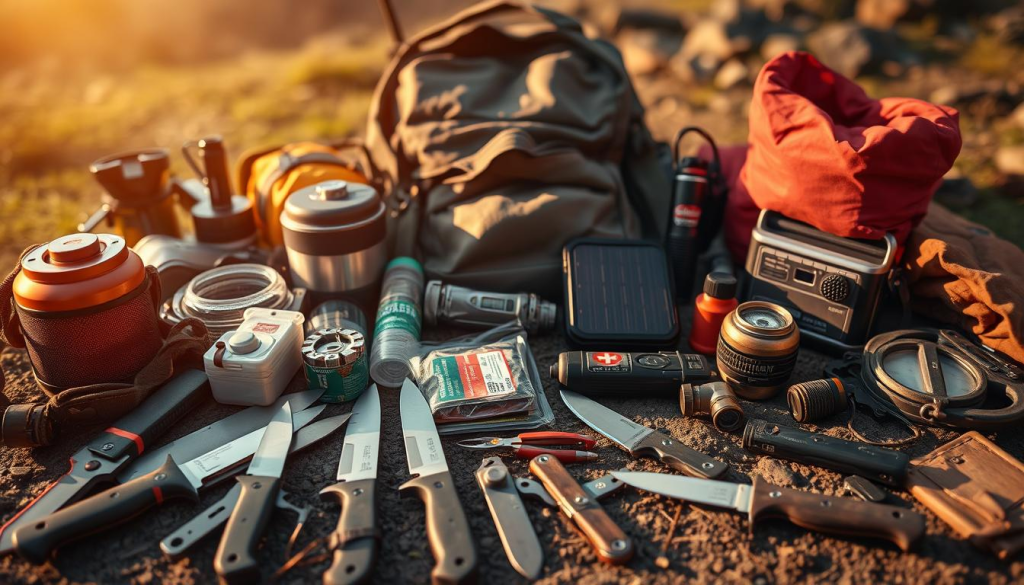
In addition to food, water, and first aid supplies, having the right tools can greatly enhance your survival chances. This includes a multi-tool or pocket knife, flashlight, and extra batteries. A portable shelter, such as a tent or tarp, can also provide protection from the elements.
By focusing on these essential supplies, you can significantly improve your preparedness for a wide range of disaster scenarios.
Creating a Bug-Out Bag
Having a bug-out bag ready is crucial for navigating unexpected crises. A bug-out bag is a portable collection of essential items that can be grabbed quickly in case of an emergency, enabling you to respond effectively to various SHTF scenarios.
What to Pack in Your Bug-Out Bag
When it comes to packing your bug-out bag, focus on bug out bag essentials that cater to your basic needs. These include:
- Water and food supplies for at least 72 hours
- A first aid kit to handle medical emergencies
- Extra clothing and layers for varying weather conditions
- Tools such as a multi-tool, flashlight, and fire starter
- Personal documents and cash
Customizing your bug-out bag with these items will enhance your disaster readiness inventory.
Choosing the Right Backpack
Selecting the right backpack is vital for your bug-out bag. Look for a backpack that is:
- Durable and made from high-quality materials
- Comfortable, with padded shoulder straps and a waist belt
- Appropriately sized for your needs, typically between 30-40 liters
- Organized, with multiple compartments for easy access to your prepping list for SHTF
How to Customize Your Bag
Customization is key to an effective bug-out bag. Consider your personal needs, such as:
- Medications and personal hygiene items
- Special dietary needs or preferences
- Important phone numbers and contact information
- Maps of your area and potential destinations
By tailoring your bug-out bag to your specific requirements, you enhance your overall disaster readiness.
Communication and Information
Staying informed and being able to communicate during a crisis can be a matter of life and death. Effective communication is crucial for calling for help, receiving critical updates, and coordinating with family members or group members.
Emergency Radio Options
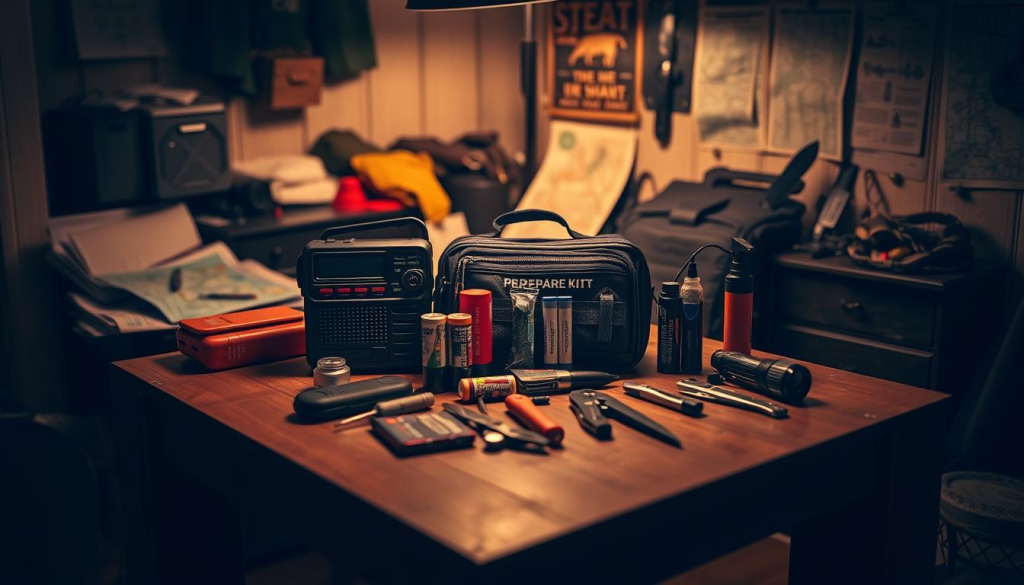
In a SHTF scenario, having a reliable means of receiving information is vital. Emergency radios are designed to provide critical updates and news during disasters. When choosing an emergency radio, consider options that are hand-cranked, solar-powered, or have a long battery life. Some models also come with additional features such as flashlights, USB charging ports, and NOAA Weather Radio certification.
Here are some key features to look for in an emergency radio:
- Multiple power sources (battery, solar, hand-crank)
- Water and dust resistance
- Flashlight or other lighting options
- Ability to charge other devices
Signaling Devices and Their Uses
Signaling devices are essential for communicating your location to potential rescuers or other survivors. Common signaling devices include signal flares, whistles, and mirrors. Each of these devices has its own advantages and can be used in different situations.
| Device | Use | Advantages |
|---|---|---|
| Signal Flares | Alerting rescuers to your location over long distances | High visibility, can be seen from far away |
| Whistles | Signaling for help over shorter distances | Loud, easy to use, and durable |
| Signal Mirrors | Reflecting sunlight towards any aircraft or rescuers during the day | Lightweight, easy to use, and doesn’t require batteries |
Keeping Informed During a Crisis
Staying informed is not just about receiving news; it’s also about being aware of the status of your family and community. Consider including two-way radios or walkie-talkies in your emergency preparedness kit to stay in touch with your group. Additionally, having a pre-arranged meeting point and a plan for communicating if you get separated can be invaluable.
Some shtf planning essentials include:
- Creating a family emergency plan
- Investing in reliable communication devices
- Staying informed about potential hazards and emergencies
Shelter and Safety
Shelter and safety are paramount during SHTF scenarios, requiring careful planning and preparation. A safe and secure environment can significantly enhance survival chances and provide comfort during crises.
Temporary vs. Permanent Shelter
When it comes to shelter, individuals have two primary options: temporary and permanent shelters. Temporary shelters are ideal for short-term emergencies and can include tents, tarps, or even makeshift constructions using available materials. On the other hand, permanent shelters are designed for long-term safety and can range from fortified homes to underground bunkers.
The choice between temporary and permanent shelter depends on several factors, including the nature of the emergency, available resources, and personal preferences. It’s essential to weigh the pros and cons of each option carefully.
Security Measures to Consider
Security is a critical aspect of shelter and safety. Several measures can be taken to enhance security, including:
- Reinforcing doors and windows
- Installing security cameras and alarm systems
- Creating a safe room or panic room
- Having a reliable means of self-defense
Essential Lighting Options
Lighting is another crucial element for shelter and safety. In the event of a power outage, alternative lighting sources become essential. Some of the most effective lighting options include:
| Lighting Source | Advantages | Disadvantages |
|---|---|---|
| LED Flashlights | Energy-efficient, durable | Dependent on batteries |
| Chemical Light Sticks | Easy to use, no batteries required | Limited duration, single-use |
| Solar-Powered Lights | Renewable energy source, sustainable | Dependent on sunlight, initial cost |
By considering these shelter and safety options, individuals can better prepare themselves for emergencies and disasters, ensuring a safer and more secure environment.
Water Filtration and Purification
Water purification stands out as a vital skill for ensuring survival and maintaining health during SHTF scenarios. Access to clean water is essential, and having the means to purify water can be a lifesaver.
Importance of Clean Water
Clean water is fundamental for human survival. Without access to clean drinking water, the risk of waterborne illnesses increases significantly, which can be devastating during an emergency when medical resources may be limited.
As emphasized by the World Health Organization, “Access to safe water is a fundamental human right and essential for social and economic development.”
Various Water Purification Methods
There are several methods to purify water, including:
- Boiling: Bringing water to a rolling boil for 1-3 minutes to kill bacteria, viruses, and other pathogens.
- Chemical Disinfection: Using chlorine or iodine tablets to disinfect water.
- Filtration: Using filters with pores small enough to remove pathogens.
- Solar Disinfection (SODIS): Exposing water to sunlight in a clear plastic bottle to kill pathogens.
Each method has its advantages and is suited to different situations and resources available.
Recommended Filtration Systems
For effective water filtration, several systems are recommended:
- Sawyer Mini Water Filtration System: Known for its portability and effectiveness.
- LifeStraw Personal Water Filter: Offers a reliable and easy-to-use filtration method.
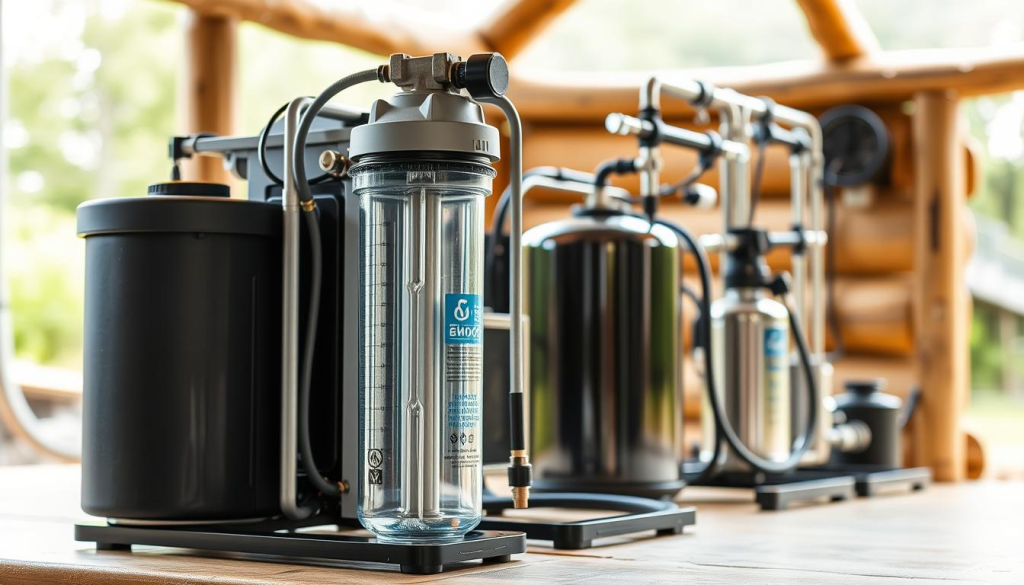
- Ceramic Water Filters: Such as those from Berkey, known for their effectiveness in removing a wide range of contaminants.
When choosing a filtration system, consider factors such as filter lifespan, pore size, and ease of use.
In conclusion, having a reliable means of water purification is crucial for survival. By understanding the importance of clean water and utilizing effective purification methods and filtration systems, individuals can significantly enhance their preparedness for emergencies.
Food Storage Techniques
Proper food storage techniques are essential for long-term survival and disaster readiness. When preparing for SHTF scenarios, having a reliable food supply is crucial. This involves not just stockpiling food, but also ensuring it remains safe and edible over time.
Effective food storage requires careful planning and the right methods. Long-term food preservation is a key aspect of this. Techniques such as canning, dehydrating, and freeze-drying can significantly extend the shelf life of food supplies.
Long-Term Food Preservation
Long-term food preservation involves methods that prevent spoilage and maintain nutritional value. Some effective techniques include:
- Canning: This involves sealing food in airtight containers to prevent bacterial growth.
- Dehydrating: Removing moisture from food to prevent spoilage.
- Freeze-drying: Preserving food by removing the water content.
These methods not only extend the shelf life of food but also help in maintaining its nutritional value.
Canning and Dehydrating Food
Canning and dehydrating are two popular methods for preserving food. Canning involves heating food to kill bacteria and then sealing it in airtight jars. Dehydrating, on the other hand, involves removing the moisture from food to prevent bacterial growth.
When canning, it’s essential to follow safe canning practices to avoid contamination. This includes using the right equipment and following tested recipes.
Dehydrating can be done using a food dehydrator or even your oven on the lowest heat setting. It’s a simple and effective way to preserve fruits, vegetables, and meats.
Choosing the Right Containers
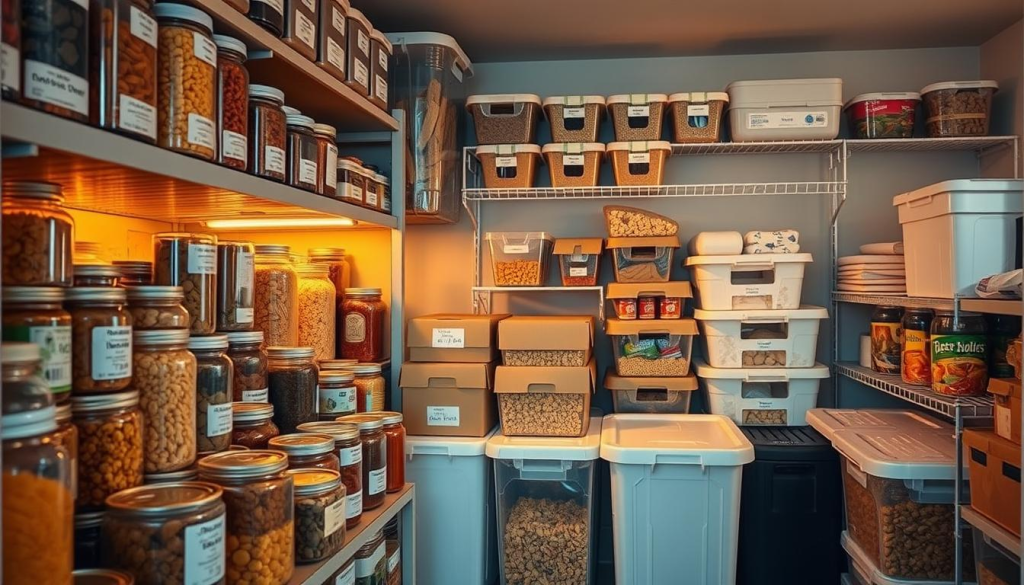
The right containers are crucial for effective food storage. Containers should be airtight, waterproof, and pest-proof to protect the food from spoilage and contamination.
Some recommended options include:
- Mylar bags: These are durable, airtight bags that can be used for storing a variety of foods.
- Plastic buckets: Food-grade plastic buckets with tight-fitting lids are ideal for storing grains and other bulk foods.
- Glass jars: Airtight glass jars are perfect for canning and storing small quantities of food.
By choosing the right containers and using proper food storage techniques, you can ensure a reliable food supply during emergencies.
Community and Group Prepping
In the face of disaster, a well-prepared community can be the difference between survival and catastrophe. Prepping with a group allows individuals to pool their resources, share knowledge, and provide support, making the prepping process more effective and sustainable.
Importance of Group Dynamics
Group dynamics play a crucial role in community prepping. By working together, individuals can:
- Share the workload and responsibilities
- Provide emotional support during crises
- Enhance their collective knowledge and skills
Effective communication is key to successful group dynamics. Regular meetings and updates can help ensure everyone is on the same page.
Skills to Share and Develop
Within a community prepping group, members can share and develop a variety of skills, such as:
- First aid and medical care
- Food preservation and cooking
- Self-defense and security measures
It’s essential to identify the skills within the group and provide opportunities for members to learn from each other.
Organizing Community Resources
Organizing community resources is vital for effective prepping. This includes:
- Creating a shared inventory of supplies
- Establishing a system for resource allocation
- Identifying local resources and services that can be leveraged during a crisis
Financial Preparedness
Financial preparedness is a cornerstone of effective disaster readiness. It involves having the necessary financial resources and plans in place to handle unexpected events. Being financially prepared can significantly reduce stress and improve your ability to respond to emergencies.
Emergency Cash and Bartering
In the event of a disaster, having access to emergency cash can be crucial. ATMs and credit card machines may not be functioning, making cash the preferred medium of exchange. It’s advisable to keep a portion of your savings in cash, hidden in a secure location. Additionally, understanding the concept of bartering can be beneficial. Bartering involves exchanging goods or services without using money. This skill can be particularly useful in a prolonged disaster scenario where monetary systems are disrupted.
“In a survival situation, the value of goods and services can shift dramatically. Understanding what is valuable and being prepared to barter can be a lifesaver.”
Insurance and Asset Protection
Insurance plays a critical role in financial preparedness by protecting your assets from loss. Review your insurance policies to ensure they cover potential disaster scenarios relevant to your area. For instance, if you live in a flood-prone area, having flood insurance is essential. Moreover, consider the value of insuring essential prepping supplies and equipment against loss or damage.
| Insurance Type | Coverage | Importance Level |
|---|---|---|
| Homeowners Insurance | Covers home and personal belongings against damage | High |
| Flood Insurance | Specifically covers flood-related damages | High (if in flood-prone area) |
| Equipment Insurance | Covers prepping gear and equipment against loss or damage | Medium |
Budgeting for Prepping Supplies
Creating a budget for prepping supplies is essential to maintain your disaster readiness inventory without straining your finances. Start by identifying prepping gear must-haves and prioritize them. Allocate a monthly or annual budget for acquiring and maintaining these supplies. Consider rotating your stock to ensure that your supplies remain usable and not expired.
By focusing on financial preparedness, you can enhance your overall disaster readiness. This involves not just accumulating wealth, but also making smart financial decisions that support your prepping efforts.
Mental Preparedness
Preparing for a SHTF scenario involves more than just stockpiling supplies; it requires mental toughness and resilience. Building a strong mindset is crucial for coping with the stress and uncertainty of an emergency situation.
Resilience and Mindset
Developing a survival mindset involves understanding potential SHTF scenarios and being aware of the shtf planning essentials. This knowledge helps individuals stay focused and make informed decisions during a crisis.
Stress Management Strategies
Effective stress management is vital for maintaining clarity of thought and ensuring the well-being of oneself and family. Incorporating stress-reducing techniques into daily life can enhance overall resilience.
Family Needs Planning
Planning for family needs is a critical aspect of prepping. A comprehensive survival prepping checklist should include provisions for all family members, ensuring everyone’s safety and comfort. Utilizing a prepping resources checklist can help streamline this process.
By focusing on mental preparedness and incorporating these strategies into a prepping plan, individuals can enhance their ability to navigate SHTF scenarios effectively.