
Being prepared for emergencies is crucial in today’s unpredictable world. According to recent statistics, 90% of people living in the United States do not have an emergency bag ready to grab in case of a disaster. This highlights the importance of having a well-stocked emergency survival gear kit.
A bug out bag kit list is essential for ensuring you have the necessary items to survive during an emergency. It allows you to be prepared for any situation, providing peace of mind and a sense of security.
Key Takeaways
- Having a bug out bag is crucial for emergency preparedness.
- A well-stocked kit list includes essential survival gear.
- Being prepared can provide peace of mind and security.
- Statistics show a significant lack of emergency preparedness in the US.
- A bug out bag kit list helps ensure you’re ready for any situation.
Understanding the Importance of a Bug Out Bag
Understanding the importance of a bug out bag can be the difference between safety and peril in emergency situations. A bug out bag, often referred to as a 72-hour kit, is designed to provide essential bug out items that can help individuals survive for at least three days in the event of a disaster or emergency.
What is a Bug Out Bag?
A bug out bag is a portable collection of must-have bug out supplies that include food, water, first aid kits, and other emergency preparedness items. It’s a pre-packed bag that contains everything needed to survive for a short period. According to experts, a well-stocked bug out bag should be tailored to the individual’s needs, including any personal or medical requirements.
As one source defines it, “a survival kit filled with essentials that can help you get through a variety of emergency scenarios.” This definition underscores the importance of having a bug out bag as part of one’s emergency preparedness plan.
Why Everyone Should Have One
Having a bug out bag is crucial because it allows individuals to respond quickly and effectively in emergency situations. With emergency preparedness items readily available, individuals can mitigate the risks associated with natural disasters, power outages, or other crises. Notably, nearly 48% of Americans lack emergency supplies, highlighting the need for greater preparedness.
- Quick response to emergencies
- Mitigation of risks associated with disasters
- Enhanced personal and family safety
Potential Emergencies to Prepare For
Bug out bags are designed to help individuals survive a range of emergencies, from natural disasters like hurricanes and earthquakes to man-made crises. By including essential bug out items and must-have bug out supplies, individuals can be better prepared for unexpected events.
“The best preparation for tomorrow is doing your best today.” – H. Jackson Brown Jr.
Some potential emergencies to prepare for include:
- Natural disasters such as floods, wildfires, and tornadoes
- Power outages and grid failures
- Health emergencies and pandemics
By understanding the importance of a bug out bag and preparing accordingly, individuals can significantly enhance their safety and resilience in the face of uncertainty.
Essential Items to Include in Your Bug Out Bag
Preparing for the unexpected requires a bug out bag stocked with vital supplies. A well-assembled bug out bag can be the difference between safety and peril during emergencies or disasters.
Food and Nutrition
When it comes to survival, having the right food is crucial. Your bug out bag should include non-perishable, high-calorie foods that are easy to prepare. Consider including:
- Energy bars
- Dried fruits and nuts
- Canned goods (vegetables, fruits, and meats)
- MREs (Meals Ready to Eat)
It’s also essential to pack a manual can opener and utensils if you include canned goods or MREs. Aim for at least a 3-day supply of food per person, but ideally, you should prepare for longer durations if possible.
“The key to survival is being prepared for the unexpected. Having a reliable food source is paramount.”
Water Filtration Solutions
Access to clean drinking water is vital. Including a water filtration system in your bug out bag can ensure you have safe drinking water. Options include:
- Portable water filters
- Water purification tablets
- UV water purifiers
Storing at least 1 gallon of water per person per day is recommended, but having a means to purify water can significantly extend your supply.
| Water Filtration Method | Effectiveness | Ease of Use |
|---|---|---|
| Portable Water Filters | High | Easy |
| Water Purification Tablets | High | Moderate |
| UV Water Purifiers | High | Easy |
First Aid Supplies
A first aid kit is a critical component of any bug out bag. It should include:
- Bandages and band-aids
- Antiseptic wipes and ointment
- Pain relievers and antihistamines
- Prescription medications and necessary medical equipment
Regularly check and update your first aid kit to ensure all supplies are usable and not expired.
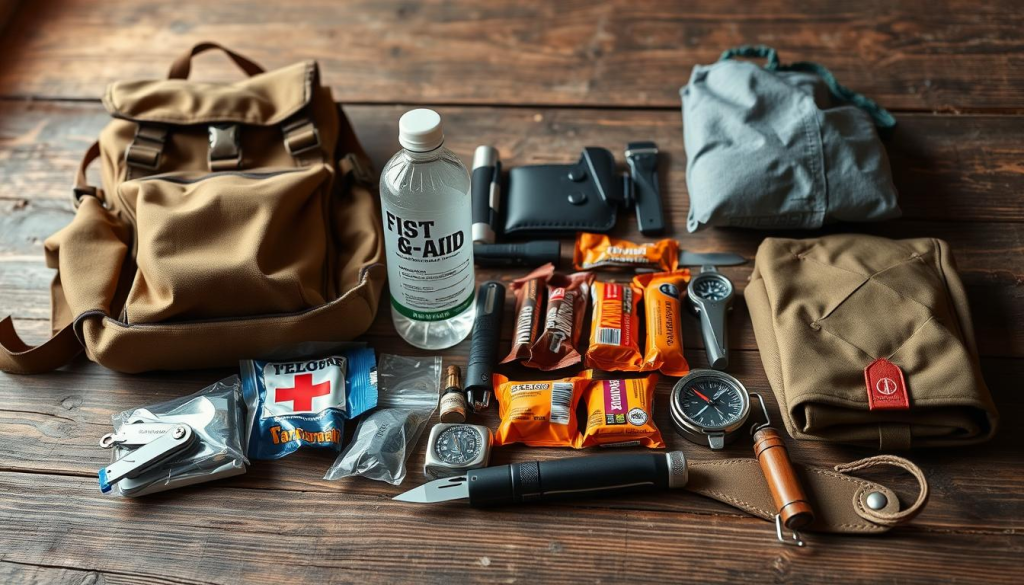
By focusing on these essential items, you can create a bug out bag that is truly effective in a variety of emergency situations.
Tools and Gear for Survival
Equipping your bug out bag with the necessary tools and gear is vital for tackling unexpected situations effectively. The right equipment can significantly enhance your ability to survive and navigate through emergencies.
Multi-tool Options
A multi-tool is an indispensable component of any bug out bag. It combines several functions into one device, such as knives, pliers, and screwdrivers, making it a versatile tool for various tasks. When selecting a multi-tool, consider one that is durable and has a variety of functions to meet different needs.
Key Features to Look for in a Multi-tool:
- Durable construction
- Variety of functions (e.g., knife, scissors, pliers)
- Ease of use
Fire Starter Essentials
Fire starters are crucial for providing warmth, cooking food, and signaling for help. There are several types of fire starters available, including lighters, matches, and ferrocerium rods. A ferrocerium rod is a reliable choice because it doesn’t rely on fuel and can generate sparks in various weather conditions.
Tips for Using Fire Starters:
- Practice using your fire starter before an emergency
- Keep your fire starter dry and protected
- Consider carrying multiple fire starters
Navigation and Signaling Equipment
Navigation tools, such as compasses and GPS devices, are essential for finding your way during an emergency. A compass is a reliable navigation tool that doesn’t require batteries. Additionally, signaling devices like mirrors and flares can help you alert others to your location.
- Understand how to use your navigation tools
- Keep your signaling devices visible and ready for use
- Practice signaling techniques
By including these essential tools and gear in your bug out bag, you can significantly improve your chances of survival during emergencies. Remember to regularly inspect and update your equipment to ensure it remains functional and relevant.
Clothing and Personal Items
Clothing and personal items are vital components of a bug out bag, providing comfort and protection in emergency situations. The right clothing can help regulate body temperature, protect against the elements, and offer a layer of security against environmental hazards.
Choosing Durable Clothing
When selecting clothing for your bug out bag, durability is key. Choose items made from robust materials that can withstand rough handling and harsh weather conditions. Consider clothing that can be layered, as this allows for flexibility in varying temperatures.
Key Features of Durable Clothing:
- Moisture-wicking fabrics to keep you dry
- Quick-drying materials to prevent chilling
- Breathable fabrics for temperature regulation
- Reinforced seams for added durability
Footwear Considerations
Footwear is a critical aspect of your bug out bag. Sturdy, comfortable shoes can make a significant difference in your ability to navigate challenging terrain. Look for shoes that are waterproof, have good ankle support, and are made from durable materials.
| Footwear Type | Water Resistance | Ankle Support |
|---|---|---|
| Hiking Boots | High | Excellent |
| Trail Running Shoes | Moderate | Good |
| Water Shoes | High | Fair |
Personal Hygiene Essentials
Personal hygiene is often overlooked in bug out bag preparation but is crucial for maintaining health and morale. Include essentials like toothbrushes, toothpaste, biodegradable soap, and any personal hygiene items you rely on.
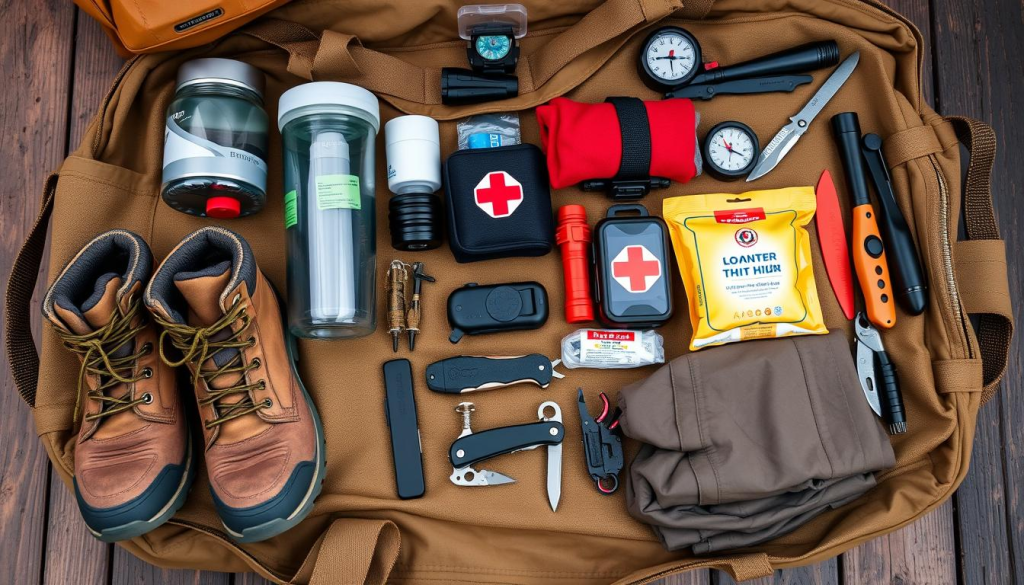
By carefully selecting clothing and personal items, you can enhance your comfort and survivability in emergency situations. Remember, the goal is to be prepared for the unexpected.
Shelter and Comfort Items
In the event of a disaster, shelter and comfort items are crucial components of a bug out bag that can significantly impact your survival and well-being. These items not only provide protection from the elements but also contribute to maintaining morale and comfort during challenging situations.
Compact Tent Options
When it comes to shelter, a compact tent is an indispensable item. It should be lightweight, waterproof, and easy to set up. Consider a tent that is specifically designed for emergency situations, with features such as a waterproof rain fly and sturdy poles.
Key Features to Look for in a Compact Tent:
- Lightweight and compact design
- Waterproof and wind-resistant materials
- Easy and quick setup
- Durable construction
Sleeping Solutions
A good sleeping bag or emergency blanket can make a significant difference in keeping you warm and comfortable. Look for sleeping bags with a suitable comfort temperature rating for your area, and consider the packability and weight of the sleeping bag.
Emergency Blankets are another vital option, providing a compact and lightweight means of retaining body heat. They are especially useful in survival situations where space and weight are critical factors.
| Item | Description | Weight |
|---|---|---|
| Compact Tent | Lightweight, waterproof, easy setup | 3 lbs |
| Sleeping Bag | Insulated, comfortable, packable | 2 lbs |
| Emergency Blanket | Compact, lightweight, retains heat | 1 lb |
According to various sources, including survival experts, including a compact tent, sleeping bag, or an emergency blanket in your bug out bag is highly recommended. These items are crucial for providing shelter and maintaining body heat, significantly enhancing your chances of survival during a disaster.

Bug Out Bag Packing Tips
When it comes to bug out bags, packing smart is just as important as knowing what to pack. A well-packed bag can make all the difference in an emergency situation, ensuring that you have everything you need to survive and thrive.
Weight Management Strategies
Managing the weight of your bug out bag is crucial for mobility and comfort during an evacuation. Here are some strategies to help you keep your bag lightweight:
- Choose multi-purpose items that serve more than one function.
- Opt for lightweight versions of essential items.
- Regularly review and adjust the contents of your bag to ensure it remains necessary and relevant.
According to survival experts, a bug out bag should be light enough to carry for at least 10 miles without excessive strain. This requires careful selection and prioritization of emergency preparedness items.
“The best bug out bag is one that is tailored to your specific needs and circumstances. It’s not just about throwing a bunch of stuff in a bag; it’s about creating a kit that is both functional and portable.”
Organizing Your Kit
Organization is key to efficiently using your bug out bag. Here are some tips to help you organize your kit:
| Category | Items to Include | Tips for Organization |
|---|---|---|
| First Aid | Bandages, antiseptic wipes, pain relievers | Store in a dedicated, easily accessible pouch. |
| Food and Water | Non-perishable food, water filter or purification tablets | Pack in airtight containers to preserve freshness. |
| Tools | Multi-tool, fire starter, flashlight | Keep in a designated section for quick access. |
As suggested by emergency preparedness guidelines, storing items in airtight containers can help protect them from damage and extend their shelf life.
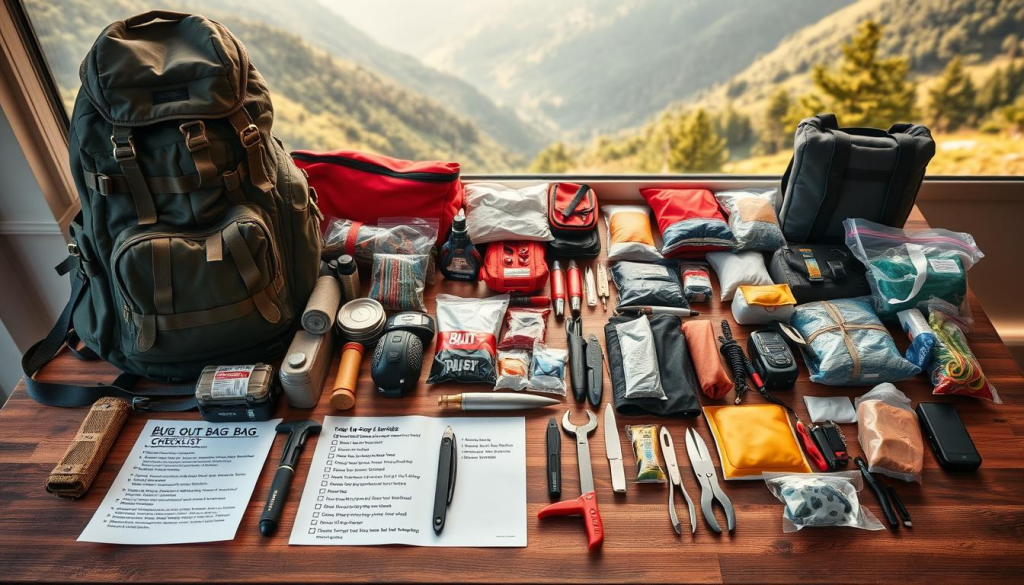
By implementing these weight management strategies and organizing techniques, you can ensure that your bug out bag is both effective and efficient, providing you with the necessary tools and supplies to navigate emergency situations.
Creating a Family Bug Out Plan
A well-structured family bug out plan can be the difference between chaos and order in crisis situations. It’s not just about having the essential bug out items; it’s also about ensuring that every family member knows what to do and where to go.
Effective communication is the backbone of any successful bug out plan. Establishing a communication strategy that works for everyone is crucial. This involves deciding on a primary method of communication, such as a two-way radio or a designated meeting point, in case you get separated.
Communication Strategies
When developing your communication strategy, consider the following:
- Designate a contact person outside the immediate area for family members to check in with.
- Use a simple, agreed-upon code or signal to indicate your status (e.g., “I’m safe”).
- Ensure all family members have a list of important phone numbers and contacts.
Including must-have bug out supplies like portable chargers and backup power sources can help keep your communication devices operational.
Designating Meeting Points
Identifying safe meeting points is vital. Choose locations that are:
- Easy to find and access.
- Safe from potential hazards.
- Familiar to all family members.
It’s also a good idea to have both a local meeting point (e.g., a neighbor’s house) and a more distant one (e.g., a designated spot outside the city) in case you need to evacuate.
By incorporating these elements into your family bug out plan, you’ll be better prepared to face emergencies together. Remember, the key is to stay informed, be prepared, and practice your plan regularly.
Understanding Local Risks
Understanding the risks in your local area is crucial for effective disaster preparedness. Being aware of potential hazards allows you to prepare with the right disaster survival gear and emergency survival gear.
Natural Disasters in Your Area
Different regions are prone to different types of natural disasters. For instance, coastal areas are at risk for hurricanes and tsunamis, while inland regions might experience earthquakes or tornadoes. It’s essential to identify the types of disasters that could occur in your area.
To prepare for these events, consider the following:
- Research historical disasters in your region
- Understand the warning signs and symptoms of potential disasters
- Have a plan in place that includes the necessary emergency survival gear
| Disaster Type | Common Regions | Preparation Tips |
|---|---|---|
| Hurricanes | Coastal areas, especially in the Southeast | Have a hurricane-resistant shelter, stock up on supplies, and stay informed |
| Earthquakes | West Coast, particularly California | Secure heavy objects, have an earthquake evacuation plan, and practice drills |
| Tornadoes | Midwest and Southern Plains | Have a tornado shelter or safe room, stay tuned to weather forecasts, and have a family emergency plan |
Situational Awareness
Situational awareness is about being mindful of your surroundings and understanding potential hazards. This includes knowing the local infrastructure, being aware of weather conditions, and recognizing potential risks such as wildfires or floods.
“The key to survival is not just having the right gear, but also being aware of your environment and potential risks.”
To enhance situational awareness, consider:
- Staying informed about local conditions through news and weather reports
- Understanding the geography and climate of your area
- Being prepared to adapt your emergency plan as needed
Staying Informed: Essential Resources
Emergency preparedness isn’t just about having the right gear; it’s also about staying informed. In the event of a disaster, having access to critical information can be just as important as having the right emergency preparedness items in your bug out bag contents.
Emergency Contact Numbers
One of the most crucial pieces of information to have is emergency contact numbers. This includes phone numbers for local emergency services, such as police, fire, and ambulance. It’s also a good idea to program these numbers into your phone and have a written copy in your bug out bag.
Local Emergency Services
Being aware of local emergency services is equally important. This includes knowing the locations of hospitals, emergency shelters, and other resources that may be available during a crisis. Staying informed about local conditions and any potential hazards can help you make better decisions during an emergency.
In addition to having the right information, it’s essential to stay up-to-date with the latest developments in emergency preparedness. This can involve regularly checking for updates from local authorities and being aware of any changes to emergency procedures.
Updating Your Bug Out Bag Regularly
To stay prepared, it’s essential to update your bug out bag regularly, considering the changing seasons and supply expiration dates. A well-maintained bug out bag ensures that you have the necessary survival kit essentials to face any emergency.
Rotating Supplies
One of the critical aspects of maintaining your bug out bag is rotating supplies. This involves checking expiration dates of food, water purification tablets, and medications, and replacing them as needed. It’s also crucial to inspect your bug out bag checklist regularly to ensure all items are still usable and not damaged.
| Supply | Check Interval | Action |
|---|---|---|
| Food | Every 6 months | Check expiration dates, replace if expired |
| Water Purification Tablets | Every 12 months | Check expiration dates, replace if expired |
| First Aid Kit | Every 6 months | Inspect for used or expired items, restock as needed |
Seasonal Considerations
Seasonal changes can significantly impact the items you need in your bug out bag. For example, during winter, you may need to include warmer clothing, a snow shovel, and possibly a different type of first aid kit to handle cold-related injuries. In contrast, summer might require sun protection, hydration packs, and knowledge of heat-related illnesses.
By regularly updating your bug out bag to reflect seasonal changes and rotating supplies before they expire, you ensure that your survival kit essentials are always ready for use. This proactive approach to emergency preparedness can make a significant difference in a crisis situation.
Practicing Your Bug Out Skills
In the face of an emergency, your ability to respond effectively depends on how well you’ve practiced your bug out skills. Practicing these skills is not just about having the right emergency survival gear, but also knowing how to use it efficiently.
Setting Up a Drill
Setting up a drill is a crucial step in preparing for emergencies. It involves simulating scenarios that could occur during a real emergency, allowing you to test your must-have bug out supplies and your ability to use them.
- Choose a scenario: Decide on a realistic emergency scenario, such as a natural disaster or a power outage.
- Set a timeline: Establish a time limit for your drill to simulate the urgency of a real emergency.
- Evaluate your performance: After the drill, assess what worked well and what didn’t, making adjustments as needed.
Using Your Kit Efficiently
Using your bug out kit efficiently is just as important as having the right supplies. This involves understanding the purpose of each item and how to use it effectively.
- Familiarize yourself with your kit: Regularly go through your bug out bag and familiarize yourself with each item.
- Practice using critical items: Focus on practicing with items like water filtration systems, first aid kits, and multi-tools.
- Maintain your kit: Regularly check and update your kit to ensure all items are in working order.
By practicing your bug out skills, including setting up drills and using your kit efficiently, you’ll be better prepared to face any emergency that comes your way.
Community Resources and Preparedness
Being prepared for disasters is not a solo endeavor; it’s a community effort. Joining local preparedness groups can provide valuable insights and support in building your disaster survival gear and emergency preparedness items.
Local Preparedness Groups
These groups often consist of individuals with various skill sets, from medical professionals to outdoor enthusiasts, all sharing a common goal of being prepared. By participating, you can gain access to training sessions, workshops, and hands-on experience with different types of disaster survival gear.
Workshops and Training Sessions
Attending workshops and training sessions can significantly enhance your preparedness. These events cover a range of topics, including the use of emergency preparedness items, survival techniques, and strategies for navigating through challenging situations.
By engaging with your local community and leveraging these resources, you can strengthen your ability to respond effectively in emergency situations, ensuring you and your loved ones stay safe.