
Being prepared for emergencies is crucial in today’s unpredictable world. A well-stocked emergency preparedness kit can be a lifesaver during a crisis, providing essential items to help individuals survive for at least 72 hours.
Creating a DIY bug out bag is a straightforward process that requires some planning and knowledge of the essential items to include. In this article, we will guide you through the process of creating your own emergency kit, covering the must-have items, customization, and maintenance.
Key Takeaways
- Understand the importance of having a bug out bag
- Learn the essential items to include in your emergency kit
- Discover how to customize your bug out bag
- Find out how to maintain your emergency preparedness kit
- Gain confidence in your ability to prepare for emergencies
Understanding the Purpose of a Bug Out Bag
Understanding the purpose of a bug out bag is fundamental to being prepared for unexpected situations that may require immediate evacuation. A bug out bag is designed to be a portable emergency kit that can be quickly grabbed in case of an emergency, providing essential items for survival.
What is a Bug Out Bag?
A bug out bag, also known as a 72-hour kit, is a collection of essential items that can help you survive for at least three days in the event of a disaster or emergency. It typically includes food, water, shelter, and first aid supplies, among other vital necessities.
When Do You Need One?
You may need a bug out bag in various emergency scenarios, including natural disasters like hurricanes, earthquakes, or floods, as well as civil emergencies such as power outages or chemical spills. Having a bug out bag ready can make a significant difference in your ability to respond effectively.
Benefits of Having a Bug Out Bag
The benefits of having a bug out bag are numerous. Not only does it provide peace of mind, but it also ensures that you and your loved ones are prepared for unexpected events. A well-stocked bug out bag can help you stay safe, secure, and healthy during a crisis.
| Benefit | Description |
|---|---|
| Peace of Mind | Knowing you’re prepared for emergencies |
| Safety | Having essential supplies for survival |
| Health | Access to first aid and hygiene supplies |
By understanding the purpose and benefits of a bug out bag, you can take the first step towards being better prepared for emergencies. It’s essential to regularly review and update your bug out bag to ensure it remains relevant and effective.
Essential Items to Include in Your Bug Out Bag
When assembling a bug out bag, it’s crucial to include a variety of essential items to ensure you’re prepared for any emergency. The right supplies can make a significant difference in your ability to respond to and survive during a crisis.
Food and Water Supplies
Having adequate food and water supplies is fundamental. Your bug out bag should contain non-perishable food items that are high in calories and nutrients. Consider including:
- Energy bars
- Dried fruits and nuts
- Canned goods
- MREs (Meals Ready to Eat)
In addition to food, it’s essential to have a reliable source of clean drinking water. Include water purification tablets or a portable filter to ensure access to safe drinking water.
| Food Item | Calories per Serving | Shelf Life |
|---|---|---|
| Energy Bars | 200-300 | 12-24 months |
| Dried Fruits | 150-200 | 6-12 months |
| Canned Goods | 200-400 | 24-36 months |
Shelter and Warmth Gear
Adequate shelter and warmth are critical for survival. Your bug out bag should include items such as:
- A lightweight tent or tarp
- Sleeping bag or emergency blanket
- Space blanket
- Fire starting tools (matches, lighter, firestarters)
These items will help protect you from the elements and maintain body heat.
First Aid Kit Essentials
A well-stocked first aid kit is a crucial component of any bug out bag. Include:
- Bandages and band-aids
- Antiseptic wipes and ointment
- Pain relievers and antihistamines
- Prescription medications and necessary medical equipment
Regularly check and update your first aid kit to ensure all items are still usable and not expired.
Tools and Equipment
Having the right tools can significantly enhance your ability to respond to emergencies. Consider including:
- Multi-tool or pocket knife
- Flashlight and extra batteries
- Duct tape
- Rope or twine
These tools can help you navigate, repair equipment, and perform various tasks during an emergency.
Choosing the Right Bag for Your Needs
The first step in creating a DIY bug out bag is choosing the right bag. With numerous options available, it’s essential to consider several factors to ensure you select a bag that meets your emergency needs.
Types of Bug Out Bags
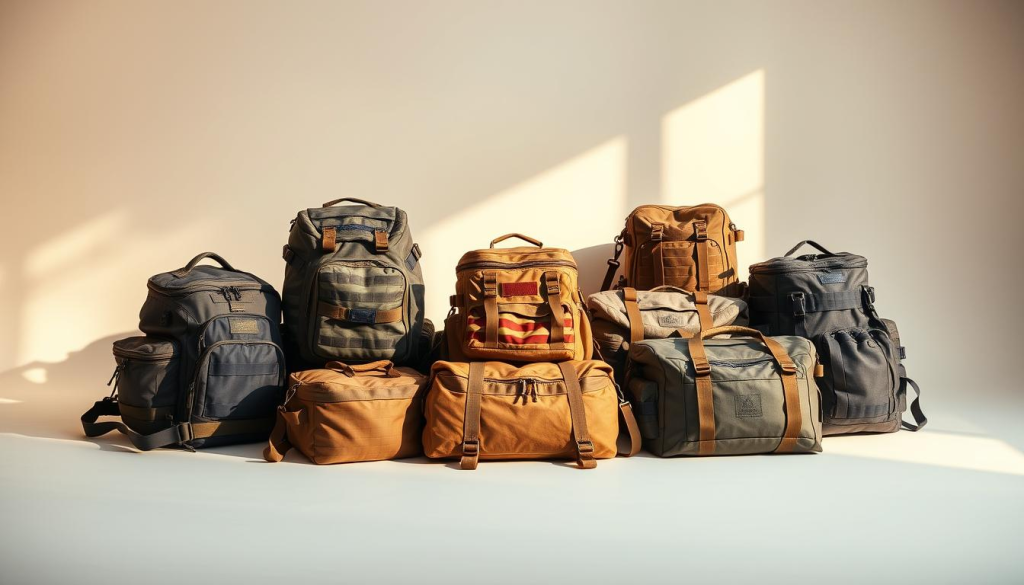
Bug out bags come in various styles, each with its advantages. The most common types include backpacks, duffel bags, and rolling bags. Backpacks are popular for their comfort and ability to distribute weight evenly, making them ideal for long-distance travel. Duffel bags offer ample space and are often more affordable, while rolling bags provide ease of mobility, especially in crowded areas or airports.
Key Features to Look For
When selecting a bug out bag, several key features should be considered. Durability is paramount; the bag should be made from high-quality, water-resistant materials. Comfort is also crucial, especially if you anticipate carrying the bag for extended periods. Look for bags with padded shoulder straps and a waist belt to distribute the weight. Additionally, consider a bag with multiple organizational compartments to keep your gear tidy and easily accessible.
Size Considerations
The size of your bug out bag will depend on your specific needs and the amount of gear you plan to carry. A general rule of thumb is to choose a bag that is large enough to hold all your essentials but not so large that it becomes cumbersome. For most people, a bag with a capacity of 30-40 liters is sufficient. However, if you have specific requirements, such as carrying bulky items or supplies for multiple people, you may need a larger bag.
Creating a bug out bag checklist can help you determine the size and type of bag you need. Consider the essentials you must carry, such as food, water, first aid supplies, and shelter materials, and choose a bag that can accommodate these items comfortably.
Effective bug out bag organization is also critical. Use the bag’s compartments and pockets to categorize your gear, making it easier to find what you need quickly in an emergency.
How to Pack Your Bug Out Bag Efficiently
To ensure you’re ready for any situation, learn how to pack your bug out bag efficiently. A well-packed bag can make all the difference in emergency situations, allowing you to respond quickly and effectively.
Layering Technique
The layering technique is essential for organizing your bug out bag supplies. Start by placing your heaviest or least used items at the bottom. This could include items like emergency blankets or extra clothing. Next, add a layer of first aid kits and other essential medical supplies. Finally, place your most frequently used items, such as water and snacks, in easy-to-reach locations.
A good rule of thumb is to pack your bug out bag as if you’re preparing for a hike,” says emergency preparedness expert, John Doe. “You want easy access to essentials without having to dig through everything.”
Weight Distribution
Proper weight distribution is crucial for comfort and mobility. Ensure that the weight of your bug out bag is evenly distributed by using pouches and compartments. This not only helps in carrying the bag for longer periods but also in accessing items quickly.
Accessibility of Items
Accessibility is key when it comes to your bug out bag supplies. Organize your bag so that the most critical items are easily accessible. Use clear pouches or bags for storing small items like medications or important documents. This way, you can quickly find what you need without having to unpack your entire bag.
By implementing these strategies, you can create a bug out bag that is not only efficient but also tailored to your specific needs. Remember, the goal is to be prepared for any situation, and a well-organized bug out bag is your first step towards achieving that.
Customizing Your Bug Out Bag for Your Family
Customizing your bug out bag to include essentials for all family members is a key step in emergency preparedness. A bug out bag that is tailored to the needs of your family can significantly enhance your ability to respond effectively in a crisis.
Kids’ Needs
When it comes to children, it’s not just about miniaturizing adult supplies. Special considerations must be taken into account, such as diapers, formula, and child-friendly medications. Including comfort items like a favorite toy or blanket can also help reduce stress for children during an emergency.
- Diapers and wipes
- Formula or baby food
- Child-friendly medications (e.g., acetaminophen)
- Comfort items (e.g., favorite toy or blanket)
Elderly Care Considerations
For elderly family members, medications and medical equipment are crucial. Ensure you have a sufficient supply of prescription medications, along with necessary medical devices such as walkers or oxygen tanks. Don’t forget to include a list of medical conditions and emergency contact information.
| Item | Description |
|---|---|
| Medications | Prescription medications and essential medical supplies |
| Medical Equipment | Walkers, oxygen tanks, etc. |
| Medical History | A list of medical conditions and emergency contacts |
Pet Supplies
Pets are part of the family, and their needs should not be overlooked. Pet supplies should include food, water, bowls, and any necessary medication. A pet carrier or crate can be essential for safe transportation.
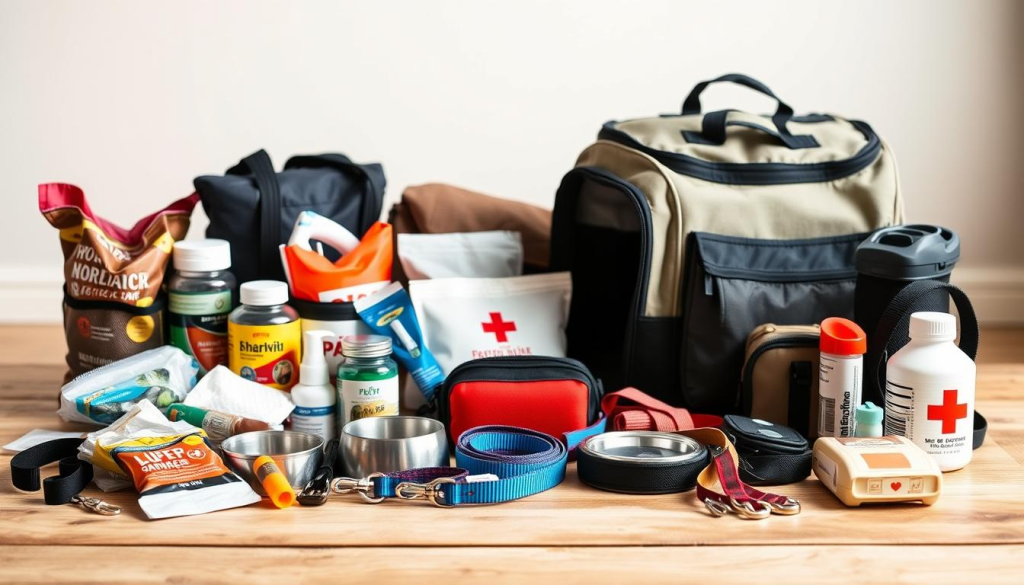
By carefully considering the needs of all family members, including children, the elderly, and pets, you can create a comprehensive bug out bag that will help ensure everyone’s safety in an emergency.
How to Tailor Your Bug Out Bag for Various Scenarios
Different emergencies require different preparations, making it essential to tailor your bug out bag accordingly. A well-customized bug out bag can be the difference between safety and peril in emergency situations.
Natural Disasters
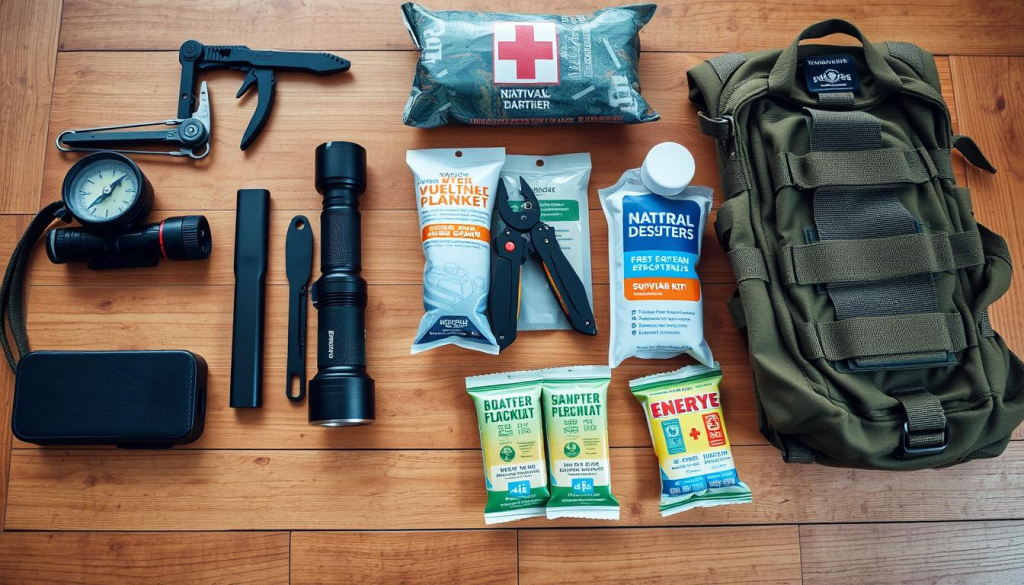
For natural disasters such as hurricanes, earthquakes, or floods, certain items in your bug out bag can be crucial. These include a portable water filter to ensure access to clean drinking water, a dust mask to protect against airborne debris, and a battery-powered lantern for light when the power is out.
| Item | Purpose |
|---|---|
| Portable Water Filter | Ensures clean drinking water |
| Dust Mask | Protects against airborne debris |
| Battery-Powered Lantern | Provides light during power outages |
Civil Emergencies
In the event of civil emergencies, such as riots or martial law, having the right items in your bug out bag can help you navigate the situation safely. Consider including a battery-powered radio to stay informed, extra cash for emergency purchases, and a personal defense tool for protection.
It’s also wise to have a communication plan in place, including a fully charged cell phone and a backup power source.
Extended Wilderness Survival
For extended wilderness survival, your bug out bag should be equipped with gear that supports long-term survival in the wild. Essential items include a sleeping bag for warmth, a tent for shelter, and a hunting knife for procuring food.
Additionally, consider packing water purification tablets or a water filter, a first aid kit, and a multi-tool or pocket knife for various tasks.
Regularly Reviewing and Updating Your Bag
To ensure your bug out bag is always ready for emergencies, regular reviewing and updating are essential. This ongoing process involves checking the condition and relevance of the bag’s contents, making adjustments as necessary to reflect changes in your personal needs and the environment.
Importance of Regular Checks
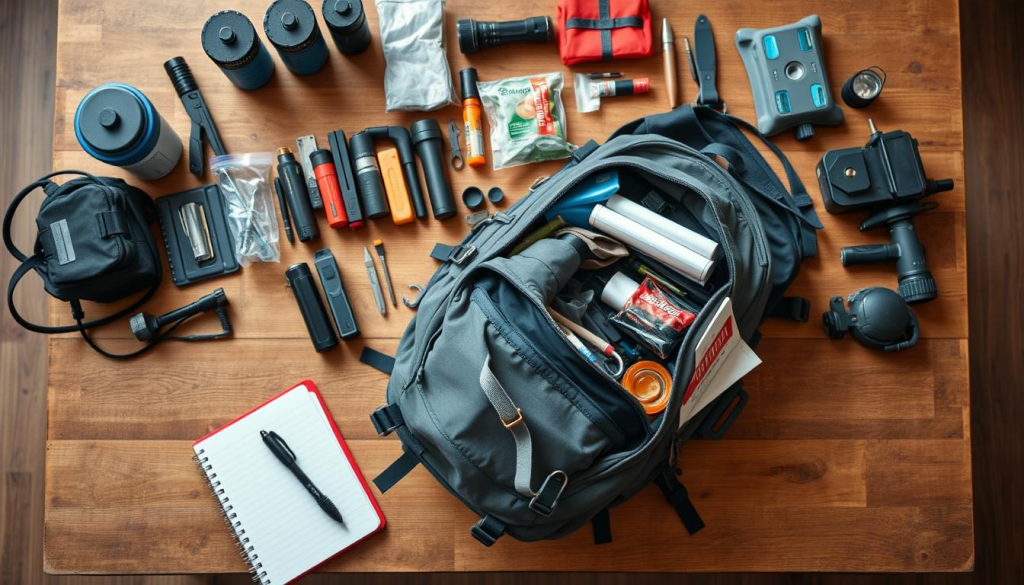
Regular checks are vital to maintaining the effectiveness of your bug out bag. This involves inspecting the bag itself for signs of wear and tear, ensuring that all items are still usable, and that nothing is expired or damaged.
Key areas to focus on during these checks include:
- Condition of clothing and footwear
- Expiry dates of food, water, and medical supplies
- Functionality of electronic devices and tools
Seasonal Adjustments
Different seasons bring different challenges, and your bug out bag should be adjusted accordingly. For example, in colder months, include warmer clothing, gloves, and a hat, while in hotter months, prioritize sun protection, hydration, and lightweight clothing.
Consider the following seasonal adjustments:
| Season | Key Items to Include |
|---|---|
| Winter | Warm clothing, insulated sleeping bag, hand warmers |
| Summer | Sun hat, sunscreen, hydration packs, lightweight clothing |
Expiry Date Tracking
One of the critical aspects of bug out bag maintenance is tracking the expiry dates of supplies, particularly food, water, and medical supplies. Regularly check these dates and replace items as needed to ensure your bag remains stocked with usable supplies.
A simple method to track expiry dates is to:
- Create a list of all perishable items in your bag
- Note their expiry dates
- Regularly review and update this list
By following these guidelines, you can ensure your bug out bag is always ready to support you through any emergency, providing peace of mind and a practical means of survival.
Practical Tips for Using Your Bug Out Bag
Understanding how to use your bug out bag effectively is crucial for ensuring your safety during emergencies. A well-prepared bug out bag is not just about the items it contains, but also how you utilize them in critical situations.
Best Practices for Quick Exits
When an emergency arises, every second counts. Having a pre-planned escape route and a designated meeting point can significantly enhance your ability to react quickly. It’s essential to:
- Identify the most likely escape routes from your home, workplace, and other frequent locations.
- Designate a meeting point outside the immediate danger zone where family members can gather.
- Practice your escape plan to ensure everyone knows what to do.
Navigation and Communication
Effective navigation and communication are vital components of using your bug out bag successfully. Consider including:
- A compass to help navigate through unfamiliar territories.
- A two-way radio or a satellite phone to stay in touch with family members and receive critical updates.
- Maps of your area and potential destinations.
Navigation tools should be used in conjunction with your pre-planned escape route to ensure you can adapt to changing circumstances.
Safety Protocols
Knowing basic first aid and having a plan for emergency shelter can significantly improve your chances of survival. It’s crucial to:
- Learn basic first aid techniques, including wound cleaning, splinting, and CPR.
- Include a first aid kit in your bug out bag with essentials like bandages, antiseptic wipes, and pain relievers.
- Have a plan for emergency shelter, such as a lightweight tent or a tarp, and know how to set it up.
Staying calm and following your safety protocols can make a significant difference in the outcome of an emergency situation.
By following these practical tips and regularly reviewing and updating your bug out bag, you can ensure that you are well-prepared to face emergencies effectively.
Resources for Further Learning
For those looking to deepen their understanding of emergency preparedness, there are numerous resources available that can provide valuable insights and skills. Whether you’re interested in enhancing your DIY bug out bag or learning more about comprehensive emergency preparedness kits, the following resources can guide you.
Recommended Books and Guides
Several books and guides offer in-depth information on creating effective bug out bags and emergency preparedness strategies. “The SAS Survival Handbook” by John ‘Lofty’ Wiseman is a highly recommended resource that covers a wide range of survival skills. Additionally, guides that focus on specific scenarios, such as natural disasters or wilderness survival, can be invaluable.
When selecting a guide, look for ones that include practical checklists and step-by-step instructions for assembling your emergency preparedness kit.
Online Communities and Forums
Engaging with online communities and forums dedicated to emergency preparedness can provide a wealth of knowledge and support. Platforms like Reddit’s r/preppers and various survival forums allow individuals to share their experiences, ask questions, and learn from others who have faced similar challenges.
- Participate in discussions to gain insights into the latest trends and strategies.
- Share your own experiences to help build a supportive community.
Classes and Workshops
Hands-on learning through classes and workshops can significantly enhance your preparedness skills. Many organizations offer courses on survival skills, first aid, and emergency response. These classes not only teach practical skills but also provide opportunities to network with like-minded individuals.
When choosing a class, consider those that focus on practical, hands-on training and offer a bug out bag checklist as part of their curriculum.
Conclusion: Your First Step Toward Preparedness
Creating a bug out bag is a vital step in preparing for emergencies. By understanding the essentials and customizing your bag to suit your needs, you can ensure a swift and safe response to unexpected situations.
Assessing Your Readiness
Reflecting on your choices and the items you’ve included in your bug out bag is crucial. Consider the scenarios you’ve prepared for, such as natural disasters or civil emergencies, and ensure your bag is equipped to handle them. Reviewing the bug out bag essentials and adjusting your supplies accordingly will help you feel more confident in your ability to respond.
Starting Your Preparation Journey
If you’re just starting out, don’t be overwhelmed by the task of creating a bug out bag. Begin by focusing on the basics, such as food, water, shelter, and first aid supplies. Learning how to make bug out bag effective involves understanding your specific needs and the potential risks in your area.
Final Considerations for Safety and Readiness
Ultimately, having a well-prepared survival bag essentials in place can be a lifesaver. Regularly reviewing and updating your bag will ensure it remains relevant and effective. By taking these steps, you’ll be better equipped to face emergencies and protect yourself and your loved ones.