
Emergencies can strike at any moment, making it crucial to be prepared. A bug out bag is a portable emergency kit that contains essential items to help individuals survive for at least 72 hours during a disaster or emergency.
Having a well-stocked emergency kit can be a lifeline during difficult situations, providing the necessary tools and supplies to navigate through challenging circumstances.
In the following sections, we will delve into the importance of having a bug out bag and guide you on what essentials to include.
Key Takeaways
- A bug out bag is a critical component of emergency planning.
- It should contain essentials to survive for at least 72 hours.
- Proper preparation is key to navigating emergencies.
- A well-stocked bug out bag can be a lifeline in disasters.
- Knowing what to include is crucial for effective emergency preparedness.
What is a Bug Out Bag?
Understanding the concept of a bug out bag is vital for anyone looking to be prepared for unexpected emergencies. A bug out bag, also known as a 72-hour kit, is a portable collection of essential items that can help individuals survive for at least three days in case of a disaster or emergency.
The idea behind a bug out bag is to have a readily available kit that contains the basic necessities for survival, such as food, water, shelter, and first aid supplies. This bag is meant to be easily accessible and should be stored in a location that is quickly reachable in the event of an emergency evacuation.
Understanding Its Purpose
The primary purpose of a bug out bag is to provide individuals with the necessary tools and supplies to survive during the initial stages of an emergency. This includes having enough food and water to sustain them, a means of starting a fire, and basic first aid equipment. The bag is designed to be a short-term solution, allowing individuals to evacuate to a safer location or until help arrives.
A well-prepared bug out bag can make a significant difference in emergency situations, enabling individuals to respond quickly and effectively. It’s not just about having the right supplies; it’s also about being prepared to use them.
Why Every Household Should Have One
Having a bug out bag is an essential part of any household’s emergency preparedness plan. Disasters can strike at any moment, and having a readily available kit can help ensure the safety and well-being of family members. It’s crucial for households to understand that a bug out bag is not just for extreme scenarios; it can also be useful in more common emergencies, such as power outages or natural disasters.
To emphasize the importance of having a bug out bag, consider the following comparison:
| Benefits | Without a Bug Out Bag | With a Bug Out Bag |
|---|---|---|
| Emergency Preparedness | Limited ability to respond to emergencies | Enhanced readiness and response capabilities |
| Survival Chances | Lower chances of survival due to lack of essential supplies | Higher chances of survival with necessary supplies |
| Family Safety | Increased risk to family members during emergencies | Improved safety and well-being for family members |
By having a bug out bag, households can significantly improve their emergency preparedness and response. It’s a simple yet effective way to ensure that family members are equipped to handle unexpected situations.
Essential Items to Include
To ensure you’re prepared for any situation, your bug out bag should contain a thoughtful selection of essential items. These supplies are crucial for survival and comfort during emergencies, making it vital to carefully consider what to include.
Food and Water Supplies
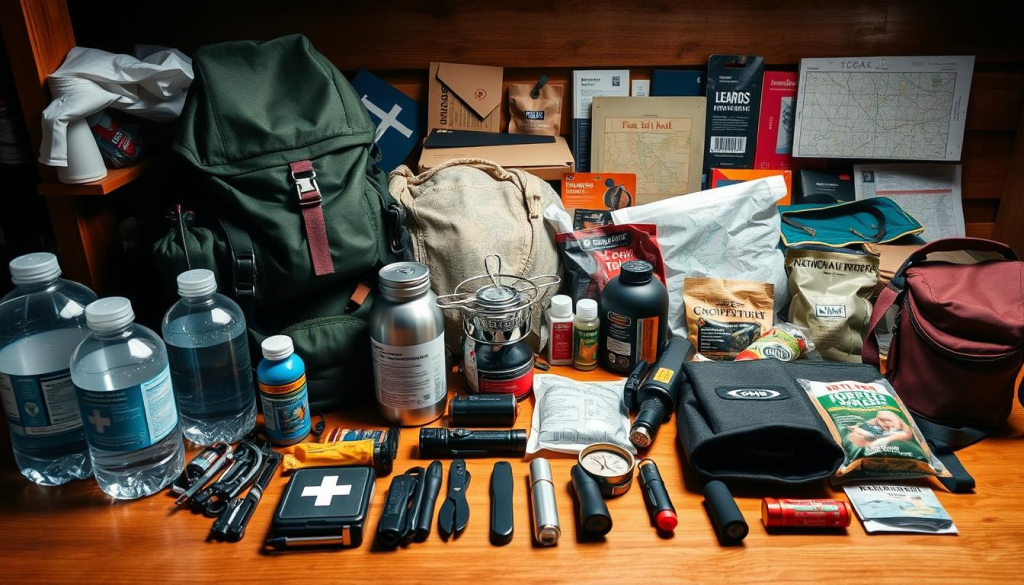
One of the most critical aspects of a bug out bag is the inclusion of adequate food and water supplies. Non-perishable food items such as energy bars, canned goods, and dried fruits are recommended. It’s also essential to have a water purification system or water purification tablets to ensure access to safe drinking water.
The general guideline is to pack at least three days’ worth of food and water for each person. However, considering the potential for extended emergencies, aiming for a two-week supply is advisable. Don’t forget a manual can opener for canned goods and consider the dietary needs and restrictions of all family members.
First Aid Kit Essentials
A well-stocked first aid kit is a vital component of any bug out bag. It should include bandages, antiseptic wipes, pain relievers, and any prescription medications that family members may need. Additionally, consider including blister care, snake bite kits, and other items that can address common injuries.
Regularly check the first aid kit to ensure that all supplies are still usable and not expired. It’s also a good idea to include a first aid manual to guide you in using the supplies effectively.
Shelter and Warmth Gear
Adequate shelter and warmth are crucial for survival. Include a lightweight tent or tarp, sleeping bag, and emergency blanket in your bug out bag. These items can provide protection from the elements and help maintain body heat.
Additionally, consider packing fire starting tools such as matches, lighters, or firestarters. Fire can provide warmth, a means to cook food, and a way to signal for help if needed.
By carefully selecting and packing these essential items, you can ensure that your bug out bag is equipped to handle a variety of emergency situations, enhancing your chances of survival and comfort.
Choosing the Right Bag
Selecting the right bug out bag is crucial for effective emergency preparedness. A bug out bag, by definition, is a portable collection of essential items that an individual or family might need to survive and thrive during an emergency evacuation or disaster scenario.
When considering a bug out bag, there are several factors to take into account, including the type of bag, its size, and its weight. The ideal bag should be comfortable, durable, and suitable for the individual’s or family’s specific needs.
Types of Bug Out Bags
There are various types of bug out bags available, catering to different preferences and requirements. Some popular options include:
- Backpacks: Ideal for long-distance travel or hiking, offering ample storage and comfort.
- Duffel bags: Providing large capacity, often used for shorter evacuations or when more gear is needed.
- Sling bags: Convenient for quick access and mobility, suitable for shorter trips or urban environments.
Each type has its advantages, and the choice largely depends on personal preference, anticipated usage, and the environment in which it will be used.
Size and Weight Considerations
The size and weight of a bug out bag are critical factors. A bag that is too large may become cumbersome, while one that is too small may not hold all necessary items. It’s essential to strike a balance.
| Bag Size | Typical Use | Weight Consideration |
|---|---|---|
| Small (20-30L) | Short evacuations, urban environments | Lightweight, under 20lbs |
| Medium (30-50L) | General preparedness, moderate distance | Moderate, 20-30lbs |
| Large (50L+) | Long-distance travel, extensive gear | Heavier, 30lbs+ |
When packing your bug out bag, consider bug out bag tips such as distributing weight evenly, keeping essential items accessible, and ensuring that your bag is organized for easy navigation. Effective bug out bag organization is key to a successful evacuation.
Ultimately, the right bug out bag is one that is tailored to your specific needs, is comfortable to carry, and contains the necessary items to survive and potentially thrive during an emergency.
Personalizing Your Bug Out Bag
Creating a bug out bag that meets your specific needs is crucial for effective emergency preparedness. A well-personalized bag ensures that you and your family are equipped with the right bug out bag essentials to handle various emergency scenarios.
Tailoring to Your Family’s Needs
When personalizing your bug out bag, it’s essential to consider the specific needs of your family. This includes the age, health, and special requirements of each family member. For instance, if you have infants or elderly individuals, you’ll need to include supplies like diapers, formula, or medications. Creating a bug out bag checklist can help ensure that you don’t overlook any critical items.
Including Important Documents
In addition to the basic supplies, your bug out bag should also contain important documents. These may include identification, insurance policies, and copies of vital records. Storing these documents in a waterproof container within your bag will help protect them from damage. It’s also a good idea to digitalize these documents and store them securely online for added redundancy.
How to Pack Efficiently
To maximize the effectiveness of your bug out bag, it’s essential to pack with efficiency in mind. Efficient packing ensures that your bag is not only comfortable to carry but also easy to use during emergencies.
Weight Distribution Strategies
Proper weight distribution is crucial for a bug out bag. You want to ensure that the weight is evenly distributed so that the bag doesn’t pull you to one side. Place heavier items like food and water supplies at the bottom and close to your back to maintain balance.
Consider using packing cubes or compression bags to organize your gear and compress your clothing and other items to make the most of your bag’s space.
| Item | Weight | Placement |
|---|---|---|
| Water Supplies | Heavy | Bottom |
| Food Supplies | Moderate | Middle |
| First Aid Kit | Light | EASY ACCESS |
Organizing for Easy Access
Organizing your bug out bag for easy access is vital. You should be able to find what you need quickly without having to rummage through your entire bag. Use pouches and pockets to categorize your gear, such as first aid supplies, tools, and important documents.
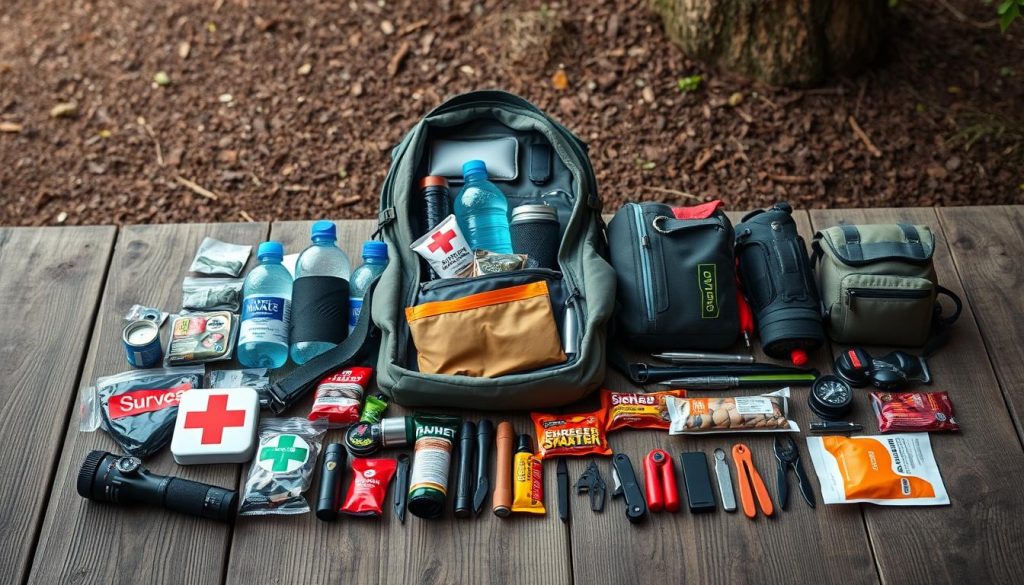
By implementing these strategies, you’ll be able to pack your bug out bag efficiently, ensuring you’re prepared for any situation that may arise.
Training and Practice
Effective emergency preparedness requires more than just assembling a bug out bag; it demands regular training and practice. Being familiar with the contents and functionality of your bug out bag is crucial for swift and effective decision-making during emergencies.
Familiarity with Your Bug Out Bag
Understanding what’s inside your bug out bag and how to use each item efficiently can significantly enhance your response to emergencies. Regularly inspect and familiarize yourself with each component, from the first aid kit to the communication devices. This familiarity can save precious time when every second counts.

Conducting Mock Drills
Conducting mock drills is an essential part of bug out bag training. These drills help you understand how to pack, carry, and use your bug out bag effectively. Practice evacuating with your bag under different scenarios to build your endurance and decision-making skills.
| Drill Type | Purpose | Frequency |
|---|---|---|
| Evacuation Drill | Practice quick evacuation with your bug out bag | Quarterly |
| Gear Inspection | Check the condition and functionality of your gear | Bi-Annually |
| Scenario Training | Practice responding to different emergency scenarios | Annually |
By incorporating regular training and practice into your emergency preparedness plan, you can ensure that you and your family are well-equipped to handle unexpected situations. Remember, the goal is not just to have a bug out bag, but to be prepared to use it effectively when it matters most.
Maintenance and Updates
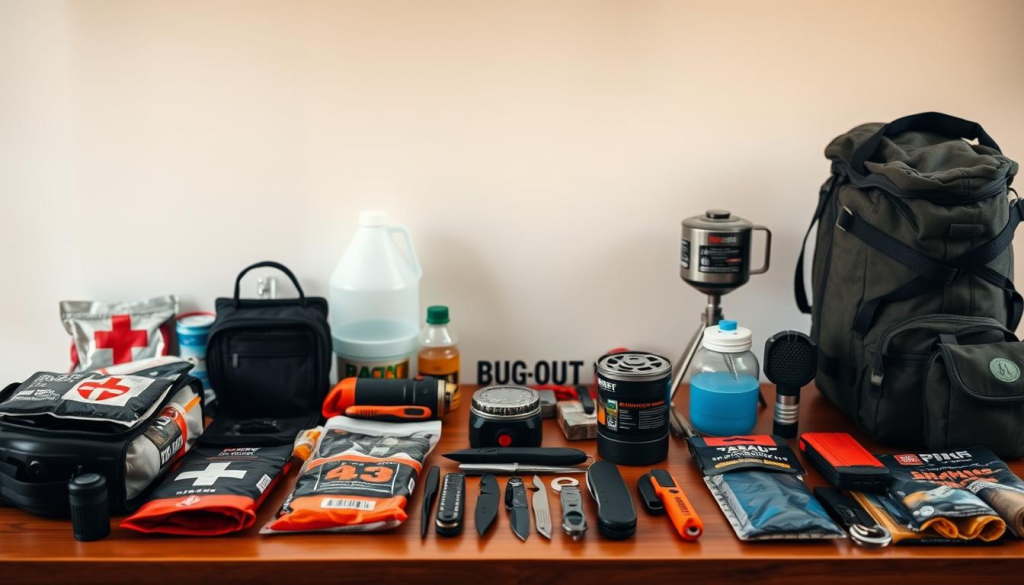
Maintaining your bug out bag is essential for emergency preparedness. A well-maintained bag ensures that you have the necessary bug out bag supplies when you need them most.
Regularly Checking Your Supplies
It’s crucial to regularly inspect your bug out bag to ensure that all bug out bag essentials are still usable and not expired. Check food and water supplies for any signs of spoilage, and test your first aid kit to ensure it’s fully stocked.
Additionally, review your shelter and warmth gear to confirm it’s in good condition. This regular check helps in identifying any items that need replacement or update.
Adapting to Changing Needs
Your bug out bag should evolve with your family’s needs. As your family grows or as seasonal changes occur, your bug out bag essentials may need to be adjusted. For instance, if you have infants, you may need to include diapers and baby food. Similarly, seasonal changes might require different clothing or gear.
By regularly updating your bug out bag, you can ensure it remains a reliable resource during emergencies, always stocked with the right bug out bag supplies.
Best Practices for Bug Out Bag Use
To maximize the utility of your bug out bag, it’s essential to grasp the best practices for its use during emergencies. This includes understanding when to evacuate and how to stay safe while on the move.
When to Evacuate
Deciding when to evacuate is a critical decision that can significantly impact your safety. It’s crucial to stay informed about potential threats and have a clear plan in place. Monitor local news and emergency alerts to stay ahead of developing situations.
Having a bug out bag checklist can help ensure you’re prepared to leave at a moment’s notice. This checklist should include essential items like food, water, first aid supplies, and important documents.
Tips for Staying Safe on the Move
Once you’ve decided to evacuate, staying safe during your journey is paramount. Follow established evacuation routes when possible, and avoid areas known to be hazardous.
Utilizing bug out bag tips can enhance your safety. For example, keeping your bag organized and easily accessible can save valuable time. Consider using a bag with multiple compartments to keep your gear organized.
Additionally, staying hydrated and energized is crucial. Make sure your bug out bag is stocked with sufficient food and water supplies to last you for several days.
Resources for Further Learning
To further enhance your emergency preparedness, it’s essential to explore additional resources that provide valuable insights into bug out bag supplies and organization. By delving into recommended books, guides, and online communities, you can gain a deeper understanding of how to effectively prepare for emergencies.
Recommended Guides
Several guides offer comprehensive information on assembling bug out bag supplies, including food, water, first aid kits, and shelter materials. These guides provide step-by-step instructions on bug out bag organization, ensuring you’re well-prepared for any situation.
Online Forums
Online forums and communities dedicated to emergency preparedness are excellent resources for learning from others and sharing your own experiences. You can find discussions on bug out bag supplies, organization strategies, and tips for maintaining your kit.
By leveraging these resources, you can stay informed and up-to-date on the best practices for emergency preparedness, ensuring your bug out bag is always ready when needed.