
Being prepared for emergencies is crucial in today’s unpredictable world. Having a well-stocked bug out bag and essential EDC gear can make a significant difference in survival situations.
Emergency preparedness involves having the right equipment and knowledge to respond to unexpected events. A bug out bag and EDC kit are vital components of this preparation, providing the necessary tools to navigate through challenging situations.
Understanding the importance of these kits and their survival kit essentials is key to being prepared for anything.
Key Takeaways
- Having a bug out bag and EDC kit is crucial for emergency preparedness.
- A well-stocked kit includes essential survival tools.
- Understanding the importance of these kits is vital for being prepared.
- Preparation is key to navigating unexpected events.
- A bug out bag and EDC kit can make a significant difference in survival situations.
What Is a Bug Out Bag?
Understanding the concept of a Bug Out Bag is vital for anyone looking to be prepared for any situation. A Bug Out Bag, often abbreviated as BOB, is a portable emergency kit that contains essential items to help individuals survive for at least 72 hours.
Definition and Purpose
A Bug Out Bag is designed to be a self-contained kit that includes everything needed to survive during the initial stages of an emergency or disaster. Its primary purpose is to enable individuals to quickly evacuate or “bug out” from their current location to a safer area, hence the name.
The key to a successful Bug Out Bag is its ability to provide the necessary tools and supplies for survival. This includes items for sustenance, first aid, shelter, and communication.
“Preparedness is not just about the gear; it’s about having a plan and the knowledge to execute it.”
Key Components of a Bug Out Bag
The components of a Bug Out Bag can vary based on individual needs, geographical location, and the type of emergencies anticipated. However, there are some core items that are universally considered essential.
| Category | Essential Items | Purpose |
|---|---|---|
| Water and Food | Water bottle, water purification tablets, non-perishable food | Hydration and nutrition |
| First Aid | First aid kit, bandages, antiseptic wipes | Medical care and wound treatment |
| Shelter and Warmth | Tent, sleeping bag, fire starter | Shelter and warmth |
| Communication | Cell phone, solar charger, two-way radio | Staying informed and in contact |
It’s also crucial to customize your Bug Out Bag based on specific needs, such as including medications or supplies for pets.
By understanding what a Bug Out Bag is and what it should contain, individuals can better prepare themselves for emergencies, ensuring their safety and the safety of their loved ones.
Understanding EDC (Everyday Carry)
The concept of Everyday Carry (EDC) is about being prepared for anything by carrying a set of crucial items with you every day. EDC is not just about being ready for emergencies; it’s also about having the right tools to make the most of daily opportunities.
Definition of EDC Items
EDC items are those that an individual carries on their person or in a bag every day. These can include a variety of everyday carry essentials such as a wallet, phone, keys, a multi-tool, and a flashlight. The specific items can vary greatly depending on a person’s lifestyle, profession, and personal preferences.
“The right EDC items can make a significant difference in how you navigate through your day,” says an expert in outdoor gear. “It’s about finding that balance between being prepared and not being overburdened.”
Importance of EDC in Daily Life
The importance of EDC in daily life cannot be overstated. Having the right items with you can help you respond to unexpected situations, whether it’s a minor emergency or an opportunity that requires you to be prepared. For instance, carrying a tactical backpack or a bag with outdoor gear can be beneficial for those who enjoy outdoor activities or need to be prepared for variable environments.
Incorporating EDC into your daily routine means you’re always ready to tackle challenges. It’s a mindset and a habit that can provide peace of mind and enhance your ability to respond to a wide range of situations.
By understanding and implementing EDC effectively, individuals can ensure they’re always prepared, whether it’s for daily tasks or unexpected events.
Essential Gear for Your Bug Out Bag
Preparing a bug out bag with the right essentials is a vital step in emergency preparedness. A well-stocked bug out bag ensures that you are equipped to handle a variety of situations, from natural disasters to personal emergencies.
Water Supply Options
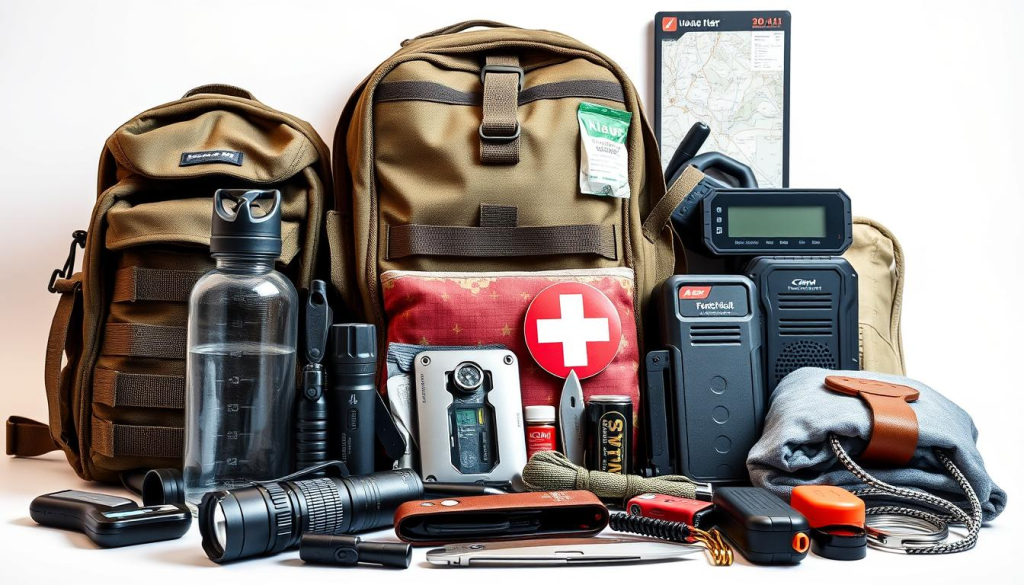
Having access to clean drinking water is paramount. Consider including water purification tablets or a portable filter in your bug out bag. These tools enable you to source water from rivers, lakes, or ponds and make it safe to drink.
- Water purification tablets: Effective against bacteria, viruses, and other contaminants.
- Collapsible water containers: Lightweight and compact, ideal for storing water.
- Water filter systems: Such as LifeStraw, which can filter out particulate and microorganisms.
Food and Nutrition Essentials
Nutrition is critical during emergencies. Pack non-perishable food items that are high in calories and nutrients. Consider the following:
- Energy bars: Compact and long-lasting.
- Dried fruits and nuts: Rich in nutrients and fiber.
- MREs (Meals Ready to Eat): Pre-cooked, ready-to-eat meals that are lightweight.
Don’t forget a manual can opener if you include canned goods.
First Aid Supplies
A first aid kit is a crucial component of any bug out bag. It should include:
- Bandages and band-aids: For wound care.
- Antiseptic wipes: To prevent infection.
- Medical tape: For securing bandages.
- Prescription medications: If you or a family member has specific medical needs.
Regularly check your first aid kit to ensure that all supplies are still usable and not expired.
Choosing the Right Backpack for Your Bug Out Bag
Selecting the ideal backpack for your bug out bag is a crucial decision that can significantly impact your preparedness. The right backpack should be comfortable, durable, and have the right capacity for the essentials.
Size and Capacity Considerations
When it comes to size, a bug out bag should be able to hold enough supplies for at least 72 hours, along with other personal and safety items. The capacity you need will depend on your specific requirements, including the climate you’ll be in and whether you’re preparing for a solo or family evacuation.
A general guideline is to choose a backpack with a capacity between 30 to 40 liters for most scenarios. However, this can vary based on individual needs. It’s essential to strike a balance between having enough space for your gear and not having so much that the bag becomes unmanageable.
Comfort and Durability Features
Comfort is key when selecting a tactical backpack, as you’ll likely be carrying it for extended periods. Look for features like padded shoulder straps, a waist belt to distribute weight, and back padding for added comfort.
Durability is equally important. Your backpack should be made from high-quality, weather-resistant materials that can withstand the rigors of outdoor use. Consider a backpack with reinforced stitching, heavy-duty zippers, and water-resistant fabric.
“A good backpack is an investment in your safety and comfort,” says outdoor expert,
“It’s not just about carrying gear; it’s about being prepared for anything.”
When choosing your bug out bag, consider the following checklist:
- Size and capacity appropriate for your needs
- Comfort features like padded straps and back support
- Durable, weather-resistant materials
- Multiple compartments for organization
- Reinforced stitching and heavy-duty zippers
By focusing on these aspects, you can ensure that your bug out bag is both practical and reliable, making it a valuable asset in any survival situation.
EDC Tools You Should Always Carry
Everyday Carry (EDC) tools are designed to be compact, versatile, and ready for use at a moment’s notice, making them indispensable for daily life. These tools not only help in managing everyday tasks more efficiently but also play a crucial role in emergency preparedness.
Multi-tools and Survival Gear
Multi-tools are a cornerstone of any EDC kit. They typically include a variety of functions such as knives, pliers, screwdrivers, and bottle openers, all compactly integrated into a single device. This versatility makes them invaluable for a wide range of tasks, from simple household repairs to complex survival situations. When selecting a multi-tool, consider one that offers a balance between functionality and portability.
Survival gear is another critical component of EDC. This can include items like paracord, which can be used for creating shelter or securing items, and fire starters, which are essential for warmth, cooking, and signaling. Including these items in your EDC can significantly enhance your ability to respond to emergencies.
Portable Fire Starters
Portable fire starters are a crucial EDC item. They come in various forms, including lighters, matches, and ferrocerium rods. A ferrocerium rod, for instance, is a highly reliable fire starter that generates sparks when scraped with a knife or metal edge. It’s durable, waterproof, and can be used in harsh weather conditions, making it an excellent choice for EDC.
When choosing a fire starter, consider its reliability, ease of use, and durability. It’s also worth considering redundancy – carrying more than one type of fire starter can ensure you’re prepared if one fails.
Handy Gadgets for Everyday Use
Beyond survival and emergency preparedness, EDC tools also include handy gadgets that make everyday life more convenient. Examples include pocket knives for cutting various materials, flashlights for illumination, and portable chargers for keeping your electronic devices powered.
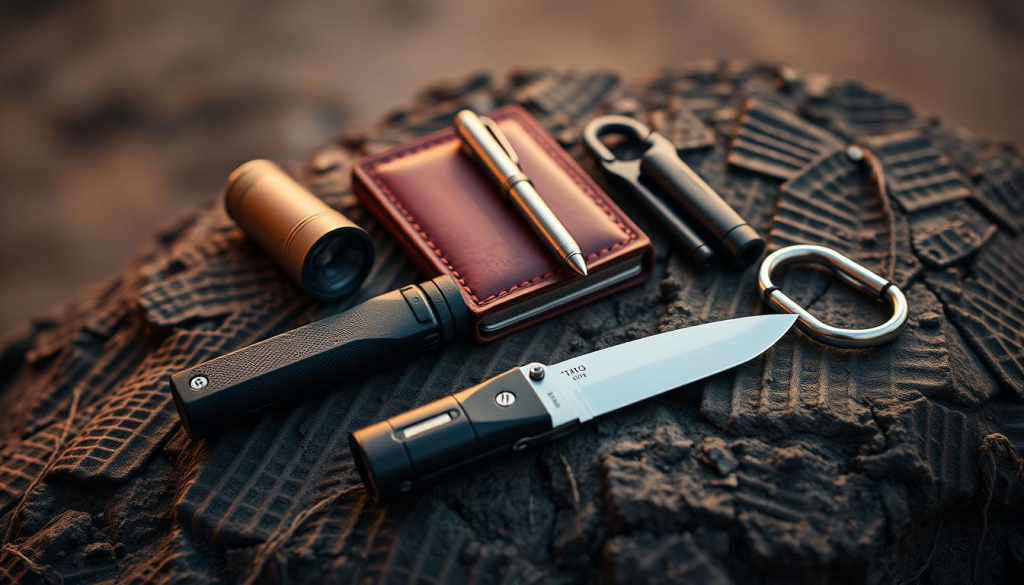
These gadgets can simplify tasks, save time, and even provide a sense of security. For instance, a pocket knife can be used for a variety of tasks from cutting rope to opening packages, while a flashlight can provide light during a power outage or when navigating in the dark.
In conclusion, EDC tools are essential for both everyday convenience and emergency preparedness. By carefully selecting multi-tools, survival gear, portable fire starters, and handy gadgets, you can enhance your ability to handle a wide range of situations effectively.
The Importance of Planning and Strategy
Effective emergency preparedness hinges on thorough planning and strategy. It’s not just about having the right gear, such as a well-stocked bug out bag checklist or survival kit essentials, but also about knowing how to use them effectively in various scenarios.
As emphasized by emergency preparedness experts, “A plan without strategy is like a bag without essentials – it’s unprepared for the challenges ahead.” This underscores the importance of having a comprehensive plan in place.
Assessing Risks and Threats
The first step in creating a robust emergency preparedness plan is to assess potential risks and threats. This involves identifying possible emergency scenarios, such as natural disasters, power outages, or other crises, and understanding their potential impact.
- Identify potential emergency scenarios relevant to your location and situation.
- Assess the likelihood and potential impact of each scenario.
- Consider the needs of all family members, including pets.
By understanding these risks, you can tailor your emergency preparedness efforts to address the most critical needs.
Creating a Bug Out Plan
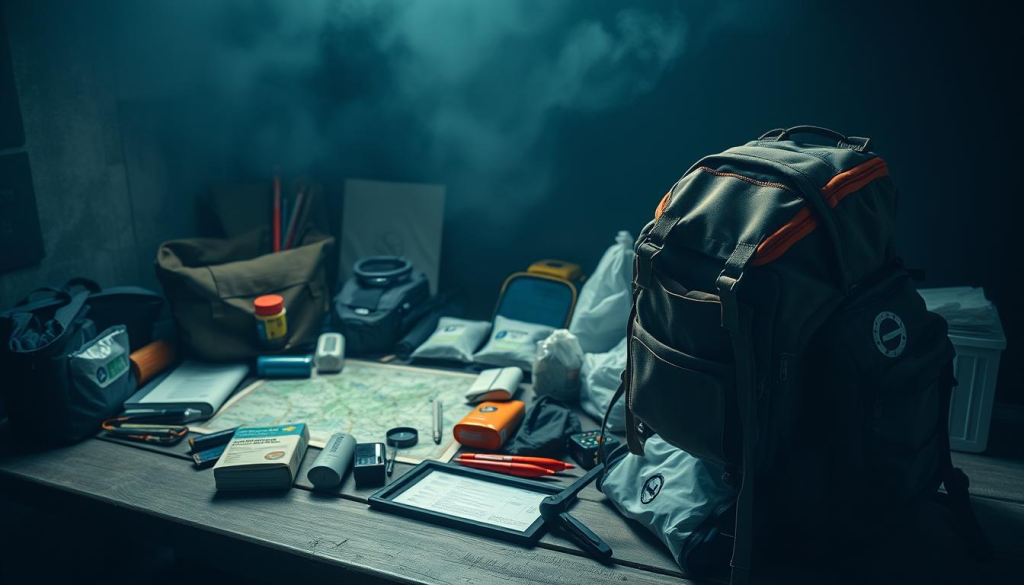
A bug out plan is a crucial component of any emergency preparedness strategy. It outlines the steps you will take to respond to an emergency, including evacuation routes, communication plans, and meeting points.
“A good plan is like a roadmap to safety – it guides you through uncertainty.”
To create an effective bug out plan:
- Determine the safest evacuation routes from your home, workplace, and other frequent locations.
- Establish a communication plan, including contact numbers and meeting points.
- Practice your plan with all family members to ensure everyone knows what to do.
By combining a thorough risk assessment with a well-crafted bug out plan, you can significantly enhance your emergency preparedness and ensure a more effective response to crises.
Customizing Your Bug Out Bag for Specific Situations
A well-prepared bug out bag is not one-size-fits-all; it requires customization based on the scenario. The contents and design of your bug out bag should be influenced by the type of emergency you’re preparing for and your personal or family needs.
Urban vs. Wilderness Survival
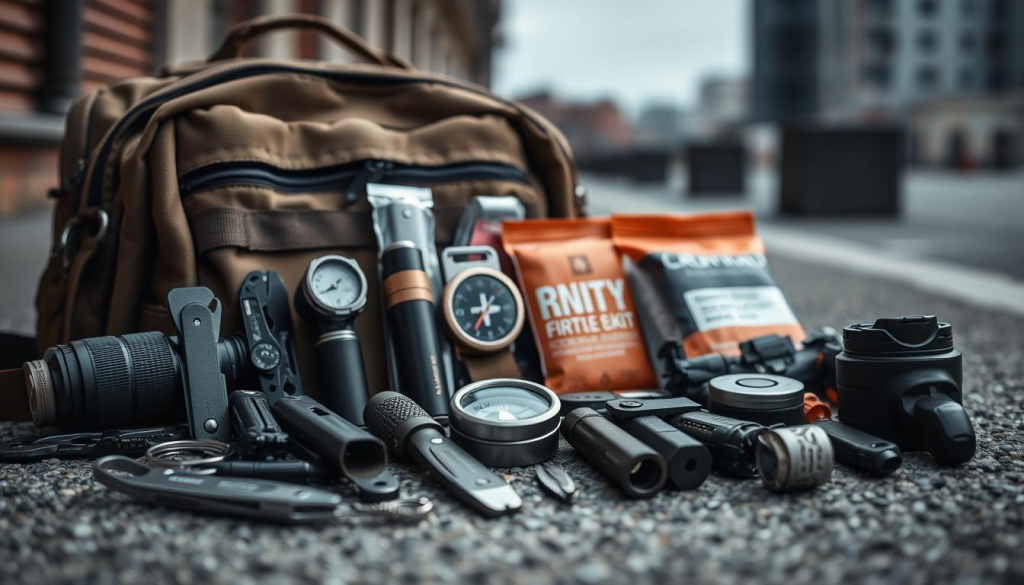
The environment you’re likely to be in during an emergency significantly affects what you should pack in your bug out bag. For urban survival, consider including items like a portable charger for your phone, a dust mask to filter out harmful particles, and a compact first aid kit tailored to urban injuries such as cuts and bruises.
In contrast, a wilderness survival bug out bag should focus on items that help you navigate and survive in nature. This might include a compass, a water filtration system, and emergency shelter materials like a lightweight tent or a tarp.
Family vs. Solo Bug Out Bags
The size and composition of your bug out bag will also depend on whether you’re preparing for yourself or for your family. A solo bug out bag can be more streamlined, focusing on the essentials for one person. However, a family bug out bag needs to consider the needs of multiple individuals, including children and pets, if applicable.
For a family, it’s crucial to include items like diapers, formula, and child-friendly medications. Additionally, having a plan for keeping family members together and communicating if you get separated is vital.
“The will to survive is important, but knowing how to survive is crucial.” – Unknown
When customizing your bug out bag, remember that flexibility and adaptability are key. Your bug out bag should be a dynamic kit that evolves with your needs and the changing environment.
Maintenance Tips for Bug Out Bags
To ensure your bug out bag remains effective, regular maintenance is key. A bug out bag is only as good as the condition it’s in, and neglecting its upkeep can lead to equipment failure when you need it most.
Regular Checks and Updates
Regularly checking your bug out bag is essential to ensure all items are still usable and not expired. This includes checking the expiration dates of food, water, and medical supplies, as well as testing batteries and other equipment to ensure they’re functioning properly.
- Check food and water supplies for expiration or spoilage.
- Test all electronic devices, including flashlights and radios.
- Inspect clothing and gear for wear and tear.
Seasonal Adjustments
Seasonal adjustments to your bug out bag can help ensure you’re prepared for the specific challenges of each time of year. For example, in colder months, you may need to include additional warm clothing and potentially a portable heater, while in hotter months, you may need to focus on hydration and sun protection.
Consider the following seasonal adjustments:
- Incorporate warm layers and hand warmers for cold weather.
- Add sunscreen, a hat, and sunglasses for sun protection.
- Include a portable water filter or purification tablets to ensure access to safe drinking water.
Maintaining your bug out bag is not a one-time task; it’s an ongoing process that requires regular checks and updates to ensure you’re always prepared.
By following these maintenance tips, you can ensure your bug out bag is always ready to go, providing you with the peace of mind that comes from being prepared for any situation.
How to Incorporate EDC into Your Lifestyle
EDC, or Everyday Carry, is more than just a collection of items; it’s a mindset that can be seamlessly integrated into your daily routine. By understanding the importance of EDC and how to effectively incorporate it into your lifestyle, you can enhance your preparedness for a wide range of situations.
Everyday Scenarios for EDC Use
EDC items are designed to be useful in various everyday scenarios, from daily commutes to outdoor activities. For instance, carrying a multi-tool can help you tackle minor repairs or tasks during your daily commute, while a portable fire starter can be invaluable during outdoor adventures.
Some common scenarios where EDC can be particularly useful include:
- Handling minor emergencies, such as cutting a loose thread on your clothing or opening a package.
- Providing assistance to others, like helping someone with a flat tire or providing a band-aid for a minor cut.
- Enhancing your outdoor experiences, such as starting a campfire or navigating through unfamiliar terrain.
Building EDC Habits
To fully incorporate EDC into your lifestyle, it’s essential to build habits around your EDC items. This involves regularly checking and updating your EDC gear to ensure it’s in good condition and still relevant to your needs.
A key part of building EDC habits is to:
- Regularly inspect your EDC items for wear and tear.
- Update your EDC gear as your needs change or as new technologies become available.
- Practice using your EDC items so you’re familiar with their operation.
| EDC Item | Use Case | Maintenance Tip |
|---|---|---|
| Multi-tool | Minor repairs, cutting | Regularly clean and oil the tool |
| Portable Fire Starter | Starting campfires, signaling | Check for moisture damage, replace if necessary |
| First Aid Kit | Treating minor injuries | Regularly check expiration dates of supplies, restock as needed |
By incorporating EDC into your daily life and building habits around your EDC items, you can ensure that you’re always prepared to handle the unexpected. Whether you’re commuting to work or heading out on an outdoor adventure, your EDC gear can provide peace of mind and help you navigate a wide range of situations.
Budgeting for Bug Out Bags and EDC
Effective preparedness requires a thoughtful approach to budgeting for bug out bags and EDC. It’s not just about buying gear; it’s about making informed decisions that balance cost with quality.
Cost-effective Options
When it comes to assembling a bug out bag or EDC, there are several cost-effective strategies to consider. First, prioritize multi-use items that can serve more than one purpose, reducing the overall number of items you need to purchase.
- Look for sales and discounts on essential gear.
- Consider buying second-hand or refurbished items when possible.
- Invest in versatile tools that can be used in multiple scenarios.
For instance, a multi-tool can replace several single-purpose tools, saving money and space in your bug out bag or EDC. Water purification tablets are another cost-effective option, allowing you to source water from various environments without having to carry large quantities.
Investing in Quality Gear
While cost-effectiveness is important, investing in quality gear is equally crucial. High-quality emergency gear and survival kit essentials may have a higher upfront cost but can provide long-term savings and reliability.
Consider the durability and performance of gear when making purchasing decisions. For example, a high-quality backpack for your bug out bag may cost more initially but can last for years, making it a more cost-effective choice in the long run.
| Gear | Cost-effective Option | Quality Investment |
|---|---|---|
| Multi-tool | Basic multi-tool ($20) | High-end multi-tool ($50) |
| Water Bottle | Basic water bottle ($10) | Collapsible, BPA-free water bottle ($25) |
| First Aid Kit | Basic first aid kit ($30) | Comprehensive, portable first aid kit ($60) |
By balancing cost-effective options with investments in quality gear, you can create a well-rounded bug out bag and EDC that meets your needs without overspending.
Training and Skills for Effective Bug Out Preparation
Surviving in the face of disaster requires not only a well-stocked bug out bag but also the skills to utilize it effectively. The importance of training and skills in emergency preparedness cannot be overstated.
Wilderness Survival Training
Wilderness survival training is a critical component of bug out preparation. It equips individuals with the knowledge to navigate, find shelter, and procure food in the wild. Such training can be the difference between life and death in a survival situation.
Key aspects of wilderness survival training include:
- Navigation techniques using a compass and map
- Building shelters and starting fires
- Finding and purifying water
- Identifying edible plants and hunting small game
According to survival expert Les Stroud, “The will to survive is critical, but it’s equally important to have the skills to back it up.” This underscores the value of investing time in learning wilderness survival skills.
Self-defense Skills
In addition to wilderness survival skills, self-defense training is another crucial aspect of bug out preparation. In a disaster scenario, the rule of law may break down, and individuals may need to protect themselves and their loved ones.
| Self-defense Technique | Description | Benefit |
|---|---|---|
| Basic Hand-to-Hand Combat | Teaches fundamental techniques to defend against an attacker. | Empowers individuals to protect themselves in close quarters. |
| Pepper Spray Use | Training on the effective use of pepper spray as a deterrent. | Provides a non-lethal option for self-defense. |
| Firearm Safety and Use | Instruction on the safe handling and operation of firearms. | Offers a means of defense for those trained and licensed to carry. |
As emphasized by self-defense instructor Rory Miller, “The goal of self-defense is not to win a fight but to survive it.” This mindset is crucial for effective bug out preparation.
In conclusion, training and skills are indispensable for effective bug out preparation. By acquiring wilderness survival training and self-defense skills, individuals can significantly enhance their chances of survival in emergency situations.
Conclusion: Being Prepared for Any Situation
Having a well-stocked bug out bag and a thoughtfully curated EDC kit is crucial for emergency preparedness. These tools provide the means to respond effectively in a variety of situations, from natural disasters to everyday emergencies.
Peace of Mind through Preparation
Investing time and resources into building your bug out bag and EDC kit yields significant returns in terms of peace of mind. Knowing you’re prepared for the unexpected can reduce stress and anxiety, allowing you to navigate daily life with greater confidence.
Starting Your Preparedness Journey
Embracing emergency preparedness is a journey that begins with small, deliberate steps. By focusing on survival kit essentials and integrating EDC into your daily routine, you can develop a robust response to potential emergencies. Start by assessing your needs, building your kit, and practicing your skills – every step counts towards a safer, more resilient you.