
A well-stocked kitchen is the heart of any home, enabling you to prepare delicious meals with ease. Having the right essentials is crucial for efficient meal preparation.
Being organized and prepared in the kitchen saves time and reduces stress. A comprehensive prep list ensures that you have everything you need to cook your favorite dishes.
By having the necessary cookware, utensils, and tools, you can create a variety of meals with confidence. In this article, we will explore the essential items to include in your kitchen prep list.
Key Takeaways
- Understand the importance of a well-stocked kitchen.
- Learn the essential items to include in your kitchen prep list.
- Discover how being organized can save time and reduce stress.
- Explore the necessary cookware, utensils, and tools for meal preparation.
- Create a comprehensive kitchen essentials checklist.
Why a Prep List is Important
The importance of a prep list cannot be overstated, as it transforms kitchen chaos into order. By having a clear plan, you can streamline your cooking process, making it more efficient and enjoyable.
Benefits of Being Organized
Being organized in the kitchen has numerous benefits, including reduced stress and increased productivity. With a prep list, you can ensure that all necessary ingredients are on hand, avoiding last-minute trips to the store.
A well-organized kitchen also allows for better meal planning, enabling you to plan healthy meals in advance and avoid relying on processed or fast food.
Time-Saving Strategies
A prep list is a valuable tool for saving time during meal preparation. By having all ingredients ready and within reach, you can significantly reduce cooking time.
Some effective time-saving strategies include:
- Prepping ingredients in advance, such as chopping vegetables or marinating meats
- Using a one-pot wonder recipe to minimize cleanup
- Preparing meals in bulk to save time during the week
Reducing Waste in the Kitchen
A prep list can also help reduce waste in the kitchen by ensuring that you only buy what you need. By planning your meals and making a corresponding shopping list, you can avoid purchasing excess ingredients that may go to waste.
Additionally, a prep list allows you to keep track of what you already have in your pantry, fridge, and freezer, making it easier to use up ingredients before they expire.
Essential Kitchen Tools
A well-stocked kitchen begins with the basics: quality knives, cutting boards, and cookware. These fundamental tools are crucial for efficient meal preparation and cooking.
Knives and Cutting Boards
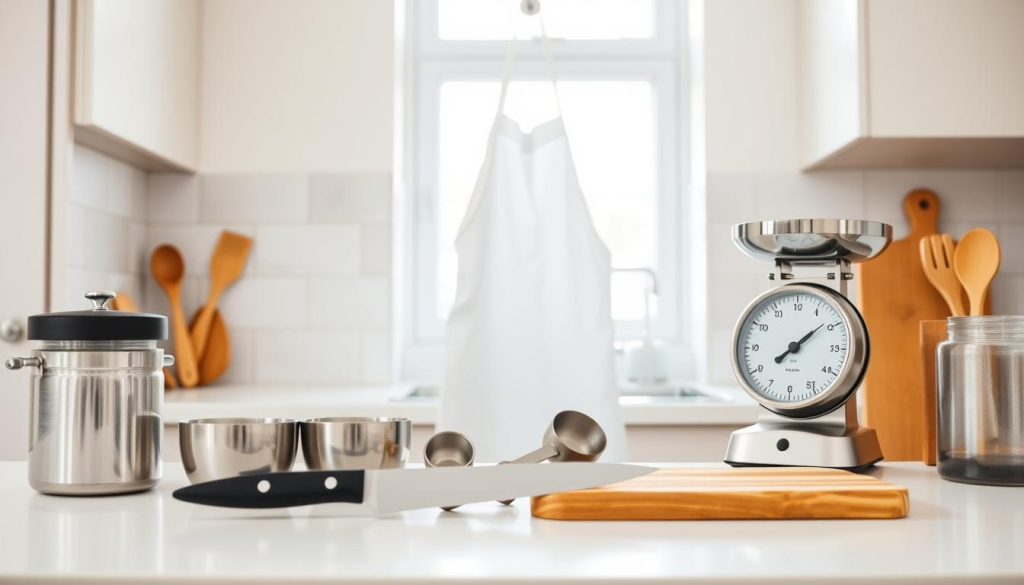
Investing in a good set of knives is essential. A chef’s knife, paring knife, and serrated knife should cover most tasks. High-carbon stainless steel knives are recommended for their durability and resistance to corrosion.
A cutting board is just as important as a good knife. Consider a wooden cutting board for its durability and gentleness on knives. Alternatively, plastic or composite cutting boards are easy to clean and sanitize.
Mixing Bowls and Measuring Cups
Mixing bowls are versatile and essential for any kitchen task, from whipping cream to mixing dough. Stainless steel bowls are durable and non-reactive, making them ideal for various preparations.
Accurate measuring is crucial in cooking. Digital measuring cups and spoons can simplify this task, offering precision and ease of use.
| Tool | Material | Benefits |
|---|---|---|
| Chef’s Knife | High-Carbon Stainless Steel | Durable, Resistant to Corrosion |
| Cutting Board | Wood/Plastic | Gentle on Knives, Easy to Clean |
| Mixing Bowls | Stainless Steel | Non-Reactive, Durable |
Cookware and Bakeware Essentials
A good set of cookware and bakeware is vital for any kitchen. Stainless steel or cast iron pots and pans are recommended for their heat retention and durability.
For baking, consider non-stick baking sheets and durable cake pans. These make food release easy and cleanup a breeze.
By focusing on these essential kitchen tools, you’ll be well on your way to creating a functional and efficient kitchen space.
Pantry Staples to Keep on Hand
A well-stocked pantry is essential for efficient meal prep ideas and can significantly simplify your cooking routine. By keeping a variety of staples on hand, you can reduce food waste and save time in the kitchen, making it easier to implement effective kitchen organization tips.
Canned Goods and Dry Staples
Canned goods such as beans, tomatoes, and tuna are versatile ingredients that can be used in a variety of dishes. Dry staples like rice, pasta, and oats are also essential for creating quick and easy meals. Keeping these items on hand allows you to whip up a meal at a moment’s notice.
Spices and Seasonings
A well-stocked spice rack can elevate your cooking by adding depth and complexity to your dishes. Essential spices and seasonings include salt, pepper, garlic powder, and herbs like basil and oregano. Experimenting with different spice combinations can help you discover new flavors and enhance your meal prep ideas.
Grains and Pastas
Grains and pastas are staples that can be used in a variety of dishes, from hearty casseroles to simple salads. Keeping a selection of whole grains like quinoa and brown rice, along with different types of pasta, can help you create a range of healthy and satisfying meals. Proper storage of these items is a key aspect of kitchen organization tips, ensuring they remain fresh and easily accessible.
By focusing on these pantry staples, you can create a solid foundation for your meal prep and kitchen organization efforts, making it easier to prepare healthy and delicious meals.
Fresh Produce You Should Prep
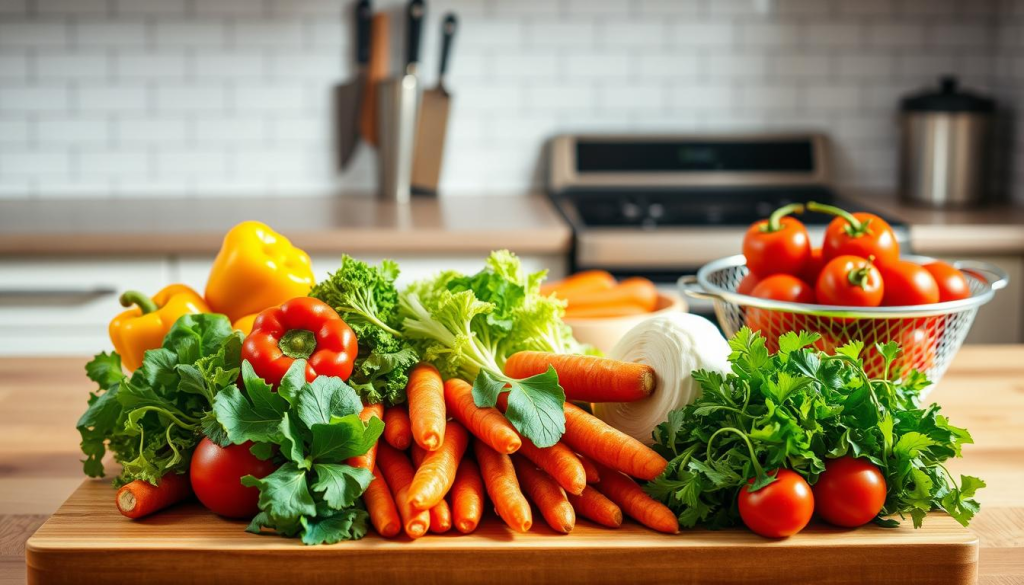
Preparing fresh produce is a crucial step in meal prep that ensures you have healthy ingredients on hand. By focusing on seasonal fruits and vegetables, you can create a variety of dishes while minimizing waste.
Seasonal Fruits and Vegetables
Choosing seasonal produce not only ensures freshness but also supports local farmers and reduces your carbon footprint. Some examples of seasonal produce include:
- Apples and pears in the fall
- Berries and stone fruits in the summer
- Leafy greens and root vegetables in the spring
Prepping seasonal produce involves washing, chopping, and storing it properly to maintain its freshness. For instance, you can roast or sauté vegetables like broccoli and carrots to add to your meals throughout the week.
Freezing for Later Use
Freezing is an excellent way to preserve fresh produce for later use. By blanching vegetables before freezing, you can help retain their color and nutrients. Some tips for freezing include:
- Blanch vegetables like green beans and peas to preserve their texture
- Freeze fruits like berries and sliced bananas for smoothies or desserts
- Use airtight containers or freezer bags to prevent freezer burn
Tips for Proper Storage
Proper storage is key to maintaining the freshness of your prepped produce. Some general tips include:
- Store fruits and vegetables in separate containers to prevent ethylene production from affecting other produce
- Keep your refrigerator at the right temperature (below 40°F) to slow down spoilage
- Use breathable bags or containers to maintain humidity and prevent moisture buildup
By following these tips, you can enjoy your prepped fresh produce for a longer period while maintaining its quality and nutritional value.
Meats and Proteins
To ensure a safe and healthy meal prep experience, it’s essential to understand how to handle meats and proteins properly. This includes selecting high-quality cuts, employing effective marinating and prepping techniques, and following safe storage practices.
Selecting High-Quality Cuts
When it comes to meal prep, choosing the right meats and proteins is crucial. Look for cuts that are fresh, have good color, and are stored at the correct temperature. For poultry, check for any visible signs of damage or contamination.
Tips for Selecting High-Quality Meats:
- Check expiration dates
- Inspect packaging for damage
- Choose products with proper labeling
Marinating and Prepping Techniques
Marinating is a great way to add flavor to your meats and proteins. However, it’s crucial to do so safely. Always marinate in the refrigerator, not at room temperature, to prevent bacterial growth.
“Marinating is not just about flavor; it’s also about tenderizing the meat. Acidic ingredients like vinegar or lemon juice can help break down proteins.”
Some effective marinating techniques include using a zip-top bag or a covered container to prevent cross-contamination.
Safe Storage Practices
Proper storage is key to maintaining the quality and safety of your meats and proteins. Store raw meats in sealed containers at the bottom of the refrigerator to prevent juices from dripping onto other foods.
| Storage Method | Meat/Protein Type | Storage Duration |
|---|---|---|
| Refrigeration | Raw Ground Meats | 1-2 days |
| Freezing | Cooked Meats | 2-3 months |
By following these kitchen organization tips and meal prep ideas, you can ensure that your meats and proteins are handled safely and remain a healthy part of your diet.
Dairy and Alternatives
A kitchen essentials checklist isn’t complete without dairy products and alternatives. Dairy products are a staple in many kitchens, providing essential nutrients and versatility in cooking. Whether you’re a culinary expert or a beginner, understanding the different types of dairy and their alternatives can enhance your meal prep and cooking.
Different Types of Dairy Products
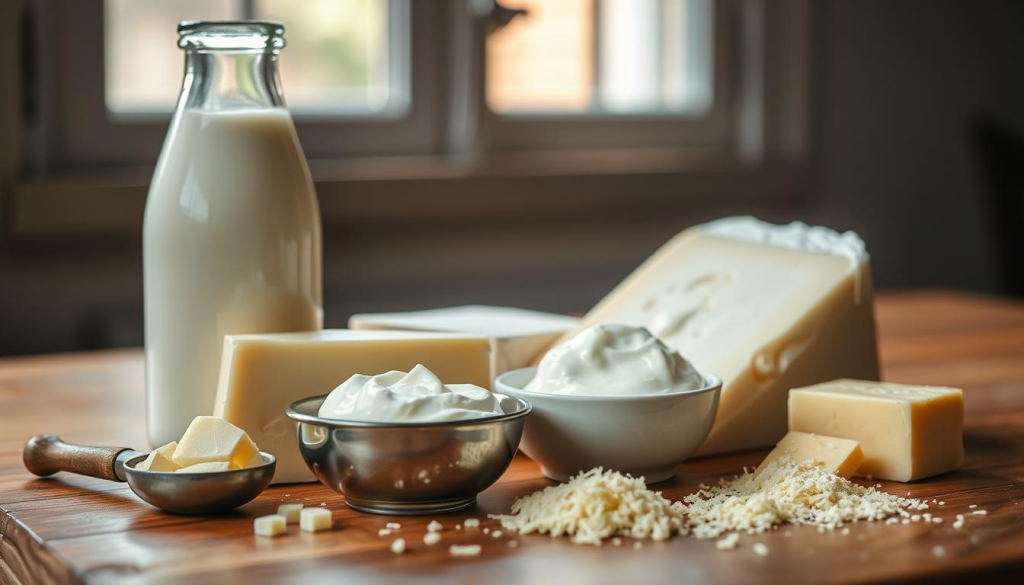
Dairy products come in a variety of forms, each with its unique uses and benefits. Common dairy products include:
- Milk
- Cheese
- Yogurt
- Butter
- Cream
These products can be used in numerous recipes, from savory dishes to sweet desserts. Understanding the different types can help you choose the right product for your cooking needs.
Plant-Based Alternatives
For those who are lactose intolerant, prefer a vegan diet, or simply want to explore new options, plant-based dairy alternatives are a great choice. Common alternatives include:
- Almond milk
- Soy milk
- Coconut yogurt
- Vegan cheese
These alternatives can be used in similar ways to their dairy counterparts, offering flexibility in cooking and meal prep.
How to Properly Store Dairy Items
Proper storage of dairy products is crucial to maintain their freshness and quality. Here are some tips:
| Dairy Product | Storage Tip |
|---|---|
| Milk | Refrigerate at 40°F (4°C) or below |
| Cheese | Wrap tightly and refrigerate; some cheeses can be frozen |
| Yogurt | Refrigerate at 40°F (4°C) or below; check expiration date |
By following these storage tips, you can extend the shelf life of your dairy products and keep them fresh for your cooking needs.
Meal Prep Containers
Having the right meal prep containers is essential for efficient meal preparation and storage. Meal prep containers are not just about storing food; they’re about maintaining the freshness, safety, and overall quality of your meals.
Types of Containers for Prepping
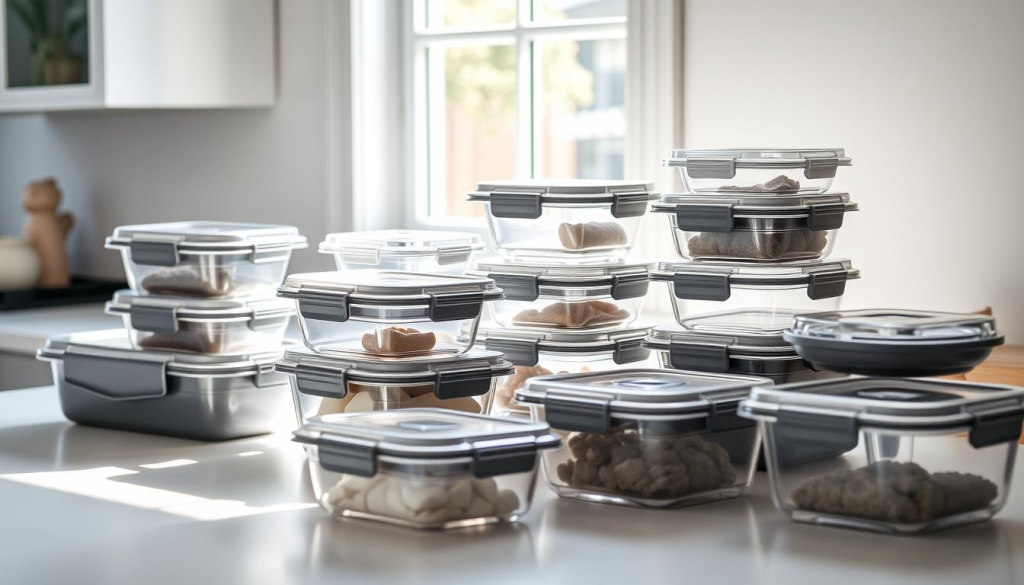
There are various types of meal prep containers available, each with its unique benefits. Some of the most popular include:
- Glass Containers: Non-toxic and durable, glass containers are ideal for storing both hot and cold foods.
- Plastic Containers: Lightweight and often less expensive, plastic containers are a popular choice. However, it’s crucial to choose BPA-free options.
- Stainless Steel Containers: Durable and resistant to corrosion, stainless steel containers are perfect for meal prep, especially for those looking for a non-plastic alternative.
Considerations for Storing Food
When storing food in meal prep containers, several factors should be considered to maintain food quality and safety:
- Airtight seals to prevent leakage and keep food fresh.
- Compartments to separate different foods and prevent cross-contamination.
- Transparency to easily identify contents without opening the container.
Durability and Safety
The durability and safety of meal prep containers are paramount. Containers should be able to withstand various temperatures and be resistant to scratches and cracks. Always check for certifications like BPA-free or dishwasher safe to ensure the containers meet safety standards.
By choosing the right meal prep containers, you can significantly enhance your meal prep ideas and kitchen organization tips, making meal preparation a more efficient and enjoyable process.
Tools for Efficient Meal Prep
Having the correct kitchen gadgets can significantly streamline meal preparation. Efficient meal prep is not just about planning your meals, but also about having the right tools to prepare and cook your food.
Investing in high-quality kitchen tools can make a significant difference in your meal prep experience. According to various sources, including cooking experts and kitchen supply companies, some essential tools stand out for their utility and efficiency.
Food Processors and Blenders
Food processors and blenders are indispensable for many kitchen tasks. They can chop, slice, puree, and mix ingredients with ease, saving time and effort. A good food processor can handle tough ingredients like tough vegetables and nuts, while a blender is perfect for soups, sauces, and smoothies.
Key Features to Consider:
- Power and speed options
- Capacity and size
- Ease of cleaning and maintenance
Mandolins and Graters
Mandolins and graters are crucial for preparing vegetables and other ingredients. A mandolin can slice ingredients thinly and uniformly, while a grater can shred or grate cheese, vegetables, and ginger.
Benefits:
- Uniformity in slicing and grating
- Time-saving
- Versatility in preparation
Slow Cookers and Instant Pots
Slow cookers and Instant Pots have revolutionized meal prep by allowing for hands-off cooking. A slow cooker can simmer food over several hours, perfect for stews and braises, while an Instant Pot can pressure cook, slow cook, and even make rice and yogurt.
| Appliance | Primary Functions | Benefits |
|---|---|---|
| Slow Cooker | Simmering, braising | Hands-off cooking, tender results |
| Instant Pot | Pressure cooking, slow cooking, rice cooking | Multi-functional, time-saving, versatile |
By incorporating these tools into your kitchen, you can significantly enhance your meal prep efficiency. Whether you’re chopping, cooking, or cooking in bulk, the right tools make all the difference.
Specialty Ingredients to Consider
To take your cooking to the next level, consider incorporating specialty ingredients into your recipes. These unique elements can add depth, complexity, and excitement to your meals, making meal prep more enjoyable and varied.
Ethnic Flavors and Ingredients
Exploring ethnic flavors and ingredients is a great way to introduce new tastes into your cooking. Ingredients like Korean chili flakes, Indian curry powder, or Mexican cumin can add a distinctive twist to your dishes. These flavors not only enhance the taste but also provide an opportunity to explore different culinary traditions.
Gourmet Oils and Vinegars
Gourmet oils and vinegars are another category of specialty ingredients that can elevate your cooking. Oils like truffle oil or avocado oil bring unique flavors, while vinegars such as balsamic or apple cider vinegar add a tangy dimension to salads and marinades. Using these ingredients can significantly improve the flavor profile of your dishes.
Unique Spices to Elevate Meals
Incorporating unique spices is a simple yet effective way to enhance your meals. Spices like smoked paprika, sumac, or ras el hanout can add a new layer of flavor to your cooking. These spices not only make your dishes more interesting but also provide a chance to experiment with new recipes and meal prep ideas.
| Ingredient | Usage | Flavor Profile |
|---|---|---|
| Korean Chili Flakes | Add to soups or stir-fries | Spicy, smoky |
| Truffle Oil | Drizzle over pasta or salads | Earthy, umami |
| Smoked Paprika | Use in marinades or as a seasoning | Smoky, slightly sweet |
By incorporating these specialty ingredients into your cooking, you can not only enhance the flavor of your meals but also improve your kitchen organization tips by having a well-stocked pantry with a variety of ingredients.
Keeping a Clean Kitchen
Keeping your kitchen clean is essential for both hygiene and efficiency. A clean kitchen not only makes cooking more enjoyable but also reduces the risk of contamination and makes meal prep more streamlined.
Importance of Cleanliness
Maintaining cleanliness in the kitchen is crucial for health and safety reasons. A clean environment prevents the spread of bacteria and other pathogens that can cause foodborne illnesses. Moreover, a tidy kitchen helps in organizing your cooking process, making it more efficient.
Regular cleaning also extends the lifespan of your kitchen appliances and utensils, saving you money in the long run.
Basic Cleaning Supplies
To maintain a clean kitchen, you’ll need some basic cleaning supplies. These include:
- Multi-surface cleaners
- Disinfectants
- Scouring pads
- Microfiber cloths
- A mop and bucket for floor cleaning
Having these supplies on hand makes it easier to tackle messes as they happen, preventing grime buildup.
Daily and Weekly Cleaning Routines
Establishing a cleaning routine is key to maintaining a clean kitchen. Daily routines might include wiping down countertops and sinks after dinner, while weekly routines could involve deeper cleaning tasks like oven maintenance and fridge organization.
A structured cleaning schedule not only keeps your kitchen clean but also reduces the effort required to maintain it. By dedicating a few minutes each day and a bit more time on the weekends, you can keep your kitchen in top condition.
Tips for Personalizing Your Prep List
The effectiveness of your meal prep hinges on how well you personalize your prep list. By tailoring your list to your dietary needs, involving your family, and exploring new recipes, you can make meal preparation more efficient and enjoyable.
Adapting to Dietary Preferences
Adapting your prep list to your dietary preferences is crucial. Whether you’re following a vegan, gluten-free, or keto diet, your prep list should reflect your nutritional goals. Start by identifying the staples that fit your diet and then adjust your shopping list accordingly. For instance, if you’re vegan, you’ll want to stock up on plant-based proteins like beans, lentils, and tofu.
Family Involvement in Meal Prep
Involving your family in meal prep can make the process more enjoyable and ensure that everyone’s preferences are considered. Assign tasks to each family member based on their age and ability. For example, children can help with simple tasks like washing vegetables or mixing ingredients. This not only teaches them about cooking but also makes meal prep a fun, collaborative effort.
Exploring New Recipes
Exploring new recipes is a great way to keep meal prep interesting. Look for inspiration online or in cookbooks, and try out new cuisines or cooking techniques. You can also experiment with different ingredients to create unique dishes. This approach not only keeps meal prep exciting but also helps you discover new favorite recipes.
By following these tips, you can create a personalized prep list that makes meal preparation a breeze. Remember, the key to successful meal prep is flexibility and creativity.
Conclusion: Building Your Perfect Prep List
Creating a prep list for your kitchen is a journey that starts with the basics and gradually builds up to a comprehensive kitchen essentials checklist. By understanding the importance of being organized, having the right tools, and stocking up on pantry staples, you’ll be well on your way to efficient meal prep.
Practical Steps to Get Started
Begin by assessing your kitchen’s current state and identifying the gaps in your prep list. Start with essential kitchen tools, pantry staples, and fresh produce. As you become more comfortable, you can expand your list to include specialty ingredients and advanced meal prep techniques.
Resources for Further Learning
For those looking to dive deeper, there are numerous resources available online, including recipe blogs, cooking classes, and kitchen supply stores. Brands like KitchenAid and Le Creuset offer a range of products and recipe ideas to enhance your kitchen experience.
By following these steps and continually refining your prep list, you’ll be able to create a kitchen essentials checklist that suits your needs and cooking style, making meal prep a breeze.