
Having a bug out bag ready is crucial for emergency preparedness. A critical component of such a bag is water, necessary for hydration, hygiene, and potentially cooking.
In emergency situations, access to clean water is vital. This is where emergency water storage and water purification tablets play a significant role. They ensure that you have a reliable means of having safe drinking water.
Key Takeaways
- Importance of having a bug out bag ready for emergencies.
- Water is a critical component for survival.
- Emergency water storage solutions are essential.
- Water purification tablets can ensure safe drinking water.
- A well-prepared bug out bag includes water essentials.
Understanding the Importance of Water in a Bug Out Bag
The importance of water in a bug out bag cannot be overstated, as it directly impacts survival chances. Water is essential for hydration, hygiene, and even cooling down in hot environments. Without an adequate supply, the risk of dehydration increases significantly, potentially leading to serious health issues.
Why Water is Critical for Survival
Water is critical for survival because it is involved in nearly every bodily function. Dehydration can set in quickly, impairing physical performance and judgment. In survival situations, staying hydrated is crucial for maintaining energy levels and making rational decisions. Moreover, water is necessary for maintaining personal hygiene, which can prevent the spread of diseases.
How Much Water Should You Pack?
The general recommendation is to store at least one gallon of water per person per day for drinking, cooking, and hygiene. However, this amount can vary based on climate, activity level, and individual needs. For instance, in hot climates or during intense physical activity, the body loses more water through sweat, necessitating a higher intake.
| Climate | Activity Level | Recommended Water Intake |
|---|---|---|
| Temperate | Low | 1 gallon per person per day |
| Hot | Moderate | 1.5 gallons per person per day |
| Extreme Heat | High | 2 gallons or more per person per day |
When planning your bug out bag, it’s essential to consider these factors and pack accordingly. Using appropriate water storage containers that are durable, leak-proof, and easy to carry is vital. Options include water bottles, hydration bladders, and collapsible water containers, each with its own advantages.
Essential Types of Water Containers
In a survival situation, the containers you use to store and carry water can make all the difference. The right water container can ensure you stay hydrated, reduce waste, and make the most of the space in your bug out bag.
Water Bottles: Size and Material Matters
Water bottles are a staple in any bug out bag. They come in various sizes and materials, such as plastic, stainless steel, and BPA-free containers. Stainless steel bottles are durable and can keep water cool for hours, but they can be heavier. On the other hand, BPA-free plastic bottles are lighter but may not be as durable.
When choosing a water bottle, consider the size and material. A larger bottle may hold more water but can be cumbersome in a bug out situation. A good rule of thumb is to choose a bottle that balances capacity with portability.
Hydration Bladders for Easy Access
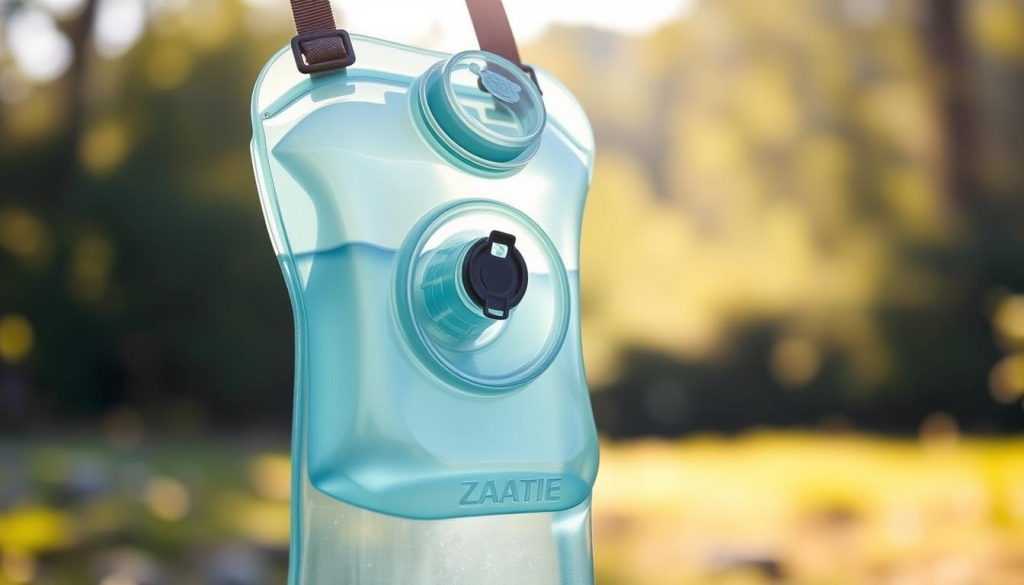
Hydration bladders, also known as hydration reservoirs, offer a convenient way to carry and drink water. They are designed to fit inside a backpack, allowing for easy access to water through a tube. This can be particularly useful during long hikes or when you’re on the move.
Hydration bladders are available in various sizes, from 1.5 liters to 3 liters or more. Some models come with additional features like insulation to keep water cool and quick-connect fittings for easy attachment to a hydration pack.
Collapsible Water Containers for Versatility
Collapsible water containers are a versatile option for bug out bags. They are made from flexible materials that can be collapsed when not in use, saving space in your bag. These containers are ideal for storing water when you’re not drinking it, and they can be easily expanded when you need to refill.
| Container Type | Material | Capacity | Weight |
|---|---|---|---|
| Water Bottle | Stainless Steel | 1L | 300g |
| Hydration Bladder | BPA-Free Plastic | 2L | 200g |
| Collapsible Container | Silicone | 3L | 150g |
Each type of water container has its advantages and disadvantages. By understanding these differences, you can make an informed decision about which containers to include in your bug out bag.
Water Purification Methods to Include
Having a reliable means of purifying water is essential for survival in emergency situations. When you’re on the move, having access to safe drinking water can be a significant challenge. This section will explore the various methods you can use to purify water, making it safe to drink.
Portable Water Filters for Immediate Use
Portable water filters are a popular choice for purifying water in the field. These filters work by passing water through a membrane or other filtering medium, removing bacteria, viruses, and other contaminants. One of the key benefits of portable water filters is their ability to provide immediate access to safe drinking water.
Key Features to Consider:
- Filter pore size: Look for filters with a pore size of 0.2 microns or smaller to effectively remove bacteria and viruses.
- Flow rate: Consider the flow rate of the filter, especially if you’re planning to use it for a group.
- Maintenance: Understand the maintenance requirements of the filter, including how to clean and replace the filter elements.
As noted by survival expert, “A good water filter can be a lifesaver in a survival situation.” This highlights the importance of having a reliable means of purifying water.
“The best way to ensure you have safe drinking water is to have a multi-faceted approach to water purification, including filters, tablets, and boiling.”
Water Purification Tablets: A Compact Solution
Water purification tablets are another effective method for purifying water. These tablets typically contain disinfectants like chlorine or iodine, which kill bacteria and viruses. They are lightweight, easy to use, and don’t require any special equipment.
| Method | Effectiveness | Ease of Use |
|---|---|---|
| Water Purification Tablets | High | Easy |
| Portable Water Filters | High | Moderate |
| Boiling | Very High | Moderate |
Boiling Water: The Old-Fashioned Method
Boiling water is one of the simplest and most effective methods of purifying water. Bringing water to a rolling boil for 1-3 minutes can kill most bacteria, viruses, and other pathogens. While it requires a heat source, boiling is a reliable method that doesn’t require any special equipment.
In conclusion, having multiple methods for purifying water is crucial for any bug out bag. Whether you choose portable filters, purification tablets, or boiling, the key is to have a reliable means of accessing safe drinking water.
Efficient Water Storage Techniques
In the realm of emergency preparedness, water storage techniques play a vital role in sustaining life. Having a reliable method for storing water is crucial for ensuring that you have access to clean drinking water during emergencies or when venturing into the wilderness.
Tips for Preventing Contamination
Preventing contamination is paramount when storing water for emergency use. Use food-grade water containers that are designed for long-term storage. It’s also essential to keep your water containers away from direct sunlight and heat sources, as these can cause the water to become contaminated or degrade the container material.
Regularly inspecting your water storage containers for signs of damage or wear is crucial. Any container showing signs of deterioration should be replaced immediately to prevent leakage or contamination.
How to Maximize Space in Your Bug Out Bag
Maximizing space in your bug out bag requires careful planning and the right equipment. Collapsible water containers are an excellent option as they can be filled when needed and collapsed when empty, saving valuable space.
Another strategy is to use hydration bladders that can be easily stowed away when not in use. These bladders are designed to be compact and can be a convenient way to carry water without taking up too much space in your bag.
When packing your bug out bag, consider the layout and prioritize accessibility. Store your water containers in an easily accessible location so you can quickly retrieve them when needed.
Hydration Packs: A Great Addition
When it comes to bug out bags, one of the most practical items to include is a hydration pack. Hydration packs have revolutionized the way we carry and access water, making them an indispensable tool for survival situations.
A hydration pack is designed to provide easy access to water, allowing you to drink on the go without having to stop and retrieve a water bottle. This convenience is particularly valuable in survival scenarios where mobility and quick access to resources are crucial.
Benefits of Using a Hydration Pack
The benefits of using a hydration pack are numerous. Firstly, they allow for hands-free hydration, which is a significant advantage when navigating challenging terrain or handling other essential gear. Additionally, hydration packs help to distribute the weight of water more evenly across your back, potentially reducing fatigue.
Key benefits include:
- Easy access to water
- Hands-free operation
- Even weight distribution
- Increased hydration due to convenience
Top Hydration Packs for Bug Out Bags
When selecting a hydration pack for your bug out bag, there are several factors to consider, including capacity, durability, and additional features such as storage compartments.
| Hydration Pack Model | Capacity (Liters) | Weight (oz) | Notable Features |
|---|---|---|---|
| CamelBak M.U.L.E. Pro | 3 | 22 | Multi-use design, durable construction |
| Geistretch Hydration Pack | 3 | 20 | Stretchy mesh storage, adjustable torso |
| Platypus Epic Hydration Pack | 3 | 18 | High-capacity reservoir, ergonomic design |
Each of these models offers unique features that can enhance your bug out bag’s functionality. When choosing a hydration pack, consider your specific needs and preferences to ensure you select the most appropriate model.
Staying Hydrated: Calculating Your Needs
The key to staying hydrated during an emergency lies in accurately calculating your water requirements. This involves understanding your daily water intake needs and adjusting them according to different environmental conditions.
Daily Water Intake Recommendations
The general recommendation for daily water intake varies, but a common guideline is to consume at least one gallon of water per person per day for drinking, cooking, and hygiene. However, this can vary based on individual factors such as age, sex, weight, and activity level.
For instance, an individual engaging in strenuous physical activity may require more water compared to someone who is less active. It’s essential to consider these factors when packing water for your bug out bag.
| Activity Level | Daily Water Intake |
|---|---|
| Sedentary | 1 gallon |
| Moderate | 1.5 gallons |
| Strenuous | 2 gallons or more |
Adjusting Water Needs for Different Environments
Environmental conditions such as temperature, humidity, and altitude can significantly impact your water needs. For example, in hot and humid climates, you may need more water to stay hydrated due to increased fluid loss through sweating.
Climate Considerations:
- In hot climates, increase your water intake by at least 25%.
- In high-altitude areas, your body may require more water due to lower air pressure and humidity.
- In dry environments, it’s crucial to drink water regularly to avoid dehydration.
By understanding and adjusting your water intake according to your environment and activity level, you can ensure you stay hydrated during a bug out situation. This not only improves your chances of survival but also enhances your overall well-being.
Long-Term Water Solutions
A well-planned long-term water strategy is the backbone of any effective survival strategy. When emergencies stretch beyond the initial days, having a reliable means of accessing clean water becomes paramount.
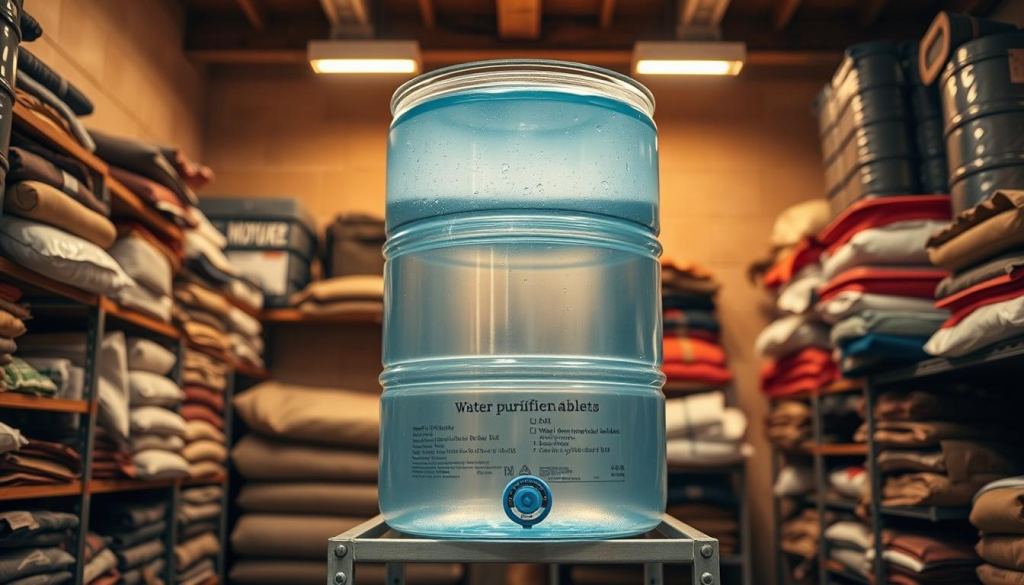
One of the most effective long-term water solutions is setting up a rainwater collection system. This method not only provides a sustainable source of water but also reduces reliance on potentially contaminated water sources. To implement a rainwater collection system, you’ll need a few key components: a collection surface, gutters, downspouts, and storage containers.
Setting Up a Rainwater Collection System
When setting up a rainwater collection system, it’s crucial to ensure that all components are clean and free from contaminants. The collection surface should be made of a material that doesn’t leach chemicals into the water, such as metal or specially designed rainwater collection surfaces. Gutters and downspouts should be properly sized to handle the rainfall in your area, and storage containers should be large enough to hold a significant amount of water.
Key Considerations for Rainwater Collection:
- Ensure the collection surface is clean and free of contaminants.
- Use gutters and downspouts that are appropriately sized.
- Select storage containers that are durable and suitable for water storage.
Finding Water Sources in the Wild
In addition to rainwater collection, knowing how to identify and utilize natural water sources is a vital skill for long-term survival. This includes understanding where to find water, how to purify it, and how to store it safely. Natural water sources can include rivers, streams, ponds, and even dew or rainwater.
Tips for Finding Water in the Wild:
- Look for areas with lush vegetation, as these often indicate the presence of water.
- Search for water sources in low-lying areas, as water naturally flows downhill.
- Be aware of the signs of water, such as animal tracks or bird flight patterns.
By combining a rainwater collection system with the knowledge of how to find and purify natural water sources, you can ensure a robust long-term water solution for survival.
Ready-to-Drink Options for Your Bag
Ready-to-drink options are a vital component of any bug out bag, providing immediate hydration when it’s needed most.
These options not only offer convenience but also play a critical role in maintaining the health and energy levels of individuals during emergency situations.
Electrolyte Drinks for Enhanced Hydration
Electrolyte drinks are an excellent addition to any bug out bag, as they help replenish essential minerals lost during physical exertion or due to environmental conditions.
Benefits of Electrolyte Drinks:
- Replenish lost electrolytes
- Enhance hydration
- Support physical performance
Popular brands include Nuun and GU Energy, known for their effective electrolyte replenishment formulas.
Emergency Water Pouches: Are They Worth It?
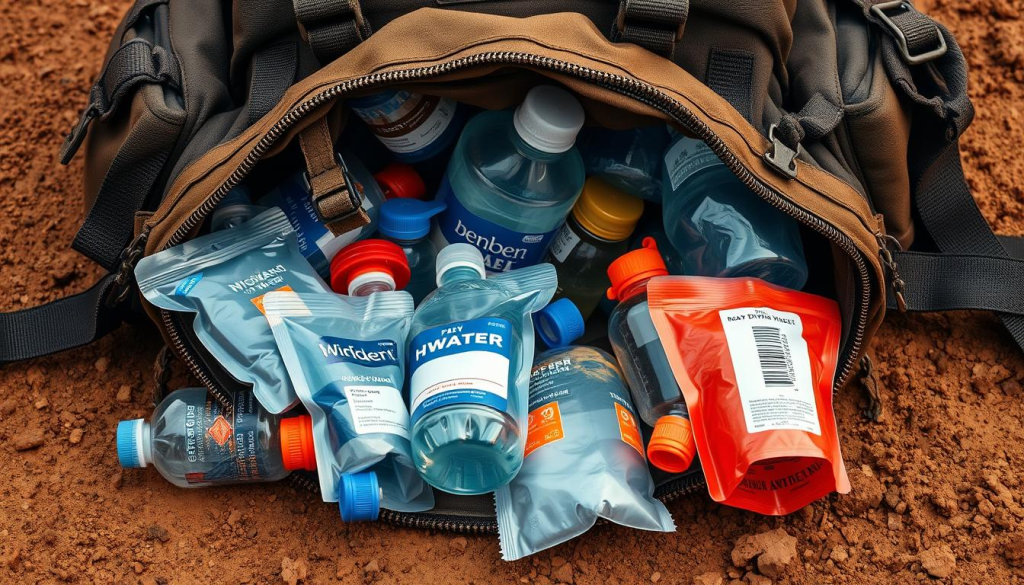
Emergency water pouches are another ready-to-drink option that can be included in a bug out bag.
These pouches contain water that is sterilized and packaged in a compact, durable format.
“Emergency water pouches offer a reliable source of clean drinking water, making them a valuable asset in survival situations.”
A comparison of different emergency water pouches is provided in the table below:
| Brand | Shelf Life | Volume |
|---|---|---|
| WaterPouch | Up to 5 years | 1 Liter |
| EmergencyWater | Up to 3 years | 0.5 Liters |
Maintenance of Water Gear
Proper maintenance of your water gear is crucial for ensuring it remains functional and safe to use during emergencies. Your water storage containers, portable water filters, and other survival water treatment equipment are vital for your survival. Thus, understanding how to maintain them is key.
Cleaning Your Water Containers Properly
Cleaning your water containers regularly is essential to prevent bacterial growth and contamination. Use mild soap and warm water to clean the containers. For tougher contaminants, a solution of 1 part bleach to 10 parts water can be effective. Ensure thorough rinsing after cleaning to remove any soap or bleach residue.
For containers with complex designs, like hydration bladders, pay special attention to the tube and valve areas where bacteria can accumulate. Use a specialized cleaning kit if available, and dry the container thoroughly before storage.
Regular Checks: Ensuring Equipment Readiness
Regular checks on your water gear are vital to ensure it’s ready for use. Inspect your portable water filter for any signs of wear or damage. Check the filter’s lifespan and replace it according to the manufacturer’s instructions.
For water purification tablets or other chemical treatments, check their expiration dates and replace them as needed. It’s also a good practice to test your water purification method periodically to ensure it’s working effectively.
| Equipment | Checklist | Frequency |
|---|---|---|
| Water Containers | Inspect for damage, clean thoroughly | After each use |
| Portable Water Filter | Check for wear, filter lifespan | Monthly |
| Water Purification Tablets | Check expiration dates | Quarterly |
As emphasized by survival experts, “Regular maintenance of your water gear can be the difference between having safe drinking water and facing dehydration in critical situations.” Maintaining your water gear is not just about ensuring its longevity but also about guaranteeing your survival when it matters most.
Final Thoughts on Water Preparedness
As we’ve explored throughout this article, having the right bug out bag water essentials is crucial for survival in emergency situations. A well-planned water storage system, including emergency water storage solutions and long term water storage methods, can make all the difference.
Creating a Comprehensive Water Plan
To ensure you’re adequately prepared, develop a water plan that includes calculating your daily water needs, selecting the right water containers, and incorporating effective water purification methods. Consider the environment you’ll be in and adjust your plan accordingly.
Staying Informed and Prepared
Staying informed about the best practices for bug out bag water and emergency preparedness is key to survival. Regularly check and update your water gear, and stay up-to-date with the latest information on water purification and storage techniques. By doing so, you’ll be better equipped to handle any situation that arises.