
In emergency situations, having a well-stocked bug out bag can be a lifesaver. A bug out bag is a short-term survival kit that includes essential supplies to help individuals survive and thrive.
These emergency survival essentials typically include water, non-perishable food, first aid kits, and communication devices. Having these must-have items readily available can make a significant difference in the face of disasters or emergencies.
Key Takeaways
- Water and non-perishable food are crucial for survival.
- A first aid kit is essential for treating injuries.
- Communication devices help stay informed and connected.
- A bug out bag should be easily accessible and portable.
- Regularly check and update your bug out bag supplies.
Understanding the Concept of a Bug Out Bag
The concept of a bug out bag revolves around being prepared for unexpected emergencies or disasters that may require immediate evacuation. A bug out bag is a portable emergency kit that should be easily accessible and contain essential supplies to help individuals survive for at least 72 hours.
What is a Bug Out Bag?
A bug out bag, also known as a 72-hour kit, is a collection of vital items that can help you navigate through a crisis situation. It is designed to be lightweight and compact, making it easy to carry. The bag should be packed with essential bug out bag supplies that cater to your basic needs, such as water, food, first aid, and shelter.
Why You Need One
Having a bug out bag is crucial in emergency situations where you may need to evacuate quickly. It ensures that you have the necessary items to survive and potentially escape danger. A well-prepared bug out bag can be the difference between life and death. It’s also a good idea to customize your bag according to your specific needs, including tactical gear for bug out bags if necessary.
General Guidelines for Packing
When packing your bug out bag, it’s essential to follow a bug out bag checklist to ensure you don’t miss critical items. Here are some general guidelines:
- Choose a bag that is comfortable and durable.
- Pack essential items such as water, non-perishable food, and a first aid kit.
- Include a means of communication, such as a cell phone and a whistle.
- Consider the climate and region you live in and pack accordingly.
| Category | Essential Items |
|---|---|
| Water and Food | Water purification tablets, non-perishable food |
| First Aid | Bandages, antiseptic wipes, pain relievers |
| Shelter and Warmth | Emergency blanket, tent, sleeping bag |
By understanding the concept of a bug out bag and following these guidelines, you can create a personalized emergency kit that includes the best bug out bag supplies tailored to your needs.
Essential Bug Out Bag Supplies for Survival
A well-prepared bug out bag is equipped with essential supplies that can significantly enhance survival chances during emergencies. These supplies are crucial for addressing basic needs such as hydration, nutrition, health, and safety.
Water and Water Purification
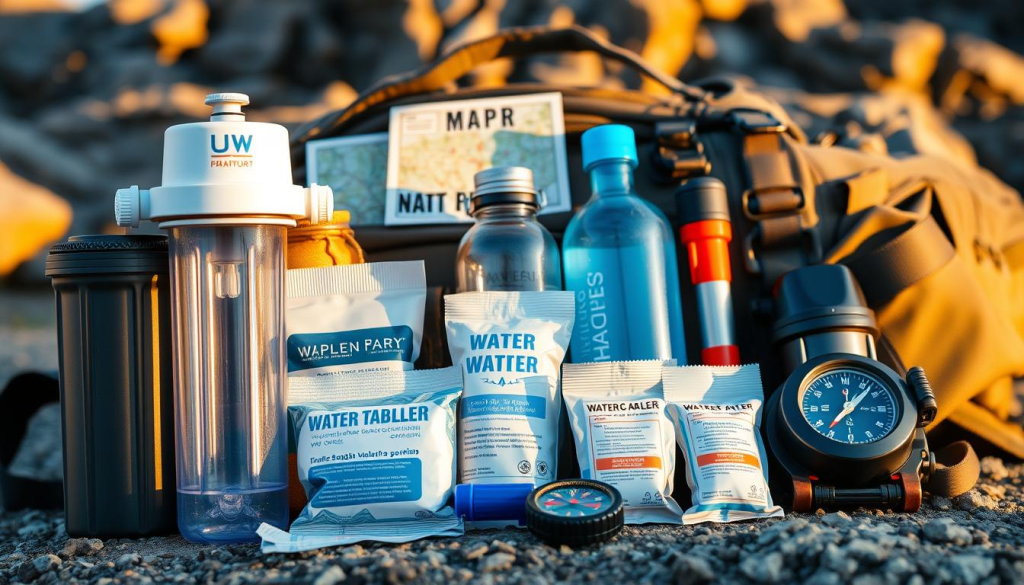
Having access to clean drinking water is paramount. It’s recommended to store at least one liter of water per person per day for drinking, cooking, and hygiene. Additionally, including a water purification method is vital. Options include water filters, purification tablets, or a portable UV purifier.
- Water storage containers
- Water purification tablets
- Portable water filters
Food and Nutrition
Packing non-perishable, high-calorie food is essential for maintaining energy levels. Consider including:
- Energy bars
- Dried fruits and nuts
- Canned goods
- MREs (Meals Ready to Eat)
It’s also important to have a manual can opener and consider any dietary restrictions.
First Aid Kit Necessities
A comprehensive first aid kit is critical for treating injuries. Essential items include:
- Bandages and band-aids
- Antiseptic wipes and spray
- Pain relievers and antihistamines
- Prescription medications and any necessary medical equipment
Multi-Tools and Survival Gear
Including multi-tools and survival gear can greatly enhance your ability to respond to various situations. Consider packing:
- A multi-tool or pocket knife
- Duct tape
- Fire starting equipment (matches, lighters, firestarters)
- Rope or twine
Clothing and Shelter Items
The clothing and shelter items in your bug out bag are critical components that can significantly impact your ability to survive and stay safe during emergencies or disasters. These essentials help protect you from the elements and provide a means to rest and recover.
Weather-Appropriate Clothing
Packing clothing that is suitable for various weather conditions is vital. This includes moisture-wicking base layers, insulating mid-layers, and waterproof outer layers. Consider the climate of your region and the potential weather conditions you might face.
As “The Preparedness Guide” suggests, having a versatile clothing system can help you adapt to different environments. Don’t forget to include a hat, gloves, and extra socks to maintain body heat and comfort.
Emergency Blankets and Sleeping Gear
Emergency blankets, such as mylar blankets, are lightweight and effective at retaining body heat. Additionally, consider including a sleeping bag or a bivy sack to provide insulation and protection from the elements.
- Mylar blankets for emergency warmth
- Compact sleeping bags for insulation
- Bivy sacks for added protection
Portable Shelters
A portable shelter can be a lifesaver, providing protection from wind, rain, and sun exposure. Options include lightweight tents, tarp shelters, and space blankets. When choosing a shelter, consider its durability, ease of setup, and weight.
“A good shelter can be the difference between life and death in extreme conditions.”
By carefully selecting and packing the right clothing and shelter items, you can significantly enhance your chances of survival and comfort during emergencies.
Navigation and Communication Gear
Effective navigation and communication are crucial elements of any bug out bag, ensuring you stay on course and connected. In emergency situations, being able to find your way and communicate with others can significantly impact your safety and survival.
Maps and Compasses
A detailed topographic map and a reliable compass are fundamental navigation tools. Maps provide visual information about the terrain, including natural and man-made features, while a compass helps determine direction. When selecting a map, consider one that is waterproof and tear-resistant. A compass with a built-in sighting mirror can enhance accuracy.
Emergency Radios
Staying informed about weather conditions, news, and emergency instructions is vital. An emergency radio can receive critical broadcasts. Look for a radio that is hand-crank or solar-powered to ensure it remains operational without batteries.
Signal Devices
Signal devices are critical for alerting others to your location. Signal flares, whistles, and mirrors are effective tools for signaling your presence. When choosing signal devices, consider their visibility, ease of use, and durability.
| Device | Purpose | Key Features |
|---|---|---|
| Maps | Navigation | Waterproof, tear-resistant |
| Compasses | Direction-finding | Built-in sighting mirror |
| Emergency Radios | Staying informed | Hand-crank or solar-powered |
| Signal Flares | Signaling presence | High visibility, easy to use |
By including these navigation and communication tools in your bug out bag, you enhance your ability to navigate through challenging environments and stay connected with the outside world.
Personal Hygiene and Sanitation Essentials
Personal hygiene and sanitation are often overlooked but are essential components of a Bug Out Bag. In emergency situations, maintaining cleanliness can be challenging, but it’s crucial for preventing the spread of diseases and maintaining morale. Including the right personal hygiene and sanitation items can make a significant difference in your overall well-being during a disaster.
Travel-Size Hygiene Products
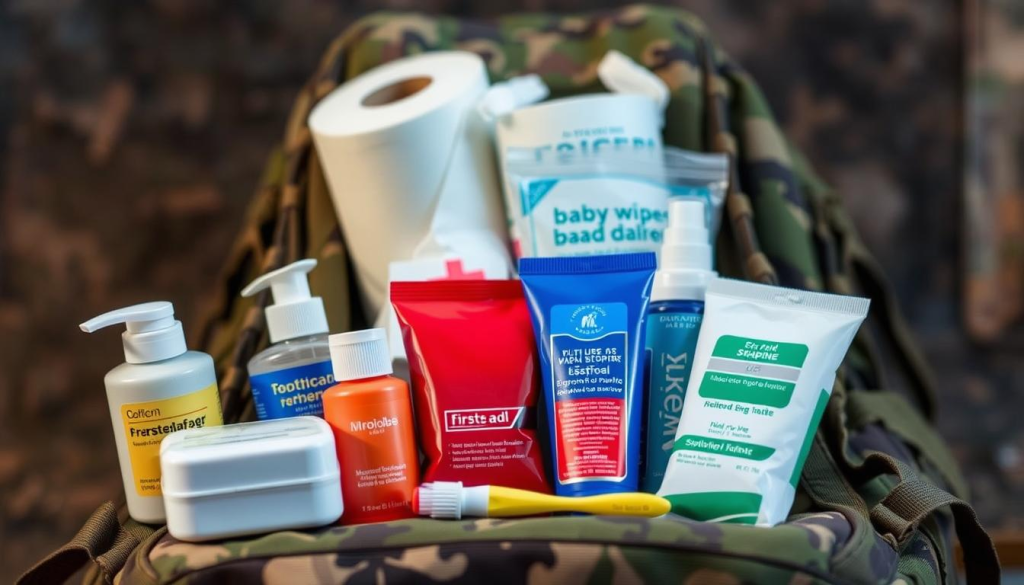
When it comes to personal hygiene, it’s not just about having the necessary items, but also about having them in a convenient, travel-size format. Some of the top-rated travel-size hygiene products to include in your Bug Out Bag are:
- Biodegradable soap: For handwashing and personal hygiene.
- Toothbrush and toothpaste: Compact versions are available for emergency kits.
- Moist towelettes or baby wipes: Useful for cleaning when water is scarce.
- Feminine hygiene products: If applicable, include sanitary napkins or tampons.
These items should be packed in resealable bags to keep them dry and organized.
Waste Disposal Solutions
Proper waste disposal is critical in maintaining sanitation and preventing health hazards. Consider including the following waste disposal solutions in your Bug Out Bag:
| Waste Disposal Method | Description |
|---|---|
| Portable toilet or a bucket with a lid | For containing human waste. |
| Biodegradable bags | For disposing of waste and keeping the environment clean. |
| Hand sanitizer | For use after handling waste or when soap and water are not available. |
By including these personal hygiene and sanitation essentials in your Bug Out Bag, you’ll be better prepared to face emergencies with dignity and reduced risk of health issues.
Lighting and Cooking Supplies
To ensure you’re prepared for any situation, it’s essential to include reliable lighting and cooking supplies in your Bug Out Bag. These supplies are crucial for navigating through dark environments, signaling for help, and preparing meals during emergencies.
Flashlights and Lanterns
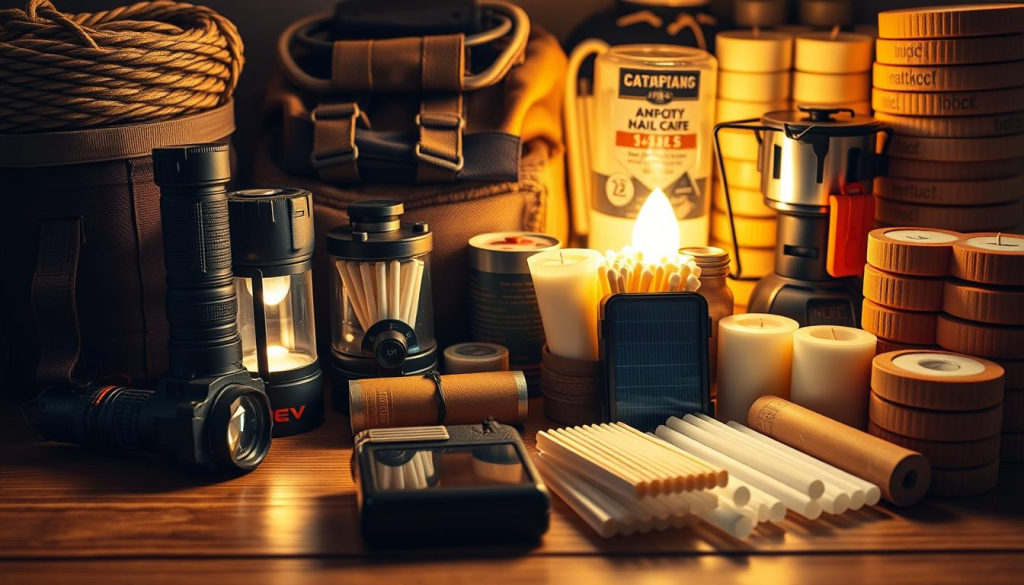
Flashlights and lanterns are vital for providing light when you’re in a dark or poorly lit environment. When selecting these items, consider their battery life, durability, and brightness. LED flashlights are highly recommended due to their energy efficiency and long battery life. Additionally, consider a lantern that can be powered by multiple sources, such as batteries or solar energy.
“A good flashlight can be a lifesaver in dark situations, providing not only light but also a means to signal for help if needed,” says survival expert, John Smith.
Portable Cooking Equipment and Utensils
Portable cooking equipment is essential for preparing meals during emergencies. Look for lightweight, compact options such as portable stoves or camping cookware. When choosing cooking equipment, consider the type of fuel it requires and its ease of use. Don’t forget to include utensils like a multi-tool or a spork to facilitate food preparation.
- Portable stove or camping cookware
- Fuel for cooking (e.g., propane, white gas)
- Multi-tool or spork
- Water purification tablets or filter (if not already included in other sections)
As
“The key to survival is being prepared for the unexpected, and having the right cooking equipment can make a significant difference in your ability to sustain yourself during a crisis.”
Safety and Security Items
In the face of uncertainty, the safety and security items in your Bug Out Bag are crucial for survival. These items are designed to protect you from harm, provide a means of defense, and signal for help when needed.
Self-Defense Tools
Self-defense is a critical aspect of personal safety during emergencies. Including tactical gear for bug out bags can significantly enhance your ability to protect yourself. Some effective self-defense tools include:
- Pepper spray
- Stun guns
- Tactical flashlights
- Personal alarms
When choosing self-defense tools, consider local laws and regulations regarding their use.
Fire Starting Equipment
Fire can provide warmth, light, and a means of cooking food. It’s essential to include fire starting equipment in your Bug Out Bag. Some reliable options are:
- Lighters
- Waterproof matches
- Ferrocerium rods (firestarters)
- Tinder and kindling
Having multiple methods for starting a fire can be a lifesaver in wet or windy conditions.
Emergency Whistles
An emergency whistle is a simple yet effective tool for signaling for help. It’s lightweight, easy to use, and can be heard from a distance. When selecting an emergency whistle, look for one that is:
- Loud (measured in decibels)
- Durable
- Easy to use
An emergency whistle should be part of your bug out bag checklist to ensure you’re prepared for emergencies.
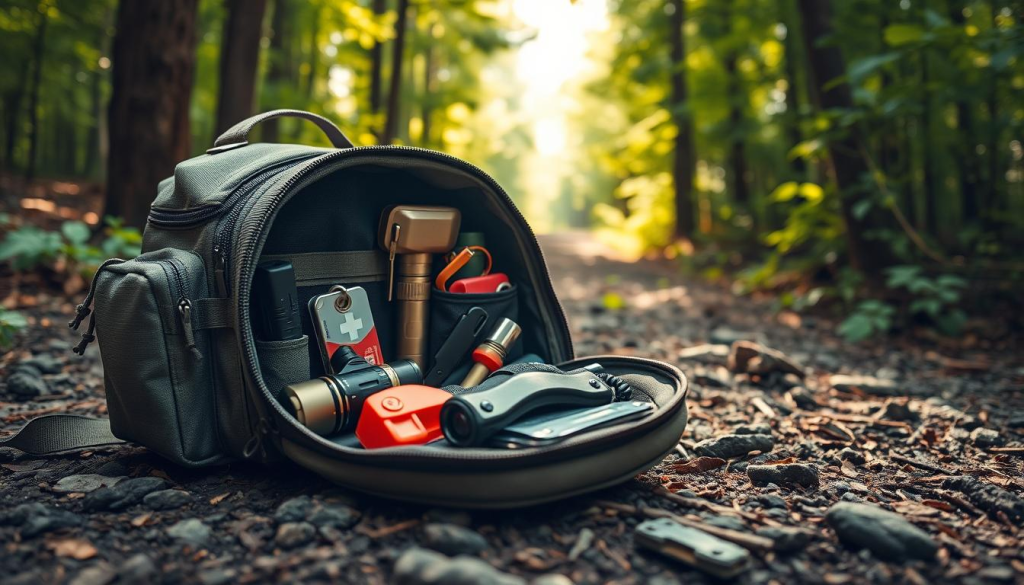
By incorporating these safety and security items into your Bug Out Bag, you’ll be better equipped to handle emergencies and stay safe. Remember, the best bug out bag supplies are those that meet your specific needs and are regularly maintained.
Packing and Organizing Your Bug Out Bag
Preparing for emergencies requires more than just gathering supplies; it demands a strategic approach to packing your bug out bag. A well-organized bag can significantly enhance your ability to respond effectively in crisis situations.
Choosing the Right Bag
The first step in packing and organizing your bug out bag is selecting the right bag itself. Look for a bag that is durable, comfortable, and has multiple compartments to keep your bug out bag essentials organized. Consider a bag with a waterproof lining and reinforced stitching to withstand harsh conditions.
“A good bug out bag is like a trusted companion; it’s always ready to go when you are,” says survival expert, John Smith. When choosing a bag, consider the size and weight, ensuring it’s large enough to carry necessary supplies without being too cumbersome.
Organizing Your Supplies Efficiently
Once you have the right bag, the next step is to organize your supplies efficiently. Use the compartments and pockets to categorize your top-rated bug out bag gear. For example, keep your first aid kit in an easily accessible pocket, and store your food and water in separate, sealed containers.
- Keep frequently used items accessible.
- Store similar items together (e.g., all cooking equipment).
- Use clear, labeled pouches for small items.
Regular Maintenance and Updates
Regular maintenance of your bug out bag is crucial to ensure it remains relevant and effective. Schedule regular checks to update your bug out bag equipment, checking expiration dates of food and medical supplies, and testing your communication devices.
“The key to a successful bug out bag is not just what you pack, but how regularly you update and check your supplies,” notes Jane Doe, emergency preparedness expert.
By following these guidelines, you can ensure your bug out bag is always ready to support you through any emergency, providing you with the necessary tools and supplies to stay safe.
Final Thoughts and Recommendations
Assembling a bug out bag with the right supplies is crucial for emergency preparedness. By focusing on bug out bag supplies and emergency survival essentials, you can ensure you’re ready for any situation.
Personalizing Your Kit
Tailoring your bug out bag supplies to your individual needs is vital. Consider your personal circumstances, such as health conditions, family size, and geographical location, when selecting must-have items for bug out bags.
Staying Informed
Staying up-to-date on potential emergencies and disasters is also essential. This includes understanding weather patterns, natural disaster risks, and other potential threats in your area.
Your Preparedness Path
Building a bug out bag is just the beginning of your preparedness journey. Regularly reviewing and updating your supplies will help ensure you’re always ready to face any challenge.