
A Bug Out Bag is a portable emergency kit designed to help individuals survive for at least 72 hours during evacuations. It’s typically stored in a backpack for ease of transport, containing essential items that provide the basic tools of life.
In the event of an emergency, having a well-prepared Bug Out Bag can be crucial. It should include prepper essentials such as food, water, first aid supplies, and communication tools, making it easy to carry and access vital resources.
Key Takeaways
- Understand the importance of having a Bug Out Bag for emergency preparedness.
- Learn the essential items to include in your Bug Out Bag.
- Discover how to pack your Bug Out Bag for ease of transport.
- Identify key survival tools and resources.
- Prepare for at least 72 hours of survival during evacuations.
Understanding the Concept of a Bug Out Bag
Understanding the concept of a Bug Out Bag is fundamental to being prepared for unexpected situations. A Bug Out Bag is essentially a portable collection of essential items that can help an individual survive for at least 72 hours during an emergency. This concept is closely related to the idea of a wilderness survival kit, emphasizing the importance of being prepared in the face of uncertainty.
What is a Bug Out Bag?
A Bug Out Bag, often referred to as a “72-hour kit,” is designed to provide the necessary tools and supplies to sustain an individual for three days. The contents of a Bug Out Bag can vary widely depending on personal needs, environmental factors, and the type of emergency anticipated. As “The Prepper Journal” notes, “A well-prepared Bug Out Bag is not just about throwing some supplies together; it’s about having a thoughtful, well-curated selection of items that can make a significant difference in a survival situation.”
Why You Need One
The importance of having a Bug Out Bag cannot be overstated. In emergency situations, having immediate access to essential supplies can be the difference between safety and peril. A Bug Out Bag serves as a tactical gear kit, providing the means to respond effectively to a wide range of emergencies, from natural disasters to personal safety threats.
“A Bug Out Bag is not just a bag; it’s a lifeline in times of crisis.”
Different Types of Bug Out Bags
Bug Out Bags can be categorized based on their intended use, the environment in which they will be used, and the individual’s specific needs. For instance, a Bug Out Bag for a hiker might include different items compared to one for a city dweller. Understanding these differences is crucial in creating a bug out bag checklist that is tailored to one’s specific circumstances.
By considering the various types of Bug Out Bags and their purposes, individuals can better prepare themselves for the unexpected, ensuring they have the right gear to survive and thrive.
Essential Items for Food and Water
The key to survival often lies in the simplest elements: clean water and adequate nutrition. In any emergency or survival situation, having access to these basic necessities can significantly impact your health and chances of survival.
Water Filtration Systems
Water is critical to sustaining your life and health. Carrying enough water can be heavy, so having a means to purify water you encounter is essential. Water filtration systems can remove contaminants and pathogens, making water safe to drink.
Types of Water Filtration Systems:
- Portable filters
- Chemical treatments
- UV purifiers
Each has its advantages and is suited to different environments and needs.
Non-Perishable Food Options
Stocking your Bug Out Bag with non-perishable food items is vital. These should be high in calories, nutritious, and easy to prepare.
| Food Item | Calories per Serving | Shelf Life |
|---|---|---|
| Energy Bars | 200-300 | 2-5 years |
| Dried Fruits and Nuts | 150-200 | 6-12 months |
| Canned Goods | 100-200 | 2-5 years |
These items are not only sustaining but also compact and lightweight.
Cooking Gear and Utensils
Having the means to prepare your food is as important as the food itself. Lightweight cooking gear and utensils can make a significant difference.
Consider including:
- A portable stove or camping stove
- Fuel for your stove
- A multi-tool or pocket knife
- Lightweight, durable utensils
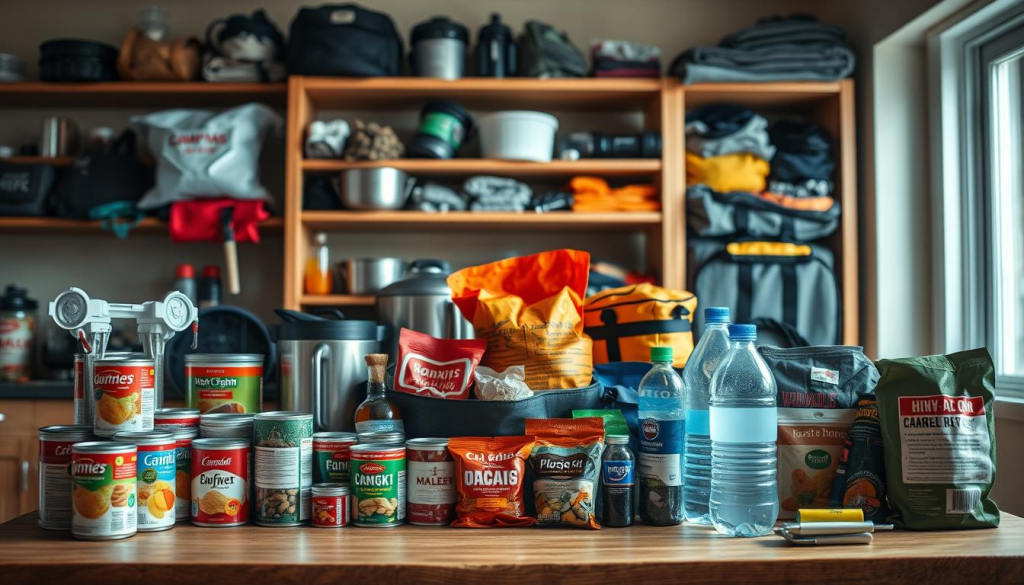
By carefully selecting your food and water essentials, you can ensure you’re well-prepared for any situation.
First Aid Supplies for Your Bug Out Bag
First aid supplies are a vital component of a bug out bag, enabling you to respond to medical emergencies during a crisis. A well-prepared first aid kit can help you treat injuries, manage pain, and prevent infections, ensuring that you remain healthy and capable of handling the challenges of a survival situation.
Basic First Aid Kit Must-Haves
A basic first aid kit should include a variety of supplies to address different types of injuries. Bandages and band-aids are essential for covering wounds, while antiseptic wipes and spray help prevent infection. It’s also crucial to include pain relievers, such as acetaminophen or ibuprofen, to manage discomfort. Other must-haves include gauze pads, medical tape, and scissors for cutting bandages or clothing.
In addition to these basics, consider including blister care items, such as moleskin, to prevent and treat blisters. Burn cream and aloe vera gel can help soothe burns, while antibiotic ointment provides additional protection against infection.
Prescription Medications
If you have specific medical conditions, it’s vital to include prescription medications in your bug out bag. Ensure that you have an adequate supply of your medications, and consider packing them in a protective case to prevent damage. It’s also a good idea to include a medication list with dosage instructions and the names of your medications.
Personal Hygiene Items
Maintaining personal hygiene is important for both physical and mental health during a crisis. Include toilet paper, hand sanitizer, and biodegradable soap in your bug out bag to maintain cleanliness. Moist towelettes or wet wipes can also be useful for cleaning your face and body when water is scarce.
By incorporating these first aid supplies and personal hygiene items into your bug out bag, you’ll be better prepared to handle medical emergencies and maintain your overall health during a crisis.
Shelter and Warmth Gear
When disaster strikes, having the right shelter and warmth gear can be the difference between life and death. Shelter is a critical component of survival, providing protection from the elements and a safe haven. In this section, we will explore the essential items to include in your Bug Out Bag for adequate shelter and warmth.
Lightweight Tents or Tarps
A lightweight tent or tarp is a vital component of your shelter and warmth gear. These items are designed to be portable and easy to set up, providing a barrier against rain, wind, and cold. When selecting a tent or tarp, consider the material’s durability and water resistance. Look for products made from silicone-coated nylon or polyester for their waterproof and UV-resistant properties.
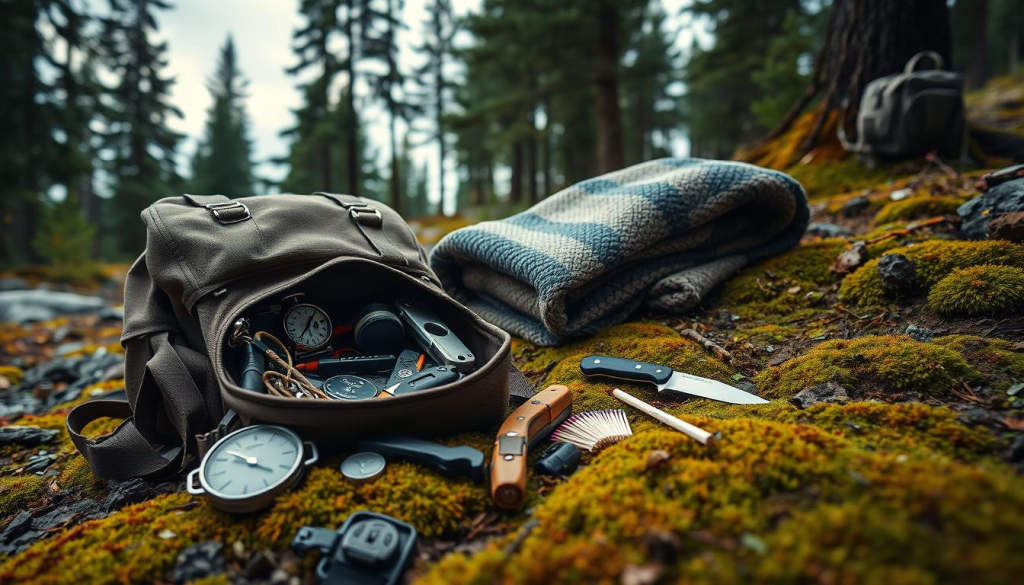
Emergency Blankets
Emergency blankets, also known as space blankets, are designed to retain body heat in cold conditions. They are lightweight, compact, and inexpensive, making them an excellent addition to your Bug Out Bag. These blankets are typically made from a thin, metallic-coated plastic sheet that reflects radiant heat. While not as durable as other options, they are effective in emergency situations.
Sleeping Bags vs. Sleeping Pads
When it comes to staying warm and comfortable, both sleeping bags and sleeping pads play crucial roles. A sleeping bag provides insulation, keeping you warm, while a sleeping pad offers comfort and additional insulation from the ground. Consider a sleeping bag with a water-resistant and breathable outer shell for enhanced performance. Sleeping pads come in various types, including inflatable and foam models, each offering different levels of comfort and insulation.
Ultimately, the choice between a sleeping bag and a sleeping pad depends on your specific needs and the environment you expect to be in. For maximum warmth and comfort, consider including both in your Bug Out Bag.
Clothing and Footwear Recommendations
The right clothing and footwear can significantly enhance your chances of survival in emergency situations. A well-prepared Bug Out Bag should include attire that can adapt to various environmental conditions, ensuring comfort and protection.
Layering for Various Weather Conditions
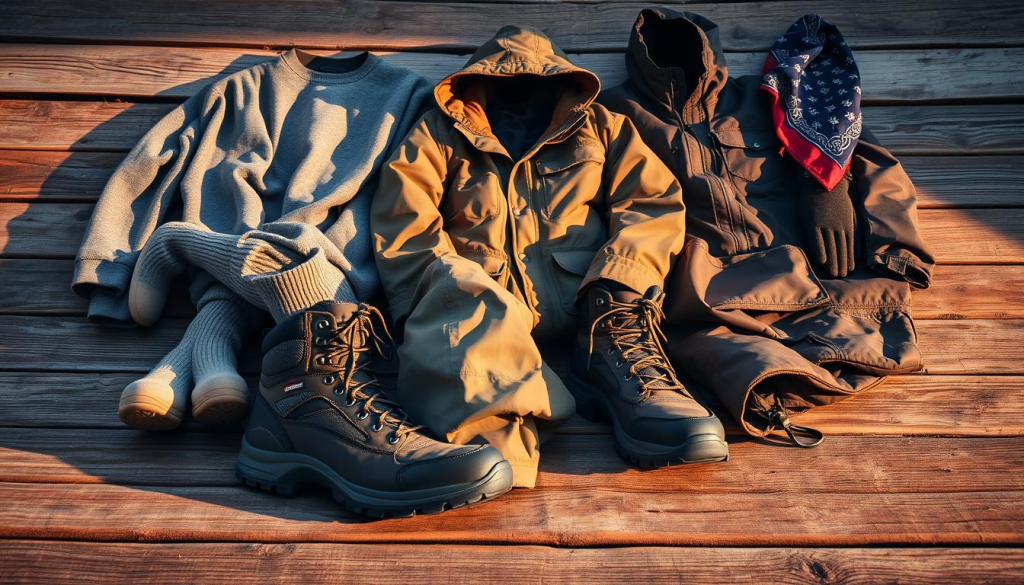
Layering is a crucial aspect of dressing for survival. It allows you to adjust your clothing according to the weather, maintaining a stable body temperature. Start with a moisture-wicking base layer to keep you dry, add an insulating mid-layer for warmth, and finish with a waterproof outer layer to protect against the elements.
For colder climates, consider including thermal underwear and a warm hat. In warmer conditions, lightweight, breathable clothing can help keep you cool. The key is to be prepared for unexpected weather changes.
Durable Footwear Essentials
Footwear is another critical component of your Bug Out Bag. Durable, waterproof boots can protect your feet from rough terrain and harsh weather. Look for boots with good ankle support and a sturdy sole. It’s also wise to include a pair of comfortable walking socks to prevent blisters.
Additional Accessories
In addition to clothing and footwear, several accessories can enhance your survival gear. Gloves can protect your hands from cold and abrasions, while a warm hat can prevent heat loss. Consider including a scarf or neck gaiter for added protection against wind and cold.
By carefully selecting your clothing and footwear, you can significantly improve your chances of survival. Remember, the key to a successful Bug Out Bag is preparation and the ability to adapt to changing conditions.
Tools and Equipment to Include
Incorporating the right tools and equipment into a Bug Out Bag can significantly improve an individual’s ability to survive and thrive during emergencies. These items are crucial for performing various tasks, from cutting and opening to starting fires and navigating through challenging environments.
Multi-tools and Knives
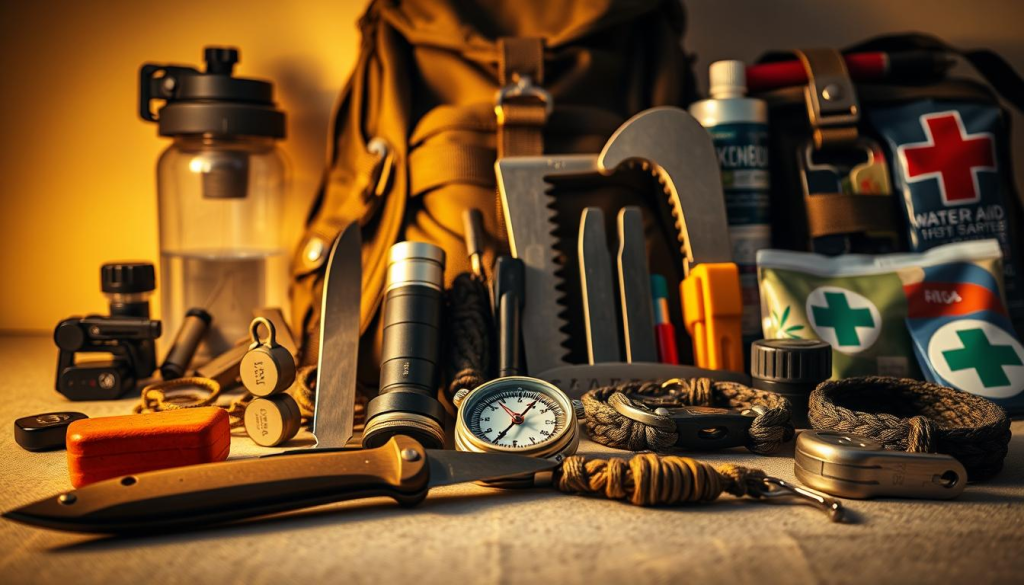
A multi-tool or a pocket knife is an indispensable item in any Bug Out Bag. These tools offer a variety of functions, including cutting, sawing, and opening cans. When selecting a multi-tool or knife, consider durability, ease of use, and the range of functions it provides. Look for tools made from high-quality materials that can withstand heavy use.
Rope and Paracord
Rope and paracord are versatile items that can be used for a multitude of tasks, such as securing shelters, creating makeshift tow lines, or even as a climbing aid. Paracord, in particular, is lightweight and compact, making it an ideal choice for Bug Out Bags. It’s essential to include a sufficient length and consider the durability and resistance of the cord.
Fire Starting Kits
Fire starting kits are critical for providing warmth, cooking food, and signaling for help. These kits can include matches, lighters, firestarters, or magnesium strikers. It’s advisable to include multiple fire starting methods to ensure you have a reliable way to start a fire in various conditions. Consider the ease of use and the ability to function in wet or windy conditions.
By carefully selecting and including these tools and equipment in your Bug Out Bag, you can significantly enhance your preparedness and ability to survive during emergencies.
Navigation and Communication Devices
Effective navigation and communication are key to survival during emergencies. Having the right tools can make a significant difference in how well an individual can respond to and navigate through challenging situations.
Maps and Compasses
A map and compass are fundamental navigation tools that do not rely on batteries or electronic signals, making them highly reliable in emergency situations. It’s essential to know how to use them effectively, including understanding map scales and being able to take bearings.
Topographic maps are particularly useful as they provide detailed information about the terrain, including natural and man-made features. A compass allows you to determine direction, which is critical for navigation.
Portable Chargers for Electronics
In today’s digital age, many navigation and communication devices are electronic. A portable charger can ensure that your smartphone, GPS device, or other critical electronics remain powered. Look for chargers with high capacity and consider solar-powered options to recharge your devices sustainably.
- Choose a charger that can charge multiple devices at once.
- Consider the durability and water resistance of the charger.
- Opt for chargers with built-in safety features to protect your devices.
Emergency Radios
An emergency radio is a vital tool for staying informed during a crisis. These radios can receive critical updates, weather alerts, and news. Many models come with additional features such as flashlights, USB charging ports, and solar panels for power.
When selecting an emergency radio, consider one that is NOAA Weather Radio certified and has multiple power sources, including battery and solar power, to ensure it remains functional under various conditions.
Security and Self-Defense Items
In emergency situations, personal safety is paramount, making security and self-defense gear crucial components of any Bug Out Bag. The right equipment can deter threats and provide a safe escape or defense when needed.
Pepper Spray and Personal Alarms
Pepper spray is a widely recognized self-defense tool that can incapacitate an attacker, providing a window of opportunity to escape. When choosing a pepper spray, consider its potency, range, and ease of use. Personal alarms, on the other hand, emit a loud noise designed to deter potential threats by drawing attention to the situation. These devices are compact, easy to carry, and can be very effective in emergency situations.
Key Features to Look for in Pepper Spray:
- High potency formula
- Compact and lightweight design
- Easy to deploy mechanism
Self-Defense Tools
Self-defense tools such as stun guns are designed to incapacitate an attacker without causing permanent harm. Stun guns deliver an electrical shock that disrupts the attacker’s muscle control, allowing for a safe escape. It’s essential to familiarize yourself with local laws regarding the possession and use of stun guns and other self-defense tools.
“The best self-defense is a well-prepared mind and the ability to react quickly in dangerous situations.”
Awareness and Training Resources
Having the right gear is only part of the equation; knowing how to use it effectively is equally important. Awareness and training resources can help individuals develop the skills needed to respond to emergencies. Consider taking self-defense classes or online courses that teach situational awareness and response strategies.
By combining the right security and self-defense items with proper training and awareness, individuals can significantly enhance their personal safety during emergencies.
Lighting Solutions for Survival
A dependable light source is essential for survival, enabling individuals to perform tasks and navigate safely during emergencies. Lighting solutions are a critical component of any bug out bag, providing illumination during power outages or nighttime evacuations.
Headlamps vs. Flashlights
When it comes to choosing between headlamps and flashlights, both have their advantages. Headlamps offer hands-free operation, which is invaluable during tasks that require both hands. Flashlights, on the other hand, can often provide a stronger beam of light.
| Feature | Headlamps | Flashlights |
|---|---|---|
| Hands-Free Operation | Yes | No |
| Light Intensity | Variable | Often Higher |
| Battery Life | Variable | Variable |
Solar and Battery-Powered Options
Solar-powered lighting solutions offer a sustainable option, reducing the need for battery replacements. Battery-powered lights, however, provide reliability and consistency, especially in environments with limited sunlight.
“The best lighting solution is one that balances sustainability with reliability.” – Survival Expert
Glow Sticks and Emergency Flares
Glow sticks and emergency flares serve as excellent backup lighting solutions. They are simple, reliable, and don’t require any power source. Glow sticks are particularly useful for marking paths or signaling for help.
In conclusion, a well-rounded bug out bag should include a variety of lighting solutions to cater to different scenarios and needs. By considering headlamps, flashlights, solar and battery-powered options, as well as glow sticks and emergency flares, individuals can ensure they are prepared for any situation.
Important Documents and Identification
A well-prepared Bug Out Bag includes essential documents that can help establish identity and access critical information during emergencies. Having these documents readily available can significantly impact the effectiveness of your emergency response.
Copies of Critical Documents
It’s crucial to include copies of vital documents such as identification, insurance policies, and birth certificates in your Bug Out Bag. These documents can help verify your identity and facilitate access to necessary services. Consider scanning these documents and storing them digitally as well, using a secure and accessible method.
Emergency Contact Information
Including a list of emergency contact numbers can be invaluable. This list should comprise family members, close friends, and any relevant emergency services. Make sure to update this information regularly to reflect any changes.
Maps of the Local Area
Detailed maps of your local area can serve as a critical resource during emergencies, especially if electronic devices fail. These maps can help you navigate through unfamiliar territories and locate essential services.
To ensure you have all necessary documents and information, consider the following checklist:
| Document Type | Description | Importance Level |
|---|---|---|
| ID Copies | Copies of driver’s license, passport, etc. | High |
| Insurance Policies | Copies of health, home, and auto insurance | High |
| Birth Certificates | Copies of birth certificates for family members | High |
| Emergency Contacts | List of emergency contact numbers | High |
| Local Maps | Detailed maps of the local area | Medium |
By including these important documents and identification in your Bug Out Bag, you can enhance your preparedness for emergencies and ensure a more effective response.
Updating and Maintaining Your Bug Out Bag
To ensure your Bug Out Bag remains effective, it’s crucial to regularly inspect and update its contents. A well-maintained Bug Out Bag is your first line of defense in emergency situations, providing you with the necessary tools and supplies to survive.
Regular Inventory Checks
Conducting regular inventory checks is vital to ensure that all items in your Bug Out Bag are still usable and not expired. This involves checking the condition of your gear, ensuring that all equipment is functioning properly, and replacing any damaged or worn-out items.
It’s recommended to perform a thorough inventory check every six months. During this check, pay particular attention to the condition of your clothing, footwear, and gear. Make sure that all electronic devices are in working order and that batteries are not dead.
| Item | Condition | Last Checked |
|---|---|---|
| Water Filtration System | Functional | January 2023 |
| First Aid Kit | Partially Used | June 2022 |
| Emergency Blanket | Intact | January 2023 |
Expiration Dates to Monitor
Many items in your Bug Out Bag have expiration dates, including food, water purification tablets, and certain medications. It’s essential to keep track of these expiration dates to ensure that your supplies remain effective.
Make a list of all items with expiration dates and check them regularly. Replace any items that are near or past their expiration dates. This will help ensure that your Bug Out Bag remains stocked with usable supplies.
Personalization Over Time
As your personal circumstances change, so too should the contents of your Bug Out Bag. For example, if you have a new family member or a change in health status, you may need to adjust the supplies in your bag accordingly.
Regularly review your Bug Out Bag’s contents to ensure it remains tailored to your needs. Consider factors such as climate, potential hazards in your area, and any personal health requirements when personalizing your Bug Out Bag.
By following these guidelines, you can ensure that your Bug Out Bag remains a reliable resource in emergency situations. Regular maintenance and updates are key to its effectiveness.
Final Thoughts on Bug Out Bag Essentials
Having a well-stocked bug out bag is crucial for emergency survival. It’s not just about assembling emergency survival gear and prepper essentials; it’s also about being prepared for any situation that may arise.
Creating a Comprehensive Family Plan
A bug out bag is just the first step. Creating a family plan that includes emergency contact information, a communication strategy, and a meeting point is vital. This plan should be practiced regularly to ensure everyone knows what to do in case of an emergency.
Practicing Bug Out Scenarios
Practicing different bug out scenarios can help identify potential weaknesses in your plan and bug out bag necessities. Regular drills will also help you stay calm and focused during an actual emergency.
The Importance of Staying Prepared
Being prepared is key to survival. Regularly checking and updating your bug out bag, staying informed about potential hazards, and having a plan in place can make all the difference in an emergency situation. By taking these steps, you can ensure that you and your loved ones are ready for whatever comes next.