
In the face of an emergency, having a well-prepared emergency survival kit can be a lifesaver. A bug out bag is a crucial component of emergency preparedness, designed to provide individuals with the necessary tools to survive for at least 72 hours.
This portable kit, typically stored in a backpack, contains essential items that can sustain life, provide comfort, and facilitate survival during a disaster or emergency.
Having a bug out bag ready is vital for anyone who wants to be prepared for unexpected situations. It’s not just about having the right gear; it’s about being able to respond quickly and effectively in a crisis.
Key Takeaways
- A bug out bag is a short-term survival kit that should be stored in a backpack for ease of transport.
- The kit should contain essentials that can sustain life for at least 72 hours.
- Having a well-prepared emergency survival kit can be a lifesaver in the face of an emergency.
- A bug out bag is a crucial component of emergency preparedness.
- It’s essential to have the right gear to respond quickly and effectively in a crisis.
Understanding the Purpose of a Bug Out Bag
Understanding the purpose of a bug out bag is essential for effective disaster preparedness and response. A bug out bag is designed to be a portable kit that contains all the necessary items to help an individual survive for a certain period during emergencies or disasters.
The significance of having a bug out bag lies in its ability to enable quick evacuation and provide sustenance during the initial stages of a disaster. It is meant to be deployed quickly, at a moment’s notice, so it is essential to have them prepared ahead of time and stored in easily accessible locations.
What Is a Bug Out Bag?
A bug out bag, often referred to as a ’72-hour kit,’ is a collection of essential items that can sustain an individual for at least three days. It typically includes disaster preparedness gear such as food, water, first aid supplies, and means of communication.
The contents of a bug out bag can vary based on individual needs, the type of potential disasters one might face, and personal preferences. However, a well-prepared bug out bag should adhere to a basic bug out bag checklist that covers fundamental survival needs.
| Category | Essential Items | Considerations |
|---|---|---|
| Food and Water | Non-perishable food, water purification tablets | Sufficient for at least 3 days |
| First Aid | Bandages, antiseptic wipes, pain relievers | Include any personal medications |
| Communication | Cell phone, battery backup, whistle | Ensure means to charge devices |
Why You Need One
Having a bug out bag is crucial for individuals and families as it provides a proactive measure against unexpected disasters or emergencies. It ensures that one is prepared to evacuate at a moment’s notice with the necessary supplies to sustain life during the initial critical period.
Moreover, a bug out bag reduces reliance on external aid during emergencies, which can be delayed or unavailable. It empowers individuals to take immediate action, enhancing their chances of survival and comfort until help arrives or the situation stabilizes.
Essential Gear for Your Bug Out Bag
A well-prepared bug out bag requires careful consideration of its contents. The right gear can significantly enhance your chances of survival during emergencies.
Choosing the Right Backpack
When it comes to selecting a backpack for your bug out bag, there are two primary options to consider: tactical backpacks and hiking backpacks. Tactical backpacks are designed with durability and functionality in mind, often featuring MOLLE (Modular Lightweight Load-carrying Equipment) systems for attaching additional gear. On the other hand, hiking backpacks are typically designed for comfort and may offer better weight distribution for long treks.
The choice between these two types of backpacks depends on your specific needs and preferences. If you’re looking for a bag that can withstand harsh conditions and potentially be used in combat or rescue situations, a tactical backpack might be the better choice. For those who prioritize comfort during long hikes, a hiking backpack could be more suitable.
Shelter Options: Tents vs. Tarps
Shelter is a critical component of any bug out bag. Two popular shelter options are tents and tarps. Tents provide enclosed protection from the elements and can offer a sense of security. However, they can be heavier and more expensive.
Tarps, on the other hand, are lightweight and versatile. They can be used to create a variety of shelter configurations and are often less expensive than tents. However, they may not provide the same level of protection as a tent, especially in harsh weather conditions.
| Shelter Type | Weight | Cost | Protection Level |
|---|---|---|---|
| Tents | Heavier | More Expensive | High |
| Tarps | Lightweight | Less Expensive | Moderate |
Sleeping Gear: Blankets and Sleeping Bags
Adequate sleeping gear is essential for maintaining warmth and comfort during rest. Outdoor survival tools like blankets and sleeping bags are crucial for regulating body temperature.
When choosing a sleeping bag, consider the expected low temperatures in your area and select a bag with an appropriate temperature rating. Blankets can be used in conjunction with a sleeping bag for added warmth or as a standalone option in milder conditions.
It’s also worth considering the insulation type (synthetic vs. down) and the bag’s weight and packability. A well-chosen sleeping bag can significantly enhance your overall comfort and survival chances.
Food and Water Supplies
When disaster strikes, having the right food and water supplies in your bug out bag can be a lifesaver. These essentials are critical for sustaining you and your family during emergencies.
Non-Perishable Food Options
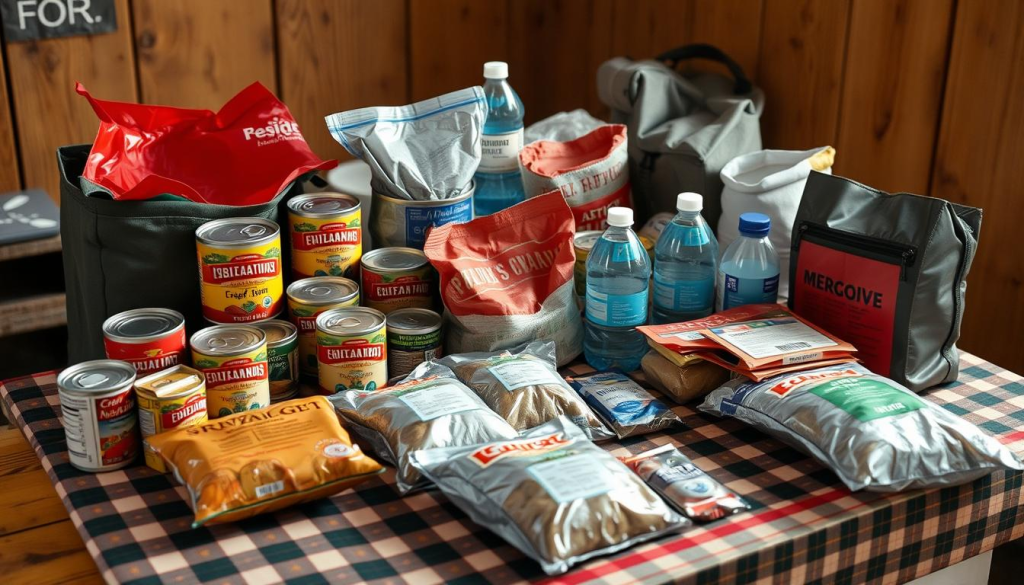
Choosing the right food for your bug out bag involves selecting non-perishable items that are high in calories and nutrients. Consider including energy bars, dried fruits, nuts, and canned goods. These foods are not only durable but also provide the necessary energy for survival.
It’s also wise to include a manual can opener to access canned food. Ready-to-eat meals like MREs (Meals Ready to Eat) are another excellent option due to their long shelf life and ease of preparation.
Water Filtration and Storage
Adequate water supply is vital, and having a means to filter and store water is essential. Consider including a water filtration system or purification tablets in your bug out bag. These tools can make questionable water sources safe to drink.
For water storage, use durable, BPA-free containers that can withstand various environmental conditions. Collapsible water containers are a practical option as they can be easily stored when not in use.
Cooking Equipment Essentials
Cooking your food can provide warmth and a sense of normalcy during a crisis. A portable stove or camping stove is a valuable addition to your bug out bag. Don’t forget to include fuel for the stove.
A lightweight, compact cooking pot and utensils, such as a spork or multi-tool, can also be very useful. Consider the material and durability of these items to ensure they withstand the rigors of outdoor use.
First Aid Kit Necessities
The importance of a comprehensive first aid kit in a bug out bag cannot be overstated. In emergency situations, having the right medical supplies can significantly impact the outcome of an injury or illness.
Basic Medical Supplies
A well-stocked first aid kit should include a variety of basic medical supplies. These should encompass bandages, antiseptic wipes, pain relievers, and any other items that could be used to treat common injuries. It’s also crucial to include supplies for wound care, such as gauze pads and medical tape.
- Bandages and band-aids
- Antiseptic wipes and spray
- Pain relievers and antihistamines
- Gauze pads and medical tape
Medication and Personal Needs
In addition to basic medical supplies, it’s essential to include any medication and personal medical needs in your first aid kit. This could include prescription medications, insulin, or EpiPens, among others. Ensure that these items are not expired and are regularly checked.
First Aid Instruction References
Having a first aid guide or instruction manual in your kit can provide critical guidance during an emergency. This resource can help individuals administer appropriate care when professional medical help is not available.
By focusing on these key areas, you can create a first aid kit that is tailored to your needs and those of your family, enhancing your overall preparedness for emergencies.
Clothing for Every Season
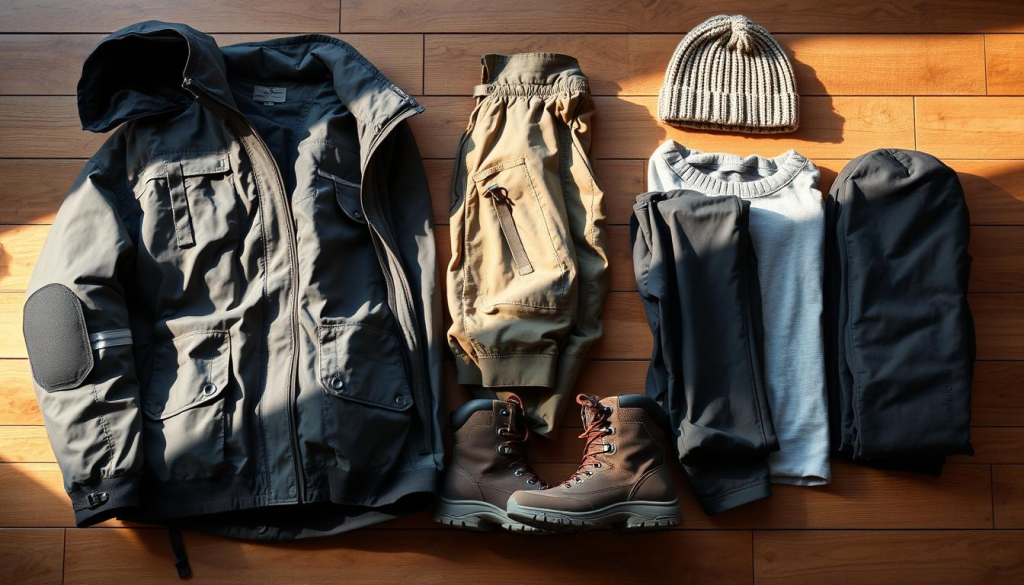
Clothing is a vital aspect of any bug out bag, providing protection against various environmental conditions. The right clothing can help you adapt to different weather scenarios, ensuring your survival in a bug out situation.
Layering Strategies for Different Weather
Layering is a crucial strategy for managing clothing in a bug out bag. It allows you to adjust your attire according to the weather conditions, maintaining a stable body temperature. Start with a base layer that wicks moisture away from your skin, followed by an insulating layer to keep you warm, and finally, a waterproof outer layer to protect against rain and wind.
For colder climates, consider packing thermal layers, including a warm hat and gloves. In warmer conditions, prioritize lightweight, breathable clothing that allows for airflow and helps to keep you cool.
Footwear Importance in a Bug Out Situation
Footwear is another critical component of your bug out bag clothing. Sturdy, waterproof boots can protect your feet from rough terrain, water, and extreme temperatures. When selecting footwear, consider the terrain you’ll be navigating and the weather conditions you might face.
It’s also essential to break in your boots before a bug out situation to prevent blisters and discomfort. Packing extra socks and considering a spare pair of boots or sandals for different conditions can also be beneficial.
Tools and Equipment
Tools and equipment are vital components of a bug out bag, enabling individuals to respond to emergencies effectively. The right tools can help with a variety of tasks, from cutting and opening to fixing and defending.
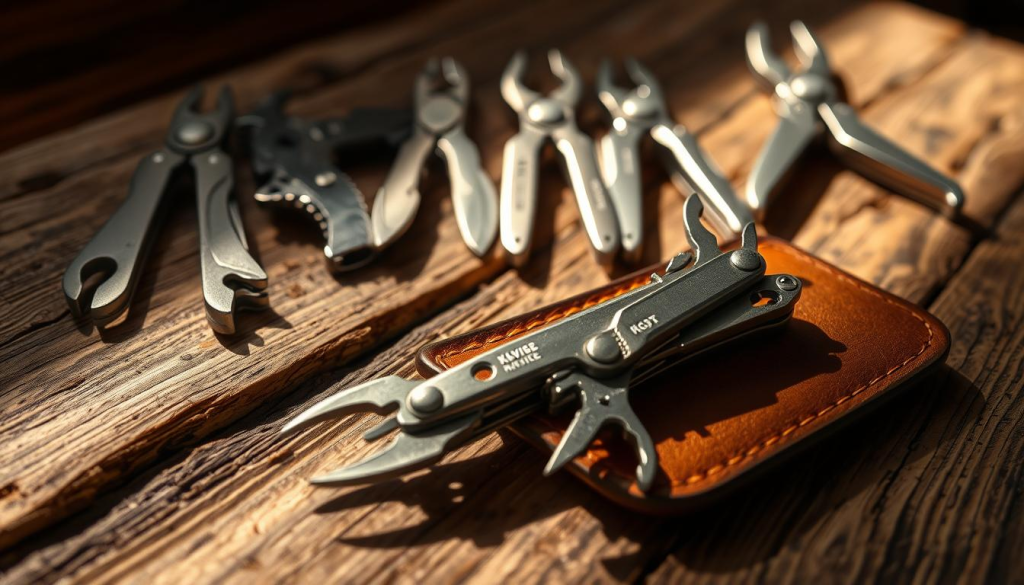
When it comes to selecting tools for your bug out bag, one of the most critical decisions is whether to opt for multi-tools or traditional tools. Multi-tools offer versatility, combining several functions into one device, such as pliers, knives, and screwdrivers. This can be particularly useful in a survival situation where space and weight are concerns.
Multi-tools vs. Traditional Tools
Multi-tools are designed to be compact and multifunctional, making them ideal for bug out bags. However, they may not perform as well as traditional tools in certain tasks. For example, a multi-tool’s knife blade may not be as effective as a dedicated knife. On the other hand, traditional tools, while more specialized, can be bulkier and heavier.
As Survival Life notes, “A good multi-tool can be a lifesaver in a survival situation, but it’s essential to understand its limitations.” Ultimately, a combination of both multi-tools and select traditional tools can provide the best of both worlds.
Fire-Making Tools: Lighters and Ferro Rods
Fire-making is a crucial skill in survival situations, and having the right tools can make all the difference. Two popular options are lighters and ferrocerium rods (ferro rods). Lighters are convenient and easy to use, but they can be unreliable in harsh weather conditions.
Ferro rods, on the other hand, are highly durable and can generate sparks even in wet conditions. As noted by
“Ferro rods are a reliable fire-starting method, especially when combined with a suitable tinder.”
They require a bit more effort to use than lighters but offer a more reliable means of starting a fire.
Including both a lighter and a ferro rod in your bug out bag can ensure you’re prepared for various scenarios.
Navigation and Communication
A bug out bag equipped with proper navigation and communication devices can make all the difference in an emergency. When disaster strikes, being able to navigate through unfamiliar terrain and communicate with family members or rescue teams is crucial.
Maps and Compasses
Traditional navigation tools like maps and compasses are essential components of a bug out bag. A detailed topographic map can help you understand the terrain, identify potential hazards, and find safe routes. When choosing a map, consider one that is waterproof and covers a scale relevant to your area.
A compass is another vital tool that doesn’t rely on batteries or satellite signals. When used in conjunction with a map, a compass allows you to determine your direction and navigate effectively. It’s also important to know how to use these tools together, so practicing navigation skills is highly recommended.
Emergency Communication Devices
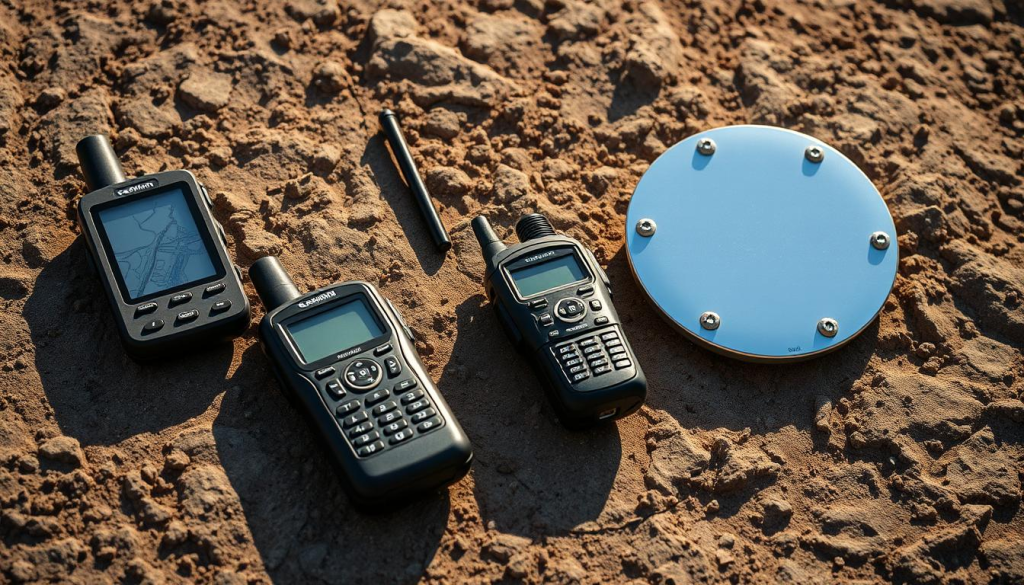
In addition to navigation tools, emergency communication devices are critical for calling for help or staying in touch with family members during a disaster. Options include cell phones with solar chargers, two-way radios, and satellite phones. Each has its advantages and disadvantages, depending on the situation and location.
For instance, a satellite phone can be invaluable in remote areas where cell service is unavailable. Two-way radios are useful for short-range communication among family members or team members. It’s also wise to include a backup power source, such as batteries or a portable solar charger, to keep your devices operational.
When selecting communication devices for your bug out bag, consider the environment you’ll be in, the range you need, and the power requirements. Ensuring that you have the right tools and know how to use them can significantly enhance your safety and ability to respond during emergencies.
Personal Protection Items
Personal protection items are a vital component of any bug out bag, ensuring you’re prepared for the worst. In emergency situations, having the right gear can significantly enhance your safety and security.
Self-Defense Options
When it comes to self-defense, there are several options to consider. Pepper spray is a popular choice due to its effectiveness and ease of use. Other options include stun guns and personal alarms, which can deter potential threats.
A comparison of these self-defense options is provided in the table below:
| Self-Defense Option | Effectiveness | Ease of Use |
|---|---|---|
| Pepper Spray | High | Easy |
| Stun Gun | High | Moderate |
| Personal Alarm | Moderate | Easy |
Protective Clothing
Protective clothing is another crucial aspect of personal protection. This can include ballistic vests and stab-resistant clothing, designed to protect against physical harm. While these items are effective, they can also be bulky and heavy, so it’s essential to balance protection with mobility.
Safety Gear
In addition to self-defense options and protective clothing, safety gear such as gas masks and emergency whistles can provide additional layers of protection. These items can be critical in environments with hazardous materials or during natural disasters.
By incorporating these personal protection items into your bug out bag, you can significantly enhance your safety and security during emergencies.
Emergency Lighting Solutions
Reliable lighting is essential for survival during emergencies, and there are several options to consider for your bug out bag. Emergency lighting solutions enable you to navigate through dark environments, perform tasks, and signal for help when needed.
Flashlights vs. Headlamps
When it comes to emergency lighting, two popular options are flashlights and headlamps. Flashlights are versatile and can be used to illuminate a wide area, making them ideal for tasks that require more light. On the other hand, headlamps offer hands-free operation, which is beneficial for tasks that require both hands.
| Feature | Flashlights | Headlamps |
|---|---|---|
| Hands-Free Operation | No | Yes |
| Light Direction Control | Manual | Automatic with head movement |
| Battery Life | Varies | Varies, generally less than flashlights |
Glow Sticks and Alternative Light Sources
Besides flashlights and headlamps, glow sticks and other alternative light sources can be valuable in a bug out situation. Glow sticks are chemical-based, non-electric, and can provide light for several hours. Other alternatives include candles, oil lamps, and solar-powered lights.
In conclusion, having a variety of emergency lighting solutions in your bug out bag can significantly enhance your safety and ability to navigate during emergencies. Consider including a mix of flashlights, headlamps, glow sticks, and other alternative light sources to be fully prepared.
Hygiene and Sanitation Essentials
A well-prepared bug out bag includes hygiene and sanitation essentials, which are key to preventing the spread of diseases during emergencies. Maintaining personal hygiene is crucial for both physical and mental health in disaster scenarios.
When assembling your bug out bag, it’s essential to consider the hygiene and sanitation supplies you’ll need. These include items for personal hygiene, waste disposal, and maintaining a clean environment.
Portable Toiletries
Portable toiletries are a must-have in your bug out bag. These should include:
- Toothbrush and toothpaste
- Biodegradable soap
- Hand sanitizer
- Moist towelettes or baby wipes
- Feminine hygiene products (if applicable)
These items will help maintain personal hygiene, reducing the risk of illness. Choosing biodegradable and environmentally friendly products is advisable to minimize environmental impact.
Waste Disposal Solutions
Effective waste disposal is critical in preventing the spread of diseases. Consider including:
- Portable toilet or a bucket with a lid
- Trash bags
- Hand sanitizer for after handling waste
- Biodegradable bags for human waste disposal
Proper waste disposal not only maintains a clean environment but also reduces health risks. It’s crucial to have a plan for managing waste in your bug out bag.
By including these hygiene and sanitation essentials in your bug out bag, you’ll be better prepared to face emergencies while maintaining your health and well-being.
Important Documents to Include
Including the right important documents in your bug out bag is a key aspect of emergency preparedness. “A well-prepared individual is one who has considered all aspects of survival,” as emphasized by emergency preparedness experts. Your bug out bag should be equipped with both physical and digital copies of vital documents to ensure you’re prepared for any situation.
Creating Digital Backups
In today’s digital age, creating digital backups of your important documents is a crucial step. This can be achieved by scanning or photographing your documents and storing them securely on cloud storage services or external hard drives. Ensure that your digital files are encrypted and password-protected to prevent unauthorized access.
Some recommended cloud storage services include Dropbox, Google Drive, and Microsoft OneDrive. It’s also wise to store these digital backups on a portable storage device, such as a USB drive, which can be kept in your bug out bag.
What Physical Documents to Carry
While digital backups are convenient, having physical copies of important documents can be lifesaving in certain scenarios. Consider including the following documents in your bug out bag:
- Identification documents (driver’s license, passport, etc.)
- Insurance policies (health, home, auto, etc.)
- Financial documents (bank statements, credit cards, etc.)
- Medical records and prescriptions
- Family records (birth certificates, marriage certificates, etc.)
It’s essential to review and update these documents regularly to ensure they remain relevant and valid. Additionally, consider laminating these documents or storing them in waterproof containers to protect them from damage.
By including both digital backups and physical copies of important documents in your bug out bag, you’ll be better equipped to handle emergencies and ensure a smoother recovery process.
Maintenance and Reassessment of Your Bag
A bug out bag is only as good as its maintenance and the readiness of its user. Ensuring that your bug out bag is always in a state of readiness is crucial for emergency preparedness.
Regular maintenance involves checking the bag’s contents, ensuring that all items are still usable and not expired, and updating supplies as necessary. This process helps to guarantee that your bug out bag remains relevant and effective.
Regularly Updating Supplies
Updating your bug out bag supplies is a critical aspect of its maintenance. This includes checking expiration dates of food, water, and medications, and replacing them as needed.
- Check food and water supplies for expiration or spoilage.
- Update medications and personal care items.
- Ensure batteries and other power sources are fresh.
| Supply | Check Interval | Action |
|---|---|---|
| Food | Every 6 months | Check expiration dates, replace if expired. |
| Water | Every 6 months | Check for contamination, replace if necessary. |
| Medications | Every 3 months | Check expiration dates, update prescriptions. |
Practice Using Your Bug Out Bag
It’s not enough to simply have a bug out bag; you must also be familiar with its contents and know how to use them effectively. Regular practice and drills can help ensure that you’re prepared in case of an emergency.
Tips for Practicing with Your Bug Out Bag:
- Regularly go through the bag’s contents to familiarize yourself with what’s inside.
- Practice using key items, such as your first aid kit or fire starter.
- Conduct drills that simulate emergency scenarios.
Conclusion: Building Your Customized Bug Out Bag
Building a customized bug out bag requires consideration of individual needs and circumstances. As discussed throughout this article, a well-prepared bug out bag is essential for emergency situations.
To create a customized bug out bag, it’s crucial to tailor the essentials to your specific needs. This involves assessing your personal requirements, such as medical needs, dietary restrictions, and environmental factors.
Key Considerations for Customization
When customizing your bug out bag, consider the types of emergencies you may face and the resources available to you. This will help you prioritize the most critical items and ensure that your bag is effective in a crisis.
Staying Prepared
The importance of preparedness cannot be overstated. By regularly updating your supplies and practicing the use of your bug out bag, you can ensure that you are ready to respond to any emergency situation. A customized bug out bag is a vital tool in this preparation, providing you with the necessary resources to stay safe and secure.