
In emergency situations, having the right equipment can be the difference between life and death. A portable collection of essential items, known as a survival kit, is designed to sustain individuals for a certain period, typically 72 hours.
A comprehensive military survival kit includes essentials such as food, water, first aid supplies, and communication tools. These kits are designed to be portable and durable, making them ideal for emergency evacuations.
The importance of having a well-stocked bug out bag cannot be overstated. It provides individuals with the necessary resources to survive until help arrives or until the emergency passes.
Key Takeaways
- A well-stocked survival kit is crucial in emergency situations.
- Essentials such as food, water, and first aid supplies are must-haves.
- A portable survival kit can sustain individuals for up to 72 hours.
- Communication tools are vital for calling for help.
- A comprehensive military survival kit is designed to be durable and portable.
What Is a Bug Out Bag?
A bug out bag, often abbreviated as BOB, is a portable kit containing essential items for survival during emergency evacuations. According to Survival Gear BSO, a bug out bag is used to help individuals leave their homes in an emergency and contains important items like tools, food, and water.
Definition and Purpose
The primary purpose of a bug out bag is to provide the necessary tools and supplies for survival during the initial 72 hours of a disaster or emergency. This kit is designed to be portable, allowing individuals to evacuate quickly while having essential items at their disposal.
Historical Context
Historically, bug out bags were used by military personnel, particularly aviators, who needed a portable kit in case they had to bail out of their aircraft. The concept has since been adopted by civilians for emergency preparedness, highlighting its versatility and effectiveness.
Importance in Military Operations
In military operations, a bug out bag is crucial for personnel to survive and operate in hostile or austere environments. It ensures that they have the necessary gear to sustain themselves until help arrives or until they can reach a safe location.
The contents of a bug out bag can vary depending on the individual’s needs and the environment they expect to operate in. However, common items include survival gear, food, water, first aid kits, and communication devices.
| Item Category | Examples | Importance Level |
|---|---|---|
| Survival Gear | Knife, Fire starter, Shelter | High |
| Food and Water | Non-perishable food, Water bottle, Water purification tablets | High |
| First Aid Kits | Bandages, Antiseptic wipes, Pain relievers | High |
| Communication | Phone, Two-way radio, Whistle | Medium |
Understanding the significance and components of a bug out bag is essential for effective emergency preparedness, whether for military personnel or civilians.
Essential Items in a Military Bug Out Bag
The effectiveness of a military bug out bag hinges on its essential supplies. A well-prepared bug out bag can be the difference between life and death in survival situations.
Survival Gear
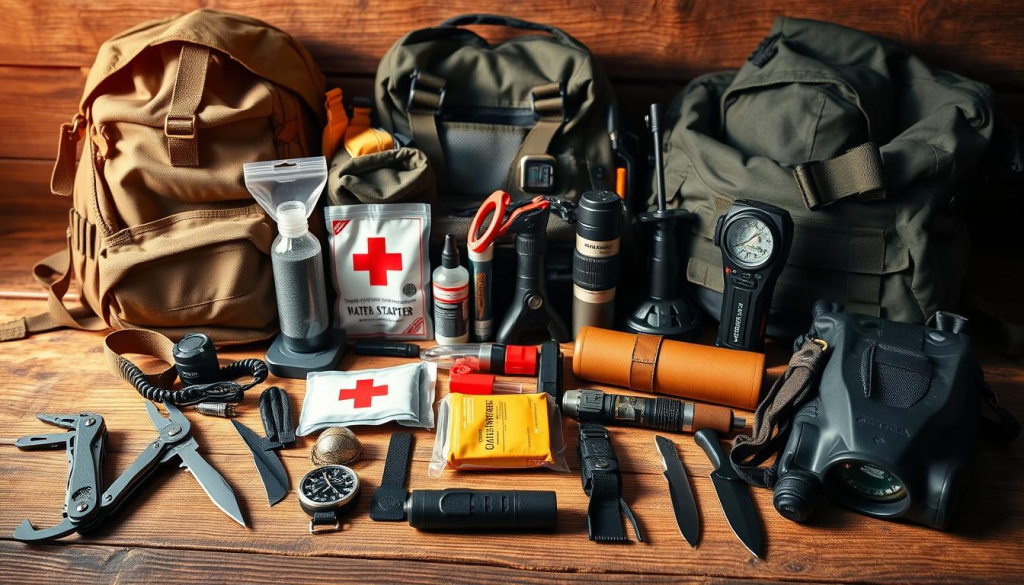
Survival gear is a critical component of any bug out bag. This includes tools that can help individuals navigate, start fires, and signal for help. For instance, a reliable flashlight and firestarter are indispensable. Echo-Sigma’s 5-7 Day Bug Out Bag, for example, includes a water purification solution and life-saving tools.
Other essential survival gear items include a multi-tool, a compass, and a whistle. These items are compact, lightweight, and can be used in a variety of survival scenarios.
Food and Water Supplies
Having adequate food and water supplies is vital for sustaining life during emergencies. A military bug out bag should include high-calorie food rations that are easy to prepare. According to Echo-Sigma’s recommendations, a 5-7 Day Bug Out Bag should contain enough non-perishable food to last for several days.
Water purification tablets or a portable filter are also crucial for ensuring access to safe drinking water. The following table outlines some essential food and water supplies:
| Supply | Description | Duration |
|---|---|---|
| High-calorie food rations | Non-perishable, easy to prepare | 5-7 days |
| Water purification tablets | Tablets for purifying water | Varies |
| Portable water filter | Compact filter for safe drinking water | Varies |
First Aid Kits
A comprehensive first aid kit is a must-have in any military bug out bag. It should include supplies for treating wounds, such as bandages, antiseptic wipes, and pain relievers. The kit should also contain any personal medications and equipment for splinting broken limbs.
Regularly checking and updating the first aid kit is crucial to ensure that all supplies are usable and not expired. This attention to detail can significantly impact the effectiveness of the bug out bag in emergency situations.
Choosing the Right Bag
A well-chosen bug out bag is essential for military personnel and civilians alike, serving as a critical component of any emergency preparedness plan. The bag must be capable of carrying all necessary items while being comfortable and durable enough to withstand various environmental conditions.
Size and Capacity
The size and capacity of the bug out bag are crucial factors. A bag that is too small may not hold all the necessary supplies, while one that is too large can be cumbersome and uncomfortable. For instance, Sirius Survival offers a bug out bag with a 50L Premium Expeditionary Backpack, which is often cited as an ideal size for most evacuation scenarios.
- Compactness: Ensure the bag is compact enough to maneuver through tight spaces.
- Expandability: Consider a bag with expandable compartments for additional storage when needed.
- Compartments: Multiple compartments can help in organizing gear efficiently.
Material and Durability
The material and durability of the bug out bag are vital for withstanding harsh conditions. Look for bags made from high-quality, water-resistant materials that can endure rough handling.
- Durable nylon or polyester fabrics are preferred for their strength and water resistance.
- Reinforced stitching and stress points enhance the bag’s overall durability.
Comfort and Portability
Comfort and portability are key considerations, as the bag may need to be carried for extended periods. Features such as padded shoulder straps, a waist belt, and a back panel can significantly enhance comfort.
- Padded shoulder straps help distribute the weight more evenly.
- A waist belt can help stabilize the bag, reducing strain on the back.
- Ventated back panels improve airflow, reducing sweat buildup.
When choosing the best bug out bag, it’s essential to balance size, material, and comfort. By considering these factors, individuals can select a bag that meets their specific needs, ensuring they are better prepared for emergency situations.
Bug Out Bag Configuration
The way a bug out bag is configured can greatly impact its usability during crises. A well-organized bug out bag ensures that essential items are easily accessible, thereby enhancing survival chances.
Organizing Your Supplies
Organizing supplies in a bug out bag is critical for efficient access. The Echo-Sigma bug out bag features a unique vertical storage design, allowing for quick retrieval of supplies. When organizing your bug out bag, consider categorizing items into groups such as first aid, food, water, and shelter.
A sample checklist for bug out bag contents could include:
- First aid kit
- Water purification tablets
- Non-perishable food
- Extra clothing
- Multi-tool or pocket knife
Weight Distribution
Even weight distribution is vital for comfort and mobility. A bag that is too heavy on one side can cause fatigue and discomfort. To achieve optimal weight distribution, place heavier items like water and food closest to your back, and balance the load by distributing other items evenly.
| Item | Weight (lbs) | Placement |
|---|---|---|
| Water | 10 | Close to back |
| Food | 5 | Close to back |
| First aid kit | 2 | Easily accessible pocket |
Quick Access Pockets
Having quick access pockets is essential for retrieving critical items rapidly. The Echo-Sigma bug out bag design incorporates multiple quick access pockets for this purpose. Consider storing items like your multi-tool, fire starter, and first aid kit in these pockets.
“A good bug out bag is not just about throwing a lot of gear into a bag; it’s about having the right gear in the right place at the right time.”
By focusing on these aspects, you can create a bug out bag that is not only comprehensive but also practical and efficient.
Personalizing Your Bug Out Bag
Tailoring your bug out bag to individual needs and environments is a key aspect of survival preparedness. A well-personalized bug out bag ensures that you are equipped with the right supplies to face the specific challenges of your region and the changing seasons.
Adapting to Individual Needs
Every individual has unique needs that must be considered when assembling a bug out bag. For instance, medications, personal hygiene items, and specific dietary requirements should be included. Companies like Sirius Survival offer customization options for their bug out bag kits, allowing users to tailor their supplies based on personal needs.
Key Considerations for Individual Needs:
- Medical requirements
- Dietary restrictions
- Personal hygiene needs
Regional Considerations
The region you live in significantly influences the type of supplies you should carry in your bug out bag. For example, if you live in an area prone to earthquakes, including items like a portable shelter and a water purification system would be wise. Similarly, for regions with extreme climates, appropriate clothing and temperature regulation gear are essential.
| Region | Recommended Supplies |
|---|---|
| Desert | Extra water, sun protection, lightweight clothing |
| Mountainous | Warm clothing, first aid kit for injuries, navigation tools |
| Coastal | Waterproof gear, emergency signaling devices, saltwater-resistant clothing |
Seasonal Adjustments
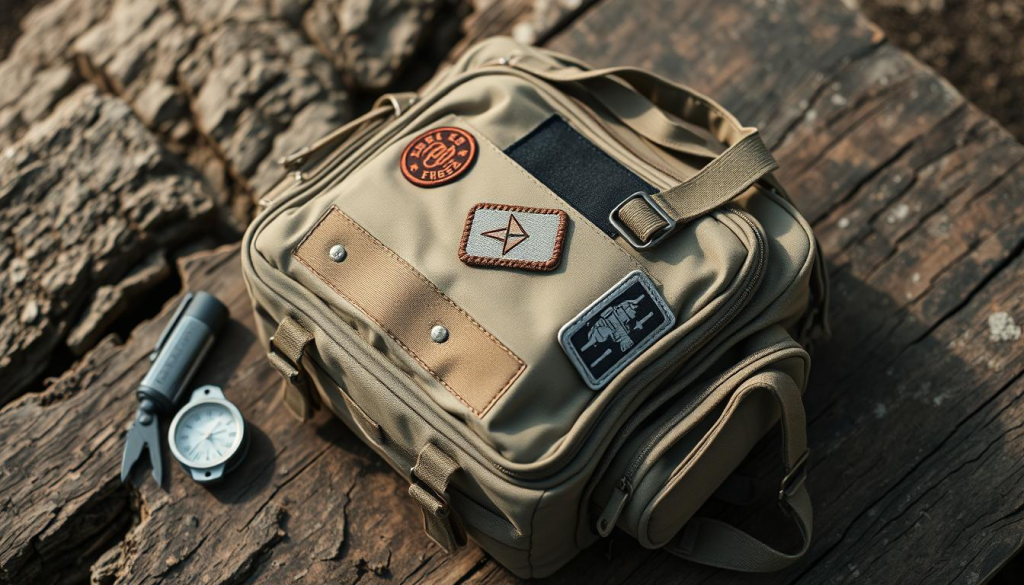
Seasonal changes necessitate adjustments to your bug out bag. For instance, during winter, warm clothing, hand warmers, and a sled or toboggan might be necessary. In contrast, summer might require more hydration supplies, sun protection, and lightweight, breathable clothing.
By considering these factors and making the necessary adjustments, you can ensure that your bug out bag is always ready to help you survive and thrive in any situation.
Training for Bugging Out
Training for bugging out is not just about having the right gear, but also knowing how to use it effectively. A military survival kit or bug out bag is a critical component of survival preparedness, but its effectiveness is greatly enhanced when the user is properly trained.
Familiarity with Your Gear
Being familiar with the contents of your bug out bag is essential. This involves understanding the purpose of each item, how to use it, and how it integrates with other components of your kit. Regularly reviewing and practicing with your gear ensures that you can access and utilize it efficiently under stress.
Practice Scenarios
Engaging in practice scenarios is a crucial aspect of bugging out training. This can include simulated evacuation drills, navigating through different terrains, and using your bug out bag essentials in various hypothetical situations. Such training helps build confidence and competence, ensuring that you can respond effectively in real emergencies.
Physical Preparedness
Physical preparedness is another vital component of bugging out. Having the endurance to carry your bug out bag over long distances, in challenging conditions, is critical. Regular physical training, such as hiking or other cardiovascular exercises, can enhance your ability to evacuate quickly and safely.
In conclusion, training for bugging out involves a comprehensive approach that includes familiarity with your gear, practice scenarios, and physical preparedness. By focusing on these areas, you can significantly enhance your chances of survival and success in emergency situations.
Maintenance of Your Bug Out Bag
Ensuring your bug out bag is in top condition is vital for emergency preparedness. A well-maintained bag can mean the difference between being prepared for a crisis and being caught off guard.
Regular Inventory Checks
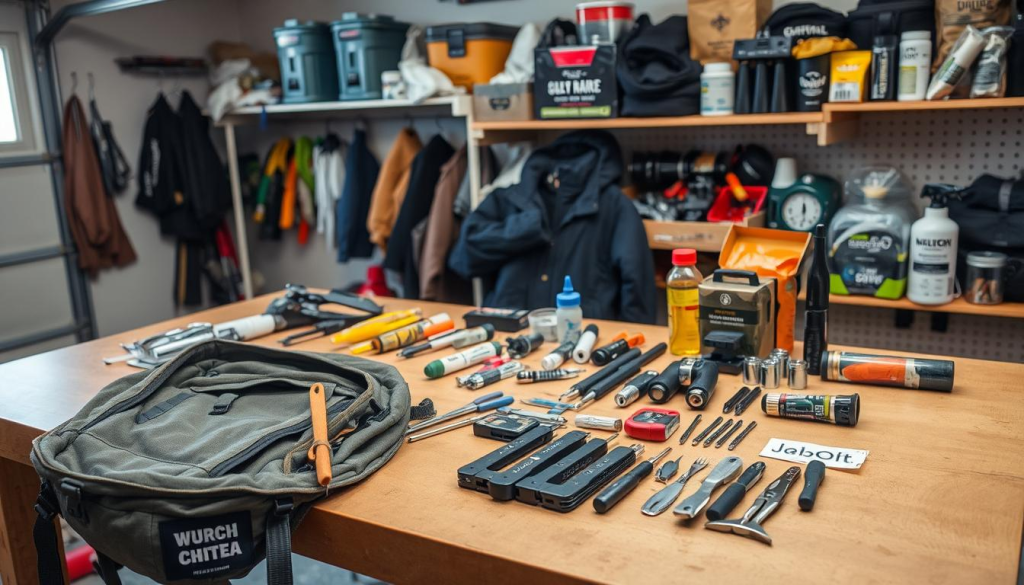
Regular inventory checks are essential to ensure that your bug out bag remains fully stocked and that all items are in working condition. This involves checking expiration dates of food and medical supplies, testing equipment like flashlights and radios, and ensuring that clothing and personal items are still usable.
It’s recommended to conduct a thorough inventory check every six months. During this check, lay out all the contents of your bag and inspect each item. Make a bug out bag checklist to keep track of items that need replacement or maintenance.
Replacement of Perishables
Perishable items such as food, water purification tablets, and certain medical supplies have limited shelf lives. Regularly replacing these items is crucial to ensure your bug out bag remains functional. Keep a rotation schedule to ensure that older items are used before they expire.
For military bug out gear, it’s also important to check the condition of equipment like batteries, first aid supplies, and communication devices. Replace any items that show signs of wear or are nearing the end of their service life.
Cleaning and Care
Cleaning your bug out bag and its contents is vital to maintain their integrity. Dirt, dust, and moisture can damage equipment and supplies, rendering them useless when needed. Use appropriate cleaning methods for different materials, and ensure that the bag itself is clean and dry before storing it.
Regular maintenance also involves checking the bag’s structural integrity. Inspect seams, zippers, and straps for signs of wear. Reinforce or replace these components as necessary to ensure the bag remains durable.
By following these maintenance steps, you can ensure that your bug out bag is always ready for use, providing you with the necessary tools and supplies to survive in emergency situations.
Bug Out Bag for Different Situations
A bug out bag is not a one-size-fits-all solution; its configuration can vary greatly depending on the environment and type of emergency.
The versatility of a bug out bag lies in its ability to be customized for various scenarios, ensuring that you are prepared for whatever comes your way.
Urban vs. Wilderness Environments
The supplies needed for urban and wilderness environments differ significantly. For urban environments, a bug out bag might include items like a portable charger, a mask, and a compact first aid kit.
In contrast, a wilderness bug out bag should be equipped with survival gear such as a water filter, a hunting knife, and a fire starter.
| Item | Urban | Wilderness |
|---|---|---|
| Portable Charger | Yes | No |
| Water Filter | No | Yes |
| First Aid Kit | Yes | Yes |
Natural Disasters
Natural disasters such as earthquakes, hurricanes, and floods require specific bug out bag supplies. For instance, a bag prepared for earthquakes should include a dust mask and a whistle to signal for help.
“The best preparation is having a plan and the right gear to execute it.” – Anonymous
For hurricanes, having a waterproof bag and a battery-powered radio is crucial.
Civil Unrest
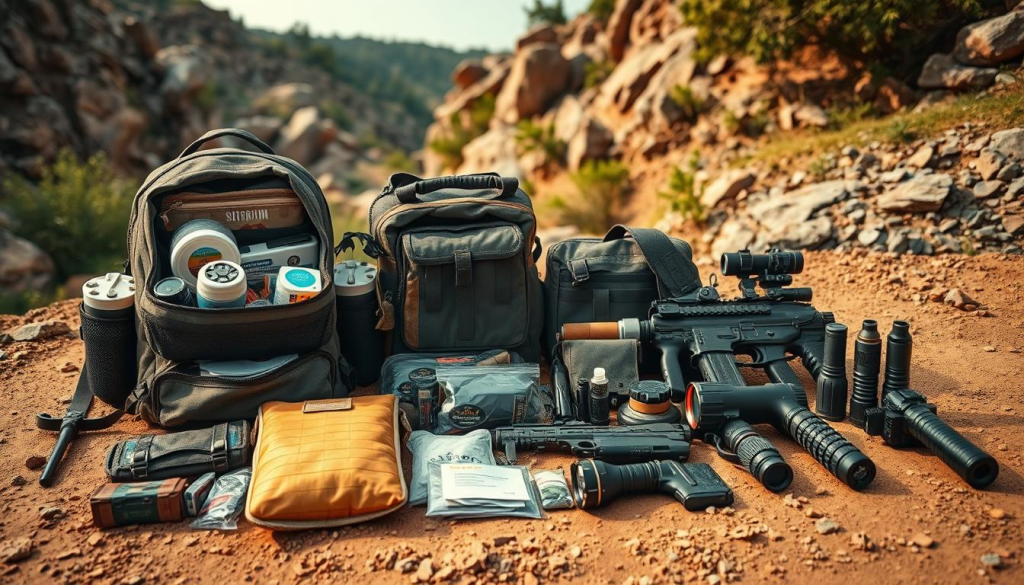
In situations of civil unrest, a bug out bag should be equipped with items that ensure personal safety and the ability to navigate through chaotic environments.
This might include a gas mask, protective gear, and a compact self-defense tool.
Understanding the specific needs for different emergency situations is key to creating an effective bug out bag.
Real Life Bug Out Bag Experiences
In the most critical moments, a bug out bag can be the difference between life and death, as seen in military testimonials. The true value of a bug out bag lies in its ability to provide essential supplies during emergencies, and real-life experiences offer valuable insights into their effectiveness.
Military Testimonials
Members of the military often share their experiences with bug out bags, highlighting their importance in survival situations. These testimonials underscore the need for a well-configured bag that includes the right supplies, such as food, water, and first aid kits.
One military personnel recounted a situation where their bug out bag was crucial during a natural disaster, providing them with necessary shelter and sustenance until help arrived.
Survival Stories
Survival stories from various parts of the world demonstrate the versatility and importance of a bug out bag. Whether in urban or wilderness environments, a well-prepared bag can be a lifesaver.
For instance, a hiker’s bug out bag proved essential when they got lost in the woods, providing them with a compass, extra clothing, and emergency rations.
Lessons Learned
The experiences shared by military personnel and survivors offer critical lessons learned about bug out bags. One key takeaway is the importance of regularly checking and updating the bag’s contents to ensure they remain relevant and usable.
Another lesson is the value of training and familiarization with the gear in the bug out bag, which can significantly enhance survival chances in high-stress situations.
Advanced Bug Out Bag Strategies
Advanced bug out bag strategies can significantly improve your chances of survival during multi-day emergencies. These strategies involve careful planning, coordination with team members if you’re part of a group, and efficient use of resources.
Multi-Day Survival Plans
Creating a multi-day survival plan involves packing enough supplies to last several days. This includes non-perishable food, water purification tablets, and a first aid kit that can handle multiple injuries.
- Plan your food intake to ensure you have enough calories to maintain energy.
- Include a water purification system to ensure access to clean drinking water.
- Pack a comprehensive first aid kit that includes medications and equipment for treating various injuries.
Team Coordination
When bugging out in a team, coordination is key. Ensure that each member knows their role and has the necessary supplies. This includes having a communication plan and a rendezvous point in case of separation.
- Assign roles based on individual skills, such as medical expertise or navigation.
- Establish a communication plan that includes a primary and secondary method of communication.
- Choose a rendezvous point that is easily identifiable and accessible.
Resource Sharing
Resource sharing can significantly enhance survival chances by ensuring that all necessary supplies are available without duplication. This involves dividing supplies among team members based on need and expertise.
- Divide supplies to minimize weight and maximize the variety of resources.
- Share knowledge and skills to enhance the team’s overall survival capabilities.
- Regularly review and update your supplies and plans to ensure they remain relevant.
Conclusion: The Importance of Preparation
A military bug out bag is a vital component of emergency preparedness, enabling individuals to respond effectively to unforeseen circumstances. Understanding what is a bug out bag military and having a well-configured bug out bag checklist can significantly enhance survival chances.
Being prepared is key to navigating emergencies. A well-maintained bug out bag ensures readiness for various situations, from natural disasters to civil unrest. Regular inventory checks and updates to the bug out bag checklist are crucial to maintaining its effectiveness.
Empowering Yourself
By personalizing and maintaining a bug out bag, individuals empower themselves with the knowledge and gear necessary to survive. This self-sufficiency is essential in emergency situations where help may be delayed.
Readiness for the Unexpected
Embracing the spirit of self-sufficiency and being prepared for the unexpected is vital. A military bug out bag is more than just a collection of supplies; it’s a symbol of readiness and resilience.