
In the face of natural disasters or emergencies, being prepared can be a lifesaver. A portable kit, designed to help individuals survive for at least 72 hours, is an essential tool.
This kit, often referred to as a survival kit, contains vital supplies that can make a significant difference in critical situations. Having such a kit ready can provide peace of mind and potentially save lives.
A well-prepared emergency kit is crucial for survival during the initial 72 hours of a disaster. It’s not just about having the right supplies; it’s about being ready to respond effectively.
Key Takeaways
- A portable emergency kit is vital for survival during disasters.
- It should contain essential supplies to last at least 72 hours.
- Being prepared can significantly improve chances of survival.
- A well-prepared kit can provide peace of mind.
- It’s crucial to have the right supplies in your emergency kit.
What is a Bug Out Bag?
A bug out bag, also known as a go bag, is a portable collection of vital items needed during emergencies. It is designed to be easily grabbed in case of an unexpected event, allowing individuals to evacuate quickly and safely.
Definition and Purpose
The primary purpose of a bug out bag is to provide essential items that can sustain an individual for a certain period during emergencies. This bag is not just a random collection of items; it’s a carefully curated kit that includes everything needed to survive and potentially thrive in challenging conditions.
The definition of a bug out bag can vary depending on individual needs, geographical location, and the types of emergencies one might face. However, the core idea remains the same: to have a ready-to-go kit that can be taken at a moment’s notice.
Common Contents of a Bug Out Bag
While the specific contents can vary, there are certain items that are commonly included in a bug out bag. These typically encompass basic survival necessities such as food, water, first aid supplies, and means of shelter.
| Category | Items |
|---|---|
| Food and Water | Non-perishable food, water purification tablets, collapsible water container |
| First Aid | Bandages, antiseptic wipes, pain relievers, any personal medications |
| Shelter and Warmth | Lightweight tent, sleeping bag, space blanket, fire starter |
Having a well-prepared bug out bag can significantly enhance one’s ability to respond to emergencies effectively. By understanding what a bug out bag is and what it should contain, individuals can better prepare themselves for the unexpected, thereby gaining bug out bag benefits such as increased safety and peace of mind. The bug out bag advantages include being better equipped to handle emergencies and having the flexibility to respond to different types of disasters.
Benefits of Having a Bug Out Bag
Having a bug out bag ready is crucial for effectively responding to emergencies. It serves as a portable kit that contains essential items needed to survive during the initial stages of a disaster or when evacuating.
The significance of a bug out bag lies in its ability to provide individuals with the necessary tools and supplies to stay safe and healthy. This is particularly important in situations where emergency services may be delayed or unavailable.
Emergency Preparedness
A bug out bag is a key component of emergency preparedness. It ensures that individuals are equipped to handle unexpected situations, such as natural disasters or other crises, by having vital supplies readily available.
Key benefits of a bug out bag in emergency preparedness include:
| Benefit | Description |
|---|---|
| Immediate Response | Allows for immediate action in emergencies, reducing reliance on external aid. |
| Essential Supplies | Contains vital items such as food, water, first aid kits, and communication tools. |
| Flexibility | Enables individuals to adapt to different emergency scenarios. |
Mobility and Flexibility
The mobility and flexibility provided by a bug out bag are crucial in responding to emergencies. It allows individuals to evacuate quickly and safely, taking their essential supplies with them.
The importance of mobility in emergency situations cannot be overstated. A bug out bag ensures that individuals can move freely, whether it’s to a safe location or to access necessary resources.
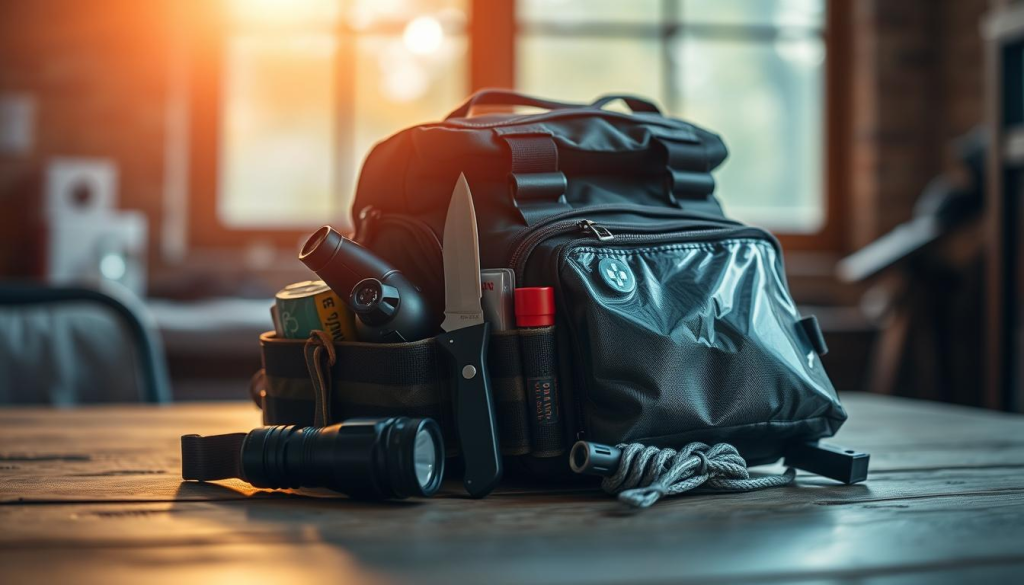
In conclusion, the benefits of having a bug out bag are multifaceted, enhancing both emergency preparedness and the ability to respond effectively to crises. By understanding the importance and utility of a bug out bag, individuals can better prepare themselves for unexpected events.
When to Use a Bug Out Bag
Knowing when to use your bug out bag can be the difference between safety and peril. A bug out bag is designed to be a portable collection of essential items that can help you survive and thrive during emergency situations.
The decision to deploy your bug out bag should be based on the nature of the emergency and your personal circumstances. It’s essential to stay informed about potential hazards and be prepared to act quickly.
Natural Disasters
Natural disasters such as hurricanes, earthquakes, and wildfires can strike with little warning. A bug out bag is crucial in these situations, providing the necessary supplies to evacuate or shelter in place.
Key Considerations for Natural Disasters:
- Monitor weather forecasts and warnings
- Have a clear evacuation plan
- Pack essential items such as food, water, and first aid supplies
Civil Unrest and Evacuations
Civil unrest, including riots and protests, can escalate quickly, making it necessary to evacuate. A bug out bag can provide the means to escape safely and comfortably.
Features to Consider for Civil Unrest:
| Feature | Description | Benefit |
|---|---|---|
| Durable Materials | Made with robust materials to withstand rough handling | Ensures the bag remains intact during evacuation |
| Multiple Compartments | Organized compartments for easy access to supplies | Allows for quick retrieval of essential items |
| Water Resistance | Water-resistant coating to protect contents from the elements | Keeps supplies dry and usable |
When choosing a bug out bag, consider the best bug out bag features that align with your needs, such as durability, comfort, and organizational capabilities.
Essential Items for a Bug Out Bag
The effectiveness of a bug out bag hinges on the inclusion of critical items such as food, water, and first aid supplies. These essentials are vital for survival during the initial 72 hours of an emergency.
Food and Water
Non-perishable food items and a reliable source of clean water are fundamental components of a bug out bag. Energy bars, canned goods, and dried fruits are excellent choices for sustenance. It’s also crucial to include water purification tablets or a portable filter to ensure access to safe drinking water.
| Food Item | Calories per Serving | Shelf Life |
|---|---|---|
| Energy Bars | 200-300 | 2-5 years |
| Canned Goods | 100-200 | 5-10 years |
| Dried Fruits | 150-250 | 6-12 months |
First Aid Supplies
A well-stocked first aid kit is indispensable in a bug out bag. It should include bandages, antiseptic wipes, pain relievers, and any personal medications. A basic first aid manual can also provide guidance in emergency situations.
- Bandages and band-aids
- Antiseptic wipes and spray
- Pain relievers and antihistamines
- Prescription medications and medical equipment
Shelter and Warmth
Adequate shelter and warmth are critical for survival. A lightweight tent, sleeping bag, and emergency blanket can provide the necessary protection from the elements. Additionally, including a portable heater or warm clothing can help maintain body heat.
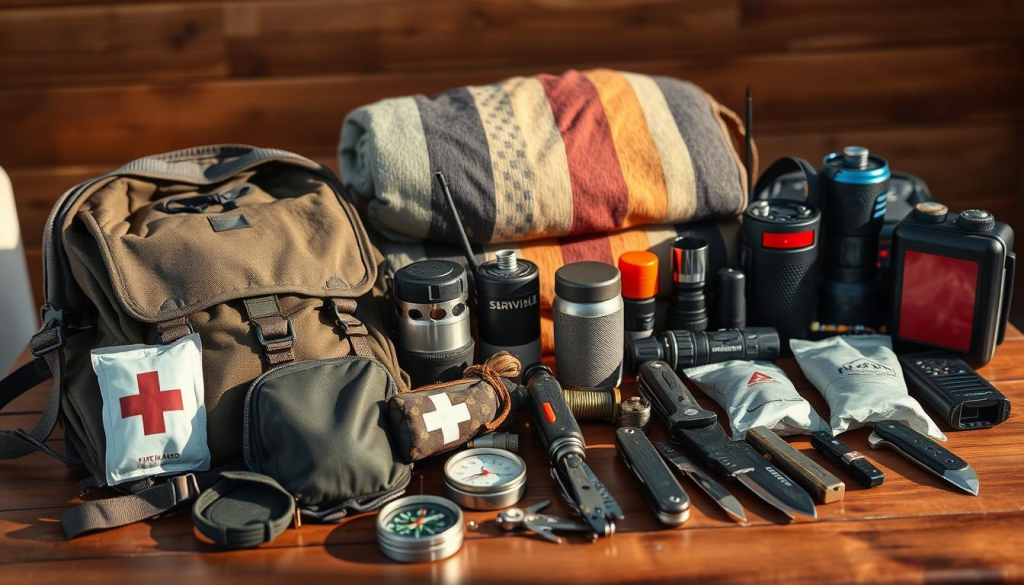
In conclusion, a bug out bag must be carefully prepared with essential items that cater to the basic needs of survival, including food, water, first aid supplies, shelter, and warmth. By including these critical components, individuals can significantly enhance their preparedness for emergencies.
How to Customize Your Bug Out Bag
When preparing for emergencies, the effectiveness of a bug out bag hinges on its ability to meet the unique requirements of its user. Customizing your bug out bag is not just about throwing in a few essentials; it’s about creating a personalized kit that addresses your specific needs and those of your family.
Assessing Personal Needs
To start customizing your bug out bag, you need to assess your personal needs. Consider your health, skills, and the environment you live in. For instance, if you have a medical condition, you’ll need to include specific medications and equipment. If you’re in an area prone to natural disasters, such as earthquakes or hurricanes, your bag should be tailored to help you survive those particular threats.
Key considerations include:
- Medical needs: medications, first aid kits, and any necessary medical equipment.
- Environmental factors: appropriate clothing, shelter materials, and tools relevant to your area’s common disasters.
- Personal skills: if you have skills such as first aid training or wilderness survival, your bag can be tailored to complement these skills.
Considering Family Members
When customizing a bug out bag for your family, it’s crucial to consider the needs of each member, including children, pets, and individuals with special needs. This might involve packing additional supplies such as diapers, formula, pet food, and specific medical supplies for family members with particular requirements.
For families with children, consider:
- Child-friendly supplies: diapers, formula, baby food, and entertainment items to keep children calm.
- Comfort items: a favorite toy or blanket can provide comfort in stressful situations.
For pets, include food, water, bowls, and any necessary medication. The goal is to ensure that every family member, including pets, has the necessary supplies to survive and stay as comfortable as possible during an emergency.
By carefully assessing your personal and family needs, you can create a bug out bag that is truly effective. Remember, the key to a successful bug out bag is customization and regular updates to ensure it remains relevant and useful.
Maintenance and Upkeep of Your Bug Out Bag
To ensure your bug out bag is always ready, regular maintenance is key. A well-maintained bug out bag can make a significant difference in emergency situations. As Mark Twain once said, “Preparation is the key to success”, and this holds particularly true for bug out bags.
Maintaining your bug out bag involves several critical steps. First, it’s essential to conduct regular inspections to ensure all items are still usable and not expired. This includes checking the expiration dates of food, water, and medical supplies, as well as testing batteries and other equipment.
Regular Inspections
Regular inspections are vital to the effectiveness of your bug out bag. During these inspections, check for any damage or wear on the bag itself and its contents. Ensure that all clothing and gear are in good condition and suitable for the anticipated environment.
It’s recommended to inspect your bug out bag every 6 months. This frequency allows you to catch any issues before they become major problems. During the inspection, also consider the changing needs of your family or environment.
Updating Supplies
Updating your bug out bag supplies is as crucial as the initial packing. Supplies such as food, water, and medications have expiration dates and need to be rotated out regularly. It’s also important to update your bag according to seasonal changes or changes in personal or family needs.
For instance, if you live in an area prone to hurricanes, you may need to adjust your supplies to include items that are more relevant during hurricane season. As
“The will to prepare is more important than the will to survive.”
This emphasizes the importance of being prepared and continually updating your bug out bag.
By following these steps and maintaining your bug out bag regularly, you can ensure that it remains a reliable resource in case of an emergency. Remember, a bug out bag is not a “set it and forget it” item; it requires ongoing attention to be effective.
Bug Out Bags for Different Scenarios
A well-prepared individual knows that a bug out bag must be tailored to the unique demands of various emergency situations. Whether you’re in an urban or rural setting, or preparing for yourself or your family, the contents and design of your bug out bag can significantly impact its effectiveness.
Urban vs. Rural Considerations
The environment you live in plays a crucial role in determining what your bug out bag should contain. Urban environments often require different items compared to rural areas. For instance, in urban settings, you might prioritize items like masks, portable chargers for your phone, and compact tools. In contrast, rural areas might necessitate including water purification tablets, a compass, and more extensive first aid supplies.
| Item | Urban | Rural |
|---|---|---|
| Water Purification Tablets | No | Yes |
| Portable Phone Charger | Yes | Yes |
| Compact Tools | Yes | Yes |
| First Aid Kit | Yes | Yes |
| Compass | No | Yes |
Family vs. Individual Kits
Another critical consideration is whether your bug out bag is for individual use or for your entire family. Family kits need to account for the specific needs of each member, including children, elderly, or pets. This means including a wider range of supplies, such as diapers, medications, and entertainment for children to prevent panic.
When customizing your bug out bag for different family members, it’s essential to consider their unique needs. For example, if you have a family member with a medical condition, you should include necessary medications and equipment. The key is to strike a balance between being prepared and not overburdening yourself with too much gear.
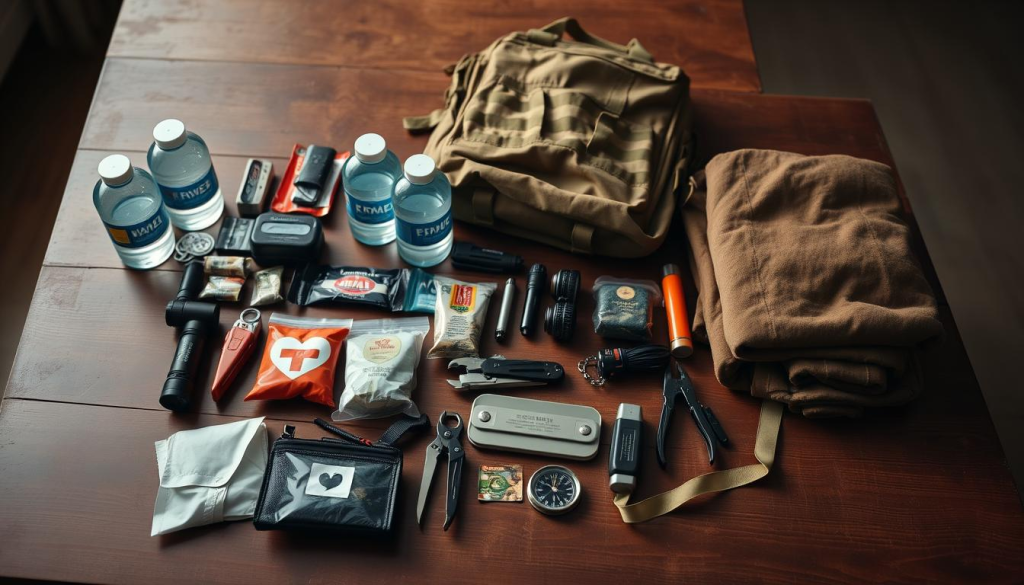
Understanding the benefits of having a well-tailored bug out bag can significantly enhance your emergency preparedness. By considering the specific scenarios you might face and the needs of your family or individual situation, you can create a bug out bag that is truly effective. So, is a bug out bag good for emergencies? The answer lies in its customization and readiness for different scenarios.
How to Choose the Right Bug Out Bag
A bug out bag is only as good as its ability to serve its purpose, making the right selection vital. When preparing for emergencies, understanding the bug out bag advantages can significantly influence your decision-making process.
Choosing the right bug out bag involves considering several key factors that will impact its performance in emergency situations. One of the primary considerations is the size and capacity of the bag.
Size and Capacity
The size of your bug out bag is critical because it determines how much you can carry. A bag that is too small may not hold all the essential items, while a bag that is too large can become cumbersome. Typically, a capacity of 30-40 liters is considered sufficient for most needs.
| Capacity (Liters) | Ideal For | Notable Features |
|---|---|---|
| 20-30 | Short trips, minimalist packers | Lightweight, compact |
| 30-40 | Standard emergency preparedness | Balanced capacity, comfortable to carry |
| 40-50+ | Extended trips, family kits | More storage, potentially heavier |
Materials and Durability
The materials used in the construction of the bug out bag are equally important, as they affect its durability and ability to withstand various environmental conditions. Look for bags made from durable, water-resistant materials such as nylon or polyester.
When evaluating the durability of a bug out bag, consider the quality of the stitching, the strength of the zippers, and the overall construction. A well-made bag will be able to withstand the rigors of emergency situations, providing you with a reliable means of carrying your essential supplies.
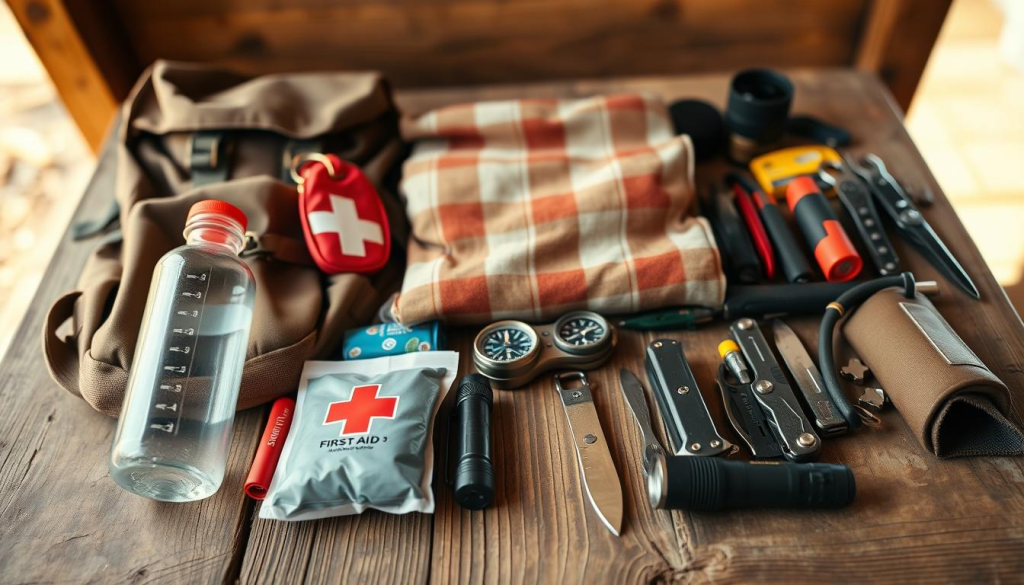
Understanding why use bug out bag is not just about having a bag; it’s about having the right tool that can make a significant difference in emergency situations. By focusing on size, capacity, materials, and durability, you can select a bug out bag that meets your needs and enhances your preparedness.
Bug Out Bag Myths and Misconceptions
Despite their growing popularity, bug out bags are often the subject of myths and misconceptions that can hinder their effectiveness. The importance of a bug out bag lies in its ability to provide essential supplies during emergencies, but misconceptions can lead to inadequate preparation.
Overpacking vs. Necessary Items
One common myth is that a bug out bag needs to be overly packed with every possible item. However, overpacking can be counterproductive, making the bag too heavy and cumbersome to carry. The key is to strike a balance between being prepared and being mobile.
A well-prepared bug out bag should include essential items such as food, water, first aid supplies, and means of shelter and warmth. It’s crucial to prioritize these necessities over less critical items.
Popular Misbeliefs
Some people believe that bug out bags are only for extreme scenarios like natural disasters or societal collapses. In reality, they can be useful in a variety of situations, from power outages to personal emergencies.
Another misbelief is that bug out bags are a one-size-fits-all solution. In fact, the best bug out bag features can vary greatly depending on individual needs, such as family size, health conditions, and the types of emergencies most likely to occur in your area.
- Understanding the myths surrounding bug out bags can help you create a more effective emergency kit.
- Prioritizing necessary items ensures you’re prepared without being overburdened.
- Customizing your bug out bag to your specific needs enhances its utility in real emergencies.
By dispelling these myths and focusing on what’s truly important, you can create a bug out bag that serves its purpose effectively.
Conclusion: Is a Bug Out Bag Good?
A bug out bag is a vital component of emergency preparedness, providing a practical means of responding to emergencies and ensuring survival during the first 72 hours. By understanding the essentials of a bug out bag and how to pack it effectively, individuals can significantly enhance their ability to respond to unexpected situations.
Preparedness is Key
Having a well-stocked bug out bag with bug out bag essentials can make a significant difference in emergency situations. It’s crucial to consider personal needs, family members, and different scenarios when customizing the bag. Regular inspections and updates of supplies are also vital to ensure the bag remains relevant and effective.
Take Action Today
Learning how to pack a bug out bag is a critical step in emergency preparedness. By taking the time to assemble and maintain a bug out bag, individuals can ensure they are better equipped to handle unexpected events. Start building your bug out bag today and take the first step towards a more secure future.