
As hurricane season approaches on June 1, it’s crucial to prepare your home and family for the potential dangers of a hurricane. Understanding your home’s vulnerability to storm surge, flooding, and wind is vital to ensuring your safety.
Preparing a hurricane survival guide involves knowing the risks associated with your location and taking proactive steps to mitigate them. This includes having a plan, securing your home, and being ready to evacuate if necessary.
Key Takeaways
- Understand your home’s vulnerability to hurricane-related hazards.
- Prepare a comprehensive hurricane survival plan.
- Secure your home against storm surge, flooding, and wind.
- Stay informed about weather conditions.
- Have a clear evacuation plan in place.
Understanding Hurricane Categories
Knowing the category of a hurricane is vital for understanding its potential impact and for making informed decisions about safety measures. Hurricanes are powerful storm systems that are categorized based on their wind speed, central pressure, and potential damage.
What Are Hurricane Categories?
Hurricane categories are defined by the Saffir-Simpson Hurricane Wind Scale, which categorizes hurricanes from Category 1 (minimal damage) to Category 5 (catastrophic damage). The category of a hurricane gives an indication of the potential damage and flooding that can occur.
- Category 1: Minimal damage, some damage to trees and power lines.
- Category 2: Moderate damage, some roofing material, door, and window damage.
- Category 3: Extensive damage, some buildings may lose roofs or have windows blown out.
- Category 4: Extreme damage, some buildings may be completely destroyed.
- Category 5: Catastrophic damage, most buildings will be destroyed.
How Categories Affect Preparations
The category of a hurricane significantly influences the preparation and evacuation decisions. For higher categories, more extensive preparations are necessary, including securing homes, stocking up on supplies, and potentially evacuating.
To prepare for a hurricane, it’s essential to know if you live in an evacuation zone. You can find this information by contacting your local government or emergency management office, or by checking their website. Understanding your zone and the category of the hurricane can help you make informed decisions about your hurricane emergency plan.
Creating a hurricane readiness checklist is also crucial. This checklist should include items such as:
- Stocking up on food, water, and other essential supplies.
- Securing your home by boarding up windows and securing outdoor furniture.
- Having a plan for alternative power sources, such as generators.
- Staying informed through weather updates and emergency alerts.
Creating an Evacuation Plan
Understanding the importance of having a detailed evacuation plan is vital for hurricane preparedness. A well-crafted plan can help ensure your safety and the safety of your loved ones.
Before an emergency happens, it’s crucial to sit down with your family or close friends and decide how you will get in contact with each other, where you will go, and what you will do in an emergency. This family emergency plan should be comprehensive and include several key elements.
Routes and Destinations
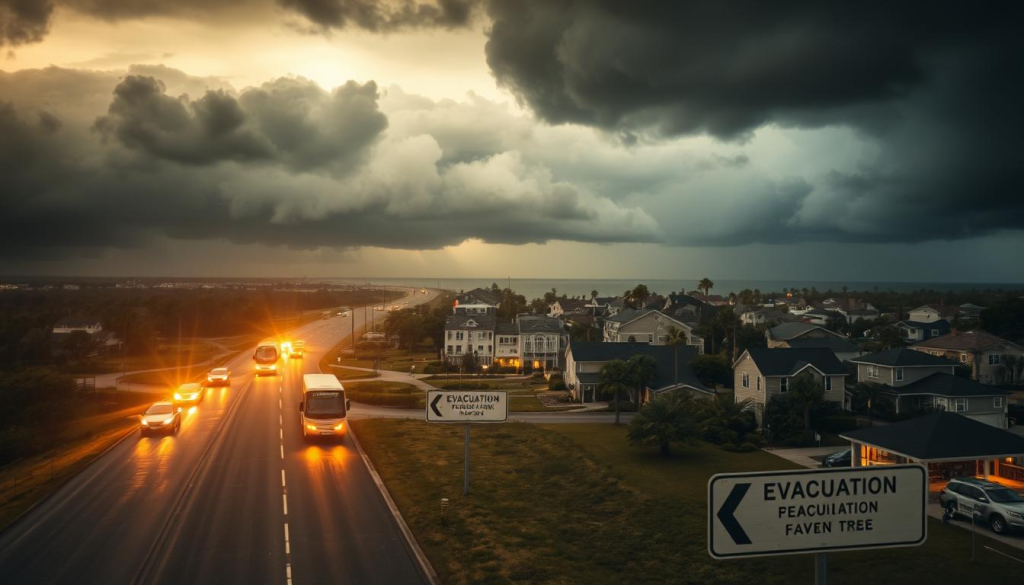
Identifying safe routes and destinations is a critical component of your evacuation plan. You should map out multiple routes to your chosen safe locations, considering potential roadblocks and traffic congestion.
Key considerations include:
- Identifying shelters or safe houses outside the hurricane’s projected path
- Planning for alternative accommodations if your primary destination is unavailable
- Ensuring your vehicle is in good working condition and has a full tank of gas
Communication with Family
Establishing a communication plan with your family is essential. This includes designating a meeting point outside your home in case you get separated, and choosing a contact person outside the affected area for family members to check in with.
It’s also important to:
- Make sure all family members have a fully charged phone and a backup power source
- Program important phone numbers into your phone, including emergency services and your designated contact person
Shelter Options
Knowing your shelter options is vital. This includes local shelters, hotels, or homes of friends and family outside the hurricane’s projected path. You should also consider the needs of pets and family members with special needs.
When evaluating shelter options, consider:
- The location’s safety and distance from the storm’s projected path
- The availability of basic necessities like food, water, and restrooms
- Accessibility for all family members, including those with disabilities
By carefully planning your evacuation route, communication strategy, and shelter options, you can significantly enhance your family’s safety during a hurricane. Remember to review and update your plan regularly to ensure it remains effective.
Essential Emergency Supplies
A well-stocked emergency kit is the cornerstone of any hurricane survival guide. It’s not just about having a plan, but also about being prepared with the right supplies to see you through the storm and its aftermath.
Food and Water Requirements
When it comes to preparing for a hurricane, stocking up on non-perishable food items and having a sufficient supply of clean water is paramount. The general rule of thumb is to have at least one gallon of water per person per day for drinking, cooking, and hygiene. For food, focus on items that are easy to prepare and don’t require refrigeration.
- Canned goods (vegetables, fruits, meats)
- Dried fruits and nuts
- MREs (Meals Ready to Eat)
- Bottled water
First Aid Kit Essentials
A first aid kit is a critical component of your emergency supplies. It should include a variety of medical supplies to treat minor injuries and prevent infections.
| Item | Description |
|---|---|
| Bandages and band-aids | For covering cuts and scrapes |
| Antiseptic wipes and spray | For cleaning wounds |
| Pain relievers | For managing pain |
Important Tools and Equipment
In addition to food, water, and first aid supplies, having the right tools and equipment can make a significant difference in your ability to navigate and respond to the challenges posed by a hurricane.
“Preparation is key to surviving a hurricane. Having the right tools and supplies can mean the difference between safety and danger.”
Some essential tools include:
- Flashlights and extra batteries
- Battery-powered radio
- Multipurpose tool (e.g., Swiss Army knife)
- Storm shutters or plywood for windows
By focusing on these essential emergency supplies, you can significantly enhance your prep list for hurricane preparedness, ensuring you’re well-equipped to face whatever the storm may bring.
Preparing Your Home
To withstand a hurricane’s impact, homeowners must take proactive measures to secure their homes. A comprehensive preparation plan includes securing windows and doors, preparing the roof and yard, and addressing utilities to minimize potential damage.
Securing Windows and Doors
Windows and doors are vulnerable points in your home’s structure. To protect them, consider installing storm shutters or impact-resistant windows. If these are not available, boarding up windows with plywood is a viable alternative. Ensure all doors, including garage doors, are reinforced with sturdy materials and secure latches.
“The best way to protect your home is to be proactive,” says the Federal Alliance for Safe Homes. “Investing in storm shutters or impact-resistant windows can significantly reduce damage.”
Roof and Yard Preparation
A well-maintained roof and yard can reduce the risk of damage during a hurricane. Inspect your roof for loose or missing shingles and repair them promptly. Trim trees and shrubs to minimize branches that could cause damage or block escape routes.
- Inspect and repair your roof.
- Trim trees and shrubs.
- Secure outdoor furniture and decorations.
Addressing Utilities
Ensure your home’s utilities are ready for a hurricane. Check your generator to ensure it’s in good working condition and have a sufficient supply of fuel. Consider installing a whole-house generator for continuous power supply.
Additionally, know how to shut off your utilities in case of an emergency. Familiarize yourself with the shut-off valves for your gas, water, and electricity supplies.
By following these steps and utilizing a hurricane readiness checklist, you can significantly enhance your home’s resilience to hurricanes. For more resources and detailed checklists, visit the Federal Alliance for Safe Homes website.
Keeping Informed
Understanding the latest developments in weather forecasts and emergency alerts is vital when preparing for a hurricane. Staying informed helps individuals make timely decisions, ensuring their safety and the safety of their loved ones.
Weather Updates and Alerts
The National Weather Service (NWS) provides critical updates through various forecast products. Understanding NWS watches and warnings is essential for hurricane preparation.
- A watch indicates that hurricane conditions are possible within the next 48 hours.
- A warning signifies that hurricane conditions are expected within the next 36 hours.
| Alert Type | Meaning | Timeframe |
|---|---|---|
| Watch | Hurricane conditions are possible | Within 48 hours |
| Warning | Hurricane conditions are expected | Within 36 hours |
Emergency Broadcasting
Emergency Alert Systems (EAS) broadcast critical information through television, radio, and mobile devices. These alerts can provide timely instructions during emergencies.
Social Media Resources
Social media platforms can serve as valuable resources for real-time updates during a hurricane. Following official emergency management accounts can provide timely information.
By leveraging these sources of information, individuals can stay ahead of the storm and make informed decisions to ensure their safety.
Preparing for Power Outages
One of the significant challenges during a hurricane is dealing with power outages, which requires prior planning. When authorities advise or order you to evacuate, grab your hurricane preparedness kit and go right away. If you decide to stay home, remember that you may lose power and water.
Power outages can last for several days, and being prepared is crucial for your safety and comfort. Having a plan in place for alternative power sources and food preservation can make a significant difference.
Backup Power Options
Investing in backup power options can be a lifesaver during a prolonged power outage. Consider purchasing a portable generator or installing a whole-house generator. Ensure that you follow safety guidelines, such as keeping generators outdoors and away from windows.
- Portable generators can power essential devices like lights, refrigerators, and medical equipment.
- Whole-house generators provide a more comprehensive solution, powering your entire home.
- Battery-powered backup systems are another option, offering a quieter and more environmentally friendly alternative.
Preserving Food Without Power
Preserving food without power requires some planning and creativity. One effective method is to keep your refrigerator and freezer doors closed as much as possible to maintain the cold temperature.
Consider the following tips to minimize food spoilage:
- Keep a cooler with ice packs handy for storing perishable items.
- Use dry ice if available, as it keeps food frozen longer than regular ice.
- Consume or cook non-perishable food items first to reduce reliance on refrigerated food.
By being prepared for power outages, you can ensure your safety and comfort during a hurricane. Having backup power options and strategies for preserving food without power are essential components of a comprehensive hurricane preparedness kit.
Special Considerations for Pets
When a hurricane is forecasted, it’s essential to have a plan in place that includes the well-being of your furry family members. Pets can become frightened or injured during a storm, and having a preparedness plan can help ensure their safety and comfort.
Pet Emergency Kits
A pet emergency kit is crucial for keeping your pets safe during a hurricane. This kit should include essential supplies such as food, water, bowls, a first-aid kit, and any necessary medication.
Here’s a breakdown of what to include in your pet emergency kit:
| Supply | Description | Quantity |
|---|---|---|
| Food | Non-perishable pet food | 7-10 days’ worth |
| Water | Bottled or canned water | 7-10 days’ worth |
| Bowls | Collapsible food and water bowls | 2 |
| First-Aid Kit | Pet-specific first-aid supplies | 1 kit |
| Medication | Prescription medication and dosage instructions | 7-10 days’ worth |
Safe Transportation for Pets
If you need to evacuate, it’s crucial to have a safe way to transport your pets. This includes using pet carriers or crates that are well-ventilated and large enough for your pet to stand up and turn around.

Insurance and Important Documents
Preparing for a hurricane includes reviewing insurance coverage and safeguarding important documents. This step is crucial in ensuring that you are financially protected in case of damage or loss.
Review Your Insurance Policies
Reviewing your insurance policies is essential to ensure you have adequate coverage for your home and personal property. Check if your policy covers flood damage, as standard homeowners insurance typically does not. Consider purchasing flood insurance through the National Flood Insurance Program (NFIP) or a private insurer. Update your policy if necessary to avoid significant financial losses.
Secure Important Documents
Secure your important documents, such as insurance policies, identification, and financial records, in a waterproof container or a safe. This protects them from water damage in case of flooding. Consider making digital copies as well.
Digital Backups for Vital Records
Creating digital backups of vital records is a prudent step. Scan your important documents and store them securely online or on an external hard drive. Services like Dropbox, Google Drive, or OneDrive can provide secure cloud storage. Ensure that your digital files are encrypted and password-protected to maintain privacy.
By reviewing your insurance policies, securing important documents, and creating digital backups, you can ensure that you are well-prepared for a hurricane and can recover more quickly if a disaster occurs.
Community Resources and Assistance
As part of your hurricane prep list, it’s essential to know about the local community resources and assistance available. These resources can provide critical support before, during, and after a hurricane.
Local Emergency Services
Local emergency services are a vital part of the community’s response to a hurricane. These services include emergency medical personnel, firefighters, and law enforcement officers who work to keep communities safe.
To access these services, it’s crucial to have a plan in place, including knowing the nearest emergency shelters and having a means of communication.
Community Shelters
Community shelters provide a safe haven for those who have been displaced or whose homes are not safe due to the hurricane. These shelters are equipped with basic necessities like food, water, and medical supplies.
When identifying community shelters as part of your prep list for hurricane, consider their locations and the services they offer.
Volunteer Opportunities
Volunteering is a significant way to contribute to the community’s efforts before and after a hurricane. Various organizations, including the American Red Cross, offer opportunities for individuals to help with relief efforts.
By participating in volunteer opportunities, individuals can play a crucial role in supporting their communities and aiding in the recovery process.
In conclusion, being aware of and utilizing community resources and assistance programs is a vital component of any prep list for hurricane. By understanding what’s available and how to access these resources, individuals can better prepare for and respond to hurricanes.
Post-Storm Recovery Steps
After a hurricane has passed, it’s essential to follow a hurricane readiness checklist to ensure a safe and efficient recovery process. Assessing damage safely is the first step towards recovery.
Safety First When Assessing Damage
When evaluating damage, be cautious of potential hazards such as fallen power lines, sharp debris, and contaminated water. Wear protective gear, including gloves and safety glasses, to minimize risks.
Navigating the Reporting and Claims Process
Documenting damage with photos and videos is crucial for insurance claims. Review your insurance policies to understand what is covered and the process for filing a claim.
Emotional Support After the Storm
Hurricanes can have a significant emotional impact. Reach out to local support groups or counseling services for help in coping with the aftermath. Utilize community resources to facilitate recovery.