
Preparing for emergencies doesn’t have to break the bank. With strategic planning and resourcefulness, individuals can start prepping on a limited budget.
Many Americans are now looking for ways to save money and prepare for unexpected situations. This shift towards prepping is driven by the need for financial security and peace of mind.
By understanding the basics of prepping and implementing budget-friendly strategies, anyone can begin their prepping journey. This includes sourcing affordable supplies and building a basic food stockpile.
Key Takeaways
- Start prepping with a clear understanding of your financial situation.
- Focus on affordable prepping essentials.
- Build a basic food stockpile to prepare for emergencies.
- Develop an emergency plan that fits your budget.
- Source supplies from affordable and reliable sources.
Understanding the Basics of Prepping
For those new to prepping, grasping the basics is essential for developing an effective emergency preparedness plan. Prepping, or preparing for emergencies, involves having the necessary supplies and plans in place to survive and thrive during challenging situations.
What is Prepping?
Prepping is not just about stockpiling food and water; it’s also about developing skills and strategies to navigate emergencies. It’s a proactive approach to managing risks and ensuring personal and family safety.
Why Start Prepping?
Starting a prepping journey can seem daunting, but it’s worth considering, even on a limited budget. Prepping is about being prepared for unexpected events, such as natural disasters or economic downturns. By starting early, individuals can spread out the cost over time, making it more manageable.
Common Misconceptions
There are several misconceptions about prepping that can deter individuals from getting started. One common myth is that prepping is only for extreme survivalists. In reality, prepping is for anyone who wants to be prepared for emergencies. Another misconception is that prepping is too expensive. However, with a budget-friendly prepping guide, individuals can start prepping without breaking the bank.
| Prepping Myth | Reality |
|---|---|
| Prepping is only for extreme survivalists. | Prepping is for anyone who wants to be prepared. |
| Prepping is too expensive. | With a budget-friendly approach, prepping can be cost-effective. |
| Prepping requires a lot of space. | Prepping can be done in small spaces with creative storage solutions. |
By understanding the basics of prepping and dispelling common misconceptions, individuals can take the first step towards cost-effective emergency preparedness.
Assessing Your Current Situation
The first step in prepping on a shoestring budget is to take stock of your current situation. This involves understanding your financial standing, the resources you already have, and the skills you can utilize in case of an emergency.
Evaluating Your Resources
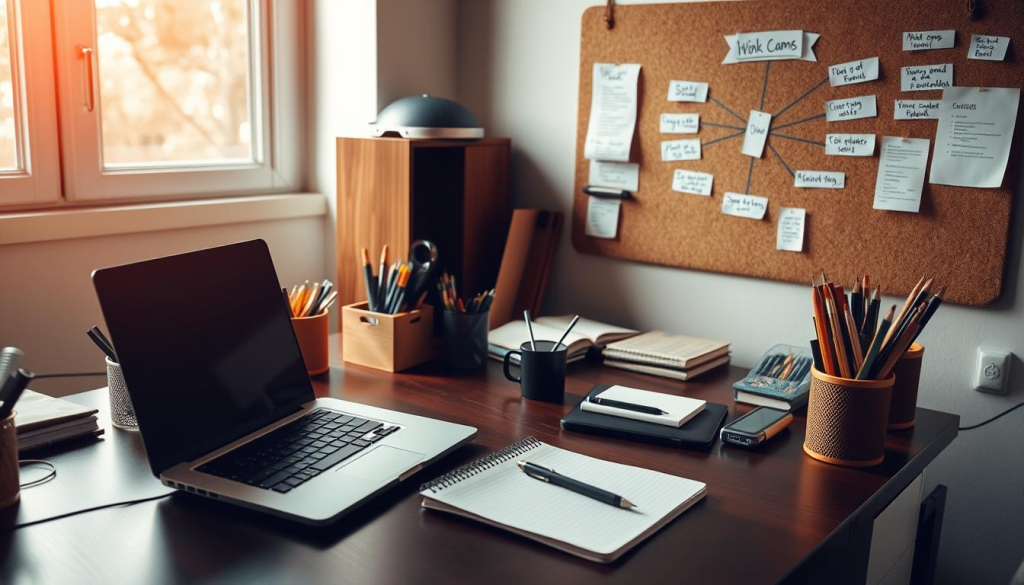
Start by making an inventory of your current resources, including food, water, first aid supplies, and any equipment that could be useful during emergencies. Consider your financial situation as well; how much can you afford to allocate to prepping each month? Make a list of everything you have and categorize items based on their importance and utility.
Identifying Your Needs
Once you have a clear picture of your resources, the next step is to identify your needs. Consider the potential risks and emergencies that could affect you, such as natural disasters common in your area or personal health issues. Prioritize your needs based on likelihood and potential impact.
Setting Realistic Goals
With a clear understanding of your resources and needs, you can now set realistic goals for your prepping efforts. This could involve building a basic emergency kit, stockpiling food, or learning new skills. Break down larger goals into smaller, manageable tasks to avoid feeling overwhelmed and to ensure steady progress.
By following these steps, you can create a tailored prepping plan that fits your budget and lifestyle, ensuring you’re better prepared for whatever comes your way.
Budget-Friendly Prepping Strategies
Effective prepping doesn’t have to break the bank; it’s about making smart choices. As many Americans look for ways to save money and reduce expenses, prepping can be a cost-effective way to prepare for emergencies. By adopting budget-friendly strategies, individuals can make progress in their prepping journey without overspending.
Prioritizing Essentials
The first step in budget-friendly prepping is to prioritize essentials. This means focusing on the most critical items that will provide the most benefit in an emergency. According to recent reports, many people are looking for ways to save money, and prepping can be a viable option. Start by identifying the basic needs such as food, water, shelter, and first aid supplies.
“Prepping is not just about stockpiling supplies; it’s about being prepared for life’s unexpected events,” says a prepping expert. By prioritizing essentials, individuals can ensure they are prepared for the most likely emergencies.
Finding Local Resources
Finding local resources is another crucial aspect of budget-friendly prepping. This can include thrift stores, garage sales, and community donation programs. Utilize online marketplaces and local classifieds to find affordable supplies. Additionally, consider bartering or trading with neighbors and friends to acquire needed items without spending money.
- Visit local thrift stores for affordable supplies.
- Attend community garage sales and auctions.
- Join local online forums and social media groups to find free or low-cost resources.
Planning for Long-Term Needs
Planning for long-term needs is essential to avoid last-minute, costly purchases. Create a long-term plan that includes rotating supplies, maintaining equipment, and updating emergency kits. This approach will help spread the cost over time and ensure that prepping remains affordable.
“The key to successful prepping is not to buy everything at once but to build your supplies and skills gradually over time.” – Prepping Expert
By following these budget-friendly prepping strategies, individuals can make significant progress in their prepping journey without breaking the bank. It’s about being smart, resourceful, and prepared.
Sourcing Affordable Supplies
Sourcing supplies for prepping doesn’t have to be expensive; there are several budget-friendly options available. By exploring alternative sources, preppers can acquire necessary supplies without overspending.
Thrift Stores and Garage Sales
Thrift stores and garage sales can be treasure troves for affordable prepping supplies. You can find items like camping gear, outdoor equipment, and even non-perishable food items at significantly lower prices than retail.
- Inspect items carefully for durability and functionality.
- Look for brand-name items at discounted prices.
- Consider the potential for repurposing or refurbishing items.
Online Marketplaces
Online marketplaces like eBay, Craigslist, and Facebook Marketplace offer a wide range of prepping supplies at competitive prices. When shopping online, it’s essential to:
- Verify the seller’s ratings and reviews.
- Check the item’s description and return policy.
- Compare prices across different platforms.
Donation Programs
Some organizations offer donation programs or free supplies for preppers in need. While these programs may have eligibility criteria, they can be a valuable resource for those on a tight budget.
Examples include:
- Local food banks that offer non-perishable food items.
- Community organizations that provide emergency supplies.
- Government programs that offer disaster relief supplies.
| Source | Potential Supplies | Tips |
|---|---|---|
| Thrift Stores | Camping gear, outdoor equipment | Inspect items carefully |
| Garage Sales | Non-perishable food, household items | Negotiate prices when possible |
| Online Marketplaces | Prepping gear, emergency supplies | Verify seller ratings and reviews |
| Donation Programs | Food, emergency supplies | Check eligibility criteria |
By leveraging these affordable sourcing options, preppers can build a comprehensive emergency supply kit without breaking the bank. Remember to always inspect items carefully, compare prices, and consider the potential for repurposing or refurbishing.
Building a Basic Food Stockpile
A well-stocked pantry is the foundation of any prepping plan, and it can be achieved affordably. Building a basic food stockpile involves several key steps that help ensure you have a reliable source of nutrition during emergencies.
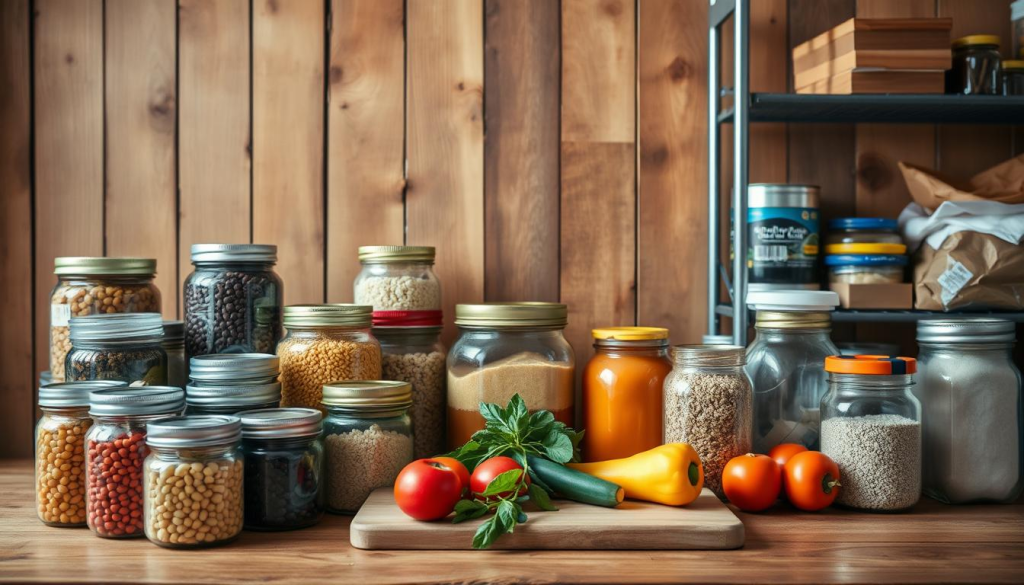
When starting your food stockpile, it’s essential to focus on non-perishable foods that are rich in nutrients and have a long shelf life. These include canned goods, dried legumes, and grains.
Choosing Non-Perishable Foods
Selecting the right non-perishable foods is crucial for a sustainable food stockpile. Consider foods that are high in protein, fiber, and vitamins. Some examples include:
- Canned tuna and salmon
- Dried beans and lentils
- Whole grain rice and pasta
- Canned vegetables and fruits
These foods are not only nutritious but also versatile, allowing you to prepare a variety of meals.
Meal Planning on a Budget
Effective meal planning is vital to making the most of your food stockpile without overspending. Start by planning meals around the non-perishable foods you have stockpiled.
| Meal | Main Ingredients | Cost Estimate |
|---|---|---|
| Lentil Soup | Lentils, vegetables, broth | $1.50 per serving |
| Pasta with Marinara Sauce | Pasta, canned sauce, garlic | $2 per serving |
| Bean and Rice Bowl | Canned beans, rice, spices | $1.25 per serving |
Rotating Your Supplies
To ensure your food stockpile remains fresh and usable, it’s crucial to rotate your supplies regularly. This means using the oldest items first and replenishing them as needed.
Implementing a “first in, first out” policy can help you keep track of your stockpile’s freshness. Regular rotation also gives you the opportunity to check for expired or spoiled items.
By following these steps and maintaining a well-organized food stockpile, you can ensure a reliable source of nutrition during emergencies, all while staying within your budget.
Emergency Kits on a Budget
Prepping for emergencies doesn’t have to be expensive; here’s how to create a kit on a budget. Building an emergency kit is a crucial step in preparing for unexpected situations, and it can be done without breaking the bank.
Essential Items to Include
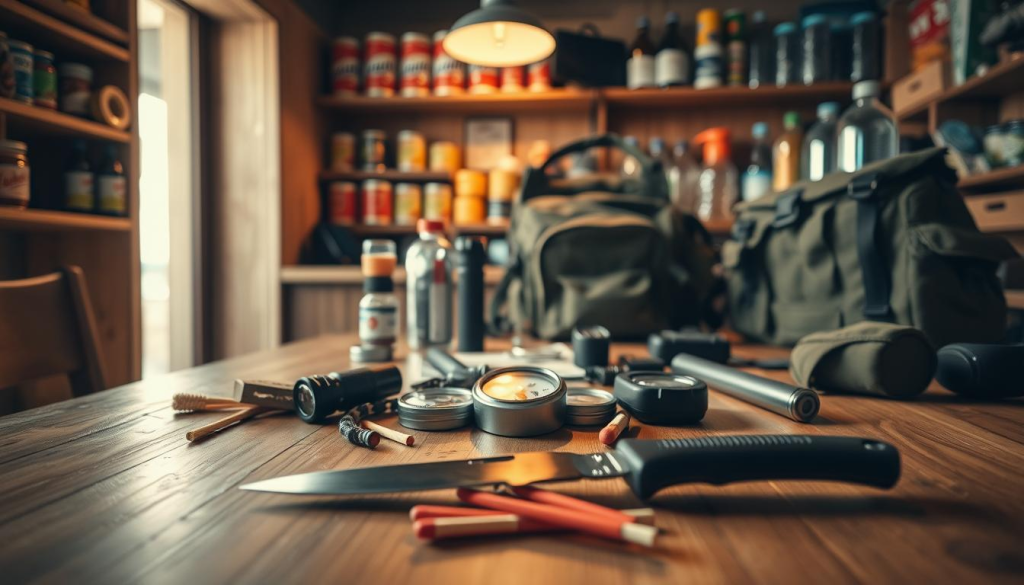
When assembling an emergency kit, it’s vital to prioritize essential items that will help you survive and recover from a disaster. These include:
- Water and non-perishable food
- First aid supplies
- Flashlights and extra batteries
- A battery-powered radio
- Warmth and shelter materials (blankets, tents, etc.)
As Ready.gov suggests, “having a kit assembled can help you and your family stay safe during a disaster.”
“Disasters can happen at any time, and having a well-stocked emergency kit can make all the difference.”
Creative Solutions for Storage
Storage is a critical aspect of maintaining an emergency kit. You don’t need to buy expensive storage solutions; instead, consider using items you already have at home. For example:
- Old trunks or chests
- Plastic bins or buckets
- Backpacks or duffel bags
By repurposing these items, you can save money and keep your emergency kit organized.
Building a Kit Gradually
Building an emergency kit is not a one-time task; it’s a process that can be done gradually over time. Start by focusing on the most critical items and gradually add more supplies as your budget allows. Prioritize your needs and allocate your resources accordingly.
“Prepping is a journey, not a destination,” as many preppers say. By taking it one step at a time, you can create a comprehensive emergency kit that fits your budget.
Learning Essential Skills
Prepping isn’t just about stockpiling supplies; it’s also about gaining the skills to use them effectively. In the face of an emergency, having the right equipment is crucial, but knowing how to use it can be the difference between safety and disaster.
Free Online Resources
The internet is a treasure trove of free resources for learning essential prepping skills. Websites like Ready.gov offer comprehensive guides on various aspects of emergency preparedness, from creating emergency plans to building disaster supply kits.
Additionally, platforms like YouTube have numerous channels dedicated to prepping and survival skills, offering tutorials on everything from first aid to wilderness survival.
Community Workshops
Community workshops provide hands-on experience and the opportunity to learn from experienced individuals. Many local community centers, libraries, and churches host workshops on various prepping topics, such as first aid training and emergency response.
These workshops not only teach valuable skills but also offer a chance to network with like-minded individuals in your community.
Books and Publications
For those who prefer learning through reading, there are numerous books and publications available on prepping and survival skills. From comprehensive guides to specific topics like food preservation and self-defense, there’s a wealth of information available.
Local libraries often have sections dedicated to survival and prepping, providing free access to valuable resources. For more specialized knowledge, consider purchasing books or subscribing to publications that focus on prepping and emergency preparedness.
By leveraging these resources, you can develop a wide range of skills that will enhance your ability to prepare for and respond to emergencies, all while staying within your budget.
Networking with Other Preppers
Prepping isn’t just about stockpiling supplies; it’s also about building a community. Connecting with other preppers can provide valuable opportunities for sharing knowledge, resources, and experiences.
Joining Local Groups
One of the most effective ways to network with other preppers is by joining local groups. These groups often organize meetings, workshops, and events where members can share tips and resources. To find local prepping groups, check online platforms like Meetup.com or local community centers. As Tom Johnson, a seasoned prepper, notes, “Local groups are invaluable for building relationships and learning from others’ experiences.”
Online Forums and Social Media
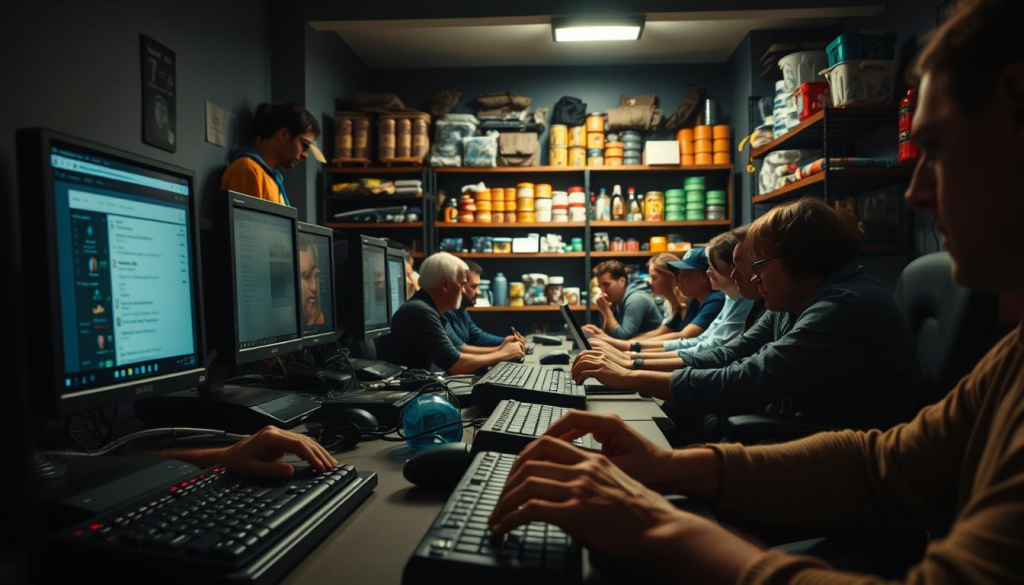
In today’s digital age, online forums and social media platforms are crucial for connecting with other preppers. Websites like Reddit’s r/prepping and dedicated prepping forums offer a wealth of information and the chance to engage with a broader community. “The online prepping community is incredibly supportive and diverse,” says Sarah Lee, a popular prepping blogger. “You can find advice, resources, and camaraderie online.”
Bartering and Trading Resources
Bartering and trading resources is another effective way to network with other preppers. By exchanging goods or services, you can acquire what you need without spending money. For instance, you might trade canned goods for first aid supplies or offer skills like gardening in exchange for other necessities. As noted by prepping expert John Doe,
“Bartering not only helps you save money but also fosters a sense of community and cooperation.”
To get started with bartering, consider joining local swap meets or online bartering platforms. Always be cautious and clear about the terms of your trades to ensure a smooth and fair exchange.
Developing an Emergency Plan
To navigate emergencies successfully, having a well-thought-out plan is essential. Developing an emergency plan involves understanding the potential risks in your area, ensuring all family members are involved and informed, and regularly revisiting and updating the plan to reflect changing circumstances.
Assessing Risks in Your Area
Understanding the specific risks and hazards in your area is the first step in creating an effective emergency plan. This could include natural disasters such as hurricanes, earthquakes, or floods, as well as other potential emergencies like power outages or chemical spills. Conducting a thorough risk assessment will help you prepare for the most likely scenarios.
To assess risks, you can start by gathering information from local news sources, government websites, and community emergency preparedness groups. This information will help you understand the types of emergencies that could occur and how to prepare for them.
Family Involvement and Communication
An emergency plan is only effective if all family members are aware of it and understand their roles. Involving everyone in the planning process not only ensures that the plan is comprehensive but also that everyone knows what to do in case of an emergency.
To achieve this, hold family meetings to discuss the plan, assign tasks to each member, and make sure everyone knows how to contact each other if you get separated. It’s also crucial to designate a meeting point outside the home where family members can gather if they cannot get back inside.
Regularly Revisiting and Updating
An emergency plan is not a static document; it needs to be regularly reviewed and updated to remain relevant. Circumstances change over time, such as new family members, changes in the home, or new potential risks identified in the area.
Schedule regular reviews of your emergency plan, ideally every six months, to ensure it remains up-to-date. This is also an opportunity to practice the plan through drills, ensuring that everyone remembers what to do in an emergency.
By following these steps and maintaining a cost-effective emergency preparedness mindset, you can develop a robust emergency plan that will help you navigate unexpected events with confidence.
Staying Informed and Adaptable
Effective prepping requires staying informed about current events and being adaptable to changing circumstances. By following news sources and updates on potential emergencies, you can adjust your prepping plans as needed to stay ahead.
Current Events and Emergency Preparedness
Staying up-to-date with current events helps you anticipate and prepare for potential emergencies. Utilize reliable news sources and emergency alert systems to stay informed about weather events, economic shifts, and other factors that may impact your prepping plans.
Adjusting Plans and Budgeting for the Future
As you stay informed, be prepared to adjust your prepping plans and budget accordingly. Consider implementing money-saving prepping strategies, such as stockpiling affordable prepping essentials during sales or using coupons. By being flexible and proactive, you can ensure your prepping efforts remain effective and aligned with your budget.
For prepping tips for beginners, focus on building a foundation of essential supplies and skills, and continually assess and improve your plans. By doing so, you’ll be well-prepared to face unexpected challenges while staying within your means.