
In emergency situations, having a well-stocked Bug Out Bag can be a lifesaver. Also known as a 72-Hour Bag or a Go Bag, this portable emergency kit contains essential items to help you survive for at least 72 hours.
A good Bug Out Bag is crucial in case of unexpected disasters or emergencies. According to experts, a well-prepared bag should be able to keep you alive for a minimum of 72 hours, with 84 hours being the ideal duration.
Preparing a Bug Out Bag involves including vital supplies such as food, water, first aid kits, and communication tools. It’s essential to be prepared for any situation, and having a Bug Out Bag ready can make a significant difference.
Key Takeaways
- Understand the importance of having a Bug Out Bag.
- Know the essential items to include in your Bug Out Bag.
- Learn how to customize your Bug Out Bag according to your needs.
- Discover the ideal duration your Bug Out Bag should sustain you.
- Find out how to maintain and update your Bug Out Bag regularly.
1. Understanding What a Bug Out Bag Is
A Bug Out Bag, often abbreviated as BOB, is a specially designed backpack that holds the necessary supplies to help individuals survive during emergencies. It is a portable emergency kit that can be easily carried and contains essential items to help you survive during an emergency.
The Purpose of a Bug Out Bag
The primary purpose of a Bug Out Bag is to provide the basic tools of life should you have to evacuate a home or place of work quickly during an emergency. It is designed to sustain you for a short period, typically 72 hours, until help arrives or the situation stabilizes.
According to emergency preparedness experts, having a Bug Out Bag ready is a proactive step towards ensuring survival. As
“A Bug Out Bag is your ticket to survival when disaster strikes, providing you with the necessary items to stay alive until help arrives.”
When to Use a Bug Out Bag
A Bug Out Bag is meant to be used in situations where you need to evacuate quickly, such as natural disasters, fires, or other emergencies that require immediate action. It’s essential to have your Bug Out Bag ready and easily accessible at all times.
Essential Features of a Bug Out Bag
An effective Bug Out Bag should include a variety of essential items. The following table outlines some of the key components:
| Category | Items |
|---|---|
| Food and Water | Non-perishable food, water purification tablets, and a water bottle |
| First Aid | First aid kit, bandages, antiseptic wipes, and pain relievers |
| Shelter and Warmth | Tent, sleeping bag, blanket, and a fire starter |
By understanding what a Bug Out Bag is and what it should contain, you can better prepare yourself for emergencies. Ensuring your Bug Out Bag is well-stocked and easily accessible is a crucial step in emergency preparedness.
2. Determining What to Pack
When it comes to preparing a Bug Out Bag, one of the most critical decisions is determining what to pack. The items you include can significantly impact your ability to survive and thrive during an emergency.
Food and Water Supplies
Having adequate food and water supplies is paramount. You should pack non-perishable food items that are high in calories and nutrients. Consider including energy bars, canned goods, and dried fruits. It’s also crucial to have a reliable means of purifying water, such as water filters or purification tablets, to ensure access to safe drinking water.
| Food Item | Calories per Serving | Shelf Life |
|---|---|---|
| Energy Bars | 200-300 | 2-5 years |
| Canned Goods | 100-200 | 5+ years |
| Dried Fruits | 150-200 | 6-12 months |
Shelter and Sleeping Gear
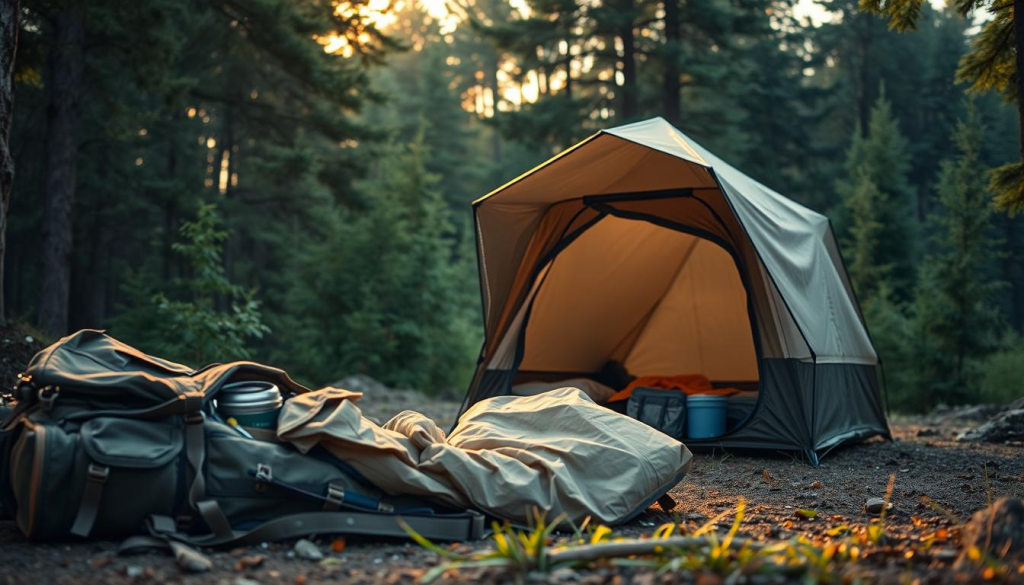
Adequate shelter and sleeping gear are vital for protection against the elements. Include a lightweight tent or emergency blanket to provide warmth and shelter. A sleeping bag rated for the expected low temperatures in your area is also essential.
First Aid and Hygiene Items
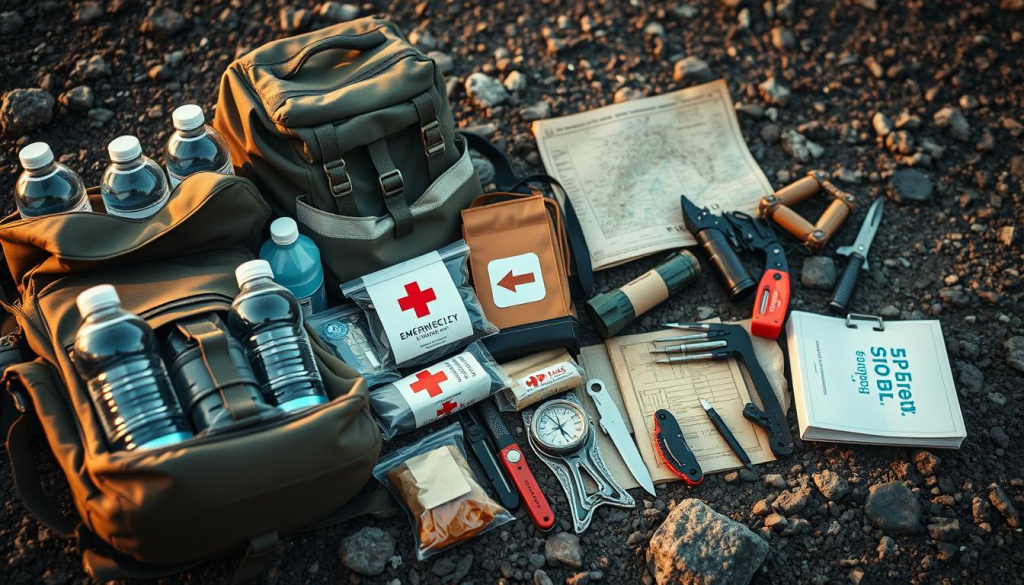
A well-stocked first aid kit should include bandages, antiseptic wipes, pain relievers, and any medications you may need. Don’t forget to pack personal hygiene items like toilet paper, hand sanitizer, and biodegradable soap to maintain health and prevent the spread of disease.
- Bandages and band-aids
- Antiseptic wipes and sprays
- Pain relievers and antihistamines
- Personal hygiene items (toilet paper, hand sanitizer, biodegradable soap)
Tools and Emergency Gear
Multi-tools and fire starting equipment (like lighters or matches) are crucial for various tasks and for starting a fire for warmth and cooking. Include a compass and maps of your area to help with navigation.
- Multi-tool or pocket knife
- Fire starting equipment (lighter, matches, firestarters)
- Compass
- Maps of your area
By carefully considering and packing these essential items, you can ensure that your Bug Out Bag is well-prepared to help you survive in an emergency.
3. Choosing the Right Bag
Selecting the perfect Bug Out Bag is a crucial step in emergency preparedness. Your Bug Out Bag is your lifeline in a crisis, and it needs to be reliable, durable, and tailored to your needs.
Types of Bug Out Bags
There are various types of bags that can be used as Bug Out Bags, including backpacks, duffel bags, and tactical bags. According to experts, the Paratus 3-Day Operator’s Backpack by 3V Gear is a highly recommended option. The type of bag you choose depends on your specific needs, the terrain you’ll be navigating, and your personal preferences.
Some popular types of Bug Out Bags include:
- Backpacks with multiple compartments for organization
- Duffel bags for carrying bulkier items
- Tactical bags designed for rugged use
Essential Features to Look For
When selecting a Bug Out Bag, there are several key features to consider. These include:
- Durable, water-resistant materials
- Multiple compartments for organization
- Comfortable straps and padding
- Reflective or brightly colored accents for visibility
As “The right bag can make a significant difference in your ability to respond to an emergency.”
Sizing and Capacity Considerations
The size and capacity of your Bug Out Bag will depend on the amount of gear you need to carry. A general rule of thumb is to pack only what you need for 72 hours. Consider the types of emergencies you’re preparing for and the supplies you’ll need to survive.
When it comes to sizing, consider a bag that is large enough to hold your essentials but not so large that it becomes cumbersome. A capacity of 30-40 liters is often recommended for most Bug Out Bags.
“A well-packed Bug Out Bag is not just about the bag itself, but about the items you pack and the plan you have in place.”
4. Food and Water: Essentials for Survival
The key to surviving an emergency lies in having a Bug Out Bag equipped with the right food and hydration solutions. When disaster strikes, having access to nutritious food and clean water can be the difference between life and death. A well-prepared Bug Out Bag should include a balance of non-perishable foods and effective hydration solutions.
Best Non-Perishable Foods
Choosing the right non-perishable foods for your Bug Out Bag is crucial. Look for high-calorie foods that are rich in nutrients, such as energy bars, nuts, and dried fruits. Canned goods like beans, tuna, and chicken are also excellent options, as they provide protein and can be easily prepared.
It’s also important to consider any dietary restrictions or allergies when selecting food for your Bug Out Bag. Including a manual can opener is a must, as many canned goods require it. Consider packing foods that are easy to prepare, like instant soups or freeze-dried meals, to keep your energy up during an emergency.
Choosing Hydration Solutions
Staying hydrated is vital during an emergency, and having the right hydration solutions in your Bug Out Bag is essential. Consider including a water filter or purification tablets to ensure access to clean drinking water. A hydration bladder or water bottles with built-in filters can also be useful.
A water purification straw is another valuable addition, allowing you to drink directly from a water source while filtering out contaminants. Don’t forget to pack enough water for immediate needs, as well as a means to purify or filter more water as needed.
Meal Planning for Emergencies
Meal planning for emergencies involves more than just packing food; it’s about creating a sustainable plan that meets your nutritional needs. Consider the length of time you might be in an emergency situation and plan your meals accordingly. Aim for a minimum of 2,000 calories per day per person.
When planning meals, think about the weight and space constraints of your Bug Out Bag. Opt for lightweight, high-calorie foods that are easy to prepare. It’s also a good idea to include a portable stove or camping equipment to facilitate meal preparation.
5. Shelter and Sleeping Systems
Survival in emergency situations heavily relies on adequate shelter and sleeping arrangements. When disaster strikes, having a reliable shelter and sleeping system in your Bug Out Bag can be a lifesaver. Shelter is a primary concern during an emergency, as it protects you from the elements and potential hazards.
Types of Emergency Shelters
There are several types of emergency shelters that you can include in your Bug Out Bag. These include:
- Tent shelters: Lightweight and compact, these are ideal for temporary shelter.
- Bivy sacks: These are compact, waterproof bags that can be used to create a warm, dry environment.
- Tarps: Versatile and lightweight, tarps can be used to create a variety of shelter configurations.
- Ponchos: A poncho can serve as both a raincoat and a makeshift shelter.
When choosing an emergency shelter, consider factors such as weight, durability, and ease of setup.
Sleeping Bags vs. Emergency Blankets
When it comes to sleeping gear, you have two primary options: sleeping bags and emergency blankets. Sleeping bags provide warmth and comfort but can be bulky. Emergency blankets, on the other hand, are lightweight and compact but may not offer the same level of warmth.
Key considerations:
- Warmth: Sleeping bags generally offer more warmth than emergency blankets.
- Weight and size: Emergency blankets are typically lighter and more compact.
- Moisture resistance: Consider the waterproof and moisture-wicking capabilities of your chosen sleeping gear.
Setting Up Camp Quickly
Being able to set up camp quickly is crucial in an emergency situation. Here are some tips to help you:
- Choose a flat, dry area for your shelter.
- Clear the area of debris and potential hazards.
- Use your shelter according to the manufacturer’s instructions.
- Consider the wind direction and position your shelter accordingly.
By including the right shelter and sleeping systems in your Bug Out Bag and knowing how to use them effectively, you can significantly enhance your chances of survival during an emergency.
6. Health and Hygiene Supplies
A well-stocked Bug Out Bag includes essential health and hygiene supplies to help you survive and stay healthy during emergencies. These supplies are vital for preventing infections, treating injuries, and maintaining personal hygiene.
Essential First Aid Kit Items
A first aid kit is a critical component of your Bug Out Bag. It should contain items to treat wounds, manage pain, and address other medical emergencies. Some of the essential first aid kit items include:
- Bandages and band-aids
- Antiseptic wipes and spray
- Pain relievers (e.g., acetaminophen, ibuprofen)
- Antihistamines for allergic reactions
- Prescription medications and necessary medical equipment
Personal Hygiene Products
Maintaining personal hygiene is crucial for both physical and mental health during a crisis. Include the following personal hygiene products in your Bug Out Bag:
| Product | Description |
|---|---|
| Toothbrush and toothpaste | For maintaining oral hygiene |
| Biodegradable soap | For washing hands and body |
| Moist towelettes or baby wipes | For personal cleaning when water is scarce |
| Sanitary napkins or tampons | For feminine hygiene needs |
Emergency Medications and Prescriptions
In addition to a first aid kit, it’s essential to include any emergency medications and personal prescriptions in your Bug Out Bag. This may include:
- Medications for chronic conditions (e.g., diabetes, heart conditions)
- Epinephrine auto-injectors (e.g., EpiPen) for severe allergic reactions
- Antibiotics or other prescription medications
By including these health and hygiene supplies in your Bug Out Bag, you’ll be better prepared to handle medical emergencies and maintain your overall health during a disaster.
7. Clothing and Personal Items
Incorporating the right clothing and personal items into your Bug Out Bag can make a significant difference in emergency situations. These items are crucial for maintaining comfort, morale, and overall well-being during stressful times.
Choosing the Right Clothing Layers
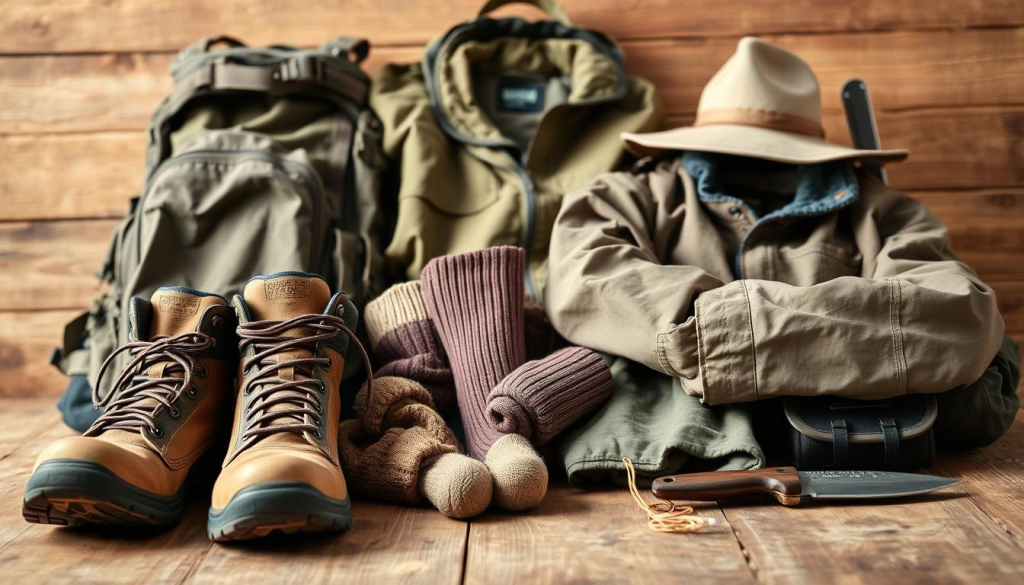
Layering clothing is essential for adapting to varying environmental conditions. Moisture-wicking base layers help regulate body temperature, while insulating mid-layers provide warmth. A waterproof and breathable outer layer protects against the elements.
- Pack lightweight, quick-drying clothing.
- Include warm layers for cold conditions.
- Choose clothing that can be easily mixed and matched.
Footwear Considerations
Footwear is a critical component of your Bug Out Bag. Sturdy, waterproof boots or shoes with good ankle support are essential for protecting your feet during long walks or hikes. Consider packing extra socks to keep your feet dry and blister-free.
- Select boots or shoes that are comfortable and durable.
- Break in new footwear before an emergency.
- Pack extra socks and consider waterproofing your footwear.
Accessories to Keep You Comfortable
Accessories such as gloves, hats, and scarves can significantly enhance your comfort. These items can protect you from extreme temperatures and weather conditions. Don’t forget to include personal hygiene items that can boost morale.
- Gloves for cold weather or protection.
- Hats and scarves for warmth.
- Personal hygiene items like toothbrushes and biodegradable soap.
8. Tools and Gear for Survival
Incorporating the right tools and gear into your Bug Out Bag is a critical step in emergency preparedness. The right equipment can significantly enhance your ability to survive and navigate through challenging situations.
Multi-Tools and Knives
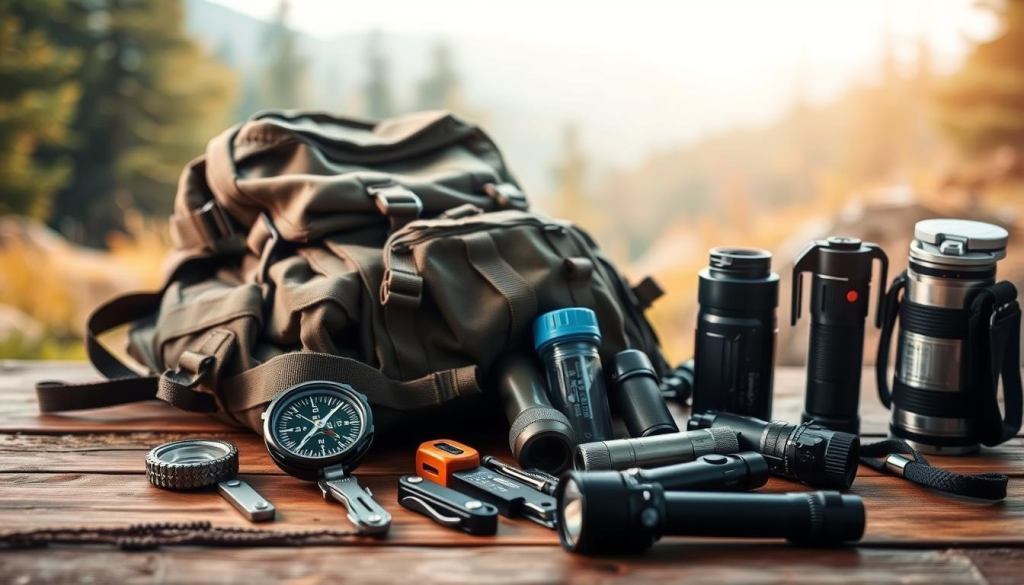
Multi-tools and knives are among the most essential items to include in your Bug Out Bag. They offer versatility and can be used for a variety of tasks, from cutting branches to opening cans. A good multi-tool or knife can be a lifesaver in a survival situation.
Key Features of Multi-Tools and Knives:
- Durable construction
- Multiple functions (e.g., pliers, screwdrivers, blades)
- Easy to carry and access
Fire Starting Equipment
Fire starting equipment is another critical component of your Bug Out Bag. Fire can provide warmth, light, and a means to cook food, making it a vital element for survival. There are various fire starting tools available, including lighters, matches, and ferrocerium rods.
“Fire is a powerful tool in a survival situation. It can be used for warmth, signaling, and cooking, making it an indispensable resource.”
| Fire Starting Method | Advantages | Disadvantages |
|---|---|---|
| Lighters | Easy to use, reliable | Fuel limited, can fail in extreme conditions |
| Ferrocerium Rods | Durable, works in various conditions | Requires technique to use effectively |
Navigation Tools: Compasses and Maps
Navigation tools are crucial for finding your way during an emergency. A compass and a detailed topographic map can help you navigate through unfamiliar terrain. It’s essential to know how to use these tools effectively.
Tips for Using Navigation Tools:
- Always carry a compass and map.
- Understand how to read a map and use a compass.
- Keep your navigation tools protected and accessible.
By including these essential tools and gear in your Bug Out Bag, you’ll be better prepared to face and survive emergency situations.
9. Preparing for Your Bug Out Location
Preparing for your bug out location is a critical step in emergency preparedness. It involves more than just having a bag ready; it’s about having a plan and a safe place to execute that plan.
Identifying Safe Locations
When identifying a safe location to bug out to, consider several factors. The location should be remote enough to avoid danger but accessible enough to reach quickly. It’s essential to have multiple options in case your primary location is compromised.
- Consider locations with natural resources like water and food.
- Ensure the location is defendable if necessary.
- Choose a location with a stable and safe environment.
Setting Up a Bug Out Base
Once you’ve identified a safe location, the next step is to set up a bug out base. This involves preparing the necessary infrastructure to sustain you and your family for an extended period.
- Establish a shelter that can protect you from the elements.
- Set up a system for collecting and purifying water.
- Create a food supply chain, whether through hunting, foraging, or stored supplies.
Essential Supplies for Your Bug Out Location
The supplies you bring to your bug out location are just as important as the location itself. Your bug out bag checklist should include essentials like food, water, first aid kits, and tools.
- Non-perishable food and a means to prepare it.
- A water filtration system or purification tablets.
- First aid kit and any necessary medications.
- Tools for starting a fire and building shelter.
By carefully planning your bug out location and preparing the necessary supplies, you can significantly enhance your chances of survival during an emergency.
10. Testing and Practicing Your Bug Out Plan
Testing your Bug Out Plan is as important as packing the right Bug Out Bag items. A well-prepared plan is only effective if you can execute it efficiently under pressure.
To ensure you’re ready, it’s essential to conduct regular drills and involve all family members in the preparation process. This not only helps identify potential weaknesses in your plan but also ensures everyone knows their role in an emergency.
Conducting a Bug Out Drill
Start by setting a specific time and scenario for your drill. This could be a simulated natural disaster or other emergency that requires you to evacuate quickly. Make sure to include all aspects of your Bug Out Plan, such as gathering your Bug Out Bag gear, traveling to your designated safe location, and setting up camp.
During the drill, pay attention to any challenges or bottlenecks that arise. This could include difficulties in accessing certain items from your Bug Out Bag, navigating through unfamiliar terrain, or setting up your shelter.
Making Adjustments Based on Practice
After completing your Bug Out Drill, take the time to review what worked well and what didn’t. Make a list of adjustments needed to improve your plan and your Bug Out Bag items. This might involve replacing certain gear, changing your evacuation route, or practicing specific skills.
It’s also crucial to update your plan and communicate these changes to all family members. Regularly revising and practicing your plan will help ensure that you’re always prepared for the unexpected.
Involving Family Members in Preparations
Involving all family members in your Bug Out Plan preparations is vital. Each person should know what their responsibilities are, what to expect during an evacuation, and how to use the items in their Bug Out Bag gear.
Consider creating a simple, easy-to-follow guide for family members that outlines the key steps of your Bug Out Plan. Regular family meetings can also help keep everyone informed and engaged in the preparation process.
| Drill Aspect | Issues Identified | Adjustments Needed |
|---|---|---|
| Gathering Bug Out Bag | Difficulty finding certain items | Organize Bag for easier access |
| Navigating to Safe Location | Route was longer than expected | Identify alternative routes |
| Setting Up Camp | Shelter setup was slow | Practice setting up shelter |
11. Staying Informed About Emergencies
In the event of a disaster, having the right information can be lifesaving. Staying informed about emergencies is a critical component of any preparedness plan. This involves not just having the right tools and supplies, such as a well-packed bug out bag, but also being aware of the latest developments and updates in your area.
Resources for Emergency Updates
To stay informed, it’s essential to have reliable sources of information. This can include signing up for emergency alerts from local authorities, following weather and news updates, and using apps designed for emergency notifications. Ensuring you have a fully charged phone and a backup power source, like a portable charger, is also crucial.
Some recommended resources include the National Weather Service for weather updates and the American Red Cross for general emergency advice. These organizations provide timely updates and tips on how to prepare for and respond to emergencies.
Connecting with Local Preparedness Groups
Connecting with local preparedness groups can provide valuable insights and support. These groups often share knowledge on the best practices for emergency preparedness, including how to pack a bug out bag effectively. They can also offer guidance on local hazards and the specific preparations needed for your area.
Joining local preparedness groups can be done through community centers, online forums, or social media platforms. These groups can be a great resource for learning about new techniques and staying updated on local emergency plans.
Importance of Community Support
Community support is vital during emergencies. Having a network of informed and prepared individuals can make a significant difference in how effectively you can respond to a disaster. Community support can provide additional resources, assistance, and emotional support during challenging times.
By staying connected with your community and participating in local preparedness initiatives, you not only enhance your own preparedness but also contribute to the resilience of your community. This collective approach to emergency preparedness is key to navigating and recovering from disasters.
12. Regular Maintenance and Updates for Your Bag
Maintaining your bug out bag is crucial to ensure it remains effective in emergency situations. A well-maintained emergency kit can be the difference between life and death.
Checking Expiration Dates
Regularly inspect your bug out bag supplies, checking expiration dates on food, water purification tablets, and medications. Replace any expired or damaged items to keep your emergency kit up-to-date.
Seasonal Adjustments
Make seasonal adjustments to your bug out bag to account for changing weather conditions. For example, include warm clothing and a sleeping bag for cold weather, or a portable fan and sunscreen for hot weather.
Staying Proficient
Regular training is essential to stay proficient in using the items in your bug out bag. Practice setting up your shelter, starting a fire, and navigating with a compass to ensure you’re prepared for any situation.
By regularly maintaining and updating your bug out bag, you’ll be better equipped to handle emergencies and keep yourself and your loved ones safe.