
Meal planning is a crucial step in managing household expenses, particularly in the US where food expenses rank fourth among the highest household costs, according to the Bureau of Labor Statistics.
By planning meals on a limited budget, individuals can significantly reduce their food expenses and allocate resources more efficiently.
Effective meal planning involves creating a budget-friendly meal prep strategy that not only saves money but also ensures healthy eating.
Key Takeaways
- Meal planning helps reduce food expenses.
- Creating a budget-friendly meal prep strategy is essential.
- Effective meal planning ensures healthy eating.
- Allocating resources efficiently is a key benefit.
- Meal planning is a crucial step in managing household expenses.
Understanding the Importance of Budget Prep
Preparing on a budget is a vital skill that can lead to significant financial benefits. By understanding the importance of budget prep, individuals can make informed decisions about their financial planning, ultimately achieving their financial goals.
Why Preparing on a Budget Matters
Preparing on a budget matters because it allows individuals to manage their finances effectively, ensuring they can cover their expenses while saving for the future. A NerdWallet survey found that 2/3 of Americans say saving money is a financial goal in 2025, highlighting the importance of cost-effective meal planning and money-saving meal prepping strategies.
By adopting a budget-friendly approach to meal prep, individuals can significantly reduce their food expenses without compromising on nutrition or taste. This approach not only helps in saving money but also promotes healthier eating habits.
Common Misconceptions About Budgeting
Many people believe that budgeting means depriving themselves of enjoyable activities or food. However, effective budgeting is about making conscious financial decisions that align with one’s priorities and values.
Another misconception is that budgeting is too complicated or time-consuming. In reality, with the right tools and strategies, budgeting can be straightforward and rewarding. It’s about finding a balance that works for you and your lifestyle.
Benefits of Smart Financial Planning
Smart financial planning offers numerous benefits, including reduced financial stress, increased savings, and the ability to achieve long-term financial goals. By incorporating cost-effective meal planning into their financial plan, individuals can enjoy significant savings over time.
Moreover, smart financial planning enables individuals to make the most of their resources, ensuring they can enjoy their money while still saving for the future. This balanced approach to finances can lead to a more fulfilling and less stressful life.
Setting a Realistic Budget
To achieve financial stability, setting a realistic budget is crucial. This involves understanding your income and expenses to make informed decisions about your money.
Assessing Your Financial Situation
The first step in creating a budget is to assess your current financial situation. This includes calculating your total monthly income from all sources and listing your fixed expenses, such as rent, utilities, and minimum payments on debts.
- Track your income and expenses for a month to understand where your money is going.
- Identify areas where you can cut back on unnecessary expenses.
- Consider using economical food prep tips to reduce grocery bills.
Determining Your Priorities
After understanding your financial situation, it’s essential to determine your priorities. This could include saving for a big purchase, paying off debt, or building an emergency fund.
- List your financial goals in order of priority.
- Allocate your income accordingly, ensuring that you’re making progress towards your most important goals.
- Consider how affordable meal prep ideas can fit into your budget and support your financial goals.
Creating a Monthly Spending Plan
A practical approach to budgeting is the 50/30/20 rule, which suggests allocating 50% of your income towards necessities, 30% towards discretionary spending, and 20% towards savings and debt repayment.
To implement this rule, you’ll need to:
- Calculate 50% of your income for necessary expenses like rent and utilities.
- Use 30% for discretionary spending, such as dining out or entertainment.
- Allocate 20% towards savings and debt payments, ensuring you’re building a financial safety net.
By following these steps and incorporating affordable meal prep ideas into your plan, you can create a budget that is both realistic and effective.

Finding Affordable Meal Prep Options
You don’t have to sacrifice nutrition for affordability with the right meal prep strategies. Low-cost meal preparation is achievable through smart planning and shopping.
Budget-Friendly Grocery Shopping Tips
Grocery shopping is a crucial aspect of meal prep. To save money, consider shopping at local farmers’ markets or using cashback apps like Ibotta or Fetch Rewards. As
“The way we eat is changing, and it’s changing the way we live.”
– this quote emphasizes the importance of mindful eating and smart grocery shopping.
Additionally, buying in bulk and planning meals around staple ingredients can significantly reduce your grocery bills. A well-planned grocery list is key to avoiding impulse buys.
Utilizing Sales and Coupons Effectively
Utilizing sales and coupons can lead to significant savings on grocery bills. Start by checking weekly ads for your local stores and planning your shopping trip around the items on sale. Digital coupons are also a convenient way to save without clipping paper coupons.
- Sign up for store loyalty programs to receive exclusive discounts.
- Use apps like RetailMeNot or Cupom for digital couponing.
- Consider purchasing store brands or generic versions of products.
Planning Meals Around Seasonal Produce
Planning meals around seasonal produce not only ensures freshness but also saves money. Produce that’s in season is often cheaper and tastes better. Here’s how to make the most of it:
- Check local farmer’s markets or grocery stores for what’s in season.
- Plan your meals around the freshest produce available.
- Consider freezing or canning seasonal produce for future meals.
By incorporating these strategies into your meal prep routine, you can enjoy healthy, delicious meals without breaking the bank.
Cost-Effective Kitchen Supplies
Cost-effective kitchen supplies are the backbone of successful thrifty meal prepping. Equipping your kitchen with the right tools doesn’t have to break the bank. By choosing affordable options and being resourceful, you can prepare delicious meals without overspending.
Essential Tools for Budget Meal Prep
Having the right kitchen tools is essential for efficient meal prep. Some must-haves include a good chef’s knife, a cutting board, and a set of durable, microwave-safe containers. These essential tools will help you prep, cook, and store your meals effectively.
When selecting kitchen tools, consider the quality and durability. While it might be tempting to opt for the cheapest options, investing in a few high-quality, versatile tools can save you money in the long run by reducing the need for frequent replacements.
Where to Find Affordable Kitchen Gear
Finding affordable kitchen gear is easier than you think. Start by checking out discount stores, thrift shops, and online marketplaces. Websites like Craigslist or Facebook Marketplace often have gently used kitchen items at significantly lower prices. You can also find great deals during seasonal sales or clearance events at local kitchen supply stores.
Another great resource is dollar stores, where you can find simple kitchen tools like measuring cups, spoons, and basic utensils at unbeatable prices. Garage sales and estate sales are also worth exploring for hidden gems.
DIY Alternatives for Common Prep Tools
Getting creative with DIY alternatives can further reduce your kitchen expenses. For instance, you can use old jars for storing spices or leftovers, or repurpose an old cutting board as a serving tray. Mason jars are excellent for meal prep, serving as both storage containers and portable meal vessels.
Additionally, consider making your own kitchen tools, like a spice rack from an old wooden board or a utensil holder from a plastic bottle. These DIY alternatives not only save money but also add a personal touch to your kitchen.
Utilizing Leftovers Creatively
Reducing food waste by using leftovers is a simple yet effective budgeting tip. According to the USDA, the average American household throws away around 40% of the food they buy. By utilizing leftovers creatively, you can significantly cut down on this waste and save money on your grocery bills.
Transforming Leftovers into New Meals
One of the most effective ways to use leftovers is to transform them into entirely new meals. For example, leftover roasted chicken can be turned into chicken salad, chicken soup, or even chicken tacos. As Julia Child once said, “The only time to eat diet food is while you’re waiting for the steak to cook.” However, with a little creativity, you can turn last night’s steak into tomorrow’s steak salad or steak sandwiches.
To get started, think about the ingredients you have on hand and how they can be repurposed. You can find inspiration online or in cookbooks. For instance, leftover vegetables can be used in soups, stews, or as fillings for omelets.
Freezing for Future Use
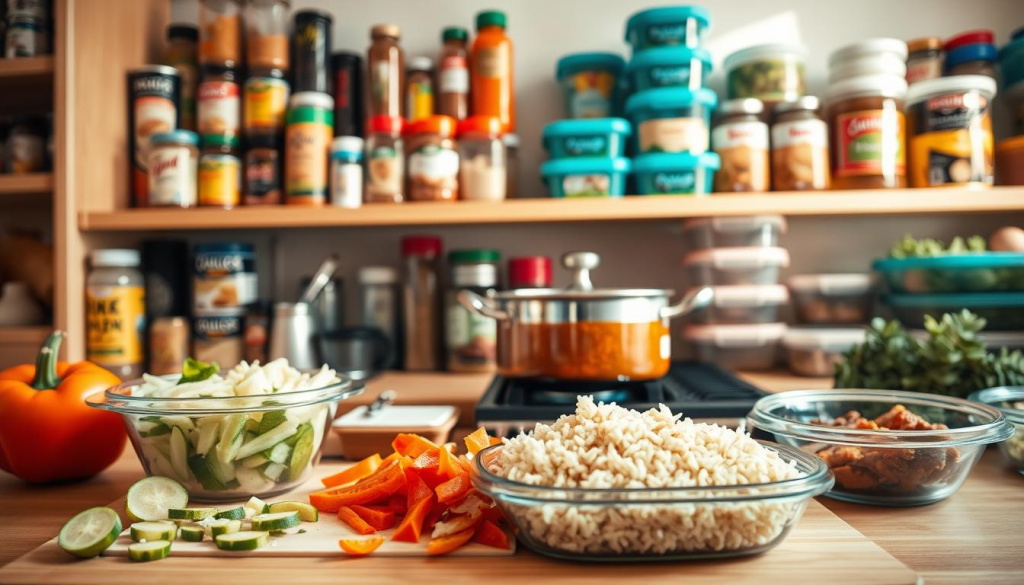
Freezing leftovers is another great way to reduce waste and save time in the long run. Consider freezing leftover soups, stews, or casseroles for future meals. You can also freeze individual portions of meals like cooked rice, roasted vegetables, or grilled meats.
When freezing, be sure to use airtight containers or freezer bags to prevent freezer burn. Labeling your frozen leftovers can also help you keep track of what you have and ensure that you use the oldest items first.
Planning Your Meals Around Leftover Ingredients
Planning your meals around leftover ingredients is a key component of cost-effective meal planning. By doing so, you can avoid buying duplicate ingredients and reduce the likelihood of throwing away spoiled food.
To plan effectively, take stock of what you have in your fridge and pantry before heading to the grocery store. Consider what leftovers you can incorporate into your upcoming meals. You can also plan your meals around seasonal produce to ensure that you’re getting the freshest ingredients at the best prices.
“The way to get started is to quit talking and begin doing.” –
By implementing these strategies, you can make the most of your leftovers and enjoy budget-friendly meal prep. Not only will you save money, but you’ll also reduce your environmental impact by minimizing food waste.
Meal Prep Techniques for Saving
Mastering meal prep techniques can significantly reduce your food expenses. By adopting efficient strategies, you can save both time and money. Effective meal prep involves planning, smart shopping, and cooking methods that minimize waste and effort.
Batch Cooking Basics
Batch cooking is a fundamental technique for saving time and money. It involves preparing large quantities of a single ingredient or meal, which can then be portioned out for future use. This method is particularly useful for staples like rice, grains, and legumes.
- Plan your meals around what’s on sale at the grocery store.
- Cook in bulk to save time and reduce waste.
- Portion out your cooked meals into individual servings for easy reheating.
One-Pot Meals to Minimize Effort
One-pot meals are another efficient meal prep strategy. They require minimal cleanup and can be very cost-effective. Dishes like stews, soups, and skillet dinners are perfect examples.
Benefits of one-pot meals include:
- Less cleanup and effort.
- Often more nutritious as they retain flavors and nutrients.
- Can be very versatile, accommodating a variety of ingredients.
Time-Saving Tips for Efficient Cooking
To maximize your meal prep efficiency, consider these time-saving tips:
- Prep in advance: Chop vegetables, marinate meats, and prepare spices ahead of time.
- Use the right tools: Invest in a good chef’s knife, a slow cooker, and other kitchen gadgets that make cooking easier.
- Keep it simple: Start with simple recipes and gradually experiment with more complex dishes.
By incorporating these meal prep techniques into your daily routine, you can enjoy significant savings and reduce your stress around meal times. Whether you’re a busy professional or a parent looking to save time and money, these strategies can help.
Smart Shopping Strategies
Smart shopping is the backbone of economical food preparation, enabling individuals to save money without compromising on quality. By adopting the right strategies, you can significantly reduce your grocery bills and make meal prep more efficient.
Buying in Bulk: Pros and Cons
Buying in bulk is a popular strategy for saving money on groceries. The primary advantage is the cost savings; purchasing items like rice, pasta, and canned goods in larger quantities can be cheaper per unit. However, there are potential downsides to consider. Storage space can become an issue, and there’s a risk of items expiring before they can be used. To make the most of bulk buying, it’s essential to plan your purchases carefully and have adequate storage.
Navigating Local Farmers’ Markets
Local farmers’ markets offer a unique shopping experience and the opportunity to purchase fresh, seasonal produce. Navigating these markets effectively requires some knowledge. First, it’s beneficial to know what produce is in season to get the best prices. Building a relationship with local farmers can also provide insights into the quality and origin of the produce. Additionally, being prepared to buy in larger quantities or trying new vegetables can lead to cost savings.
Selecting Generic Brands vs. Name Brands
When it comes to packaged goods, consumers often face the decision between generic brands and name brands. Generic brands are typically cheaper and offer similar quality. For many products, such as canned vegetables or pasta, the difference is negligible. However, for certain items where brand reputation or specific formulation is important, name brands might be worth the extra cost. It’s essential to evaluate the quality and price difference for each product category to make informed decisions.
By implementing these smart shopping strategies, individuals can make significant savings on their grocery bills, contributing to more economical food prep and low-cost meal preparation. Whether it’s buying in bulk, shopping at farmers’ markets, or choosing between generic and name brands, being an informed shopper is key to successful budget meal planning.
Tracking Your Spending
Understanding your spending patterns is essential for making informed financial decisions. By monitoring where your money is going, you can identify areas for improvement and make adjustments to stay on budget.
Keeping a Food Diary
One effective way to track your spending is by keeping a food diary. This involves recording every meal, snack, and beverage you consume over a period of time. By doing so, you can identify patterns in your eating habits and understand where you can cut back.
- Record every purchase, no matter how small.
- Note the date, time, and amount spent.
- Reflect on your entries to identify trends.
Using Apps to Monitor Expenses
In today’s digital age, there are numerous apps available that can help you track your expenses with ease. These apps can categorize your spending, provide budgeting insights, and even offer alerts when you’re approaching your budget limits.
Popular Expense Tracking Apps:
- Mint
- Personal Capital
- YNAB (You Need a Budget)
Using these apps can simplify the process of tracking your spending and help you stay on top of your finances.
Reflecting on Your Budget Progress
Regularly reviewing your budget progress is crucial for achieving your financial goals. By reflecting on your spending habits and budget performance, you can make informed decisions about where to allocate your resources.
Tips for Effective Reflection:
- Schedule regular budget reviews.
- Compare your actual spending against your budget.
- Adjust your budget as needed to stay on track.
By following these steps, you can ensure that you’re making progress towards your financial objectives.

Staying Motivated to Stick to Your Budget
To successfully prep on a budget, it’s essential to find ways to stay motivated over time. Budget meal prep isn’t just about cutting costs; it’s about maintaining a lifestyle that is sustainable and enjoyable. Staying motivated is key to achieving your financial goals through meal prep.
Setting Short-Term Goals
One effective way to stay motivated is by setting short-term goals. These goals could be as simple as preparing a certain number of meals per week or reducing your grocery bill by a specific amount. By achieving these smaller goals, you build confidence and momentum in your budget meal prep journey.
For instance, you might start by committing to cook at home three times a week and gradually increase the frequency as you become more comfortable with meal prep. This approach makes the task less daunting and more manageable.
Rewarding Yourself for Successful Prep
Another strategy to maintain motivation is by rewarding yourself for successful meal prep. This could be something as simple as trying a new recipe, enjoying a favorite dessert, or even just taking a moment to relax and enjoy the fruits of your labor. The reward should be meaningful and related to your meal prep goals.
For example, after a month of successful budget meal prep, you could treat yourself to a kitchen gadget you’ve been wanting or a cookbook from your favorite chef. This positive reinforcement helps to keep you engaged and motivated.
Joining a Community for Support
Joining a community of like-minded individuals can also provide the support and motivation needed to stick to your budget. This could be an online forum, a social media group, or a local cooking club focused on budget-friendly meal prep. Sharing experiences, recipes, and tips with others who are on a similar journey can be incredibly motivating.
By being part of a community, you gain access to a wealth of knowledge, including inexpensive meal prep strategies and budget-friendly meal prep ideas. This collective wisdom can help you overcome challenges and stay committed to your goals.
In conclusion, staying motivated to stick to your budget requires a combination of setting achievable goals, rewarding your successes, and being part of a supportive community. By implementing these strategies, you can maintain your motivation and enjoy the benefits of budget-friendly meal prep.
Resources and Tools for Budget Prep
Effective cost-effective meal planning and money-saving meal prepping require the right resources and tools. By leveraging these, individuals can streamline their budgeting process and achieve their financial goals.
Budgeting Apps for Financial Control
Utilizing budgeting apps such as Mint, You Need a Budget (YNB), and Personal Capital can help track expenses and stay on budget. These apps offer features like automated expense categorization and bill tracking.
Websites for Meal Inspiration
Websites like Budget Bytes, The Kitchn, and Skinnytaste provide a wealth of meal ideas and recipes tailored to budget-friendly cooking. These resources can help inspire creativity in the kitchen while keeping costs low.
Cookbooks for Budget-Friendly Cooking
Cookbooks such as “The Complete Mediterranean Cookbook” by America’s Test Kitchen and “Good and Cheap” by Leanne Brown offer a variety of budget-friendly recipes and meal planning strategies. These cookbooks can be valuable resources for those looking to cook on a budget.