
Meal prepping is a game-changer for those looking to save time and money. By planning and preparing meals in advance, individuals can avoid last-minute takeout and reduce food waste.
With budget-friendly meal prep, it’s possible to enjoy healthy, home-cooked meals without breaking the bank. This article will explore practical tips and strategies for saving money through meal prepping.
Key Takeaways
- Simple ways to start meal prepping on a limited budget
- Tips for planning meals that save money
- Strategies for reducing food waste through meal prep
- Budget-friendly meal prep ideas for healthy eating
- How to make meal prepping a sustainable habit
Understanding Meal Preparation Basics
Meal prepping is a straightforward yet effective strategy for saving time and money while eating healthy. At its core, meal prep involves planning, shopping, and cooking meals in advance. This approach can be tailored to fit various lifestyles and dietary needs, making it a versatile tool for individuals and families alike.
What is Meal Prep?
Meal prep, or meal preparation, is the process of planning and preparing meals ahead of time. This can involve cooking meals from scratch, portioning out ingredients, or simply organizing your meals for the week. The goal is to make mealtime more efficient and less stressful.
Benefits of Meal Prepping
There are numerous benefits to meal prepping, including saving time during the week, reducing food waste, and sticking to a budget. By planning your meals, you can avoid last-minute takeout or dining out, which tends to be more expensive and less healthy.
- Save money by buying ingredients in bulk
- Reduce food waste by planning meals around what you already have
- Eat healthier by preparing nutritious meals in advance
Common Myths About Meal Prep
Despite its growing popularity, there are still some misconceptions about meal prepping. One common myth is that meal prep requires a lot of time and effort. In reality, even a small amount of planning and preparation can make a significant difference. Another myth is that meal prep is boring or repetitive; with a little creativity, you can prepare a variety of meals and keep your diet interesting.
Assessing Your Budget for Meal Prep
Before diving into meal prep, it’s vital to determine how much you can afford to spend. Assessing your budget for meal prep involves understanding your financial situation, including your income, expenses, and financial goals. This assessment will help you set a realistic budget for meal prep.
Setting a Realistic Meal Prep Budget
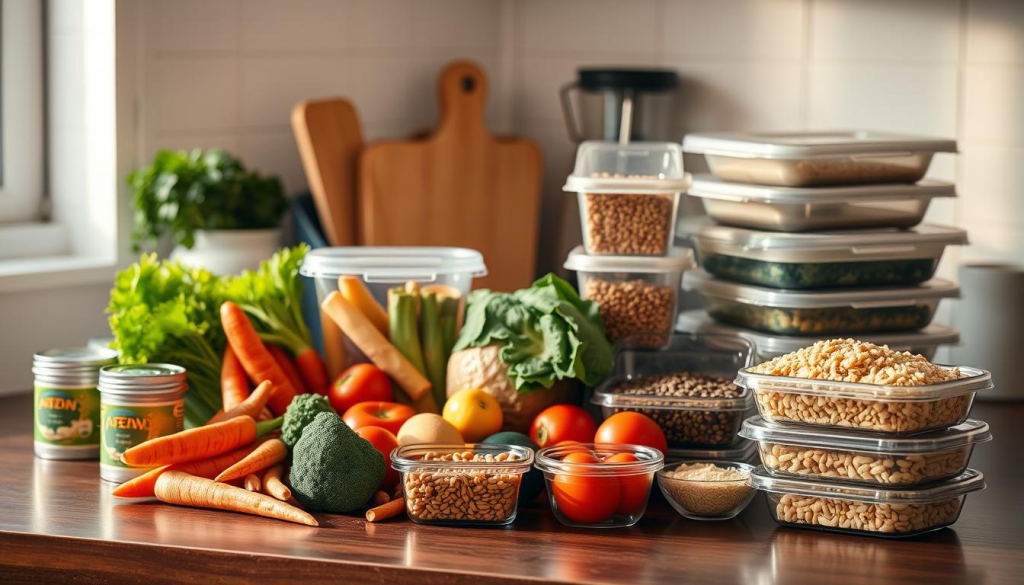
To set a realistic meal prep budget, start by tracking your current food expenses. This includes money spent on dining out, takeout, and groceries. By understanding where your money is going, you can identify areas for reduction and allocate that money towards meal prep.
Consider your dietary needs and preferences when setting your budget. If you require special ingredients or have specific nutritional needs, factor these into your budget. A low-cost meal prep guide can provide valuable insights into affordable ingredients and meal ideas.
Tips for Sticking to Your Budget
Sticking to your meal prep budget requires discipline and planning. Here are some economical meal prep strategies to help you stay on track:
- Plan your meals around seasonal produce to save money.
- Buy in bulk and portion out ingredients to reduce waste.
- Use affordable protein sources like beans, lentils, and eggs.
- Avoid processed and pre-packaged meals, opting for whole ingredients instead.
By implementing these budget-conscious meal prepping tips, you can enjoy the benefits of meal prep without breaking the bank. Regularly review your budget and adjust as needed to ensure you’re staying on track with your financial goals.
Planning Your Meals for the Week
Starting your meal prep journey begins with planning your meals around what’s affordable and available. This initial step is crucial in ensuring that your meal prep is both budget-friendly and effective.
Creating a Weekly Meal Plan
To create a weekly meal plan, start by considering your dietary needs and preferences. Think about the meals you enjoy and that fit within your budget. It’s also helpful to plan around what’s in season, as seasonal produce is often cheaper and fresher.
Steps to Create a Weekly Meal Plan:
- Identify your dietary goals and restrictions.
- Plan meals around seasonal and affordable ingredients.
- Consider cooking methods that save time and energy.
- Make a list of the ingredients you’ll need.
Choosing Budget-Friendly Ingredients
Choosing the right ingredients is key to budget-friendly meal prep. Focus on purchasing items that are versatile and can be used in multiple meals. Some examples include:
- Rice and pasta for carbohydrate sources.
- Canned beans and lentils for protein.
- Seasonal vegetables for variety and nutrition.
Utilizing Seasonal Produce
Utilizing seasonal produce not only saves money but also ensures that your meals are fresh and flavorful. Here’s how to make the most of it:
- Check local farmer’s markets or grocery stores for what’s in season.
- Plan your meals around the freshest produce available.
- Consider freezing or preserving excess produce for later use.
By following these steps, you can create a meal plan that is both budget-friendly and enjoyable, setting you up for success in your meal prep journey.
Shopping Smart for Meal Prep
Smart shopping is the backbone of successful meal prep, enabling you to save money without compromising on quality. When you shop smart, you’re not just looking for the lowest prices; you’re also considering the value and nutritional quality of the food you’re buying.
Tips for Budget Grocery Shopping
To shop effectively on a budget, start by making a list based on your meal plan. Sticking to your list will help you avoid impulse buys that can blow your budget. Additionally, consider shopping at discount stores or using cashback apps for groceries.
Another tip is to buy generic or store brands when possible. Many generic products are of similar quality to their name-brand counterparts but at a lower price. You can also save by purchasing items like rice, pasta, and canned goods in larger quantities.

When to Buy in Bulk
Buying in bulk can be a great way to save money, but it’s essential to do it wisely. Non-perishable items like grains, nuts, and canned goods are ideal for bulk purchases. You should also consider buying frozen fruits and vegetables, which can be just as nutritious as fresh and are often cheaper.
However, be cautious with perishable items. Buying them in bulk can be cost-effective only if you can consume them before they expire. It’s also worth noting that some stores offer bulk bins where you can buy the quantity you need, reducing waste and saving money.
Comparing Prices and Finding Deals
To get the best value, it’s crucial to compare prices across different brands and stores. Use digital tools like price comparison apps or websites to find the best deals. Many stores also offer weekly specials and loyalty programs that can help you save.
Keep an eye out for sales on protein sources like chicken, fish, and beans, as these can be significant components of your meal prep costs. Stocking up on these items when they’re on sale can help you save in the long run.
By implementing these strategies, you can make your meal prep more economical without sacrificing the quality of your meals. Shopping smart is about being informed, planning ahead, and making conscious choices that align with your budget and dietary needs.
Essential Meal Prep Tools and Supplies
Equipping your kitchen with the right tools is the first step to efficient meal prep. Having the proper equipment not only makes the process smoother but also helps in maintaining the quality of your prepped meals.
Must-Have Kitchen Tools for Meal Prep
To meal prep effectively, you’ll need a few essential kitchen tools. These include a good chef’s knife, cutting boards, pots, pans, and utensils like spatulas and whisks. Investing in quality tools can make a significant difference in your meal prep experience.
A slow cooker or Instant Pot can be a valuable addition to your kitchen, allowing you to cook meals in large quantities with minimal effort. Additionally, a set of measuring cups and spoons ensures that your recipes are accurate and consistent.
Budget-Friendly Containers for Storage
Storage containers are a crucial part of meal prep, as they help keep your meals fresh and organized. Look for airtight containers that are durable and can be used in both the refrigerator and freezer.
Some budget-friendly options include glass containers with lids and stackable plastic containers. These not only save space in your fridge but also make it easy to reheat meals. When choosing containers, consider the size and material to ensure they meet your meal prep needs.
By investing in the right tools and supplies, you can make meal prep more efficient and enjoyable, ultimately helping you stick to your budget and nutrition goals.
Cooking in Batches: The Key to Savings
Preparing meals in large quantities is a key strategy for budget-friendly meal prep. By cooking in batches, you can save both time and money, making it an ideal approach for those on a tight budget.
Cooking in Large Quantities
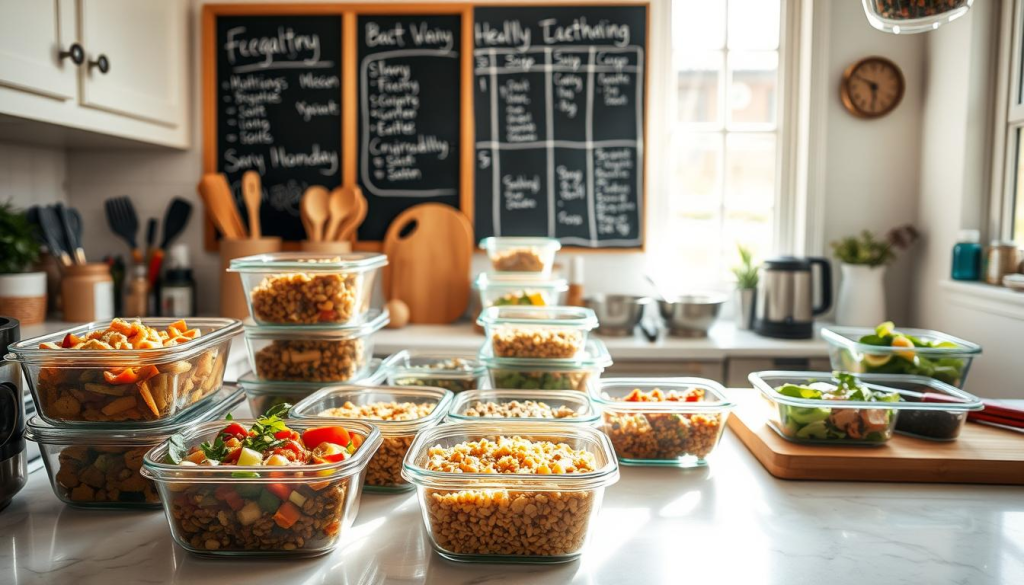
Cooking in large quantities involves preparing multiple meals at once, which can be stored for later use. This method allows you to take advantage of bulk purchasing and reduces food waste.
- Choose recipes that can be easily scaled up.
- Invest in a few large cooking vessels to accommodate big batches.
- Label and date your stored meals for easy identification.
Freezer-Friendly Meal Prep Ideas
Freezing meals is a great way to extend the shelf life of your prepped meals. Consider preparing freezer-friendly dishes like soups, casseroles, and individual portions of meals.
- Prepare a large batch of soup and freeze it in individual portions.
- Cook casseroles that can be reheated in the oven or microwave.
- Make a batch of breakfast burritos and freeze them for quick breakfasts.
Expanding Your Meal Options with Leftovers
Using leftovers creatively can significantly expand your meal options without additional cost. Consider repurposing last night’s dinner into tomorrow’s lunch or turning leftover vegetables into a soup.
- Use leftover roast chicken to make chicken salad or sandwiches.
- Transform leftover vegetables into a hearty soup or stew.
- Turn last night’s dinner into a packed lunch for the next day.
By adopting these money-saving meal preparation strategies, you can enjoy a variety of meals while staying within your budget. Cooking in batches not only saves time but also helps in reducing food waste and lowering your grocery bills.
Reusing Ingredients Creatively
Reusing ingredients is a key strategy for economical meal prep strategies, allowing you to create multiple meals from a few ingredients. This approach not only reduces waste but also saves you money by maximizing the use of each ingredient you buy.
Making Different Meals with the Same Ingredients
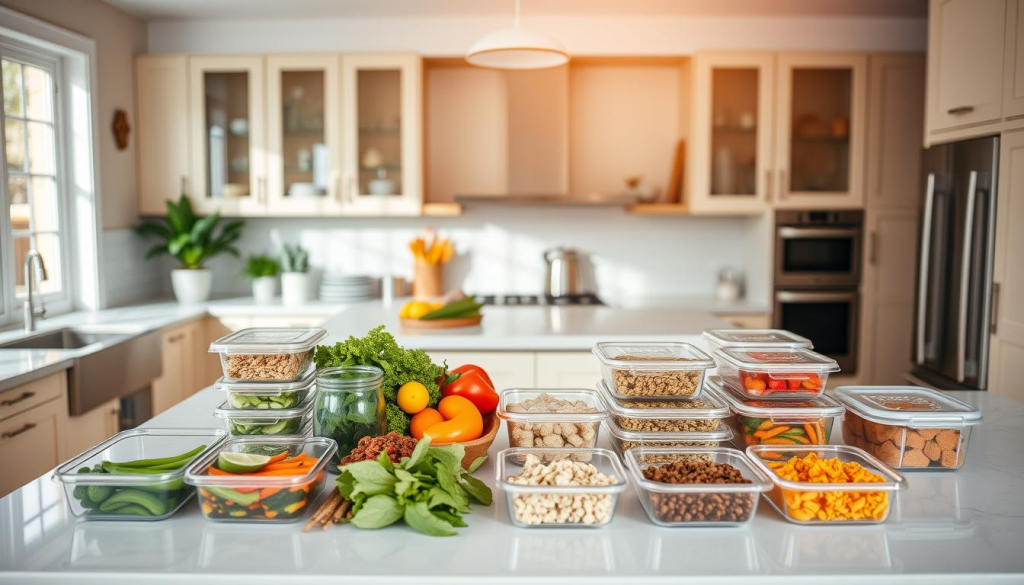
One effective way to reuse ingredients is by planning meals around a central ingredient. For example, a whole chicken can be used to make multiple meals: roast chicken for dinner, chicken salad for lunch the next day, and chicken soup with the leftover bones.
Similarly, buying in bulk and repurposing ingredients can help. Grains like rice or pasta can be used in various dishes, from main courses to side dishes or even desserts. Being creative with your ingredients can significantly reduce meal prep costs.
Tips for Stretching Ingredients Further
To stretch your ingredients further, consider the following tips:
- Use vegetables that are nearing spoilage in soups or stews.
- Transform last night’s dinner into tomorrow’s lunch by repackaging it or turning it into a new dish.
- Freeze portions of meals for later use, especially when cooking in bulk.
- Make use of cheaper cuts of meat by slow-cooking them, making them tender and flavorful.
By adopting these strategies, you can enjoy varied meals while keeping your meal prep budget in check.
Nutrition on a Budget
Healthy eating on a budget is simpler than you think with the right approach. By making a few strategic changes to your meal planning and grocery shopping habits, you can enjoy nutritious meals without breaking the bank.
Balancing Your Meals Without Breaking the Bank
Balancing your meals with the right mix of nutrients is crucial for maintaining good health. Protein, fiber, and healthy fats are essential components of a balanced diet. You can achieve this balance by incorporating affordable ingredients like beans, lentils, and seasonal vegetables into your meals.
For example, a meal of lentil soup with whole grain bread provides a good mix of protein, fiber, and complex carbohydrates. Such meals are not only nutritious but also budget-friendly.
The Importance of Protein and Fiber
Protein is vital for muscle repair and growth, while fiber helps with digestion and satiety. Including sources of protein like beans, eggs, and canned tuna, and fiber-rich foods like oats, fruits, and vegetables in your diet can be cost-effective.
A diet rich in protein and fiber can also help reduce overall food costs by minimizing the need for expensive, processed snacks. Planning your meals around these nutrients can lead to healthier eating habits and savings.
To incorporate more protein and fiber into your diet on a budget, consider the following tips:
- Buy in bulk: Purchasing items like oats, beans, and lentils in larger quantities can save you money.
- Plan your meals: Creating a meal plan helps ensure you’re using the ingredients you buy, reducing waste.
- Shop seasonally: Produce that’s in season is often cheaper and fresher.
Time Management for Meal Prep
To make meal prepping a sustainable habit, it’s essential to manage your time wisely. Effective time management allows you to prepare healthy meals in advance without feeling overwhelmed or sacrificing too much of your precious time.
Meal prepping is not just about cooking; it’s about planning, shopping, and organizing your meals for the week. By dedicating a specific time slot to meal prep, you can streamline your weekly routine, reduce food waste, and save money.
Scheduling Your Meal Prep Sessions
Scheduling is key to successful meal prep. Choose a day and time that works best for you, typically on the weekends or one day during the week when you have a bit more free time.
- Plan your meals for the week ahead.
- Make a grocery list based on your meal plan.
- Shop for ingredients.
- Prep and cook your meals.
- Portion out your meals into containers.
By breaking down meal prep into these manageable tasks, you can fit them into your schedule without feeling overwhelmed. For example, you might spend 30 minutes planning, 30 minutes shopping, and 1 hour cooking and portioning out your meals.
Quick Meal Prep Tips for Busy Lifestyles
For those with particularly busy lifestyles, there are still ways to incorporate meal prep into your routine. Here are some quick tips:
- Keep it simple: Start with simple recipes that require minimal ingredients and preparation time.
- Prep in bulk: Cooking large batches of a single ingredient, like rice or grains, can save time during the week.
- Utilize leftovers: Plan meals that use leftovers to reduce food waste and save time on cooking.
- One-pot meals: Opt for meals that can be cooked in one pot to reduce cleanup time.
By implementing these strategies, you can enjoy the benefits of meal prepping, including saving money and eating healthier, even on the busiest of schedules.
Storing and Organizing Prepped Meals
Proper storage is key to enjoying your prepped meals throughout the week without compromising on taste or nutrition. When you store your meals effectively, you not only maintain their freshness but also make mealtime more efficient.
Proper Storage Techniques for Freshness
To keep your prepped meals fresh, it’s crucial to use the right storage techniques. Airtight containers are a must-have for meal prep. They prevent air, moisture, and other contaminants from affecting your food, thus prolonging its shelf life. When choosing containers, opt for those that are BPA-free and have secure lids.
For meals that won’t be consumed within a few days, consider freezer-friendly containers or bags. Freezing is an excellent way to preserve meals without sacrificing nutritional value. When you’re ready to eat, simply thaw and reheat. Always label your frozen meals with the date and contents to ensure you use the oldest items first.
Labeling Your Meals for Easy Access
Labeling your meals is just as important as storing them properly. By labeling, you can easily identify what you’ve stored and when it was prepared. Use labels or stickers to mark the date, meal name, and any reheating instructions. This simple step can save you time and reduce food waste.
As “The key to successful meal prep is not just in the cooking, but in the organization and storage”, says a meal prep expert. Organizing your meals in a logical manner, such as by type or by day, can further enhance your meal prep experience. This way, you can quickly grab what you need and go.
By implementing these storage and labeling strategies, you can enjoy your budget-friendly meal prep without the hassle, ensuring that your meals remain fresh and your mealtime is always efficient.
Easy Recipes for Budget-Friendly Meal Prep
Eating well on a budget is achievable with simple meal prep ideas that are both affordable and delicious. Meal prep can be a game-changer for those looking to save money and time during the week. By preparing meals in advance, you can avoid last-minute, often expensive, dining decisions.
Simple Breakfast Meal Prep Ideas
Breakfast is often considered the most important meal of the day, and with meal prep, you can ensure you start your day off right without breaking the bank. Here are some simple and affordable breakfast meal prep ideas:
- Overnight oats: Mix rolled oats, milk, and your choice of toppings (such as fruits, nuts, or seeds) in a jar. Refrigerate overnight and enjoy in the morning.
- Breakfast burritos: Scramble eggs, add black beans, cheese, and your choice of fillings, then wrap in a tortilla. Freeze for up to 3 months.
- Muffin tin frittatas: Whisk eggs, milk, and diced vegetables, pour into muffin tins, and bake until set. Perfect for a quick breakfast on-the-go.
Affordable Lunch and Dinner Recipes
For lunch and dinner, you can also prepare meals that are both budget-friendly and delicious. Here are some ideas:
| Meal | Ingredients | Cost |
|---|---|---|
| Lentil soup | Lentils, onions, carrots, celery, broth | $1.50 per serving |
| Chicken and rice bowl | Chicken breast, rice, mixed vegetables | $2.50 per serving |
| Veggie stir-fry | Mixed vegetables, oil, soy sauce, rice or noodles | $2 per serving |
These meals are not only budget-friendly but can also be made in large quantities, providing leftovers for future meals.
By incorporating these meal prep ideas into your routine, you can enjoy a variety of delicious meals while staying within your budget. Meal prep is all about planning and creativity, allowing you to make the most of your grocery shopping.
Conclusion: Enjoy the Benefits of Meal Prepping
By incorporating meal prepping into your lifestyle, you can save money, time, and improve your nutrition. With a little planning and creativity, you can enjoy healthy, delicious meals without breaking the bank.
Practical Tips for Long-Term Success
To stay on track with your meal prep journey, focus on setting realistic goals and tracking your progress. Start by planning your meals around seasonal produce and budget-friendly ingredients. Utilize leftovers and cook in batches to maximize your savings.
Staying on Track
Staying motivated with your meal prep journey involves being consistent and flexible. Experiment with new recipes and ingredients to keep your meals interesting. By following these tips and being mindful of your budget, you can enjoy the benefits of meal prepping for years to come, making it easier to stick to your budget-conscious meal prepping plan and apply effective meal prepping tips for saving money.