
Having an adequate bug out bag water supply is crucial for survival during emergencies. According to FEMA, at least 1 gallon of water per person per day is recommended.
In emergency situations, dehydration can set in quickly, making it essential to have a reliable bug out bag hydration system. Proper water storage can be a lifesaver, ensuring you stay hydrated and maintain your energy levels.
Key Takeaways
- Store at least 1 gallon of water per person per day.
- Consider a water filtration system for long-term survival.
- Regularly check and update your water supply.
- Don’t forget water purification tablets or a portable filter.
- Keep your bug out bag hydration system easily accessible.
Why Water is Essential in a Bug Out Bag
Water is a fundamental necessity for survival, making it a crucial component of any bug out bag. In emergency situations, access to clean drinking water can be limited, and dehydration can set in rapidly. Understanding the importance of water in a bug out bag is vital for preparing individuals to face unexpected challenges.
Importance of Staying Hydrated
Staying hydrated is essential for maintaining physical and mental performance. Adequate hydration helps regulate body temperature, transport nutrients, and remove waste products. In a survival situation, being hydrated can be the difference between making rational decisions and succumbing to panic.
In addition to its physical benefits, hydration also plays a crucial role in maintaining mental acuity. Dehydration can impair cognitive function, leading to decreased focus, memory, and mood disturbances. Ensuring adequate water intake is crucial for maintaining the clarity of thought needed to navigate emergency situations effectively.
Health Risks Associated with Dehydration
Dehydration can lead to a range of serious health issues, from mild discomfort to life-threatening conditions. Common symptoms of dehydration include headaches, fatigue, dry mouth, and dizziness. If left unaddressed, dehydration can progress to more severe stages, potentially resulting in heatstroke, kidney damage, or even death.
It is crucial to recognize the early signs of dehydration and take prompt action to rehydrate. In a bug out situation, being aware of one’s hydration status and taking proactive measures to maintain it can significantly impact survival and recovery.
Recommended Water Amounts for Different Scenarios
When preparing a bug out bag, understanding the recommended water amounts for different scenarios is essential. The amount of water needed can vary significantly based on the duration of the emergency, the number of people relying on the bug out bag, and individual factors such as age and activity level.
General Rule of Thumb
A commonly cited guideline is to store at least 1 gallon of water per person per day for drinking, cooking, and hygiene. This recommendation comes from FEMA and is widely accepted as a minimum standard for emergency preparedness. For a short-term emergency, this amount should suffice for basic needs.
For example, if you’re preparing for a 3-day emergency, you would need to store at least 3 gallons of water per person. This calculation is straightforward for short-term needs but becomes more complex when considering longer-term scenarios.
Short-Term vs. Long-Term Needs
For short-term emergencies, the focus is on immediate survival needs. The CDC suggests storing 30 gallons per month per person for all needs, including drinking, cooking, and personal hygiene. This amount can be adjusted based on individual circumstances, such as climate and activity level.
In contrast, long-term emergencies require a more sustainable approach to water storage and management. Considerations include not only the initial amount of water stored but also the means to purify or replenish water supplies over time. Techniques such as water filtration, chemical purification, and rainwater collection become crucial for long-term survival.
Understanding these different scenarios and planning accordingly is key to ensuring an adequate emergency water supply bag that meets your needs, whether for a short evacuation or a prolonged crisis.
Types of Water Containers for Bug Out Bags
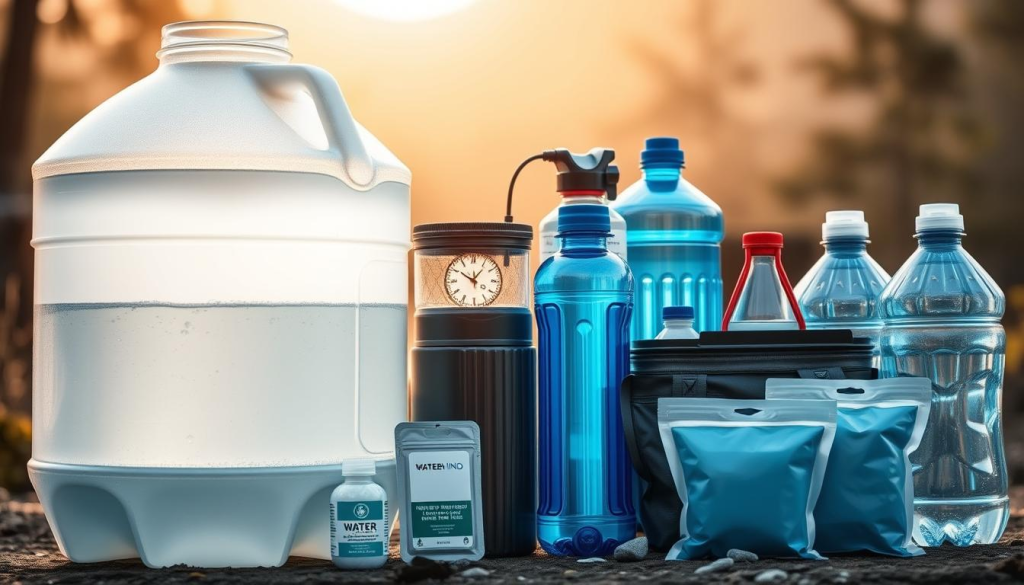
Selecting the right water container for a bug out bag is crucial for ensuring access to clean drinking water during emergencies. The choice of container can significantly affect the overall weight, durability, and usability of the bag.
There are several types of water containers that are suitable for bug out bags, each with its own set of advantages and disadvantages. Understanding these differences is key to making an informed decision.
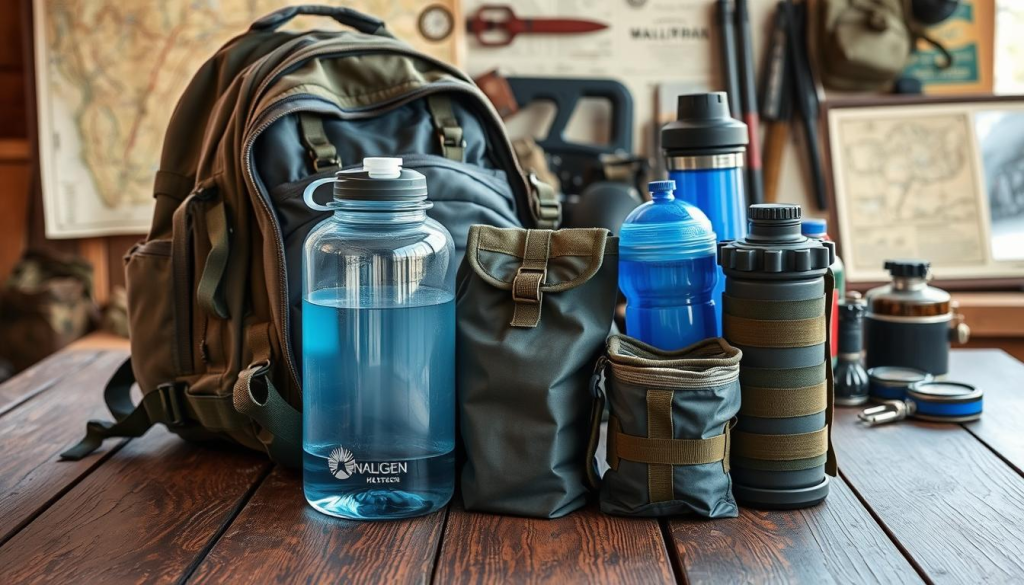
Bottled Water
Bottled water is a popular choice for bug out bags due to its convenience and widespread availability. Pre-filled bottles can be directly added to the bag without needing additional preparation.
However, bottled water can be heavy and bulky, especially when considering the need to store enough water for an extended period. It’s also worth noting that once a bottle is opened, the water should be consumed or treated to prevent contamination.
Hydration Bladders
Hydration bladders offer a flexible and efficient way to store water in bug out bags. They can be easily stowed away when empty, saving space, and can hold a significant amount of water when full.
Collapsible and lightweight, hydration bladders are designed for on-the-go hydration. However, they can be prone to leaks and may require additional treatment to ensure water purity.
Collapsible Water Containers
Collapsible water containers are another versatile option for bug out bags. They are typically made from durable, flexible materials that can withstand various environmental conditions.
These containers are space-efficient and can be easily stored when not in use. They also allow for easy carrying and dispensing of water. However, the quality can vary between manufacturers, so it’s essential to choose a reputable brand.
| Container Type | Advantages | Disadvantages |
|---|---|---|
| Bottled Water | Convenient, widely available | Heavy, bulky |
| Hydration Bladders | Flexible, efficient, lightweight | Prone to leaks, requires treatment |
| Collapsible Containers | Space-efficient, durable | Quality varies by brand |
Water Purification Methods to Consider
Water purification is a vital aspect of preparing your bug out bag for any disaster scenario. Having a reliable method to purify water can significantly enhance your bug out bag hydration strategy.
There are several methods to purify water, each with its own advantages and effectiveness. Two of the most common methods include using water filters and chemical purification tablets.
Water Filters
Water filters are a popular choice for purifying water in emergency situations. They work by passing water through a filtering medium that removes contaminants and pathogens.
Types of Water Filters:
- Mechanical Filters: These filters use physical barriers to remove particles and contaminants.
- Ceramic Filters: Known for their effectiveness in removing bacteria and viruses.
- Activated Carbon Filters: Useful for improving taste and removing certain chemicals.
| Filter Type | Effectiveness | Maintenance |
|---|---|---|
| Mechanical | High | Regular cleaning |
| Ceramic | Very High | Periodic replacement of elements |
| Activated Carbon | Moderate | Replacement every 6 months |
Chemical Purification Tablets
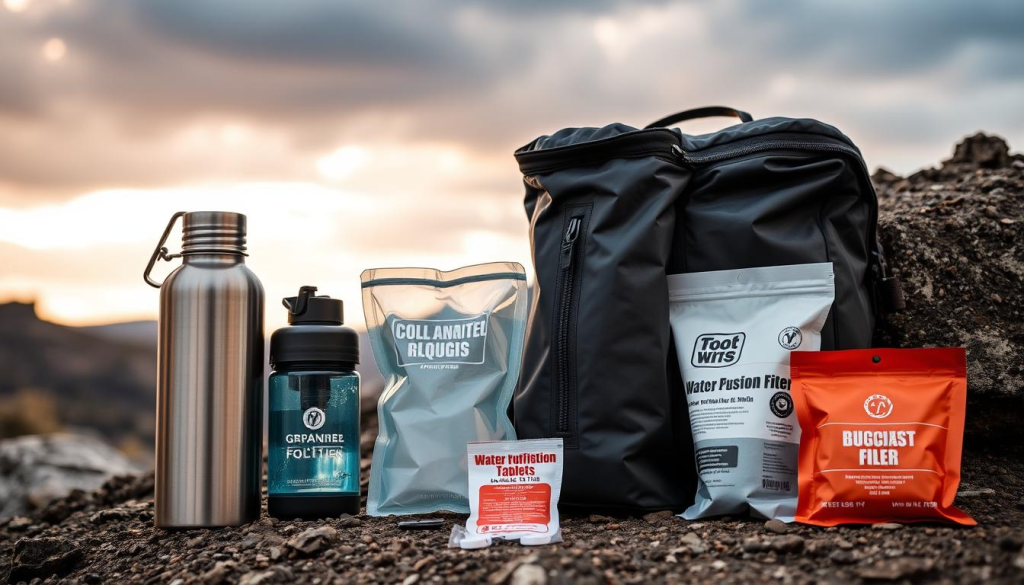
Chemical purification tablets are another effective method for making water safe to drink. These tablets typically contain disinfectants like chlorine or iodine that kill bacteria and viruses.
Benefits of Chemical Purification Tablets:
- Easy to use
- Lightweight
- Effective against a wide range of pathogens
When choosing a water purification method for your bug out bag, consider factors such as effectiveness, ease of use, and maintenance requirements. Both water filters and chemical purification tablets can be effective, depending on your specific needs and the environment you’re in.
How to Determine Your Personal Water Needs
Determining the right amount of water for your bug out bag depends on several personal factors. When preparing for emergencies, it’s essential to consider how much water you individually need to stay hydrated and healthy.
Factors to Consider
Several factors influence your personal water needs, including age, sex, weight, and overall health. For instance, older adults or people with certain medical conditions may require more water. It’s crucial to assess your individual health needs when calculating the water quantity for your bug out bag.
Moreover, the climate and environment you’re in also play a significant role. Hot and humid conditions increase the need for hydration, whereas cold environments might reduce it but still require adequate water supply.
Activity Level and Climate Impact
Your activity level is another critical factor. If you’re likely to be highly active during an emergency, you’ll need more water to replenish lost fluids. As “the American Red Cross suggests, you should store at least one gallon of water per person per day for drinking, cooking, and hygiene”. However, this can vary based on your activity level and the climate.
In hot climates, the need for water increases significantly due to higher rates of dehydration. Conversely, in cold climates, while the need might seem less, hydration remains crucial.
“In any survival situation, having enough water is more important than having enough food,”
To tailor your bug out bag to your needs, consider these factors and adjust your water supply accordingly. Remember, it’s always better to have a bit more than you think you’ll need, rather than not enough.
Packing Strategies for Water in Your Bag
When it comes to packing water in your bug out bag, striking the right balance between weight and space is crucial. The goal is to carry enough water to sustain you for an adequate period without overburdening yourself.
Weight Considerations
Water is heavy; a gallon of water weighs approximately 8.34 pounds. Therefore, it’s essential to consider the weight implications of carrying water in your bug out bag. Minimizing weight while maximizing water storage is key. One strategy is to use water containers that are both durable and lightweight.
For instance, using hydration bladders or collapsible water containers can significantly reduce the overall weight of your bug out bag compared to carrying rigid plastic bottles. It’s also worth considering the distribution of weight within your bag to maintain balance and comfort.
Space-Saving Techniques
Space is another critical factor when packing water into your bug out bag. Collapsible or flexible containers can be compressed when empty, saving valuable space that can be used for other essential items. Another technique is to utilize any available pockets or compartments within your bag to store smaller water containers or purification tablets.
To further optimize space, consider the shape of your water containers. Containers that can be easily stowed away in corners or against the sides of your bag can help in maintaining a compact overall profile.
| Container Type | Weight | Space Efficiency |
|---|---|---|
| Hydration Bladders | Lightweight | High |
| Collapsible Containers | Very Lightweight | Very High |
| Rigid Plastic Bottles | Heavy | Low |
By carefully selecting the type of water containers and employing efficient packing strategies, you can ensure that your bug out bag is both well-stocked with water and manageable to carry.
Other Hydration Solutions for Bug Out Bags
In addition to water containers, there are other innovative hydration solutions that can be included in a bug out bag. These alternatives can provide additional options for staying hydrated during emergencies.
Water-Absorbing Gels
Water-absorbing gels, also known as hydration packs or moisture-rich gels, can be a valuable addition to a bug out bag. These gels can absorb and retain water, providing a compact source of hydration.
Benefits of Water-Absorbing Gels:
- Compact and lightweight
- Can be reused
- Provides a slow release of water
Emergency Drinking Straws
Emergency drinking straws are another hydration solution that can be included in a bug out bag. These straws often come with built-in filters, allowing users to drink safely from questionable water sources.
Features to Consider:
| Feature | Description | Benefit |
|---|---|---|
| Built-in Filter | Removes contaminants and bacteria | Safe drinking water |
| Compact Design | Easily fits in a bug out bag | Convenient to carry |
| Reusable | Can be used multiple times | Cost-effective |
By incorporating these alternative hydration solutions into a bug out bag, individuals can enhance their preparedness for emergencies and ensure access to safe drinking water.
Drinking Water Sources During an Emergency
In emergency scenarios, the ability to locate and utilize various drinking water sources is vital. Having a reliable means of accessing clean drinking water can significantly impact survival and comfort during crisis situations.
Finding Freshwater
Identifying sources of freshwater is a critical skill in emergency preparedness. Freshwater can be found in various natural sources such as rivers, lakes, and springs. When searching for freshwater, it’s essential to consider the potential for contamination, especially in areas near industrial or agricultural runoff.
Tips for Finding Freshwater:
- Look for areas with lush vegetation, as they often indicate the presence of water.
- Follow animal tracks, as they may lead to water sources.
- Check for signs of recent water flow or presence, such as wet ground or recent water marks.
Rainwater Collection Techniques
Rainwater collection is another effective method for obtaining drinking water during emergencies. By harvesting rainwater, individuals can reduce their reliance on potentially contaminated water sources.
Effective Rainwater Collection Methods:
- Use clean, food-grade containers or tarps to collect rainwater.
- Ensure the collection surface is free from contaminants and debris.
- Filter or purify collected rainwater before consumption to remove any potential pathogens.
By understanding how to find and collect drinking water, individuals can enhance their emergency preparedness and improve their chances of staying hydrated during crisis situations.
Regular Maintenance and Water Replacement
To stay hydrated during a crisis, it’s vital to regularly check and replace the water in your bug out bag. Water is a perishable item and can become a breeding ground for bacteria and other contaminants over time.
Regular maintenance involves checking the water supply for any signs of contamination, such as unusual odors, colors, or sediment. It’s also crucial to inspect the containers for any damage or leaks that could compromise the water quality.
When to Change Out Water Supplies
The frequency of changing out water supplies depends on several factors, including the storage conditions and the type of containers used. Generally, it’s recommended to replace water every 6 to 12 months.
- Check expiration dates on bottled water.
- Inspect containers for signs of damage or leaks.
- Test the water for any signs of contamination.
Importance of Water Testing
Testing your water supply is a critical step in ensuring it’s safe to drink. There are various methods to test water, including using water testing kits or sending samples to a laboratory for analysis.
Water Testing Methods:
| Method | Description | Effectiveness |
|---|---|---|
| Visual Inspection | Checking for visible signs of contamination. | Moderate |
| Water Testing Kits | Using chemical tests to detect contaminants. | High |
| Laboratory Analysis | Sending samples to a lab for detailed analysis. | Very High |
By regularly maintaining and testing your water supply, you can ensure that your bug out bag is always ready to provide you with safe drinking water in case of an emergency.
Preparing for Special Needs
Ensuring adequate water supply for families and pets is a critical aspect of emergency preparedness. When disasters strike, having enough water for every individual, including children and pets, becomes a top priority.
Water Needs for Families
Families have unique water needs that must be considered when packing a bug out bag. The general rule of thumb is to store at least one gallon of water per person per day for drinking, cooking, and hygiene. For families with infants, additional water should be stored for formula preparation and diaper hygiene.
Calculating Family Water Needs:
| Family Member | Daily Water Needs |
|---|---|
| Adult | 1 gallon |
| Child | 0.5 gallon |
| Infant | Additional 0.5 gallon for formula |
Considerations for Pets
Pets also require adequate water supply during emergencies. The amount of water needed for pets depends on their size, age, and activity level. A general guideline is to store at least one ounce of water per pound of body weight per day for dogs, and slightly less for cats.
“In disaster situations, pets can become stressed and may drink more water than usual. Ensuring they have access to clean drinking water is crucial for their health and well-being.”
For families with multiple pets, it’s essential to calculate the total water needs accordingly. Using a hydration bladder or collapsible water containers can be an efficient way to store and carry the required amount of water.
By understanding and preparing for the special water needs of families and pets, individuals can ensure they are better equipped to handle emergencies and keep their loved ones safe and hydrated.
Conclusion: Preparing with the Right Amount of Water
Having the right amount of water in a bug out bag is crucial for survival during emergencies. As discussed, staying hydrated is essential, and the amount of water needed can vary based on several factors, including activity level and climate.
Key Takeaways
To ensure you’re prepared, remember to pack the recommended amount of water, consider using water purification methods, and choose the right water containers for your bug out bag. Regular maintenance and replacement of water supplies are also vital to keep your bug out bag hydration effective.
Staying Prepared
By reviewing the key points and incorporating these strategies into your emergency preparedness plan, you’ll be better equipped to handle unexpected situations. Focus on bug out bag essentials, such as water storage and purification, to ensure you’re ready for any challenge. Proper bug out bag hydration is key to survival, so stay informed and stay prepared.